
Tuesday February 17, 2026
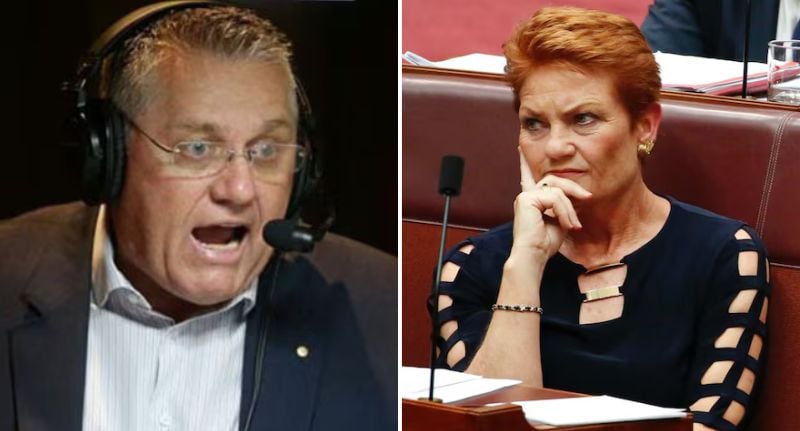
Ray Hadley demands Pauline Hanson apologise for Muslim comments
Conservative radio host Ray Hadley has demanded that One Nation leader Pauline Hanson apologise for her most recent comments about Muslims.
Hadley said Hanson must apologise to the “vast majority of Australian Muslims” after saying Islam “concerns her”, adding inaccurately that Muslims “hate Westerners.”
The former 2GB media identity stressed that a minority “think like Pauline Hanson.”
“What Pauline said was just wrong, really wrong. Sometimes she gets so wound up, like a spring, and she says things that she shouldn’t say.
“The fact that she’s empowered by the polls, she thinks she’s gotta keep driving that wedge, and I think she’s wrong.”
Hanson’s newest comments came during an interview with Sky presenter Sharri Markson on Monday night, where she warned that continuing to welcome Muslim immigrants will see Australia “suffer as other countries have, like France and Denmark, England and Canada.”
Hanson further stated: “I’ve got no time for the radical Islam, their religion concerns me because what it says in the Quran.
“They hate Westerners, and that’s what it’s all about. You say there’s great Muslims out there, well I’m sorry, how can you tell me there are good Muslims?”
Visibly shocked, Markson responded, “There are a lot of moderate Muslims in Australia who are, as you put it, good Muslims. I think we can agree that radical extremist Islam that doesn’t support Australian values, has no place here.”
She then shared a personal story about meeting an Australian Muslim Uber driver while covering the 2025 Bondi Beach massacre, who helped victims.
“This is just one example of someone who doesn’t share the values of extremist Islam,” she said.
Hadley later agreed during his apology demand: “We don’t want the wrong people coming here. We want good people coming here, and in the main we do get good people.”
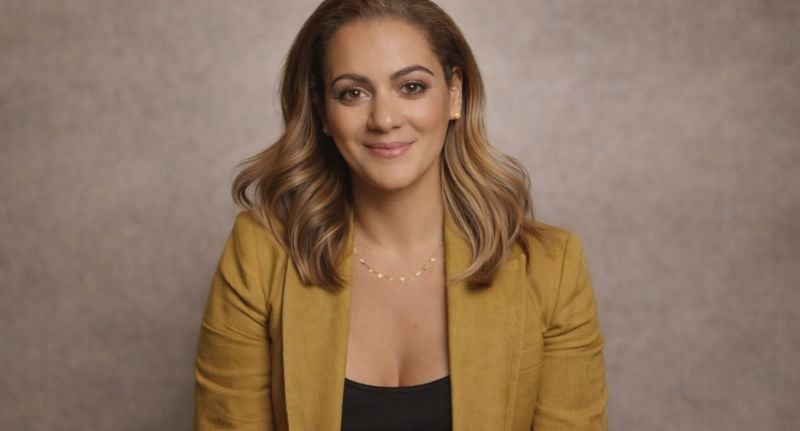
CRA poaches Nine growth executive Helena O’Dowd to drive audio’s commercial push
Commercial Radio & Audio (CRA) has appointed Nine’s Director of Growth and Retention, Helena O’Dowd, as the new Head of Commercial Strategy.
According to the organisation, the move is intended to drive audience expansion and revenue increases throughout Australia’s audio sector.
In this newly created role, O’Dowd will oversee industry-wide initiatives within CRA’s 2030 Strategic Plan.
Her primary objectives are to strengthen audio’s commercial value and simplify the purchasing process for advertisers.
Her appointment arrives at a critical time, as radio and digital audio operators work to protect their share of advertising spend against competition from global streaming and video platforms, including Spotify and YouTube.
Strategic hire signals stronger commercial push
CRA CEO Lizzie Young stated that the appointment reflects the industry body’s intent to sharpen its commercial focus while better connecting advertisers with the Australian audio ecosystem.
“This is an exciting appointment for CRA. Helena’s understanding of the consumer marketing landscape and commercial realities makes her well-placed to address the challenges facing marketers today,” Young said.
“We have significant audience scale and data demonstrating that audio drives profitable growth for brands. Our innovation pipeline focuses on strategic priorities to expand our reach and make audio easier to buy. This role, with its dedicated customer focus, complements our existing activities and the CRA team supporting Australia’s commercial audio broadcasting sector.”
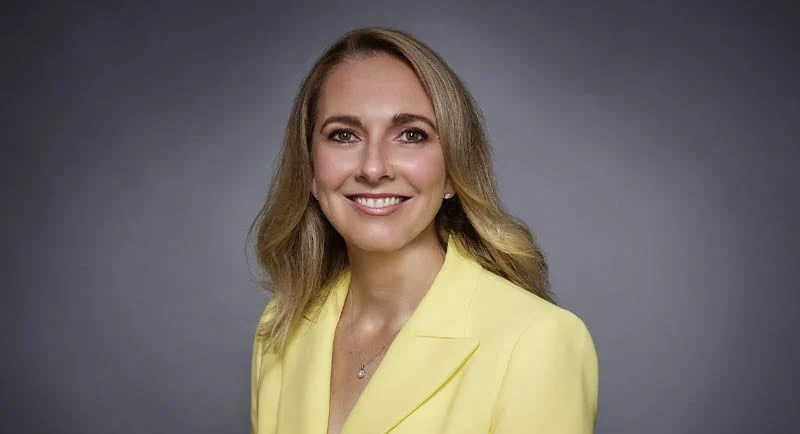
Lizzie Young. Source: CRA
The position highlights CRA’s focus on commercialisation as measurement tools and buying platforms become central to the competition for marketing budgets.
Nine loses key growth operator
O’Dowd joins CRA after serving as Director of Growth and Retention at Nine.
There, she worked across a broad portfolio including the 9Network, 9Now, Nine Publishing, Nine Radio, Stan, Domain, and Drive. Her remit also included major commercial partnerships with the NRL, Tennis Australia, and the Olympic movement.
Prior to Nine, O’Dowd held senior roles at media agencies OMD and EssenceMediacom.
For O’Dowd, the move represents a personal shift and a vote of confidence in the commercial trajectory of audio.
“Audio is growing, which shows that consumers value the role it plays in their lives,” O’Dowd said.
“I am excited to join CRA, where the industry’s appetite to move at pace has been positive. I look forward to helping customers access leading brands in a seamless way to solve business problems.”
Her appointment comes ahead of HEARD ’26, CRA’s industry showcase in Sydney.
More than 1,000 marketers and agency leaders are expected to gather to discuss the latest commercial roadmap for the sector.
Stakes rising in battle for ad dollars
The hire underscores the audio sector’s push to position itself as a growth channel by leveraging strong reach and improved measurement frameworks.
With commercial radio delivering mass reach and podcasting driving incremental growth, CRA’s latest executive move signals a coordinated effort to translate audience scale into commercial returns.
For Nine, O’Dowd’s departure marks the loss of a strategist at a time when media companies are focusing on retention and audience monetisation.
Main image: Helena O’Dowd

'Unskippable, and unmissable': oOh!media's CEO on why OOH is at the front of media spend
A day after oOh!media reported higher profits and dividends, CEO James Taylor outlined the deeper forces reshaping the advertising market, arguing that brands are shifting budgets to Out of Home because it delivers a trifecta for those seeking to maximise exposure in an increasingly fragmented media landscape.
They are: visibility, trust, and certainty.
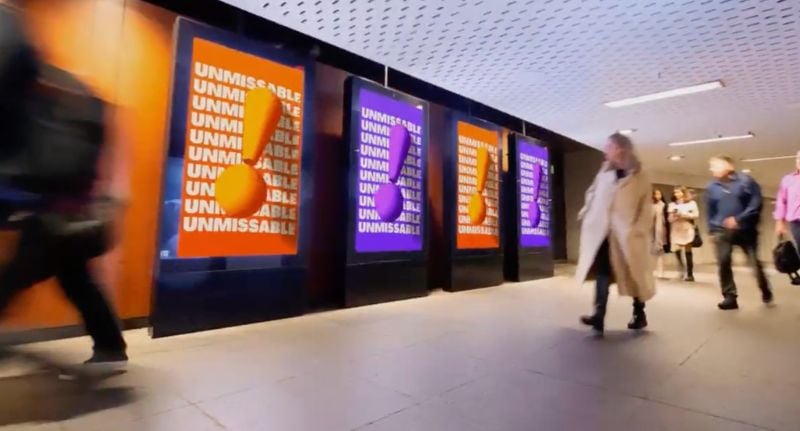
“It’s physical, and it’s trusted. It’s unskippable. It’s unmissable. And so it’s omnipresent,” Taylor told Mediaweek.
“And I think that being present in moments that matter for consumers is really wonderful. It has a level of trust that other platforms, particularly digital ones, have not managed to maintain.”
His comments come after the ASX-listed outdoor media company yesterday posted adjusted net profit after tax of $63.0 million for the year to 31 December 2025, up 7%, alongside an 8% increase in underlying EBITDA to $139.1 million. The Board also lifted its final dividend 14% to 4.0 cents per share.
Yet for Taylor, the results are less about short-term performance and more about a structural shift underway across the entire media ecosystem.
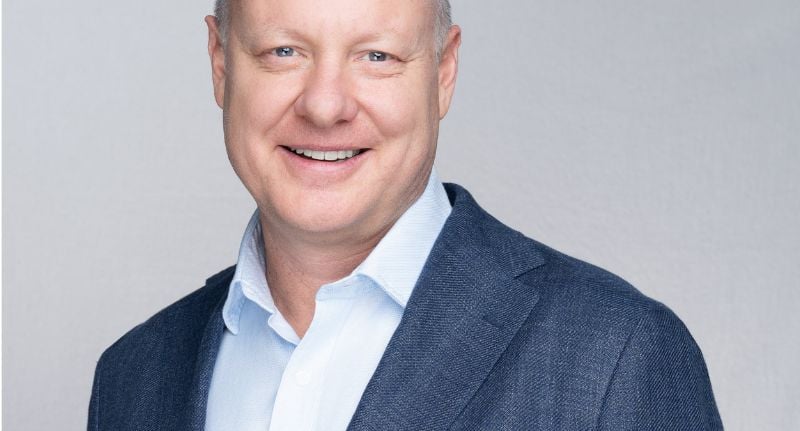
James Taylor. Source: oOh!Media
The FOMO effect
Taylor said the Out of Home sector has fundamentally repositioned itself in marketers’ media plans, evolving from a supplementary channel into a core strategic investment.
“I think if you play back 10 or 15 years, out-of-home was considered an additional buy for marketers,” he said.
“That is not the case now. It’s moving to the centre of their media spend, and there’s an appreciation that out-of-home can do things that other platforms simply can’t.”
That shift is reflected in the sector’s record 16.4% share of agency media spend and in oOh!’s own performance, which maintained a 35% share of the ANZ market and secured approximately $90 million in new contract revenue during the year.
Taylor attributed that growth to a convergence of structural and behavioural factors, such as population density and infrastructure integration.
“We’re seeing more people in our cities, and more people move around our cities, and that helps as well. And we’ve won vastly more contracts than ever before. We’ve got a win rate of 89%, which is pretty good.”
He added that Out of Home’s integration into the physical fabric of cities creates a unique connection between brands and consumers.
“What I particularly love about out-of-home as a sector, and as an operator, is the integration of the offer into urban infrastructure and into people’s lives, the way they actually move through cities,” he said.
“The integration of high-quality advertising into the high-quality infrastructure we build, install, and maintain can make a meaningful societal contribution, but it also presents people’s brands and ad messages in ways no other platform can.”
Nine’s QMS deal confirms the land grab
Taylor said Nine Entertainment’s $850 million acquisition of QMS further validates the sector’s rising strategic importance.
“The purchase of QMS by Nine is a stunning endorsement of the out-of-home sector,” he said.
“It reinforces what I’ve been saying about the sector’s attractiveness, acknowledging both the structural tailwinds and the unique capacity of our outcomes to deliver results that other platforms simply can’t.”
“In terms of our market position, our thesis is that being independent and a specialist is in the best interest of our clients.”
The acquisition underscores a broader trend of traditional media companies expanding into Out of Home to offset audience fragmentation and secure more reliable advertising inventory.
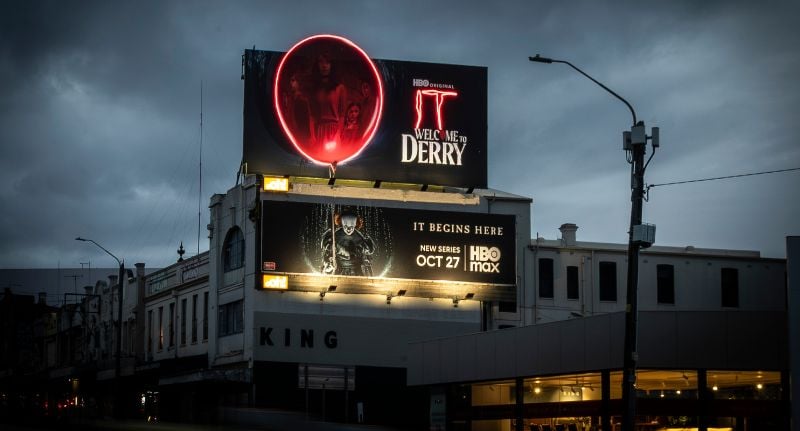
One of oOh!media’s campaigns. Source: oOh!media
Infrastructure, contracts and digital expansion drive momentum
Across oOh!’s portfolio, growth was led by digital billboards and transport infrastructure, with billboard revenue rising 10% to $237.1 million and street furniture and rail climbing 11% to $226.4 million. Airport revenue surged 29% as travel demand rebounded.
Taylor highlighted the strategic power of high-impact digital infrastructure in key urban corridors.
“I was in Melbourne last week, and you drive into town from the airport, and you see the multi-bridge assets that we have there, which is, if my maths is right, six brilliant new digital signs on the way into Melbourne, five brilliant digital signs on the way out,” he said.
“That’s like an audience watching a two-and-a-half-minute commercial every time they walk into the city. It allows brands to stagger messaging across those assets.”
Despite a softer second half and the loss of Auckland Transport inventory, the company’s financial position remains strong, with low gearing and continued investment in premium digital sites.
MOVE measurement resets advertiser confidence
A key driver of future growth is MOVE (Measurement of Outdoor Visibility and Exposure), the industry’s new measurement platform that provides detailed audience insights across the entire Out of Home ecosystem.
Taylor said MOVE would significantly reshape how advertisers evaluate the channel.
“One of the things that we are really pleased about is the way we’ll capture formats that have not been captured before, for example, cinema and youth, and the way we’ll dramatically recast the way in which retail is perceived and valued and measured, knowing that we are the market leader in retail,” he said.
“We are present in the retail centres that represent 50% of retail centre spend, really high-quality assets, and we feel like we’re in a really good position to benefit from MOVE.”
The platform represents a fundamental shift in how campaigns are planned and measured, providing agencies and advertisers with deeper visibility into audience movement and campaign effectiveness.
Early signs momentum is accelerating
Momentum has already carried into 2026, with Australian revenue pacing 7% higher in the first quarter and oOh! gaining market share during key trading months.
“It was an interesting year. A historically large half-one with a more subdued half-two,” Taylor said.
“Looking at CY26, Q1 pacing is up 7% in Australia. And the nice thing about that is that we’ve taken share in both December and January, which is a really strong endorsement of the quality of our sales team, about the way in which they’re approaching the market and the way the market is feeling about them.”
He added that the broader trajectory remains clear, regardless of short-term market fluctuations.
“We’ve provided guidance for Q1, which is plus 7% Australia, and that’s brought on some really strong momentum coming out of the end of last year.”
“What we are confident about is that we will continue to enjoy the benefits of the structural movement of money from other sectors into our own.”
New site lets you 'search' Jeffrey Epstein's inbox
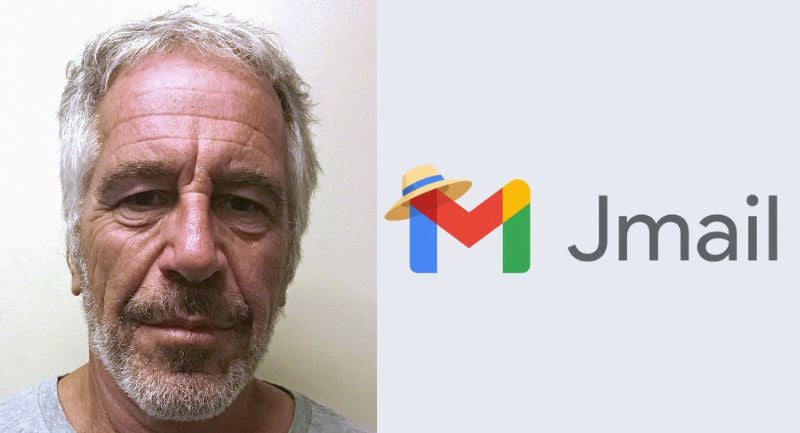
A Gmail-style website called Jmail is turning a sprawling trove of Jeffrey Epstein-related email releases into something you can browse like an ordinary inbox, and it was reportedly built in about five hours.
The project, created by software engineer Riley Walz and Kino AI co-founder Luke Igel, has been updated to include roughly 300GB of newly released material following a late-January document dump tied to the Epstein investigation.
What is Jmail?
Jmail presents the released “estate emails” in a familiar interface modelled on Gmail, letting users scroll, search keywords, and jump to random entries.
The emails span from April 2009 to July 2019, and include messages with redacted names.
Five hours to build, millions of views later
The speed is the point: and the provocation. In an interview with Rolling Stone, Igel said the team’s build was essentially a two-step process: extract messy email data from PDFs, then rebuild it into a faithful Gmail “parody”.
After launching, the site quickly attracted millions of views, according to Igel.
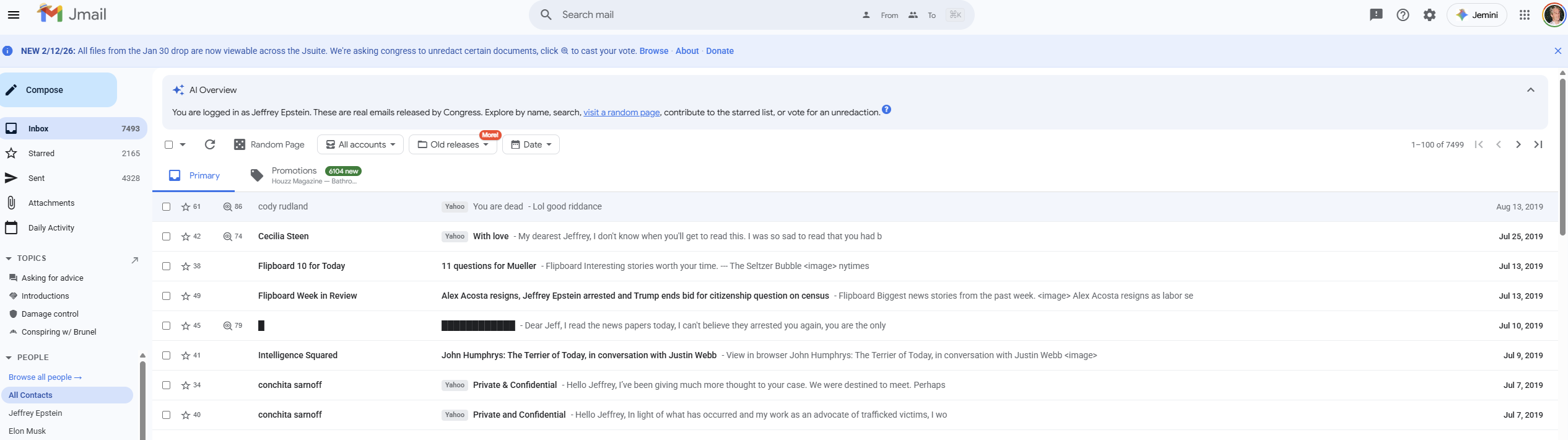
Jmail interface
Why it matters for transparency (and media)
Jmail’s rise puts uncomfortable pressure on an argument that often surfaces around mass public-interest disclosures: that the material is simply too large, too messy, or too technically difficult for meaningful public scrutiny.
Jmail includes an AI search tool (“Jemini”) designed, in part, to counter US Department of Justice assertions that searching through releases is impractical due to “technical limitations”.
Whatever the legal and ethical debates around releasing and redacting documents, the product lesson is clear for publishers, investigators and watchdogs: user experience can be the difference between transparency in theory and transparency in practice.
How users navigate the emails
- Search: keyword search across the archive.
- Randomise: a “dice” icon jumps to a random page of emails.
- Browse: an inbox-style feed that mimics a personal email account.
The bigger question: access versus accountability
For media and communications professionals, Jmail sits at the intersection of access, usability and accountability. It demonstrates how quickly third-party builders can repackage public releases into tools that are easier to interrogate than the original formats.
It also raises an awkward benchmark for agencies and institutions: if independent developers can ship a workable interface in hours, claims of “too hard to search” may face tougher scrutiny: from journalists, lawmakers and the public.
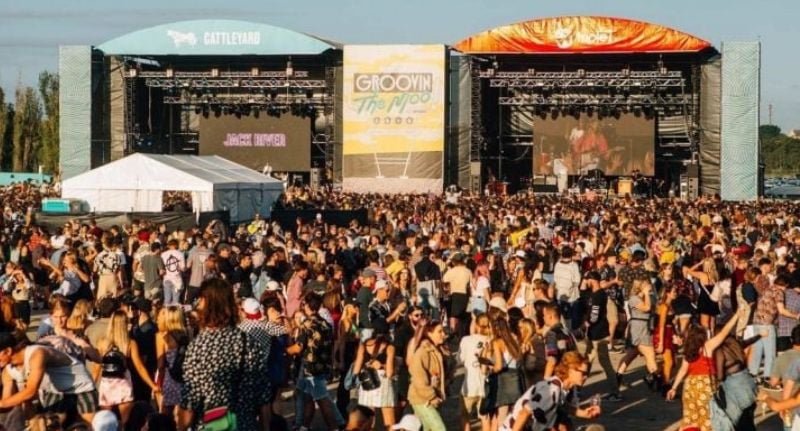
Music festival Groovin the Moo returns with scaled-down reboot after festival reset
Groovin the Moo is officially back, with organisers confirming the regional music festival will return for a one-off event in Lismore on May 9 following a two-year hiatus.
The comeback marks a strategic reset for the once-touring festival, which will scale down to a single-day, single-stage format as it rebuilds following recent cancellations.
Organisers said the shift away from a national touring model was a “deliberate and considered return… marking the first step of a long-term sustainable model”.
“Starting with a single stage and single-day show allows the festival to rebuild with care, while staying true to its regional foundations,” they said.
Adelle Robinson, CEO of Fuzzy (promoters of GTM), said the upcoming show will honour what Groovin the Moo is all about.
“The festival belongs to regional Australia,” Robinson said.
“Returning with a one-off show allows us to focus on doing it with the care and responsibility it deserves while the festival industry continues to navigate rising costs and increased pressure. We are so thrilled to come to Lismore, a place that reflects the spirit and resilience of the communities that Groovin The Moo has supported from the beginning.”
Groovin the Moo 2026 is presented by Great Southern Nights with support from the NSW Government and Destination NSW, in partnership with ARIA.
“This is a genuinely special moment for Australian music,” ARIA CEO Annabelle Herd said.
“GTM has long been a rite of passage for artists and fans, and a powerful reminder of the role regional Australia plays in our live music ecosystem.
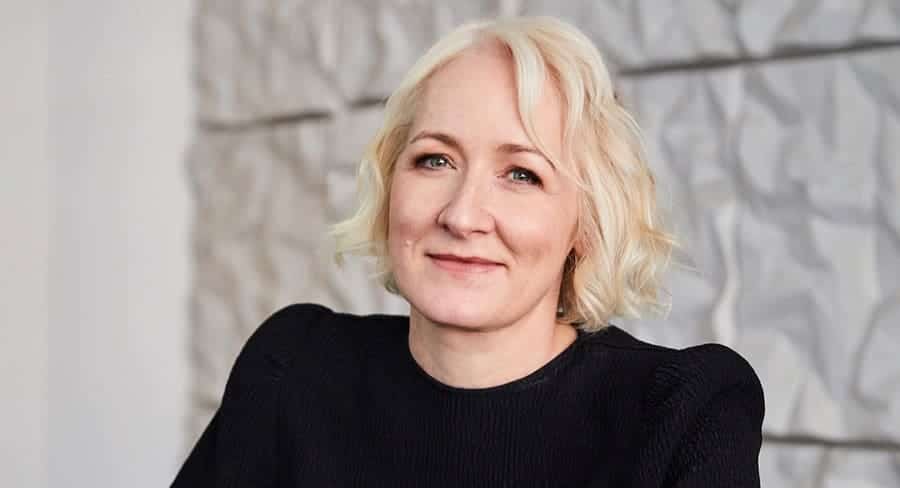
Annabelle Herd. Source: ARIA
“Its return reflects years of work rebuilding confidence and ambition in the sector and shows what sustained investment can deliver: iconic events back in the hands of fans, new opportunities for emerging artists, and lasting cultural and economic impact for regional centres like Lismore.”
The news comes after Rolling Stone AU/NZ reported early last year that Groovin would not proceed with its 2025 event, with organisers saying at the time that it was working on “finding the most sustainable model for Australia’s most loved regional touring festival”.
The statement came exactly one year to the day that the 2024 lineup was revealed. However, just two weeks later, organisers axed the festival, saying at the time: “Ticket sales have not been sufficient to deliver a regional festival of this kind.”
Groovin was a highlight of Australia’s festival calendar for years, bringing big names to regional towns across the country.
Past lineups included Billie Eilish, Angie McMahon, Flight Facilities, The Preatures, Amy Shark, Violent Soho, The Wombats, The Veronicas, WAAX, Gang of Youths, and many more.
Traditionally held in March, it has also served as a launchpad for local talent, including Confidence Man and Ecca Vandal, and has been a staple for fans of indie, rock, hip-hop, electronic, and more.
Returning from the COVID-era disruptions proved difficult for many Australian festivals, and organisers cited the 2024 cancellation on insufficient ticket sales – but stressed it wasn’t an indefinite thing.
The Beaches, DMA’S, Hot Dub Time Machine, Jet, The Jungle Giants, King Stingray, The Kooks, and more were on the 2024 bill.
The full lineup and on-sale date are set to be announced in the coming weeks. Click here for more details.
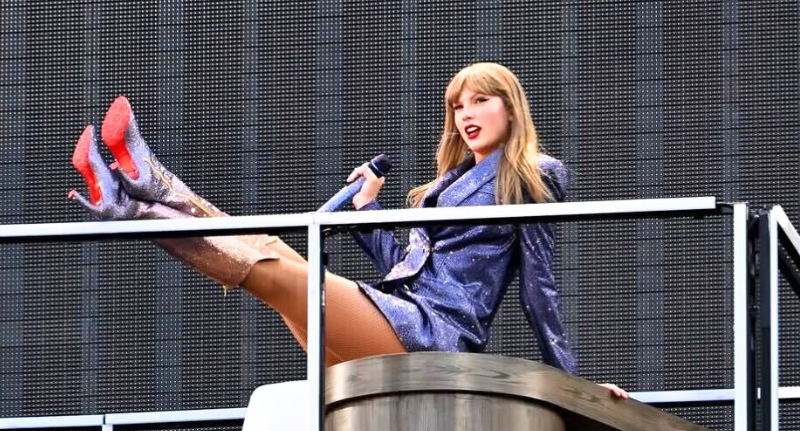
'Swift Home' trademark bid abandoned after Taylor Swift objects
The company seeking to trademark the brand ‘Swift Home’ for a line of bedding products has withdrawn its application, following legal documents filed by singer Taylor Swift with the US Patent and Trademark Office on February 11.
A representative for Cathay Home, a home goods company, told the BBC that the decision was made because the trademark was not “essential to its business.”
In a Notice of Opposition, Swift argued that the similarities between her trademarked designs and the company’s logo could mislead consumers into thinking that Swift had endorsed the products.
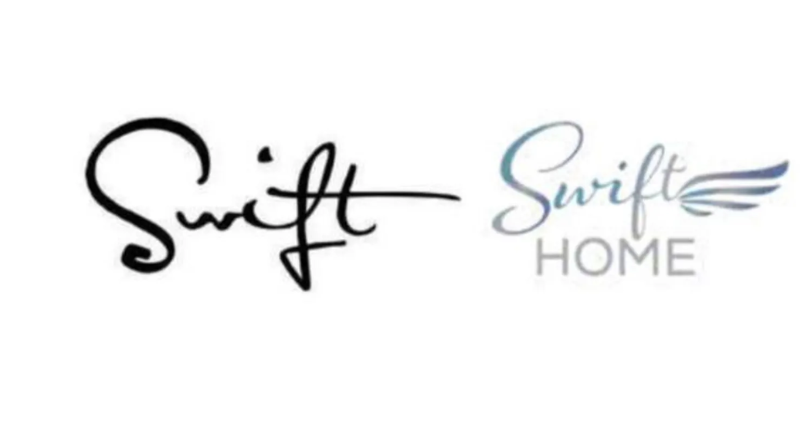
The Taylor Swift and Swift Home logos were found to be too similar. Image: BBC
‘Swift Home’ vs Taylor Swift
Cathay Home’s lawyer, Ting Geng from Geng and Associates, said in a statement that the trademark application was dropped after evaluating the circumstances, the BBC reports.
“Such decisions are often practical and commercially sensible,” she said.
The lawyer added that the firm had previously reached a “consent-to-coexist agreement” with the singer for another registered “Swift Home” mark.
Cathay Home, with offices in North America and China, applied for the ‘Swift Home’ trademark for its bedding products in late 2025.
According to Swift’s Notice of Opposition, the ‘Swift Home’ trademark improperly trades on the fame and commercial popularity of Swift’s name and creates a “false association” with the singer.
The opposition added that the way Cathay Home has styled the word ‘Swift’ in its logo closely resembles the singer’s trademarked cursive mark.
Swift has filed more than 300 trademarks in the US and other jurisdictions, securing her name, initials, album titles and some lyrics.
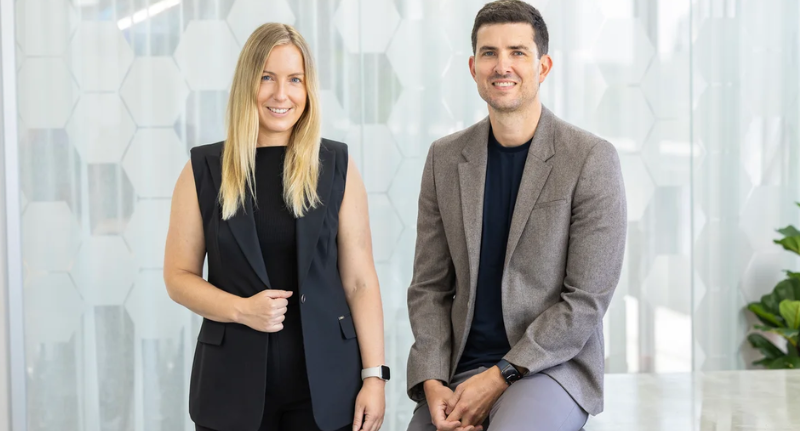
Havas Red taps Erin Sing as executive director following Melbourne push
Global communications agency Havas Red has appointed Erin Sing as Executive Director, Melbourne.
The appointment comes as the agency consolidates its presence in Melbourne following the establishment of a new Havas Village in Richmond and a run of award-winning campaigns across consumer, corporate and health sectors.
Sings new role
Sing will lead the Melbourne office and team, driving growth, shaping the agency’s local vision, and strengthening Havas Red’s integrated national offering.
She will work closely with leadership and specialist teams across Sydney, Brisbane, and internationally, spanning PR, social, influencer and creator, content, digital, and experiential.
The Melbourne team has grown to more than 20 people over the past year, reflecting increased client demand.
CEO Shane Russell comments
Havas Red Australia CEO Shane Russell said the timing was right to accelerate the agency’s ambitions in Victoria.
“While Havas Red has enjoyed a long and successful history in Melbourne, the past year has been intentionally transformational. Melbourne is home to an outstanding Havas Red team and agency Village, several of our largest, longest-tenured client partnerships, and a slew of newly won clients seeking to increase market share. Now is the right time to accelerate our ambitions, and we’re thrilled to have Erin at the helm.”
Russell added that clients are increasingly seeking agencies with broader strategic capabilities.
“Clients are looking for dynamic agency partners – those with the strategic capability to understand perspectives from both sides of the fence, and across a multitude of verticals and capabilities. Erin brings those unique perspectives and experience to the table for our clients and growing Melbourne team, which has increased to more than 20 people this past year.”
Sings past experience
Sing brings more than 16 years of experience across in-house and agency roles spanning corporate communications, public relations, public affairs and marketing.
Most recently, she held senior external communications and public affairs roles at Mars Australia and New Zealand, as well as a corporate affairs role at the FMCG company Kinrise.
Prior to that, she co-founded Melbourne-based PR and marketing agency Modern Currency.
Sing said Havas Red’s integrated structure and culture were key factors in her decision to join.
“Havas Red has a clear point of view on the role of earned, a strong mix of clients and a collaborative culture that encourages integrated thinking and outcomes. The Melbourne team had a very positive 2025, and this year is shaping up even stronger. I’m excited to help shape the next chapter as we continue to broaden the work we deliver.”
She also pointed to the value of recent client-side experience.
“Having most recently worked client-side, I can bring a level of strategic and commercial understanding of client expectations, operations, and pressures, and translate that into a stronger agency-client partnership.”
National scale with local focus
Havas Red operates nationally with more than 90 staff across Sydney, Melbourne, Brisbane and Hobart.
Melbourne-based clients include Toyota Motor Corporation Australia (Toyota and Lexus brands), L’Oreal, Tangerine, Make-A-Wish, Siemens Healthineers, Village Roadshow, Findex, Thermomix, UCB and Chiesi.
The agency is also active across major Melbourne sporting and cultural events, supporting brand activations at the Melbourne Cup Carnival, AFL Grand Final, the NBL and A-League.

Nicole Streete Image: Havas
Sing’s appointment follows the addition of Nicole Streete as Executive Director, Brisbane in October 2025, signalling continued investment in leadership across the national network.
Top Image: Shane Russell and Erin Sing. Source: Havas Red
Old-school romance ruled Valentine’s Day as cinema crowds surged to record highs
Aussies chose cinemas as their date destination this Valentine’s Day, delivering the biggest February 14 box office result since 2016, with $6.27 million generated nationwide.
Wuthering Heights leads the charge
Driving the Valentine’s Day result was Wuthering Heights, which opened last Thursday alongside its Australian premiere at Sydney’s State Theatre, attended by lead actors Margot Robbie and Jacob Elordi.
Across its Thursday-to-Sunday opening weekend, the film delivered 255,000 admissions and $6.1 million at the box office. It also became the ninth-largest opening ever for a romance film in Australia.
Notably, 43% of the total weekend box office admissions came from Wuthering Heights, underscoring its broad appeal and central role in the Valentine’s Day uplift.
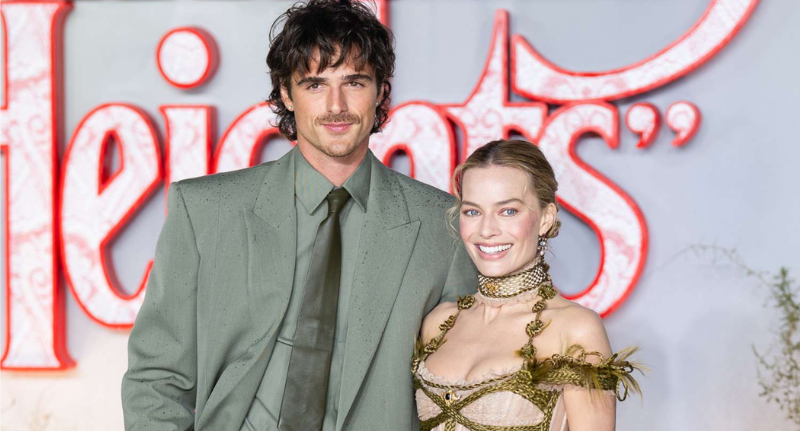
Jacob Elordi and Margot Robbie at the Australian premiere at Sydney’s State Theatre
Crime 101 posts strong debut
Crime thriller Crime 101 also delivered a solid opening, recording 95,000 admissions and $2 million at the box office.
The LA-set heist film, starring Chris Hemsworth, Halle Berry and Mark Ruffalo, and directed by Bart Layton, earned an 87% Rotten Tomatoes score, adding critical weight to its commercial performance.
Both films, led by Australian stars, outperformed their US openings relative to market size – a result that points to the ongoing strength of the Australian theatrical audience.
Chris Hemsworth (Crime 101)
Depth of slate supports broader momentum
Audience momentum extended beyond new releases, with continued strong performances from Shelter, Marty Supreme, Send Help, and The Housemaid.
Guy Burbidge, Managing Director of Val Morgan Cinema, said the current content range is driving engagement across audience segments.
“The depth and variety of content currently in Australian cinemas speaks to the strength of the theatrical market. This weekend alone, six genres featured in the top ten, giving audiences across all demographics a compelling reason to head to the cinema. That breadth of storytelling isn’t slowing down.”
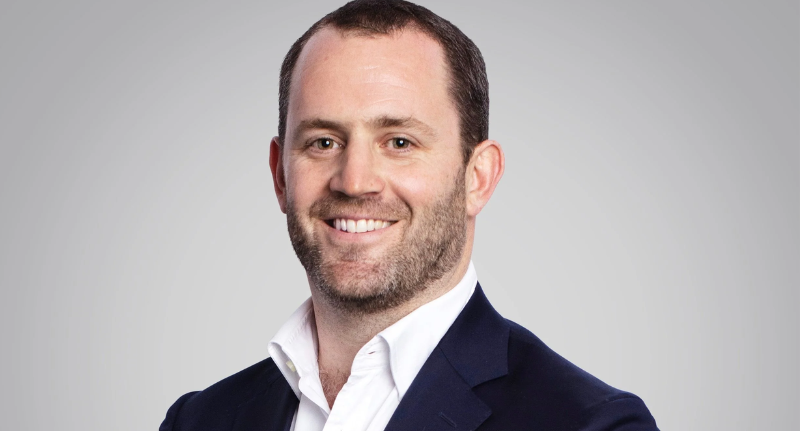
Guy Burbidge
Looking ahead, Burbidge pointed to a robust pipeline of upcoming titles.
“Across the next two months, we have highly anticipated titles like Scream 7, GOAT, Reminders of Him, Project Hail Mary, Hoppers, The Super Mario Galaxy Movie, Michael, and The Devil Wears Prada 2 all releasing by the end of April.
“The slate continues to strengthen across Q2, anchored by some of the world’s most successful and beloved IP, including The Mandalorian and Grogu and Minions & Monsters, to Toy Story 5, Supergirl: Woman of Tomorrow, Moana, and Spider-Man: Brand New Day.”
Theatres are back
The $6.27 million Valentine’s Day haul signals more than just a one-day spike.
With romance, crime, and family titles all performing, the weekend results reflect a diversified content strategy that continues to resonate with Australian audiences.
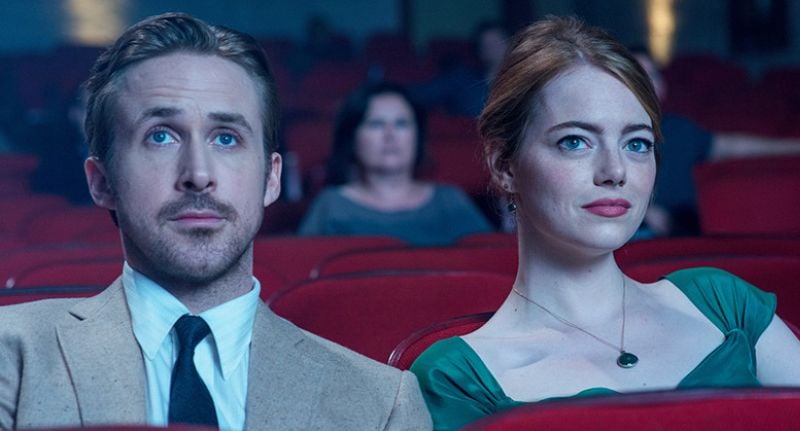
Main image: Scene from ‘La La Land’
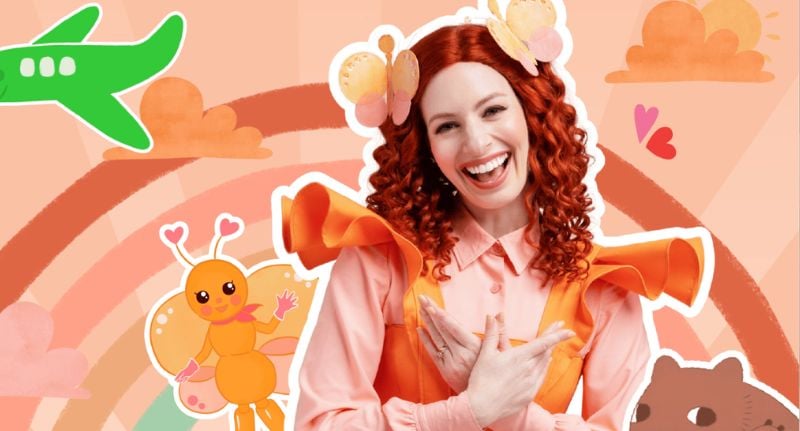
'The world’s biggest startup': Inside Emma Watkins’ risky bet to build a new media empire
When Emma Watkins walked away from The Wiggles, she left one of the world’s most successful children’s entertainment franchises to tackle the significant risk of building her own.
Now, as Watkins expands her Emma Memma Jungle Picnic Tour with additional dates across Adelaide, Brisbane, Cowra, Moonee Ponds and Perth – part of a national run celebrating her new album – that decision is proving to be the foundation of an entirely new children’s media company.
“Leaving The Wiggles was such a big jump,” Watkins admitted to Mediaweek.
However, that jump marked a structural shift, and not just for Watkins but for the entire children’s entertainment landscape.
First, she moved from being a performer within a global IP machine to a founder building one from scratch. Incredibly, this was done without institutional backing, external capital, or a guaranteed distribution.
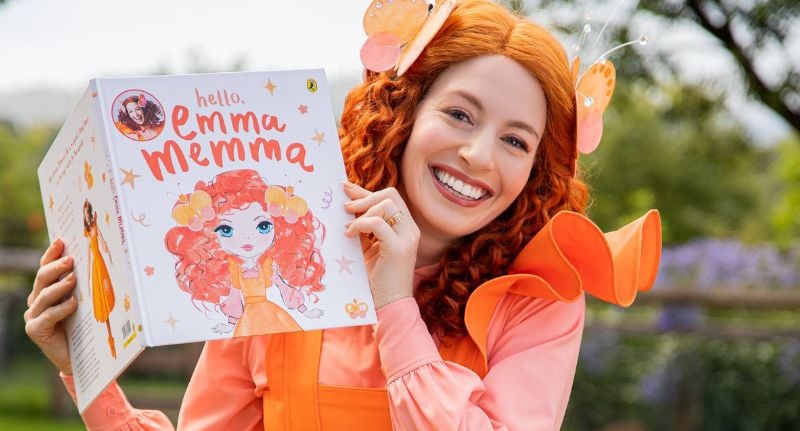
Emma Memma. Source: Emma Watkins
From performer to IP owner
Watkins’ departure followed years at the centre of one of Australia’s most globally recognised children’s brands, performing as the Yellow Wiggle.
But unlike traditional talent exits, her move was underpinned by academic research and a long-term creative strategy.
At the time, Watkins (or rather, Dr Watkins) was deep into a PhD exploring sign language and performance alongside children’s communication and linguistics. This work would ultimately shape the creative architecture of Emma Memma.
“Maybe because I was in that academic headspace and so focused on the research that my supervisor and I at the time thought that this was, you know, a profound time to do it,” she said.
By ‘it’ Watkins means launch an entire children’s brand… from scratch.
What emerged was a new intellectual property platform built around accessibility, education, audience participation, and cultural representation. Crucially, it is owned entirely by Watkins and her husband, musician Oliver Brian.
When Mediaweek asked Watkins how she felt seeing her creation not only come to life, but also enjoy the success that it has, she replied: “I think that if I’d spoken to you maybe two years ago, I probably wouldn’t believe you in a way,” she said. “It’s only really now that people are like, “oh, I understand what Emma Memma is about.”
Throughout our conversation, Watkins is gentle, and her demeanour is genuine. It becomes clear that she isn’t in the business of children’s entertainment for the spectacle; she is driven by a sincere mission to better the lives and learning of her audience.
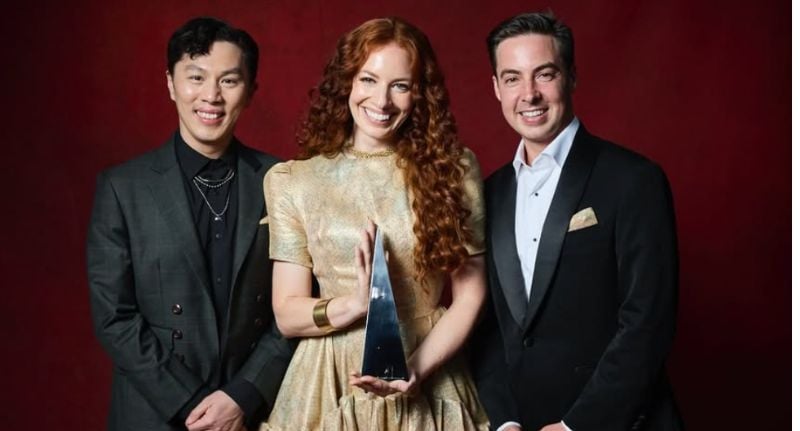
Elvin Lam, Emma Watkins and Oliver Brian with their ‘Best Children’s Album’ ARIA, which they have won twice. Source: Instagram
Building without a safety net
Unlike traditional children’s media launches, Emma Memma was not commissioned by a broadcaster or funded by a production partner. Instead, Watkins built the business independently, growing it incrementally through live touring, recorded music, digital content, and merchandise.
“Because we’re so independent, we’re actually not funded by anything,” she said.
The company operates with a lean structure. They contract performers, creatives, and interpreters as needed, rather than maintaining a permanent production workforce.
“It’s like the world’s biggest startup. That’s what I call it. It’s literally just my husband and me 24 hours a day,” she laughed.
The production model also embeds accessibility at its core. This includes deaf creatives across direction, illustration, choreography, and performance.
“We have done a lot of consulting work alongside our deaf team – we have a deaf director, a deaf illustrator, and they’re all casuals.”
Touring drives the next phase of growth
The Jungle Picnic Tour represents the most expansive national run yet for Emma Memma. It invites children to sing and dance while integrating Auslan interpretation throughout every performance.
The expansion follows strong demand during the initial 39-city run, marking a turning point for the brand, according to Watkins.
“Honestly, it feels like probably in the last three months, the pennies have dropped externally and internally,” she said.
“Even though we’ve been doing the same thing, it’s just working now.”
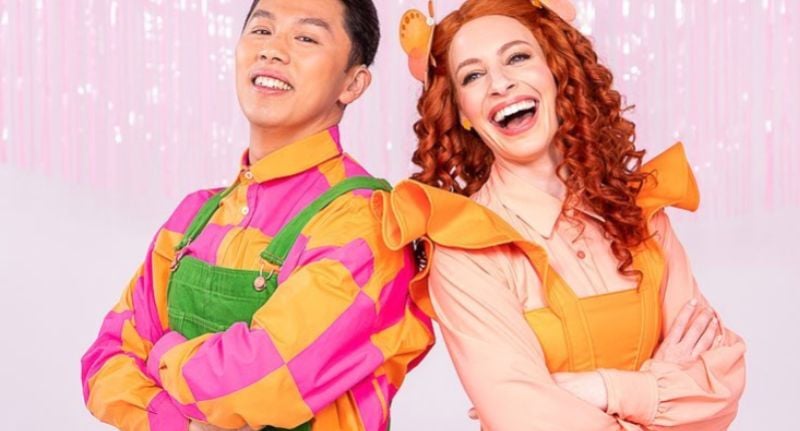
Elvin Melvin and Emma Memma. Source: Facebook
A different model for children’s media
Emma Memma now operates as a fully independent children’s entertainment brand.
It spans touring, music, and retail while retaining full ownership of its intellectual property. Watkins believes that independence has allowed the brand to develop authentically.
“There’s a constant battle whether, you know, you want to let a big party in and then wanting to retain the rights just so that we can get it correct,” she explained.
At its core, the project remains driven by a broader educational mission.
“We know that we want to bring more integrated media to children right across the board,” she said, adding that her main dream “is to have Auslan in every school.”
Every performance embeds sign language linguistics into the storytelling, creating layers of meaning that go beyond simple entertainment.
“Everything that’s on the Emma Memma stage has sign language linguistics, and people who come to our show get it instantly,” she said.
The founder leap paying off
The expansion of the Jungle Picnic Tour signals a brand entering its next phase. Emma Memma is transitioning from an early-stage creative experiment into a scalable national children’s media platform.
For Watkins, the decision to leave the security of The Wiggles was a significant risk. But as the tour grows and audiences continue to expand, that founder leap is proving to be a durable path forward.
For tickets and tour information, head to Live Nation.
Main image: Emma Memma. Source: Live Nation
Catching evil: Mark Llewellyn & Andy Byrne on their killer podcast
Mark Llewellyn knows a thing or two about TV storytelling, but for his latest project he’s left the camera crew at home and hit the road with a podcast mic and his author mate, Andy Byrne.
The result is Catching Evil, a podcast examining the crimes of Christopher Wilder, the race car driving ‘Beauty Queen Killer.’
What began as a historical retelling has mutated into a live investigation, blowing up global podcast metrics in the process. Mediaweek caught up with the pair to discuss the Wanda Beach connection, generational trauma, and why two ‘old journos’ just can’t let a story go.
From book tapes to live investigation
Mediaweek: This project seems to have evolved quite a bit from its inception. How did ‘Catching Evil’ actually come about?
Andy Byrne: It is quite funny. I bored Mark for quite some time over various beers and red wines about these recordings that I had. Then he listened to some of them, and a lightbulb moment happened.
Mark Lewellyn: And he can bore. Like he can really, really bore.
AB: For me, though, 99 per cent of true crime podcasts focus on the perpetrator, and in this case, Chris Wilder. After speaking with so many of these families, it dawned on me, and I was persuaded to do a podcast from the victims’ point of view.
ML: And then we thought, “Oh, okay, well, if we really want to be serious about it, we should go over to America and follow in his footsteps.” The story has become bigger than we expected. We thought it would be a historical retelling, but it has turned into a live investigation.
MW: When you say live investigation, you are uncovering new leads right now?
ML: 100 per cent. We were away yesterday interviewing two people, both of whom came from the podcast. Yeah, these new leads actually came from the podcast.
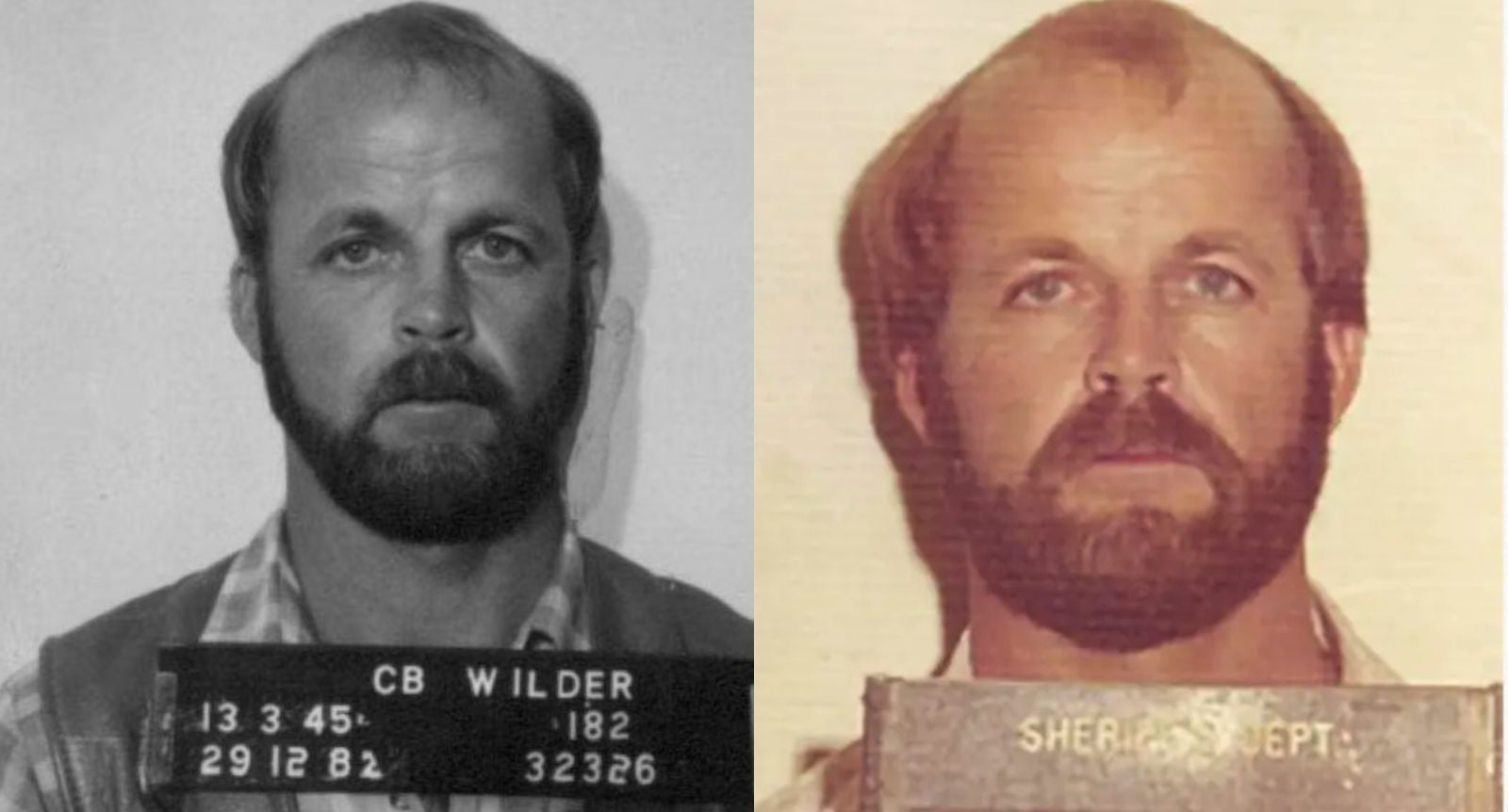
Chris Wilder was branded The Beauty Queen killer and has alleged links to the Wanda Beach murders. Images: supplied
The Wanda Beach connection
MW: One of the most compelling aspects is the potential link to the Wanda Beach murders. How strong is that connection?
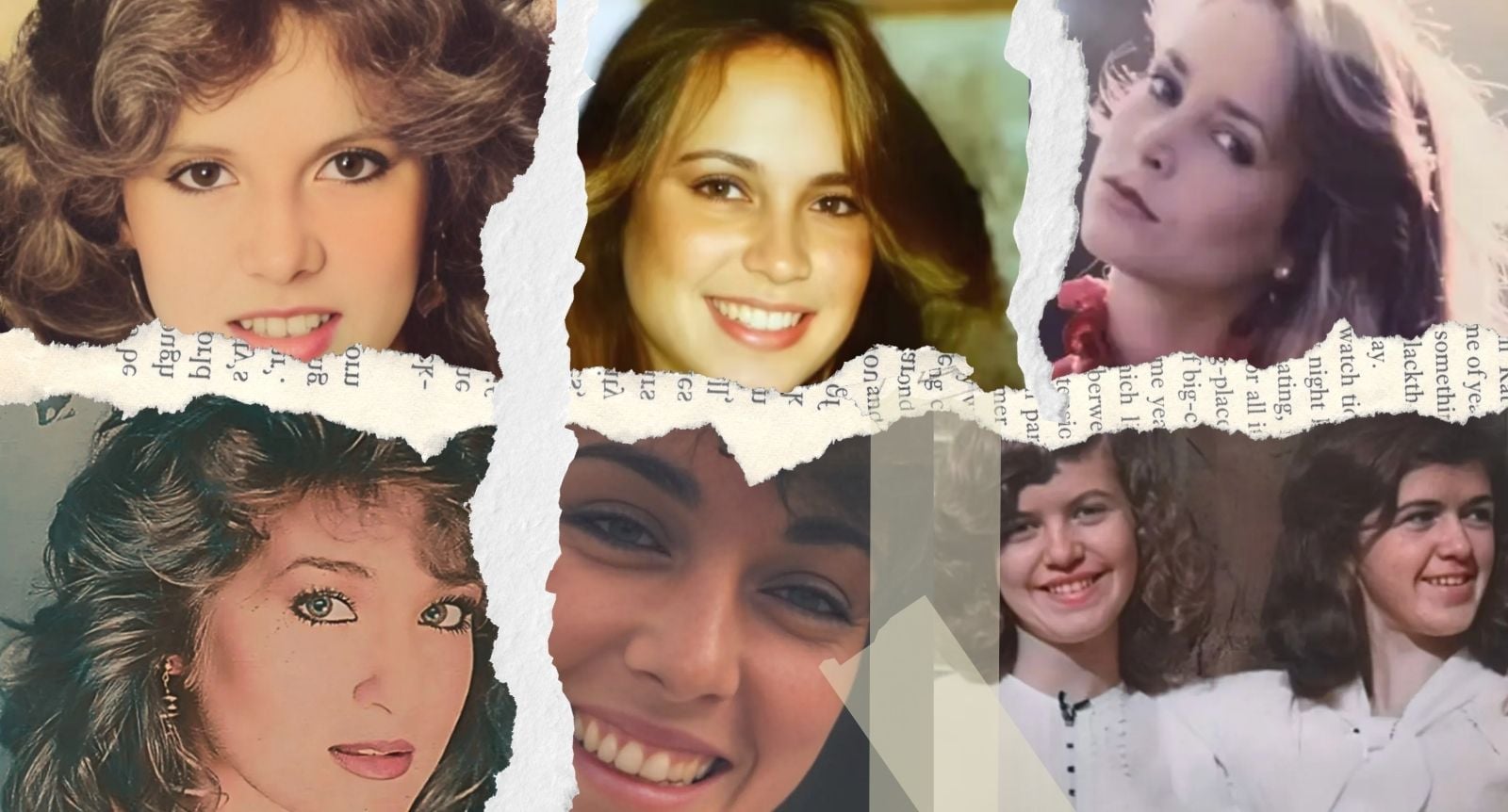
ML: One of the people we interviewed is a woman who is critical to our belief, particularly Andy’s belief, that Wilder is the Wanda Beach killer. She was 15 at the time, and he approached her just a matter of days before the actual killings.
AB: She was in a department store in a shopping mall with her friend, who was also 15. Wilder worked in the shop, and he approached them every time they came into the store.
ML: He badgered her repeatedly. And she was a girl who bore a striking resemblance to one of the eventual victims, asking her to go with him to Wanda Beach.
AB: It was just an extraordinary coincidence. And I don’t believe in coincidences.
MW: And she didn’t just provide a story. She provided physical evidence?
ML: Her link is huge because it places him there, it places him wanting to go to Wanda Beach, and it places him approaching a 15-year-old.
But more than that, she came into possession of a critical piece of evidence he had left at the department store where he worked, which she handed to the police. We believe it contains a series of really important clues.
A victim-centric approach
MW: You have made a point to centre the storytelling around victims. Why was that shift important?
ML: We have travelled thousands of kilometres, thousands of miles in Wilder’s footsteps. But not only in his footsteps.
We are also in the footsteps of the people he killed and the people who lost loved ones. Consequently, we are getting the fullest picture not only of what he did but also of the generational effect it has on people.
The anticipation is that this would get very maudlin and depressing. But the actual reality is the opposite. Because they remember them really fondly.
And you can see just how vibrant they are. It is almost like they are bringing them to life. They are taking the power away from Wilder, who took away their life. And that is quite a magical thing to experience.
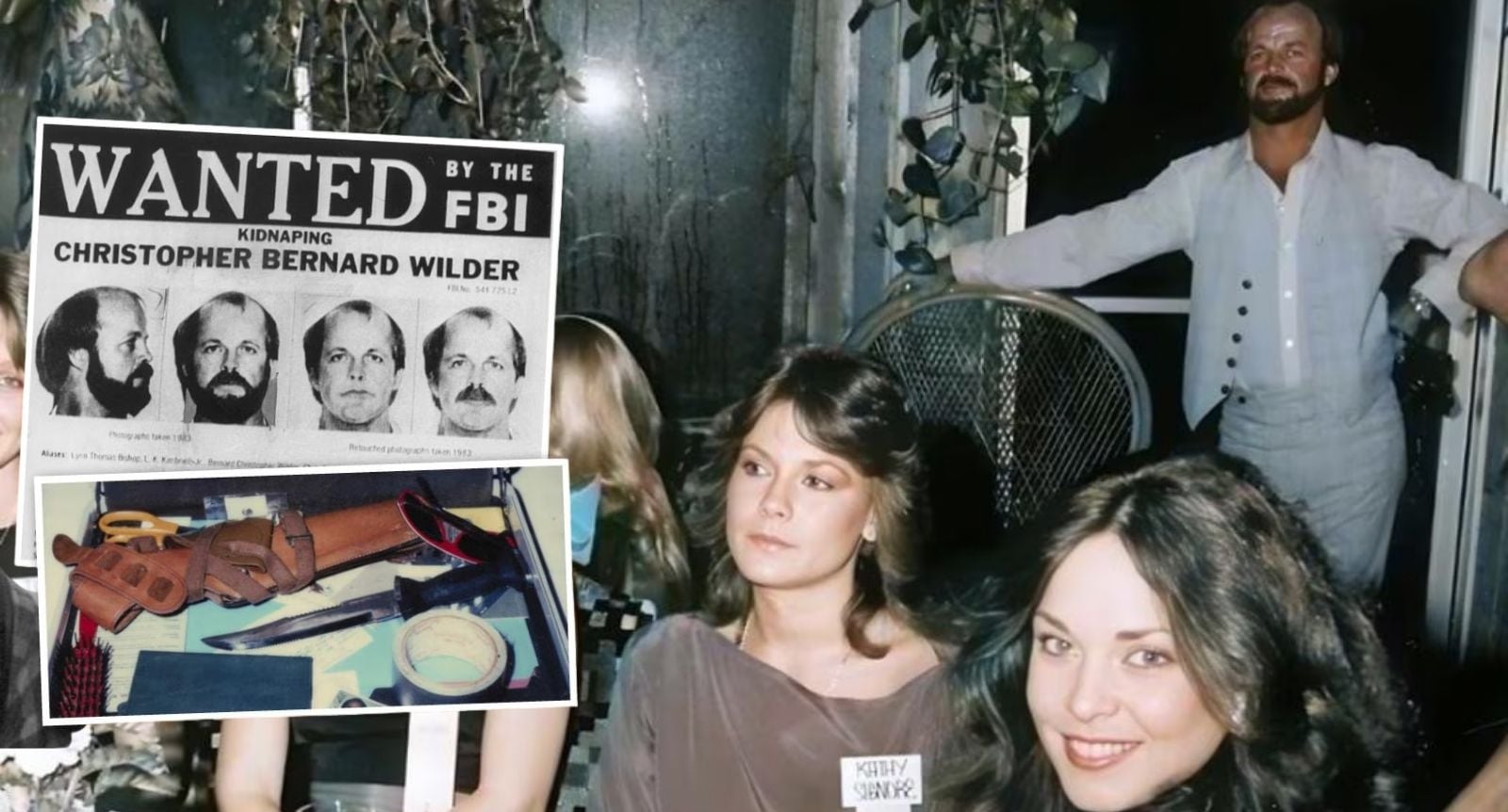
Christopher Wilder was on the ten most wanted fugitive list before his death in 1984. Image: supplied
The near misses
MW: You’ve spoken to survivors who had incredibly close calls. Are there any that stand out?
AB: One girl was 18. She went to his home for a photo shoot on her own. Nobody knew he was a serial killer, but you just wouldn’t do that today.
What probably saved her life was that she drove a pink Porsche car. Wilder obsessed over Porsches. He used to race one. The car was so distinctive, he couldn’t take the chance. And she got to walk out.
But his parting shot to her was, “Be careful out there… There are a lot of crazy people out there.”
We interviewed another girl, a 20-year-old Sydney girl sent to New York to do the rounds of the modelling agencies. Wilder also posed as a photographer from time to time. He met her, took out his portfolio, and told her she would be perfect for the photo shoot he was planning.
She didn’t go. 48 hours later from that encounter, a Jane Doe body turned up by the side of the road in New York State. She rang me back and sent me a photograph of the sunglasses he wore.
When I blew up the picture, they were Porsche Carrera sunglasses, which is the brand that Wilder wore.
Again, that is a coincidence that you just aren’t going to get with anybody else.
Smashing the benchmarks
MW: The audience is clearly responding to your approach.
ML: It is! 100,000 downloads in the first 30 days is the benchmark that places a new podcast in the top one per cent of shows, not just in Australia but globally.
But the metric that matters most to the industry, and the one we are most proud of, is consumption rate. That is the percentage of listeners who press play and stay until the end.
The consumption rates on Apple for the first four episodes of Catching Evil are 90, 96, 99 and 100 per cent. Listeners are not just finding Catching Evil; they are not leaving.
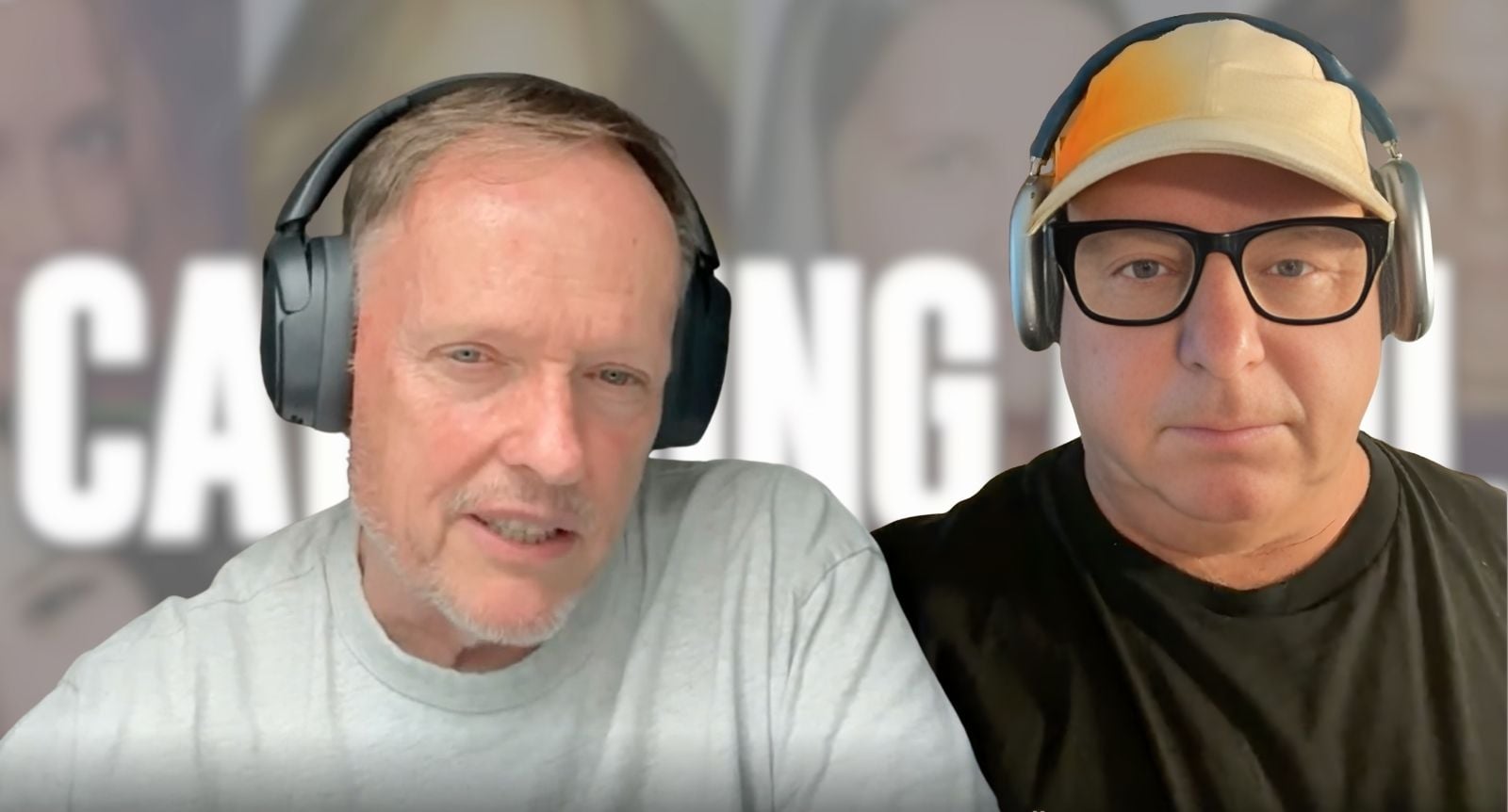
‘Catching Evil’ podcasters Andy Byrne & Mark LLewellyn.
Trading pictures for sound
MW: For television guys like you, is it freeing not to have to worry about the pictures?
ML: This is fantastic because you are not sitting there agonising over “No, no, no, not that shot, I want that shot.”
It is going back to how we used to tell stories around campfires before the printing press, and that is really, really liberating.
That freedom to move between two similar yet distinct genres is cool for old dogs trying to learn new tricks. It has just pumped a bit of juice back into the beast.
MW: And that juice is clearly still driving the investigation.
ML: Our concern initially was that it was just going to be a historical telling. But this feedback, first of all, shows that we are on the right track.
Secondly, it gives the community that is suddenly becoming our listeners a sense of validation and involvement. They are actually doing real investigative work that is getting results.
So we are not just going “Oh, thanks, thanks for the call.”
We’re following upon the leads.
New episodes of Catching Evil drop every Tuesday, on Apple.com and Spotify.

ByteDance vs Hollywood: What makes up the ‘grey area’ in AI and IP
Tom Cruise fighting Brad Pitt. Spider-Man battling Jeffrey Epstein on his island. Comic book heroes clashing with rival studio characters.
If your feed has looked anything like this recently, you’re not alone.
A new wave of algorithms has flooded the internet with hyper-realistic AI-generated “studio fights,” blurring the line between fan fantasy and intellectual property infringement.
It all began when the Chinese tech behemoth and TikTok parent company, ByteDance, unveiled a prompt-to-video generation tool called Seedance 2.0 that generates “ultra realistic” videos up to 15 seconds in length.
Within hours of its release, users began pushing the tool to create high-drama crossover battles featuring some of Hollywood’s most recognisable characters and celebrities.
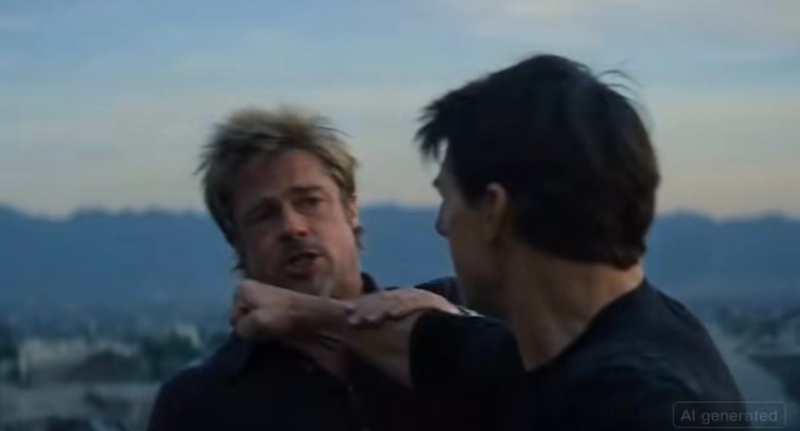
The AI-generated viral clip of Tom Cruise and Brad Pitt fighting. Image: Seedance 2.0
Whether fulfilling a comic fan’s dream matchup or staging surreal clashes between famous faces, the trend quickly went viral.
While some praised its high quality, others were petrified by it.
AI vs Hollywood beef
It also ignited an intellectual property firestorm across major Hollywood studios.
In response to the copyright upheaval, ByteDance’s Seedance 2.0 reportedly received an “immediate cease” warning from the Motion Picture Association (MPA), which represents major studios including Netflix, Paramount Pictures, Prime Video & Amazon MGM Studios, Sony Pictures, Universal Studios, The Walt Disney Studios and Warner Bros. Discovery.
The MPA chairman and CEO, Charles Rivkin, said in a statement:
“In a single day, the Chinese AI service Seedance 2.0 has engaged in unauthorized use of U.S. copyrighted works on a massive scale,” Rivkin said.
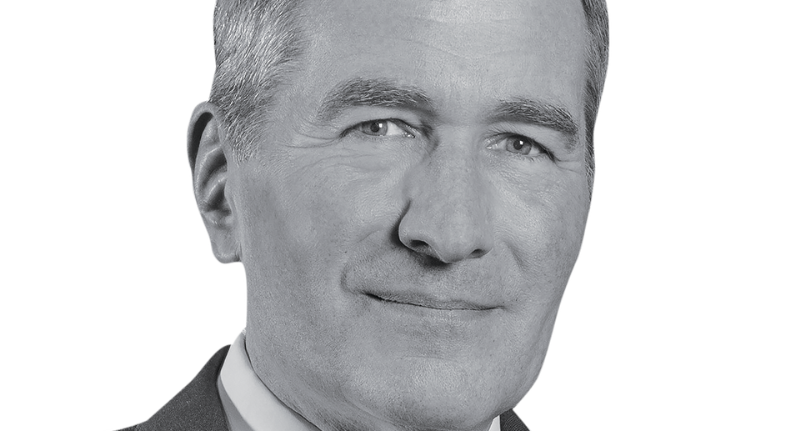
Charles Rivkin
“By launching a service that operates without meaningful safeguards against infringement, ByteDance is disregarding well-established copyright law that protects the rights of creators and underpins millions of American jobs.”
The warning was followed by cease-and-desist letters reportedly sent to ByteDance CEO Liang Rubo by Disney and Paramount’s Skydance after the tool was used to generate content featuring their intellectual property.
This included Marvel’s Spider-Man, Star Wars’ Baby Yoda, South Park and Star Trek, among others, according to Variety.
ByteDance responds
In a statement shared with CNBC, a ByteDance spokesperson said the company respects intellectual property rights and has heard the concerns raised about Seedance 2.0.
“We are taking steps to strengthen current safeguards as we work to prevent the unauthorised use of intellectual property and likeness by users,” the spokesperson added.
Who’s actually liable?
While social feeds may be filled with fans prompting crossover battles, Tony J. Black, Entertainment & Corporate Lawyer (California & NSW) at Wollemi Capital Group, told Mediaweek that studios are unlikely to waste resources chasing individuals.
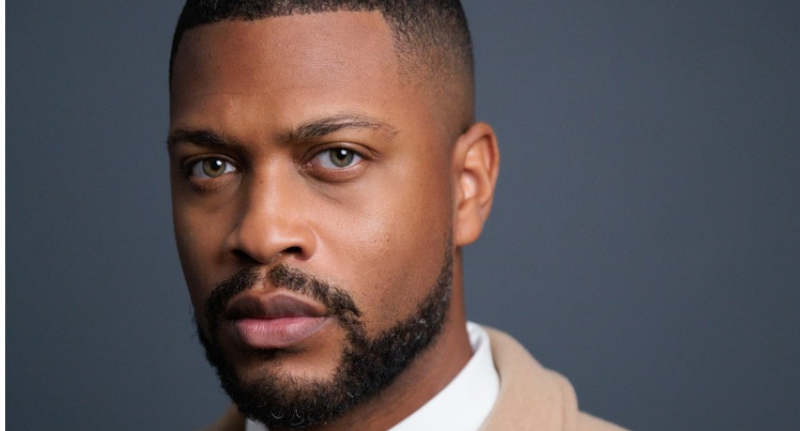
Tony J. Black is an actor and attorney. Who is originally from Detroit but currently resides in Sydney, Australia, and holds law licenses in both California and New South Wales. Image: Supplied
“It depends on who’s making money off it and who’s causing financial harm,” Black told Mediaweek.
From a commercial perspective, Black argues rights holders will go “where the pockets are” – meaning the AI developer, not the user.
“If you’re an IP owner, you’re not going to go after someone sitting in their basement giving a prompt for Spider-Man to fight Batman. It doesn’t make sense commercially.”
However, he notes that individuals monetising infringing content at scale could find themselves exposed.
Fair use won’t save you
In the United States, copyright law includes the “fair use” doctrine, which allows limited use of copyrighted material if it is sufficiently transformative.
But Black said most of the viral examples circulating online would struggle to meet that threshold.
“I think in America you get a grey area, possibly – and I say that word on purpose,” he said. “But I don’t think even in America it’s going to be easy to argue it.”
“That’s not going to fly because it’s not really transformative,” he said. “It’s basically just ripping off.”
Under US law, courts apply a four-part balancing test to determine whether something qualifies as fair use.
In Australia, the position is even narrower.
The country operates under “fair dealing”, which is largely limited to research, review, study or news reporting.
For brands or creators experimenting with AI-generated content, that means the legal safety net is thinner than many assume.
If you can’t beat them, join them
It’s not the first time these murky waters have been tested.
From OpenAI’s Sora to Seedance’s own predecessor, Seedance 1.0, generative video tools have been steadily pushing the boundaries of what’s possible.
And if history is any guide, Seedance 2.0 won’t be the last.
But according to Black, the real battle may not ultimately be fought in courtrooms.
Even if Hollywood proves infringement, enforcing it at scale is another matter entirely.
“The court system won’t be able to handle millions of infractions,” he said.
Rather than a prolonged legal war, Black predicts the conflict will eventually pivot toward commercial negotiation.
View this post on Instagram
“It may start in the courts, but eventually it’s going to have to be a commercial solution,” he explained. “Those companies may end up paying a large sum of money to the IP owners to be able to do it.”
In practical terms, that could mean licensing agreements between AI developers and major studios – effectively bringing the technology inside the existing IP ecosystem rather than trying to shut it down.
As Black puts it, when a tool becomes inevitable and widely accessible, prohibition becomes difficult. The more realistic path forward may be monetisation.
Main Image: Seedance 2.0