
Monday February 16, 2026
EXCLUSIVE: Arthur Laundy launches charm offensive across Nine Radio stations
Billionaire pub baron turned radio mogul Arthur Laundy is wasting no time making his presence felt across Australia’s talkback heartland, embarking on a cross-country tour of the stations he is preparing to formally bring under his ownership in a deliberate show of visibility, intent and cultural reset.
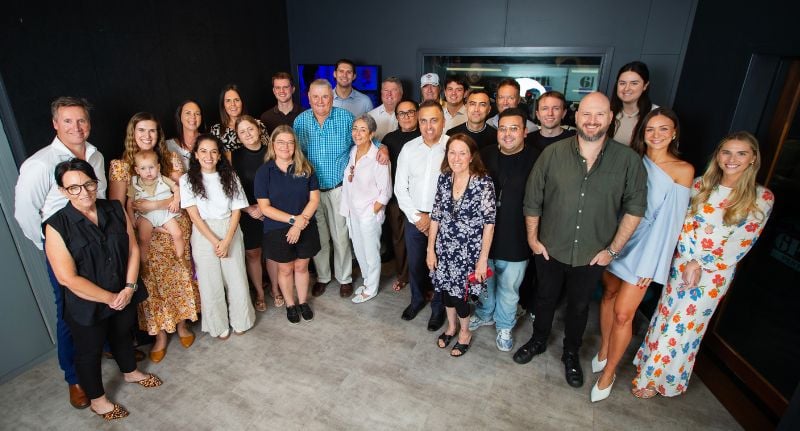
In an exclusive image captured by Ross Swanborough of the Australian Financial Review and shared with Mediaweek, Laundy is seen visiting Perth’s 6PR studios on Friday morning, meeting staff face-to-face in a symbolic first introduction to the team that will soon form part of his growing media portfolio.
The visit extended beyond the studio floor.
Laundy later attended the launch of 6PR’s 2026 football season at Optus Oval, alongside the station’s commentary team and commercial partners, reinforcing his commitment not just to content, but to the advertiser and client ecosystem that underpins talkback radio’s commercial engine.
From Perth, Laundy headed east, with plans to visit Melbourne’s powerhouse station 3AW this morning, continuing what insiders describe as a carefully staged national introduction to the workforce.
A deliberate culture play
For a business built on personalities, relationships and audience trust, Laundy’s early engagement with staff signals a hands-on ownership style more reminiscent of his pub empire than traditional corporate media stewardship.
Nine Radio national content manager Greg Byrnes told Mediaweek the reception from staff had been immediate and emphatic.
“Arthur and Craig have been warmly welcomed right across the country, visiting every station in two weeks. On Friday, Arthur was greeted with a round of applause when he walked into 6PR for the very first time,” Byrnes said.
“The Laundy’s value their staff and customers. We value our staff and listeners. Arthur and Craig are engaged and keen to learn what we do – there’s a great deal of excitement right across the business.”
Craig refers to Craig Laundy, Arthur’s son and a director of Laundy Hotels, who has joined his father on the national tour as the family prepares to integrate the stations into their broader portfolio.
The symbolism is unmistakable. Laundy isn’t waiting for settlement paperwork to clear before shaping culture.
He is already showing up.
The $56 million deal reshaping talkback radio
The station visits come as part of Laundy’s acquisition of Nine’s metropolitan radio assets, including Sydney’s 2GB, Melbourne’s 3AW, Brisbane’s 4BC and Perth’s 6PR, in a $56 million deal announced last year.
The sale, expected to be finalised by 30 June 2026, marks a significant shift in Australia’s media ownership landscape, transferring control of some of the country’s most influential talkback brands from a publicly listed broadcaster to private ownership.
For Nine, the divestment forms part of a broader strategic recalibration.
The company has doubled down on its out-of-home ambitions with its $850 million acquisition of QMS, while also converting regional television station NBN into an affiliate model operated by regional partner WIN.
For Laundy, the move represents a bold expansion beyond hospitality into media, placing him at the helm of platforms that reach millions of Australians daily and wield outsized influence in news, politics and public discourse.
From pubs to platforms
Laundy’s early station visits suggest he understands that talkback radio, like many media assets, runs as much on culture as it does on balance sheets.
His willingness to meet staff in person, attend client events and immerse himself in station operations reflects a relationship-first strategy familiar to anyone who has watched the Laundy Hotels empire grow from suburban pubs into one of Australia’s most powerful privately owned hospitality groups.
In radio, that same instinct may prove decisive.
Main image: Arthur Laundy at Perth’s 6PR studios. Source: Ross Swanborough of the Australian Financial Review.
oOh! profits rise as new CEO James Taylor rides OOH’s record grab of media budgets
oOh!media has delivered profit and dividend growth despite a softer advertising market in the second half, underscoring the structural momentum behind Out of Home as it continues to capture a record share of media investment.
The ASX-listed outdoor media company reported total revenue of $691.4 million for the year to 31 December 2025, with adjusted net profit after tax rising 7% to $63.0 million.
Underlying EBITDA increased 8% to $139.1 million, while the Board declared a fully franked final dividend of 4.0 cents per share, up 14% year on year.
The result lands as Out of Home reaches a record 16.4% share of agency media spend, cementing its position as one of the fastest-growing channels in Australia’s increasingly fragmented media landscape.
For newly appointed CEO James Taylor, the numbers reinforce both the resilience of the medium and the scale of the opportunity ahead.
“It is a privilege to join oOh! and lead a business that plays an integral part in Australia’s media and urban landscape. Out of Home is a medium I have long admired for its unique ability to combine creativity, impact, physicality and presence, and OOH’s record 16.4% share of agency media spend in CY25 reflects this momentum.”
New leadership, same ambition: execute at scale
Taylor, who joined the business during a period of rapid structural change across media, signalled a clear focus on accelerating growth and reinforcing oOh!’s dominant footprint.
With more than 30,000 assets nationwide and a weekly reach of 98% of metropolitan Australians, the company enters 2026 with both scale and confidence.
“I joined oOh! with a mindset to execute on our strategy with pace and clarity, ensuring the market fully understands the distinctiveness and scale of our offering. With our market-leading, multi-format portfolio of more than 30,000 assets reaching 98% of metropolitan Australians each week, we are well positioned to deliver sustainable growth for our shareholders.”
The company maintained its market-leading 35% share of the ANZ Out of Home sector during the year, further strengthening its competitive position through major contract wins, including Transurban’s high-profile Melbourne and Brisbane motorway networks.
Taylor said those deals reinforced the strategic trajectory.
“The significant contract wins we secured, including Transurban’s Melbourne and Brisbane motorway assets, further reinforce our market leadership position. We enter the next phase of growth with a clear focus on execution, a high-quality portfolio of assets, and a team deeply committed to delivering for clients, partners, and shareholders.”
Growth persists despite ad market headwinds
While oOh! delivered record revenue and profit in the first half, the broader ad market slowdown weighed on second-half performance, alongside the loss of its Auckland Transport contract.
Yet the underlying business demonstrated resilience, with adjusted gross profit increasing 5% to $298.8 million and adjusted gross margin remaining strong at 43.2%.
“In the first half of CY25, oOh! delivered record revenue and underlying results, while the second half saw pressure on advertising budgets and the non-renewal of the Auckland Transport contract. Notwithstanding this, the underlying business demonstrated resilience, with strong contract discipline resulting in adjusted gross profit increasing 5% to $298.8 million and adjusted underlying EBITDA growing 8% to $139.1 million.”
That resilience reflects a broader shift underway, as advertisers continue to reallocate budgets toward formats that offer scale, visibility, and real-world presence in an increasingly digital-saturated environment.
Digital billboards, airports and infrastructure drive growth
Performance varied across formats, but the overall trajectory remained positive.
Billboards’ revenue rose 10% to $237.1 million, driven by large-format digital assets and late contributions from newly secured motorway inventory.
Street furniture and rail increased 11% to $226.4 million, supported by Sydney Metro expansion and new council contracts, while airport revenues surged 29% as travel demand continued to rebound.
The company’s retail segment declined 6%, reflecting tougher competitive conditions in Australia, while office and study assets fell 7%, partly due to lower advertiser activity linked to the absence of the MOVE 2.0 measurement upgrade rollout.
Meanwhile, newer business units, including REO and Cactus, delivered strong momentum, with “Other” revenue rising 51% year on year.
Strong balance sheet supports dividend growth and expansion
oOh!’s financial position remained robust, with net debt at $112.8 million and gearing at just 0.8x, well within the company’s target range.
That strength enabled the Board to increase its dividend payout, with the full-year payout ratio reaching 53% of adjusted net profit.
The final dividend will be paid on 19 March 2026, with a record date of 26 February.
OOH momentum continues into 2026
Looking ahead, oOh! expects continued growth as Out of Home’s share of the total media mix expands.
Australian media revenue is pacing up 7% in the first quarter of 2026, partially offset by declines in New Zealand following the Auckland Transport loss. Overall, group media revenue is tracking 2% higher year on year.
The company expects capital expenditures of $55 million to $65 million in 2026, focused on expanding its digital footprint and securing new premium advertising placements.
Critically, Taylor believes the medium’s trajectory remains firmly upward.
With audience fragmentation accelerating and brands seeking real-world impact beyond screens, Out of Home’s combination of physical scale and digital flexibility is reshaping its role in the media ecosystem.
For oOh!, the message is clear: even as advertising markets fluctuate, the structural shift toward outdoor continues to gather pace.
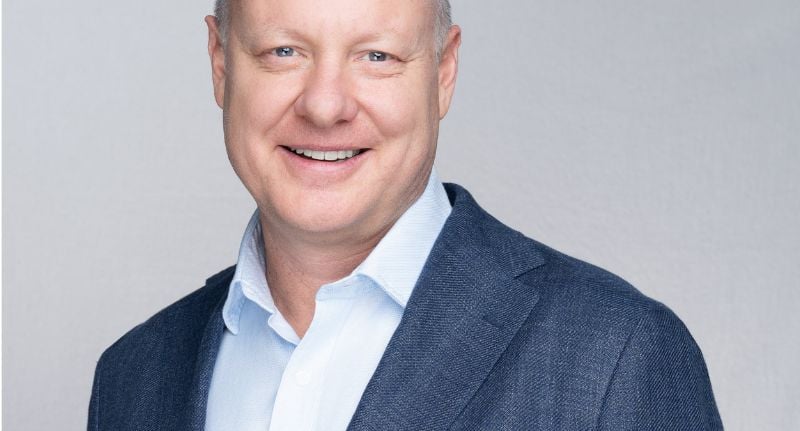
Main image: James Taylor. Source: oOh!Media
Publicis Groupe ANZ launches Le Truc creative collective in Australia and New Zealand
Publicis Groupe ANZ has launched Le Truc, a new creative collective designed to deliver multidisciplinary solutions that extend beyond traditional agency structures.
Le Truc is positioned as a flexible model that combines the agility of a startup with the scale of the wider Publicis Groupe network.
It will work in close partnership with the Groupe’s ANZ agencies, drawing on talent across creative, strategy, media, data and technology.
Originally founded in New York as a centre of excellence, Le Truc was built on the idea that creativity is strongest when disciplines work together.
The ANZ launch brings that philosophy to Australia and New Zealand, tailored to local market dynamics.
A model built to unlock cross-disciplinary thinking
The name Le Truc comes from the French term for “the thingamajig”, reflecting the collective’s focus on ideas that don’t fit neatly within traditional agency silos.
Andy Bird, Founding Partner and Chief Creative Officer at Le Truc, said: “Le Truc was created to unlock possibilities that do not fit neatly into one discipline. And to break the model and give opportunities to creatives who don’t necessarily fit into a traditional agency department… hence our name Le Truc – ‘The Thingamajig’. ANZ has the talent, the clients and the ambition to take this model somewhere new.”
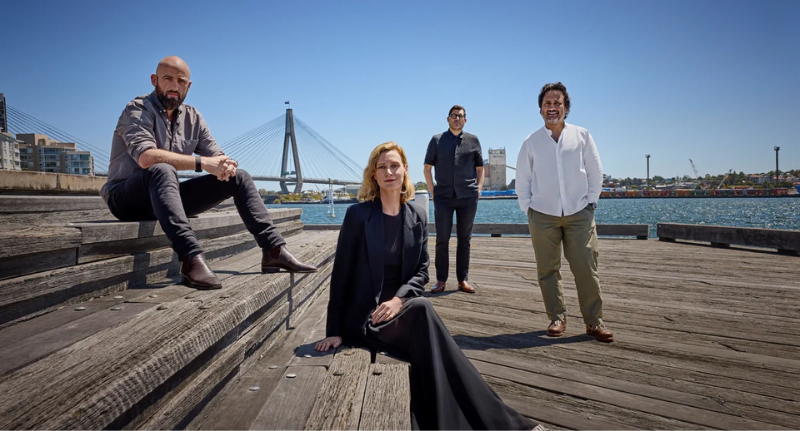
Le Truc ANZ will be led by Dave Bowman, Chief Creative Officer of Publicis Groupe ANZ, alongside Executive Creative Directors Katrina Alvarez-Jarratt and Iain Nealie.
Bowman said the collective strengthens the Groupe’s broader ecosystem. “Le Truc is a shapeshifting creative collective that brings different thinkers together to solve problems requiring a new kind of approach. It adds firepower without stepping on toes and opens the door to new types of work.”
Leadership with innovation credentials
Alvarez-Jarratt joins the leadership team with a track record recognised at Cannes Lions, D&AD, One Show, AWARD and Spikes Asia. Her work spans innovation, behaviour change and digital craft.
“Clients want partners who can help them make category-defining moves. Le Truc is built to deliver that without the usual constraints,” she said.
Nealie returns to Publicis Groupe after more than a decade at Google APAC, where he led regional innovation initiatives and developed new creative products and technology-enabled brand platforms.
“It’s great to be back. Le Truc offers the kind of opportunity creatives dream about. The speed of a startup, but with the talent and capabilities of the entire Groupe behind you,” Nealie said.
Publicis Groupe ANZ CEO Michael Rebelo comments
Publicis Groupe ANZ CEO Michael Rebelo described the launch as an additional format to solve complex client challenges.
“The shape of this collective will help Publicis Groupe ANZ unlock exponential creative opportunities for our clients and agency brands, giving us another format to bring creativity to our clients’ business challenges,” Rebelo said.
Le Truc ANZ will collaborate across all Publicis Groupe agencies, operating as an embedded creative resource designed to support ambitious briefs that demand integrated thinking.
'Clown show': Obama on Trump's racist video of him as an ape
Barack Obama has once again proven himself to be iconic by his response to Donald Trump‘s post of a video depicting him and former first lady Michelle Obama as apes.
On February 9, Trump posted a 60-second clip to Truth Social, which initially appears to be about vote counting in swing states, but then cuts to the faces of the Obamas superimposed on apes dancing in the jungle to The Tokens’ 1961 song The Lion Sleeps Tonight.
This weekend, Obama spoke to liberal podcaster Brian Tyler Cohen, who asked him about the current tone of US politics. Cohen cited Trump’s racist video among several recent controversies, saying that discourse “has devolved to a level of cruelty that we haven’t seen before”.
“Just days ago, Donald Trump put a picture of you, your face, on an ape’s body,” Cohen says.
Obama responds: “It’s important to recognise that the majority of the American people find this behaviour deeply troubling.
“It is true that it gets attention. It’s true that it’s a distraction.”
But he added that while travelling around the US, he met people who “still believe in decency, courtesy, kindness.”
Obama continued, “There’s this sort of clown show that’s happening in social media and on television.
“And what is true is that there doesn’t seem to be any shame about this among people who used to feel like you had to have some sort of decorum and a sense of propriety and respect for the office, right?
“That’s been lost.”
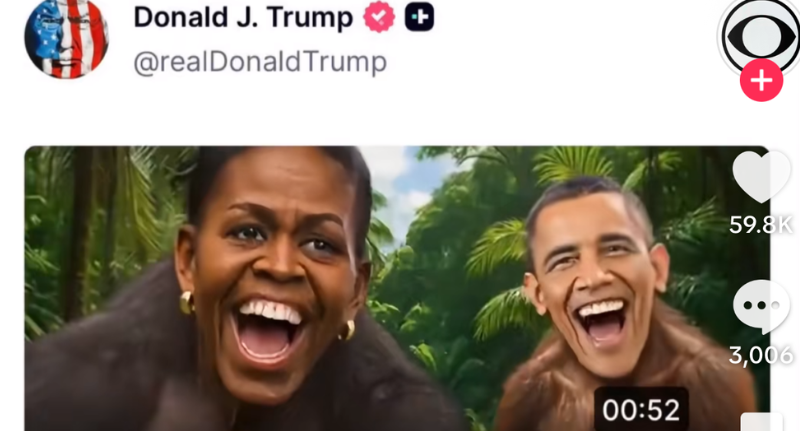
Trump posts depiction of Obamas as apes. Image: X
‘I didn’t make a mistake’
In the aftermath of the video, which was widely slammed by the public and both sides of US politics, White House Press Secretary Karoline Leavitt said:
“This is from an internet meme video depicting President Trump as the King of the Jungle and Democrats as characters from The Lion King. Please stop the fake outrage and report on something today that actually matters to the American public.”
Speaking with reporters after the incident, Trump said, “of course,” he condemned the video’s end, but insisted he had nothing to apologise for.
“No, I didn’t make a mistake,” he said on Air Force One, adding that he had “looked at the beginning” of the video and it “was fine”.
“I looked in the first part, and it was really about voter fraud in, and the machines, how crooked it is, how disgusting it is.
“Then I gave it to the people. Generally, they’d look at the whole thing. But I guess somebody didn’t, and they posted.
“We took it down as soon as we found out about it.”
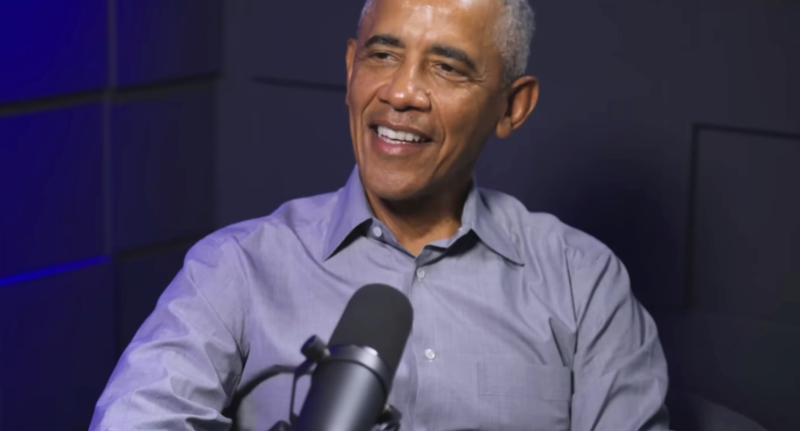
Main Image: Barack Obama. Source: YouTube
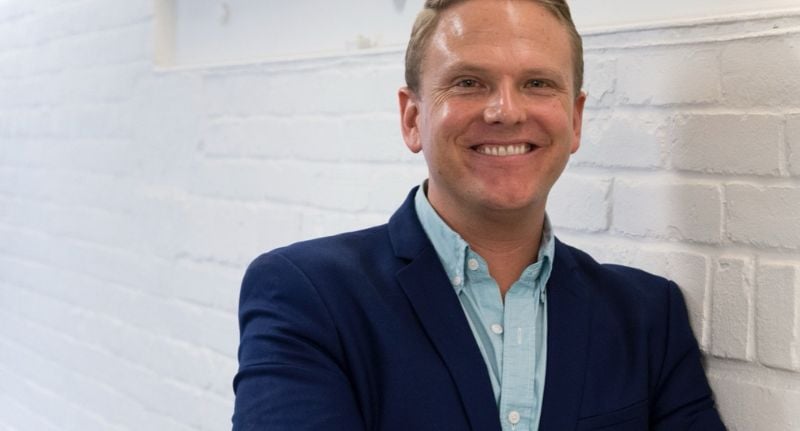
WPP Media taps global agency leader Kevin Kivi to run South Australia
WPP Media has made a decisive global talent play, appointing Kevin Kivi as managing director of its South Australian operations, signalling the group’s intent to embed world-class leadership as it reshapes its business for the AI era.
The appointment brings a Cannes Lions-winning agency leader back to Australia after nearly a decade building Horizon Media’s Canadian business, and underscores WPP Media’s strategy of installing internationally proven operators to drive regional growth and integrated capability.
Kivi will oversee Wavemaker’s South Australian operations and its portfolio of major clients, including Mitsubishi Motors, Adelaide University, the Government of South Australia, Bridgestone and San Remo, placing him at the centre of one of the state’s most strategically important agency operations.
A global operator returns to the Australian market
Kivi brings 25 years of leadership experience across Melbourne, Toronto, and New York, with a track record of blending creative excellence with commercial scale.
Most recently, he launched Horizon Media Canada from scratch in 2017, growing the business by 92% in just three years while also securing consecutive Best Place to Work honours and achieving the network’s highest employee engagement scores, a signal of both operational and cultural strength.
His credentials extend to deep global brand-building.
Kivi has worked with blue-chip clients, including P&G, Mars Wrigley, Sony PlayStation, Nintendo, Tim Hortons, and Burger King, and has led the Cannes Lions-winning Skittles Holiday Pawn Shop campaign.
This is not his first chapter within WPP’s ecosystem. He previously held senior roles at EssenceMediacom Canada and Mindshare Melbourne, giving him institutional familiarity with WPP Media’s structure, clients and strategic priorities.
Leadership built for the AI era of media
The move comes as WPP Media continues to reposition itself as a media collective built for the AI era, where leadership capable of integrating data, technology, and creativity has become a competitive differentiator.
Wavemaker CEO Peter Vogel framed the appointment as a deliberate leadership investment.
“Kevin’s appointment is a clear signal of WPP Media’s commitment to South Australia. His global experience, commercial acumen, and ability to build high-performing teams bring exceptional strength to the region. We’re confident his leadership will deliver fresh momentum and meaningful impact for our client partners.”

Peter Vogel. Source: LinkedIn
Kivi himself emphasised the opportunity to drive both commercial growth and capability expansion.
“Coming back to Australia to lead our South Australian operations is incredibly exciting. The state’s business community is ambitious, innovative, and full of opportunity. I’m focused on building an agile, collaborative team that delivers smart, effective work and strong client partnerships. There is enormous potential here, and I’m energised to help drive growth for South Australian organisations and contribute to the broader media community.”
A strategic talent play with clear commercial stakes
In an era where media groups are racing to embed AI-enabled planning, data-driven decisioning and integrated client partnerships, senior leadership appointments like this carry outsized weight.
Kivi’s return signals more than a regional hire. It reflects WPP Media’s broader strategy to anchor its next phase of growth with globally experienced leaders capable of navigating the increasingly complex intersection of media, technology and brand building.
Main image: Kevin Kivi. Source: WPP
Michael Stephenson’s entertainment vision begins to take shape as ARN turns iHeartLIVE into proof of concept
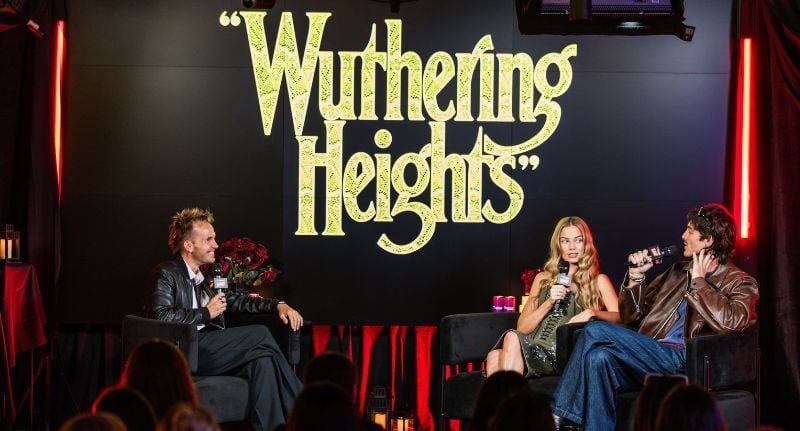
Inside Australian Radio Network’s North Sydney headquarters, just 100 fans sat metres away from Margot Robbie and Jacob Elordi, listening as the two global stars unpacked their latest film. It was intimate, rare, and carefully engineered.
For ARN chief executive officer Michael Stephenson, it was vindication.
Hosted by KIIS Network’s Kent ‘Smallzy’ Small as part of the company’s iHeartLIVE series, the exclusive fan event marked one of only three official appearances Robbie and Elordi made in Australia to promote Wuthering Heights. For ARN, the event marked the physical manifestation of a strategy Stephenson had declared publicly just months earlier, a repositioning of ARN from a radio broadcaster into an entertainment company.
From promise to proof point
In October last year, Stephenson stood before advertisers and media buyers and laid out a clear vision for ARN’s future. The company, he said, would no longer think of itself solely as radio. It would operate across audio, video, social and real-world experiences, creating entertainment ecosystems rather than standalone broadcast moments.
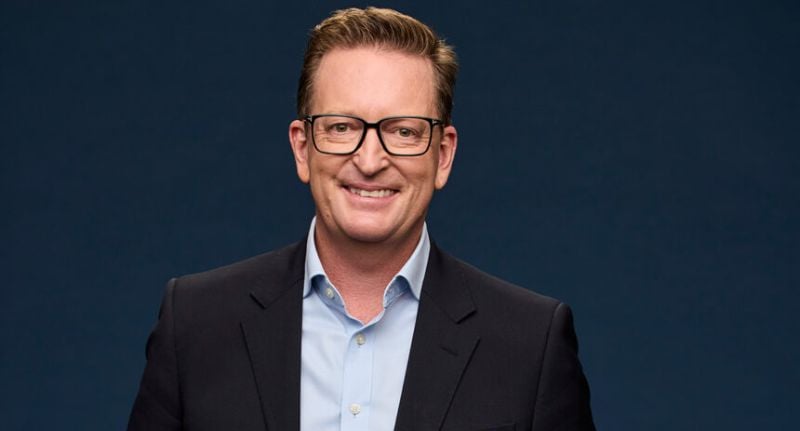
ARN CEO Michael Stephenson
Now, less than four months later, he sees that shift beginning to materialise.
“I think about that moment that I stood up on stage there up front and said, we’re ARN, we’re an entertainment company, that’s exactly how I thought it would come to life,” Stephenson told Mediaweek after the event.
“We’ve got a huge radio star in Smallzy, who’s got a radio show that’s just put on a live event with global stars in front of advertisers and our audiences. And that content’s that’s going to be distributed on all of our social platforms in audio and video formats.”
The iHeartLIVE activation captured the full arc of Stephenson’s thinking, featuring a range of content, including footage, audio, and social assets, extending its lifespan across ARN’s distribution channels. In doing so, it inverted the traditional radio model, where broadcast is the starting point and everything else follows.
Instead, he said, it’s also proof that content can originate anywhere.
“So when I spoke about being an entertainment company and said we’d be audio, video, social and in real life experience, you’ve just seen that come to life right in front of your very eyes and you can see that the energy in that room was incredible, the production values were world class, the experience for the audience and consumers was incredible and the challenge now is obviously for us to find ways to monetise that,” he said.
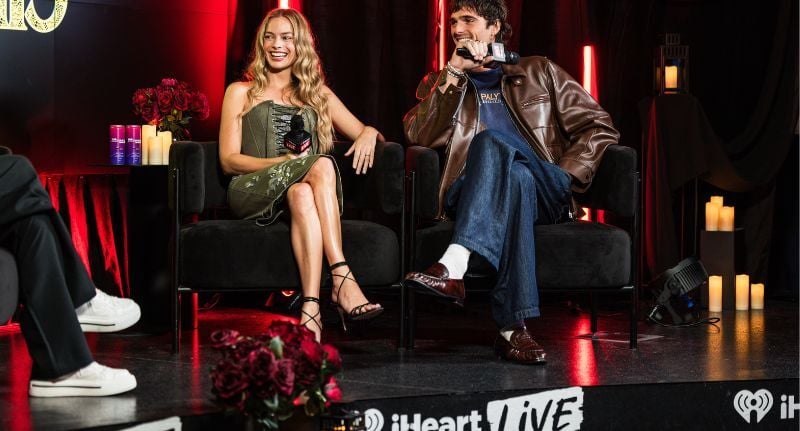
Margot Robbie & Jacob Elordi
Rewiring radio’s role in the entertainment economy
At the heart of Stephenson’s strategy is a recognition that radio no longer exists in isolation. Audience behaviour has shifted, and the economics of attention have shifted with it.
“I think the way in which people consume content has fundamentally changed, so the way in which you create and distribute content has to fundamentally change, but I see it far from keeping radio alive. I see enormous opportunity in everything that we’re doing, and you saw it come to life right there,” he said.
“We just created an entertainment platform for an advertiser to take advantage of, and the best bit about that for me is that content doesn’t need to start in radio and be amplified across socials. It can start as a live event and become a radio show. It can start as a social or a video product and become a radio show. Content can start anywhere, as long as it’s distributed across all platforms. You can create an entertainment opportunity.”
Stephenson is careful to emphasise the foundation of radio remains intact, even as the company builds around it.
“I also realise that things don’t change overnight. We’ve got a very successful radio business in metro and regional markets, and that is the foundation of our company, and I’m not trying to change that. I’m trying to build on it.”
The broader ambition is clear. ARN wants to own moments, and not just those ones that take up airtime.
“When people see what we’ve just seen firsthand, the more it becomes real,” Stephenson said. “I’ve said this many times, vision is easy, execution is everything. Having a vision is one thing, but unless you execute brilliantly, it’s just a good idea.
“I’ll be held to account, and we will be held to account by delivering on what I said we would be, which is an entertainment company. We’re not perfect, we’ve got a long way to go, but I think that’s a pretty good example of what I’m trying to do.”
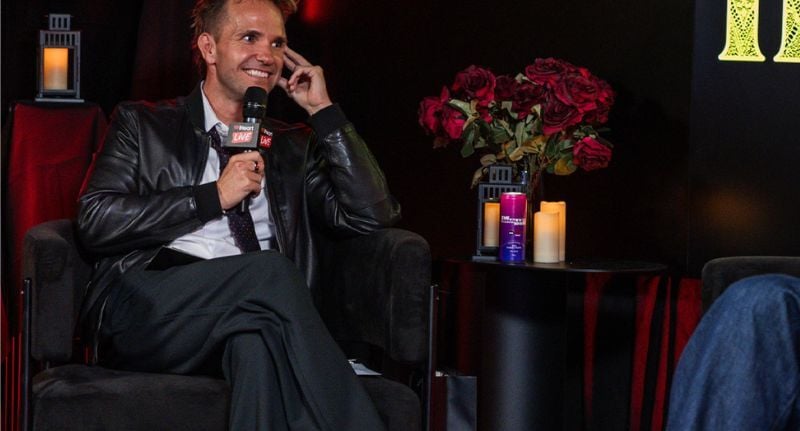
Smallzy
Competition intensifies, but focus remains inward
The shift comes as ARN faces growing competitive pressure across audio, streaming, podcasting and live entertainment, as well as structural change within Australia’s media landscape.
Yet Stephenson maintains his focus remains firmly on execution,
“I don’t really think about it like that. Entertainment, by nature, is a ubiquitous term. Nobody owns entertainment,” he said.
“It’s a feeling, and it’s an outcome, and we will be judged, like I said, on how we execute. We need to create high-quality content, distribute it across all platforms, and monetise it to generate revenue. Everybody is a competitor of some description, but with complete respect, I don’t spend that much time thinking about everybody else.
“We’ve got enough things to do in our own business, and there’s enough opportunity in what we’ve got to be really successful. But you’ve got to have a plan and you’ve got to deliver it, and that’s what I’m trying to do.”
Financial reality sharpens the stakes
That execution imperative carries real financial weight.
ARN is preparing to release its FY2025 results later this month, marking its first full-year disclosure since News Corp Australia exited its remaining 13% stake, ending a long-standing shareholding and resetting the company’s ownership structure.
The broadcaster has already warned EBITDA could fall between 25% and 27% year-on-year, reflecting what it described as “significant softness” in the national advertising market. Revenue pressures have compounded longer-term declines, with group revenue falling from $344.9 million in FY2022 to $334.3 million in FY2023, and net profit before tax dropping sharply over the same period.
Even so, the digital audio division has emerged as a strategic bright spot, with revenue climbing 36% to $19.8 million, supported by strong growth in podcast listening and monthly downloads. iHeart remains central to that trajectory, maintaining its position as Australia’s largest podcast publisher with a monthly audience approaching seven million.
For Stephenson, initiatives like iHeartLIVE represent more than brand-building exercises. They are part of a broader reset designed to diversify revenue, deepen audience engagement, and reposition ARN within the wider entertainment economy.
The challenge now is turning momentum into measurable growth.
Vision, as Stephenson acknowledges, is only the starting point. Execution will determine whether ARN’s reinvention ultimately delivers.
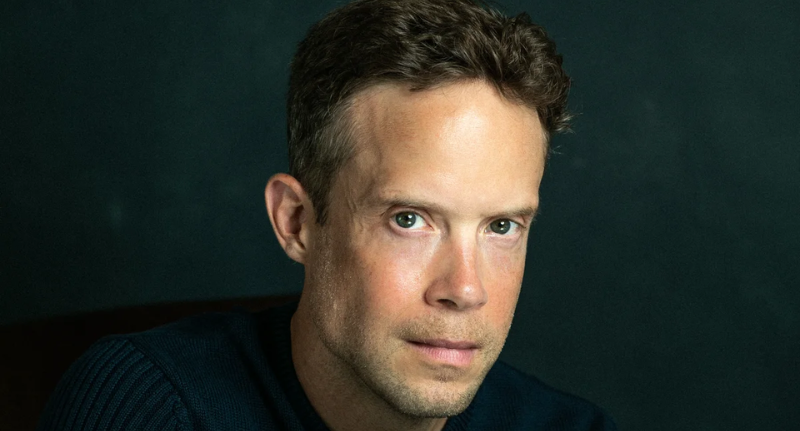
Ticketek Entertainment Group appoints Brad Turcotte to lead country music push
Ticketek Entertainment Group – TEG has appointed Brad Turcotte as Senior Vice President of Country at TEG Live.
Based in Nashville at TEG’s new US office, Turcotte will lead the company’s North American country strategy, working closely with teams in Australia and New Zealand to build artist pipelines, partnerships and long-term touring opportunities.
The appointment comes as TEG Live accelerates its expansion in country music and prepares to launch a new dedicated touring brand within the genre.
Turcotte joins from Vector Management, where he most recently worked as an Artist Manager.
His previous senior leadership roles include positions at Universal Music Group Nashville and Big Machine Label Group.
Across his career, Turcotte has led international strategy and global campaigns for artists including Carrie Underwood, Chris Stapleton, Luke Bryan and Keith Urban.
He also oversaw international efforts for Taylor Swift’s multi-platinum albums 1989, Red, and Speak Now.
Platform model drives global touring growth
Turcotte’s appointment builds on TEG Live’s recent transition to a platform model, designed to bring together promoters and entrepreneurial talent under shared delivery, data and technology capabilities across the broader TEG network.
He will lead the Country division alongside Alex Kelsey, Head of Touring, Country Music, and Clay Doughty, Head of Strategy, Country Music, supported by Vanessa Picken, Global Director, Music Strategy.
Tim McGregor, Global Head of Touring at TEG, said: “Brad’s appointment is a major milestone for TEG Live. Nashville sits at the centre of the global Country music ecosystem, and by deepening our presence in Nashville, we’re strengthening the bridge between North America and our home markets. This creates more opportunities for artists to tour, for fans to connect, and for new talent to emerge.”
Asia-Pacific focus for country growth
Turcotte said the move reflects a long-standing ambition to connect Nashville with international audiences.
“I’ve always considered myself a global ambassador for Country music, working to build bridges between Nashville and audiences around the world. I’m incredibly excited to now focus my efforts on delivering country music to fans across the Asia-Pacific region – especially Australia, a dynamic but historically underserved international market. I’m grateful to join Tim and his team, and we plan to be bold and aggressive in expanding the reach and impact of this genre we love.”
Country music has been identified as a key pillar of TEG Live’s growth strategy, with the Nashville office opening in early 2026 reflecting a long-term commitment to the genre.
Main Image: Brad Turcotte
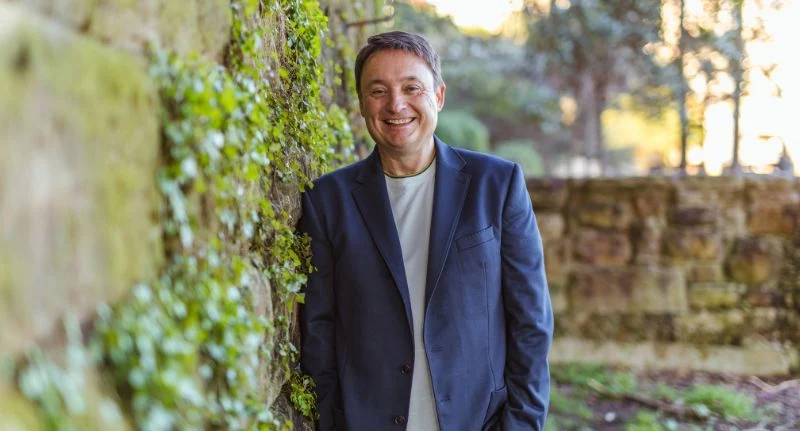
Why Clive Dickens believes AI can protect creatives and journalists
Clive Dickens isn’t investing in artificial intelligence companies built to replace humans. He’s backing the ones designed to improve them.
The former Shazam executive and Seven West Media strategist, now the founder of AI advisory and investment firm The Meliora Company, has spent the past year quietly building a portfolio of early-stage startups that use artificial intelligence to support, rather than supplant, creative and knowledge-based industries.
“What these companies do is that they make humans more productive and more creative rather than replace humans, which is aligned with our vision and our purpose”, Dickens told Mediaweek.
“We believe that technology enhances human creativity – it doesn’t replace it.”
He’s referring to companies like Springboards.AI, an Australian startup helping creative agencies develop campaign ideas using AI, and StoryDesk.AI, a platform designed to help journalists research, structure and write stories more efficiently.
Both sit inside Meliora Ventures, the investment arm of Dickens’ broader company, The Meliora Company, which operates across advisory, product development and venture investment.
Now, Dickens has formalised that investment strategy with the launch of Meliora Ventures Fund One, a A$4.6 million pre-seed fund targeting around 15 early-stage AI startups globally.
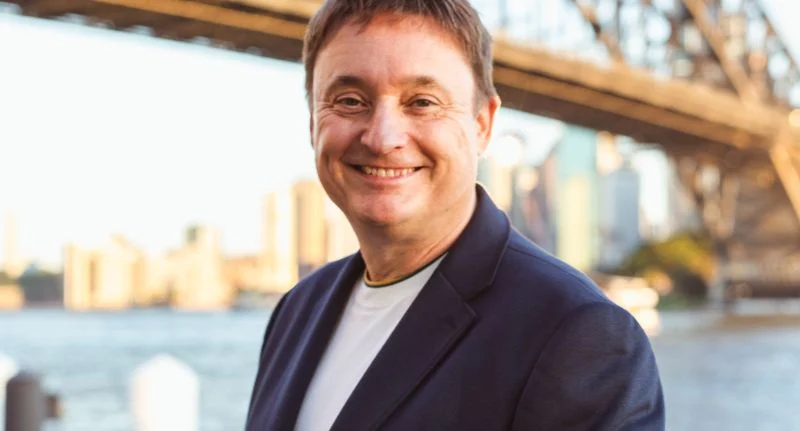
Clive Dickens. Source: Meliora
Moving beyond AI hype to practical application
Dickens founded Meliora to operate at what he calls the “messy middle”, where ambition meets execution.
The company operates in advisory, product development, and venture investment, with a lean team of around 10 specialists across Sydney, London, and Los Angeles.
His background, spanning senior roles at Optus, Seven West Media, and Shazam, has shaped his view that AI’s future lies not in replacing creative industries but in reinforcing them.
“People wrongly say, for example, things like ‘Hollywood is dead’, and show you a movie they made through AI,” he said.
“But it’s not a movie. It’s a 47-second video derived from Ridley Scott training data, and it looks like a bad version of Blade Runner. That is not a movie.
“When you watch a movie, it’s the characters, it’s the stories, and the humanity that make it.”
This belief has translated into a deliberate investment thesis. Meliora is prioritising startups already delivering working products and measurable value, rather than chasing theoretical breakthroughs.
“We’re now raising $4.5 million Australian dollars to invest in 15, one, five new companies,” Dickens said.
“We will obviously evaluate Australian businesses, but as we said, most of our investment will be outside Australia because there’s a great big world outside of Australia.”
Backing AI built for creative industries
Two early investments illustrate how Meliora is targeting sectors under acute productivity pressure, particularly media and creative industries.
One of those is Springboards.AI, an Australian startup founded in Noosa and now based in Surry Hills, designed to help creative agencies develop campaign ideas and respond to briefs more effectively.
“When you’re looking for ideas to build a creative pitch, rather than sort of just whiteboarding or post-it notes or brainstorming, you use Springboards. It’s a springboard for your creativity.”
The product emerged from necessity. Its founders built the platform after being made redundant from a creative agency, initially using large language models before discovering their limitations.
“They realised those models were just pattern recognition,” Dickens said.
“So, they created a springboard for the creative industry to allow creatives to be even more creative and productive rather than fearing AI.”
The platform has since attracted significant investment, including backing from Google and Blackbird, validating its commercial potential.
“It’s really about using technology to make humans more creative and more efficient,” he said.
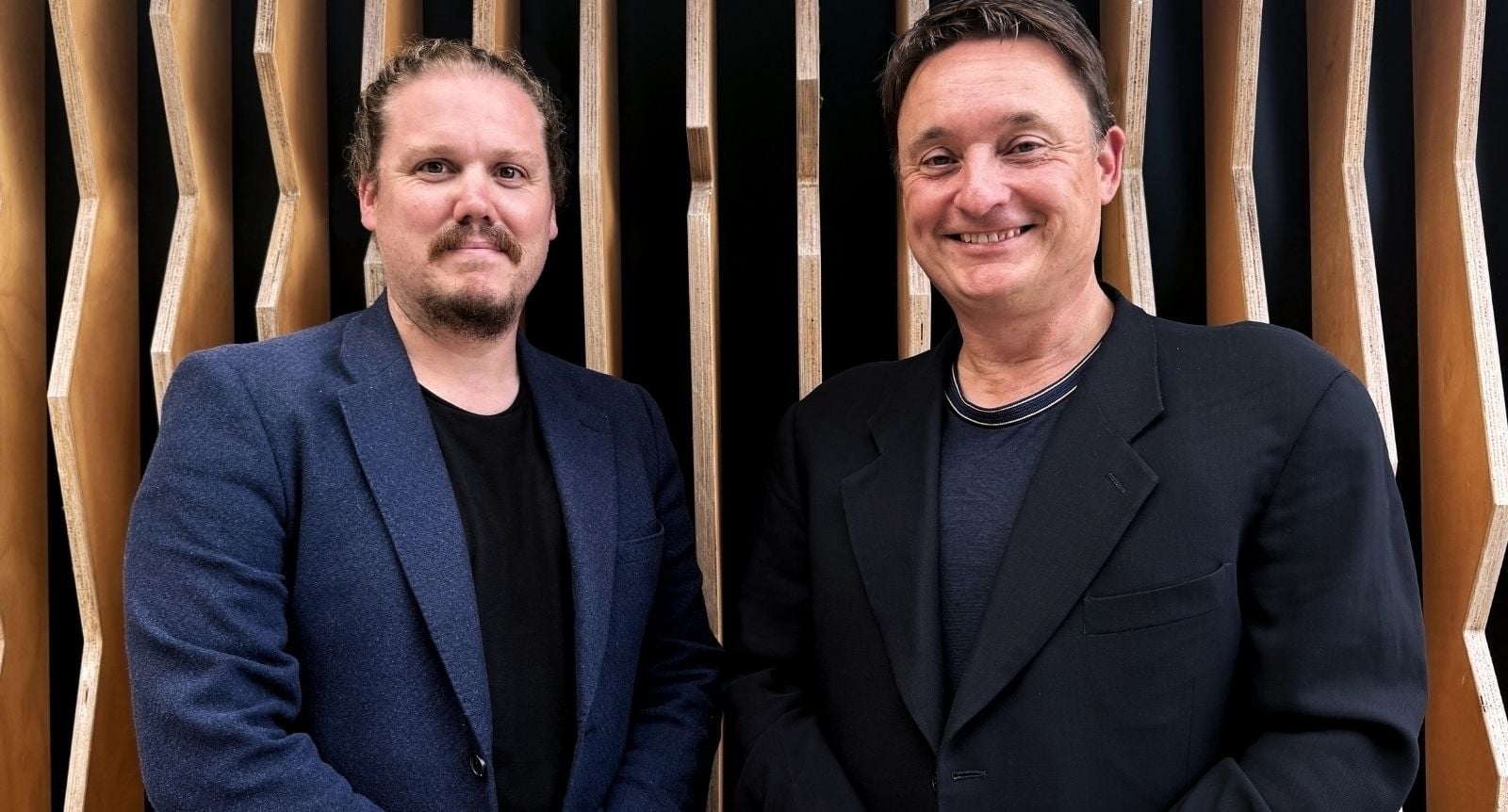
Dickens (R) with his Meliora business partner, Jack Lonergan.
Reinventing journalism workflows
Meliora has also invested in StoryDesk.AI, a platform designed specifically to support journalists navigating rising workloads and shrinking newsroom resources.
“StoryDesk does something very similar, but for journalists. For trained journalists,” Dickens said.
He frames the investment as both commercial and cultural, given journalism’s central role in democratic societies and its growing economic pressures.
“Journalism and freedom of speech and the fourth estate and holding the powerful to account is really important for democracy and society,” he explained.
“But of course, the challenge in journalism is that you have a certain number of stories you need to file every day. You’ve got to produce so many stories, and you don’t have any more time.”
The platform integrates directly into journalists’ existing workflows, helping them organise sources, conduct research, and maintain notes while maintaining editorial integrity.
“It allows you, then, to create original articles in your tone of voice using AI. So it’s not AI-generated copy. It’s not AI slop. It’s human-enabled copy using AI to make you more efficient,” Dickens said.
“The dream would be, say, if you file six to 12 stories a day, then StoryDesk can allow you to produce 16 to 24 stories a day that have actually got your name on it, that have been fact-checked, that have been sourced, that have a trust score on them.”
He sees the technology as essential to sustaining journalism as a viable business model.
“We don’t want AI slop. We don’t want AI-generated copy. We need journalists,” he said. “So build a product that makes journalism more sustainable.”
Early investments already delivering returns
Meliora’s strategy is already showing early momentum.
The firm’s first five investments, announced shortly after launching last year, spanned startups across Australia, the UK, Ireland and France, covering media, enterprise software and telecommunications.
One standout performer is Fluency AI, a Melbourne-founded operations platform that automates internal business processes.
“Fluency is a very dry company. It’s a process operations business,” Dickens said. “But the reason why that’s important is that if businesses can streamline their back office, they can spend more time investing in human connections and human stories and humanity.”
Fluency recently raised US$8.5 million in fresh funding from Accel, the Silicon Valley firm that previously backed Facebook and Atlassian, and has since relocated to San Francisco.
“They’re going to be a very successful Australian company that attracted high-end investors from the Bay Area,” Dickens said. “And that is a phenomenal return for the original in a very, very short period of time.”
Investing in AI’s creative future
Meliora Ventures Fund One formalises what Dickens had already begun to build, positioning the firm as both an investor and a strategic partner to AI startups operating at the intersection of technology, media, and creativity.
The focus remains consistent: AI that amplifies human capability rather than replaces it.
For Dickens, the opportunity isn’t just technological. It’s structural.
The future of AI, he believes, won’t be defined by synthetic content replacing humans, but by tools that enable humans to do more, create more and sustain industries under pressure.
And increasingly, he’s putting capital behind that conviction.
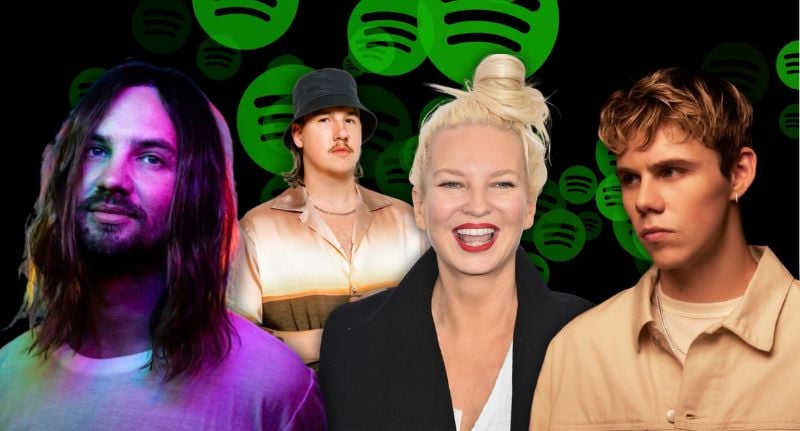
Spotify data reveals Australian music’s global takeover
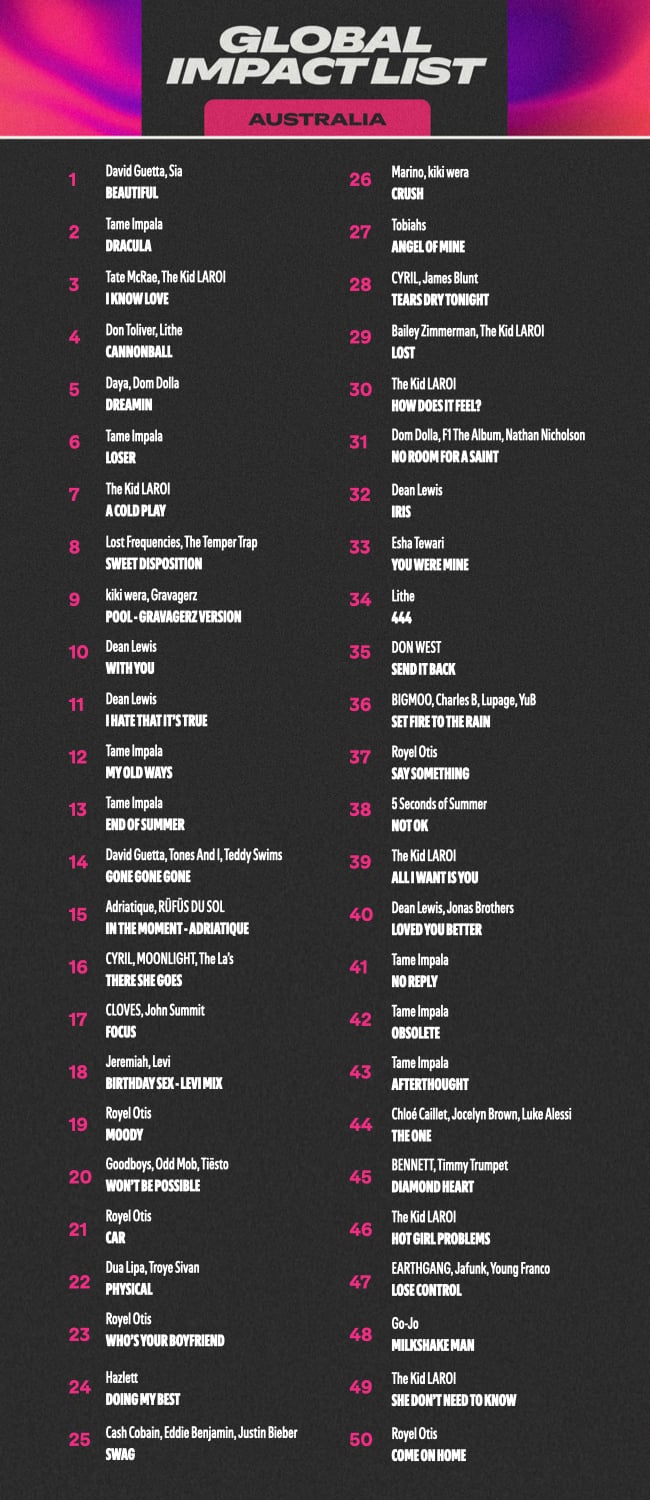
Spotify has unveiled its latest Australian Music Global Impact List, offering the clearest signal yet that Australian artists are no longer just travelling well; they are exporting at scale.
For the first time, the list expands to a Top 50 ranking, capturing the Australian tracks with the biggest global impact on Spotify outside Australia across the full 2025 calendar year.
The results underline a structural shift in how Australian music reaches international audiences, with global streams of local artists up 69% since 2020.
It’s a milestone moment for the industry. Streaming has effectively dismantled geography as a barrier, turning platforms like Spotify into a de facto export infrastructure for Australian talent.
At the centre of that export machine is Sia.
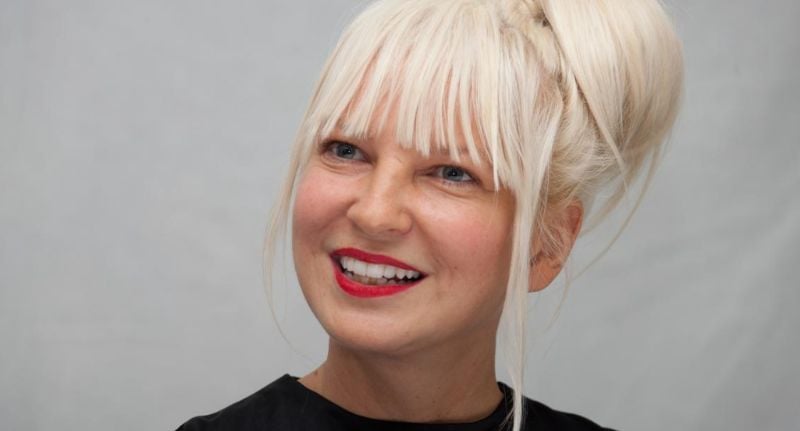
Sia. Source: Supplied
Sia makes history as Australian music’s global ambassador
Global superstar Sia has become the first artist to top Spotify’s Global Impact List twice, with her David Guetta collaboration Beautiful People crowned the most-streamed Australian song internationally in 2025.
She previously claimed the number one position in 2023 with Gimme Love, cementing her status as one of Australia’s most reliable global performers in the streaming era.
Close behind, Tame Impala delivered one of the strongest album-driven export performances of the year. Seven tracks from their fifth studio album, Deadbeat, landed inside the Top 50, equal most by any artist. Dracula emerged as the band’s highest-ranked entry at number two, while four tracks landed inside the Top 15, including Loser at number eight.
The Kid LAROI also demonstrated sustained global traction, placing seven tracks on the list. His collaboration with Tate McRae, I know love, landed at number three, while A COLD PLAY broke into the Top 10 at number nine.
Emerging talent also featured prominently, with breakout artist Lithe debuting at number four alongside American rapper Don Toliver on Cannonball.
Meanwhile, Sri Lankan-Australian alt-pop artist kiki wera secured a Top 10 placement with Pool (Gravagerz Version), highlighting the increasing diversity of Australian artists connecting with global listeners.
Nostalgia, remixes and catalogue power drive streaming longevity
The list also reinforced a broader streaming trend reshaping music economics: the longevity of catalogue.
The Temper Trap’s Sweet Disposition, long considered one of Australia’s defining export tracks, enjoyed renewed global success via a Lost Frequencies remix, re-entering international rotation more than a decade after its original release.
Similarly, CYRIL’s reinterpretation of The La’s There She Goes landed at number 16, underscoring the commercial value of remix culture and catalogue reinvention.
These trends speak to a deeper shift in how music travels globally. Tracks no longer follow traditional release cycles. Instead, they can resurface and scale years later, driven by algorithmic discovery, social media, and playlist ecosystems.
Spotify’s data reveals the new geography of Australian music export
The United States remains the dominant export market for Australian artists, followed by the UK and Germany. But the data reveal increasingly diversified global demand, with Brazil, Mexico, the Philippines, and France ranking among the Top 10 international markets.
More strikingly, emerging territories are accelerating fastest. South Africa recorded export growth of 99% over the past three years, followed by the Philippines at 64% and Colombia at 53%.
These markets, once peripheral to traditional music export strategies, are now central to growth.
Spotify AUNZ head of artist and label partnerships Leah Harris said the results demonstrate how streaming has fundamentally changed the global reach of Australian artists.
“It’s impossible not to feel the impact of Australian music wherever you go, whether that’s in the US, Europe, or emerging markets where local artists are finding passionate new fans,” Harris said.
“The data behind Spotify’s Australian Music Global Impact List shows just how borderless music has become, and how artists from Australia are connecting with listeners around the world in deeper and more meaningful ways than ever before.”
The Top 10 Australian Music Global Impact List 2025
• Sia and David Guetta – Beautiful People
• Tame Impala – Dracula
• The Kid LAROI and Tate McRae – I know love
• Lithe and Don Toliver – Cannonball
• kiki wera – Pool (Gravagerz Version)
• Tame Impala – Track from Deadbeat
• The Temper Trap – Sweet Disposition (Lost Frequencies Remix)
• Tame Impala – Loser
• The Kid LAROI – A COLD PLAY
Streaming has turned platforms into Australia’s most powerful export channel
For the Australian music industry, Spotify’s Global Impact List has evolved into more than a leaderboard. It is now a proxy for export performance and global cultural penetration.
Where radio once dictated international reach and touring followed, streaming has flipped the model. Artists can now build global audiences first, then follow with touring, partnerships, and commercial expansion.
For platforms like Spotify, this positions Australia not just as a domestic market, but as a content engine feeding a global ecosystem.
And as the latest Global Impact List makes clear, Australian music is no longer breaking through overseas. It’s already there.
Honeycomb Strategy appoints Jason Morris as Head of Client Service
Melbourne-based behavioural science and market research agency Honeycomb Strategy, which has appointed Jason Morris to the newly-created role of Head of Client Service.
The appointment caps a milestone year for Honeycomb Strategy. The agency was named Campaign’s Research Agency of the Year (Silver) in 2025, celebrated one year of B Corp certification, and released its second self-funded Digital Insights Series report, The Science of Loyalty: From Situationship to Relationship – cementing its reputation as a leader at the intersection of behavioural science and market research.
Now, with Morris leading a unified client services function, Honeycomb Strategy is sharpening its delivery model to match the pace and complexity clients increasingly demand.
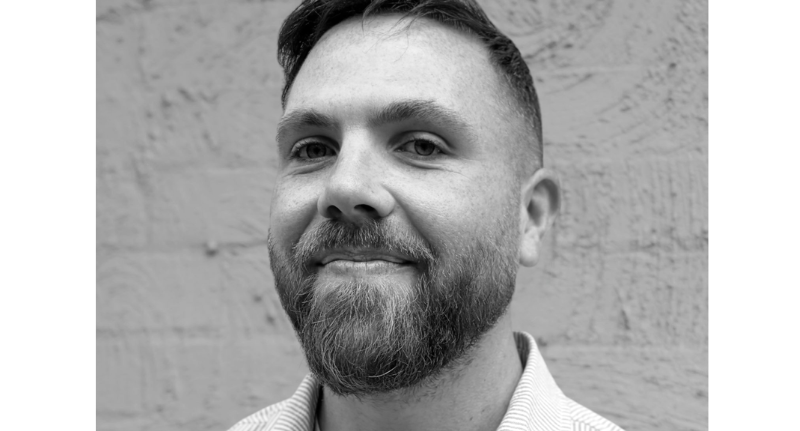
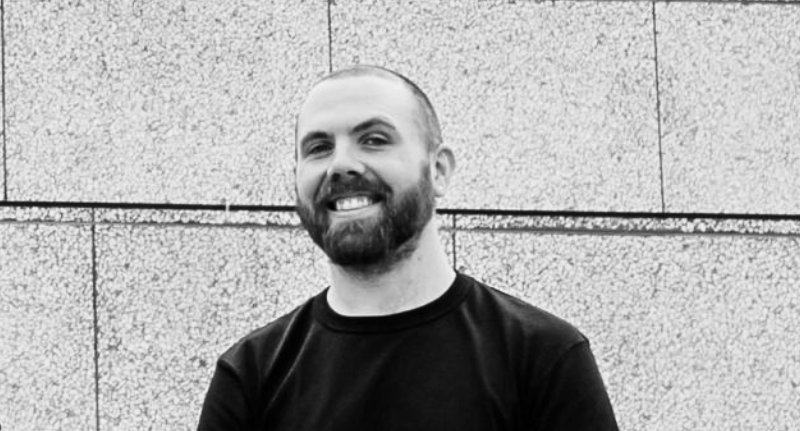
Jason Morris. Image: Honeycomb Strategy
Morris joined Honeycomb Strategy in 2022 as Strategy Director and was previously Honeycomb Strategy’s Head of Quantitative Strategy, bringing extensive experience from both agency and client-side roles. In his new position, he will be responsible for enhancing collaboration across disciplines while maintaining the deep specialist expertise Honeycomb Strategy is known for.
Honeycomb Strategy Managing Director, John Bevitt said the new structure reflects the agency’s commitment to staying ahead of what clients need.
“Over the past year, we have invested in training our entire team on behavioural science principles, ensuring every researcher, across every project, applies a behavioural lens from design through to delivery. This is not a bolt-on capability; it is the foundation of how Honeycomb Strategy works: revealing what people actually do and why, not just what they say,” he said.
Commenting on his new role, Morris said: “I’m excited to lead our teams through this evolution. The opportunity to oversee both quantitative and qualitative capabilities allows us to think more holistically about client challenges and deliver integrated solutions that drive real business impact.
He added, “Understanding human behaviour is essential for improving business decisions, and this structure positions us to do that more effectively than ever.”
Honeycomb’s enhanced client delivery model responds to a clear market shift: brands need research partners who move quickly without sacrificing specialist depth and who can solve complex challenges by seamlessly integrating behavioural science with both quantitative and qualitative methodologies. By bringing both disciplines under a single leadership structure, Honeycomb Strategy eliminates delays, provides end-to-end project visibility, and delivers faster, more cohesive solutions.
The agency’s next iteration of the Digital Insights Series, Subscription Friction, is set for release next quarter, continuing Honeycomb Strategy’s investment in original, behaviourally-grounded thought leadership.
Feature image: Jason Morris, Honeycomb Strategy
Media
Seven News journalist Jodi Lee signs off
As Kyle Laidlaw reports in TV Blackbox, the Sydney-based journalist confirmed the move in a social post, marking the end of a long newsroom chapter.
Legal
Nine executives face scrutiny over Roberts-Smith payment
As The Australian’s James Madden details, the high six-figure agreement had been kept secret until now.