

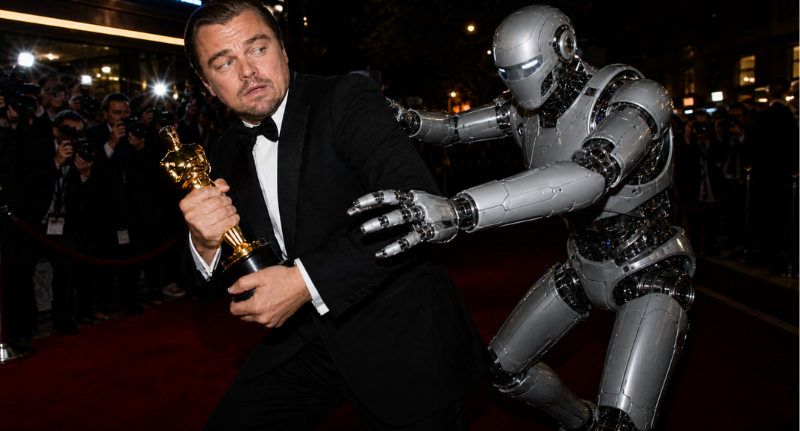
The debate around how AI will be assessed in filmmaking has, for now, been settled.
The Academy of Motion Picture Arts and Sciences has confirmed that only acting and writing performed by humans will be eligible for an Oscar.
The Academy, which oversees the film industry’s most prestigious awards, issued updated eligibility rules as the use of artificial intelligence continues to grow across film and television.
A clear line on authorship
Under the revised guidelines, acting must be “demonstrably performed by humans”, and writing must be “human-authored” to qualify for nomination.
The Academy described the update as a “substantive” change, marking the first time it has explicitly defined human authorship in its rules.
AI is not banned, but limited
Despite the move, the Academy stopped short of banning AI in filmmaking altogether.
Outside of acting and writing, the use of AI tools will neither help nor harm a film’s chances of being nominated.
Instead, each branch will assess work based on the extent to which a human remains central to the creative process.
“If questions arise regarding the use of generative artificial intelligence, the Academy reserves the right to request more information about the nature of the use and human authorship,” the group said.
The clarification comes amid growing concern about AI’s potential to replace or replicate human creativity.
Lilly blasts Disney over layoffs and AI direction
Evangeline Lilly, who starred as Hope van Dyne/Wasp in Ant-Man, has criticised Disney’s recent direction, warning that the shift risks undermining the industry’s creative foundation.
Lilly described the move as short-sighted, arguing that replacing human roles with automation threatens the people and craft that built the business.
She was particularly critical of Disney’s decision to axe Andy Park, Marvel’s director of visual development, and broader layoffs across the company, which reportedly impacted around 1,000 employees.
Taking to Instagram, Lilly wrote: “Disney, SHAME ON YOU for turning your back on the people who built the power you are now using to throw them away.”
“Where are the laws that REMOVE all human art from the AI bank?!?” she asked.
Watch the full video below:
View this post on Instagram
Industry tensions rising
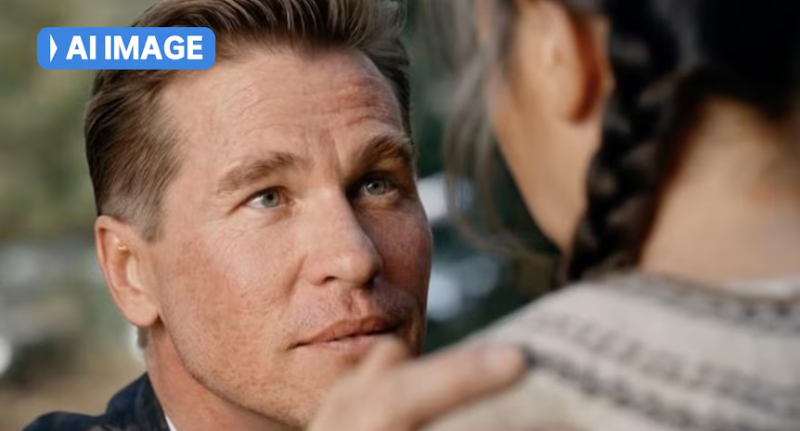
On the other hand, recent examples tell a different story, including plans to recreate the late actor Val Kilmer using AI and experiments with fully synthetic performers by creators such as Eline van der Velden.
Moreover, actors Matthew McConaughey and Michael Caine have sold their voices for AI-driven replication, partnering with the AI audio company ElevenLabs. McConaughey is doubling down on AI voice tech, investing an undisclosed sum in New York-based ElevenLabs.
The actor has been collaborating with the company since its founding in 2022, and is now using its technology to create a Spanish-language audio version of his newsletter, “Lyrics of Livin’”, in his own voice.
Then there are some who can’t pick a side.
Hollywood actor Ben Affleck has quietly sold his AI company, InterPositive, to Netflix in a surprise deal that also revealed he had retained ownership of the business for years. The move has sparked debate, given Affleck’s earlier scepticism about AI’s creative capabilities, having previously said it could not “write anything meaningful” or make films from scratch.
These issues have also been central to industry disputes, including the recent Hollywood writers’ strike, where AI-generated scripts were a key concern.
Top Image: AI-Generated