



EXCLUSIVE: 'Changes had to be made': ARN CEO Michael Stephenson on creating his dream team
'This is about building the future of ARN'.

Eight weeks into the top job and the Australian Radio Network's (ARN) CEO, Michael Stephenson, has wasted little time stamping his authority on the business, appointing Kerri Elstub as Chief Content Officer and Dave Cameron as Director of Content – Metro Radio, as he assembles the leadership group he intends to take forward.
The former Nine Chief Sales Officer is blunt about the overhaul he has set in motion, and unflinching about why it had to happen.
By nature, Stephenson is disarmingly likable, animated by a genuine belief in what ARN could become. His enthusiasm is infectious. At times, he presents like a kid in a candy store, energised by possibility, bullish on audio’s future.
But the warmth masks something more methodical.
Behind the easy confidence is a carefully sequenced reset, with leadership, structure and accountability being rewired in quick succession to pull the network out of its most bruising chapter and into something far more controlled.
“Look, there have been changes that clearly had to be made,” Stephenson told Mediaweek.
But the momentum, he insists, is forward-looking. “I’m more excited today than the day I joined ARN, because I think the size of the prize for those businesses that are in the audio market is a lot larger than I first appreciated.”


The leading media trade publication in Australia.
Get our top stories straight to your inbox daily by signing up to our Newsletter
By providing your information, you agree to our Terms of Use and our Privacy Policy. We use vendors that may also process your information to help provide our services.
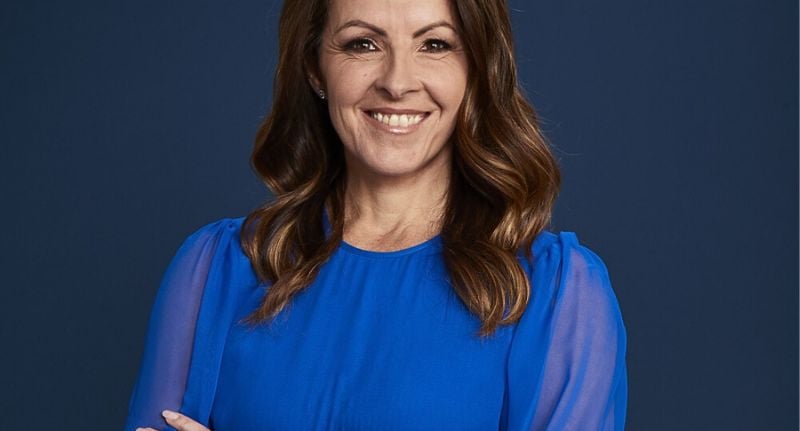 Kerri Elstub
Resetting the structure, shaping the team
Elstub and Cameron’s appointments formalise a broader reorganisation inside ARN, separating content creation from support functions and tightening accountability across the slate.
For Stephenson, this phase is about intent as much as structure. “I’ve now had the opportunity after being in my new role for eight weeks to create the team that I’m going to lead,” he said.
That vision was first outlined publicly at ARN’s upfronts.
“We made a stance and shared our bold vision for what I believe the future of ARN can be, and that is to be an entertainment company,” Stephenson said.
“To create more local Australian content, both audio content, radio, podcasts, et cetera, but also the ability to create video content, especially video podcasts.”
Finding the right leadership to execute that strategy was, he said, critical. “I was always of the view that I needed someone who was a pure play content leader. Someone who had cross-platform experience - and they’re not easy people to find.”
Why Elstub, and why Cameron
When asked by Mediaweek about hiring Elstub, who does not come from a traditional radio background, into such a central content role, Stephenson was emphatic.
“She completely gets Australian audiences. She understands the power of digital, the role of social. She understands how to work with big talent, and importantly, for our business, where the vast majority of our audience and revenue still comes from radio, understanding the power of breakfast was critical.”
Elstub’s experience across television, digital and radio made her, in Stephenson’s view, uniquely placed. “She’s worked in radio, and she’s worked on Nine's Today Show and Today Extra. She ticks so many boxes.”
That decision, he said, naturally led to the next hire.
For everything Elstub may lack in understanding radio, Cameron will be there, with his role designed to anchor the strategy in radio fundamentals. “
He’s one of Australia’s most experienced radio executives. He’s an expert programmer. He understands music strategy. He understands how to drive an efficient operating model.”
Together, Stephenson described the pairing as “the perfect combo”.
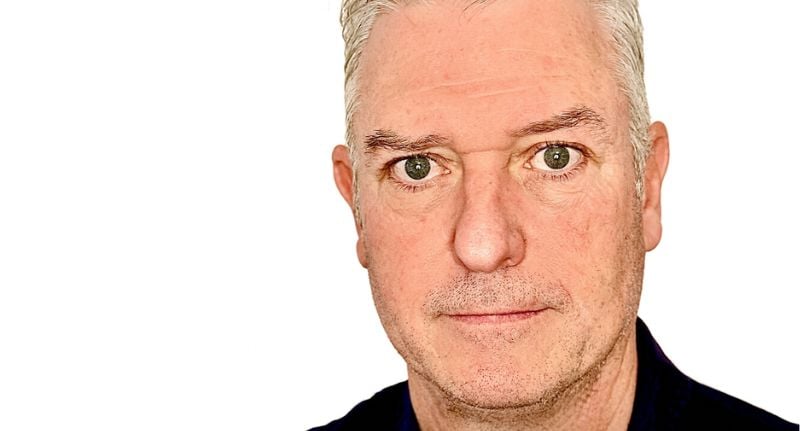 Dave Cameron
Pressure points and the long shadow of Kyle and Jackie O
The leadership reset lands amid sustained scrutiny of ARN’s biggest commercial bet, the $200 million Kyle Sandilands and Jackie ‘O’ Henderson deal, alongside softer advertising conditions and a market that has become far less forgiving.
Stephenson acknowledged the short-term headwinds.
“Notwithstanding this quarter, it is tough for everybody in advertising,” he said. But he remains confident in radio’s long-term durability. “The radio market continues to be and has been for many years, and I suspect will continue to be broadly flat.”
Growth, he argues, sits around the edges. “You’ve got the growth of live streaming on the iHeart platform. And you’ve got the growth of podcasts, both audio and video.”
Those ambitions follow a period of internal recalibration, including News Corp’s exit from its final stake in ARN and earlier cost control measures that underscored the need for sharper execution.
Eyes forward to 2026
Stephenson is clear that the recent changes are about readiness, not reaction.
“We’ve got the strongest content team bar none in the country in both depth and breadth,” he said, pointing also to leaders across KIIS, news and iHeart.
“I’ve made a lot of changes, but I’m just setting our business up for the future,” he said. “And I think 2026 is going to be a fantastic year. I can’t wait for it.”
Main image: Michael Stephenson
More from Mediaweek
The leading media trade publication in Australia.
Get our top stories straight to your inbox daily by signing up to our Newsletter
By providing your information, you agree to our Terms of Use and our Privacy Policy. We use vendors that may also process your information to help provide our services.

.png%3Fv%3D1789531401239&w=3840&q=75)


