

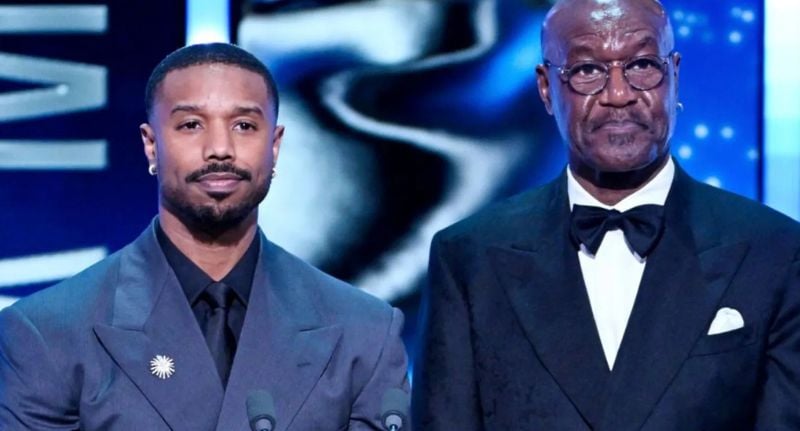
The BBC has apologised after a racial slur shouted from the audience during the 2026 Bafta Film Awards was broadcast live, despite the ceremony airing with a time delay.
The incident occurred as actors Delroy Lindo and Michael B. Jordan were on stage presenting the evening’s first award. Tourette syndrome activist John Davidson, attending as the subject of the nominated film I Swear, was heard shouting the N-word during the ceremony.
The BBC has since conceded the language should have been edited out before transmission.
A spokesperson said: “We apologise that this was not edited out prior to broadcast and it will now be removed from the version on BBC iPlayer.”
In a separate statement, the corporation added: “Some viewers may have heard strong and offensive language during the Bafta Film Awards. This arose from involuntary verbal tics associated with Tourette syndrome, and as explained during the ceremony, it was not intentional.”
The broadcaster declined to comment further on why the slur was not bleeped or removed despite the delay.
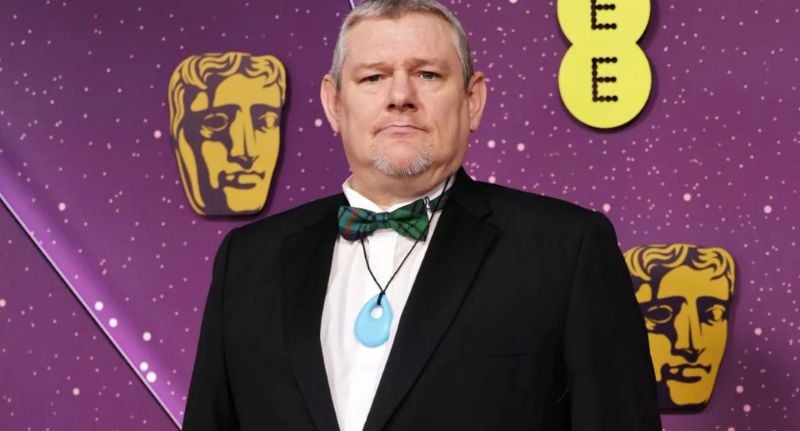
John Davidson. Source: BBC
A live moment that wasn’t meant to be
Baftas host Alan Cumming addressed the auditorium twice on the night, telling viewers: “Tourette syndrome is a disability, and the tics you’ve heard tonight are involuntary, which means the person who has Tourette syndrome has no control over their language. We apologise if you are offended tonight.”
That phrasing, “if you are offended”, quickly drew criticism online.
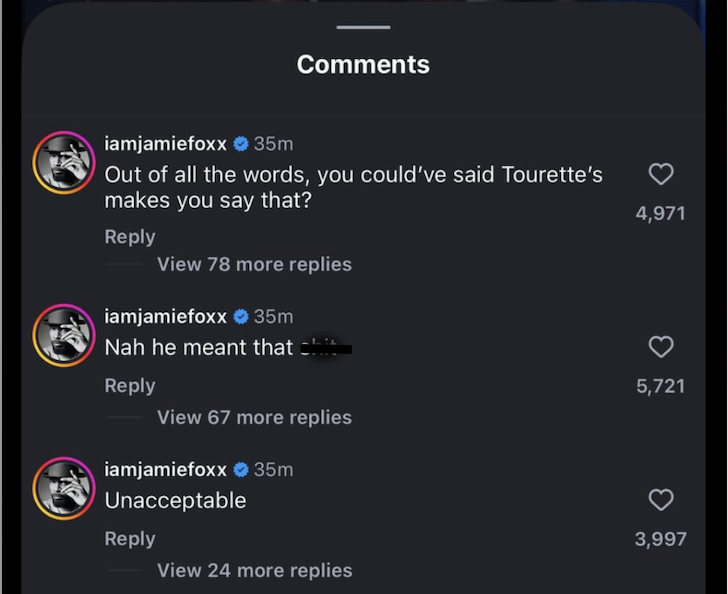
Actor and producer Jamie Foxx responded on social media: “Out of all the words you could’ve said, Tourette’s makes you say that. Nah, he meant that s**t. Unacceptable.”
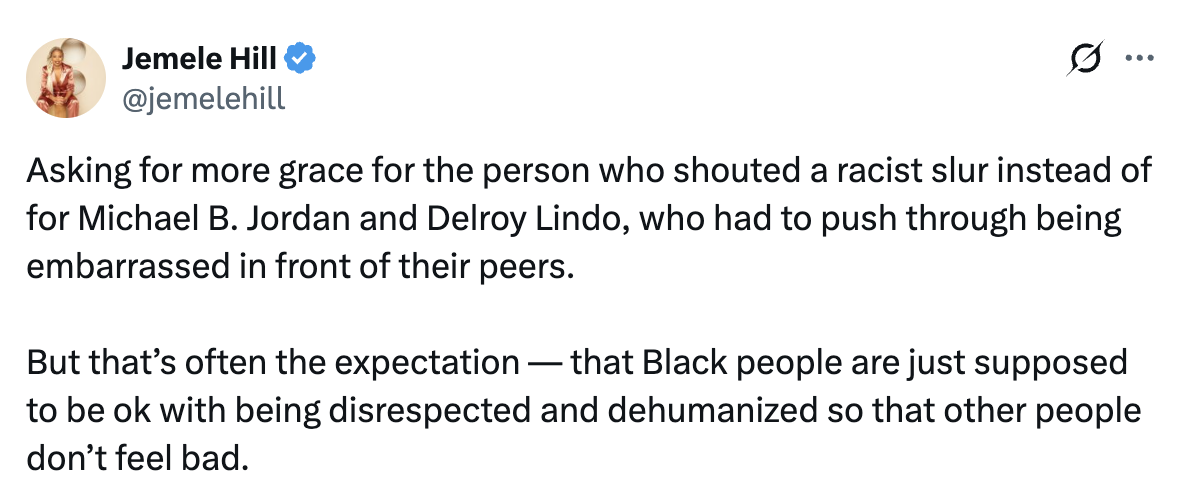
Journalist Jemele Hill wrote: “Black people are just supposed to be ok with being disrespected and dehumanised so that other people don’t feel bad.”
And actor Wendell Pierce added: “It’s infuriating that the first reaction wasn’t complete and full-throated apologies to Delroy Lindo and Michael B Jordan. The insult to them takes priority. It doesn’t matter the reasoning for the racist slur.”
Lindo later told Vanity Fair that he and Jordan “did what we had to do” as they continued presenting, but said he wished “someone from BAFTA spoke to us afterward”.
Bafta itself acknowledged the “harm this has caused, address what happened and apologise to all”.
The explanation – and the backlash
Davidson, who has lived with Tourette’s syndrome since the age of 12, is known to experience coprolalia, a condition affecting a minority of people with Tourette’s that can cause involuntary swearing.
In a statement, he said he was “deeply mortified if anyone considers my involuntary tics to be intentional or to carry any meaning”.
“I have spent my life trying to support and empower the Tourette’s community and to teach empathy, kindness and understanding from others, and I will continue to do so. I chose to leave the auditorium early into the ceremony as I was aware of the distress my tics were causing.”
The context matters. Tourette syndrome is a motor control disorder characterised by muscular and vocal tics; only around 10–20% of people with the condition experience coprolalia.
But context, in a live broadcast watched by millions, doesn’t erase impact.
A question of duty of care
For broadcasters, this wasn’t simply an awkward moment. It was an editorial failure.
Time delays exist for a reason. Award shows build them in precisely to manage unexpected language, protests or disruptions. The fact that the slur made it to air has shifted the focus squarely onto the BBC’s compliance processes.
Conservative Party leader Kemi Badenoch said the BBC had made “a horrible mistake” by not editing it out, adding: “I think an apology is important; they need to explain why it wasn’t bleeped out.”
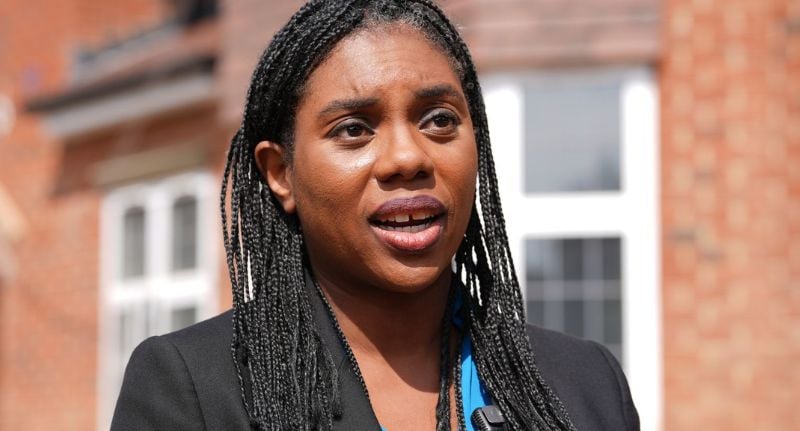
Conservative Party leader Kemi Badenoch. Source: Supplied
There’s also a more uncomfortable question simmering beneath the surface – one that goes beyond broadcast mechanics.
Bafta invited Davidson to celebrate a film inspired by his life. Yes, inclusion matters. Yes, representation matters. But when an event knowingly places someone with severe vocal tics into a tightly choreographed, globally televised ceremony, what safeguards are put in place? And for whom?
In attempting to show understanding toward one community, the industry now finds itself confronting the fallout felt by another.
Understanding, after all, runs both ways.
For the BBC, the clean-up is ongoing. The clip has been removed from iPlayer. The apology has been issued. But the debate about responsibility, editorial, ethical and cultural, is only just beginning.
Main image: Michael B Jordan and Delroy Lindo. Source: BBC