



Australians back the social media ban, we just don’t think it’ll work
Support isn't the problem. It is a straight-out belief that it just won't work.

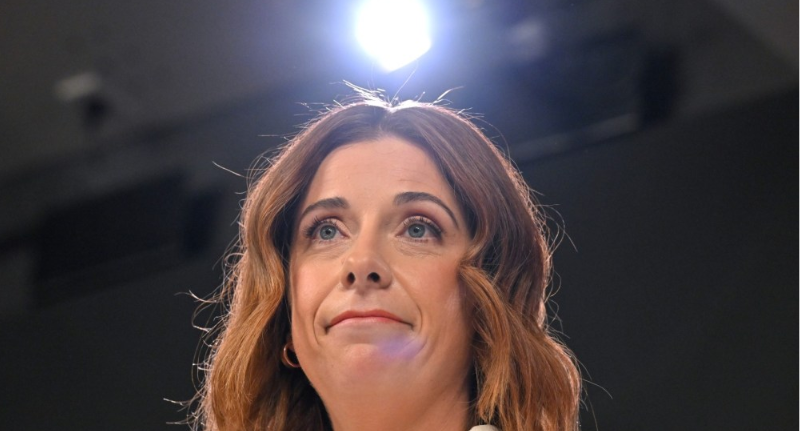
The short-lived countdown is on to Australia’s social media ban. That phrasing seems to have more value to Communications Minister Anika Wells than the successful execution of the ban itself.
Addressing the ban at the National Press Club, Wells leaned heavily on analogy, comparing older siblings helping minors access social media to buying them alcohol.
But is it even possible to induce a cultural shift when the loopholes are already widely understood?
Australians support the ban, but don’t believe it will work
Pureprofile’s research shows the tension clearly: while 73 per cent of Australians back the ban on mental health grounds, 68 per cent also believe children will find ways around it.
That is where the policy begins to crumble, according to Pureprofile CEO Martin Filz.
Speaking to Mediaweek, Filz said the starting point is not disagreement; instead, all groups share the same concerns.


The leading media trade publication in Australia.
Get our top stories straight to your inbox daily by signing up to our Newsletter
By providing your information, you agree to our Terms of Use and our Privacy Policy. We use vendors that may also process your information to help provide our services.
“Across adolescents, parents and both high school and primary teachers, there are a few shared themes,” he said.
“Everyone agrees that the overuse of social media is not good for children’s health. And at the same time, they agree it has become an important communication tool part of friendships, community and daily interaction.”
What's the issue?
Support, therefore, is not the problem. It is a straight-out belief that it will not work.
“Another point of agreement is people's back restrictions. But they also think enforcement is almost impossible,” Filz explained.
“When you drill down, another question emerges: who is responsible for managing children’s social media use? And that is where disagreement begins.”
“Teachers tend to support bans more strongly, citing disruptive behaviour at school and parents they believe are not enforcing limits,” he said.
“Parents, meanwhile, argue they already manage access by restricting time rather than banning platforms outright, and many believe those measures work. Adolescents prefer education and guidance rather than prohibition. And children themselves say directly that they will find alternatives if platforms are blocked.”
“So teachers say parents are not controlling it, while parents say they are,” Filz said.
“But everyone agrees kids will still get around the ban. And that raises the real challenge: is enforcement actually possible?”
Extending the analogy, Filz said, using the alcohol example: “If an under-18 uses a fake ID to buy alcohol, the fine sits with the shopkeeper.”
According to Filz, Australia has invested enormous effort into alcohol education, but not into educating children, parents or teachers about social media harms.
“We have gone straight to ‘this is bad’ and then to ‘ban it,’ skipping education,” he said.
“And again, kids will find workarounds regardless.”
A hidden issue caused by the ban
Dr Ellese Ferdinands, an expert and lecturer in social media influencers and digital identity at The University of Sydney, recognises the ban's well-intentioned nature but points to its deficiencies.
“Young people will look for workarounds. They will find alternative platforms and ways to communicate. With any ban, whether it is alcohol or cigarettes, you are never going to get complete compliance. That is one of the dangers of outright bans," she told Mediaweek.
She also warned that many of the platforms young people may move to could be far less regulated than the ones facing the ban.
“My worry is that some of the platforms they might move to, like Discord."
“While those apps still have a lot of work to do, at least there is some level of monitoring. With alternative platforms, we don’t always know where young people will spend their time, and those spaces may be even less regulated," she added.
What is missing, she said, is the necessary literacy for parents and teachers around social media culture:
“How to recognise when something unhealthy is happening online, and how to report concerns.”
She highlighted a hidden risk that can potentially occur when the ban is imposed:
“A young person being cyberbullied might not speak up if they feel they are already doing something wrong by being online.”
Wells has made it clear there will be no penalties for adults or older teenagers who provide under-16s access to social media when the rules take effect, adding that the ban is “not about punishing under 16s or parents” but about shifting responsibility onto platforms that have operated “in a wild, wild west” for years.
More from Mediaweek
The leading media trade publication in Australia.
Get our top stories straight to your inbox daily by signing up to our Newsletter
By providing your information, you agree to our Terms of Use and our Privacy Policy. We use vendors that may also process your information to help provide our services.


