


The bug, the bestie and the breakup: Inside Apple's war with OpenAI
A software bug, leaked files and a former hardware chief sit at the centre of Apple's trade secrets suit against OpenAI.

Apple has sued OpenAI, and the story it's telling in court reads less like a trade-secrets complaint than like the messiest office breakup in Silicon Valley history.
So, it goes a little like this: a chief hardware officer is accused of running the operation. Then there's an engineer who found a security hole and thought it was hilarious ('LOL'), and to top it all off, there's a "bestie" back at Apple who allegedly kept the files flowing after he left.
It really is a tale as old as time.
Apple's main allegation is that OpenAI basically stole its homework.
That's right, the company that built its name on generative text has spent the past two years quietly building something else - a hardware division Apple claims is a copy-and-paste match.


The leading media trade publication in Australia.
Get our top stories straight to your inbox daily by signing up to our Newsletter
By providing your information, you agree to our Terms of Use and our Privacy Policy. We use vendors that may also process your information to help provide our services.
The 40-page suit, filed by Apple last Friday, wants a jury, wants OpenAI's alleged haul destroyed, and wants any product built on it redesigned from scratch.
“At every level, from members of its technical staff to its chief hardware officer, and in coordination with business partners, OpenAI has been stealing Apple's trade secrets and confidential information,” the company said in the suit.
“As a natural result, OpenAI's nascent hardware business now rests on the shakiest of foundations, rotten to its core by its illegal reliance on misappropriated trade secrets,” it added - which is, even by lawsuit standards, a fairly spicy way to describe a rival's product roadmap.
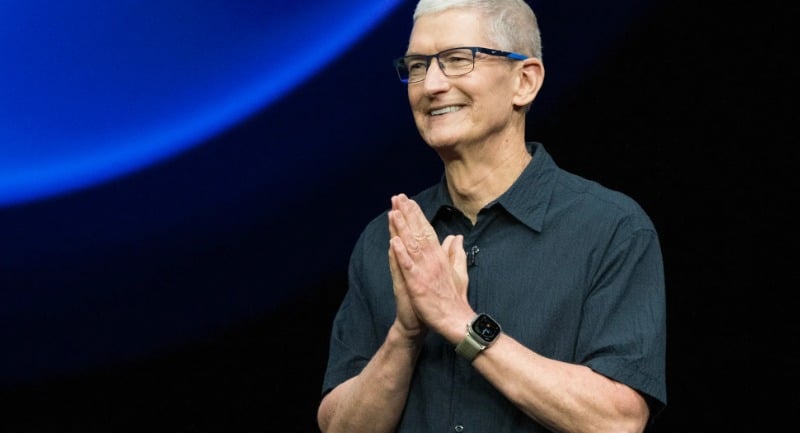 Outgoing Apple CEO Tim Cook
The man in the middle
Every good corporate soap opera needs a central character, and Apple has cast Tang Tan as its villain.
According to Bloomberg, Tan is the design executive who once ran the show on the iPhone and Apple Watch before leaving in 2024 to co-found AI devices startup io Products alongside former Apple design chief Jony Ive and design veteran Evans Hankey, later joined by former Apple manufacturing manager Scott Cannon.
 Tang Tan
OpenAI bought io last year for US$6.5 billion ( that's about A$9.9 billion), as per Bloomberg - proof, if nothing else, that Silicon Valley pays handsomely for a good idea... and a great contacts book.
Apple alleges Tan didn't stop recruiting talent after he'd left and even turned interviews into intelligence briefings.
“Then, in the interview, Mr Tan solicited more information about that same Apple project. This has become an established pattern,” the lawsuit states.
Subtle? It was not. Genius? Probably not that either.
Then there's Chang Liu, a former iPhone hardware engineer who joined OpenAI in January and, Apple alleges, “surreptitiously accessed and downloaded dozens of Apple's confidential hardware-related files, including voluminous, detailed information about unreleased products, engineering presentations, technical specifications and proprietary project data."
Bloomberg reports Liu discovered a software bug that let him keep waltzing into Apple's internal servers long after he'd clocked off for good.
He messaged former colleague Alyssa Peng with the now infamous acronym: “LOL, I found out I can access the network storage, so funny.”
Indeed.
Peng, who Apple alleges then helped pull more material using her own laptop, replied with two words that read very differently in a courtroom than they did in a group chat: “I'm ready,” Bloomberg reported. Peng herself left for OpenAI in April.
Loyalty, it turns out, has a notice period.
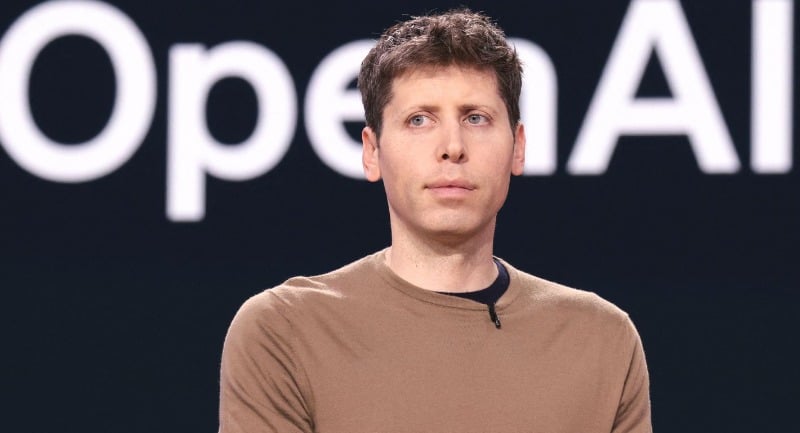 OpenAI boss Sam Altman
Apple's suit claims OpenAI didn't just poach staff - it coached their exits, allegedly advising them on how to avoid a "dreaded walkout" that would cut off access early, according to the Australian Financial Review.
More than 400 former Apple staff have joined OpenAI's hardware division, Bloomberg reported, drawn by better pay and stock. The most recent senior departure, smart glasses chief Paul Meade, was walked out immediately in June, with no transition period.
Apple says it raised concerns with OpenAI in February and got no response.
“Significant evidence has emerged suggesting individuals employed by OpenAI wrongfully took Apple's secret and confidential information,” the company said in a statement.
OpenAI maintains it has "no interest in other companies' trade secrets."
More from Mediaweek
The leading media trade publication in Australia.
Get our top stories straight to your inbox daily by signing up to our Newsletter
By providing your information, you agree to our Terms of Use and our Privacy Policy. We use vendors that may also process your information to help provide our services.


