


Adelaide Festival board apologises to Randa Abdel-Fattah
It said it “fell well short” in its handling of her cancellation from Adelaide Writers’ Week.

The new Adelaide Festival board has issued a public apology to Palestinian-Australian academic Dr Randa Abdel-Fattah, conceding it “fell well short” in its handling of her cancellation from Adelaide Writers’ Week and promising she will be invited to the event in 2027.
In a statement released Thursday morning, the Adelaide Festival Corporation formally retracted its earlier justification for excluding Abdel-Fattah from this year’s program, acknowledging the harm caused and affirming intellectual and artistic freedom as a “powerful human right”.
Abdel-Fattah immediately accepted the apology, posting on Instagram that it represented a vindication “of our collective solidarity and mobilisation against anti-Palestinian racism, bullying and censorship”, while noting she was still considering the invitation to appear in 2027.
'We fell well short'
The board’s statement directly walked back its previous language around “cultural insensitivity”.
“In a statement on Thursday morning, Adelaide Festival Corporation acknowledged they had previously said they would exclude Abdel-Fattah from this year’s event because it would be culturally insensitive to allow her to participate. We retract that statement.’”
It continued: “We apologise to Dr Abdel-Fattah unreservedly for the harm the Adelaide Festival Corporation has caused her. Intellectual and artistic freedom is a powerful human right. Our goal is to uphold it, and in this instance, Adelaide Festival Corporation fell well short.”
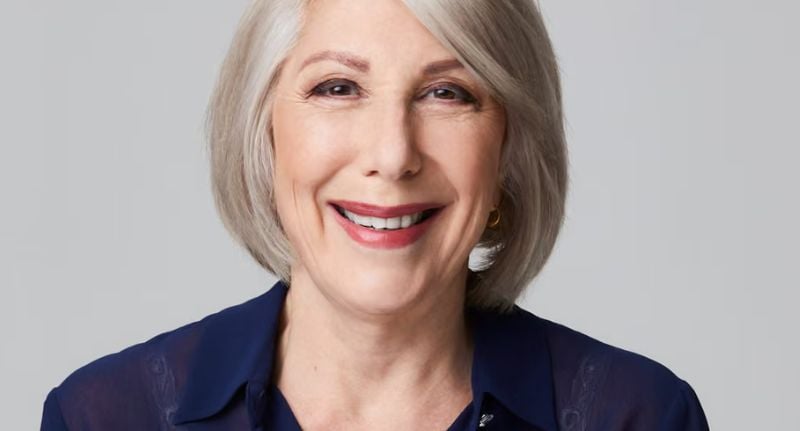
The apology marks a significant attempt by the new board to reset after a fortnight of upheaval that has engulfed Adelaide Writers’ Week, culminating in the cancellation of the 2026 festival and the resignation of its long-time director, Louise Adler, earlier this week.


The leading media trade publication in Australia.
Get our top stories straight to your inbox daily by signing up to our Newsletter
By providing your information, you agree to our Terms of Use and our Privacy Policy. We use vendors that may also process your information to help provide our services.
 Louise Adler
The free speech fault line
The board’s statement lands against the backdrop of an increasingly public dispute over free speech, governance and past decisions - reignited this week by former board member Tony Berg, who accused Adler and Abdel-Fattah of a “selective” and “utterly hypocritical” devotion to free speech.
Berg, a former managing director of Macquarie Bank, said he was “utterly astonished” by Adler’s claim she had resigned in defence of free speech, and by Abdel-Fattah’s “outrage at being ‘cancelled’”.
“They both exhibit hypocrisy in defending free speech for some, when I observed them both to stridently oppose free speech during my time on the board,” he said.
Berg’s comments revived scrutiny of a 2024 incident involving Thomas Friedman, who had been scheduled to appear at Adelaide Writers’ Week but ultimately did not participate.
Revisiting the Friedman dispute
Ten academics, including Abdel-Fattah, wrote to the festival board on 6 February 2024 requesting it rescind Friedman’s invitation following a controversial column comparing the Middle East conflict to the animal kingdom.
The board responded three days later, warning that calls to cancel writers were “extremely serious”.
“We have an international reputation for supporting artistic freedom of expression,” the letter said, signed by board chair Tracey Whiting.
“Thomas L Friedman was programmed to contribute online from New York. However, I have been advised that due to last-minute scheduling issues, he is no longer participating in this year’s program.”
Berg claimed the outcome was driven by pressure from within the festival’s leadership.
“Adler led a demand to the board to retract an invitation to Tom Friedman to participate in the 2024 Adelaide Writers Week,” he said.
“After Tom Friedman was invited to speak, Randa Abdel-Fattah had led a group of academics demanding that Tom Friedman be deplatformed. Then Louise Adler, Ruth MacKenzie and Kath Mainland put an ultimatum to the Board that they would resign if it did not endorse their recommendation to disinvite Friedman.”
He added that, while he understood why more than 170 authors had declined invitations to Adelaide Writers’ Week 2026 on free-speech grounds, “they should understand that the people with whom they are standing, in fact, have actively undermined freedom of speech in the past”.
Pushback from Adler and Abdel-Fattah
Adler rejected Berg’s account, accusing him of breaching board confidentiality.
“I consider discussions of the board table to be confidential,” she said in a prepared statement.
“I’m rather surprised that a former CEO of Macquarie Bank has breached those confidences. It’s indicative of the way the former board operated, and I believe will make for a rich case study for future management students.”
Abdel-Fattah also disputed Berg’s version of events, telling The Guardian she had not led a campaign to cancel Friedman.
“I was one of 10 Indigenous and academics of colour who wrote a researched letter with references and footnotes about the harm of racial tropes,” she said.
“What is missing in this is the question of power. We write letters on Google Docs to boards. The people who want to cancel us have premiers intervening.”
 South Australian Premier Peter Malinauskas
Legal action still looming
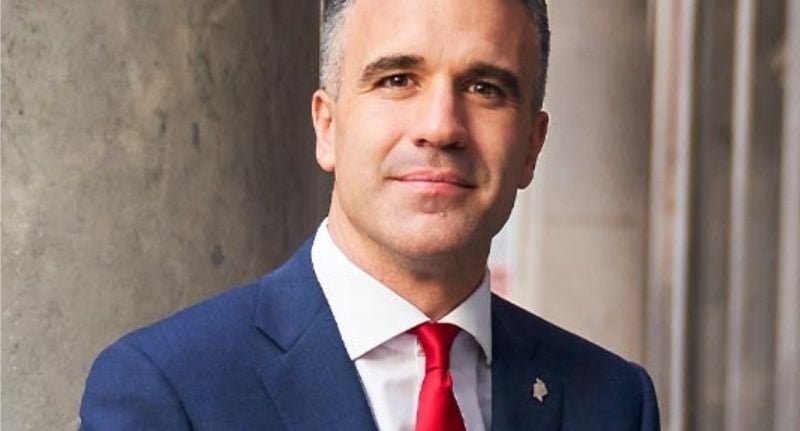
Despite accepting the board’s apology, Abdel-Fattah confirmed she would continue defamation proceedings against South Australian Premier Peter Malinauskas over comments made earlier this week.
Since last Thursday, Malinauskas has denied any direct interference, insisting the board acted independently.
“However, when asked for my opinion, I was happy to make it clear that the state government did not support the inclusion of Dr Abdel-Fattah on the Adelaide Writers’ Week program,” he said.
Greens arts spokesperson Sarah Hanson-Young said the apology needed to extend further.
“Peter Malinauskas must also now apologise to Randa Abdel-Fattah, Louise Adler and the people of South Australia,” she said.
For the Adelaide Festival board, Thursday’s statement signals a clear attempt to draw a line under weeks of turmoil- and to reassert the values it says the festival stands for - even as the broader free-speech and governance debate shows no sign of cooling.'
More from Mediaweek
The leading media trade publication in Australia.
Get our top stories straight to your inbox daily by signing up to our Newsletter
By providing your information, you agree to our Terms of Use and our Privacy Policy. We use vendors that may also process your information to help provide our services.


