

Billionaire Elon Musk’s artificial intelligence chatbot Grok is under major legal scrutiny again.
It follows a lawsuit filed after three teenagers discovered sexually explicit fake images of themselves that had allegedly been generated using Grok.
The lawsuit, filed in California federal court on Monday, claims a Grok user altered images and videos of the plaintiffs without their knowledge, generating nude and sexually explicit content.
Two of the plaintiffs are under 18, and all three are withholding their names to protect their privacy.
According to the complaint, the manipulated content included a high school yearbook image and was circulated on a Discord server, with similar altered images of at least 18 other girls who were minors.
Lawyers for the prosecution argue that xAI released the image-generation capability despite knowing it could be used to create such material, describing the altered imagery as “a rag doll brought to life through the dark arts”.
The complaint states: “xAI—and its founder Elon Musk— saw a business opportunity. They knew Grok could produce such results, including by using the images and videos of children, and publicly released it anyway.”
The legal action follows criticism of Grok’s “spicy mode”, introduced last year as part of new image-generation features that allowed users to create more sexualised content.
The lawsuit says the feature was developed to drive engagement with both Grok and X, where the chatbot is hosted.
Grok’s image-generation tool produced millions of sexualised images within weeks of its launch, including more than 20,000 involving children, as found by analysis from the Center for Countering Digital Hate.

Plaintiffs seeking damages against Grok
One plaintiff said she became aware of the content only after receiving an anonymous Instagram message directing her to altered images and videos of herself.
The other two plaintiffs also found sexually explicit fake images of themselves online, which they allege were generated using Grok.
They are seeking damages and an immediate court order preventing Grok from producing similar content.
“Their lives have been shattered by the devastating loss of privacy, dignity, and personal safety”, the complaint states.
‘It will refuse to generate anything illegal’
Musk previously defended the tool, saying: “When asked to generate images, it will refuse to produce anything illegal, as the operating principle for Grok is to obey the laws of any given country or state,” he said.
“There may be times when adversarial hacking of Grok prompts does something unexpected. If that happens, we fix the bug immediately,” he added.
The case comes as regulators including Ofcom, the European Commission and California authorities examine the feature’s ability to create sexualised images of real people, including minors.
By mid-January, X said it would introduce technological measures to prevent Grok from digitally undressing people in photographs; despite that added layer of alleged protection, the tool remains under scrutiny.
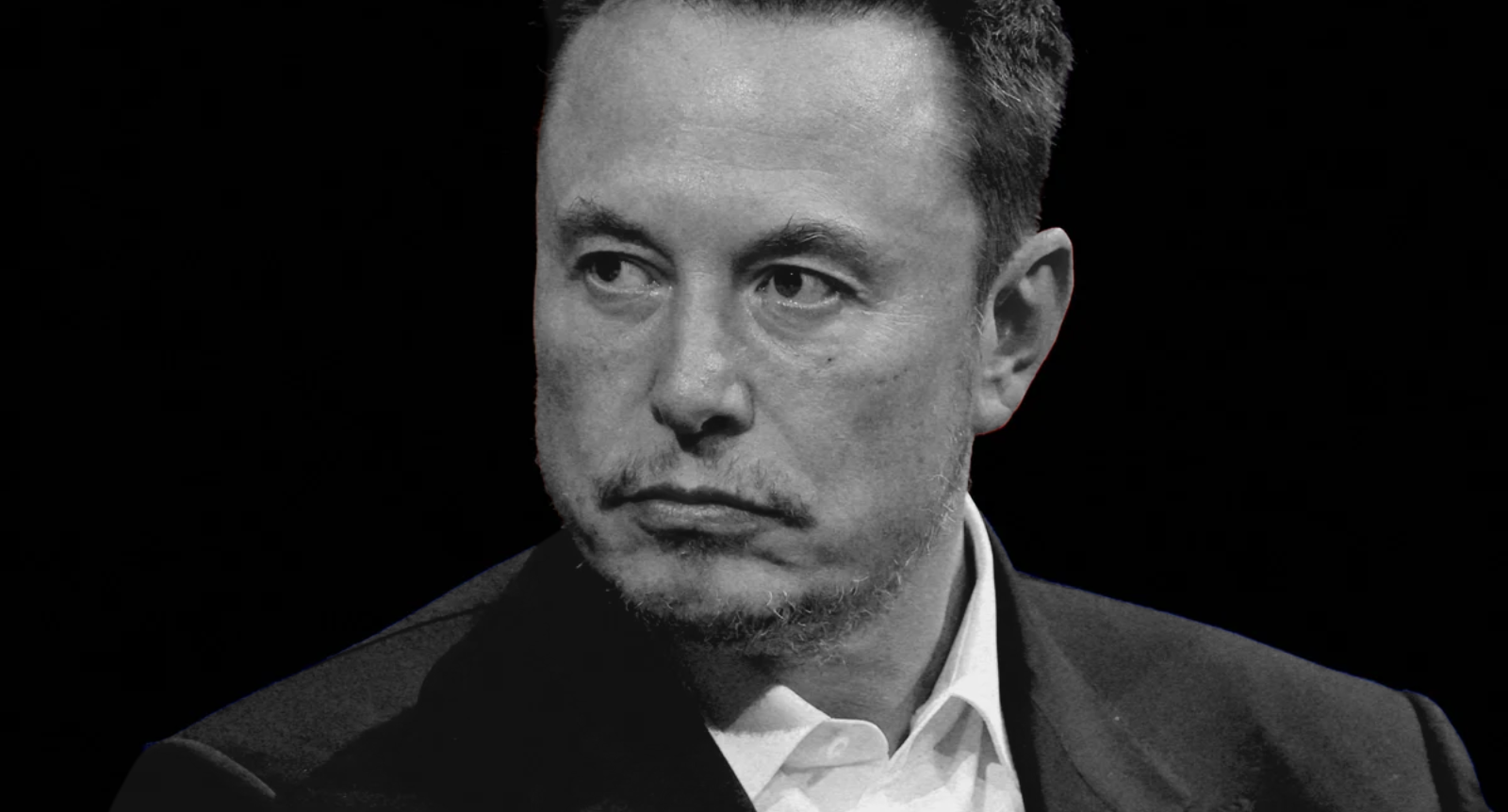
Top Image: Elon Musk on X