



Consolidations, tighter budgets and the rise of AI were the biggest challenges for agencies in 2025, according to industry insiders.
However, they are optimistic that innovation, collaboration and adaptability will drive exciting opportunities and growth in 2026.
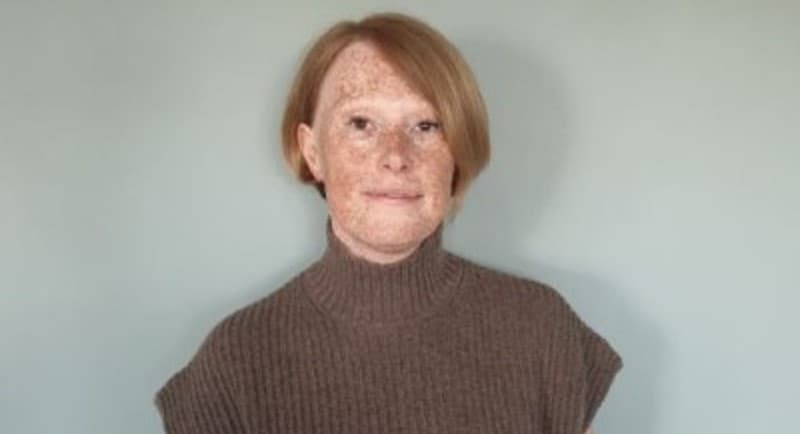
Havas Host CEO Gayle While said challenges came from every direction in 2025
“The rapidly shifting agency and CMO landscape brought leadership changes and consolidation, resulting in instability and eroding confidence,” she told Mediaweek.
“AI is rewriting the rules. Daily. Moving from novelty to necessity. In an environment of continued economic uncertainty, every marketing dollar must deliver impact - not add to the growing mountain of ‘digital slop’.”
While predicted that data and creativity will collaborate next year.


The leading media trade publication in Australia.
Get our top stories straight to your inbox daily by signing up to our Newsletter
By providing your information, you agree to our Terms of Use and our Privacy Policy. We use vendors that may also process your information to help provide our services.
“I’m looking forward to seeing us embrace AI with confidence. Applying it to accelerate ideas, not replace them (or us),” she said.
“2026 is a moment for us to move from self-reflection to action. Our role isn’t to predict the future, it’s to focus on creating it.”
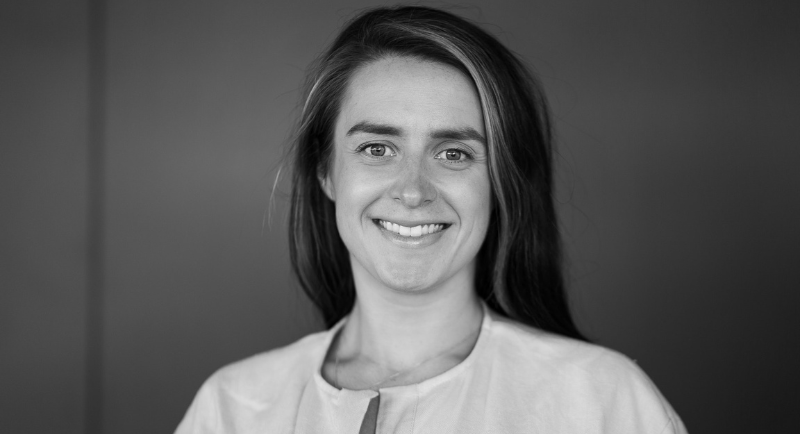
Enigma executive director, media, Sally Lawrence believes the biggest challenge facing the industry is the speed at which expectations are shifting.
“Audiences are harder to win, quicker to switch and increasingly wanting different things. In response, agencies are being asked to deliver more, at a faster rate,” she said.
“The industry won’t thrive if capability gaps widen or if burnout becomes the cost of doing business.”
Lawrence added that the industry needs to look to 2026 with optimism.
“Consolidation and simplification are set to relieve some of the operational noise, creating an environment where people can focus on what actually matters. And as the dust settles, creativity is set to re-emerge as our strongest competitive advantage,” she said.
“With the right talent protected and empowered, bold ideas and smart thinking can become the industry’s defining force.”
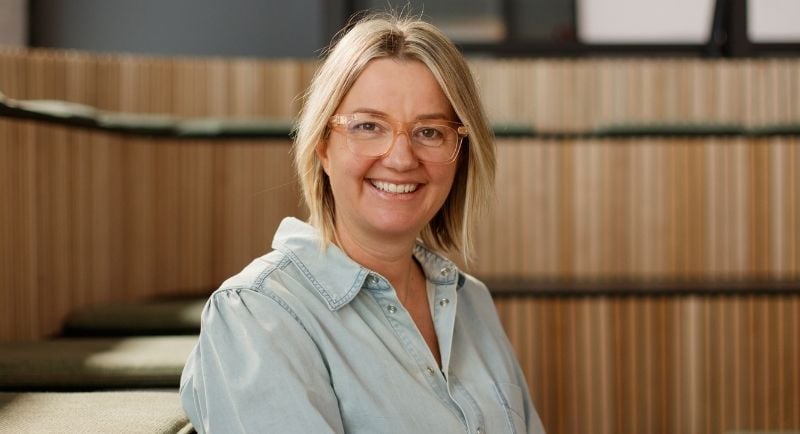
Think HQ founder Jen Sharpe said the speed of agency consolidation this year has been staggering.
“We’ve seen agency brands that shaped agency-land disappear into the belly of mega holdcos if they’re lucky, or just plain disappear if they're not,” she explained.
“The ‘vanilla-isation’ of our industry has never been more present. We lost distinct agency cultures, we lost thousands of talented people to redundancies, and we saw global leadership teams emerge with unnerving Mad Men vibes.”
Sharpe said the silver lining is that 2026 will foster innovation and risk from indies.
“Clients will see pretty soon that efficiencies are all too quickly subsumed by global bureaucracy - and certainly don't solve complex problems. And that’s the real opportunity for 2026 - the resurgence of the human, and of agencies that put their people on a par with their clients,” she said.
“2025 was about the survival of the biggest. 2026 will be about the success of the bravest.”

Independent creative Adrian Elton described 2025 as 'a year of shifting quicksands'.
“As AI subsumed and diluted budgets, even where budgets had traditionally been generous, the industry was thwacked from every possible direction,” he said.
“Similarly, truly creative ideas were recast as unspeakably vulgar risks when compared to the efficiency and soft bosom of data-driven dreck.”
Elton added that the industry has accelerated its decline as senior talent is pushed out, shortchanging invaluable institutional knowledge in the pursuit of short-term gains.
“The only bright speck on this doomed horizon was the recent Apple ads that leaned hard into sublime and innovative craft-driven filmic spots that left one wondering whether they just hadn't got the AI memo,” he said.
“So, where does all of this doom and gloom point for 2026? I suspect nowhere good for traditional agencies who resist those shifting quicksands.”
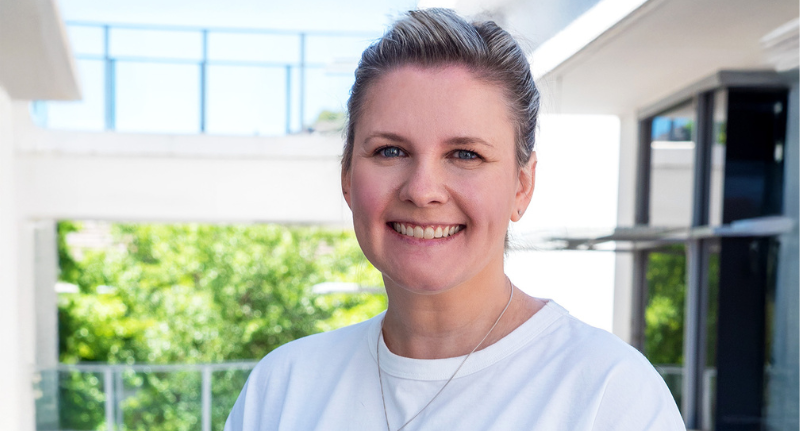
IMA B2B group chief operating officer Laura Tesluk called 2025 “unpredictable”, saying the AI conversation continues to challenge agencies.
“There is a growing need to demonstrate that human creativity, strategic thinking, and relationship building remain irreplaceable in an increasingly automated world,” she said.
“Combined with economic volatility and shifting legislation for our clients, the industry has had to stay agile and resilient.”
Tesluk said success now depends on cultivating teams that embrace complexity, lean into problem-solving and thrive in uncomfortable places.
“We anticipate a resurgence in events – creating spaces for connection, collaboration, and bringing brands tangibly back in front of people,” she added.
“2026 will be about reconnection and reinvention, strengthening relationships, driving relevance, and helping clients move forward with confidence.”
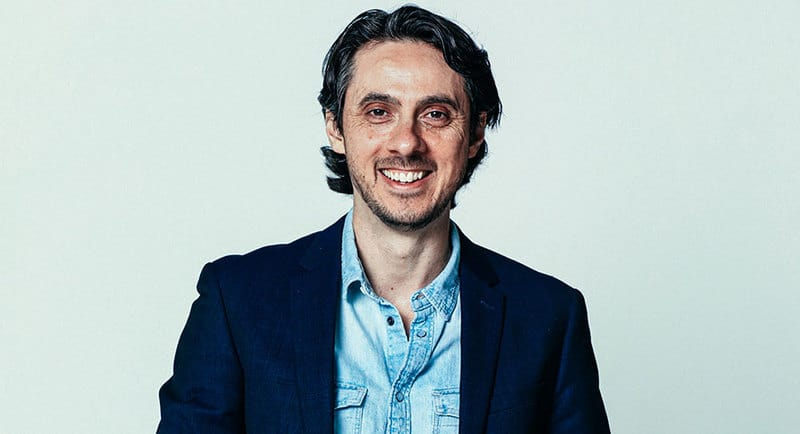
Lexlab director Alfie Lagos said this year was defined by a “schizophrenic economy” that caught most of us off guard.
“The RBA finished the year on hold, citing stronger economic indicators, yet my conversations with businesses paint a far more mixed picture,” he said.
“The year can be summed up simply: everyone had to do more with less.”
Lagos expects that businesses that have overinvested in unproven AI capabilities may be exposed next year.
“That does not mean AI is going away. We will see a shift towards more specialised applications, with dedicated SaaS platforms that do specific tasks exceptionally well,” he said.
“AI is the wheel, not the car. 2026 will be about deeper integration into existing systems rather than chasing the next shiny demo.”
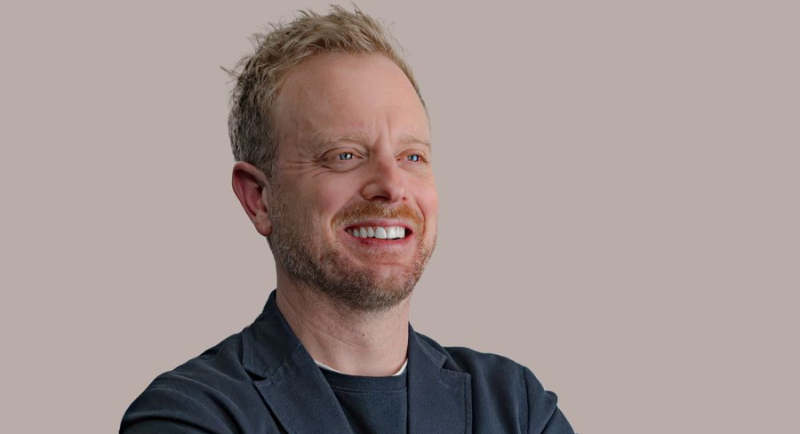
Hypetap managing director Bryce Coombe said this year showed that ‘business as usual’ is dead.
“The overarching theme from the larger players was aggressive pursuit of scale and top-line growth, at the risk of bottom-line profitability. This financial pressure birthed a dangerous ‘rise of the generalist’ trend,” he said.
“As holding groups and brands attempt to consolidate or take capabilities in-house, they risk ignoring the expertise required to navigate a fragmented media world.”
Coombe said next year's unfair advantage belongs to the specialist agency and their clients.
“Smart marketers are already pivoting away from the generalist noise, seeking the rigour, safety, and performance that experts provide. Nowhere is this need for effective quality more critical than in influencer marketing,” he added.
“Those who try to treat [influencer marketing] like ‘any old disposable media channel’ will suffer.”
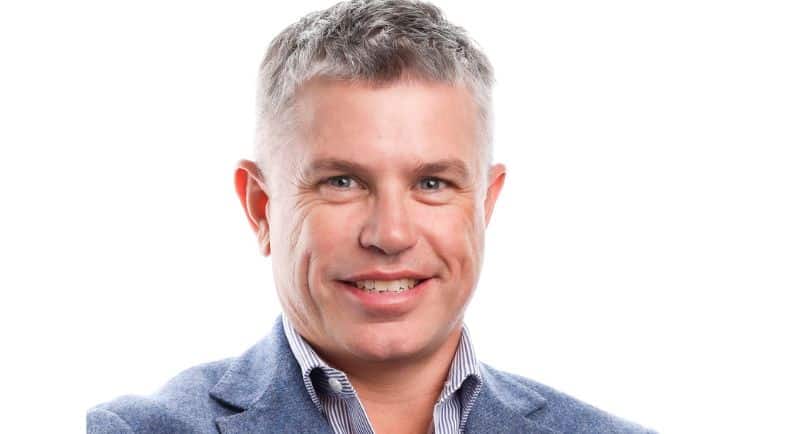
Yango managing partner Nick Murdoch described this year as “shocking and disruptive”.
“We’ve been saying unprecedented for a while now (thanks to COVID), but this was the year when the fabric of the industry stretched and changed shape,” he said.
“From a media planning perspective, fragmentation of media and audiences continues, consumption habits are evolving and tracking, reporting, and measurement continue to become increasingly challenging.”
Murdoch feels like creative agencies have taken the first blow, and it’s coming for media agencies too, very soon.
“In 2026, we will see creative and media coming ever closer as fit-for-platform creative powers media plans that can be deployed quicker and optimised constantly,” he said.
“The big Australian media companies are unfortunately in for a rough ride with more consolidation, and we see the same for agency land as the industry resizes itself.”
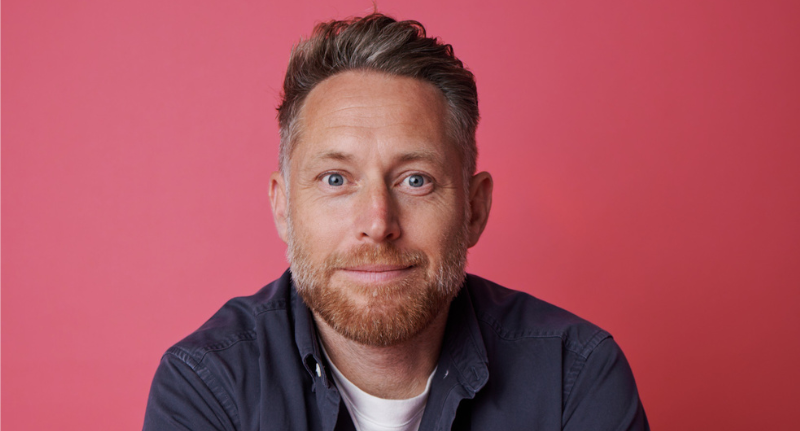
Those That Do chief doer Ben Walker said 2025 has been the year of the “squeeze,” with budgets tightening and expectations stretching to Olympic gold levels.
“Fee pools keep shrinking, yet clients understandably want more thinking, more content and more speed. It’s a curious paradox: deliver twice as much with half as much,” he said.
“We’ve felt that tension like everyone else. But the squeeze has actually sharpened us. It’s driven us to pursue clearer briefs, smarter prioritisation and a firm refusal to waste time on work that doesn’t move the needle.
Walker added that he is "genuinely optimistic” looking ahead to 2026.
“The agencies that win won’t be the loudest, they’ll be the cleverest,” he said.
“Those who turn constraints into creativity, who use AI to amplify talent rather than replace it, and who can deliver disproportionate impact even when budgets won’t budge.”
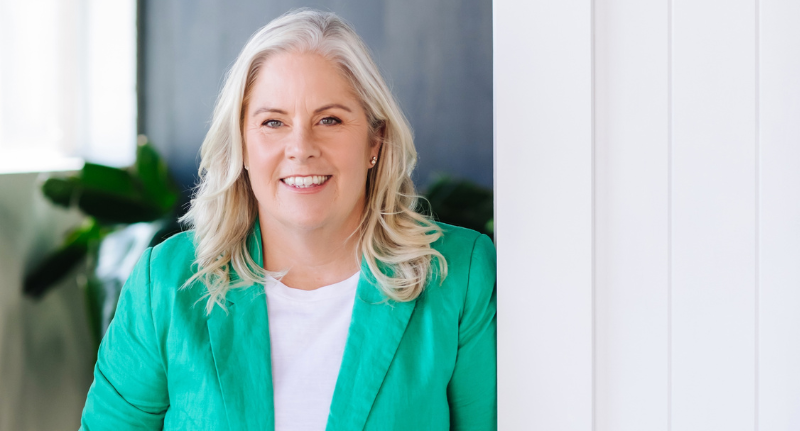
Media Words founder Elise Hedley-Dale said the real challenge is cutting through the chatter to focus on what actually works for brands and audiences.
“We’ve spent years piling on platforms, tools and jargon, and drifted from the basics. Clients don’t want more noise, they want clarity, honesty and work that genuinely delivers,” she said.
“We’re heading towards a return to simplicity and substance: fewer layers, cleaner thinking, and audience behaviour as the foundation, not the afterthought, with platforms no longer treated as the strategy, just one of the tools.”
Hedley-Dale said the industry is shifting fast, and the businesses that win will be the ones grounded in intention.
“AI is reshaping how we work and social platforms are losing their grip. Influence has moved from platforms to people, and audiences are gravitating toward those they trust, not necessarily those with the most expertise. In 2026, the real skill will be knowing what to ignore,” she said.
“Trust and proximity are back on the table, and it would be great to see local/ legacy players sharpen their offerings and create opportunities so brands can start moving money off the platforms.”
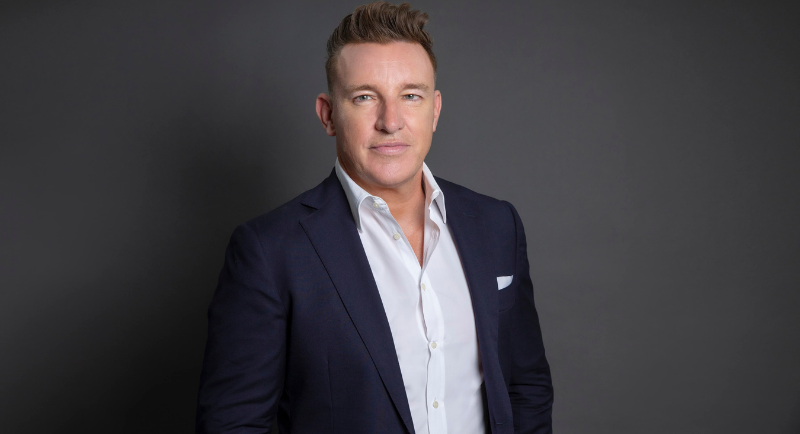
IMAA CEO Sam Buchanan thinks 2025 will reshape the media and marketing landscape in ways that set it up for long-term success.
“We’ve all felt the challenge of balancing client outcomes with tighter budgets, rising costs and an increased focus on measurable ROI,” he said.
“That dynamic isn’t going anywhere in 2026, but it also means that agencies that can innovate, demonstrate agility and deliver more value than ever are the ones that will succeed.”
Buchanan said the shrinking senior talent pool and loss of deep industry experience have left their mark, but they have also created opportunities for new models of expertise focused on high-value strategic capability.
“This year, indies didn’t just participate, they led. Their momentum has been transformative, and in 2026 our focus is on amplifying that strength,” he added.
“In an uncertain climate, the independent media agency sector offers stability, deep experience and exceptional agility, a powerful competitive advantage that we’re ready to capitalise on in the year ahead.”
Vevo general manager, APAC sales, Tim O'Connor said audience fragmentation hit new extremes and brand safety became harder to guarantee.
“People are moving more fluidly between screens, platforms and formats than ever, making it harder to build consistent reach or deliver truly holistic video strategies,” he said.
“Music proved to be Australia’s most powerful fandom, cutting across generations, interests and identities. When brands show up in music authentically, the results follow - we’ve seen huge uplifts in favourability and purchase intent when campaigns tap into the right cultural moment.”
O’Connor said brands will increasingly buy culture at scale, and with digital video and CTV entering another growth cycle, premium, transparent, culturally tuned environments will emerge as the real winners.
“We’re really excited to be part of the Video Futures Collective, which has an important role in championing the role of premium streaming,” he added.
“With viewer fragmentation accelerating, we want to be part of the solution and ensure marketers can better plan and measure cohesive campaigns.”
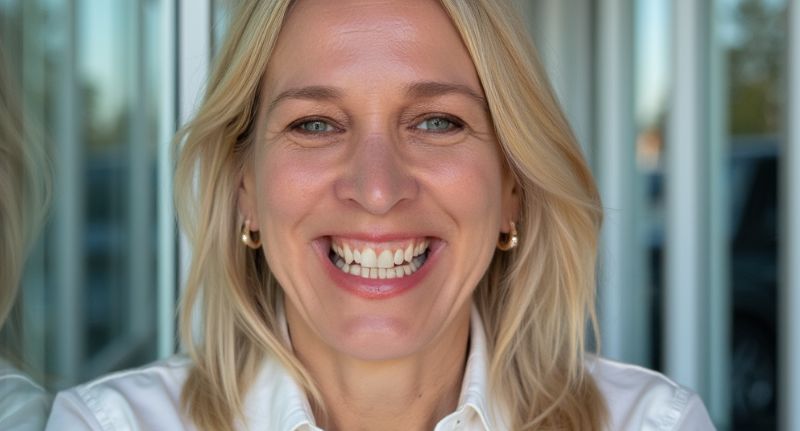
Bench Media client growth director Jess Torstensson said this year has been defined by uncertainty in adspend, with many brands committing later, planning in shorter cycles and holding budgets back until the last minute.
“For agencies, this has meant operating in ‘always-on readiness’ mode, building strategies that can flex quickly while still delivering meaningful results,” she said.
“The challenge is balancing this pressure for efficiency with the need to maintain brand momentum across the full channel mix. It requires smart data foundations, integrated planning and the ability to pivot without compromising reach or quality.”
Torstensson said agencies that remain agile and balance brand and performance will be best placed to lead the rebound in the new year.
“Measurement is maturing and AI-driven media optimisation is accelerating, boosting efficiency across every channel,” she said.
“As confidence returns and budgets stabilise, we expect renewed appetite for brand-building and more strategic, holistic media planning.”
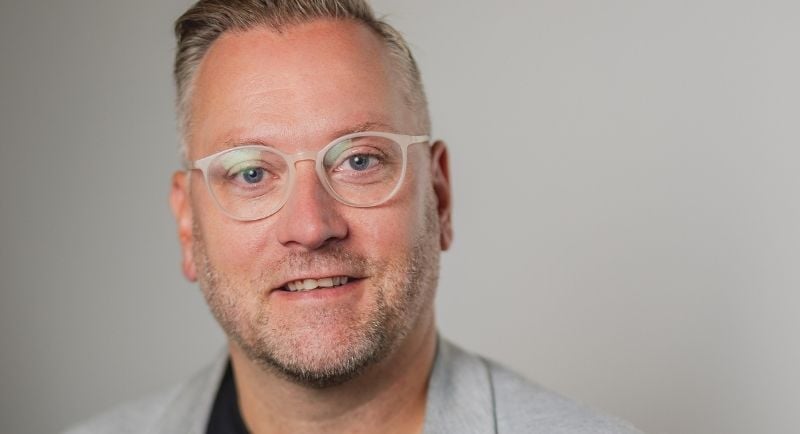
In Marketing We Trust, CEO Paul Hewett said 2025 was the year the old marketing playbook stopped working.
“Signal loss accelerated. AI intermediation went mainstream. Measurement got harder. And the agency model that’s served the industry for decades started showing cracks that couldn't be papered over,” he explained.
“Privacy regulation tightened. Platform compliance increased. AI entered the customer journey and hid it. In response, sophisticated marketers returned to out-of-fashion approaches: marketing mix modelling, incremental testing, econometric analysis.”
Hewett said 2026 will be about rebuilding how brands discover and win customers in an environment where the old inputs no longer exist.
“The CMOs who treat this as a moment of reconstruction, not just adaptation, will create advantages that compound. Those who keep optimising a broken playbook will fall further behind,” he said.
“One thing hasn't changed: marketing exists to find customers, earn their attention, and create value. The mechanics are being reconstructed. The mission isn’t.”
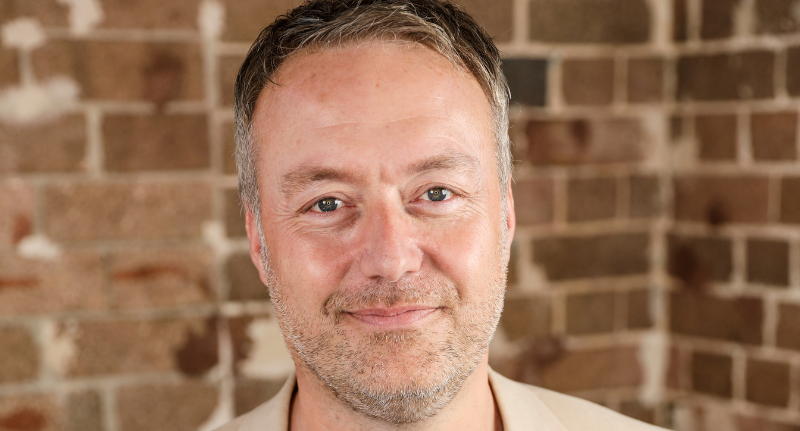
Opus Agency executive vice president, APAC, Nigel Ruffell, said the biggest challenge was working out how to implement AI in a way that added value.
“We are investing in AI next year to drive efficiencies across the business, freeing up our team to spend more time on what really matters: creativity and innovation,” he said.
“The goal is to deliver more personalised experiences while making smarter, more effective use of our clients’ budgets.”
Ruffell said he’s excited about the rise of hyper-personalisation and curated experiences.
“Events will continue to move away from one-size-fits-all, with tailored agendas, personalised content tracks, AI-powered matchmaking and more meaningful, relevant communications for attendees,” he said.
“We’ll see immersive storytelling, bold creative design and multi-sensory experiences that blur the lines between conferences, entertainment and festivals - making events more memorable, engaging and impactful than ever.”
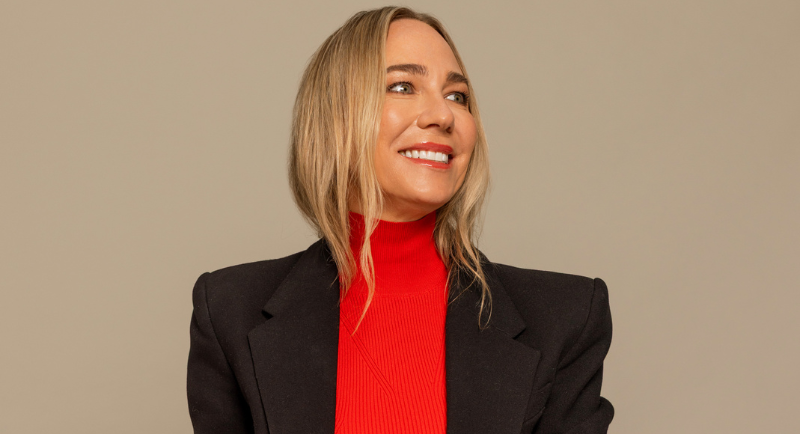
Thompson Spencer Group CEO Melanie Spencer said the real test was the sheer speed at which everything moved this year.
“We also had to rebuild the community. After years of shouty, one-way social, audiences demanded humour, looseness and genuine conversation,” she said.
“The influencer space reshuffled overnight and authenticity skyrocketed, over-curated ‘tricksters’ fell off, and the rise of AI influencers only increased the value of real humans.”
Spencer believes zero-click environments will dominate in 2026, with consumers making decisions without clicking.
“Brands now need authority on-platform and the performance engine to convert that trust into growth,” she said.
“We’re also excited about Gen Z’s 'third spaces', aspirational friendship and a creative industry leaning back into emotion, the ultimate competitive edge.”
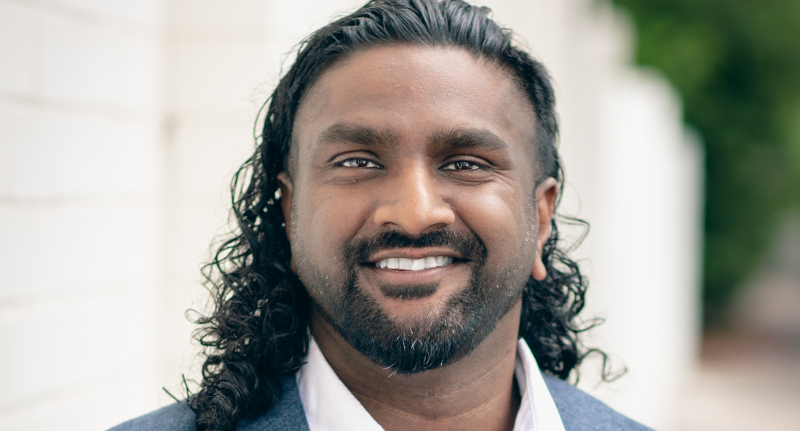
CulturalPulse CEO Reg Raghavan said the biggest challenge for businesses in 2025 was the growing gap between the Australia that brands imagine and the Australia that actually exists.
“Audience behaviours are increasingly shaped by dynamic networks united by culture, identity and shared values. Migration and diverse cultures are fuelling this shift, creating new networks of influence that operate both locally and globally at the same time,” he said.
“In an increasingly complex landscape, brands that overlook language, ancestry and cultural media consumption risk missing opportunities to build trust and meaningful engagement with an expanding portion of the population.”
Raghavan said what is exciting about 2026 is the clarity that’s emerging.
“The 2026 Census will only confirm that multicultural Australia is mainstream and extends far beyond skin colour,” he said.
“The path for marketers is clear. Build strategies shaped by people and culture, not by channels. The brands winning in 2026 will be those that look deeper to understand the fastest-growing cultural segments.”

Human Digital CEO Ben van Rooy said the biggest challenge was discipline.
“Marketing teams were flooded with tools, dashboards and AI promises, yet many still struggled to answer the most basic question: what actually drives growth?” he said.
“In the scramble for efficiency, effectiveness took a hit. Short-term performance metrics won budget battles while long-term brand building was quietly deprioritised.”
Van Rooy believes a correction is underway.
“AI is settling into its proper role as a utility, not a strategy - freeing teams to focus on creativity, insight and human judgement,” he said.
“The winners will be the marketers who connect brand, demand and revenue into one coherent story and tell it with confidence.”
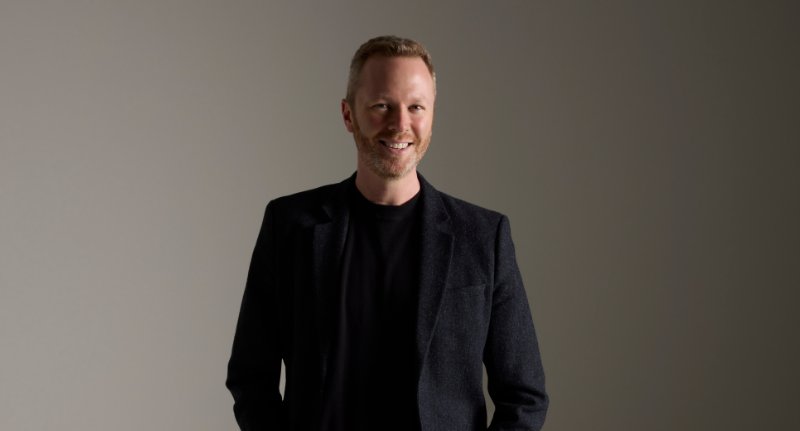
Uber Advertising head of APAC Michael Levine said the acceleration of quick commerce this year redefined consumer expectations.
“With more decisions happening in real time, budgets naturally flowed to environments that could prove their contribution, putting clear incrementality and measurable ROAS front and centre,” he said.
“Many [utility-led platforms] are becoming key media environments in their own right – and this will only advance in the coming year.”
Levine added that there are still challenges we need to solve moving into next year.
“Organisational structures, buying processes and decision-makers across ecommerce, trade and media haven’t kept pace with how consumers now shop,” he said.
“And without consistent ways to prove attention or incremental impact, the industry is leaving growth on the table – and leaving marketers without the ammunition they need to hold a seat at the table as a valued growth driver for their business.”
More from Mediaweek
The leading media trade publication in Australia.
Get our top stories straight to your inbox daily by signing up to our Newsletter
By providing your information, you agree to our Terms of Use and our Privacy Policy. We use vendors that may also process your information to help provide our services.


