



TV still pays best but PR now runs the newsroom
Report finds the humble press release has overtaken sources, reshaping how news is produced.

Television journalists remain the highest paid in the industry, according to the 2026 Australian Media Landscape Report.
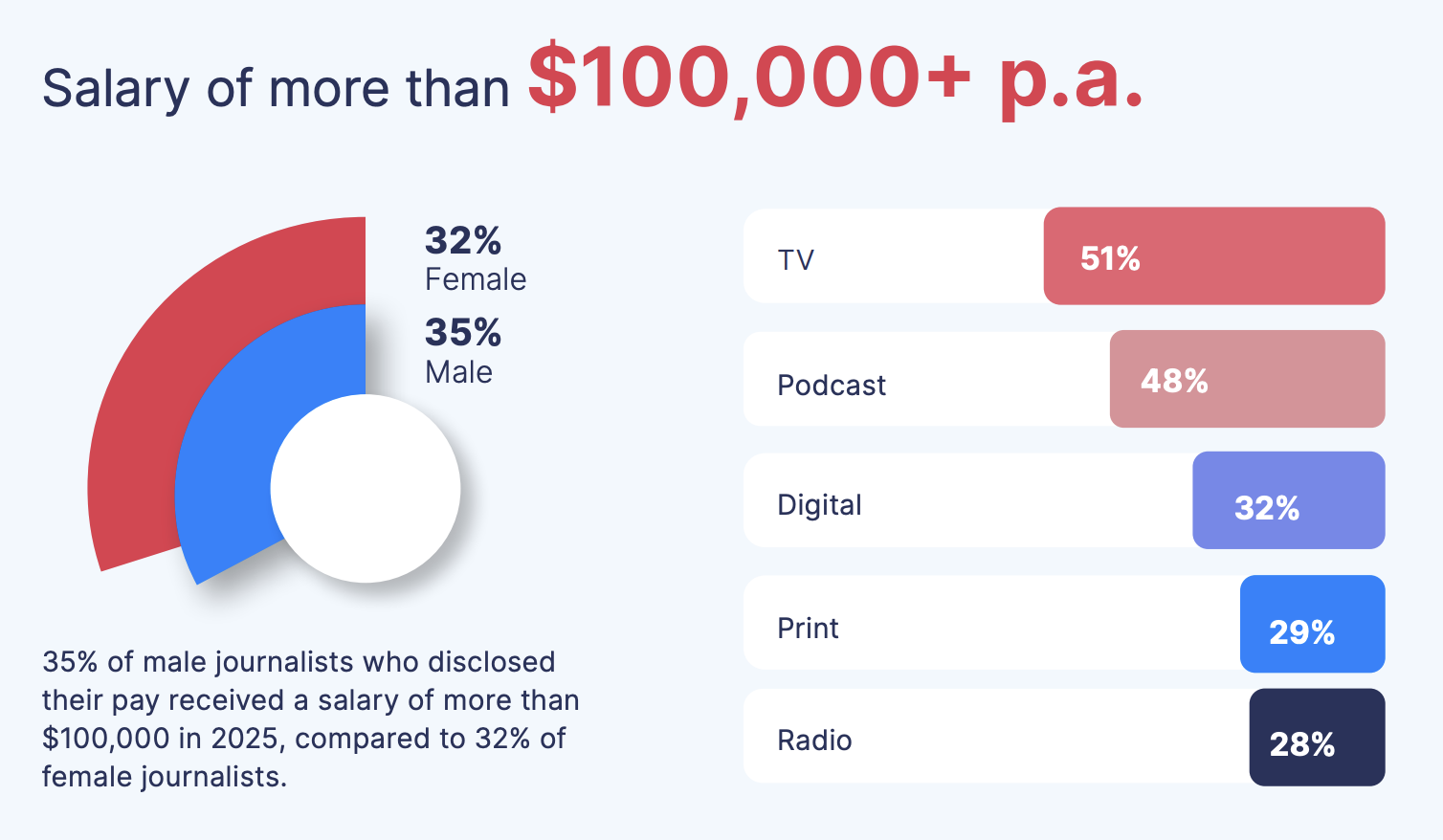
The report, issued by MediaNet and based on responses from more than 800 journalists, found over half (51%) of those working in television earn more than $100,000 annually, up from 44% in the previous survey.
Podcasting followed closely, with 48% of journalists earning $100,000 or more, while digital (32%), print (29%), and radio (28%) trailed.
Despite pockets of salary growth, financial pressure remains a defining issue across the profession. For the fourth consecutive year, money was identified as the greatest personal challenge facing journalists.
The most common salary band in 2025 sat between $60,000 and $79,999, followed by $80,000 to $99,999. The proportion of journalists earning more than $100,000 rose slightly, from 31% in 2024 to 33% in 2025.
The data, which are not adjusted for inflation and do not account for employment types, also point to a narrowing gender pay gap. Thirty-five per cent of male journalists reported earning $100,000 or more, compared to 32% of female journalists. Eight per cent of non-binary journalists reported earning at that level.


The leading media trade publication in Australia.
Get our top stories straight to your inbox daily by signing up to our Newsletter
By providing your information, you agree to our Terms of Use and our Privacy Policy. We use vendors that may also process your information to help provide our services.
The shift marks a notable improvement over the previous year, when 38% of male journalists reported earning $100,000 or more, compared with 23% of female journalists.
Location and employer type drive salary gaps
Where journalists work continues to play a major role in earnings. Those based in metropolitan areas reported significantly higher salaries than their regional and suburban counterparts, who were more likely to fall into the sub-$60,000 bracket.
Journalists working in publicly funded or government-funded media organisations were among the highest-paid, with 51% earning $100,000 or more annually.
At the other end of the spectrum, community media workers reported the lowest salaries, with just 10% earning above $100,000 and more than half (52%) earning $60,000 or less.
Press releases become dominant source
The report also highlights a continued shift in how stories are sourced.
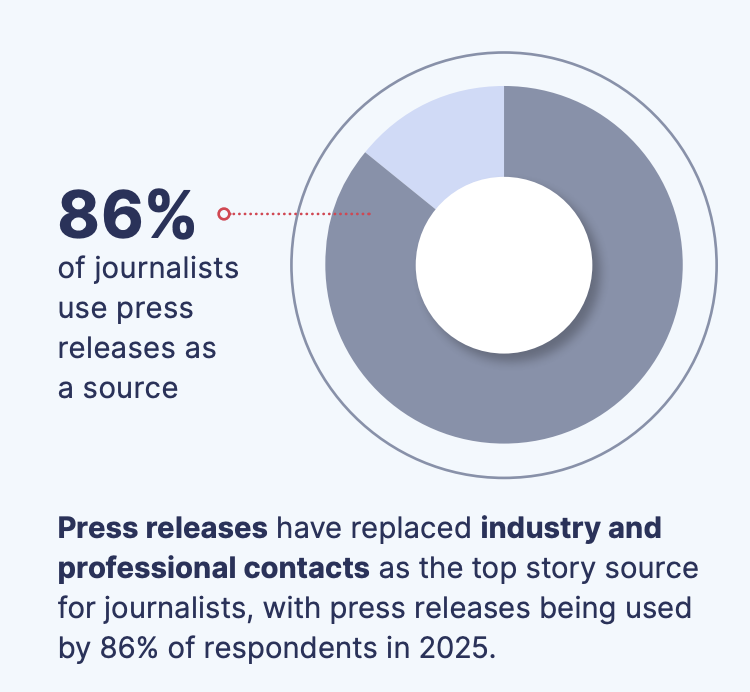
Press releases are now the most commonly used source for journalists, with 86% of respondents relying on them in 2025. This places them ahead of traditional industry and professional contacts, which historically dominated newsroom sourcing.
AI overtakes fake news as top threat
The report also signals a shift in how journalists view the risks to public-interest journalism.
For five consecutive years, the rise of disinformation and fake news ranked as the top concern. In 2026, it will have been overtaken by changes in how audiences consume information due to artificial intelligence.
Concerns around AI are widespread, with 93% of respondents saying they are worried about the impact of generative AI and large language models on the integrity and quality of journalism.
Main image: 'Anchorman' movie still
More from Mediaweek
The leading media trade publication in Australia.
Get our top stories straight to your inbox daily by signing up to our Newsletter
By providing your information, you agree to our Terms of Use and our Privacy Policy. We use vendors that may also process your information to help provide our services.


.jpg%3Fv%3D1791003476271&w=3840&q=75)
.jpeg%3Fv%3D1790929915645&w=3840&q=75)