






The human connection: Why Banter is betting big on experience
Banter’s founders discuss doubling down on the one thing technology can’t replicate: genuine human experience.

In an industry obsessed with automation, Banter is doubling down on the one thing technology can’t replicate: genuine human experience.
To find out how they do it, Mediaweek caught up with the leadership team at Banter: founders Paul Den, and Mitch Loadsman, along with Head of PR & Social, Andie Crawford.
From The Haus to independence
MW: Kick us off by telling us a bit about the Banter origin story and philosophy.
Paul Den: Mitch and I originally set up Banter in 2016 on the premise that traditional advertising is about pushing a message out and hoping people pay attention. We saw a shift towards engagement marketing.
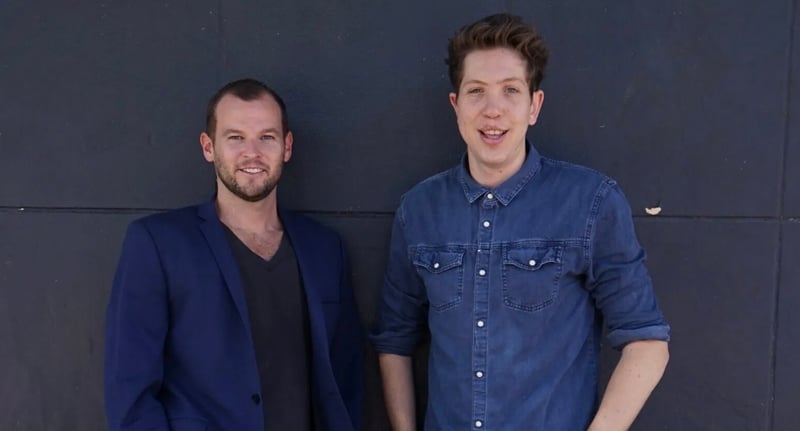 Banter founders, (L-R) Mitchell Loadsman & Paul Den
PD: This means creating ideas people choose to engage with rather than forcing it on them. While consumers are disengaged with advertising, they are actually more connected with brands than ever before and expect them to be more human and real-time.
At the time, we didn't want to just be ‘two boys in a garage,’ so we partnered with an independent PR group called The Haus, run by Judi Hausmann. The setup was that we would partner with her subsidiary PR businesses and earn equity over time.


The leading media trade publication in Australia.
Get our top stories straight to your inbox daily by signing up to our Newsletter
By providing your information, you agree to our Terms of Use and our Privacy Policy. We use vendors that may also process your information to help provide our services.
Recently, Mitch and I bought the business back, became sole owners, and went completely independent. But straight away, moving out on our own, not having that earned and social thinking integrated, felt like a limb was missing. That’s when we brought Andie in.
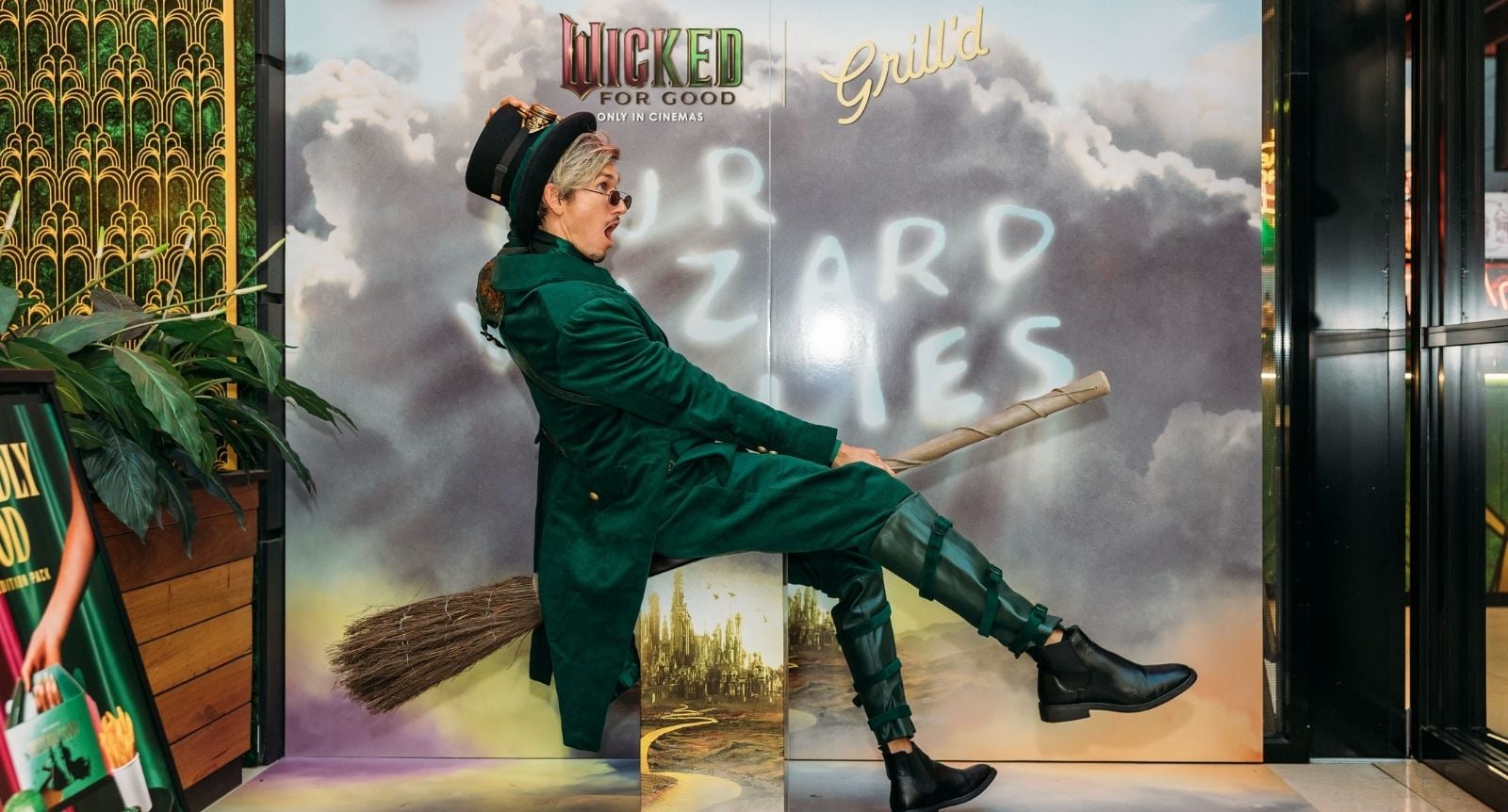 Banter burger magic... The Grill'd / 'Wicked: For Good' collaboration drove more work to the agency
The ‘earned’ factor and the metrics problem
MW: Andie, why is that ‘earned’ piece so critical right now?
Andie Crawford: The media landscape has changed dramatically. I was talking to a journalist yesterday who told me that six months ago she was getting six stories past her editor, now she's getting two signed off. And it's the same for PR people.
It’s harder because the media is stretched thin, and the end user is demanding something truly authentic and informative.
MW: That brings me to the tricky question of ROI. How do you actually measure the value of ‘earned’ and experiential work?
AC: If somebody invented the most accurate and best way to measure and evaluate earned media, they would be a very rich person because I honestly don't think it's been nailed yet.
The struggle we still have is with stakeholders who are still requesting ad value equivalents (AVEs), which is so antiquated.
The CPRA in Australia will no longer use that measure, yet we're still asked for it.
We're using much more cost per view now, message sentiment, and key message delivery, but there is still a gap in the market.
PD: Thing is, a couple of projects in the last six months, especially like the Grill’d, and the R.M. Williams' work have actually won us further work. That's ROI.
The science of experience
MW: Does having an experiential brand moment create a longer tail of value?
AC: Absolutely. We talk a lot about behavioural science and behavioural change. We know that the way the human mind and memory work, you have to experience something for that feeling to last longer than the five minutes you spend at an activation.
If you can spin that out so the activation connects with the earned media people are reading and what they see on social, you're telling a powerful story that actually ticks those behavioural change boxes.
MW: Can you give us a practical example of that philosophy in action?
Mitch Loadsman: Nespresso came to us because people weren't experiencing their products in boutiques as much. So we built them a mobile sampling vehicle using the new Volkswagen ID. Buzz, which leans into the sustainability side for them.
We basically open the back door, roll out, and we've got local partners and Nespresso machines, so they get that sampling moment right where they are. It’s about taking the experience to the consumer rather than waiting for them to walk in the door.
It was also about creating that sample opportunity from a business perspective on the B2B side. Not just a consumer lens.
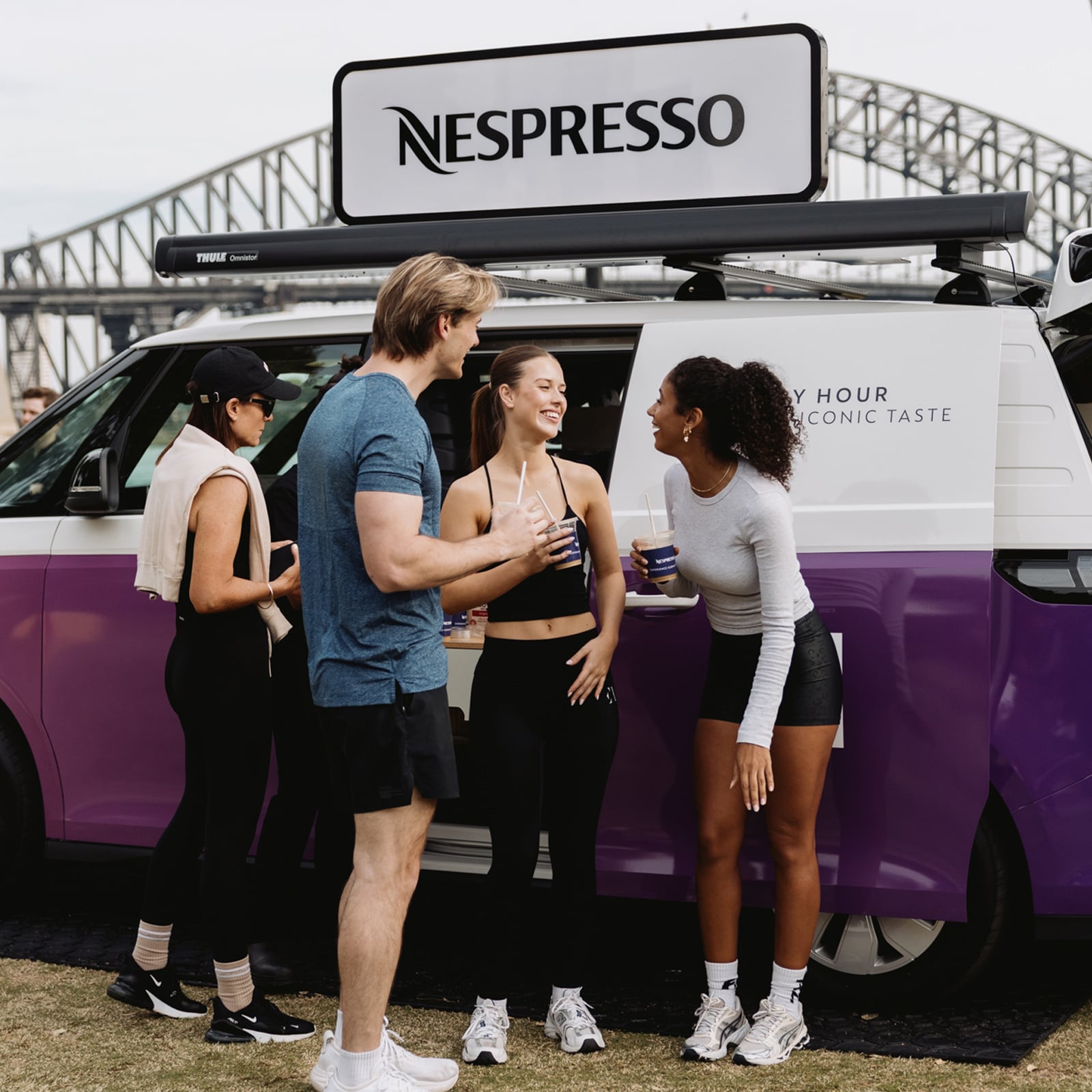 Nespresso mobile sampling experience using the new Volkswagen ID. Buzz created its own buzz
Future trends and what’s next
MW: Looking ahead, where do you see the biggest opportunities for brands?
PD: I think you're going to see more brands investing into sport, music, and culture. Sponsorships and partnerships help bring brands to life. It's a great environment to talk to people from a reach perspective, but also to engage them in a relevant way.
MW: Is there anything that keeps you up at night?
PD: We do a lot more than what people know us for, and that keeps me up at night a little bit because I don't want to miss out on opportunities.
We're turning ten in January, and I want to make sure the market knows we aren't just an experiential agency with a PR bolt-on. We are a fully integrated shop. We’re approachable, we’re transparent, and we have the values that clients actually want right now.
Main Picture: Paul Den, Andie Crawford & Mitch Loadsman.
More from Mediaweek
The leading media trade publication in Australia.
Get our top stories straight to your inbox daily by signing up to our Newsletter
By providing your information, you agree to our Terms of Use and our Privacy Policy. We use vendors that may also process your information to help provide our services.


