


The death of nuance: Why authors really walked from the Adelaide Writers' Week
Jane Caro: 'Art is meant to make you angry, or sad, or to think differently'.

For some writers, walking away from a festival is not a publicity stunt or a political flex. It is a line in the sand.
When social commentator and former advertising writer Jane Caro withdrew from Adelaide Writers’ Week, she said it was not about agreeing with a writer’s views, or even about the specifics of one program decision. It was about something more fragile and more fundamental. The right for writers to speak, and for audiences to hear them, even when it is uncomfortable.
Caro was among the first authors to step away after the festival removed Palestinian author Dr Randa Abdel-Fattah from its 2026 program. The decision triggered a wave of withdrawals that ultimately forced the Adelaide Festival Board to stand down and cancel Writers’ Week altogether.
“When I first found out about Dr Abdel-Fattah, my heart immediately sank because I thought, oh, no, we can't be having this," Caro told Mediaweek.
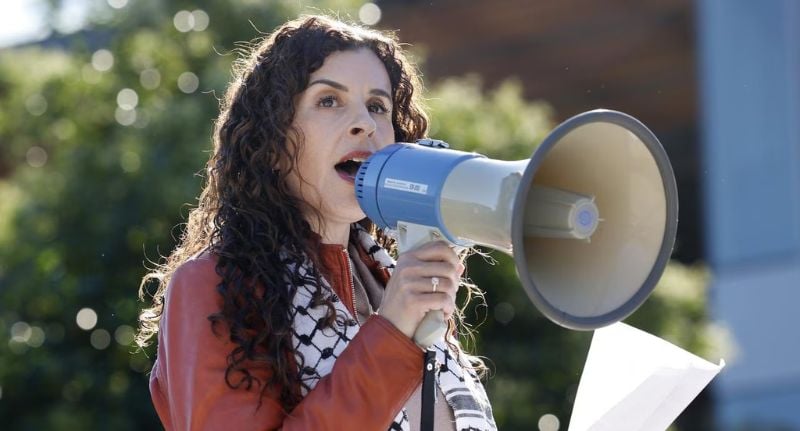 Dr Randa Abdel-Fattah
When a writers’ festival stops trusting writers
For Caro, the issue cut to the core of what literary festivals are meant to represent.
“It wasn't only the freedom of speech thing, although that was the most important, it's that I don't think we should shut down ideas we don't like, particularly at a writers' festival,” she said.


The leading media trade publication in Australia.
Get our top stories straight to your inbox daily by signing up to our Newsletter
By providing your information, you agree to our Terms of Use and our Privacy Policy. We use vendors that may also process your information to help provide our services.
She also took issue with how the decision was framed publicly, saying it “left a nasty taste in my mouth about weaponising the terrible tragedy at Bondi Beach".
Caro said the removal of Dr Abdel-Fattah also risked silencing a perspective that remains essential to public discourse. “She is Palestinian, after all, and I just felt we need to still be able to hear Palestinian voices about what's going on in Gaza. Otherwise, what happens then?”
Backing the artist, or stepping aside
Caro was equally blunt about the governance failure she believes sat behind the controversy.
“I felt that it was an outrageous demonstration of disrespect to the artistic director of the festival, Louise Adler," she said.
Adler herself stood down, announcing the decision in an opinion piece for The Guardian, writing
"I cannot be party to silencing writers, so with a heavy heart, I am resigning from my role as the director of the AWW."
Drawing on her own board experience, Caro said the principle was simple.
“I've been on arts organisations' boards, and one thing I learnt really thoroughly from that experience was if you're on the board and then you back the artistic director in particular 100%.
"If you have an issue with the artistic director or a decision they've made, you address it privately. You shut up and back them, or you resign as a board member," she said.
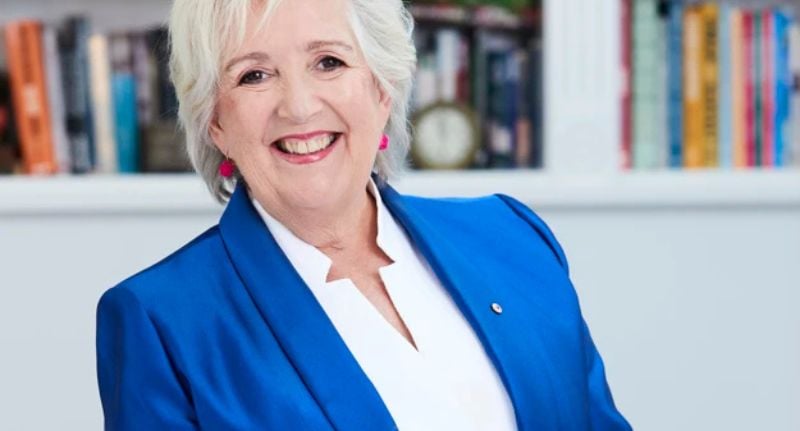 Jane Caro
Why she walked
Caro says her decision to withdraw was not about alignment, but about values.
“It's all about silence. It has nothing to do with whether I agree with Dr Abdel-Fattah or any of the opinions she holds. It is to do with the fact that I support her right to speak.”
“I was just following my values, and I felt that I was unable to participate if they were going to ban writers because they had opinions that they didn't like,” she said.
While she acknowledges future decisions may not always land the same way, the principle remains non-negotiable.
“I know my own moral values, and I acted according to those," she said. "When it comes to future speakers, I would look at it in the same light, which doesn't mean I would necessarily make the same decision, because I believe you judge things on their merits.”
The grey zone writers live in
At the heart of Caro’s frustration is what she sees as a creeping intolerance for complexity.
“It's a desire people have to say black or white, good or bad," she explained. “That is an anathema to any writer worth his or her salt, particularly of fiction. The point of fiction is to explore all those shades of grey.”
“So I am living comfortably in the grey zone,” she added.
And that grey zone, Caro argues, is exactly what authoritarian thinking seeks to erase. “The authoritarians hate the grey zone. They hate nuance. Yes. They hate context. They hate complexity. They like simple black and white.”
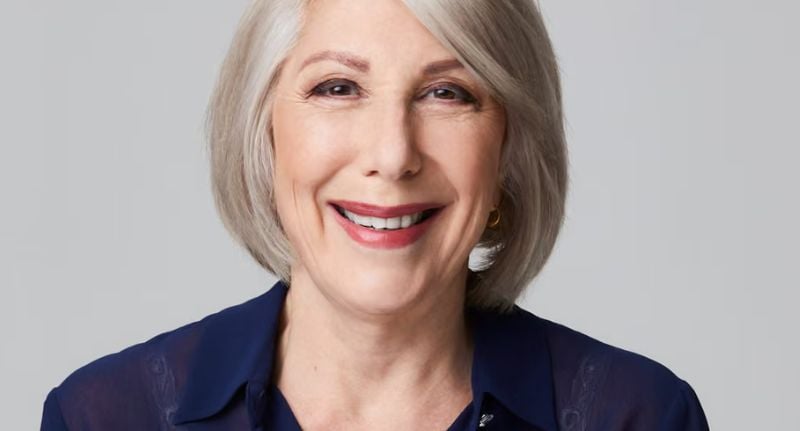 Louise Adler
What art is for
Following the withdrawals, the Adelaide Festival Board confirmed Adelaide Writers’ Week would not proceed in 2026, citing the scale of cancellations.
In a statement, the board said it “recognised and deeply regretted the distress” caused and apologised to Dr Abdel-Fattah for how the decision was communicated. It also argued the move was not “about identity or dissent”, but reflected a rapidly shifting national conversation around freedom of expression.
A new board has since been appointed, with Judy Potter returning as chair, alongside Rob Brookman, Jane Doyle and John Irving.
But for Caro, the broader lesson is not structural; it is cultural.
“Art is meant to ask those questions, and we're meant to have those; we're lucky to have those conversations,” she said. “And it's meant to make you angry. Or sad or think differently. Or throw the book across the room if you want to.”
“What do authoritarians do?” Caro asked. “They burn books. They silence writers. They burn ideas. They want the right and the wrong, the good and the bad.”
For writers, she says, that is exactly the moment to walk.
More from Mediaweek
The leading media trade publication in Australia.
Get our top stories straight to your inbox daily by signing up to our Newsletter
By providing your information, you agree to our Terms of Use and our Privacy Policy. We use vendors that may also process your information to help provide our services.


