

As the Australian creator economy matures, it is no longer a niche channel. It has become a core growth engine for brands, which is why marketing budgets are increasingly shifting into the space.
The shift is working both ways.
Creators are now also recognising the change, evolving from full-time influencers into entrepreneurs building scalable businesses around their internet personas.
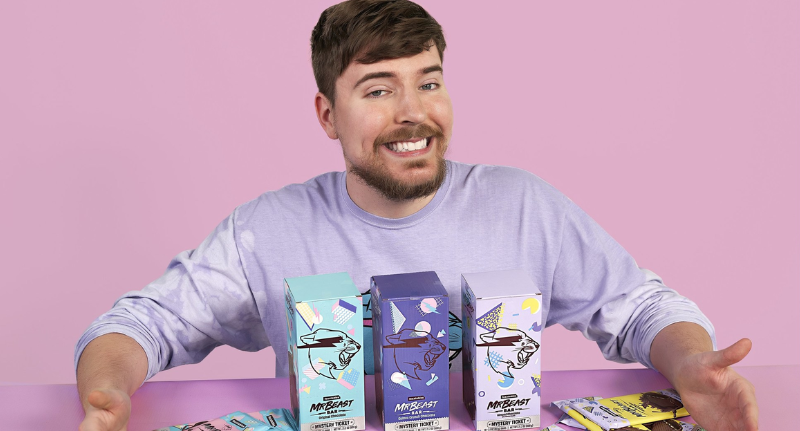
Social media goliath and entrepreneur MrBeast is the highest-earning content creator (2025).
Recent studies reveal the creator economy is growing at a compound annual growth rate of almost 20%, projected to reach US$112.7 billion by 2031.
As a result, brands are moving away from treating creators as simple ad placements and instead viewing them as media channels and storytellers in their own right.
This has driven deeper, longer-term partnerships focused on engagement, credibility and authenticity.
So what does this rapid growth and market evolution signal for brands, agencies and platforms?
To answer this question, Mediaweek spoke with members of the Australian Influencer Marketing Council (AiMCO) Industry Advisory Committee to identify the 10 trends shaping the creator economy in 2026.
1. Mass is out and niche is in
“Creators are shifting from broadcasters of content to facilitators of community,” said Minta Burn, Head of Global PR and Advocacy at Tourism Australia.
“Fandom has become a modern form of identity with members not just watching, but participating, co-creating and building insider cultures with unique memes and language.”
Burn pointed to the rise of “micro networks” across DMs, Substack, Reddit, and Discord, alongside closed broadcast channels that allow creators and brands to bypass algorithms.
“These channels create a sense of exclusivity and transparency and allow brands and creators to bypass the algorithm for raw, unpolished and ‘behind the scenes’ content,” she said, adding that more brands are expected to lean into dark social and fandom-led strategies in 2026.
2. Goodbye AI, hello human
After a year dominated by AI experimentation, audiences are starting to favour human-led content.
“The AI boom on social media has been undeniable,” said Shivani Maharaj, Chief Creator Officer at WPP Media. “But in 2026 audiences will start to push back, favouring real, human-led content over polished, soulless content outputs.”
Maharaj said engagement data already shows stronger responses to authenticity and creativity, noting that AI will increasingly be used as a support tool rather than the creator of projects.
3. Creator marketing matures into an effectiveness discipline
“Creator marketing is maturing from a tactical channel to an approach that can drive strategic brand growth,” said Jamie Searle, CEO of Snack Drawer.
“The investment in creators continues to grow in Australia, alongside expectations of ROI and effectiveness from CMOs.”
Searle said creator ideas are increasingly being integrated across PR, social and paid media, allowing them to scale beyond one-off campaigns and deliver broader commercial outcomes.
4. Generalists out, specialists in
As audience fragmentation intensifies, specialist expertise is becoming essential.
“For years, larger agencies treated influencer marketing as a ‘bottom of the media plan’ channel,” said Bryce Coombe, Managing Director at Hypetap. “The unfair advantage for brands will now come from engaging specialists.”
Coombe warned that treating creators and content as commodities, rather than as channels designed to meet specific consumer needs, poses growing risks for brands.
5. If you’d share it with a friend, you’ve got winning content
In 2026, influence is shifting into private spaces.
“It’s no longer about being seen, it’s about being watched, saved and shared,” said Sarah Letts, Head of Creative and Strategic Partnerships at Hoozu.
“Especially in private,” Letts said.
Letts said influencer marketing now sits alongside paid, owned and earned media under the same commercial standards, with success tied to speed, trust and attention rather than sheer reach.
6. Creators become owners, not just media channels
“Creators are fully stepping into entrepreneurship, launching their own brands, co-creating products, and securing equity rather than one-off fees,” said Zoe Lassig, Group Advocacy Director at Havas Play.
Lassig said this shift is pushing brands to rethink traditional commercial models and embrace revenue sharing, equity partnerships and long-term alignment.
7. Strategy-led influence, not content-led campaigns
Influencer programs are being rebuilt around strategy rather than content outputs.
“For too long, influencer programs have been built backwards,” said Sharyn Smith, CEO and Founder of Social Soup. “Brands start with creators, ask for engaging content, and hope it ladders up to business outcomes.”
Smith said the strongest programs now define influence first, with content developed as an output of clear strategic intent.
8. 2026 is the new 2016
Nostalgia is set to play a major role in creator culture next year.
@lifewmartine 2026 is definently the new 2016 🎀✨ #lushlife #zaralarsson #2016 #losangeles #2026 ♬ suono originale – Jr Stit
“Nostalgia will be a major driver of social media in 2026,” said Maharaj. “Audiences are actively reliving and recreating 2016 rather than referencing distant eras.”
She said messy edits, throwback music and unpolished formats are resonating as creators and brands move away from algorithm-first production.
9. Long form is back, on new terms
“Long-form in 2026 won’t just mean longer videos on TikTok or Instagram,” Maharaj said.
“It will live on platforms like Substack or Reddit, where creators and brands can unpack ideas in depth and build trust without fighting the algorithm.”
10. Hybrid creators reshape brand partnerships
Creators are increasingly operating as strategic partners.
“In 2026, leading creators are evolving beyond content execution into strategic partners,” said Claudia Dignam, Director at Meraki Mgmt.
Dignam said brands that involve creators earlier in planning will move from endorsement to true co-creation, producing more credible and effective marketing outcomes.
2026 will be both a transformative and defining moment for the creator economy, one that will dominate brands’ marketing plans as they seek connection, authenticity, and results.