

Agencies and brands now understand creator tiers, audience segmentation and platform strategy, with influencer marketing firmly embedded across media plans.
But one part of the creator economy still feels distant in Australia: live streamers.
Some agencies know the space exists. Fewer know how to approach it. And many brands still do not fully understand just how influential streamers have become, particularly among younger audiences who spend hours, not seconds, with them.
Welcome to the world of live streaming
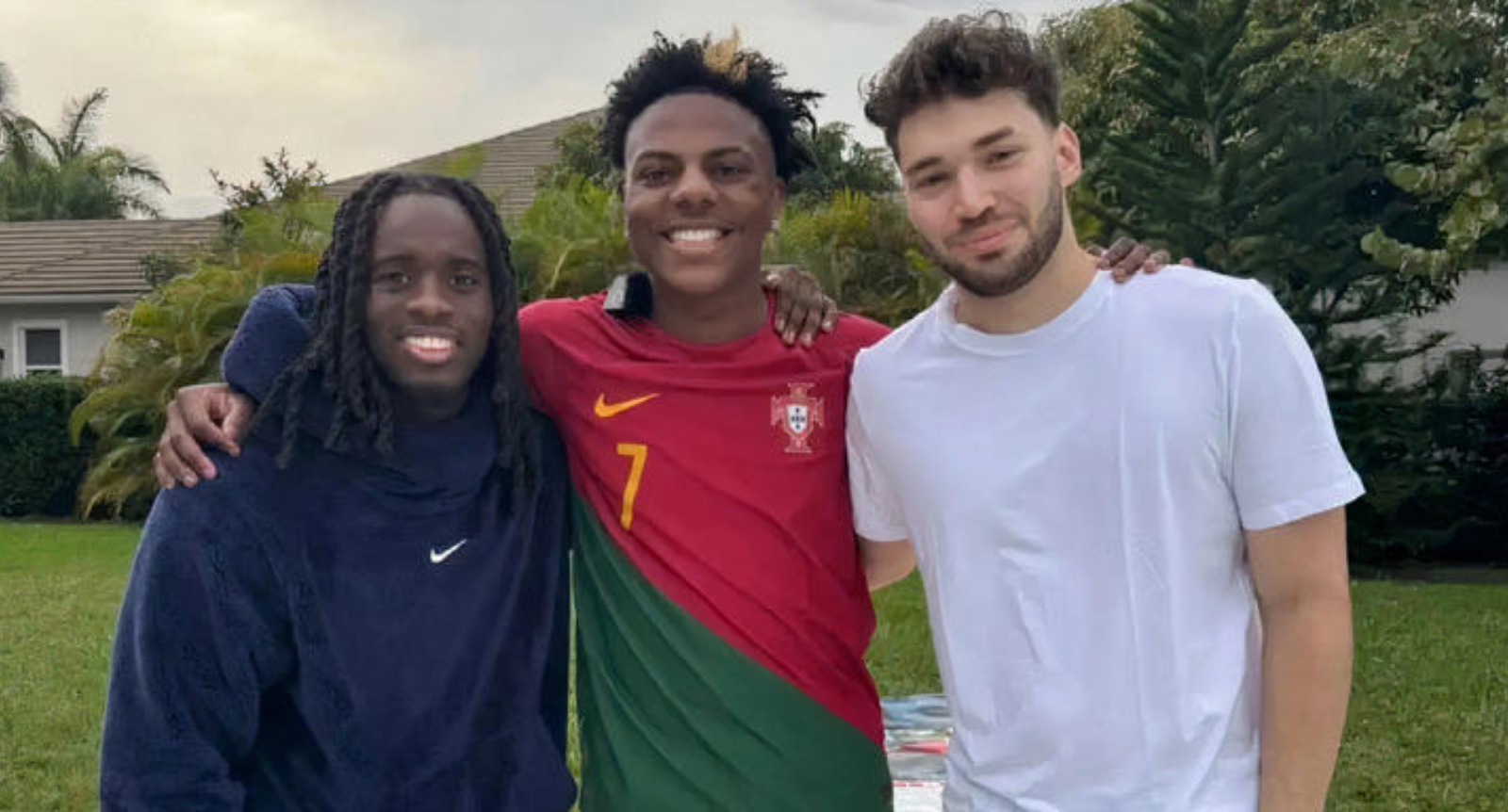
Kai Cenat, IShowSpeed, and Adin Ross.
If names like IShowSpeed, Kai Cenat and Adin Ross are already shaping internet culture globally, a new generation of creators is driving online trends and language in real time.
Terms like “mog”, “looksmaxing”, “bone smashing” and “chopped” are just some of the cultural codes spilling out of these communities and into broader online conversation.
At the centre of that recent surge are streamers like Clavicular and Australian streamer Androgenic, whose growing view counts reflect the rise of hyper-online communities centred on appearance, masculinity and digital status, often self-described as looksmaxers.
But the bigger story for marketers is not just who these creators are. It is how they influence.
What separates streamers from traditional short-form influencers is not simply audience size, but audience depth.
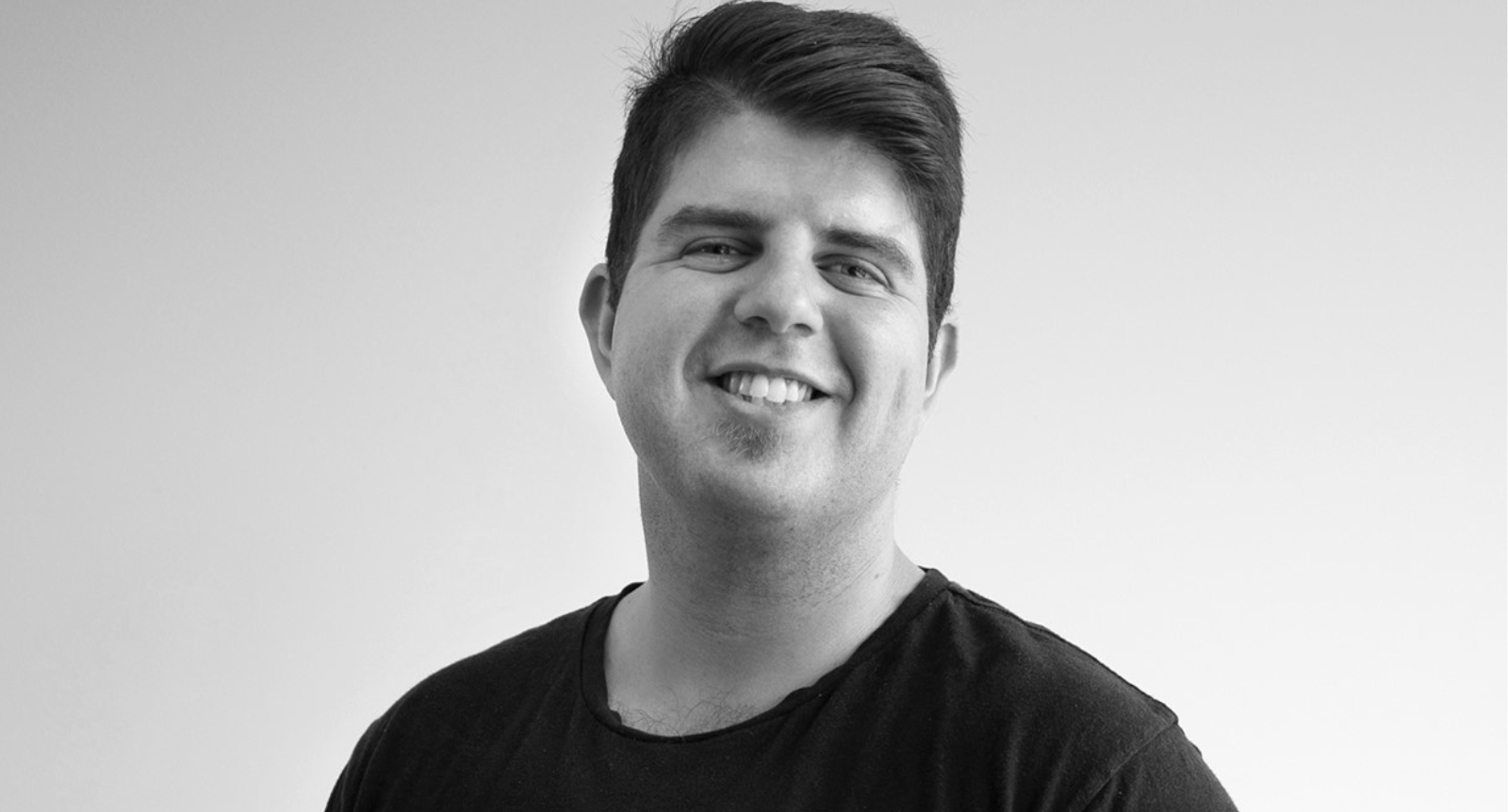
Nick Grinberg
According to Nick Grinberg, head of strategy at Next&Co, the difference lies in how much time audiences spend with them.
“Unlike an influencer that you follow on Instagram and scroll past their post, with a streamer you could spend hours and hours every week watching their content,” Grinberg said.
“I’m going to say real s**t. I’m going to be myself. You’re going to see my personality.”
That longer exposure changes the nature of influence itself.
“So there’s a higher likelihood that you’re going to be influenced by a streamer because you’re interacting with them so much,” he said.
Even for viewers who do not watch full streams, streamer culture travels far beyond live broadcasts. Clips are constantly repackaged and redistributed across TikTok, Instagram Reels and YouTube Shorts, turning streamers into viral personalities well beyond their core fan bases.
For smaller creators especially, the connection can feel even more direct, with audiences shaping the content in real time through live chat.
Traditional influencers vs streamers
Grinberg said that same dynamic also changes how brands appear in streaming environments, often making sponsorship feel less forced than traditional influencer placements.
“I think the way a brand can embed itself with a streamer can be far more organic than with an influencer,” he said.
He argues audiences are now highly trained to detect paid content on short-form platforms.
“People can smell and feel when something is a paid promo.”
“Let’s say you’re scrolling Instagram and you see an influencer doing a day-in-the-life video or a morning skincare routine, you know what that is. You know that’s paid placement,” Grinberg said.
Streaming, by contrast, often places products inside a creator’s environment rather than interrupting it.
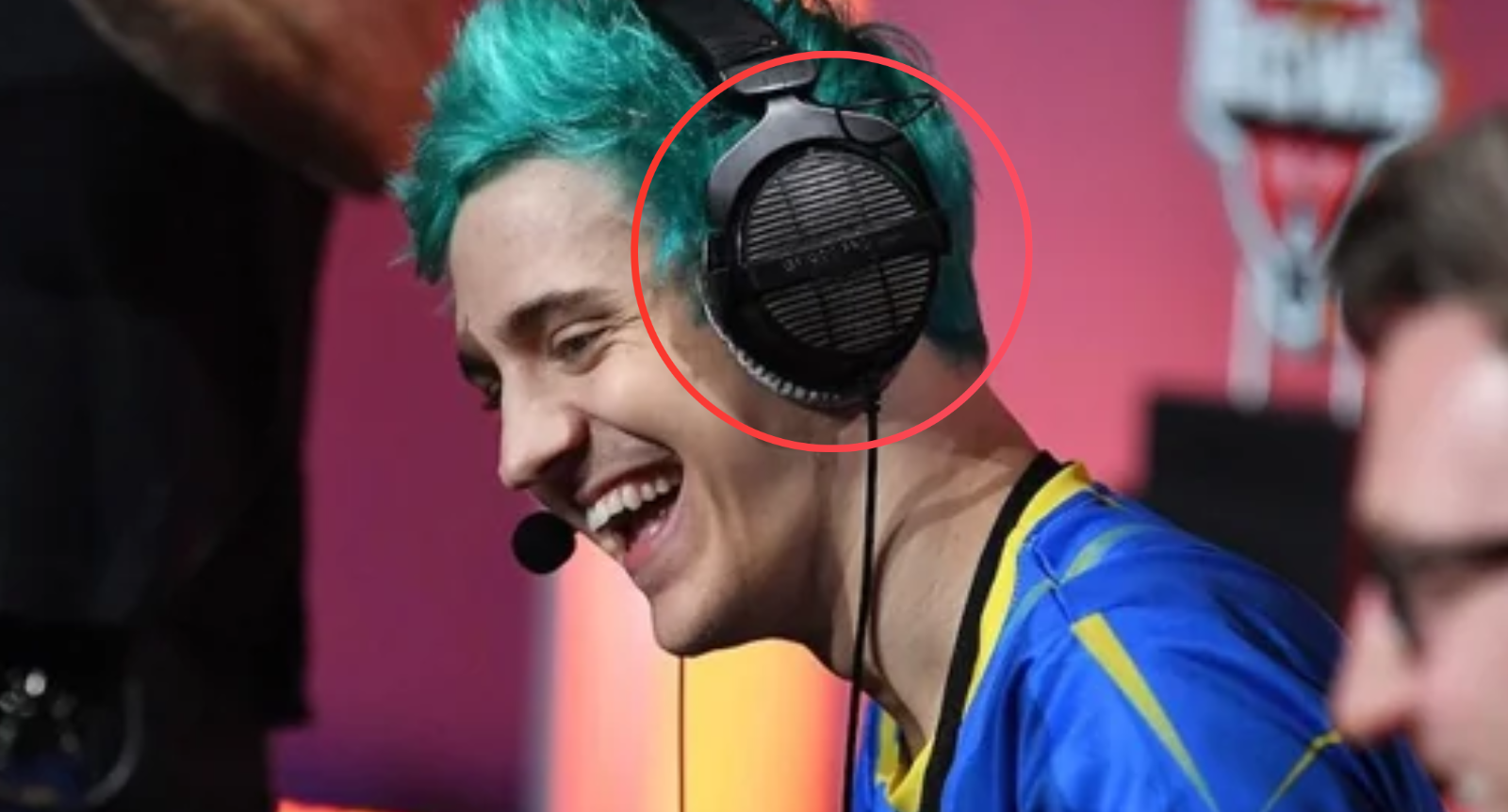
The popularity of these headphones among gamers soared after streaming sensation Ninja wore them during his streams and gaming competitions.
“But if a video game streamer is live and you watch their setup, and they’re a pro gamer, and you see their GPU, their Predator monitor, their Alienware mouse, it’s different. It feels more authentic,” he said.
Grinberg believes authenticity is one of the main reasons streaming continues to produce culturally dominant personalities.
“People love seeing other people being authentic, and I think streaming, whether it’s game streamers, IRL streamers, or niche streamers, makes people feel like they can connect because they’re seeing true personality,” he said.
‘Not fully brand safe’
Despite the scale, virality and growing number of global brand integrations, Australian brands and agencies are still largely watching from the sidelines.
“Honestly, I don’t think media agencies are bringing brands the option of partnering with streamers,” Grinberg said.
He added that streaming is still treated as unfamiliar territory.
“Or maybe not fully brand safe,” he said.
For brands, the challenge is that streamer partnerships rarely come in a standard format. Grinberg said it comes down less to category and more to the individual creator.
View this post on Instagram
“Every streamer partnership is very bespoke because you have to factor in what environment the streamer is in, whether the brand is visually represented, whether it’s spoken about, what the brand presence looks like, and how that suits the brand,” he said.
That, he argues, is why education is still missing.
Grinberg said simply deciding to “work with streamers” is not enough. Execution matters, especially for brands trying to connect with younger audiences who are increasingly spending their time in on-demand, personality-led environments rather than traditional media.
And increasingly, that means spending time with streamers.
“That’s where the opportunity is for brands that want younger audiences.”
Top Image: The popularity of these headphones among gamers soared after streaming sensation Ninja wore them during his streams and gaming competitions.