



SPA calls for urgent documentary funding reform at AIDC 2026
Screen Producers Australia is demanding continued reform to secure a sustainable future for local documentary producers.

Screen Producers Australia (SPA) has called for continued reform to ensure the National Cultural Policy actually puts its money where its mouth is regarding priority genres, including documentary.
The call followed the Australian International Documentary Conference (AIDC) panel, State of Play: Sector Sustainability in 2026 and Beyond, which featured SPA chief executive officer Matthew Deaner.
Deaner told delegates that the past year brought important progress, but the industry needs more than just good intentions to secure genuine structural change.
“The National Cultural Policy stands as a clear commitment to supporting Australia’s priority genres, including documentary,” Deaner said.
“The introduction of Australian content obligations for streaming services looks great on a press release. For the first time, global streaming platforms operating in Australia must actually invest in local storytelling.”
Testing the streaming framework
However, the real test lies in whether these shiny new streaming frameworks translate into actual commissioning activity for independent documentary makers.
While the government's intent remains clear, the industry knows that without a strict genre mix, platforms might just order another reality dating format instead of a premium docuseries.


The leading media trade publication in Australia.
Get our top stories straight to your inbox daily by signing up to our Newsletter
By providing your information, you agree to our Terms of Use and our Privacy Policy. We use vendors that may also process your information to help provide our services.
Deaner stated SPA will remain closely engaged to ensure the regulatory settings produce tangible greenlights, rather than just lip service, for documentary production businesses.
“Documentary is central to how Australians understand themselves and the world around them,” he said. “The increase to the minimum licence fee for television documentaries is also an important step. It recognises the rising costs that documentary producers face and represents a meaningful uplift to the minimum standards producers can expect when bringing these stories to screen.”
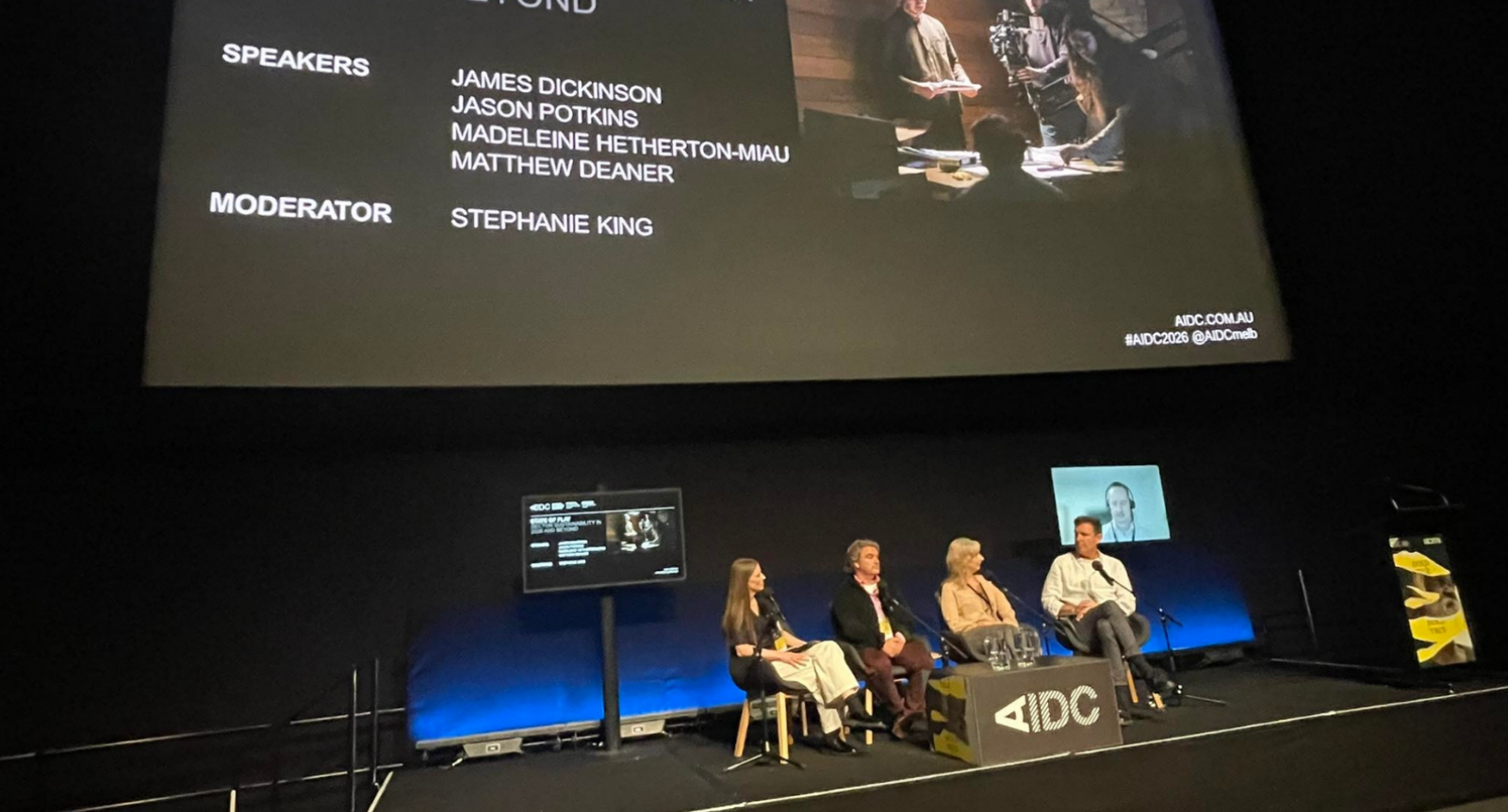 SPA CEO Matthew Deaner made his position clear during the ‘State of Play: Sector Sustainability in 2026 and Beyond’ panel. Image: supplied
Pushing for further offset reforms
As networks commission new programs, Deaner stressed they must structure them on fair and sustainable terms. This includes appropriate rights retention, which allows producers to build viable businesses over time rather than just surviving project to project.
However, he maintained that further reform remains essential.
“Lifting the 65-hour cap on documentary access to the Producer Offset remains a priority,” he said. “The cap acts as a relic of a bygone television era that limits the ability of documentary producers to grow sustainable slates and respond to audience demand. If we are serious about sector sustainability, the government must treat documentary equitably within our screen incentives framework.”
This equitable treatment should include access to the Post, Digital and Visual Effects (PDV) Offset for feature documentaries.
Without this offset, Deaner warned, Australia will simply continue handing this post-production work to other territories.
Modernising global co-productions
Because documentary-makers often collaborate with other jurisdictions, Deaner argued that updating Australia’s dusty co-production arrangements is critical to enabling great work with a global outlook.
 Australian International Documentary Conference 2026 invited its attendees to come together and ‘hold true’. Image: AIDC
“For example, the formal co-production arrangement with Canada is over 20 years old, meaning bureaucrats drafted it before YouTube even existed,” he pointed out. “Meanwhile, our attempts for renewed co-production arrangements with the UK have sat collecting dust since the government made announcements back in 2021.”
Deaner highlighted that well-funded screen agencies at both federal and state levels, alongside public broadcasters, act as critical pillars for a well-functioning independent screen ecosystem.
Increased and stable funding for these bodies will deeply influence the ability of documentary-makers to plan, develop, and actually produce great work.
Evolving for 2026 and beyond
Documentary-makers rely on a variety of channels to distribute their projects. Deaner suggested that aligning the treatment of television and feature films under the offset system would relieve unnecessary financial headaches in documentary production.
He concluded that the AIDC discussion reinforced how sustained reform, rather than isolated band-aid measures, will determine the future strength of the documentary sector.
“Progress over the past year is encouraging, but structural settings must continue to evolve if Australian documentary is to thrive in 2026 and beyond,” Deaner said.
More from Mediaweek
The leading media trade publication in Australia.
Get our top stories straight to your inbox daily by signing up to our Newsletter
By providing your information, you agree to our Terms of Use and our Privacy Policy. We use vendors that may also process your information to help provide our services.
.jpg%3Fv%3D1791758838271&w=3840&q=75)


