

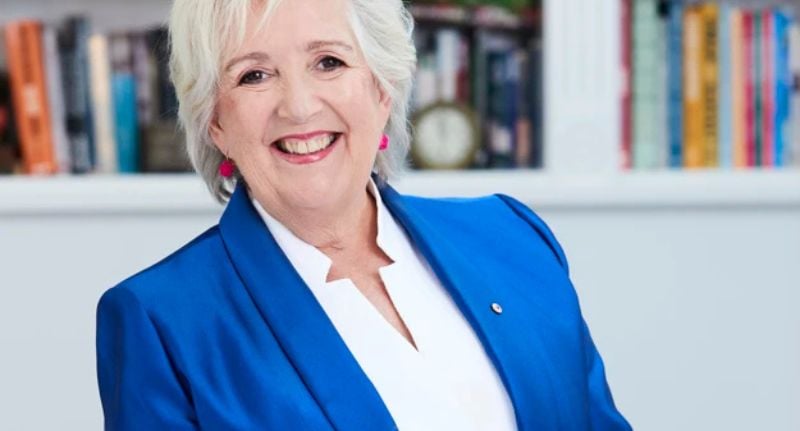
Jane Caro AM is an Australian author, Walkley-winning columnist, novelist and social commentator. She’s also an impassioned and highly vocal advocate for review of tax-payer funding of private schools in the context of underfunded public schools.
Caro says in her latest book entitled Rich Kid, Poor Kid:
“We have given the chronically underfunded public system all the responsibilities and expect it to accept every child, including the most disadvantaged and so most expensive to teach, while starving it of resources.
“We have given sometimes extravagantly overfunded private schools all the rights, including the right to isolate themselves from the toughest end of education.
“As a result, we now have one of the most segregated education systems in the OECD, lagging only the Czech Republic.”
Mediaweek spoke to Caro about Rich Kid, Poor Kid.
Mediaweek: A high net worth individual told me that his decision to send his children to an elite private school was lessening the burden on public schools. What do you think of that rationale?
Jane Caro: That’s silly. Luxury car owners could make the same argument, and people with no kids could say my taxes shouldn’t go school kids if I don’t have kids.
Every child has a a right to a fully-funded education, but why should one child be funded more because of their birth?
MW: I don’t think parents who choose private education for their kids think of it like that. They believe they’re making the best choice for their child because there is a choice.
JC: But in deciding between public and private education, that’s what they’re saying: by fortune of birth, their child deserves ‘the best’ – not the standard. The private schools market to parents who are motivated by fear of disadvantaging their offspring, so they prefer the security and social superiority which they perceive comes from elite education.
They say to themselves: ‘My child deserves the best, if i’m a good parent, I’ll secure my child’s future with status, connections, and superiority.’ Even if they’re not conscious of thinking that.
MW: I know parents who do think like that. Status and social advantage is very important to them, and it’s a huge factor in their decision on how to educate their kids.
JC: It’s reinforcement of a class system that’s endemic in Australia – and once again, it comes from the schools playing on fears.
I have no issue with you sending your kids to private school. But I have an issue with those children whose education is funded not only by exorbitant fees that increase every year, but also by the funding every other child gets.
If you compare high school results between public and private schools, there’s often no real difference, but it creates a situation where advantaged kids are in advantaged schools and disadvantaged kids are in schools with disadvantaged students.
MW: It feels like that’s the way the world has always worked. So, can you see why parents wring their hands about the choice in education? If you have the money, or think you can scrape it together, wouldn’t you choose for your kids to be in the ‘advantaged section’?
JC: No.
A big red flag is that no one is rushing to copy Australia’s approach to segregated education. That says a lot.
Public schools are child-focused, and for the common good – the right to education is a right in a public school – it’s the school’s job to cater to everyone.
Private schools are parent-focused, and very selective to achieve the parents’ goals of status, as well as the school’s goals of academic superiority.
But creating significantly more advantaged kids is not getting us anywhere. It’s left us with the most segregated education system in the OECD.
It’s a vicious cycle, because the marketing is that ‘good’ parents sacrifice and spend on private schools, and then those kids are seen as more special, and the cycle continues.
There’s an old ‘joke’ of sorts: what did the advantaged kid say to the disadvantaged kid? Nothing: they never meet.
This is how education is marketed in Australia: public schools are the generic brands, and elite private schools are the premium brands.
The parents of private school kids are not full of hope – they’re full of fear.
Top image: Jane Caro