

A walk down the grocery aisle in 2021 looked simple. There were a few familiar protein products, a handful of bars, shakes and yoghurts, and the category was still largely geared towards gym-goers.
Fast-forward to 2026, and protein has moved from niche to everywhere.
For many shoppers, it is the first thing they check on a label. And it is no longer limited to shakes and yoghurt. It’s in everything: cheesecakes, chocolate products, cereal, milk, ice cream, and even water.
The demand is strong enough to disrupt Australia’s $2.3 billion yoghurt market, contributing to shortages.
For Muscle Nation, that shift has become one of its biggest growth drivers.
What started as a clothing brand for gym-goers has evolved into a broader player in protein and lifestyle, using the protein boom to expand into grocery, chilled products and everyday consumption.
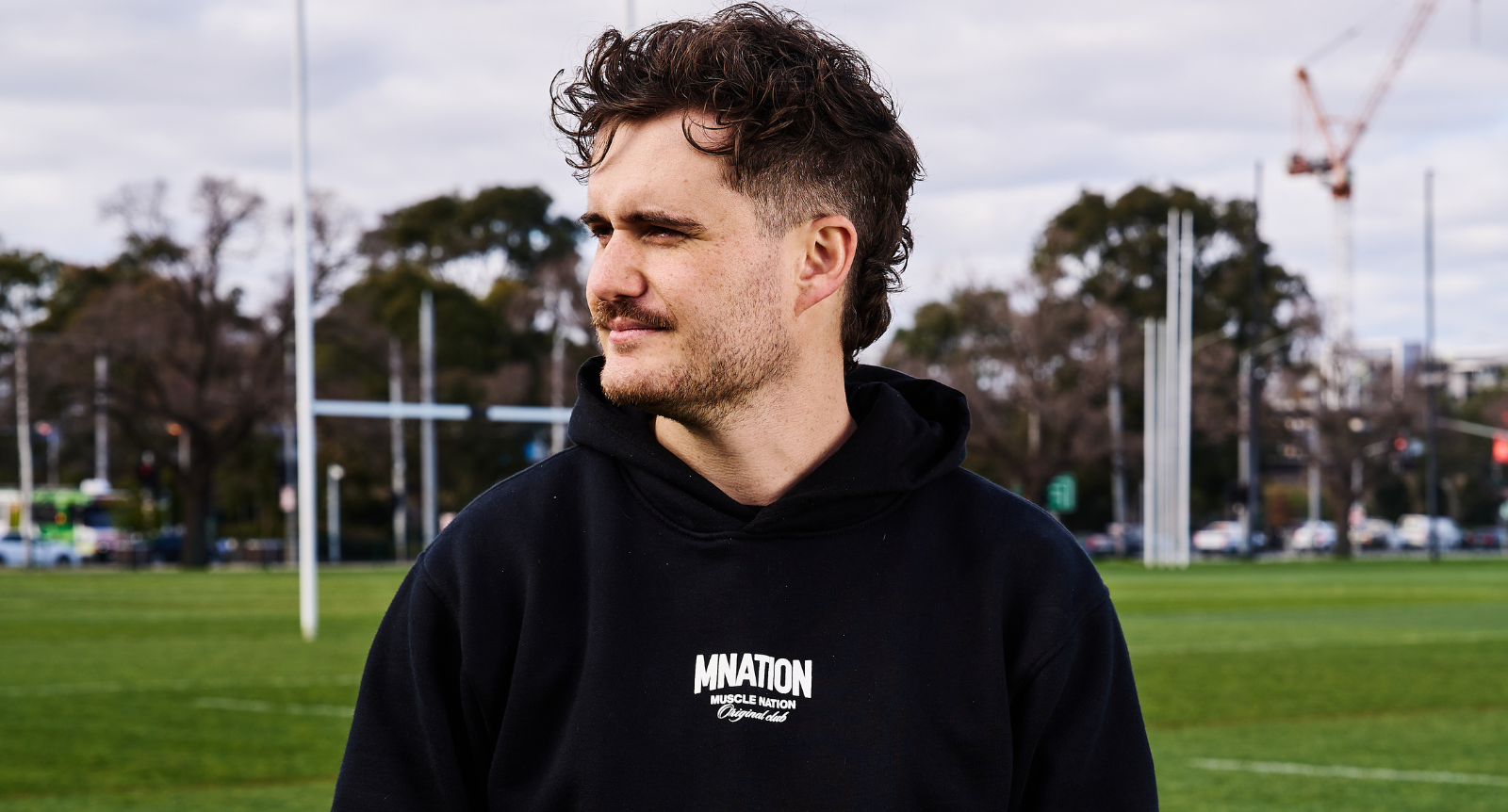
Sam Chadwick
Mediaweek sat down with Sam Chadwick, head of marketing at Muscle Nation, to unpack how the brand is using community, creator-led marketing and grocery expansion to compete in an increasingly protein-dominant market.
“The size of that category has grown exponentially. It was one of the fastest-growing categories in grocery last year and continues to see strong growth,” Chadwick said.
He pointed to growing consumer understanding of protein and creatine as a key driver, pushing the category beyond sports nutrition and into everyday grocery.
The numbers reflect that shift. Muscle Nation’s growth in the Sports and Diet category has recorded a three-year CAGR of 17.8%, while Protein Yoghurt has surged by 61.7%.
Muscle Nation now accounts for around 17% of the Sports and Diet category and has driven the most growth over the past five years.
Building products with the community
With nearly 800,000 Instagram followers and 60,000 members in its Facebook community, Chadwick said Muscle Nation relies heavily on its audience to guide product development.
“We’re constantly putting out feelers about which flavours people want, what products they’d like to see, and what we could do better,” he said.
View this post on Instagram
That feedback, combined with market research across Australia, the US and the UK, feeds directly into the brand’s product roadmap.
“We’ll test out some different new and fun ones, and then we’ll play it safe with some safe ones that are industry standard. Then we roll those out, we might retire some old flavours and bring some new things in,” Chadwick said.
After nearly four years on grocery shelves, the challenge has been standing out against long-established names. To tackle that, Muscle Nation’s goal has been to “appear differently on the shelf and have a bit of fun with the brand.”
The brand has leaned into that through different flavours and formats, from protein peanut butter cups and popcorn to trend-driven collaborations, including its link-up with viral brand Pistachio Papi across multiple product categories.
View this post on Instagram
But while protein is the hook, Chadwick said taste still leads, even if it means compromising slightly on protein content.
“They would happily compromise on a couple of grams of protein to make sure the flavour and texture are right,” he said.
“We prioritise not making protein, or eating healthier, feels like a chore.”
Taking protein into the yoghurt aisle
That thinking has pushed the brand into one of grocery’s fastest-growing protein battlegrounds: yoghurt.
Muscle Nation’s move into protein yoghurt, with 10 SKUs, had been in the works for some time. Chadwick said the signal was already clear inside the business.
“Twelve months ago, everyone in the office was eating protein yoghurt in the morning. That’s an immediate signal it’s becoming a weekly staple,” he said.
The timing worked in the brand’s favour. Supply shortages affecting major players such as Chobani and YoPRO created an opening for new entrants, while retailers, including Woolworths, sought brands that could bring something different to the category.
“They looked at us for our protein credentials rather than dairy, and wanted to bring someone new into the category,” Chadwick said.
Rather than behaving like a traditional dairy brand, Muscle Nation has focused on bringing its protein credibility, community insight, and bolder-flavour approach to the chilled aisle.
Trend-driven flavours play a key role, inspired by social media.
“Us bringing out a vanilla when there are already four on the shelf isn’t a point of difference. But something new or unexpected gives people a reason to buy,” Chadwick said.
Why creators remain central
Alongside product expansion, creators remain central to Muscle Nation’s marketing growth.
Chadwick said founder Chris’ background in influencer marketing helped shape the brand’s approach from the beginning.
“When we talk about a marketing plan and put a strategy on the page, the big thing that he cares about is how we’re going to work with creators, how we get more reviews, and how we get more people talking about the product,” Chadwick said.
The brand now works with around 120 creators on its athlete roster, alongside roughly 1,100 smaller affiliates with between 1,000 and 25,000 followers.
But Chadwick said the strategy is not about tightly controlled talking points.
“One of the big things for our partnerships team is not telling people talking points, what we want them to post, or how we want them to post it,” he said.
That freedom, he said, is what keeps the content feeling genuine.
“I would rather someone go and try 10 flavours of yoghurt and have a review where they don’t like two or three flavours, but they’re really passionate about the other seven,” Chadwick said.
Creator content is not just driving awareness. It is also becoming a signal for what works across organic and paid media.
“We’ve also got a really good signal of what works really well in paid, and we can go and grab those and boost those and run those as ads,” Chadwick said.
The power of staying independent
But what has helped Muscle Nation adapt quickly to the rapid expansion of the protein category is not just a strong team. It is also the fact that it remains independent, bootstrapped and founder-led, with no board of investors, no private equity, and two founders still calling the shots.
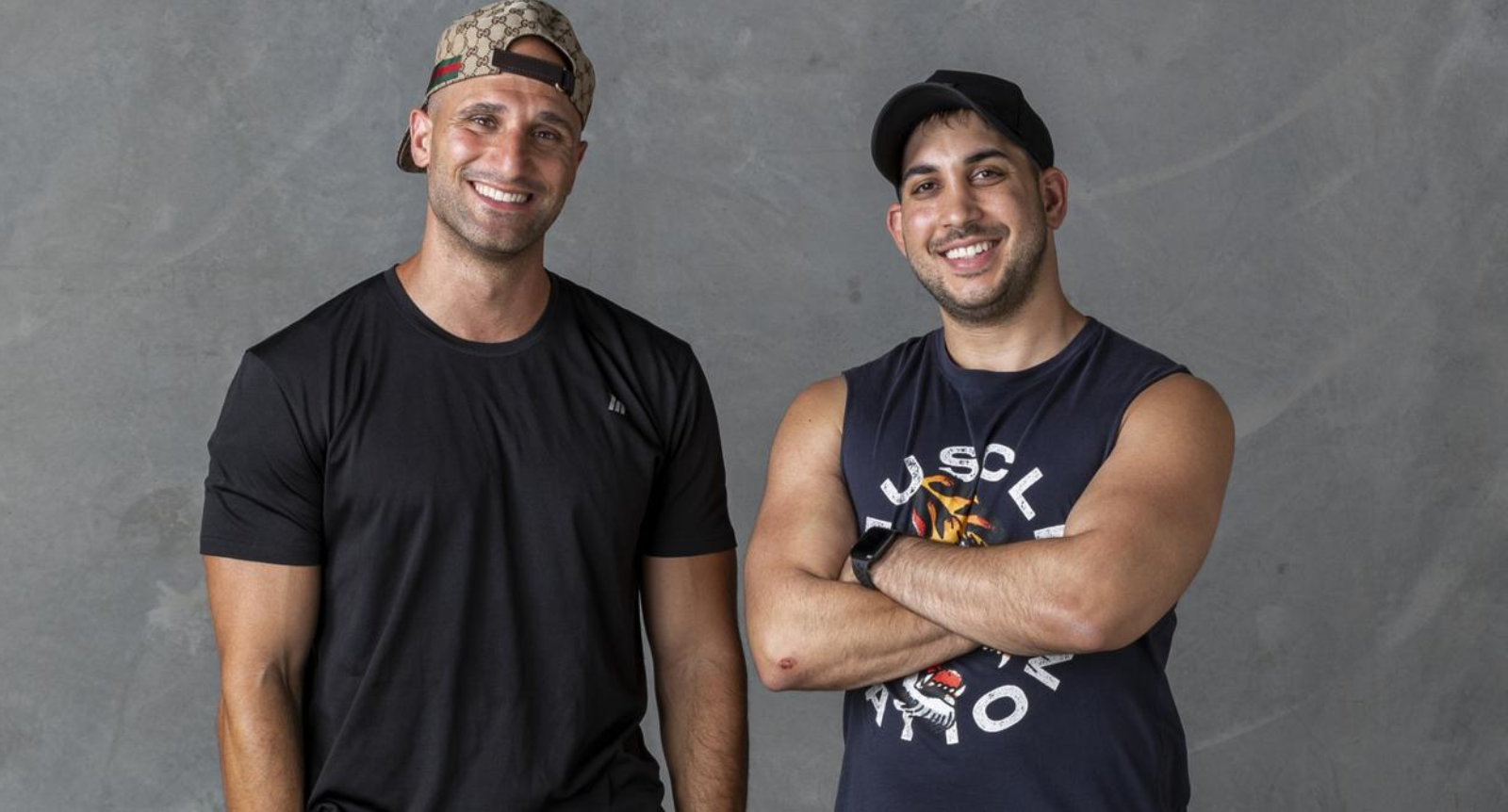
Chris Anastasi and Nathaniel Anthony
“Just me and my business partner Chris, making every decision with the long game in mind,” Nathaniel Anthony, co-founder of Muscle Nation, told Mediaweek.
Chris Anastasi, the other half of the brand, added: “That’s one of the real advantages of being an independent brand: we can move quickly on the right opportunities without six layers of sign-off.”
The duo said winning feels personal, particularly in a category where 100% Australian owned and operated brands are becoming harder to find.
“The protein and supplement space in Australia has gotten seriously competitive, and a lot of the bigger names are owned by overseas corporations or backed by institutional money,” the founders said.
Despite competing against companies with deeper pockets, Muscle Nation has grown by building a direct connection with its customers.
“We’re proud to be flying the Aussie flag in this space. It matters to our community, and honestly, it matters to us too.”
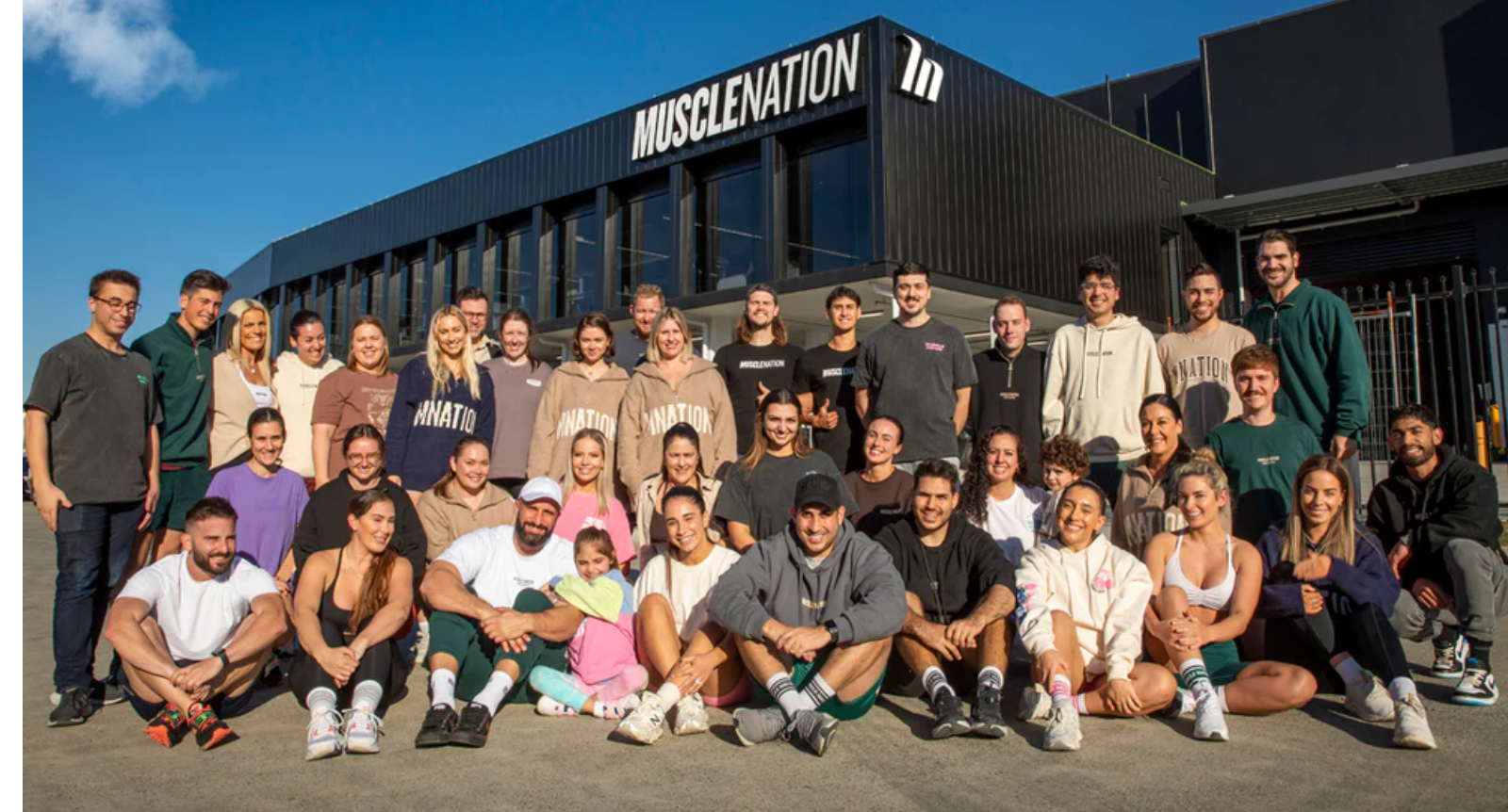
Top Image: Muscle Nation Team