


Pinterest is encouraging users to spend less time scrolling and more time offline, positioning itself against the engagement-driven strategies that dominate much of social media.
The company’s VP of Global Creative, Xanthe Wells, said Pinterest was deliberately shifting away from the race for endless attention and instead encouraging users to engage with the platform more intentionally.
Speaking about changing online behaviours, Wells said Pinterest was responding to growing demand from consumers wanting healthier relationships with technology and social platforms.
“We’re seeing two forces rise at once: one generation trying to reclaim life away from the scroll, and the rest of the world fervently adopting AI across everyday life. But those trends aren’t opposites. They come from the same impulse: a desire to get back to what matters most – their lives offline,” Wells said.

Pinterest pushes ‘intentional’ platform use
Pinterest said the shift comes as users increasingly seek more control over their screen time and online habits, particularly around wellbeing.
The platform cited Australian research showing that Pinterest ranked highest among platforms in terms of its positive impact on user well-being.
According to the company, 78% of Australian users say they feel more positive after using Pinterest compared to before opening the app, while 87% say their time on the platform was “well spent”.
Wells said the company now viewed its role less as maximising dwell time and more as inspiring offline action.
For Pinterest, that means “designing the exit” – encouraging users to leave the platform after finding inspiration.
While the approach runs counter to many engagement-focused social strategies, Pinterest said the philosophy had coincided with continued audience growth, particularly among Gen Z users, who now account for more than half of its global audience.
Campaigns focused on offline experiences
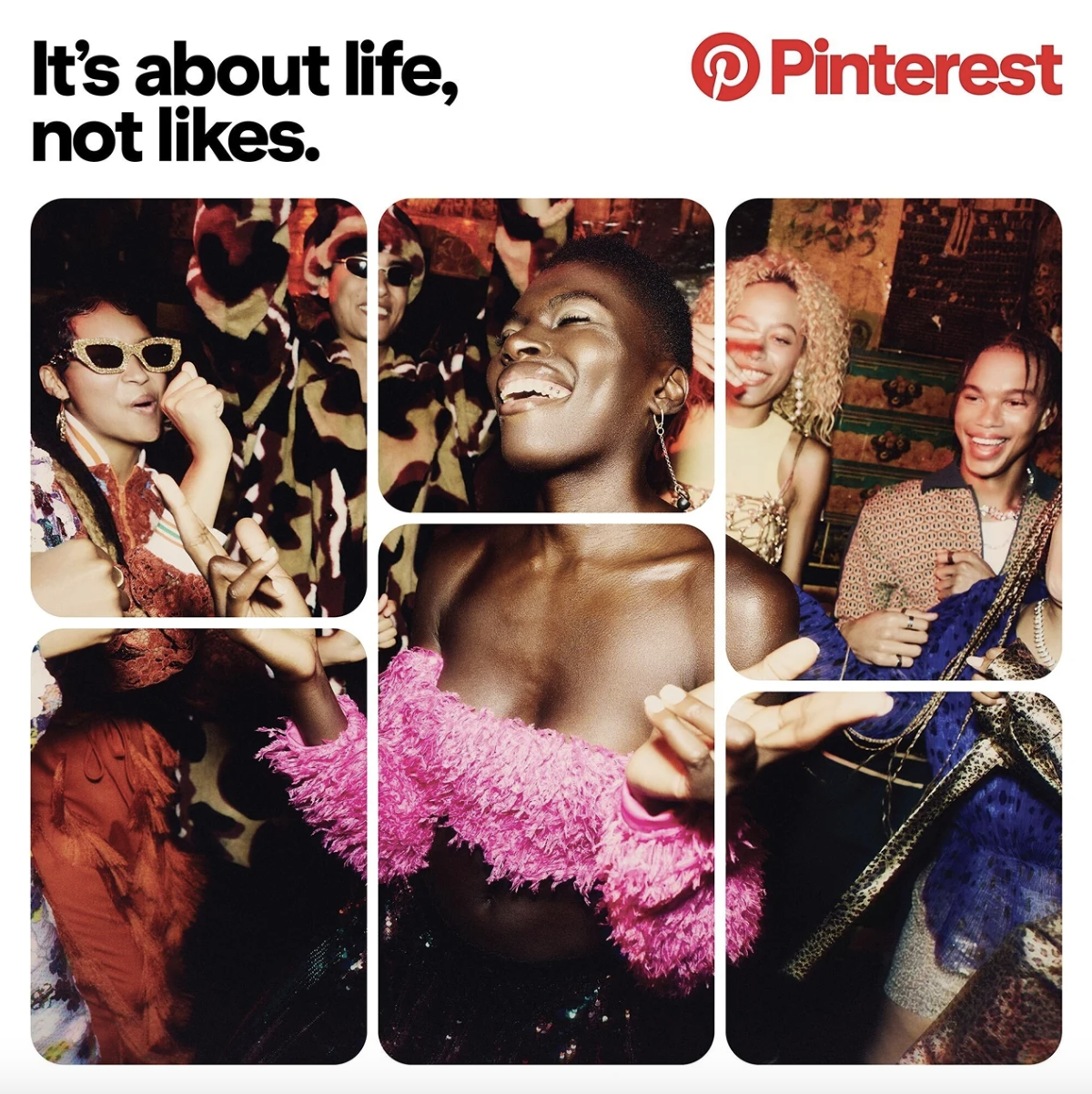
Pinterest recently launched a new brand campaign titled “How did they do it?”, a 60-second film produced in-house by Pinterest’s House of Creative.
The campaign uses old home videos and family photos sourced from employee archives and carries the message: “the best thing you can find online is a reason to go offline”.
Pinterest said the film generated more than 50 million views within three weeks.
The platform has also expanded the philosophy into experiential campaigns, including a phone-free activation at Coachella and a live wedding event held at Pinterest’s Sydney headquarters to promote its 2026 Wedding Trends Report.
‘Release them’: Pinterest’s message to marketers
Wells said the company believes marketers should move away from simply maximising attention and instead focus on inspiring meaningful action in the real world.
She said Pinterest’s broader strategy – spanning its latest brand campaign through to its experiential activations – is designed to encourage users to engage with the platform more intentionally, whether they are searching for ideas around travel, fashion, beauty or cooking.
“Everything we’re putting out into the world, from the messaging in our latest brand campaign to our recent experiential activations, shares a common goal: to encourage people to create a life they love offline,” Wells said.
She added that Pinterest ultimately measures success not by how long users remain on the platform, but by what they do after leaving it.
“We invite people to use Pinterest intentionally, to find a reason to put down their phones, go out into the world, and live more fully,” she said.
“Because we believe the measure of our success isn’t how long people stay, but what they do after they’ve been inspired.”
The company said its broader message to marketers was simple: inspire consumers, empower them to act, and then “release them”.