
Tuesday April 7, 2026
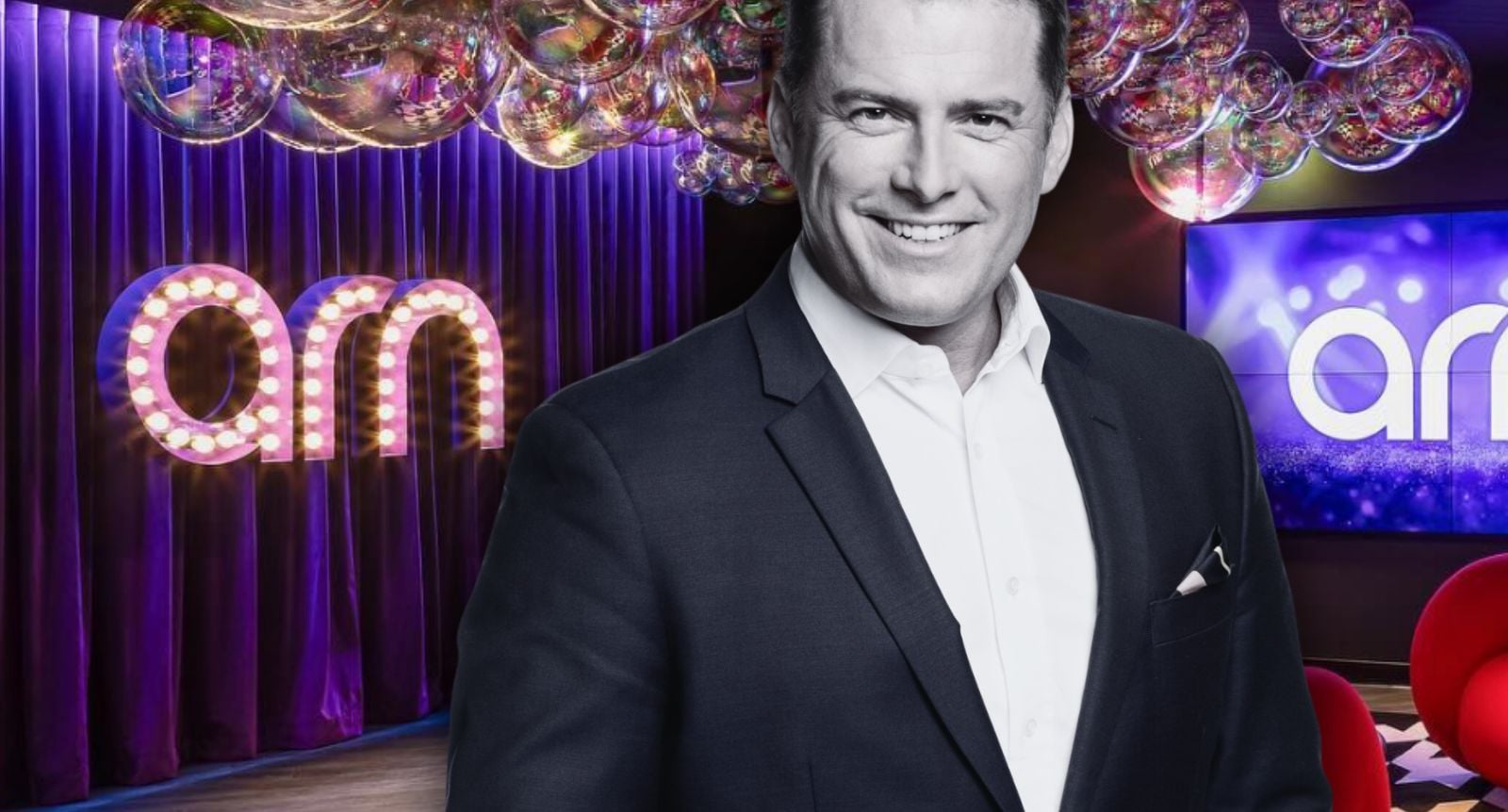
'Beware the TV guy on radio': Claims Stefanovic's potential ARN move was in works for some time
Sources have told Mediaweek that claims Today Show host Karl Stefanovic will join ARN later this year are “likely true”, with discussions about a potential move understood to have been underway for some time.
The Australian’s Steve Jackson broke the news in the publication’s Media Diary, writing that Stefanovic had signed a memorandum of understanding with the broadcaster following a meeting with CEO Michael Stephenson.
According to the report, Stefanovic is expected to make the move once his television contract expires in December.
Industry sources told Mediaweek the speculation is consistent with earlier internal discussions about Stefanovic joining ARN, although details of any role remain unclear.
Uncertain project amid Sandilands dispute
Sources said an earlier concept involved Stefanovic co-hosting with Kyle Sandilands on an as-yet-unnamed show.
However, that scenario now appears unlikely, with Sandilands and ARN currently engaged in a legal dispute following the company’s decision to terminate his contract.
Stefanovic has since launched his own podcast, The Karl Stefanovic Show, which could provide an alternative pathway into audio, including potential collaborations.
Questions remain over what role Stefanovic could take at ARN, including whether he would be positioned in a key slot such as breakfast.
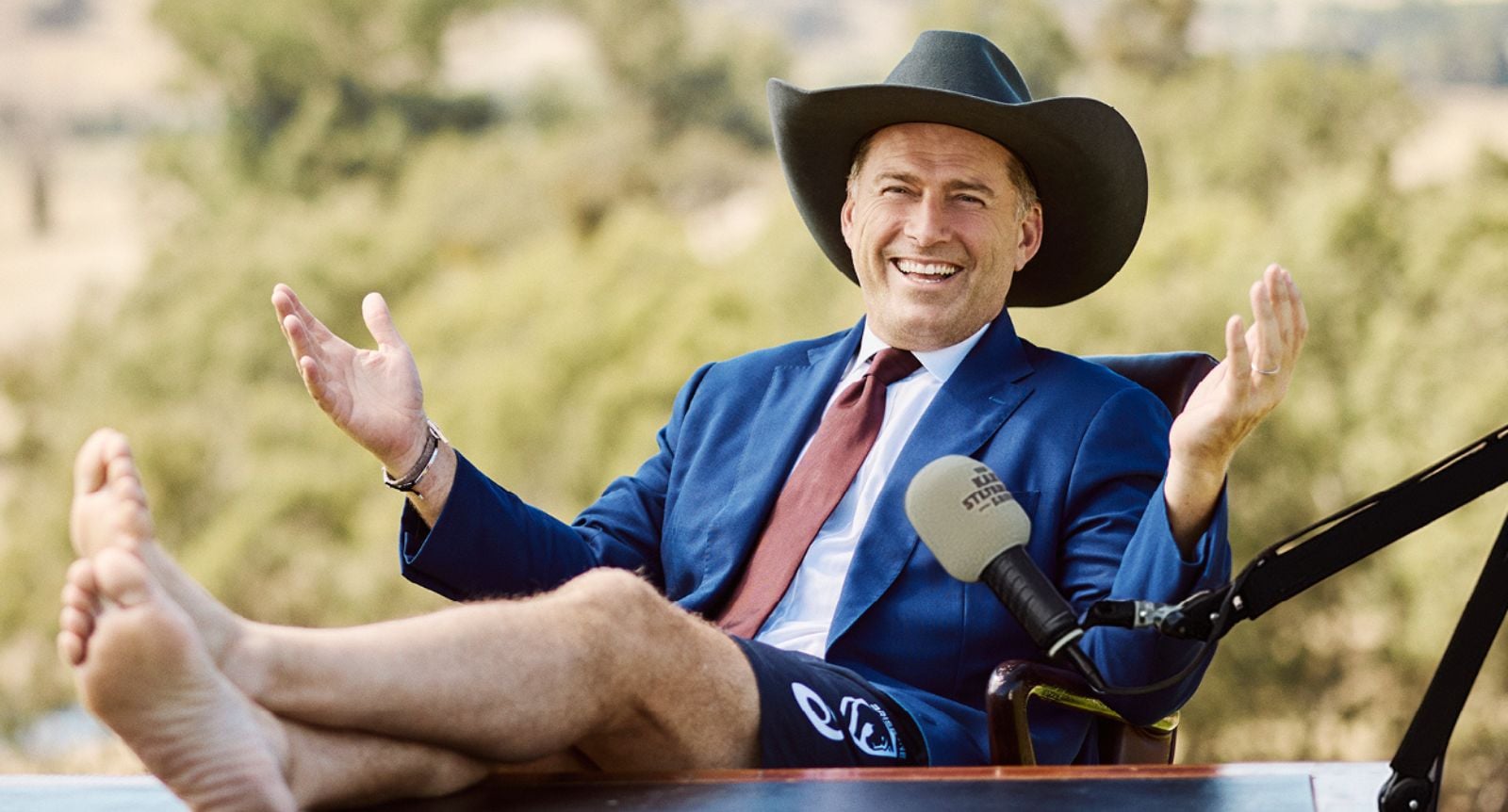
Industry speculation on possible formats
The Quarter Hour podcast host, Wade Kingsley, weighed in on LinkedIn, suggesting Sophie Monk as a potential co-host, while noting that format changes may be required.
“I can’t hear it on KIIS unless the format changes with it to a broader adult contemporary playlist. Also, beware the TV guy on the radio (Precedent: Rove on 2DayFM Breakfast),” he wrote.
If the deal lands, Stefanovic’s arrival could mark the next phase in ARN’s reset, one still searching for its defining voice.
Mediaweek has reached out to ARN and Nine for comment.
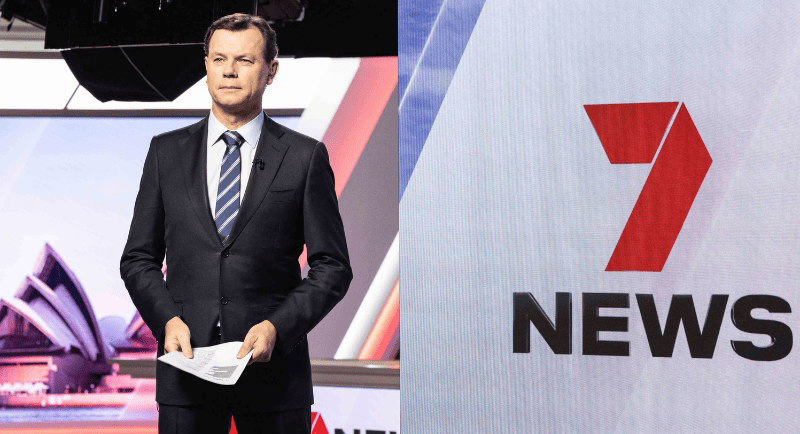
Seven news anchor Mark Ferguson drops Thursdays after 'shake up'
Seven news anchor Mark Ferguson has reduced his air time from five nights to four, as has his co-host Angela Cox.
The pair will no longer be on the Thursday night 6pm bulletin, which will now be covered by Michael Usher and Angie Asimus. They will continue with Sunday to Wednesday, reported Sydney Confidential.
Mediaweek reached out to Seven for comment and didn’t receive an official one. However, according to other industry sources who spoke directly to Mediaweek, the change has been anticipated for some time as part of a broader strategy to strengthen the overall offering through a planned “shake-up”.
Sources say that Seven is confident in the four veteran presenters – Ferguson, Cox, Usher and Asimus – and the new structure gives the first two opportunities that are not desk-bound.
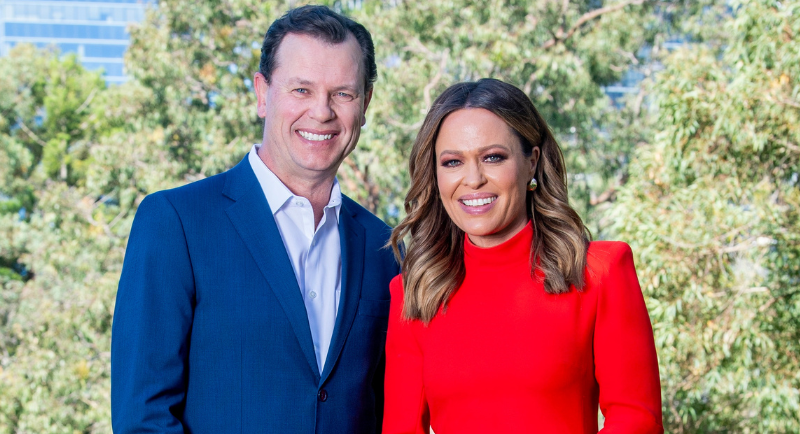
Mark Ferguson and Angela Cox. Image: Seven
Rumours of Ferguson, 60, ‘stepping back’ have been around for some months, with suspicions that Seven will make a decision for financial reasons.
This was strenuously denied by Seven in December, when a spokesperson said: “No such announcement has been made to newsroom staff.”
Top image: Mark Ferguson. Image: Seven

Nutella turns NASA airtime into viral brand gold
A jar of Nutella has appeared during a live broadcast from NASA’s Artemis II spacecraft, drawing widespread attention online and prompting clarification from the agency around potential brand involvement.
Nutella sighting in Artemis II makes a lot of sense. Great shelf life (2+ years). No refrigeration needed. Calorie dense. No threat of crumb floating in microgravity. Spoonable. Highly viscous so unlikey to damage equipment if jar breaks. pic.twitter.com/EVsR7KkHMu
— Trung Phan (@TrungTPhan) April 6, 2026
Footage from inside the spacecraft showed the chocolate-hazelnut spread floating in zero gravity, and the moment quickly circulated across social media platforms as users cited the visibility as an example of high-profile, organic brand exposure.
That’s right, turns out real astronauts don’t actually eat those powered-peanut butter-tasting Space Food Sticks of an ‘80s child’s youth. This is probably why I have trust issues.
Alas, we move on.

How does it feel to be lied to?
Clips of the broadcast were widely shared on X, with some users framing the moment as an unintentional advertising win for Nutella’s parent company, Ferrero Group.
“Nutella couldn’t have had better advertising,” wrote one user.
“Zero gravity, maximum brand exposure!” wrote another.
NASA rejects product placement claims
NASA has since clarified that the appearance was not tied to any commercial partnership.
Agency press secretary Bethany Stevens told publication Futurism that the selection of food on board is not influenced by brands.
“NASA does not select crew meals or food in association with brand partnerships,” she said. “This was not a product placement.”
The astronauts’ menu includes a range of standard spaceflight meals such as mac and cheese, beef brisket, broccoli au gratin and scrambled eggs, alongside supplies of hot sauce and coffee.
Among the items onboard is a full-sized jar of Nutella, which has drawn attention online. According to Scientific American, the crew also packed 58 tortillas, a staple in space due to their practicality in zero gravity.
While NASA has ruled out any formal arrangement, the incident highlights how unscripted moments in high-interest environments can generate significant earned media value.
Main image: NASA
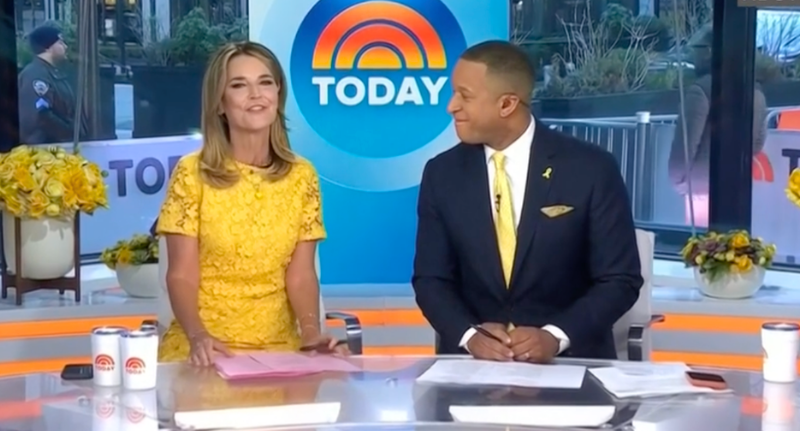
Savannah Guthrie hosts TODAY as missing mum mystery continues
Australian-born television presenter Savannah Guthrie has resumed hosting duties on NBC’s Today show, saying it’s “good to be back.”
Guthrie has been absent from her role since January 30, two days before her 84-year-old mother Nancy was reported missing.
Her co-anchors noted on Monday that a crowd of supporters were outside the New York studios with signs welcoming Guthrie back.
“I’m really feeling the love,” she told everyone.
Before giving his typical weather report, NBC forecaster Al Roker blew her a kiss and said: “It’s good to see you my dear.”
She wore a bright yellow dress, which NBC said was in tribute to the yellow ribbons and flowers left at her mother’s home, as well as worn by journalists in her newsroom.
Last month, Guthrie said it was “part of my purpose right now” to return to work although she was unsure if she would still be able to do it.
On Easter Sunday, Savannah Guthrie reaffirmed her Christian faith in an Easter video message from a church in New York.
“I still believe. And so I say with conviction, ‘Happy Easter,’” she said in her closing message at the end of the Easter Sunday service at Good Shepherd New York.
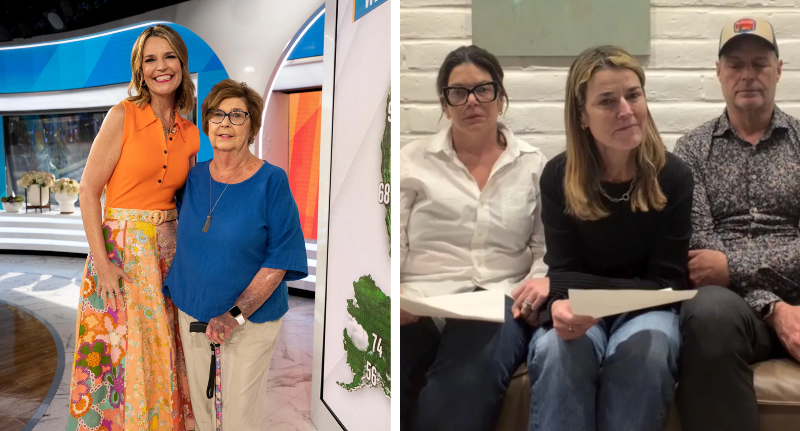
Left: Savannah Guthrie and her mum Nancy. Image: NBC. Right: The Guthrie family made an emotional plea in a video in February. Image: Instagram
Search for Nancy Guthrie continues
In an interview last month with Today, she said: “I can’t not come back. This is my family.”
She also raised the possibility that her own fame may have been behind her mother’s disappearance, saying that thought was too much to bear.
Nancy Guthrie vanished without her medicines. She was dropped off at her home by relatives on the evening of 31 January and then failed to show up at a friend’s house to watch a virtual Sunday service the following morning.
Investigators believe Nancy Guthrie, who was last seen on 31 January, was taken against her will from her home near Tucson, Arizona, but they have not shared a possible motive or arrested a suspect.
Top image: Savannah Guthrie returns to host TODAY. Image: NBC

Q4 is here, and this is the deadline you cannot ignore
The chocolate is gone, the long weekend is in the rearview mirror, and the Q4 reality check is real.
With a short four-day work week ahead and the EOFY sprint underway, you can easily get buried in the post-holiday catch-up.
But as the media, marketing and tech industries power back up today, you need to circle one date in red: 23 April 2026.
That’s the entry deadline for the 2026 Mediaweek Next of the Best Awards.
Now is the exact moment to look up, take stock of your impact and claim your space.
Find your tribe
This year, we want more than just the usual suspects. So, we’ve mapped the industry into four tribes. We believe that these distinct, powerhouse groups actually keep business moving. The question is, which one belongs to you?
The Growth Engines: The commercial heavyweights and sales leaders driving the bottom line and controlling the flow of media investment.
Your categories are Sales & Commercial Leadership, Partnerships Leadership, Retail & Commerce Leadership, and Agency Media Leadership.
The Architects: The structural masterminds building the platforms, designing the products, and structuring the data we all rely on.
Your categories are Product & Innovation Leadership, Data and Insights Leadership, Publisher & Platform Leadership, and Entrepreneur.
The Magnets: The creative, brand, and audience powerhouses setting the cultural pulse and commanding attention at scale.
Your categories are Agency Creative Leadership, Audio & Entertainment Leadership, Influence & Audience Leadership, and Brand & Growth Leadership.
The Guardians: The purpose-led leaders reporting the truth, championing our culture, and driving meaningful impact.
Your categories are News & Journalism Leadership, People & Culture Leadership, Sustainability & Purpose Leadership, and Change Maker.
Claim your category
If you do the heavy lifting in your sector, you need to step out from behind the pitch decks, the data dashboards and the bylines.
You have 16 days to gather your details and nominate yourself or the sharpest talent in your network. Don’t let the short week and the daily grind get in the way of the recognition you’ve earned.
Stop coasting. Start claiming your category.
Mediaweek’s Next of the Best Awards are coming up, thanks to our sponsors News Corp Australia and LiSTNR.
Entries close on 23 April 2026. Submit your work here.
New paper questions effectiveness of under-16 social media ban
With Australians now getting used to life with an under-16 social media ban, a new Science paper argues that restricting access alone will not make children safer online.
Instead, the authors say digital child safety should be built into platforms through design, with a stronger focus on children’s rights, agency, and well-being.
Rather than treating child safety as a question of bans and controls, the authors, Sandra Cortesi, Director of Youth and Media at the Berkman Klein Center for Internet & Society at Harvard University, and Urs Gasser, Professor at the Technical University of Munich and former executive director of the Berkman Klein Center, call for what they describe as a child-centred, research-driven approach.
Their argument draws on the work of the year-long Frontiers in Digital Child Safety expert group, which examined how digital products can better protect children while still supporting learning, creativity, and participation.
Why the paper pushes back on blanket restrictions
Cortesi and Gasser argue that broad restrictions can appear protective, but often fail in practice.
The paper cites policies such as parental control laws in the US, the UK’s Online Safety Act, school smartphone bans, and Australia’s under-16 social media rules as examples of measures shaped by concerns about risk.
The authors say these approaches can flatten important differences between children of different ages and stages of development.
They also warn that heavy-handed controls may erode trust, reduce agency, and push technology use out of sight rather than making it safer.
The paper does not dismiss online harms. It notes the risks children can face online, including cyberbullying, harassment, grooming, exposure to harmful content, and platform features that shape attention and habits.
But it argues that protection should not come at the expense of children’s ability to participate in digital life.
Four design approaches
The article sets out four practical areas where platforms, educators, caregivers, and policymakers could focus their efforts:
- Designing for trust and gradual autonomy: tools that support conversations between children and adults, with responsibilities that expand as children mature.
- Improving help-seeking and reporting: clearer, more accessible, and more confidential ways for children to report harm or ask for help.
- Using on-device supports: real-time nudges, prompts, and guardrails that respond when risks appear, without removing choice entirely.
- Building resilience through education and participation: integrating digital safety into broader learning and involving children in the design of the tools they use.
The authors argue these measures offer a more durable response than prohibition alone. In their view, digital environments should be designed to help children build resilience and confidence, not simply to block access.
What this means for platforms and policymakers
A central theme in the paper is that safety should be treated as a design challenge, not just a regulatory afterthought.
Cortesi and Gasser argue that companies should be expected to demonstrate that child-facing products are safe by design, while policymakers should establish accountability mechanisms to test whether those measures work.
The paper also calls for more transparency, independent audits, and better evaluation of tools such as filters, reporting systems, and AI-based detection features. It argues that many interventions are already in use, but too few are assessed for effectiveness or unintended consequences.
For Australia, the paper lands as debate continues over whether age-based restrictions can deliver meaningful protection on their own. The authors suggest the stronger long-term answer is a combination of smarter product design, education, evidence-based policy, and clearer accountability for platforms.
Evidence gaps remain
The authors also acknowledge the limits of the current research base. They say more longitudinal studies are needed to understand how trust, resilience, and digital habits develop over time, and argue that researchers need better access to platform data.
They note, too, that much of the existing work comes from Europe and North America, leaving major gaps in understanding children’s digital experiences elsewhere. That, they argue, makes the case for more cross-sector and cross-border collaboration among researchers, governments, industry, and children themselves.
For media, policy, and tech audiences, the paper sharpens a debate that is only likely to intensify: whether child safety online is best addressed by keeping children away from digital platforms or by requiring those platforms to work harder to earn children’s trust.
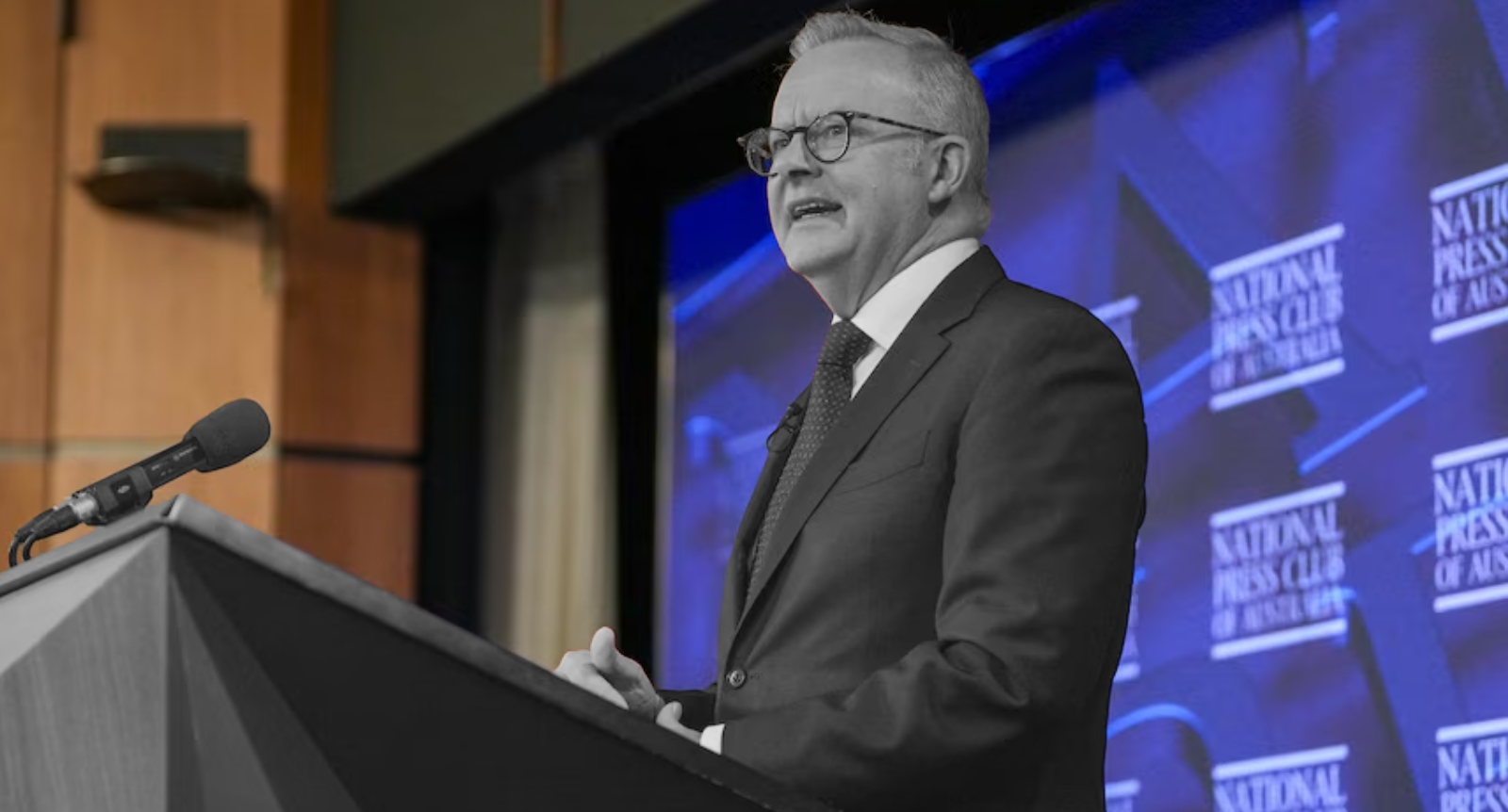
'Overdue and underwhelming': Albanese partial gambling ad reforms trigger ripple effect
Prime Minister Anthony Albanese has revealed a partial crackdown on gambling advertising, introducing new restrictions to reduce children’s exposure to betting promotions.
The reforms include a cap of three gambling ads per hour on television between 6am and 8.30pm, alongside a ban on radio advertising during school drop-off and pick-up times.
New limits across media
Under the plan, gambling ads will also face tighter restrictions across digital platforms.
Advertising on social media and streaming services will only be permitted if users are logged in, over 18 and given the option to opt out.
The reforms will also eradicate the use of celebrities and athletes in gambling promotions, prohibit odds-style ads targeting sports fans, and remove gambling branding from sports venues and player uniforms.
Albanese described the package as “the most significant reform on gambling that has ever been implemented”.
“We are getting the balance right… making sure that our children don’t see betting ads everywhere they look,” he said.
Long-awaited response
The announcement comes more than 1,000 days after the release of the landmark You Win Some, You Lose More report, led by late Labor MP Peta Murphy.
The inquiry made 31 recommendations, including a phased total ban on online gambling advertising across TV, radio, digital and sport.
Albanese confirmed the government will deliver its full response to the Murphy review – a parliamentary investigation into online gambling harm – when parliament returns in May.
The reforms have drawn strong criticism from the gambling sector.
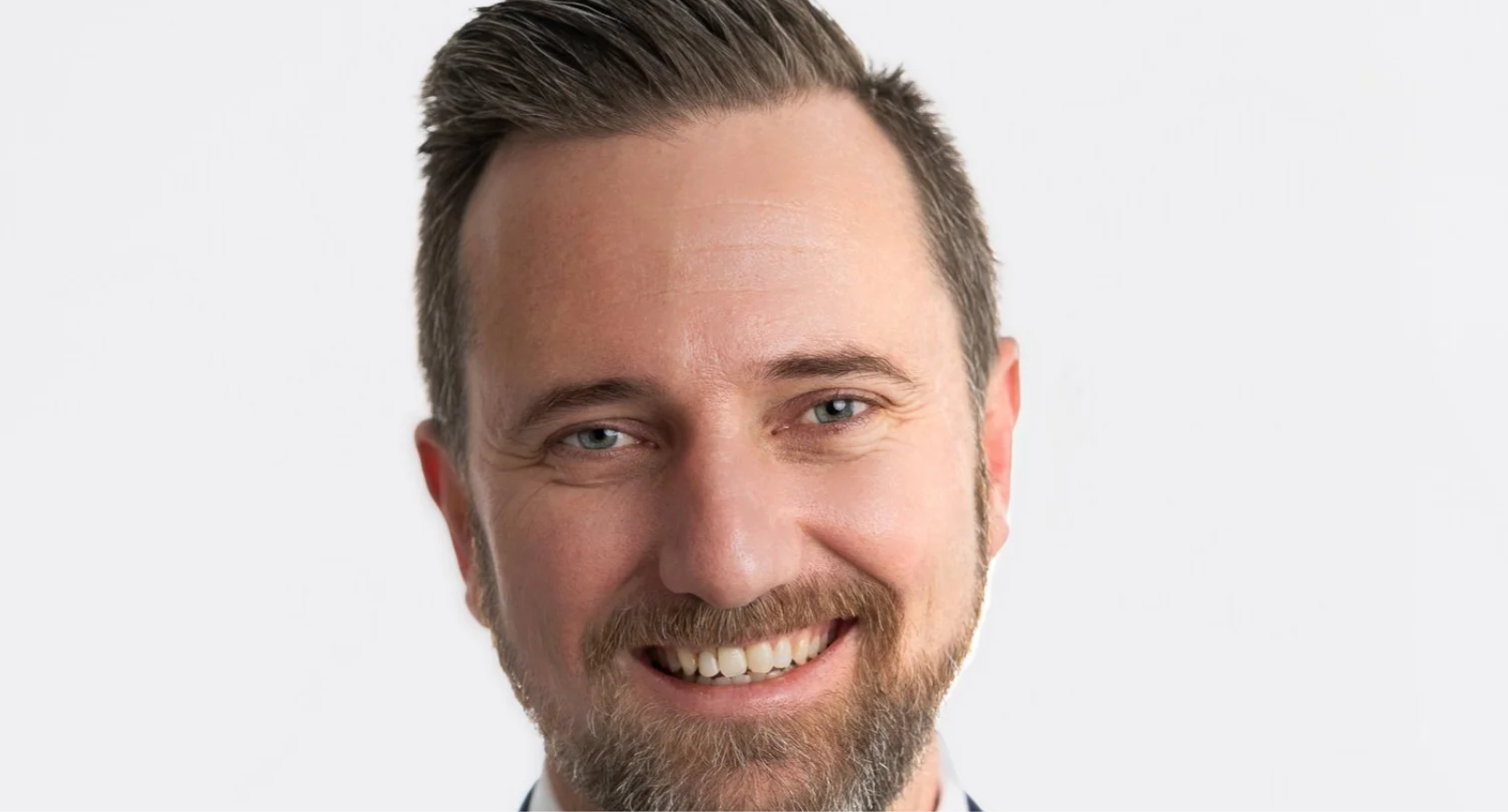
Kai Cantwell
Kai Cantwell, Chief Executive Officer of Responsible Wagering Australia, described the measures as “draconian”.
“This announcement… is a real kick in the guts for the industry,” he said, warning it could set a precedent for further advertising restrictions across other sectors.
Critics say reforms fall short
At the same time, health groups and independent MPs argue the changes do not go far enough.
Independent MP Kate Chaney labelled the reforms “tinkering around the edges”, suggesting they prioritise industry certainty over harm reduction.
Senator David Pocock said the proposal risks shifting advertising to less-regulated channels.
“At first blush, these reforms will lead to more ads on social media, streaming services and podcasts,” he said.
Liberal MP Simon Kennedy also described the announcement as “overdue and underwhelming”.
The Australian Medical Association has called for stronger action, warning that partial measures will continue to expose Australians to gambling harm.
“Anything less than a comprehensive ban will continue to expose Australians – especially children – to relentless gambling promotion,” said vice-president Julian Rait.
Broadcast deals in the firing line
The reforms are also expected to have a Jenga-like effect across Australia’s sports media rights market, with betting advertising a key revenue stream underpinning broadcast deals.
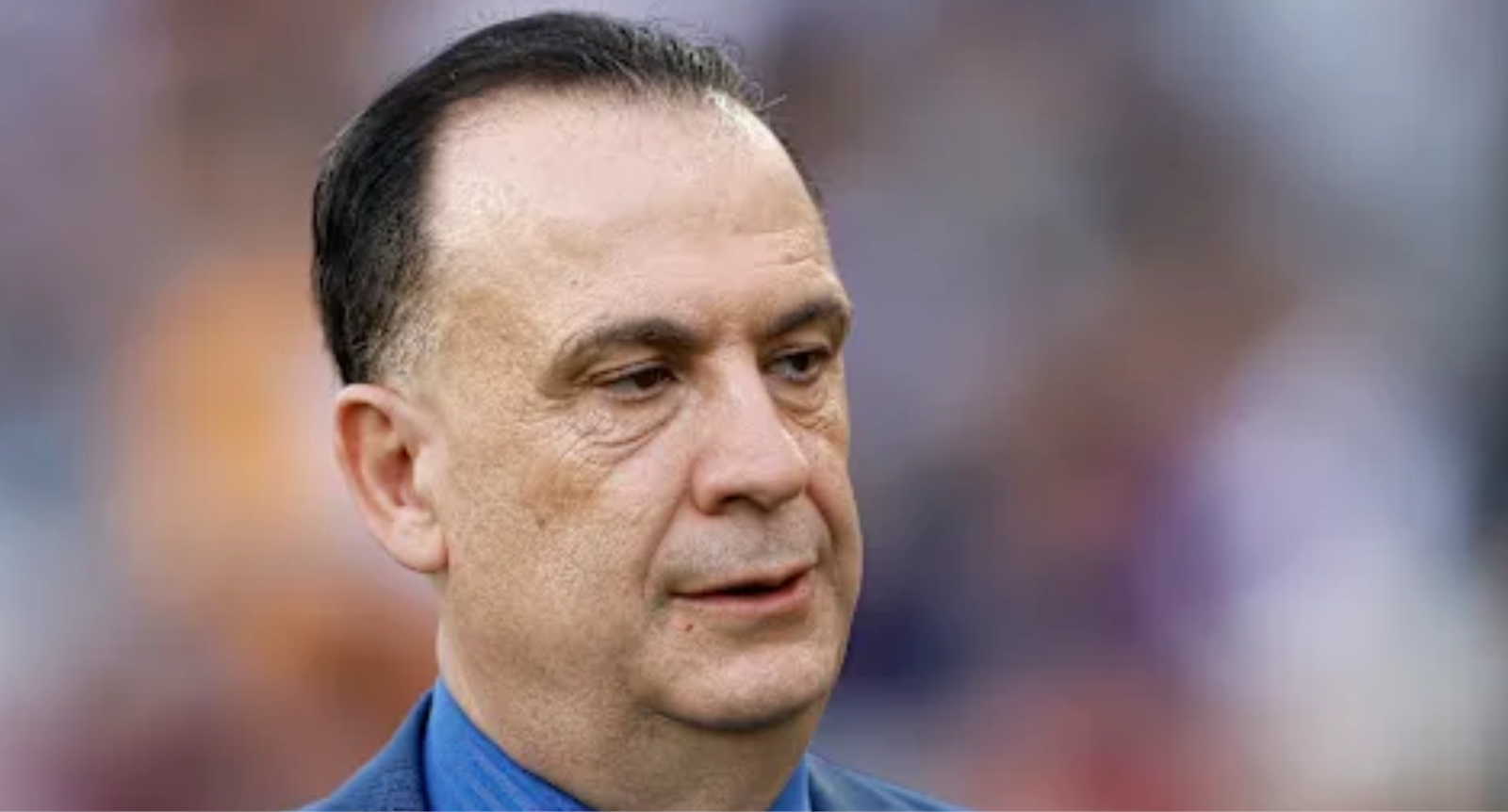
Peter V’landys
The timing is particularly sensitive for the Australian Rugby League Commission, with chairman Peter V’landys pursuing what has been described as the biggest media rights deal in Australian sport.
V’landys is targeting a five-year agreement worth at least $4 billion for the NRL, aiming to surpass the Australian Football League’s $4.5 billion broadcast deal signed in 2022.
However, with negotiations expected to be finalised before July for a deal commencing in 2028, the introduction of gambling ad restrictions could complicate valuations.
Main image: Anthony Albanese
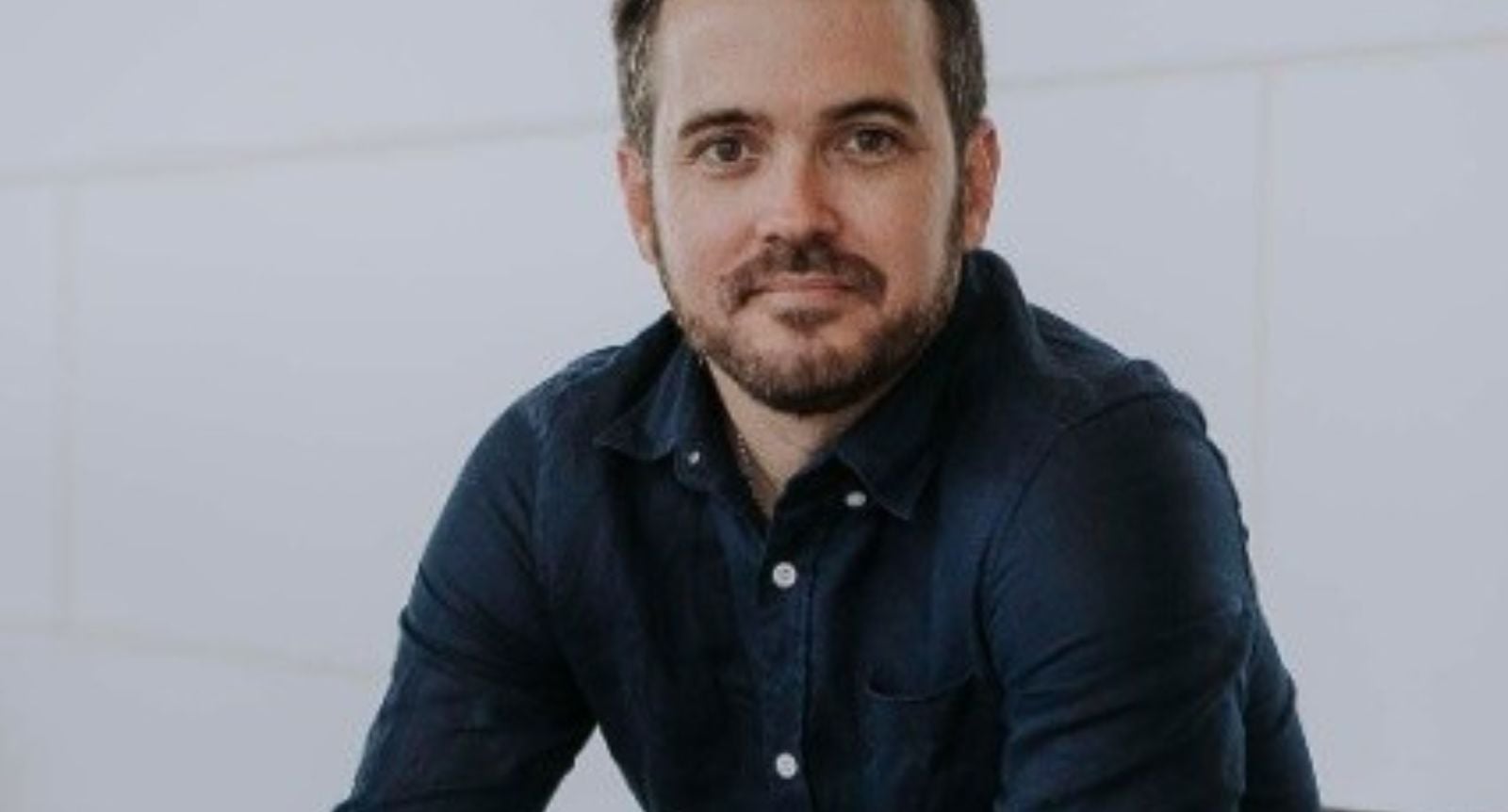
IMAA Spotlight: Ben Henzell on why indie agencies are outpacing the big guys
Mediaweek has teamed up with the IMAA to give its indie leaders a platform to talk about their work, their take on the industry, and what keeps them busy beyond the day job.
For Ben Henzell, owner of BFJ Digital, that day job sits squarely at the intersection of data and decision-making.
His business works with clients across Australia, using audience insights, performance data and strategic planning to shape digital marketing outcomes. It’s a model that’s less about chasing trends and more about understanding what actually moves the needle, then building from there.
Here, Henzell steps out from behind the dashboard to talk about the realities of running an independent agency, how he approaches growth, and what keeps him interested in an industry that rarely stands still.
What sparked your interest in launching your own indie agency?
I was made redundant during the GFC, so I asked that employer to become a
client. In that process, I started with five clients. It wasn’t a grand plan; it was
survival. A difficult process that turned out amazing, the previous employer is a client to this day.
What sets your agency apart from others?
We focus on client revenue, not platform metrics. That’s driven how we’ve built the service model.
AI is forcing agencies to rethink how they charge and deliver work. We focus on technology to ensure we report on revenue for our clients, not typical platform metrics.
Our Martech department enables that through CRM and website development, meaning our service line starts with acquisition and extends all the way to the P&L.
Indie agencies are increasingly seeing success with major pitches.
What differentiates your pitch approach from that of larger agencies?
The big agencies are still structured around hours. That model is under
pressure. Indies can adapt faster – especially with AI changing how work gets done.
I’d suggest the hunger of us Indies is clearly important for clients. We’re
more nimble and can adjust our service lines to match the brief more easily than the big guys can. The lower overheads also mean commercially we’re
more attractive, with quite often better client outcomes.
Who are your latest agency account wins?
It’s been a big year – Endeavour, Ainslie Bullion, Guide Dogs Australia, The Ekka, Healthgine, Myob, Healious, to name a few.
What’s interesting is the mix – not-for-profit, health, fintech – but the underlying problem is usually the same.
What’s a piece of work you’re most proud of?
There are two: the support we offer our NFP clients, like Lutheran Services
Queensland, or taking SmartClinics Medical group from one clinic, to being
acquired by Better Medical (100-ish clinics), who’ve now been acquired by
Medibank.
In each of those acquisitions, most agencies would be at risk; we’ve been able to maintain those clients due to the effectiveness of our work.
As a leader, how do you switch off from work and unwind after a busy
week?
My kids. Family is everything for me. I still work huge hours, on the weekends, etc., but I love it. I’ve set up my home environment so I can multitask with work and the family when required.
That said, switching off has taken a lot of work even before the kids. How? Hobbies. I use hobbies to think about when I want to switch off, when I need to.
What does success look like for you over the next 12 months?
We’ve launched internal AI tools that are already saving significant time
across the team. The goal isn’t to replace people – it’s to elevate them into
more strategic roles.
It’s incredibly exciting what we’ve built. The purpose of tools is to enable our clients access to the latest trends, while ensuring our ‘never finish with AI’ mandate runs true.

See here for past editions of IMAA Spotlight.
Main image: Ben Henzell
Curious Nation adds two hires as activation demand drives trans-Tasman growth
Curious Nation has expanded its trans-Tasman team with two new hires across Australia and New Zealand, following a strong period of growth and new business wins.
The independent agency has appointed Christina Crawford as the senior producer in New Zealand, while Anna Smith has joined the Sydney office as an account manager.
Crawford’s past experiences
Crawford brings more than two decades of experience as a senior event producer and project director, having delivered large-scale brand experiences, conferences, festivals and VIP hospitality events across New Zealand, Europe and Asia.
Her past work includes projects with organisations such as New Zealand Rugby, One NZ, Spark and SKYCITY Entertainment Group, alongside global experiential agencies and luxury brands.
She joins Curious Nation with a reputation for delivering complex projects with precision, combining strategic thinking with hands-on production expertise.
Smith’s past experiences
Smith joins the Sydney team as account manager, supporting the delivery of major client projects across Australia.
She previously worked at UK-based agency EventLive, where she spent two years managing projects from concept through to execution.
CEO and Founder comments
Curious Nation CEO and founder Meredith Cranmer said the appointments reflect the agency’s continued growth across both markets.
“Christina and Anna are fantastic additions to the Curious Nation team and reflect the calibre of talent we’re continuing to attract as the business grows across both sides of the Tasman,” Cranmer said.
“Christina brings an incredible depth of experience delivering complex, high-profile experiences internationally… Anna joins our Sydney team with a passion for bringing ideas to life.”
New business momentum
The hires follow a strong start to the year, with Curious Nation securing new business, including Goodman Fielder’s CSR Sugar portfolio in Australia, an activation project in Japan for ILLVA Saronno, and an immersive showcase event for a major New Zealand media company.
The agency also launched its inaugural Activation Effectiveness Barometer at the end of 2025, surveying more than 80 senior marketing leaders across Australia and New Zealand to explore how brand activations are measured, valued and prioritised.
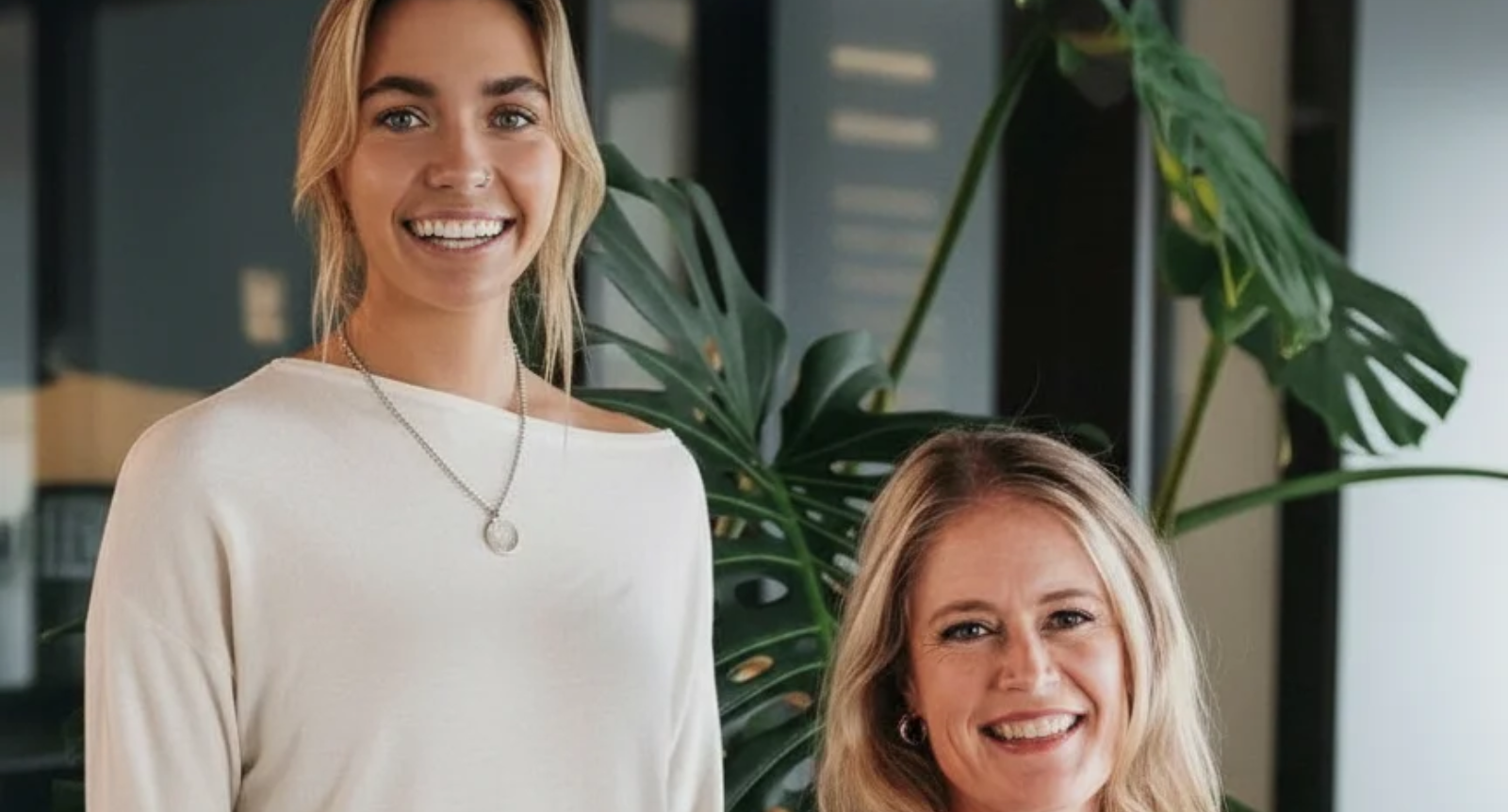
Main image: (L to R) Anna Smith and Christina Crawford.

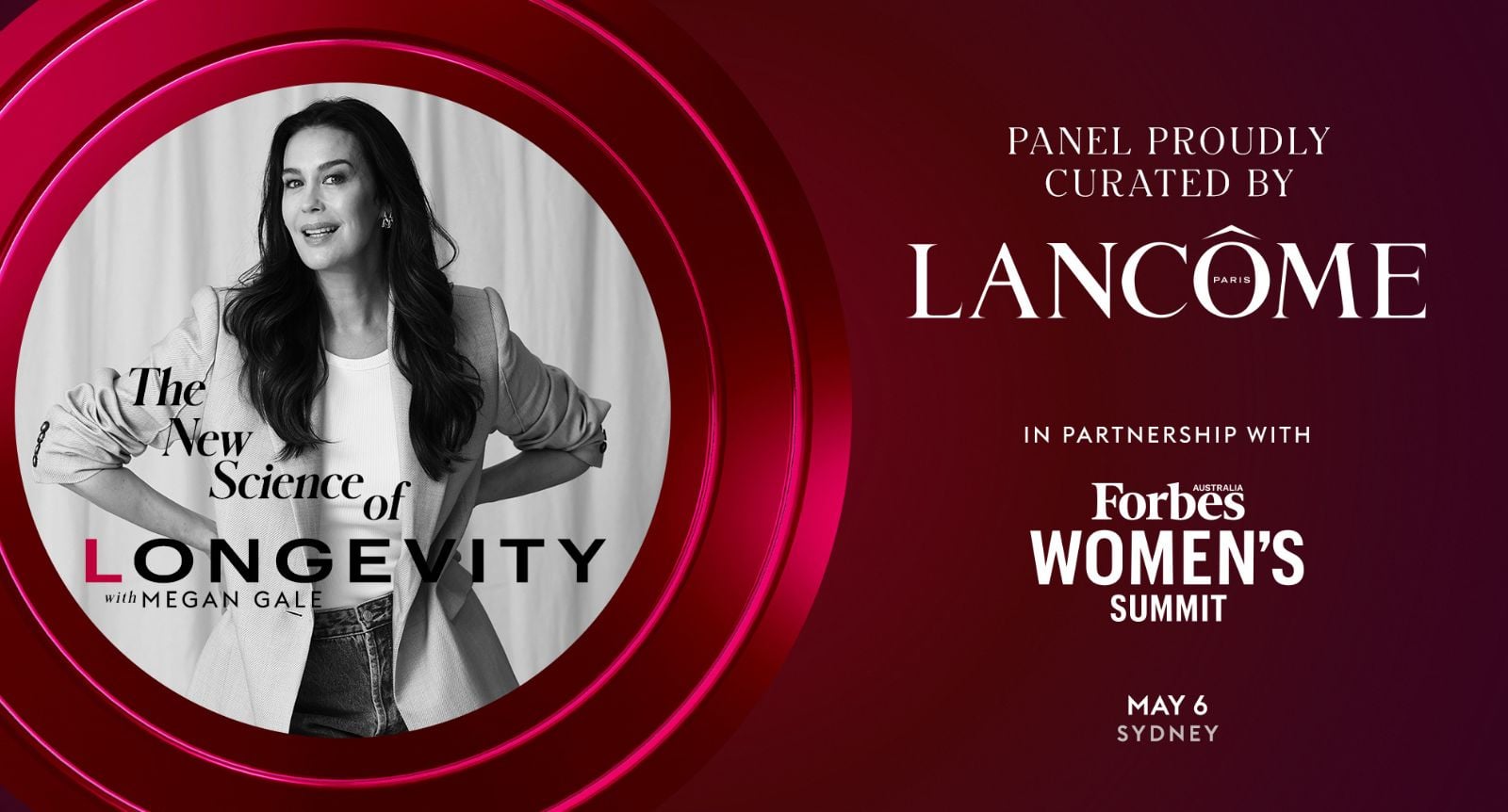
Lancôme taps Megan Gale for Forbes Women’s Summit 2026 partnership
Lancôme has been confirmed as the presenting partner for the 2026 Forbes Australia Women’s Summit, in a six-month partnership spanning print, digital, social and event channels.
The agreement signals continued demand from blue-chip brands to align with premium business and leadership audiences, with Forbes positioning the summit as a key platform for engaging women across executive and founder communities.
The partnership will see Lancôme integrated across Forbes Australia’s magazine, digital formats and a dedicated content vertical focused on women in leadership. The collaboration will also extend to social channels, newsletters and experiential activations tied to the summit.
As part of the agreement, Megan Gale will appear at the Sydney event on 6 May as a speaker and brand representative.
Forbes Australia said its audience has grown to 340,000 print readers per issue, alongside a combined print and digital audience of 450,000 monthly, reflecting increased demand for business and leadership content.
Wellness and leadership themes move into focus
The partnership also aligns with growing interest in wellness and longevity among professional women, a theme expected to underpin the summit’s programming.
Forbes Australia Editor-in-Chief Sarah O’Carroll pointed to research linking stress to cognitive and psychiatric well-being in women, positioning performance, brain health, and sustainability as emerging leadership priorities.
Cognitive neuroscientist Alexis Fernandez will also appear at the summit, bringing insights from her global audience on how stress and daily habits shape decision-making and leadership capacity.
Commercial confidence in premium audiences
Forbes Australia Group Director and Head of Commercial, Media and Advertising, Stephanie Antonis, said the partnership reflects advertisers’ confidence in the publisher’s audience and platform.
“Forbes Australia is building one of the most influential communities of women in the country,” she said.
“Partnering with Lancôme for the 2026 Women’s Summit brings a global beauty icon into a deeply engaged, high-intent environment, and reinforces the confidence blue-chip brands have in our brand as a platform for premium storytelling, brand building and growth.”
Lancôme Brand Director Melanie Craig said the partnership aligns with the brand’s focus on female leadership and longevity science.
“We are incredibly proud to be the official presenting partner of the Forbes Australia Women’s Summit,” she said.
“This partnership is a powerful reflection of Lancôme’s commitment to celebrating female leadership and empowerment on a global stage. We are especially excited to share our pioneering work in Longevity Science, which represents the next frontier of skin health and vitality.
“At its core, our research is about more than beauty. It’s about resilience and ensuring women feel their most vibrant at every stage of life. It is a privilege to support a platform that inspires the trailblazers of today and tomorrow.”
The summit will take place on Wednesday, 6 May at Ilumina in Sydney, with tickets available here.
Main image: Megan Gale
From priming to performance: the omnichannel multiplier
Lorraine Woods, chief investment and operations officer, Atomic 212°.
The current climate for marketers is simple: deliver more with less and prove it works. Performance has become synonymous with immediacy. Clicks. Conversions. Attribution windows.
Measurement has improved dramatically in recent years, but it has also introduced a challenge. When performance is defined purely by what can be measured instantly, we risk undervaluing the channels that actually create the conditions for conversion in the first place.
In today’s environment, marketers are under increasing pressure to justify every dollar of spend. Measurement frameworks have become more sophisticated, but they have also created a bias toward channels that are easiest to track.
The risk is that we unintentionally deprioritise environments that play a critical role earlier in the consumer journey simply because their impact is harder to capture using traditional performance metrics.
The performance theatre trap
In some cases, this has even created a form of “performance theatre” where activity is optimised toward what can be immediately attributed, rather than what genuinely drives business growth over time.
At Atomic 212°, we’ve long believed that performance doesn’t begin at the click, it begins the moment attention is earned.
Our chief strategy officer, Asier Carazo, via Atomic 212°’s proprietary research solution Sonar, has led extensive research exploring which media environments present the strongest levels of ad receptivity for audiences across Australia.
The research proved that digital audio and digital out of home (DOOH) are channels that offer strong ad-receptivity, meaning that low ad avoidance behaviour is present. Both channels reach audiences in the real world, often in moments when people are more receptive and less distracted.
Yet historically they’ve been categorised as “brand channels”, frequently excluded from performance conversations. We think that’s a missed opportunity. And we wanted to test it.
The question: can attention drive performance?
When Origin Energy needed to reach Australians at moments of life transition when decisions around energy providers were actively being made, digital audio and programmatic DOOH were natural choices. These environments reach consumers in real-world moments, when they are moving through their day rather than scrolling through feeds.
Both channels are proven to generate strong attention and long-term memory encoding. However, traditional measurement models often struggle to connect these environments directly to downstream conversion outcomes. Rather than accept that limitation, we wanted to challenge it.
What happens when these channels are activated together, creatively connected, and then programmatically stitched to downstream action?
The priming effect
Using neuro research conducted by Neuro-Insight in collaboration with Spotify and QMS, we measured long-term memory encoding and engagement across both channels. The results were compelling.
When digital audio and programmatic DOOH exposures were sequenced together, they amplified each other’s impact. Exposure across both environments delivered a 17% to 18% uplift in long-term memory encoding compared to single-channel exposure.
As Neuro-Insight CCO Peter Pynta explains: “Priming occurs when media exposures are sequenced to amplify long-term memory encoding. Media combinations don’t always prime each other equally so when we see two highly compatible mediums driving increased effectiveness, it’s significant.”
This is what we call “the priming effect”. Individually, both channels perform strongly. But when activated together they create a multiplier effect on attention and memory, and memory is the foundation of future behaviour.
Turning priming into performance
The next step was connecting that attention to action. Through full-funnel activation using Yahoo DSP, audiences exposed to audio and DOOH were programmatically retargeted with display.
In other words, we intentionally connected high-attention environments with performance media. The omnichannel strategy delivered 5.2x greater conversion efficiency.
This work was developed in close collaboration with the Yahoo team, particularly Hayley Treasure, who partnered with us to design an activation approach that moved beyond standard measurement frameworks and allowed us to properly test the full-funnel impact of these environments.
What this demonstrates is something many marketers instinctively understand, but measurement frameworks have historically struggled to prove: these “brand channels” are often the channels that make performance possible.
Matching investment to incrementality
At Atomic 212°, we thrive on data and measurement, and Origin has been a key partner for us. The market mix modelling results, via Mutinex, reinforced what the neuroscience and activation data had already indicated.
Comparing to the historical data of when DOOH and digital audio ran together versus the recent burst of activity, Origin have seen a lift in 78% in ROI vs the historical benchmarks.
As Atomic 212° general manager of data and technology, Tom Sheppard, explains: “We see these channels are great at driving commercial outcomes, and this is what matters to our clients.”
The alignment between attention research, neuro impact and MMM incrementality is powerful. It reinforces something we are increasingly seeing across clients: brand and performance are not opposing forces, they are sequential.
The media landscape has evolved rapidly. But in many cases, the way we define performance hasn’t kept pace. The collaboration between Atomic 212°, Origin, Spotify, QMS and Yahoo DSP demonstrates what’s possible when media partners work together to push beyond traditional measurement frameworks, particularly at a time when expectations on performance have never been higher.
From priming to performance
Digital audio and DOOH are not just brand builders. When activated together and connected programmatically, they become performance multipliers.
Attention creates memory. Memory drives consideration. Programmatic activation converts it. In a world increasingly obsessed with last-click attribution, perhaps it’s time we give more credit to the channels that make that click possible in the first place.
Because performance doesn’t begin at the click; it begins the moment attention is earned. The industry has spent years optimising the bottom of the funnel. The next wave of effectiveness will come from better connecting attention at the top with action at the bottom.
Feature image: Lorraine Woods, chief investment and operations officer, Atomic 212°.