
Wednesday December 3, 2025
Bruce Lehrmann loses appeal against Network Ten and Lisa Wilkinson
Bruce Lehrmann has not only lost his appeal against his failed defamation case against Network Ten and Lisa Wilkinson, but he’s also been ordered to pay their court costs.
Lehrmann was challenging Justice Michael Lee’s April 2024 ruling, which found he was not defamed by The Project’s 2021 interview with Brittany Higgins, in which she alleged she had been raped in Parliament House.
In a judgment, read out by Justice Michael Wigney, the full court, consisting of Justices Wigney, Craig Colvin and Wendy Abraham, found that it “rejected Mr Lehrmann’s contention that the primary judge erred in finding that Network 10 and Ms Wilkinson had discharged their burden of proving that he had raped Ms Higgins.”
Justice Wigney went out to outline the reasons for the court’s dismissal on each of Lehrmann’s grounds of appeal.
It rejected his argument that the trial had been procedurally unfair. It found no error in the primary judge’s view of how an ordinary viewer of The Project would have understood the allegation.
It also upheld the conclusion that Network Ten and Lisa Wilkinson had successfully discharged their burden of proof in relation to the rape.
Finally, the court rejected his claim that he should have succeeded and been awarded damages far exceeding the $20,000 figure identified by the trial judge.
More to come.
Kristiaan Kroon named CEO of Omnicom Media Australia
Kristiaan Kroon has been appointed as CEO of Omnicom Media Australia.
His appointment was confirmed yesterday by Omnicom Media Group APAC CEO Tony Harradine following months of speculation.
Mediaweek has reached out to Omnicom Media Australia for further comment.
Kroon was promoted to chief operating officer in December last year and spent the last eight years prior as chief investment officer of Omnicom Media Group in Australia.
Changes at Omnicom Oceania
Kristiaan Kroon’s news was notably left of the list of local changes made across Australia and New Zealand, which were unveiled yesterday, that align with the group’s updated global structure following the completion of the IPG acquisition.
In Australia, DDB Australia will merge with Clemenger BBDO Australia, creating a single, unified national agency under the Clemenger BBDO name.
Sheryl Marjoram (Sydney) and Mike Napolitano (Melbourne) have been appointed Co-CEOs of Clemenger BBDO Australia, responsible for leading the national agency and shaping its creative, media, strategic and operational direction.
Lee Leggett, outgoing CEO of Clemenger BBDO, will transition into a new senior Oceania role: Chief Customer Officer, Omnicom Oceania, strengthening the group’s focus on client experience and integration across Australia and New Zealand.
Laura Nice steps into the role of CEO of PHD Australia, while Sian Whitnall is now the sole CEO of OMD Australia.
In New Zealand, DDB Group Aotearoa and FCB Group Aotearoa will merge to form McCann Group NZ, a new unified creative & media agency network.
Priya Patel (CEO, DDB Group Aotearoa) and Paul Wilson (CEO, FCB Group Aotearoa) have been appointed Co-CEOs of McCann Group NZ, bringing together deep leadership, client expertise and market influence.
In Wellington, Clemenger Wellington and FCB Wellington will rebrand as McCann Wellington, operating as part of McCann Group NZ. Local leadership for McCann Wellington will be announced shortly.
As part of Omnicom’s global creative reorganisation, the DDB, FCB and MullenLowe brands will retire globally and be folded, respectively, into TBWA and BBDO.
Meanwhile, Hearts & Science, Initiative, MediaHub, OMD, PHD and UM all remain as distinct client-first agencies.

‘It’s survival, not growth’: Experts unpack the fallout from the Omnicom–IPG merger
As Omnicom folds major agencies under one roof, industry insiders say the consolidation will hit holding-company talent hard but open the door for indies to win new business.
Omnicom Oceania told Mediaweek they cannot comment on how many local jobs will be impacted after confirming more than 4,000 roles globally will go.
In Australia, DDB will merge with Clemenger BBDO, creating a single, unified national agency under the Clemenger BBDO name.
In New Zealand, DDB Group and FCB Group will merge to form McCann Group NZ, a new unified creative & media agency network.
Mediaweek reached out to some of the nation’s top industry experts for their take on what the merger means for both the big and the little guys.
Darren Woolley, CEO of global marketing management consultancy TrinityP3, said job losses are not good news at any time.
“The timing here, just before the holiday season, is difficult for those individuals and their families and loved ones thrown into financial uncertainty,” he said.
“But the truth is this is an inevitable consequence of an industry impacted by technology, particularly AI, and which has never addressed the weakness of the business model embraced with the loss of media commissions.
“Michael Farmer’s Madison Avenue Manslaughter is deepening as the major holding company groups come to terms with the transformation that was required a decade or more ago.”
Melanie Spencer, group CEO at Thompson Spencer, said the retirement of brands like DDB and FCB marks the end of an era.
“These agencies have shaped our creative landscape for decades, and their legacy deserves recognition,” she told Mediaweek.
“But the bigger picture is what we’re seeing globally: the democratisation of every industry. Speed, future-forward thinking, and new creative models are winning, not just scale.
“That’s why we built our agency, Thompson Spencer, the way we did. Clients today want partners who can move fast, take risks, and innovate without the drag of legacy structures. The new world rewards agility and creative thinking over bureaucracy.”
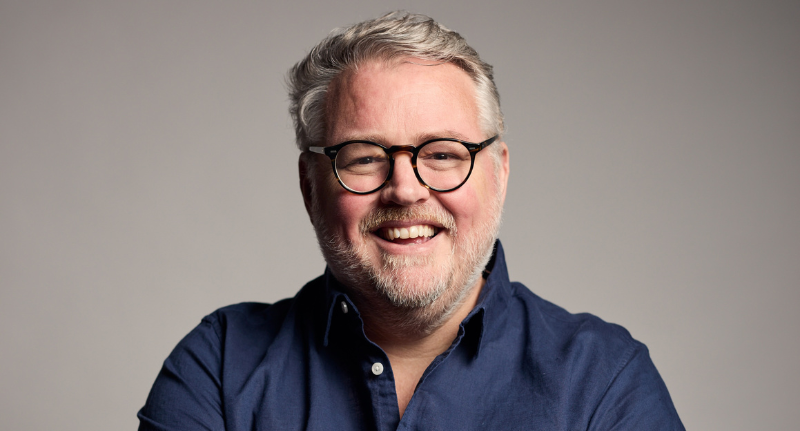
Adrian Mills, CEO of ATime&Place, said it’s big news for the creative business and clients who still believe in the power of creativity.
“Not long ago, the global networks were the pinnacle of creative ambition in Australia,” he said.
“But years of reshuffling across WPP, Omnicom, Publicis and IPG’s creative agencies have made something unmistakably clear: that ambition now thrives outside the holding-company model.
“The overall size of the job losses, relative to natural attrition, may not seem huge, but even a modest reduction in creative roles will be felt in our smaller, already fragile Melbourne market.”
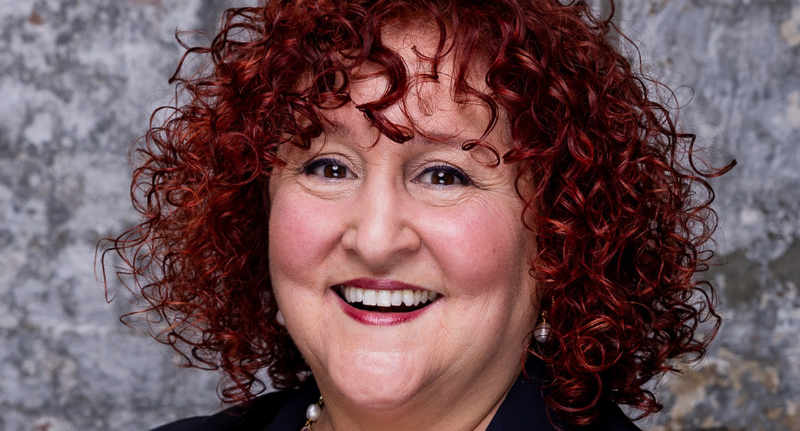
Julia Vargiu, director, Australia, at SI Global, said her heart goes out to the thousands of people who woke up today to the news that their agency no longer exists.
“DDB, FCB, MullenLowe – these are not just names on a masthead. They are creative homes built over the course of decades. Retiring them is not reinvention. It is restructuring. A $9 billion deal with $750 million in projected cost synergies tells you everything you need to know. This is about survival, not growth,” she said.
“At SI Global, we see this as a clear inflection point. Holding groups are consolidating because their margins demand it. Meanwhile, global buyers are shifting toward digital-first, AI-literate and founder-led specialist firms – not because they are big, but because they are focused. The market is polarising. You are either consolidating, or you are becoming more valuable.”
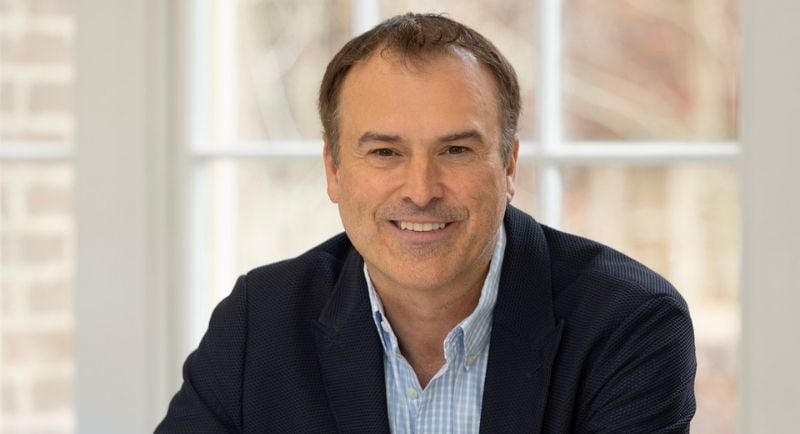
James Wright, group CEO at HAVAS, said we are now firmly in a fast-forward mode in an age of consolidation.
“Time will tell whether it will work out, but you have to hope so; they have had a long time to organise themselves with their smartest people working on it and thinking about how to do it,” he said.
“With the sunsetting of some very famous brands, it does feel like we have lost a lot of the personality and originality that our industry needs more than ever to stay relevant.
“Yes, things have changed and continue to at pace, be this how we create and deliver work, or what clients want to pay for. But I ask, do clients and the industry want a giant super group or do they want a partner that can move fast and make them feel important?”
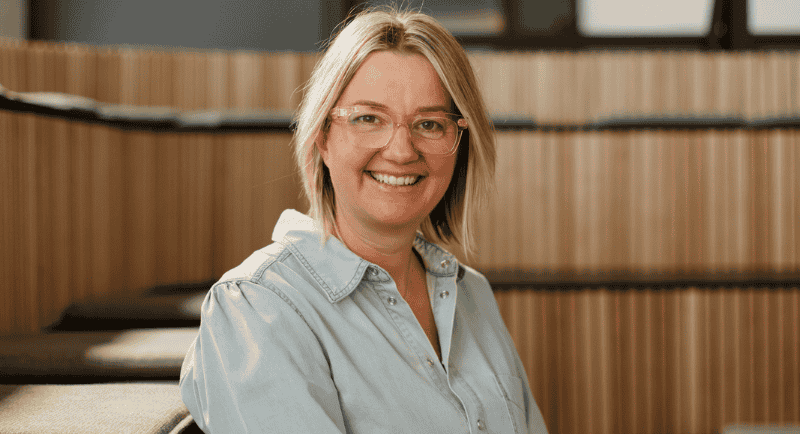
Jen Sharpe, founder of Think HQ, said there are always changes after acquisitions, but the scale and speed here is “remarkable.”
“Consolidation for consolidation’s sake is not good for the diversity and creativity of our agency ecosystem in Australia, and it’s hard to see an upside from this perspective right now,” she said.
“Diversity doesn’t seem to be a watchword more broadly, with just one woman (that I can see!) in the newly configured Omnicom senior leadership globally. You’d hope this won’t trickle down to the leadership here.
“There will be some tricky questions more broadly around procurement and how exactly the remaining agencies across disciplines will operate, while the thorny issue of how agencies that no longer exist can deliver will need to be thrashed out.”
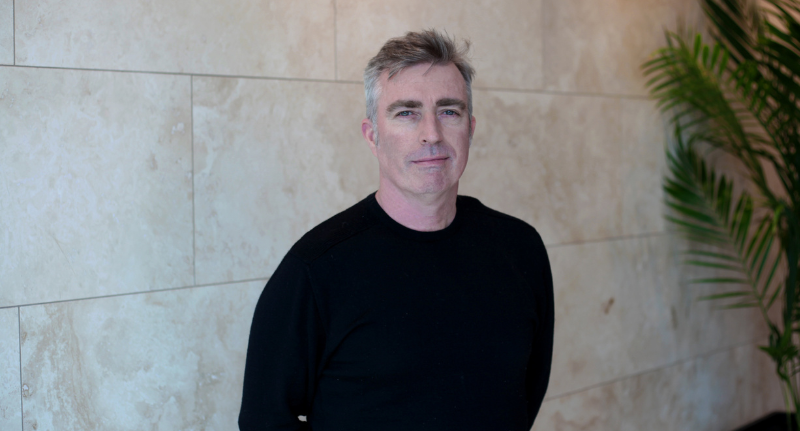
Simon Teagle, CEO of IMANZ, said the real risk of the merger lies with clients, who have not asked for the change and may now consider taking their business elsewhere.
“They appointed the agency for a set of reasons, and if their criteria are no longer being met, they need to do what’s right for their business and rehome with an agency that does,” he said.
“Clients should be super critical of the changes agency management wishes to bestow on them. If they don’t perceive they will achieve better outcomes, clear differentiation from competitor brands that have joined their agency or be paired with talent they can build strong relationships with, then that should be the catalyst for review.
“This merger brings uncertainty and stress for agency staff. But it brings massive opportunities for NZ advertisers to explore the many benefits that indie media agencies can offer their business.”
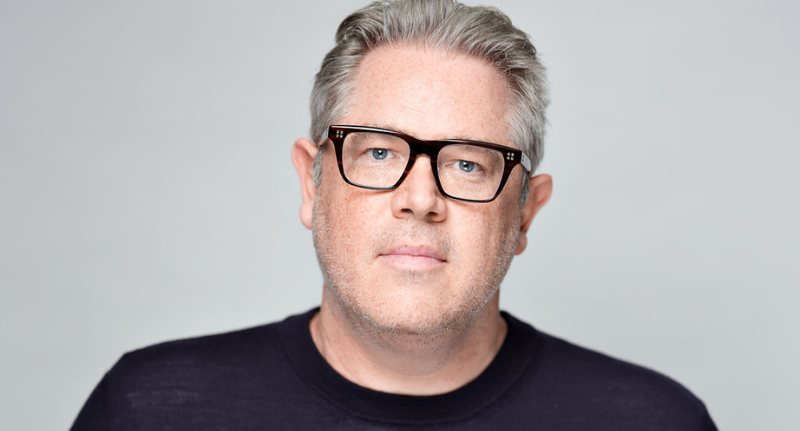
Alex Radford, co-founder of D3, said the Omnicom-IPG merger is proof that the global holding company model has shifted from creative to financial engineering.
“For clients, it signals something more critical: a massive distraction that will inevitably dilute creative quality and speed,” he said.
“You cannot cut that deep or merge cultures that are that distinct without severing the relationships and local nuance that actually drive results.
“For New Zealand, this merger widens the gap between global processes and local reality. It creates a ‘vanilla-isation’ of the market – less choice, less competition, and generic templates replacing bespoke thinking.”
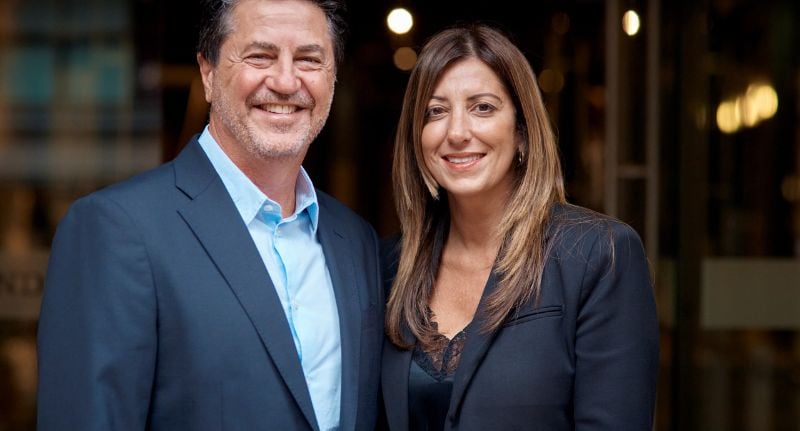
303 MullenLowe becomes ‘303’ again in ANZ reset
As Omnicom’s A$13.5 billion takeover of Interpublic Group sends shockwaves across holding-company networks – including the retirement of global MullenLowe – one ANZ agency is using the disruption to chart its own course.
303 MullenLowe has announced it will revert to its original name, 303, stepping out from under the multinational banner nearly a decade after adopting the global MullenLowe identity.
The move comes as Omnicom Oceania confirms it “cannot provide any commentary” on how many local jobs will be affected by the group’s plan to cut 4,000 roles worldwide.
But while the networks consolidate, 303 is choosing a different path: local control, local leadership and a return to the brand that first put it on the map.
Formed in Perth in 1991 and later expanded into Sydney, 303 only adopted the MullenLowe name in 2016.
Now, with offices across Perth, Sydney and Auckland, the agency says the rebadge marks a return to the spirit that built the business.
Attivo Executive Chairman ANZ, Anthony Gregorio, said the timing reflects an opportunity to steer the agency’s future from home soil.
“The team is embracing the opportunity to take the wheel of the agency’s future direction at a local level,” he said.
“With so much change at a multi-national level, it’s a great opportunity to take a capability-rich offering to market under a single brand, providing an end-to-end solution to clients with strategic orchestration at the core.”
Attivo Group CEO ANZ, Sue Squillace, said the 303 MullenLowe era leaves behind a strong creative foundation.
“The 303 MullenLowe brand has been synonymous with creative effectiveness and behavioural change. It has built a strong local position, based on its ability to help the ambitious brands of Australia, particularly those with a conviction to stand for something and effect real change,” she said. “It’s an exciting future ahead.”

Why 303 is betting on integration – not fragmentation
Beyond the name change, 303 says the core model remains intact: a fully integrated offering spanning media, creative, strategy, digital, PR and retail activation.
That multidisciplinary framing has long been the agency’s competitive edge, and it’s sticking to it.
303 argues its “unfair advantage” comes from solving commercial and communication challenges simultaneously – a strategy that has delivered outsized results for clients despite the agency’s size and share of voice.
The proof is in the recent wins. In 2025 alone, 303 secured:
• SafeWork NSW
• NSW Environment Protection Authority
• Netball WA
• Levande Retirement Living
• The Push-Up Challenge
• WA Museum
Its growing remit with Sanitarium and Bayer across Australia and New Zealand highlights the agency’s expanding trans-Tasman footprint.
The shop also continues to deliver large-scale creative and behaviour-change campaigns for brands including Budget Direct, Levande Retirement Living, OMO, Weet-Bix, St John WA, Lotterywest and SafeWork NSW.
Meanwhile, the holding-company earthquake continues
The timing of 303’s return to independence aligns with Omnicom’s global restructure. Following the IPG merger, Omnicom confirmed more than 4,000 jobs will be cut worldwide as it pursues A$1.1 billion in synergies.
Nick Garrett, CEO Omnicom Oceania, framed the shake-up as transformative: “This is a defining moment for our region. By bringing together the depth, ambition and talent of our people, while simplifying the architecture, we are creating modern, future-fit agencies and capabilities that will deliver world-class creativity and media, smarter data and technology integration, and new levels of effectiveness for brands in Australia and New Zealand.”
But for 303, the moment demanded a different kind of transformation – one that centres on autonomy rather than consolidation.
The new 303 remains majority-owned by Attivo Group, whose portfolio includes Mediahub, Tonic Communications, Farrimond, DNY, Hill Holliday and The Next Practice.
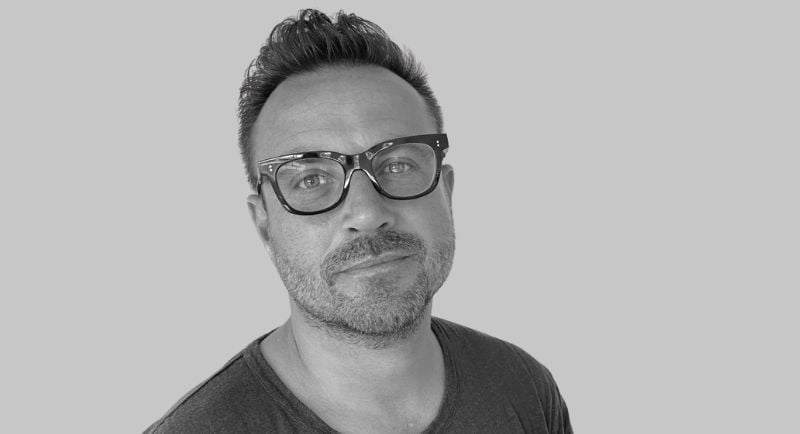
Nick Garrett
Clear stakes in a shifting landscape
As holding companies merge, compress, and re-architect, 303’s moves signal a distinctly ANZ response: leaner, locally led, and rooted in the creative effectiveness that built the brand decades ago.
In a year defined by global consolidation, 303 is betting that independence – not integration into a multinational – will be its unfair advantage.
Paramount Skydance bid for Warner Bros. Discovery faces off against Netflix and Comcast
The second round of bids for Warner Bros. Discovery (WBD) was submitted on 1 December, with Paramount, Skydance, Netflix, and Comcast still in the race for all or part of the company.
Paramount Skydance is looking to buy all of WBD, while Netflix and Comcast want to buy Warner Bros. studios and streaming business – not WBD’s linear TV assets.
According to Variety, Paramount Skydance is backed mainly by Oracle co-founder and billionaire Larry Ellison, and includes financing from RedBird Capital and Apollo Global Management.
The publication noted that Paramount Skydance’s offer also includes funding from Saudi Arabia’s Public Investment Fund (PIF), the Qatar Investment Authority (QIA) and the Abu Dhabi Investment Authority (ADIA).
Variety reported that the level of involvement of the three Arab wealth funds in Paramount’s latest offer does not meet the threshold for approval by the Committee on Foreign Investment in the United States, the US government’s interagency body that reviews foreign investments in US businesses for potential national security risks.
Meanwhile, reports from Bloomberg and the Wall Street Journal noted that Netflix’s higher second-round bid for Warner Bros., HBO Max, and the WB studios operations was mainly cash.
Netflix has told WBD that if its bid is successful, the streamer would honour Warner Bros.’s deals to distribute films in theatres – despite Netflix’s historical opposition to theatrical releases – and to continue producing TV and movies for non-Netflix partners.
Variety previously reported that if Netflix’s bid were successful, it would honour deals to distribute films to theatres and to produce TV and movies for non-Netflix partners.
Comcast has also joined the mix with a new bid for Warner Bros., the publication confirmed.
Looking ahead to the following steps, Variety said the WBD board committee examining the offers will decide whether to proceed with one of the bidders, enter into exclusive negotiations with the bidder, or solicit additional proposals. WBD is aiming to complete this process by the end of 2025.
Last month, WBD rejected an acquisition offer from Paramount Skydance just days after it was made.
According to Deadline, at the time, multiple sources familiar with the ongoing negotiations said the latest bid came in at $24 a share, which was more than the $20 offer made just over a week ago.
The rejection of Paramount’s second bid, initially reported by the New York Post, followed the company’s first confirmation that it is for sale. The company said it has initiated a strategic review process in light of “unsolicited interest” from “multiple parties”.
In a press release, WBD said it had initiated “a review of strategic alternatives to maximise shareholder value.”
“We continue to make important strides to position our business to succeed in today’s evolving media landscape by advancing our strategic initiatives, returning our studios to industry leadership, and scaling HBO Max globally,” said chief executive David Zaslav.
The company said it will continue pursuing the planned split of its cable networks from its streaming and studio businesses, even as it explores potential sale or merger options.
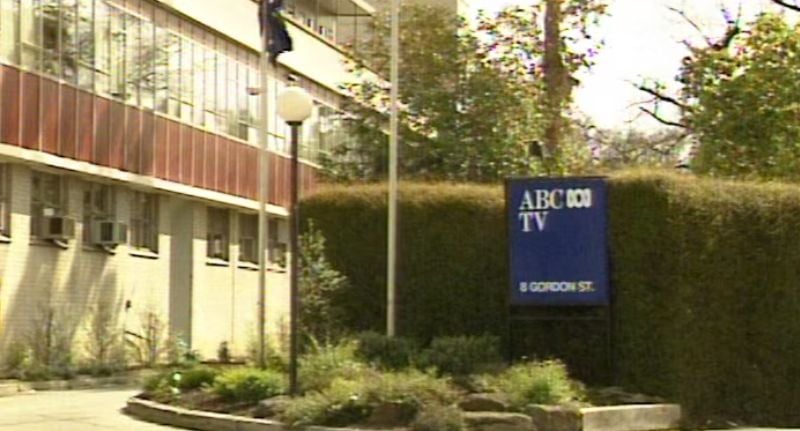
ABC confirms three asbestos-related staff deaths as 13 studios remain contaminated
The ABC has confirmed the deaths of three former employees linked to historical asbestos exposure at its old Melbourne sites, triggering a new wave of scrutiny over how the broadcaster is handling contamination that still exists across 13 active studios.
The issue resurfaced during Senate estimates, where executives detailed the scale of the problem – from legacy exposure dating back to the 1950s, to a current register listing studios from Darwin to Geelong that remain contaminated but “professionally managed” to avoid staff exposure.
Managing director Hugh Marks described the situation as “horrific” and said the ABC was “deeply concerned” for those affected.
“We’re deeply, obviously, concerned for any of our staff who’ve suffered loss or even the worry of potential loss that must sit at the back of your mind, having worked in some of these facilities over time,” he said.
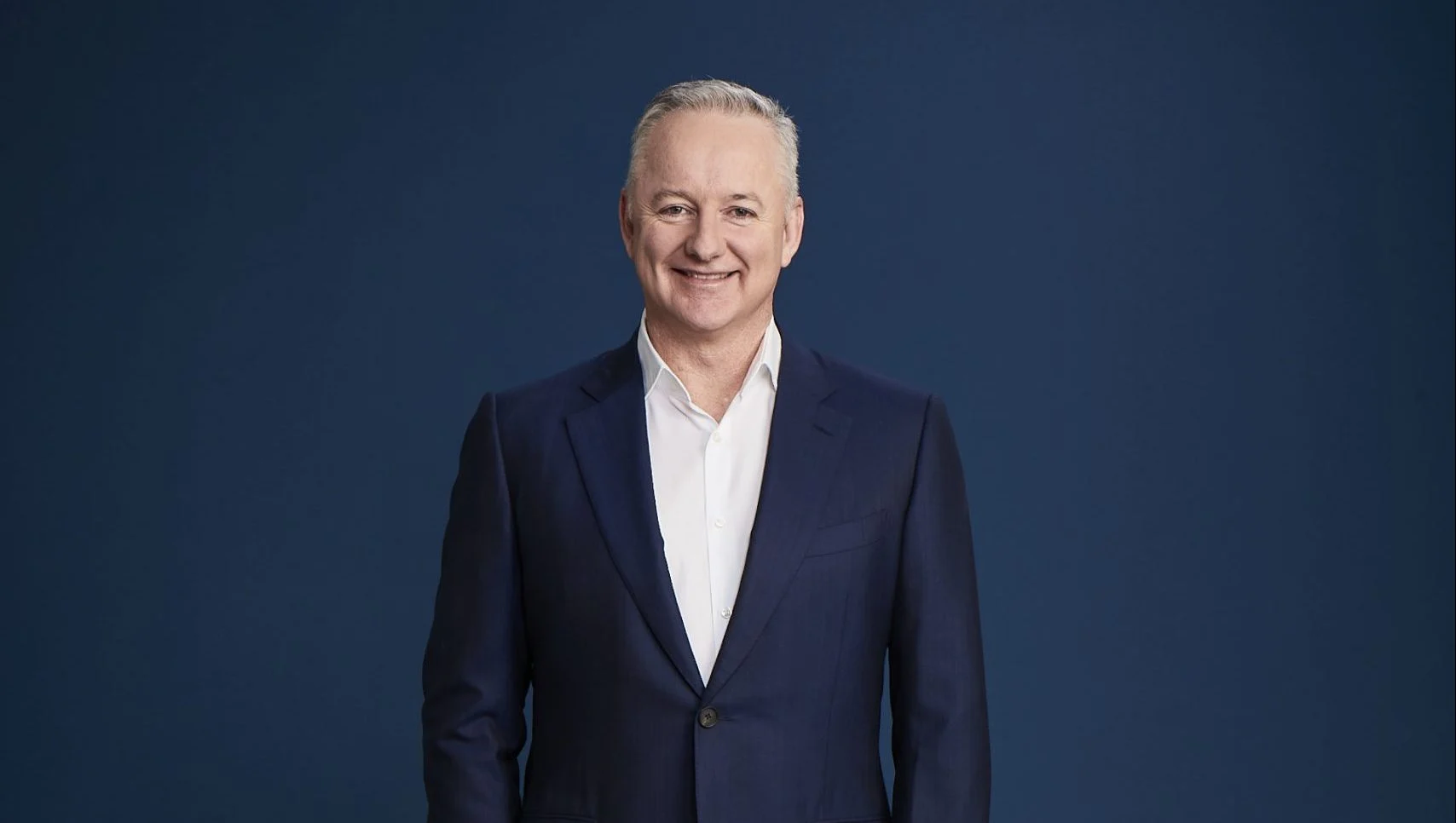
Hugh Marks
Decades of exposure, incomplete records, growing anxiety
The deaths relate to past exposure at the ABC’s former Elsternwick studios and Broadcast House, where asbestos was present from the 1950s through the mid-1980s.
Chief financial officer Melanie Kleyn said the broadcaster could not “actually confirm” whether the deaths were due to time spent on site, but said they were “related to exposure” and that the ABC had contacted the families.
Kleyn acknowledged earlier answers provided to Senator Sarah Henderson had been inaccurate, with the ABC initially advising two deaths before correcting the number to three.
“We cannot, of course, actually confirm it was due to being at those sites,” she said, while confirming the broadcaster was aware of three staff who had died “in relation to exposure to asbestos”.
The ABC admitted it does not have a full list of everyone who may have been exposed. More than 645 staff self-identified in 1984, with later additions from Elsternwick, Ripponlea and other Victorian sites.
A “voluntary exposure list” remains open, with affected staff encouraged to seek medical screening and reimbursement.
Marks said the ABC had sought to be “proactive” in contacting former employees. “We completely understand how this situation can create anxiety,” he said.
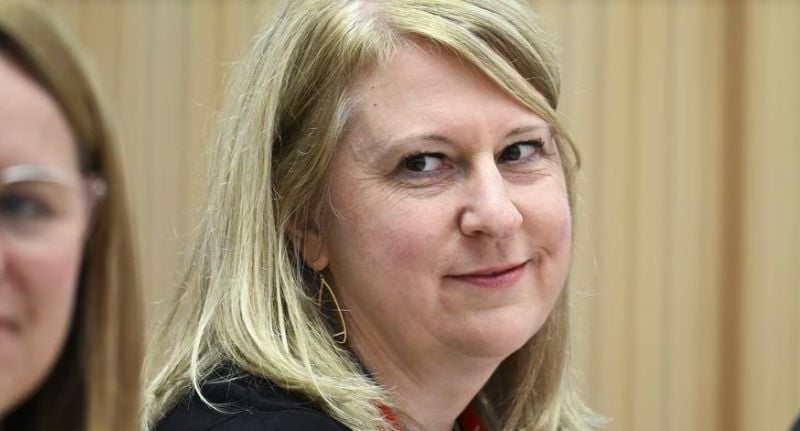
Chief Financial Officer Melanie Kleyn
Contamination remains across 13 ABC studios
The ABC confirmed that 13 current sites still contain asbestos, including: Darwin, Launceston, Hobart, Kununurra, Collinswood, Rockhampton, Mount Isa, Longreach, Geelong, Warrnambool, Dickson, Tamworth and Toowoomba.
Many sites had not been reviewed for years – Geelong’s last review was in March 2018; Kununurra’s in 2021; Tamworth’s in 2022.
Some had no future review date listed. In one instance, the Darwin register noted asbestos “in an internal brace in a Telecom in-ground cement fibre pit underneath a ramp”.
The broadcaster said its asbestos register was continuously updated and that contaminated materials were monitored, managed and removed when renovations allowed. “Asbestos awareness training is provided to all workers and contractors,” it told the Senate.
But the release of the register – including documentation from 1978 describing parts of studios as being in “poor” condition – has intensified concern.
Political pressure rises over disclosure and accountability
Opposition communications spokesperson Melissa McIntosh said it was “very alarming” that the ABC had not disclosed asbestos locations earlier in the year.
“The uncovering of this register would naturally be a worry to thousands of current and former ABC staff, and the ABC must prioritise them,” she said.
She also criticised the government for failing to ensure the broadcaster provided complete transparency. “I would like to receive a thorough explanation from the ABC as to what they are doing to address this issue, and expect the Communications Minister and the Albanese Labor Government to step up and ensure everything is being done for the potentially impacted ABC staff.”
The ACTU has also renewed calls for legal reform requiring employers to remove asbestos entirely from workplaces, warning more than six million tonnes remain in buildings across Australia.
The stakes: safety, trust and a long road to remediation
The ABC stressed that all contaminated sites are managed in line with legislative requirements and reviewed as part of an “ongoing work program” aimed at eliminating asbestos from every premises. “That program is constantly being assessed and reviewed,” Marks said.
“We’ll continue that exercise until we can get rid of asbestos from every premises, but it takes time, as we all know.”
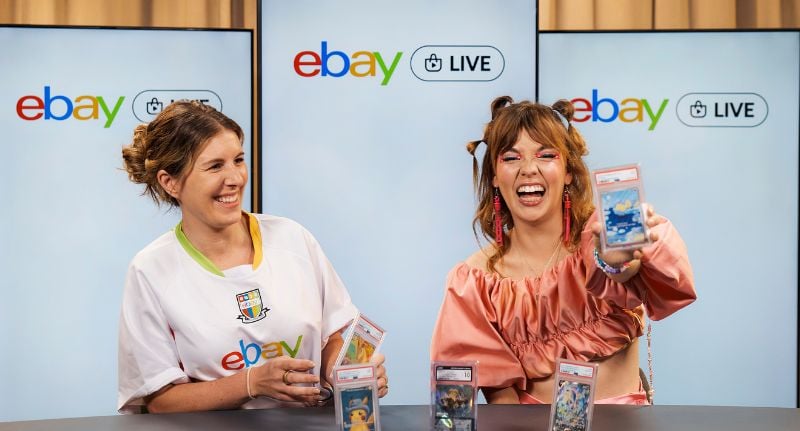
eBay Live launches in Australia as FOMO shopping fuels livestream commerce boom
In a country where half of shoppers admit FOMO drives their spending, eBay has decided to turn that twitchy, limited-edition impulse into a fully fledged format.
The marketplace has officially launched eBay Live in Australia, blending livestream entertainment with real-time bidding, timed drops and one-cent stunts designed to hook buyers before the moment disappears.
New eBay research shows almost half of Australians surveyed (48%) feel pressure to buy rare or limited-edition items before they sell out, and one in two (50%) say they’ve missed out entirely.
With 40% already keen to shop via live streams, the path was paved.
For sellers, eBay Live is built to turn that behaviour into revenue – close-ups, instant purchasing, timed auctions, “popcorn bidding” that extends timers at the last second and a live chat window buzzing with competition.
The launch began with a national moment on 2 December: AFL legend Buddy Franklin auctioning rare cards and dropping one-cent giveaways to demonstrate exactly how sellers can blend product storytelling, banter and bidding wars to fire up demand.
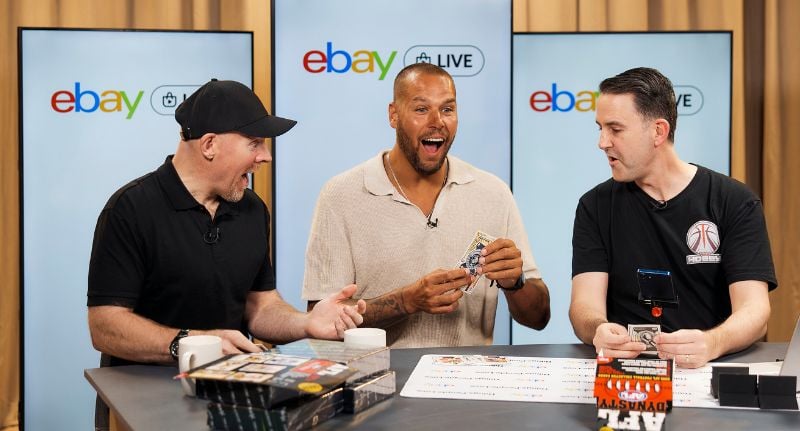
Buddy Franklin
Sellers already leaning in
With the global trading card market forecast to grow from A$12 billion in 2025 to A$18 billion by 2030, the timing is deliberate.
Laine Pearce, director at The Hobby Australia, said the format has already shifted how they sell.
“We were one of the first to use eBay Live in Australia and quickly saw its potential,” she said. “Sales of trading cards and collectables are skyrocketing at the moment, and this new platform allows us to capitalise on a new way to offer them to eBay’s millions of customers – that’s more interactive than ever.
“Buyers can see products from every angle, ask questions as we present them, and bid or buy on the spot. It’s fast-paced, personal, and helps build trust between buyers and sellers,” Pearce said.
Expanding the ecosystem
In overseas markets, eBay Live has already become a tool for limited-time events blending entertainment and instant commerce.
Now, with Australia’s collectables and trading card communities thriving, eBay Live gives sellers direct access to huge buyer pools – all within eBay’s existing checkout, seller protections and Money Back Guarantee.
Momentum continues this weekend: on Saturday, 6 December at 1pm AEDT, Heartbreak High actress and Pokémon collector Chloe Hayden will host a livestream auction offering Pokémon cards valued at around A$1,000 for just one cent – a showcase of how far sellers can push creativity to generate buzz and attract new fans.
“Passions and hobbies sit at the heart of eBay’s Australian community,” said Alaister Low, Country Manager, eBay Live Australia.
“eBay Live is the next chapter in eBay’s innovation in Australia, bringing that energy into an interactive, real-time shopping experience. For sellers, it opens new ways to reach collectors, showcase inventory, and convert demand into sales through live chat, timed listings and auctions, all within eBay’s trusted environment.
“We’re launching with trading cards and collectable toys and will expand into additional categories next year to connect even more Australians with the things they love,” Low said.
With FOMO now a measurable economic driver – and audiences hungry for real-time access to rare drops – eBay’s move into livestream commerce signals a shift in how Australian retail engages enthusiasts.
Main image: Chloe Hayden
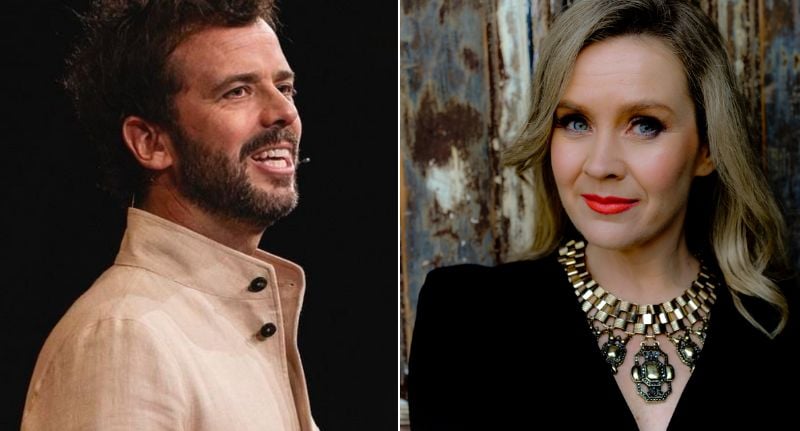
Inside Fix The News: how a tiny newsletter built a global audience hungry for progress
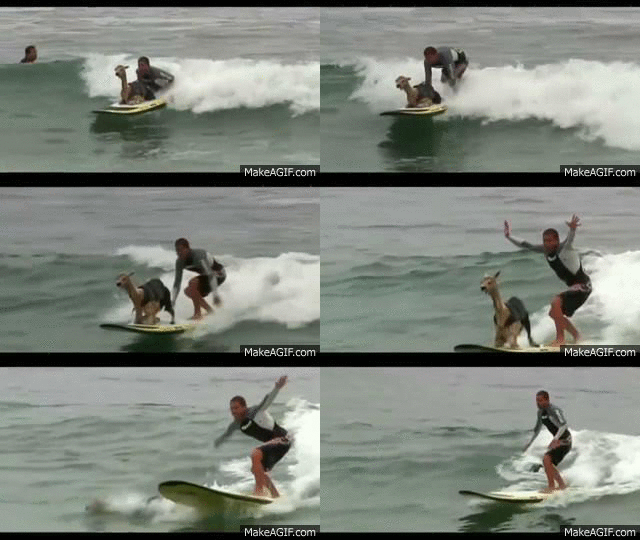
Most people love to ask journalists why they don’t cover any good news. Usually, that’s because past metrics have shown people don’t actually want it. Sure, a quirky story about a surfing llama or a dog running for mayor might spark a few smiles, but imagine trying to build an entire publication out of those yarns.
That’s the challenge Amy Rose and Angus Hervey took on when they launched their Fix The News newsletter.
A newsroom built around progress, not panic
At a time when legacy newsrooms continue to shrink, feeds run on autopilot and public trust scrapes the floor, Fix The News has carved out an unexpected lane. The independent, subscriber-supported publication now reaches readers in 195 countries with a simple promise: uncover stories of human progress that rarely make the nightly bulletin.
Rose said that the idea of good news had long been misunderstood.
“I think the disconnect that quite often happens is that good news traditionally has been dogs on surfboards. And that little piece that comes at the end of a really hefty news bulletin to make everybody feel better. We’re not that.”
For her, the distinction mattered.
Fix The News wasn’t about sugar-coating the world. It was about widening the lens. “It completely starts to change how you see the world. And it isn’t about Pollyanna optimism. It is just about a wider view. So we are not saying that the world is not in a very tricky place right now. It is. There are some things to be genuinely concerned and even a bit scared about. However, at the same time, you know, there’s always the story of collapses happening and the story of renewal is happening.”
Their weekly newsletter reflects that philosophy: stories of poverty reduction, disease elimination, environmental wins, and breakthroughs in human rights and education – slow, unglamorous efforts that rarely trend, but often transform communities.
“We’ve got around 70,000 subscribers around the world,” Rose said. “And we tell hidden stories of progress, is what we do. So basically, all the really good things that are happening in the world right now that are driving progress forward that you will probably never see in a mainstream headline, that is what we cover.”
Amy Rose’s own media shift
Rose’s path to Fix The News began in the world she’s now gently rebalancing.
“I came through legacy media. I was a TV producer. I went through Channel Nine, then ITV. So all of that was my background, very much in legacy media,” she said.
It was only after she had her son that she decided she “wanted a change”.
“I actually didn’t want to produce anymore because I didn’t want to do the hours with kids. And so I decided I wanted to write.”
Her business partner, Hervey, arrived at the project from a different concern.
“He was a news junkie. He was really struggling with where the world was heading,” Rose said.
He’d completed a PhD in deforestation, read Steven Pinker’s Angels of Our Better Nature, and became fascinated by the gap between the world we fear and the world that is actually improving.
“So we’d round up some stories each week, started with 50 family and friends, and now we’re at 70,000 subscribers and counting across the globe.”
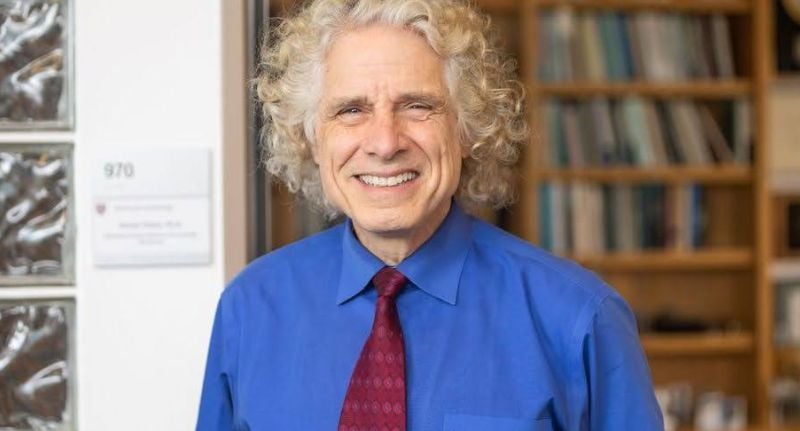
Steven Pinker
Stories that say something bigger
Some of Fix The News’ most-read stories underline the scale of underreported progress. Among them:
• 95 million children lifted out of extreme poverty this century
• Elk returning to the Sierra Nevada after land was handed back to the Tule River Indian Tribe
• Global stress and worry falling back to pre-pandemic levels, according to Gallup
For Rose, each story meets a high editorial bar.
“We only tell the good news stories. However, in all that positivity, though, there’s a lot of rigour around what constitutes a story for us. So, for our newsletter, it’s mainly curation. So we go through everything from World Health Organisation reports, like GAVI reports, big environmental reports, to stories that are covered in other parts of the media.”
The model has unexpected impacts. “We’ve actually got therapists in America now that have, are subscribing us as part of people’s mental health care plan,” Rose said.
Fix The News runs a free weekly edition featuring its top 10 stories, and a paid version in which about a third of revenue is donated to under-the-radar charities advancing progress.
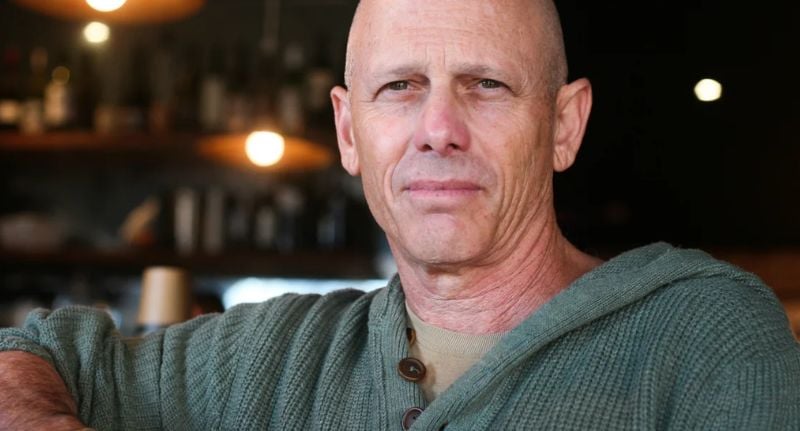
David Leser
A live moment for long-form storytelling
This ethos shapes the event they’re hosting in Sydney tonight: a live recording of Fix The News, alongside a community meetup. The guest is David Leser – one of Australia’s most acclaimed long-form journalists, whose 46-year career has spanned reporting from the Middle East and Washington, contributions to Good Weekend, The Bulletin, Australian Women’s Weekly and The Sydney Morning Herald, two Walkleys and a celebrated documentary on Paul Kelly.
It’s both a conversation and a gathering – an attempt to bring people together at a time when most news consumption happens alone, on the scroll.
“We just want people to find value in journalism again, and for the wider audience to value what true journalism is, and why we need it in some ways more than ever,” Rose said.
The stakes: a different kind of journalism
Fix The News isn’t trying to replace traditional journalism – and Rose is clear about that. “We do not set ourselves up as your comprehensive news source for the world. We’re not.” The point is perspective: a counterweight to an ecosystem optimised for outrage and fear.
And the audience seems hungry for it. A global subscriber base, a podcast, therapists prescribing the newsletter, and an event gathering people offline suggest a shift in how audiences want to feel after consuming journalism.
As Rose put it, “It’s the slow, unglamorous effort over lots of years that will rarely make headlines, but almost always changes the world.”
Tickets for Fix The News Live: The Future of Journalism are available here.
Main image: Angus Hervey and Amy Rose
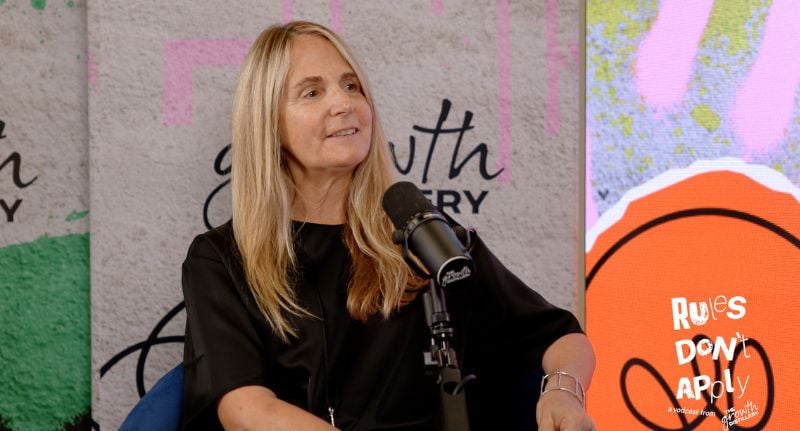
‘The relationship is the metric’: Jean Oelwang on love, partnership and fixing a divided world
For Jean Oelwang, founding CEO and president of Virgin Unite, the real future-of-work question is not about AI, hybrid policies or productivity hacks. It is whether we can relearn how to work – and live – together before it is too late.
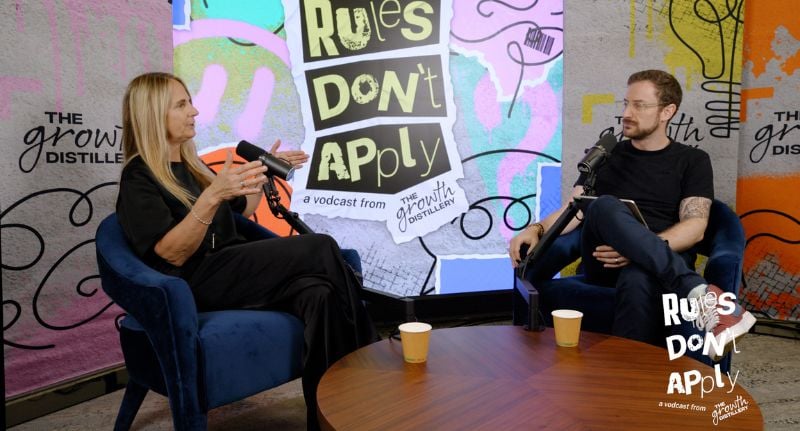
Speaking on The Growth Distillery’s Dan Krigstein on the Rules Don’t Apply podcast at SXSW Sydney, Oelwang argued that in a world hooked on division, hyper-individualism and Hunger Games-style corporate ladders, collaboration itself has become a radical act.
“I hope in some way I’ve shifted in some tiny way, shifted this world towards realising that the most important thing we need to do is collaborate at a scale that we can’t even begin to imagine yet,” she said.
“And that people start to realise that the relationship with each other is the most important metric of success in this world.”
From death row to radical hope
For someone who has worked alongside Nelson Mandela, Jane Goodall and Sir Richard Branson, Oelwang’s most powerful story did not start in a boardroom – it began on death row.
She described one of her “most unexpected” partnerships with Anthony Ray Hinton, an innocent man imprisoned in a five-by-eight-foot cell on death row in the US for 30 years.
“He is an amazing human being who was actually imprisoned incorrectly in the United States on death row for 30 years,” she said.
“And I think Anthony was an unexpected connection because I learned so much from him, someone who had endured that and come out the other side. Still with this extraordinary sense of humour, this extraordinary sense of joy for life and this deep passion to wanna end the death penalty.”
That resilience, she said, did not happen in isolation. Hinton’s best friend, Lester, drove more than 200 miles each way every week for three decades to visit him.
“When Ray got out, the first thing he did was help buy a house for Lester right next door to his house,” Oelwang said. “Their friendship is just extraordinary.”
It is the kind of unlikely, unshakeable partnership that has shaped her life’s work.
Why genuine partnership still feels radical
Despite decades of building alliances between CEOs, activists and world leaders, Oelwang is blunt about how rare true partnership still is inside organisations.
“I think they feel radical because every bone in the structure of how we’ve built businesses and how we’ve built capitalism is pushing us toward the other extreme,” she said.
From hyper-individual KPIs to title-driven hierarchies, she believes the system “breaks apart the connective tissue” that relationships need to thrive.
“Often it has the opposite impact because then someone is singularly focused on their goals,” she said.
“Rather than thinking about the collective and how the collective company and organisation can deliver.”
When firms strip out competitive incentives and rewire them around impact, she said, the change can feel orchestral. Citing social impact firm Draper Richards Kaplan, she noted: “It changed the whole dynamic of the company. They talked about how it went from a company that was working together, but you know, still self-focused, to something that’s actually playing like a symphony now.”
Culture is built between the meetings
If you want a partnership, incentives are only the beginning. Oelwang laid out three hallmarks of a genuinely collaborative culture: purpose, lived values and “magnetic moments”.
First, a purpose strong enough to pull people out of spreadsheet mode.
“What is that intoxicating purpose that every single day, everyone in your company is gonna get up and be excited to come into work?” she said. “That immediately sets the tone of the culture, that this is more than just people sitting behind desks… names and numbers on a spreadsheet.”
Second, values and virtues that are more than “the shiny billboard”.
“How many times do we think, ‘Okay, this is our list of stuff’. But then people don’t live it every day,” she said. “That has to flow from every level of the company.”
And finally, engineered rituals that make connection routine: from Innocent Drinks’ open CEO sessions to Airbnb’s now-famous “elephants, dead fish and vomit” forums for challenging conversations.
“They said that that changed the dynamic of their company because it created this safe space to have really difficult conversations,” Oelwang said.
Inside Virgin Unite and her current project, Planetary Guardians, the same principles apply – with a sharper edge.
The group has launched a planetary “health check” tracking how close the Earth is to “a red high-risk line that if we cross, that could be irreversible and, you know, catastrophic damage to life as we know it”.
“What this team is doing is how do you balance that fear… with this sense of joy and optimism that we can still change course. ‘Cause we still have a five-year window,” she said.
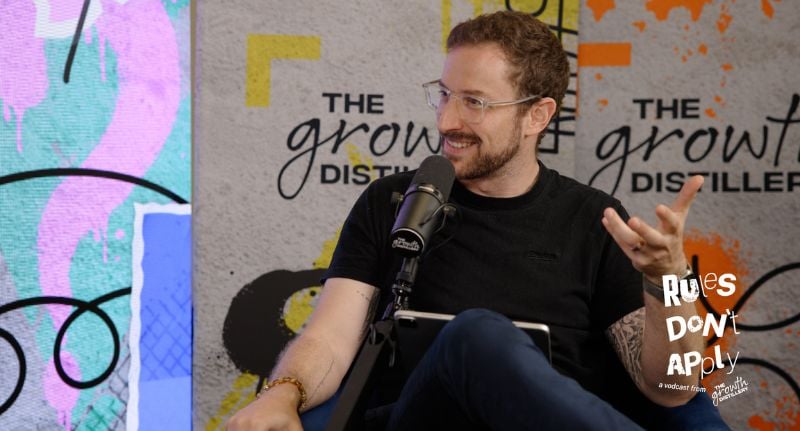
Dan Krigstein
Love as a leadership strategy
For Oelwang, the most underrated leadership strategy is also the most unfashionable four-letter word in the corporate lexicon: love.
“The question should not be, do you love me? The question should be, Am I loving enough?” she said. “Whether it’s having a conversation with someone, whether it’s giving a presentation to a board. What do you want the other person to feel?”
That lens, she argued, should be applied to what one Virgin people director called the “million magic moments” of everyday culture.
“Every single interaction you have with someone, whether it’s by a coffee station or whether it’s, you know, in a meeting, is a chance to build or lose culture,” she said.
Crucially, love does not cancel accountability.
“If you don’t have that accountability, then you’re not being fair to your other colleagues,” she said.
“It’s doing that with a sense of love, because I think that’s one of the things that I’ve found the hardest in any role I’ve been in, is having to let go of someone.”
“In the end, it’s actually not love keeping them in the wrong role, both for the team and for them as well.”
Six lessons from the world’s longest partnerships
Oelwang has spent more than 15 years studying 65 long-term partnerships – from Ben & Jerry to global movements – that used their relationships to create outsized impact.
“What we found there was six things that came out consistently,” she said.
The first is purpose: “It could be that the two people have individual purposes, but come together, and they help each other with their purpose. Or it could be one common purpose.”
The second is being “all in”. As Ben & Jerry put it: “We a hundred per cent had each other’s backs. We were friends before we were partners.”
The third is a set of shared virtues, which she called the “twin sisters”: trust, respect and belief, followed by humility, gratitude and empathy.
“This sense of, again, living by these virtues and being conscious of it,” she said. “Even with your body language. Even with every word you say.”
The final two are less obvious: “magnetic moments”- daily, monthly and yearly rituals that act like connective tissue – and the ability to “celebrate friction”.
“Absolutely none of these partnerships avoided friction,” Oelwang said. “But they all figured out tools on how they lift above friction.”
Letting go of the superhero myth
Asked about her own evolution, Oelwang was frank.
“The most important thing I’ve let go of is thinking that, um, I have to be a superhero,” she said. “And I feel like that superhero myth is a thing that we all need to unlearn.”
Her “hot take” is equally simple – and quietly subversive in an attention economy that rewards outrage.
“I believe that human beings are inherently good and want connection in this world,” she said. “Most of the press is all about the bad things, and I really believe that inherently human beings are great.”
If her gravestone could say anything, she added, it would borrow from Buckminster Fuller’s description of himself as a “trim tab” – the tiny flap on a ship’s rudder that can move an entire vessel.
“Every single one of us as an individual can make a shift in a change. But when we come together as collective trim tabs, that’s when the huge change [happens].”
In other words, the point was never the superhero. It was always the ship – and who we choose to steer it with.
Main image: Jean Oelwang
OpenAI expands to Sydney despite company’s ‘code red’ call
OpenAI has officially arrived in Australia, with its first office in Sydney.
The launch brought together senior leaders from business, government and the technology sector in Sydney today to mark what the company describes as a long-term commitment to the region.
The capitalising move comes as Australia rapidly becomes one of OpenAI’s fastest-growing markets.
Weekly active ChatGPT users have more than doubled in the past year, placing Australia among the top ten markets globally for paid subscribers and in the top ten developer markets building on OpenAI’s platform.
The event featured remarks from Canva CEO and Co-Founder Melanie Perkins, NSW Treasurer The Hon Daniel Mookhey, and CommBank Group Executive, Group Strategy, Stuart Munro.
A long-term commitment to Australia
Speaking at the launch, OpenAI’s Chief Strategy Officer Jason Kwon said the company’s Sydney presence reflects Australia’s readiness to lead globally in AI.
“Australia is well-placed to lead the world in AI. It has a history of early technology adoption, a world-class developer community, and a clear ambition to lift productivity.
“By opening our first office in Sydney, we are investing in local talent and working directly with Australian businesses, government and the tech community to turn that potential into real economic and societal gains,” Kwon said.
The Australian team will initially focus on local customer and partner support, with plans to expand into more specialised technical roles over time.
NSW Treasurer The Hon Daniel Mookhey said the launch reinforces the state’s position as a leading technology hub.
“Sydney is Australia’s digital capital, backed by world-class talent and strong government investment – and OpenAI’s arrival here takes that even further.”
An AI-powered Australia
More than a dozen Australian organisations across banking, retail, aviation, mining, education, design and sport are already collaborating with OpenAI on AI-driven transformations.
Key partnerships highlighted include:
CommBank – A strategic multi-year partnership supporting fraud detection and personalisation, and the rollout of ChatGPT Enterprise to 48,000 employees.
Coles – Using GPT-5 tools across corporate teams and exploring customer-experience applications spanning planning, shopping and checkout.
Wesfarmers – Deploying ChatGPT Enterprise to 118,000 team members across Bunnings, Kmart, Target, Officeworks and other businesses.
Canva – Deep OpenAI integrations across products, alongside daily use of ChatGPT Enterprise by its 5,000-plus workforce.
Air New Zealand – Improving customer self-service and integrated planning across aircraft maintenance and operations.
La Trobe University – Preparing for a full rollout of ChatGPT Edu by 2027 and introducing Australia’s first AI-focused MBA.
NRL – Partnering with OpenAI to co-develop the AI Volunteer Guide to reduce admin and streamline community sport operations.
Virgin Australia – Using developer tools to explore new ways travellers plan and book flights within ChatGPT.
Fortescue – Adopting ChatGPT Enterprise and exploring AI applications across mine, rail and port operations.
REA Group – Powering new consumer experiences across realestate.com.au, including next-generation search and guidance tools.
OpenAI will host its first Sydney Founder Day tomorrow, bringing together local developers for product deep dives, demos and guidance on building with OpenAI’s models.
The event marks the beginning of a new startup program in Australia, delivered in partnership with local venture capital firms, offering API credits and mentoring to early-stage founders
Code Red
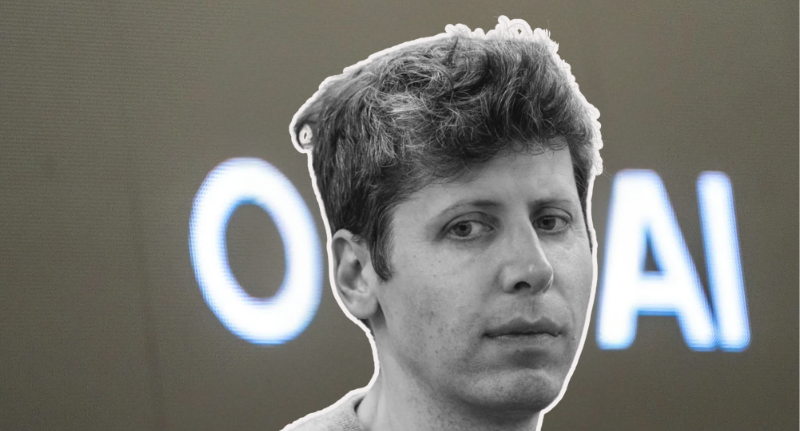
The launch comes on the back of revelations that founder Sam Altman pulled a “code red” at OpenAI, ordering a company-wide push to sharpen ChatGPT amid competition from rival models.
Tech outlet The Information reports the CEO told staff in an internal memo that “we are at a critical time for ChatGPT”, signalling a shift in priorities as the San Francisco company scrambles to respond to Google’s breakout success with Gemini 3.
The new Google model has surged ahead on key benchmarks, and Altman has warned internally that its momentum could trigger “temporary economic headwinds” for OpenAI. “I expect the vibes out there to be rough for a bit,” he told employees last month.
According to the report, OpenAI is now funnelling more internal resources into improving ChatGPT, pausing or slowing other projects as it races to keep its flagship product on top.
Advertising
303 MullenLowe becomes ‘303’ again in ANZ reset
303 MullenLowe has announced it will revert to its original name, 303, stepping out from under the multinational banner nearly a decade after adopting the global MullenLowe identity.
AI
Social Media
Australia stands firm as tech giants push back on teen social ban
Meanwhile…
Wells has also admitted the rollout of the ban could take “days or even weeks” to settle.
According to The Guardian’s Josh Butler, one platform is already moving ahead of the curve.
Lemon8, the rising TikTok-adjacent app that has enjoyed a spike in downloads precisely because it wasn’t included in the ban, will shift to an over-16s model from next week.
Business
New bids land for Warner Bros. Discovery
Variety’s Todd Spangler reports that Paramount Skydance’s new all-in bid, led by David Ellison, now comes with heavyweight backing from sovereign wealth funds in Saudi Arabia, Qatar and Abu Dhabi.