
Thursday February 26, 2026

EXCLUSIVE: ARN cuts Head of Content Operations after 23% EBITDA fall
Just 24 hours after posting a sharp earnings decline, ARN Media has reportedly made a senior redundancy, with its Head of Content Operations, Daniel Underhill, understood to have exited the business.
Sources told Mediaweek that Underhill, who was based in Western Australia, has been ‘let go’.
It’s understood he played a key role in completing the national KIIS and GOLD network builds, regularly travelling between markets as ARN stitched together its east–west strategy.
According to one source, the restructure is not limited to a single role.
“There’s more to come,” they told Mediaweek. “And it’s going to be across a number of departments.”
Mediaweek has contacted both ARN and Underhill for comment.
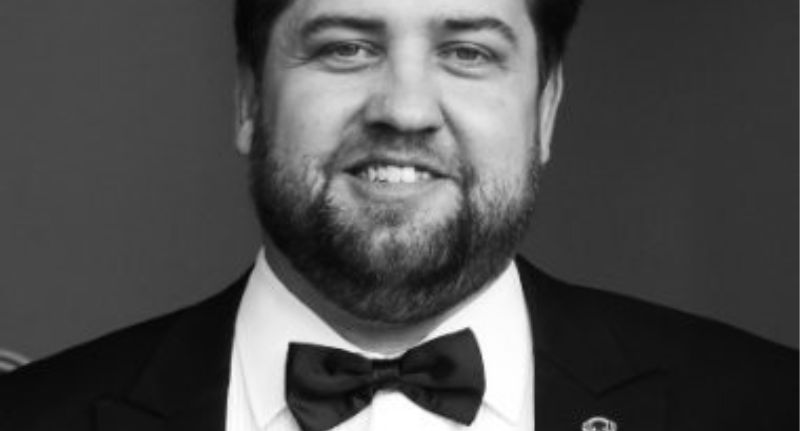
Daniel Underhill. Source: LinkedIn
A reset under pressure
The move follows ARN Media’s FY25 result, which laid bare the scale of the challenge facing the audio group.
Underlying EBITDA fell 23% year-on-year, sliding from $61.8 million to $47.5 million. Total revenue declined 10% to $285.2 million, while statutory EBITDA dropped 27% to $45.7 million.
The numbers reflect sustained pressure in metro radio, with softer advertising demand weighing on earnings. Management has pointed to cost discipline, debt reduction and a renewed digital focus as offsets, but the topline contraction underscores the urgency of the reset.
CEO Michael Stephenson described FY25 as the execution phase of a broader strategic shift – a pivot from expansion and network consolidation to tighter operating settings and digital growth.
Underhill’s reported departure is notable given his involvement in completing ARN’s national KIIS and GOLD networks – a project that has reshaped the group’s metro footprint and content alignment.
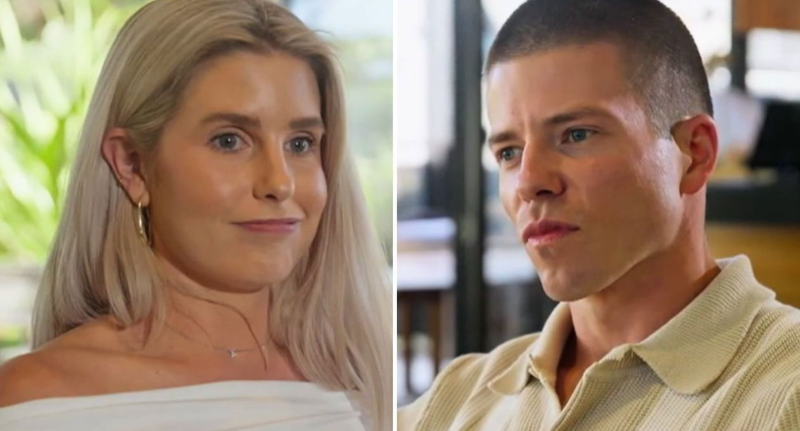
‘Too far’: viewers outraged over ‘disgusting’ new MAFS groom
There’s public outrage over a new Married At First Sight groom whose comments viewers have described as “misogynistic, disgusting and harmful.”
Tyson Gordon was introduced as an ‘intruder’ groom earlier this week, and audiences have not responded well to his inclusion on the hugely popular show.
Gordon, a 30-year-old former soldier, was matched with 32-year-old real estate agent Stephanie Marshall, has sparked outrage over his comments about wanting a “submissive” wife, disliking “woke” women and calling stay-at-home dads “feminine.”
On social media, the new groom has been criticised for comments about a woman’s “body count” – referring to the number of sexual partners. He told Marshall on the show that he ended a previous relationship when he learned the woman had been 78 sexual partners, because he “didn’t want to get HIV”.
In a confessional, Gordon added that he wanted a wife with “zero” former partners, describing women with higher “body counts” as “dirty” and with “daddy issues”.
Marshall told cameras she believes in equality and described Gordon’s attitude as “controlling.”
When she asked him what he wanted in a wife, she said: “Are you looking for someone who is going to bow down at you feet and treat you like a king?”
Tyson responded “absolutely not”, then added, “I don’t want a slave for a wife. I want someone who is submissive.”
Social media backlash MAFS groom Tyson Gordon
On social media, viewers said it was “irresponsible” of Nine to broadcast Gordon’s comments without them being challenged more strongly – for fear of them being normalised.
“This is not okay and is not good for young people who watch these clips on social media. It is damaging, and producers should be ashamed,” read one comment.
Another wrote, “He’s prob one of the worst males on MAFS… but there are a lot of men like this… poor Stephanie,” with someone else adding, “This guy is dangerous.”
Finally, this viewer was shocked: “How could the ‘experts’ give someone with these morals a go on this platform ???? Shame shame.”
Former bride Jacqui Burfoot, who appeared on last year’s season, has also commented: “MAFS fans saying producers may have finally gone too far casting Tyson.
“Meanwhile us brides have been calling them out for marrying us to grooms with a history of domestic violence and a criminal record, for many years now.”
If you need help, please reach out to:
Lifeline: Lifeline’s 13 11 14 crisis support service is available 24/7. Anyone in Australia can speak to a trained crisis supporter over the phone at any time. To chat or text for support, or for more information, visit Lifeline at lifelinedirect.org.au/
Butterfly.org: Butterfly offers free and confidential support on 1800 33 4673 and on their website butterfly.org.au. It says, “We are here for anyone in Australia concerned about eating disorders or body image issues, whether you need support for yourself or someone you care about. All our counsellors are qualified mental health professionals with backgrounds in psychology, social work, or counselling. They also have specialist training in eating disorders and body image.”
The ABC’s gender pay gap has increased to 10.2 percent
The gender pay gap at the Australian Broadcasting Corporation (ABC) has grown in the past year, with the space between median wages now at 10.2 percent – up from a last-reported 9.8 percent.
The Australian reports that a note sent to staff this week shows the median total remuneration gap between the sexes has significantly grown, in figures that will be published by the Workplace Gender Equality Agency (WGEA) next week.
The note, sent on Tuesday by the broadcaster’s chief people officer Deena Amorelli, read in part that the ABC pledges it is “committed to achieving gender equality and fostering a workplace culture that is inclusive, respectful, and equitable for all”.
The ABC’s gender pay gap statement February 2026
A full public statement was later posted on the ABC’s website.
It begins by promising, “The ABC will continue to address the underlying drivers of its gender pay gap, and will maintain transparency in its progress towards fostering a more equitable workplace.”
The statement adds, “The ABC will continue to address the underlying drivers of its gender pay gap, and will maintain transparency in its progress towards fostering a more equitable workplace.”
It lists as gender pay gap drivers:
“A higher proportion of women in bands 2 to 5 than men. A lower proportion of women employees in bands 5 to 9 than men. Higher average shift penalty and overtime payments to men than to women. ”
The statement also lists six ways the broadcaster intends to address the issue, including, “Gender representation targets: The ABC has committed to 50% of all roles being filled by women.”
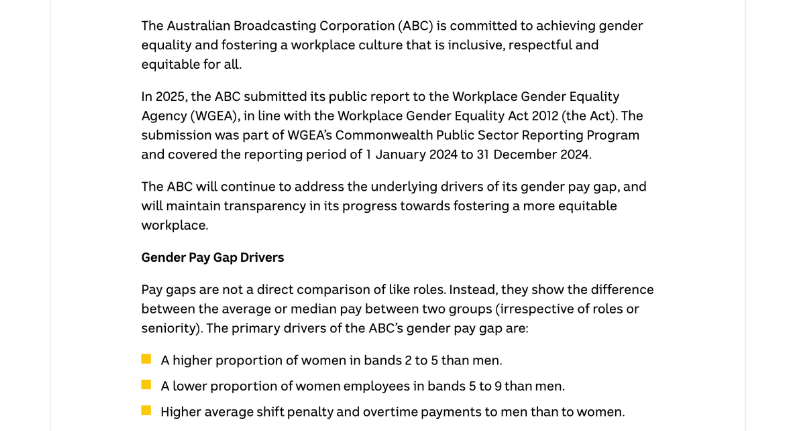
The beginning of the ABC’s WGEA statement. Image: The ABC
The ABC called out for gender pay gap
Opposition communications and digital safety spokeswoman Sarah Henderson said the ABC must explain with more detail why the gap has widened.
“The ABC’s gender pay gap places it well outside the target range of large employers,” she said.
“Our national broadcaster needs to explain why women’s remuneration is so far behind that of men.
“In contrast to disclosure requirements at the BBC, the ABC keeps secret the salaries and other benefits received by highly paid staff except for a small number of executives.
“Much greater transparency about pay and conditions at the ABC, which receives more than $1.2 billion in taxpayer funds each year, is in the national interest.”
An ABC spokesperson told The Australian:
“The ABC is aware the latest Workplace Gender Equality Agency (WGEA) data show a small increase in the pay gap from 2023 to 2024 and is committed to achieving gender equality and fostering a workplace culture that is inclusive, respectful and equitable for all.
“The ABC has implemented a number of initiatives to address barriers to workforce participation and progression, including developing new gender equality targets in line with the new requirements from WGEA, and will continue to review the targets.”
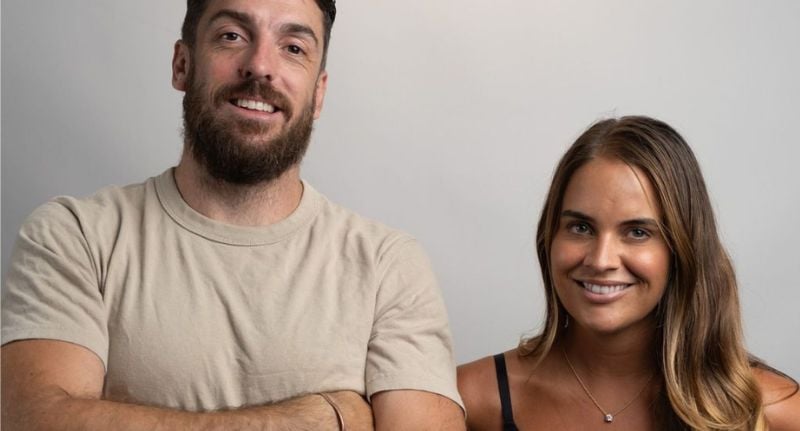
Sydney breakfast shake-up: are Lu & Jarch the next play?
First, it was ARN, extending Christian O’Connell’s Melbourne breakfast show into Sydney via GOLD, a clear signal that networking proven talent across markets was back on the table.
Then Nova 96.9 confirmed what many in the market had anticipated, moving Ricki-Lee and Tim from Drive into Breakfast and formalising a reshuffle that had been building for months.
With two major plays already executed in Sydney’s most commercially important timeslot, the question now is whether SCA could follow.
That speculation isn’t new.
When Luisa Dal Din and Jack Archdale stepped into Triple M’s national early Drive slot in May 2025, industry chatter quickly turned to their long-term trajectory. The duo, who built a strong following through their podcast We Mean Well and social content, were viewed by some as future breakfast contenders.
Following Survey 5 last year, Mediaweek put that question directly to SCA’s Head of Broadcast Content – Audio, Matthew O’Reilly.
At the time, he urged patience.
“We need to give them more than two months – for their fairness and for ours as well. That said, I think the show sounds great. It provides a point of difference, and no doubt there’s a big future here for them. I just don’t think the time’s right now,” he said.
He also pointed to tangible growth in the slot.
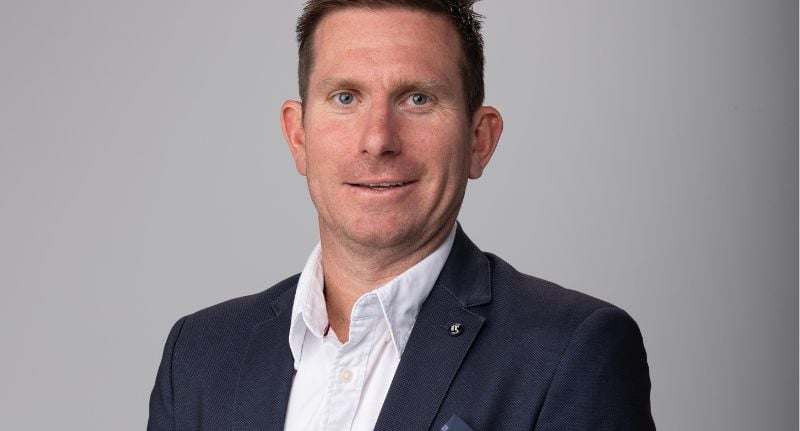
Matthew O’Reilly
“National figures are hard to move because they’re averaged across five markets, but they’ve gone from an 8.6 to a 10.4 in the 2-4pm slot,” O’Reilly said.
Now, Lu & Jarch have addressed the Breakfast speculation themselves.
Appearing on the Behind the Mic with Mike E podcast, hosted by Michael Etheridge, the pair were asked directly whether they would consider the shift.
Archdale said: “It’s a tremendous compliment.”
Dal Din added: “I mean, certainly, we wouldn’t say no to anything, but also I think people forget that our audience is nationwide.”
When asked whether that would require a national breakfast format, Dal Din said: “I think if radio stations are listening, maybe start a national one.”
Etheridge responded: “So we’d need to do a national breakfast?”
Dal Din replied: “I think if radio stations are listening, maybe start a national one.”
Etheridge said: “That would make sense.”
Archdale added: “We’re really loving where we are and what we’re doing.”
Dal Din concluded: “See what happens.”
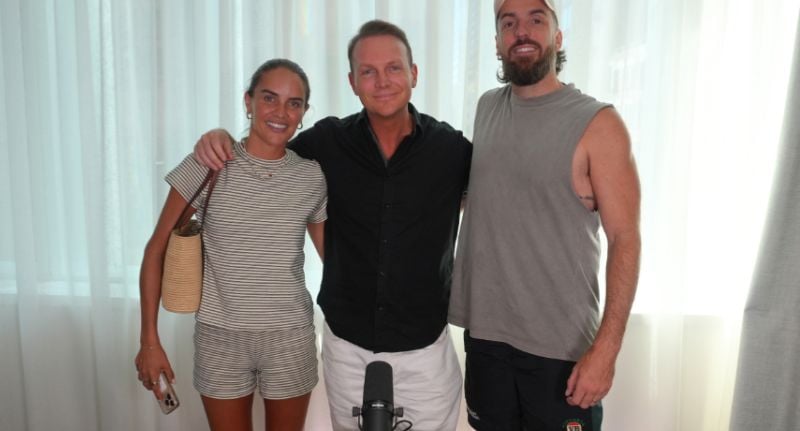
Lu & Jarch with Mike E. Source: Instagram
External view: patience over promotion
Not everyone in the industry expects an imminent move.
Game Changers podcast co-host Craig Bruce said the duo’s current position may be strategically stronger than a jump into breakfast.
“I don’t think Lu and Jarch will move into breakfast whilst they have their podcast. At the moment, they have the best of both worlds, and I just can’t imagine they’d be in a rush to do breakfast on either brand.
“They’re young with plenty of time on their hands.”
Bruce also suggested SCA is unlikely to make a near-term adjustment to its Sydney line-up.
“Matt O’Reilly won’t rush the next 2Day move, if there is one, don’t expect to see any changes til the back end of the year, if at all.”
A growing national profile
Lu & Jarch were added to Triple M’s national afternoon line-up in May 2025, taking over the 2pm-4pm early Drive slot.
Their appointment followed the growth of their podcast, We Mean Well, and strong engagement across social platforms.
Following Survey 5 last year, SCA’s Head of Broadcast Content – Audio Matthew O’Reilly told Mediaweek the duo had delivered measurable gains.
“National figures are hard to move because they’re averaged across five markets, but they’ve gone from an 8.6 to a 10.4 in the 2-4pm slot,” O’Reilly said.
He also addressed speculation about breakfast at the time.
“We need to give them more than two months – for their fairness and for ours as well. That said, I think the show sounds great. It provides a point of difference, and no doubt there’s a big future here for them. I just don’t think the time’s right now,” he said.
Pressure points in Sydney
2DayFM’s Nath & Emma recorded a 2.9% share in the most recent survey. Across town, Triple M’s Beau, Cat and Woodsy delivered a 4% share.
O’Reilly has previously urged patience on the Sydney rebuild.
“I think it is very early, like I would say minimum 18 months before you can have a definitive read on how things are going. So yeah, very much consider it early days.”
On 2DayFM’s refreshed music strategy, he added: “It’s the start of a rebuild.”
With Nova elevating Ricki-Lee and Tim, and ARN expanding Christian O’Connell’s footprint into Sydney, the market structure has already shifted.
For now, Triple M appears content to let the show build.
But as Sydney breakfast restructures around reshuffles, networking and patience plays, the idea of a national breakfast product anchored by a growing, multi-platform duo no longer feels theoretical.
The chairs are moving.
And in Sydney breakfast radio, when one domino falls, the rest rarely stand still.
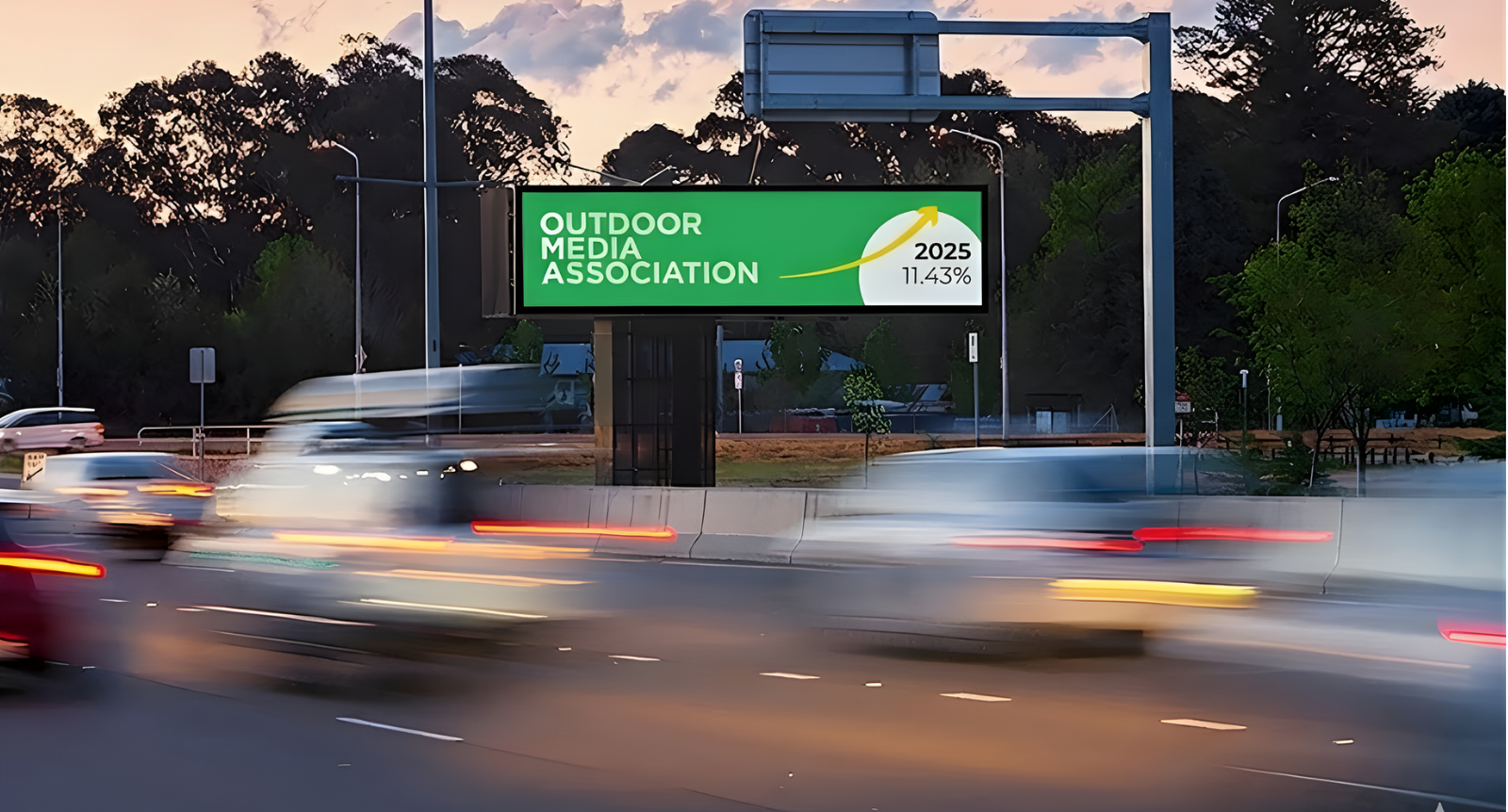
OOH revenue defies soft ad market to hit $1.44 billion in 2025
While the broader advertising market spent much of the last year losing heat, Australia’s billboards kept the lights on in spectacular fashion. The Out of Home (OOH) industry announced its full-year net media revenue results for 2025.
The numbers paint a picture of a sector that actively takes a larger slice of agency media spend.
The industry recorded an 11.43% total increase in net media revenue over the 12-month period. Overall net media revenue for 2025 surged to $1,449.5 million, a healthy step up from the adjusted figure of $1,300.8 million recorded in 2024.
Digital dominance and attention metrics
It will shock absolutely no one in the agency village to learn that Digital Out of Home (DOOH) inventory remains the undisputed powerhouse of the sector. Revenue from DOOH accounted for 76.6% of total net revenue in 2025, creeping up from the 74.9% recorded the previous year.
This growth involves more than just switching on extra screens.
Australian marketers increasingly ditch the ‘how much’ mindset for ‘how well’, focusing heavily on attention quality. Programmatic DOOH (pDOOH) also breaks through, giving media buyers the agility to trade outdoor inventory with the same data-led precision they expect from online channels.
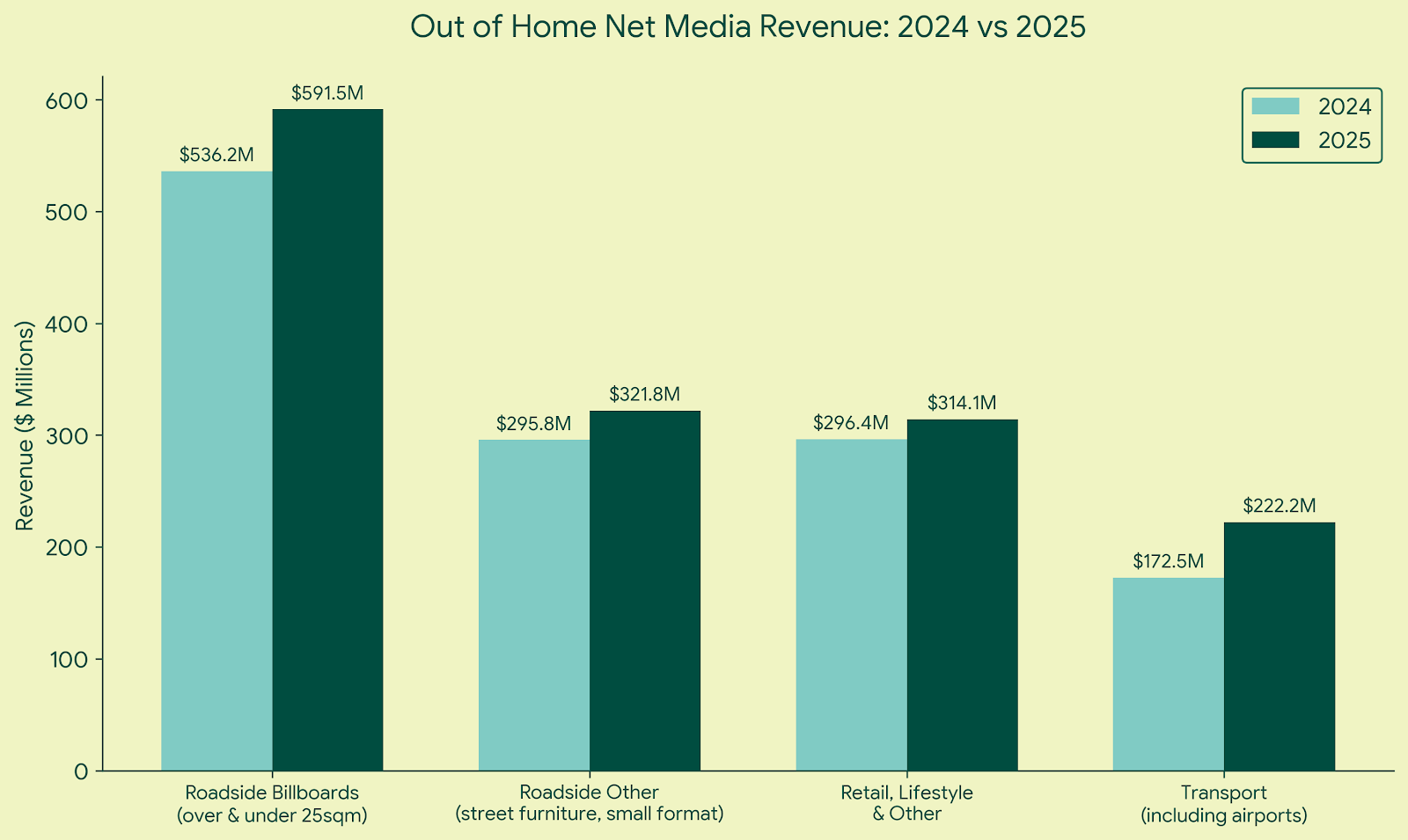
Out of home full year results for 2025.
Where the money was made
The Outdoor Media Association (OMA) provided a category breakdown detailing exactly where advertisers parked their budgets over the year. Unsurprisingly, big roadside inventory led the charge.
• Roadside Billboards (over and under 25 square metres) proved the most lucrative category, generating $591.5 million in 2025. This figure jumped from $536.2 million in 2024.
• Roadside Other (street furniture, bus and tram externals, and small format) secured $321.8 million. The previous year saw this category bring in $295.8 million.
• Transport (including airports) saw a significant boost as commuter and travel habits normalised, rising to $222.2 million. This is up from $172.5 million in 2024.
• Retail, Lifestyle, and Other categories collectively accounted for $314.1 million. This is a solid increase from the $296.4 million recorded the prior year.
The move to MOVE
These record figures arrive at a critical juncture for the industry. Next month, the sector transitions to the highly anticipated MOVE measurement system.
Launching on 16 March 2026, the updated audience measurement currency promises unprecedented temporal granularity and campaign reporting precision.
Elizabeth McIntyre, Chief Executive Officer of the OMA and MOVE, said, “2025’s results are a testament to the strong performance of Out of Home across formats.”
She noted that, “Over 11 per cent growth year on year demonstrates how OOH continues to be an incredible and increasingly powerful medium to run campaigns, and one that delivers for brands.”
And finally, “We look forward to the continued growth of OOH in 2026 and beyond.”
With DOOH already proving its ability to deliver short-term performance and long-term brand building, the new MOVE rollout might just be the catalyst the OMA needs to keep outshining legacy channels in 2026.
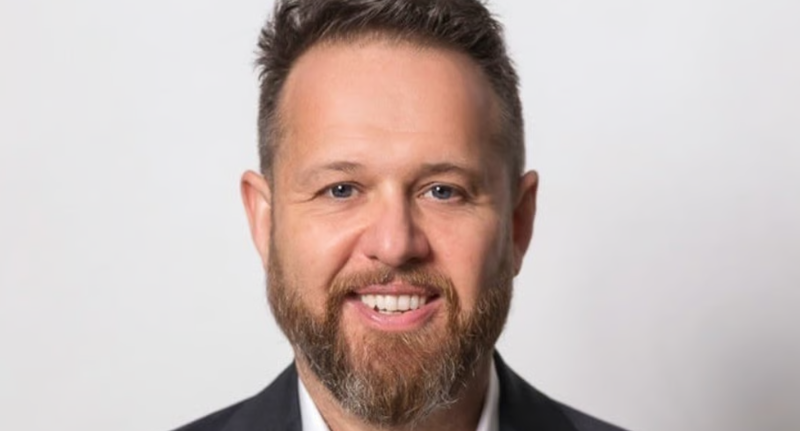
Greg Segal joins TEG in senior sponsorship role
Ticketek Entertainment Group (TEG) has appointed long-time brand partnerships executive Greg Segal as Managing Director of Sponsorship & Premium Experiences.
Segal’s past experiences
Segal adds more than 30 years of experience in brand partnerships, entertainment marketing, and commercial strategy.
In his most recent venture, he was President of Brand & Marketing Partnerships at Live Nation Entertainment ANZ, spearheading a 50-person team that delivered sponsorship growth across tours, venues, festivals, and digital platforms.
In his new role, Segal will establish and lead TEG’s newly formed Sponsorship & Premium Experiences business, unlocking integrated brand partnerships across TEG’s platform spanning Sport, Music and Live Entertainment. He will report to Cameron Hoy, Chief Operating Officer and Head of Global Ticketing at TEG.
Segal comments
Segal says, “Ticketek Entertainment Group sits at the centre of the live experience economy. The opportunity to build a Sponsorship & Premium Experiences division that embeds brands within the Fan journey by leveraging data, insight and digital to drive measurable impact is incredibly exciting.”
Cameron Hoy, Chief Operating Officer of TEG, adds, “Greg brings deep commercial expertise and a proven ability to build integrated partnerships that create value at scale. As we strengthen our Sponsorship & Premium Experiences capability, Ticketek is bringing together specialist talent, commercial creativity and insight to create scalable partnership models that drive new revenue streams, deepen fan engagement and unlock greater value across the platform.”
Cahill exits
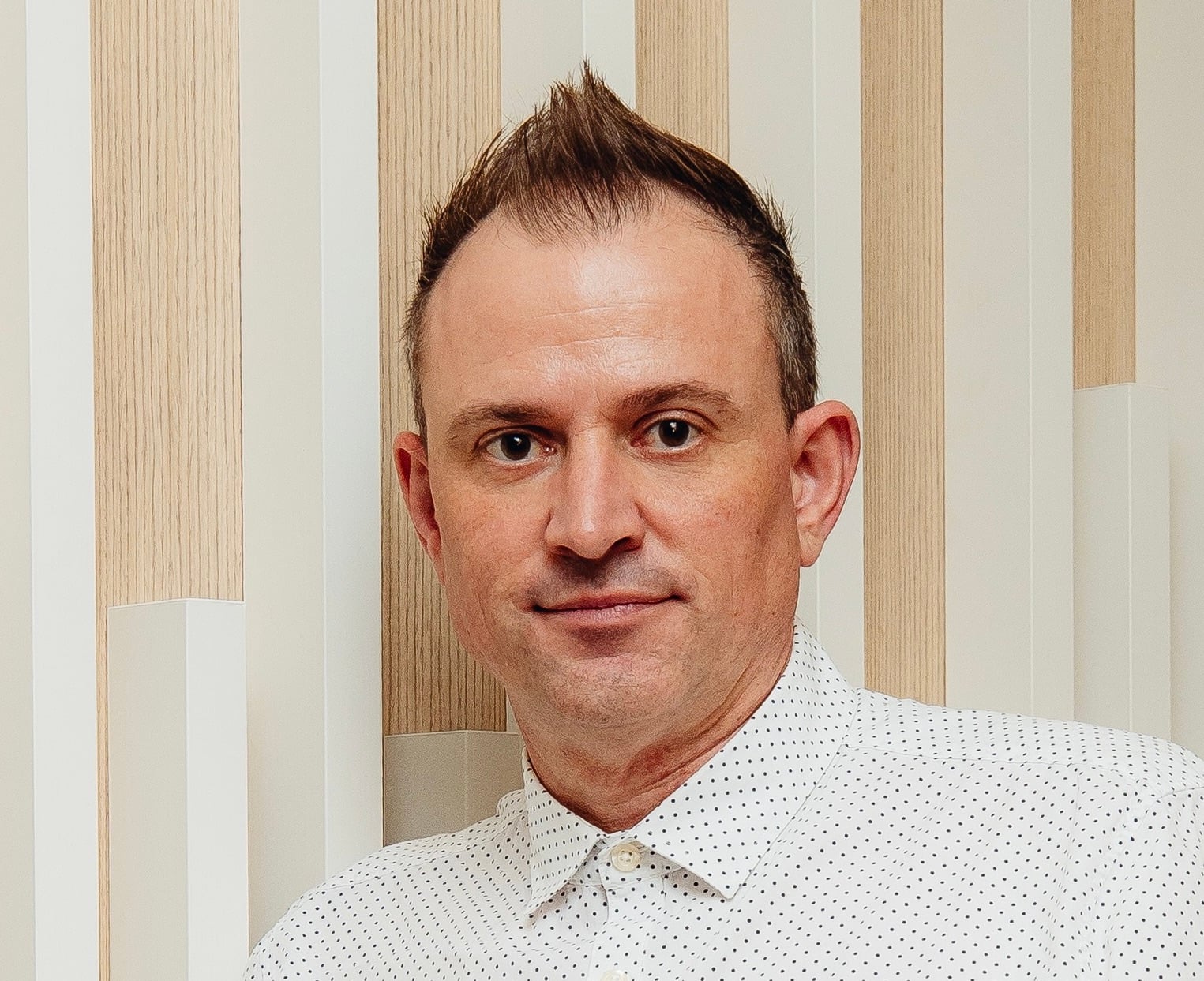
In other TEG news, Simon Cahill announced his departure from the company earlier this week.
After spending an “incredible” three years with the company helping establish SXSW Sydney, Cahill revealed in a LinkedIn post that has time with TEG has “now come to a close.”
Simon Cahill
“Helping bring SXSW to Sydney and build it into a truly global-facing platform has been one of the most exciting and demanding experiences of my career,” he wrote in his LinkedIn post. “From day one, the ambition was bold: to create something that genuinely connected creativity, technology, business and culture across the region. I’m eternally proud of what the team and our partners were able to build together.
Top Image: Greg Segal
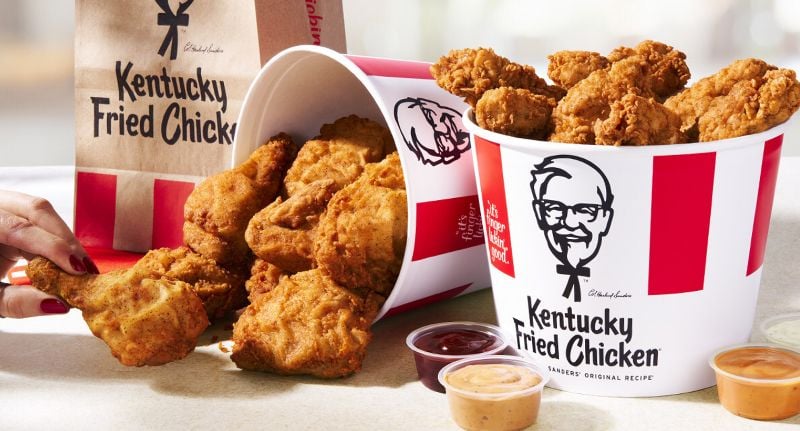
KFC Australia appoints Special Group after competitive creative review
KFC Australia has appointed Special Group to its creative portfolio following what the quick-service restaurant describes as a tightly held, highly competitive review process.
The review focused on a specific component of the brand’s creative remit and forms part of KFC’s broader strategy to continually refresh and strengthen its agency relationships.
In a statement, the business said the process attracted “outstanding thinking from some exceptionally talented creative teams”, making the final decision “both difficult and incredibly close”.
Expanding the agency village
The appointment sees Special Group join KFC’s long-time creative partner Ogilvy and its broader WPP network, effectively expanding what the brand refers to as its agency “village”.
Vanessa Rowed, Chief Marketing Officer, KFC Australia, said the review was driven by a desire to bring new perspectives into the mix while protecting the strength of the existing model.
“At KFC, we’re constantly looking for world-class creative partners who can help us build the brand in bold, culturally relevant ways.
This review explored fresh energy and new perspectives across the Australian landscape.
We’re excited to be expanding our agency village with the appointment of Special Group, joining our long-time partner Ogilvy and our broader WPP network. Together, this expanded village strengthens our creative firepower and ensures we continue to evolve one of Australia’s most iconic QSR brands.”
The expanded village now gives KFC additional bench strength as it looks to keep one of Australia’s most recognisable QSR brands sharp, distinctive and firmly embedded in the national conversation.
Spotify backs Aussie youth music push with $200,000 deal
Spotify has announced a first-of-its-kind, multi-year partnership with youth music organisation The Push.
The deal sees Spotify committing AU$200,000 to support young Australians entering and thriving in the music industry.
The announcement, made at a Sydney event, marks the largest single donation in The Push’s 40-year history.
Backing a 10-year national music plan
The funding will directly support The Push’s newly launched ten-year strategy, A National Plan for Young Australians and Music, a roadmap designed to ensure young people, regardless of postcode, income or identity, can participate in and carve Australia’s music future.
Shaped by consultation with young people nationwide, the plan positions music as essential national infrastructure and calls for coordinated action from government, industry and communities to strengthen pathways and remove barriers to participation.
The three-year partnership will focus on:
- Access, education and real-world pathways into live music and the broader industry
- Mental health, wellbeing and safe cultural spaces
- Equity, representation and inclusion for underrepresented communities
A defining moment for The Push
The partnership was unveiled during a flagship Sydney event, where artist Robert Baxter, an alumnus of The Push program, performed alongside Spotify’s latest RADAR artist MAY-A.
Dustee Jenkins, Chief Public Affairs Officer at Spotify, said the collaboration reflects the platform’s broader commitment to music futures.
“This is about empowering young Australians to connect meaningfully with music – having seen the deep impact and respect The Push has here in Australia, this partnership was a no-brainer.”
The Push CEO Kate Duncan said the timing of the support was critical as the organisation enters its fifth decade.
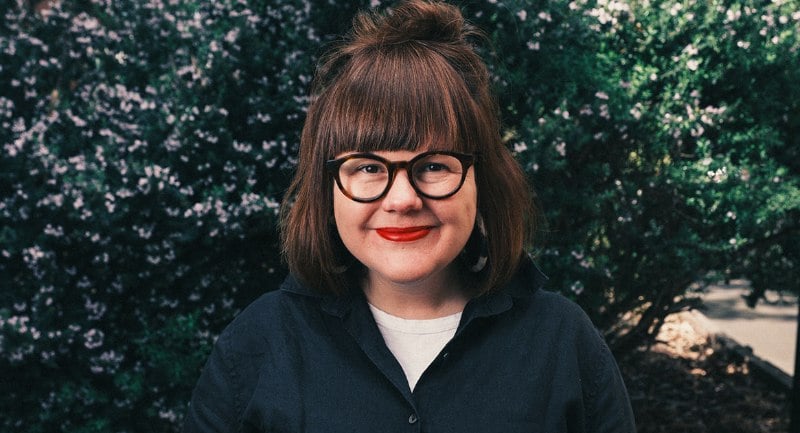
The Push CEO Kate Duncan
“Spotify’s support comes at a defining moment for The Push as we launch A National Plan for Young Australians and Music — a ten-year roadmap shaped by young people across the country,” Duncan said.
“This donation directly supports national music programs that build confidence, friendship and belonging, making participation simple and social for every young Australian.”
Part of Spotify’s global youth focus
The partnership builds on Spotify’s ongoing support for youth music and mental health initiatives globally, including B-LINE, Youth Music in the UK, Grammy Camp, and the Roundhouse.
Top Image: Getty Images

CMO Spotlight: AiMCO’s Patrick Whitnall on why the creator ‘Wild West’ is dead
The Australian creator economy is now worth well over a billion dollars and continues to expand rapidly. At the forefront of this maturation is AiMCO and its Managing Director, Patrick Whitnall.
Whitnall recently shared his time with Mediaweek for our CMO Spotlight, to discuss the vital work being done to safeguard child influencers, why the distinction between brand and performance is fading in creator marketing, and the very real threat of unethical AI.
Protecting child influencers
Mediaweek: What’s the piece of work from the past 12 months that best captures how your brand wants to show up right now?
Patrick Whitnall: The initiative I am most proud of is the Child and Family Influencer work we launched last year. It originated from a very deliberate place. As a sector, we needed to proactively ask how we protect children when they feature in family social media accounts involving brand partnerships. While protections already exist across film, television, and photography, those safeguards become far less clear when the set is a family home.
Rather than waiting for regulations to update or reacting to negative headlines, we brought our members together to think deeply about what responsibility actually looks like here. That process took around 18 months. It involved brands, agencies, talent managers, and creators working through some genuinely complex issues.
Given the broader public conversation around kids and social media, it felt like the perfect time for the industry to take the lead. I am incredibly proud of the working group and the fact that we chose to step forward instead of sitting back. Alongside that initiative, our annual awards continue to capture what the best work in this space looks like. They serve as a highly useful barometer of how creator marketing is evolving and what world-class thinking looks like in practice.
The end of brandless performance
MW: Where is your marketing budget working hardest today?
PW: As a not-for-profit industry body, our marketing budget remains quite limited. That naturally forces clarity. Instead of paid activity, we rely heavily on relevance, trust, PR, and word of mouth. Our growth comes entirely from members seeing genuine value in the work and choosing to participate.
From a broader industry perspective, brands consistently tell us that their investment in influencer and creator marketing is working exceptionally hard. Even during tighter economic conditions, marketers are seeing real impact from their spend in this space. We are seeing growth across both brand consideration and performance outcomes, which proves this is no longer just a niche or experimental channel.
MW: What’s changed most in how you balance brand and performance?
PW: I am not entirely sure that distinction makes as much sense as it once did, particularly within creator marketing. Originally, influencer work focused purely on word of mouth and consideration. It then evolved into UGC-style content and reviews. Now, we are seeing creator work deployed directly within performance budgets as creative that successfully converts.
Simultaneously, growing evidence shows that creators are building brands, not just driving performance. Research from System1 demonstrates that creator-led work delivers many of the same brand-building effects traditionally linked to long-term advertising, including high emotional engagement, memorability, and distinctive brand assets.
This matters because it fundamentally reframes the creator’s role. Brands are borrowing trust and creativity, not just reach. Creators build audience familiarity over time, carry cultural meaning, and compound that emotional connection. When brands integrate creator content into paid activity, the results easily justify further investment. Ultimately, there is no such thing as “brandless performance” when creators are involved.
Creativity and the AI challenge
MW: Which channel, platform or partnership is currently over-delivering for you?
PW: Creators themselves remain the channel that continues to overdeliver. Brands keep investing in creator marketing because it generates results, and they increasingly want to help shape what “good” looks like in the space. That is precisely why many choose to engage directly with AiMCO.
For us, partnerships matter the most when they extend beyond standard membership and move into shared responsibility. We place massive value on our relationships with government departments, regulators, and other industry bodies. The collaborative work we have done with organisations like the ACCC, ATO, and TGA helps our members understand expectations and reduces market uncertainty.
MW: What role does creativity play in your commercial strategy right now?
PW: Creativity forms the absolute foundation of the creator economy. Brands approach creators specifically for their ability to connect with audiences and produce resonant work. As creators increasingly operate like standalone media publishers, that creativity becomes even more critical. Without it, you cannot build or sustain an audience. And without an audience, you have no performance.
MW: How are you using data, tech or AI in a way that genuinely improves the work?
PW: We hear a lot of noise around AI right now, making it easy to focus on headline-grabbing elements like virtual influencers. Our position remains quite simple: transparency, IP protection, and disclosure matter above all else. Consumers deserve to know when AI is used, and creators deserve the confidence that their work, likeness, and ideas remain protected.
One major risk we hear about from creators involves the unethical repurposing of past campaign content. We are seeing original scripts, concepts, or entire videos recreated using AI actors or synthetic faces. Often, platforms struggle to recognise this as a violation, leaving creators exposed and frustrated. AI should never become a shortcut that undermines trust or erodes creative IP. When used poorly, it damages the whole ecosystem. Used responsibly, it genuinely improves how we operate.
Partnerships and professionalisation
MW: What does a good agency partner look like for you in 2026?
PW: Good partners simply show up. They contribute their time and strategic thinking. They actively participate in working groups, councils, events, and education initiatives. They help push the entire industry forward, rather than just driving their own commercial agendas.
Brands increasingly seek partners who help mitigate risk and uphold strong governance, rather than those who just deliver basic execution. Creator marketing is no longer unregulated. It is highly professional, completely accountable, and increasingly complex. The best agency partners understand that reality and lean right into it.
MW: What’s the toughest call you’ve had to make as a CMO?
PW: One of the tougher calls involved evolving the AiMCO Awards into a full-day Summit. As a not-for-profit, we must carefully weigh any decision that increases our cost and complexity. Events carry significant financial, operational, and reputational risks.
Ultimately, it felt like a necessary evolution. The industry demanded more depth, learning, and connection, rather than just a celebration. Backing that decision meant investing ahead of certainty, but it was vital if AiMCO wanted to grow alongside the industry rather than trailing behind it.
MW: What’s one misconception about your brand or category that your team is actively trying to unpick through marketing?
PW: The biggest misconception we still encounter is the idea that influencer marketing remains the ‘Wild West.’ While that may have been true several years ago, it no longer reflects our reality. The industry has matured significantly. Governance, compliance, and professionalism sit at the absolute centre of how we work today.
A persistent misconception also remains that being a creator is an easy or unskilled job. In reality, creators run sophisticated businesses, manage large audiences, balance brand partnerships with strict ROI requirements, comply with complex regulations, and produce high-quality work at scale.
MW: Looking ahead, where will your next big marketing bet come from?
PW: In the short term, we are focusing heavily on the Awards and Summit as premium platforms for learning, connection, and industry leadership. Looking further ahead, our biggest bet relies on collaboration. We plan to work much more closely with industry bodies, regulators, and global partners to continue professionalising the creator economy.
That means heavily investing in education, data, research, and confidence-building measures. We want to support creators as legitimate businesses while helping brands navigate the space responsibly. That is where we will see the greatest long-term impact.
Forget the full season: Why Gen Z is ghosting traditional sports sponsorships for ‘vibe-check’ marketing
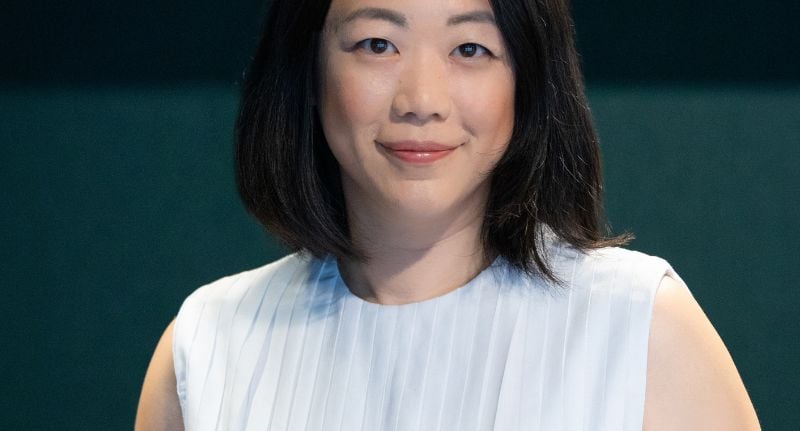
Mellyza Tanoto, General Manager ANZ, Pureprofile
As the oldest Gen Zers enter the last years of their 20s and the youngest begin their teens, this generation’s influence is firmly shaping culture in 2026.
For the foreseeable future, Gen Zers will likely dictate social media, beauty, entertainment trends, and more, and will also dominate workplace and household decisions.
Gen Z influence is set to permeate every level of society, meaning attracting and retaining their attention and favour is key for brands to succeed.
Interestingly, for a generation that has grown up with a screen in their hand, sport has emerged as one of the most valuable ways to engage with them. According to our recent research of 1,004 Australians aged 18-29, 83% of Gen Z engage with sport in some way.
Here’s how Gen Z consumes sports and how brands can reach these “influencers” in 2026, backed by research and our Social Insights Tool powered by Quilt.AI.
Gen Z treats sport as social content, not just live entertainment
Gen Z’s sports consumption is increasingly digital-first. Streaming platforms, social media and short-form content are now the primary access points for 51% of young Australians. This is often replaced or supplemented through highlights, commentary and behind-the-scenes content on social media.
Live sport is also one of the few “mass connectors” left in media and entertainment, with millions watching simultaneously. Even when viewed remotely, sport functions as a social connector for Gen Z. Group chats, online watch parties, and real-time social media engagement create a shared experience that mirrors traditional, in-person communal viewing.
This reflects Gen Z’s broader preference for connection without rigidity, allowing sport to fit around fluctuating schedules and lifestyles. Brands that seamlessly show up during social moments can capture the community, become ingrained in shared memory and conversation.
Gen Z only attend live sports if it feels worth it
While 42% attend live sporting events, attendance is highly selective and intentional, concentrating on tentpole events such as finals, marquee matches and culturally significant moments.
Live attendance carries strong social and symbolic value and is viewed as a form of participation and belonging. Events that offer exclusivity, heightened emotion or strong social currency are far more likely to justify the time and cost investment.
Gen Z also demonstrates a preference for domestic travel, often pooling resources with friends to make interstate events affordable. When it comes to sporting events, long-distance or international travel is typically reserved for exceptional, “once-in-a-lifetime” experiences that combine sport with broader cultural or lifestyle value. Budget, environmental impact and opportunity cost all factor heavily into the decision.
Travel must deliver more than just the game; it must also offer memories, social bonding and experiential depth.
Meaningful merchandise matters
Sports merchandise plays a distinctive role in Gen Z fandom, functioning as personal expression and social signalling. This means that buying is concentrated around limited editions, athlete-led collaborations and sustainable offerings rather than generic, mass-market team gear.
Merchandise becomes a marker of identity and community belonging, particularly when tied to major events or cultural milestones. Gen Z also want more merch: 36% of 18-29-year-olds purchase sports merchandise, while 24% say they would like to buy more, but are constrained by cost.
For Gen Z, sport is culture – and it must feel real
Gen Z’s sports engagement is increasingly athlete-led and values-driven. Loyalty is fluid, often tied to individual athletes whose personalities, beliefs and digital presence resonate more strongly than traditional team allegiances.
Sport also intersects with broader cultural domains such as fashion, music, gaming and social causes. This positions it as a tool for identity formation rather than standalone entertainment. Authenticity, inclusivity and genuine commitment to values are non-negotiable, with performative or superficial efforts quickly rejected.
For brands and advertisers, Gen Z’s sports consumption presents five key strategic implications:
• Design for moments, not seasons: focus on tentpole events, launches, and cultural peaks rather than blanket sponsorships.
• Make experiences socially legible: whether digital or physical, engagement must be shareable and community-oriented.
• Rethink merchandise: prioritise scarcity, athlete alignment, sustainability and storytelling over mass production.
• Lower friction, raise value: simplify access while elevating emotional and experiential return.
Gen Z’s relationship with sport in Australia is more intentional. Younger people still engage deeply with sport but selectively. They invest their time, money and attention where sport delivers meaning, connection and cultural relevance.
Brands that understand and act on this shift won’t just capture Gen Z’s attention – they’ll earn lasting loyalty in a media landscape where attention is the scarcest currency of all.
Involved Media celebrates five years of growth
Melbourne’s media community gathered last week to celebrate five years of Involved Media operating under its current brand, celebrating the agency’s growth into one of Australia’s leading independent players.
More than 50 media partners attended the event, recognising the agency’s evolution into a business now managing more than $100 million in billings.
Industry support central to growth
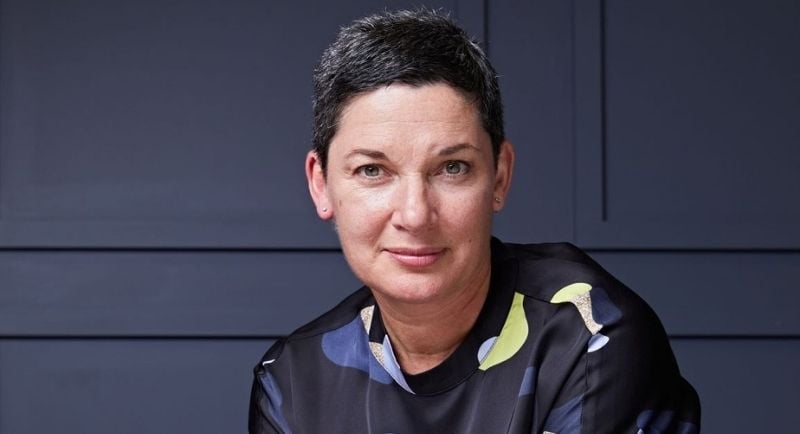
Sarah Keith
Speaking at the celebration, Managing Director Sarah Keith thanked the room for the role media partners have played in the agency’s rise.
“As we reach this milestone, it’s hard to believe that it has been five years since we took the leap and launched the Involved Media brand,” Keith said.
“In that time we have taken on some excellent clients, done some great work and firmly established Involved Media as one of Australia’s leading independent agencies.”
She credited the broader media community for contributing to that success.
“Our media partners have been an enormous part of our success. The creativity, ideas, responsiveness, your hospitality and events – these are inextricably linked to ours and our clients’ success.”
Attendees included senior commercial leaders such as Seven’s Melbourne Managing Director Peter Charles, Nova’s Melbourne Commercial Director Josie Cooper, Paramount’s Victorian Independent Sales Director Adam Quick, and SEN’s Group Commercial Director Sharna King.
Backing growth with deep media expertise
Involved Media has recently added major clients, including CareSuper, Fever-Tree, R U OK? and Animals Australia, contributing to strong growth momentum.
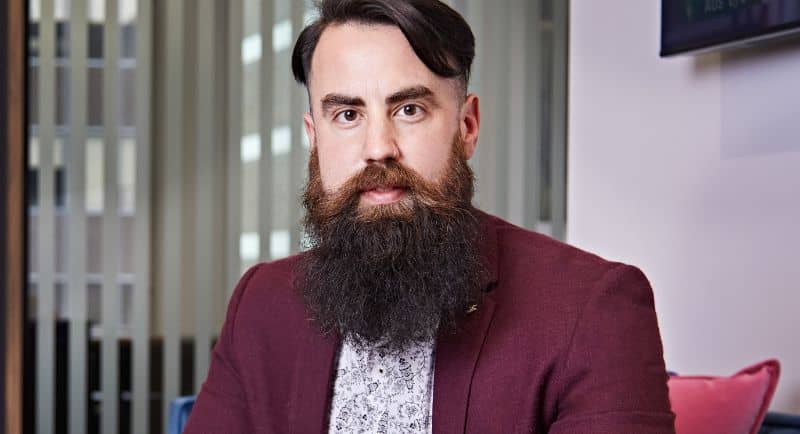
Dan Hojnik
National General Manager and Head of Strategy Dan Hojnik said the agency’s performance reflects a deliberate strategic focus.
“We have had tremendous business success with six new major clients in 2025 and this year we are working to hit again achieve double-digit growth, but it is because of the people in this room that we are able to to do it,” Hojnik said.
“When launching Involved Media we made a clear choice to go deep on media expertise. Not surface-level channel planning, but designing communications systems that compound.”
He added that the agency sees media as “the infrastructure for growth”, with each channel strengthening the next to deliver disproportionate commercial impact.
Involved Media’s client roster includes Hertz, Thrifty Car Rentals, CareSuper, Fever-Tree, Anytime Fitness, Stanley Black & Decker, Chartered Accountants Australia and New Zealand, and BetterHelp.
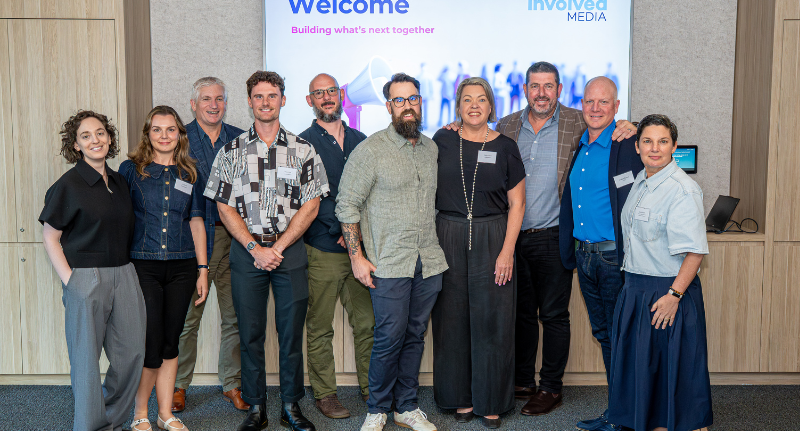
Top Image: (L – R) Cristina Spizzica, Lily Farlow, David Roddick, Mason Stiles, John Bryant, Daniel Hojnik, Sophie Carkeek, Cameron Baxter, Andrew Bulmer and Sarah Keith
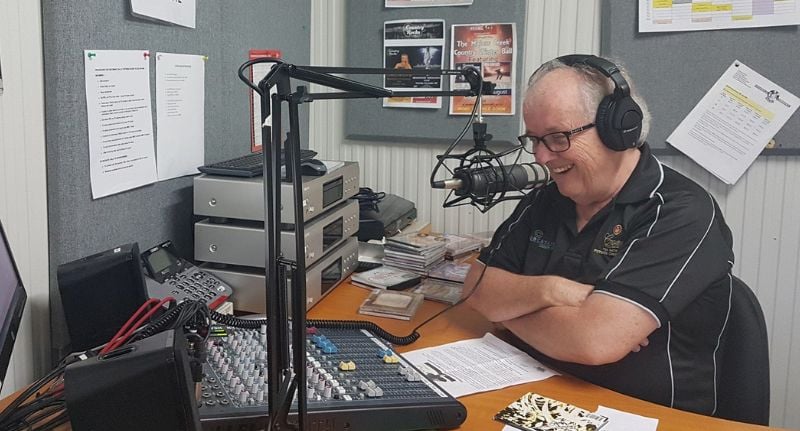
Radio personality Pete Diskon dies aged 75
Radio personality Pete Diskon has died aged 75 following heart ailments and a brief period in palliative care.
Diskon turned 75 earlier this month. His career spanned five decades, with roles across commercial and community radio in Victoria, New South Wales, Queensland and Tasmania.
Trained in Melbourne at 3XL 50 years ago, he secured his first role at 2XL in the NSW Snowy Mountains.
He went on to work at 2WG, 2ST, 2DU, 2MG, 2ST, 2EC, 2NZ and 2CA Canberra. He also served as Network Program Manager for 4VL, Triple C Charleville and 4DB Dalby in Queensland.
His career included positions at 7BU and 7AD in Tasmania and community station CHY-FM in Coffs Harbour.
Diskon concluded his commercial radio career with an eight-year tenure as host of 2EC’s morning program in Bega.
Community and public service
Following his commercial radio roles, Diskon volunteered at 2EAR and Braidwood’s 88.9FM, where he worked as a presenter, mentor, trainer and board member.
In 2022, he was elected to the Eurobodalla Shire Council.
Diskon is remembered for his long-standing contribution to regional broadcasting and community life on the NSW South Coast.
Main image: Pete Diskon. Source: Facebook