
Monday March 23, 2026
Nine Radio set to rebrand as Tapt Media
Nine Radio is set to rebrand as Tapt Media from 1 May 2026, pending completion of the Laundy family’s acquisition of the audio business.
The Laundy family said the new identity would mark a shift in the company’s direction, with a stronger focus on talk radio, live streaming, podcasting and data-led advertising solutions.
The rebrand will not affect the company’s station brands. Sydney’s 2GB, Melbourne’s 3AW, Brisbane’s 4BC and Perth’s 6PR will all retain their existing names.
Tom Malone, managing director of Nine Radio and incoming chief executive of Tapt Media, said the change was intended to signal the company’s next phase.
“The transition to Tapt Media is about more than just a name change; it’s a statement of intent,” Malone said.
“Our talk stations are the heartbeat of their communities, and they will remain the foundation of what we do. ‘Tapt’ perfectly captures our energy as we expand deeper into the digital space.”
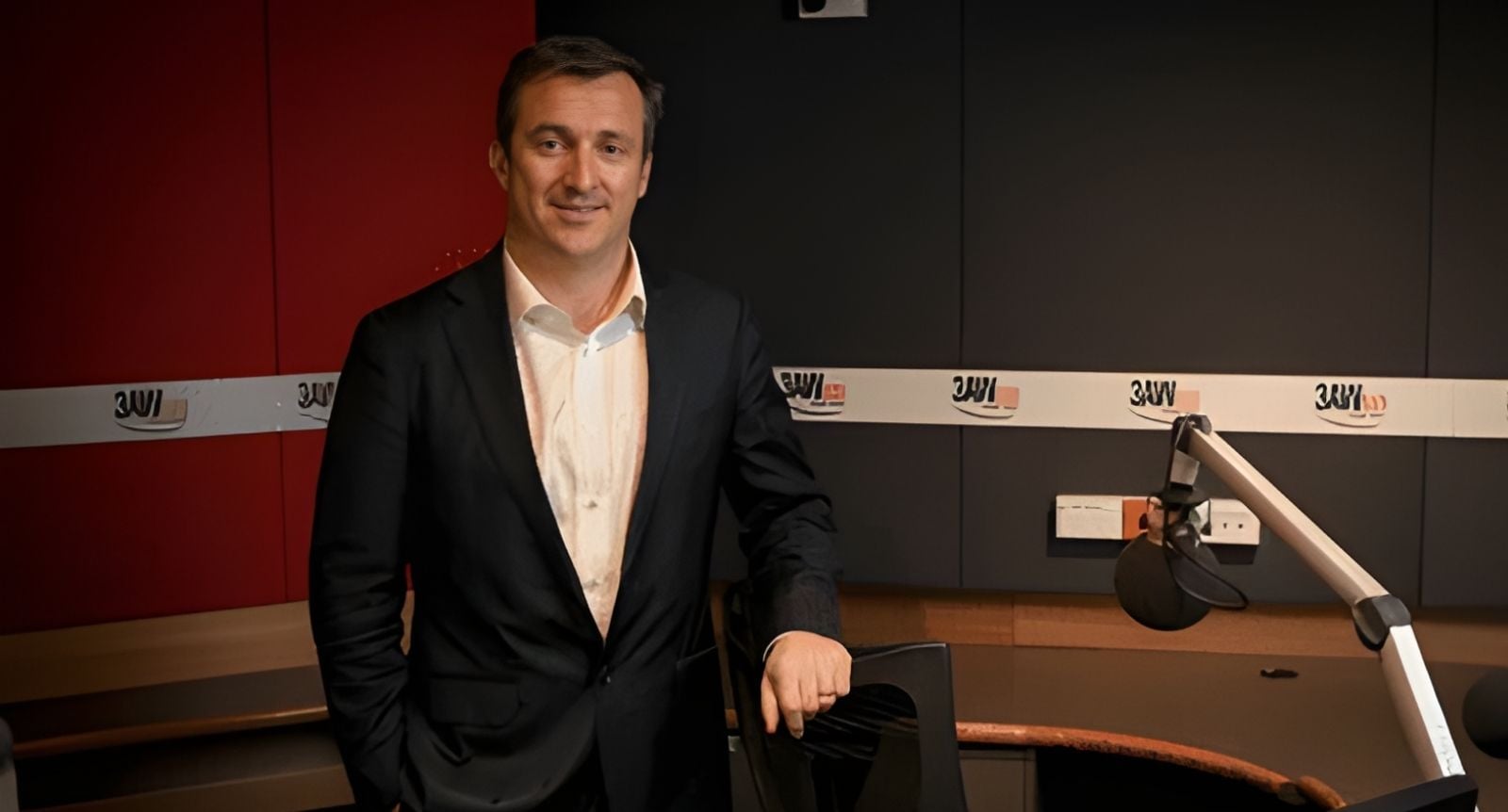
Nine’s radio boss Tom Malone.
The new brand rollout
The Laundy family said the Tapt Media name had been designed to reflect a business that is “tapt in” and connected to audiences, advertisers and the broader media market.
Trade and corporate branding is expected to change from 1 May, assuming the acquisition completes on 30 April 2026. The transaction remains subject to approvals.
According to the statement, Tapt Media will position itself as a commercial talk network with a growing podcast slate and a continued emphasis on live and local content.
The company said the strategy would combine the reach and trust of radio with podcast storytelling and digital advertising capabilities.

Australia puts tech giants on notice with tough new AI rules
Australia has set out a strict new five-step framework for tech companies seeking to build data centres and deploy artificial intelligence, tying future approvals to national interest, energy investment and local access.
Under the federal government’s plan, companies will be required to contribute to renewable energy infrastructure and grid upgrades, in a move designed to prevent costs being passed on to households and businesses.
They will also be expected to use water responsibly and make computing capacity available to Australian businesses.
Projects that fail to meet the new standards will be deprioritised in the approvals process.
Government sets conditions on AI and data centre investment
The framework outlines five core expectations for global tech players: prioritising national interest, supporting the clean energy transition, ensuring sustainable water use, investing in local jobs, and strengthening Australian innovation.
Federal Industry Minister Tim Ayres said the policy was designed to set clearer guardrails for a sector increasingly critical to the economy.
“Australia is open for business – but the kind of business that puts Australia’s national interest first,” he said in a statement.
“Securing this infrastructure onshore strengthens our security, supports our start-ups and researchers and ensures Australian data benefits Australians – not offshore jurisdictions.”
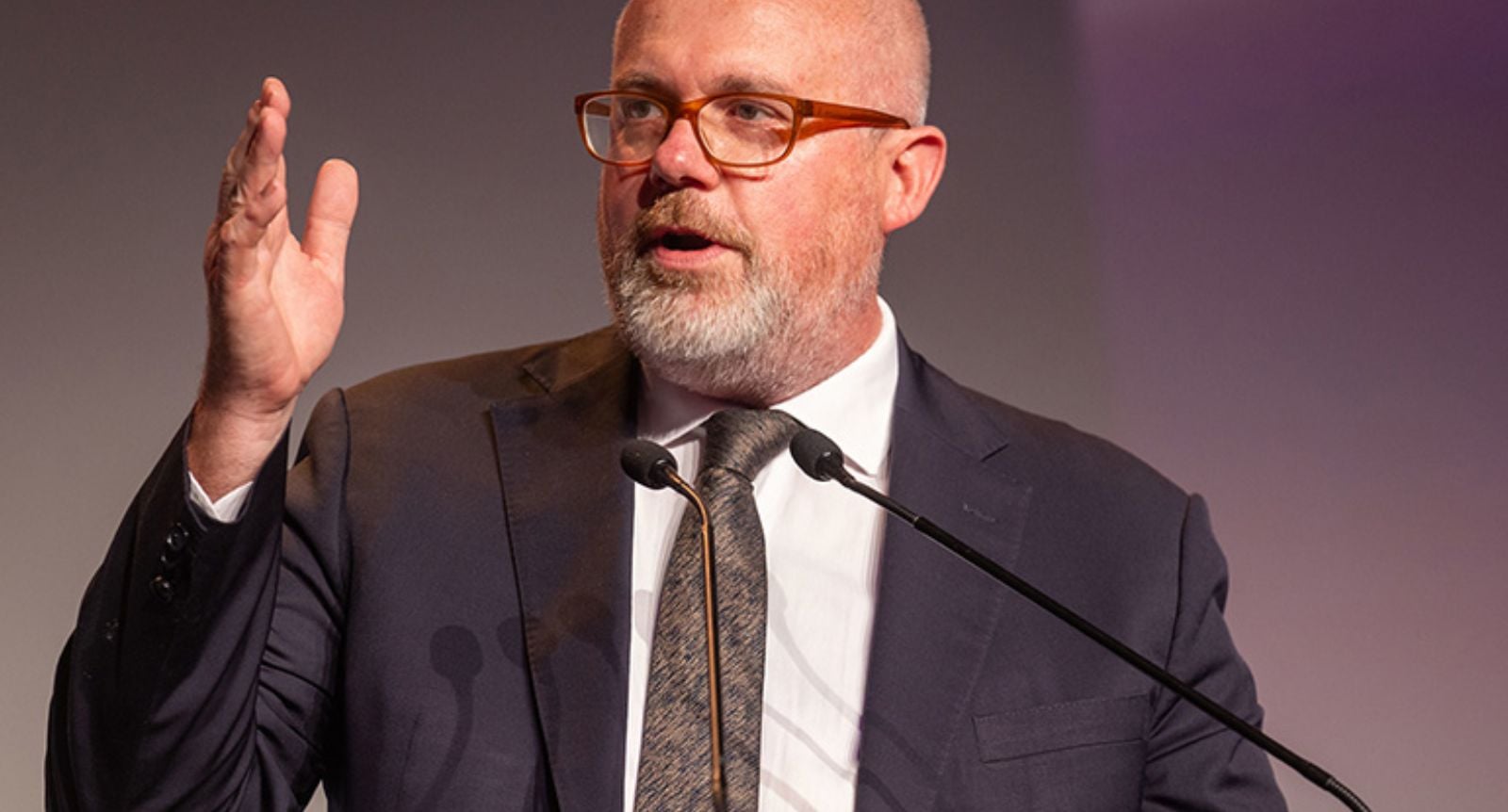
Federal Industry Minister Tim Ayres
Energy Minister Chris Bowen positioned the move as part of a broader push to align data centre growth with Australia’s renewable energy advantage.
“Data centres have great potential to support our grid and expand new renewable investment, but it’s important we work together across jurisdictions and with industry to get the investment settings right so that we can continue to keep our system secure and energy prices low for all consumers,” he said.
Next step after national AI plan
The announcement follows the release of Australia’s national AI plan in December, which set out a roadmap to capture the economic benefits of artificial intelligence while managing emerging risks.
The plan focused on three priorities: attracting investment in digital infrastructure and local capability, lifting AI adoption through skills development, and ensuring safety by creating a national AI Safety Institute.
The institute is backed by $29.9 million in funding, announced in early 2026.
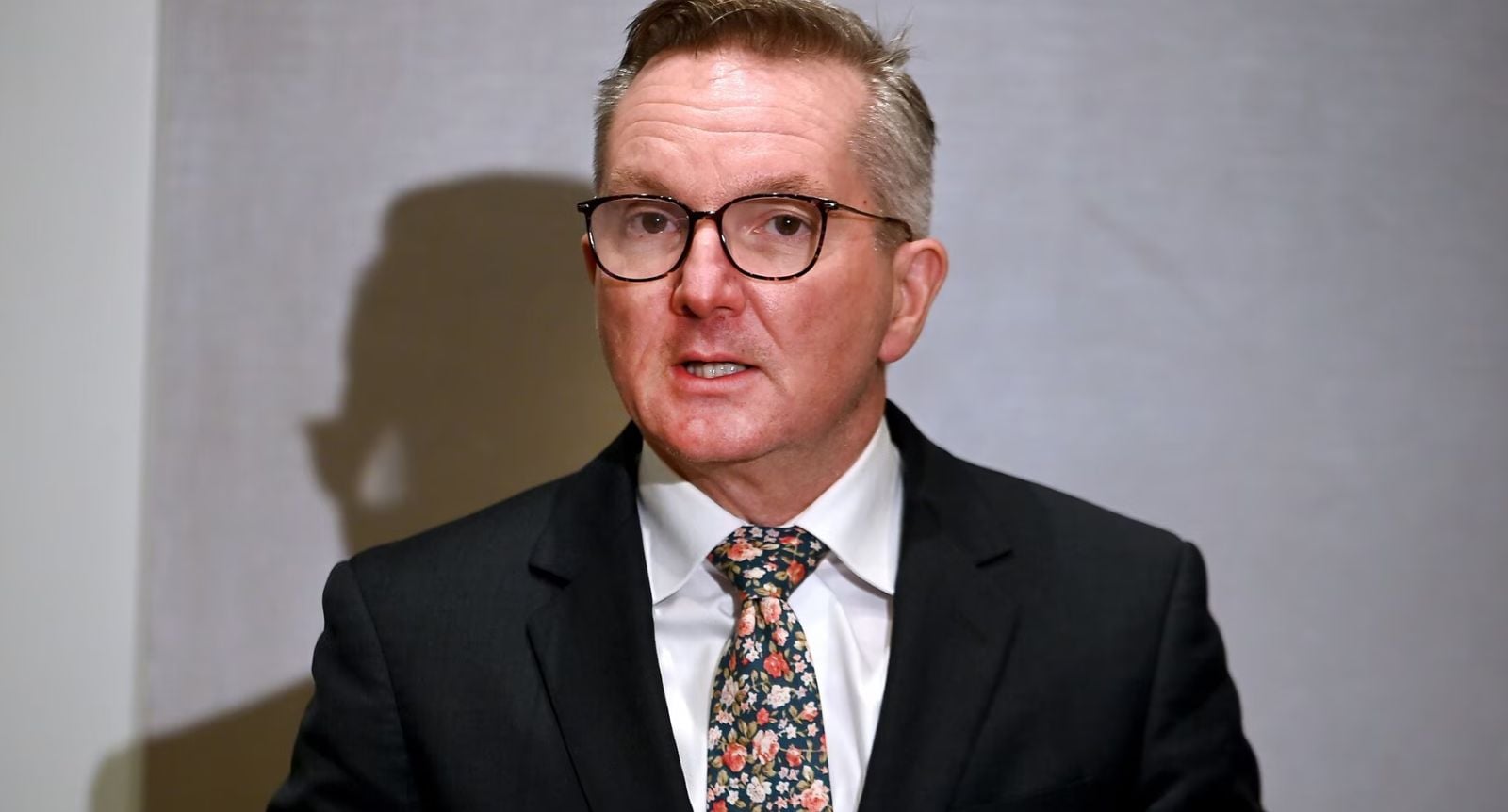
Energy Minister Chris Bowen
Industry warns on reliance on offshore AI
While the broader roadmap was welcomed by industry, concerns remain about Australia’s reliance on overseas AI providers.
Sovereign Australia AI chief executive Simon Kriss said local capability would be critical to building trust and long-term adoption.
“The announced AI Safety Institute is at risk of becoming a toothless tiger if all our AI is purchased from overseas, where they care less about our values and laws,” Mr Kriss said.
“For Australian businesses to begin to trust in and adopt AI, we must be assured that the models we use are built under Australian law and that none of our data ever leaves Australian shores or is processed by servers owned by American companies who are subject to the US CLOUD Act.”
Kriss’ company is currently developing what it describes as Australia’s first large language model.
Is this ARN’s Breakfast show stopgap… or the start of life after Kyle and Jackie O?
A week after stepping in as a fill-in for Kyle and Jackie O, Mike E looks set to remain in the KIIS Breakfast slot, at least for now, raising the inevitable question: is this simply a placeholder, or the first signal of ARN’s longer-term play?
The veteran broadcaster, whose real name is Michael Etheridge, posted an image to Instagram over the weekend, showing him sitting in the iconic KIIS studio, with a caption: “Back on KIIS this week, 6-9am. Big week ahead.”
It followed confirmation via the Game Changers Radio podcast that ARN had locked in a temporary line-up built around familiar voices from the Kyle and Jackie O ecosystem.
“It’ll be Mike E, Intern Pete, it is Brooklyn, and Nat Penfold will produce the show,” said co-host Craig Bruce.
Bruce was referring to former Kyle and Jackie O producer Pete Deppler, newsreader Brooklyn Ross, and former executive producer Nat Penfold.
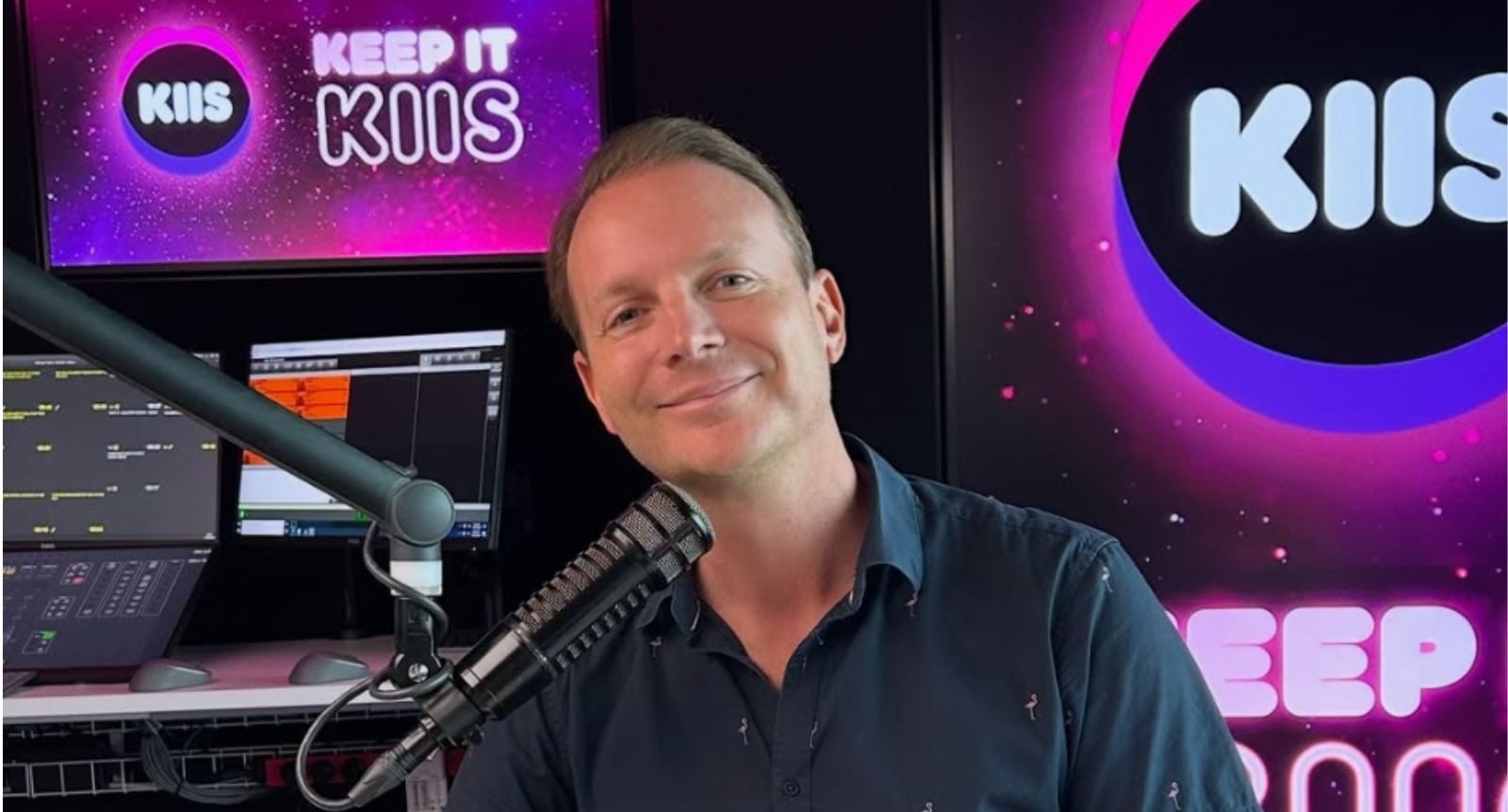
The image Mike E posted to Instagram with the caption: “Back on KIIS this week, 6-9am. Big week ahead.”
Placeholder or proving ground?
But not everyone is convinced this is anything more than a holding pattern.
Co-host Irene Hulme was quick to frame it as such.
“No offence against Brooklyn or Intern Pete, any of them, Mike E and Nat, I think is great. But that’s a placeholder.”
Bruce didn’t disagree with the premise, but suggested the timeline could stretch far longer than expected.
“It might be, and I guess the question would be how long, and they would know that as well, and how long are they placing this placeholder for? And I mean, this could be two years.”
That’s the tension now sitting at the heart of ARN’s Breakfast strategy.
Because whatever comes next for KIIS isn’t just a programming decision, it’s a ratings gamble.
“Imagine it from ARN’s perspective, whatever replaces Kyle and Jackie O is going to get smashed, right? From a ratings perspective. Brooklyn and Pete at least take the edge off.”
In other words, familiarity becomes a form of risk management.
Low cost, low noise… by design?
Bruce also pointed to what could be a deliberately conservative commercial approach.
“And I think for ARN, this will be about doing the best possible show for the smallest possible outlay. I don’t think there’ll be any marketing. I think they’ll have really small tactics budgets. Look, they don’t have money for talent.”
It’s a view that cuts to the broader market reality ARN is facing – a high-stakes Breakfast slot, an uncertain talent future, and a need to maintain audience share without overcommitting spend.
A familiar voice returns
For Etheridge, the move marks a return to familiar territory.
He previously spent more than a decade as one half of the Mike E & Emma duo (with Emma Chow) on The Edge 96.1, later rebranded as CADA, before the pair exited ARN for SCA.
Their paths then diverged: Chow joined 2DayFM Breakfast alongside Jimmy & Nath, while Etheridge remained with the Hit Network in a solo capacity, where he continues to be heard nationally.
Now, he finds himself back at ARN, and at the centre of one of the biggest questions in Australian radio right now.
Ipsos iris: Winter Olympics and Australian Open lift sports audience in February
Ipsos iris data shows major sporting events helped lift Australia’s online sports audience in February, with 13.3 million people visiting a sports website or app across the month.
That equated to 59 per cent of Australians aged 14+ online, with the sports category up 4.9 per cent month on month. Ipsos attributed the rise to events including the 2026 Winter Olympics, the Australian Open men’s final and the Super Bowl.
What drove sports viewing in February?
The audience increase came as Australians turned to digital platforms for live updates, highlights and analysis around major local and international events.
According to the release, Australians spent an average of 32 minutes consuming sports content online in February. Men spent 49 minutes on average, compared with 13 minutes for women.
Men accounted for 52.2 per cent of the sports audience, while women made up 47.8 per cent.
Which sports brands ranked highest?
According to the ranking chart in the release, news.com.au Sport had the biggest online sports audience in February with 3.825 million users, followed by Fox Sports on 3.008 million and 7news.com.au Sport on 2.415 million.
The Australian Football League ranked fourth with 2.416 million users, ahead of ESPN.com.au on 2.354 million and Kayo Sports on 2.340 million. Nine.com.au’s Wide World of Sports, National Rugby League, Cricket Australia and the Organising Committee of the Olympic and Paralympic Games also featured in the top 10.
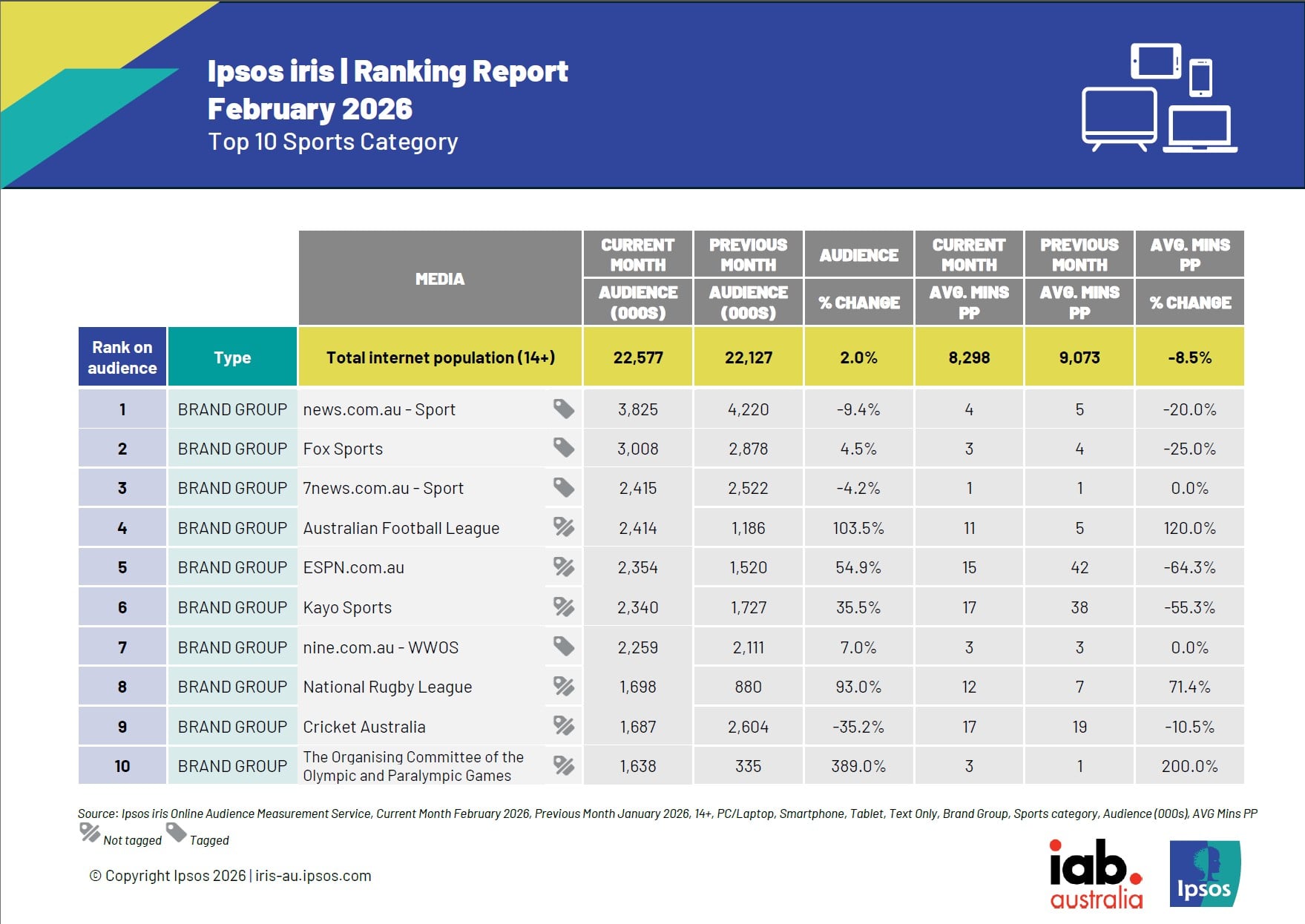
Ipsos iris chart – sports Feb 26
Broader digital trends
The same Ipsos iris release said 22.6 million Australians aged 14+ used the internet in February and spent an average of 4.9 hours online each day.
It also noted that more than 21 million people used a news website or app during the month, underlining the continued scale of digital publishing audiences in Australia.
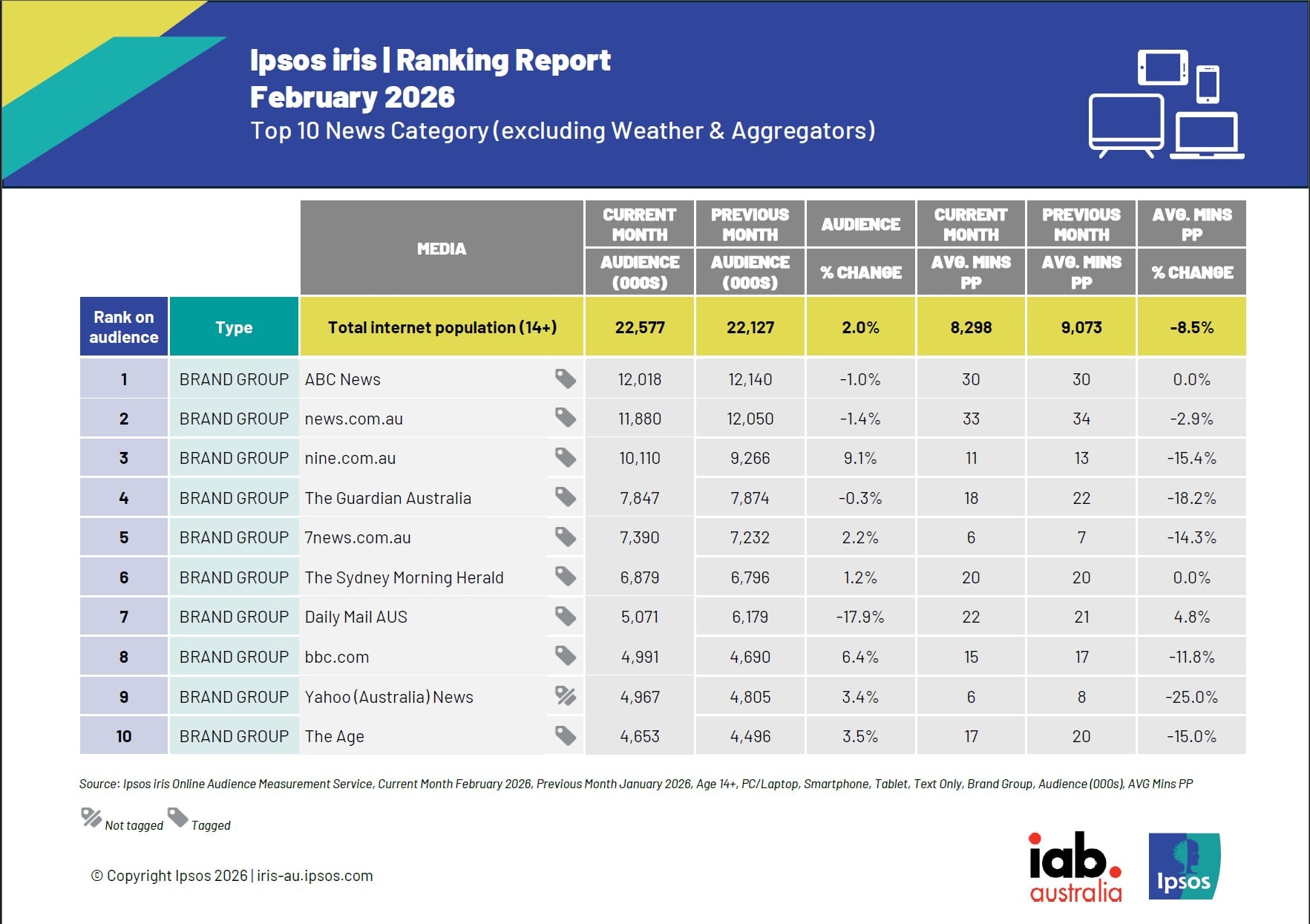
Ipsos iris chart – news Feb 26
How Ipsos iris measures audience
Ipsos iris is the digital audience measurement currency endorsed by IAB Australia. Its methodology combines site-centric measurement with a nationally representative, single-source panel.
The panel measures activity across 8,000 smartphone, PC, laptop and tablet devices, with data designed to account for cross-device usage.

'The most human place on the internet': How Reddit's ad machine hit its stride
Reddit has quietly become one of the most powerful advertising platforms on the internet.
Now, with a breakout financial result and a CMO on a mission to make the platform “known, relevant and used by everyone around the world,” the conversation business is officially open for big media money.
The platform’s 1.5 billion-plus monthly visitors populate forums spanning everything from global geopolitics to the deeply niche, such as r/RealBeesFakeTopHats – a forum dedicated to photoshopping top hats onto bees, r/mildlyinteresting, and r/AskAustralia – ensuring that no matter how specific someone’s interests are, there’s a community waiting.
It is, as the company’s chief marketing officer Jim Squires explained to Mediaweek, the biggest small place on the planet.
“Everyone has something that they’re interested in, some interest or something in their life that they can get value from Reddit,” Squires said.
“I want to make Reddit known, relevant and used by everyone around the world, and we have so much opportunity to do that.”
That ability to offer both mass reach and surgical niche targeting sits at the heart of Reddit’s advertising surge.

Reddit’s chief marketing officer Jim Squires. Source: Reddit
A financial turning point
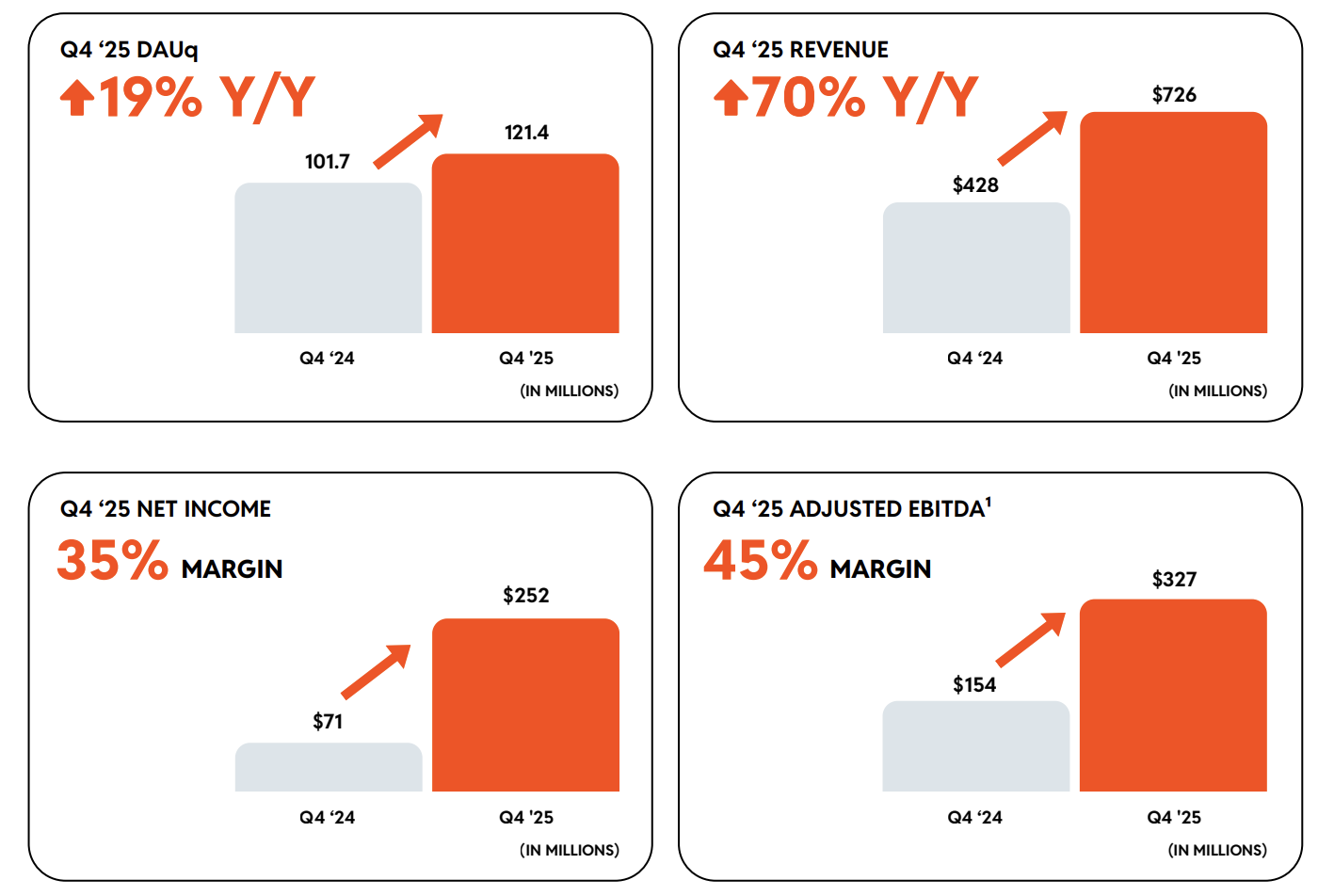
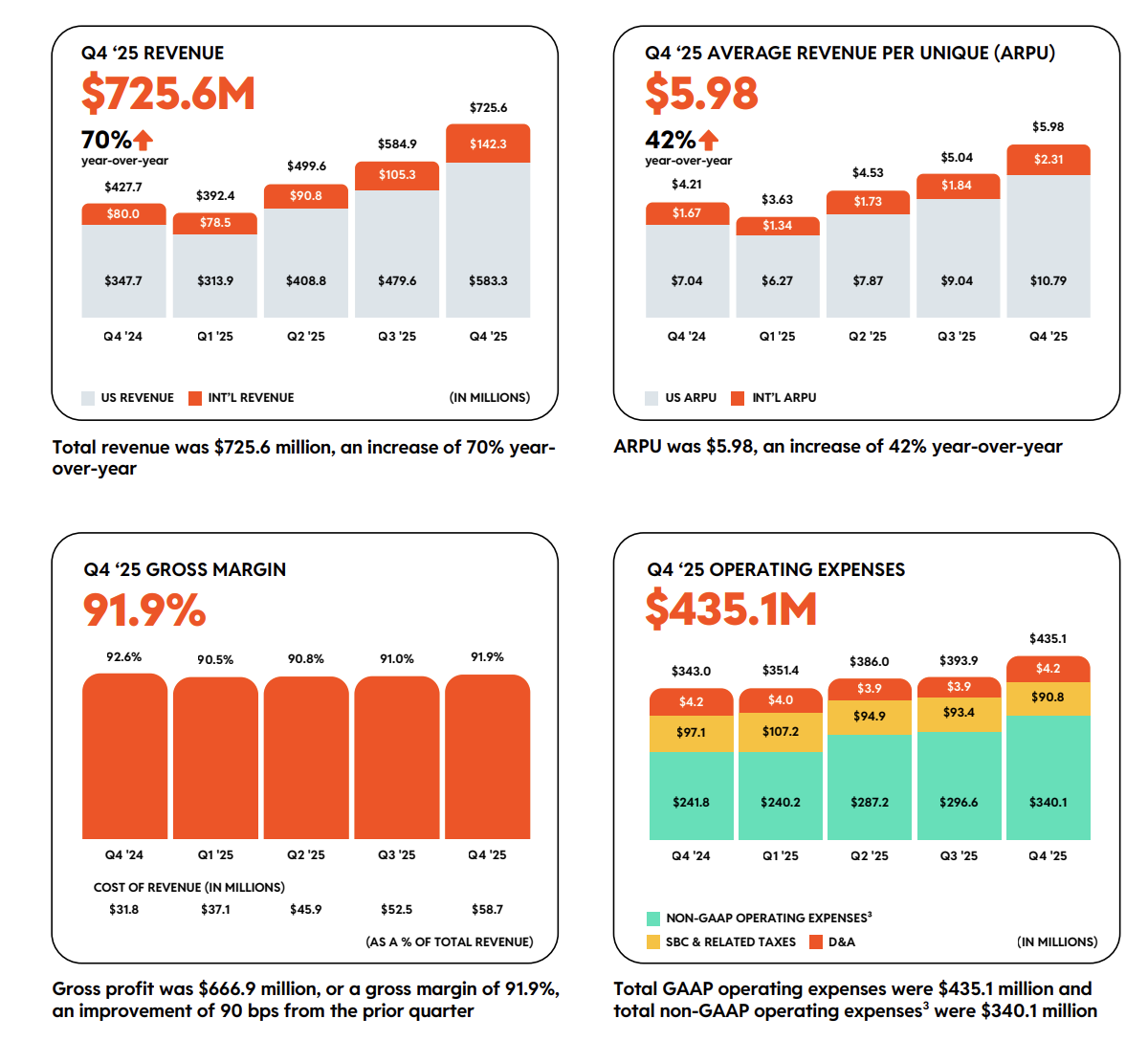
Reddit posted Q4 revenue of approximately A$1.1 billion, up 70% year-on-year, with advertising driving almost all of it.
Ad revenue climbed 75% to around A$1.03 billion, while full-year revenue rose 69% to approximately A$3.3 billion.
Net income for the quarter hit roughly A$380 million, up from A$107 million a year earlier, and the platform swung to full-year profitability after posting a loss in 2024.
Daily Active Uniques grew 19% to 121.4 million, with international audiences leading the charge. International DAUq jumped 28% year-on-year, compared with 9% growth in the US, and revenue followed: international ad dollars climbed 78% in Q4 alone.
Global ARPU rose 42% to around A$9.00; US ARPU surged 53% to approximately A$16.20 – a clear signal that Reddit is getting markedly better at turning intent-rich conversations into advertising returns.
Adjusted EBITDA came in at approximately A$490 million for the quarter, a 45% margin that places Reddit squarely alongside the top tier of global ad-supported platforms.
The board’s approval of a A$1.5 billion share buyback, bold timing for a recently listed company, underlines confidence in the platform’s trajectory.
Why advertisers are paying attention
For Squires, the commercial logic is straightforward: Reddit users aren’t scrolling passively. They’re actively researching purchases – and that changes everything about how advertising performs on the platform.
“People are often on Reddit to have conversations with other people about the types of things that they want to purchase and what they want to buy,” he said.
“Unlike other platforms where you may be there to do something else and then you happen to see an ad… here it’s actually part of that purchase journey.”
The implication for media planners is significant. When someone lands on Reddit -whether via search or direct – they are, in Squires’ words, “comparing notes and actually making purchase decisions on the platform.”
Advertising that slots naturally into those conversations isn’t an interruption. It’s a contribution.
“The advertising, when done right, and people expect to see that advertising on the platform, can be part of that conversation and targeted towards those conversations so that it’s bringing value to people and what they want to do on the platform,” he said.
Lowering the barrier to entry
That intent signal is increasingly being packaged into accessible ad products designed to get brands on the platform faster and with less friction.
Reddit’s Max campaigns are built around simplicity – advertisers bring existing creative, set their objectives, and let the system identify the most relevant conversations and communities.
“We want to make it really easy for advertisers to get started so they can take creatives that they might be running on other platforms that they’ve already done, and they can bring that over very easily,” Squires said.
The ambition goes further than ease of setup. Reddit wants to give advertisers meaningful insights into which communities are most relevant to their category and what people are actually saying about their brand – and their competitors.
“We want to give advertisers insights about what communities are relevant for what they’re doing, what people are saying about the brand and their competitors, and then make it really easy for them to set up and run,” Squires said.
“We’re trying to make it really easy for advertisers to get those insights, set up their campaigns, create value for people with their advertising – and then that drives impact for them.”
The AI tailwind
There’s a longer-term structural argument playing out, too.
As AI-generated content floods the internet, human-verified experience becomes scarcer – and more valuable. For Squires, that dynamic is one of Reddit’s most compelling advantages.
“In a world that’s going more and more AI, Reddit really becomes scarcer and more important because it’s the most human place on the internet,” he said.
“AI can’t test drive a car and then tell you what the experience was -a human has to do that and then share their experience.”
It’s a distinction that goes to the core of what Reddit is.
AI can learn from human conversations, Squires acknowledged, but it cannot replicate them – and for questions where there is no single right answer, the conversation itself is the point.
“What should I listen to, what should I do – the answer is actually the conversation that you have and hearing different people’s points of view,” he said.
“That’s really what just makes Reddit more and more scarce and more and more important.”
Nine responds to Amber Sherlock ageism claims
Veteran journalist Amber Sherlock vanished from Australian screens in November 2025, after 20 years of being on air.
She’s now shared her suspicions as to why.
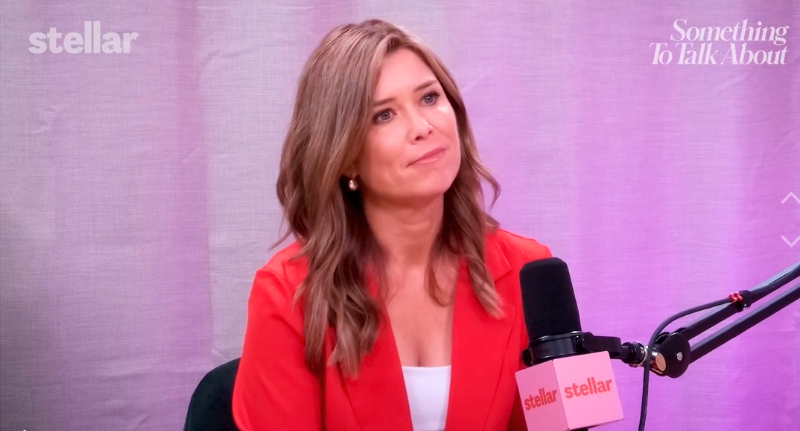
In an interview with Stellar, Sherlock said she felt that her age – she was turning 50 in three weeks when let go by Nine – was the biggest factor.
“I always joked they’d never have a 50-year-old weather presenter. Who knew I was being prophetic in that?” Sherlock said.
“I don’t think it was a financial reason. It’s unfortunate and I think the people that have gone on and are stepping into the role I was doing are 10 to 15 years younger than me.”
She added, “Over the course of Nine, I think I’ve done over 5000 bulletins. I mean, that’s a lot. I was so privileged to have the opportunity to be in people’s lounge rooms.
“Now being replaced by 20-or30-year-olds – I know Hollywood might have a lot to answer for because maybe 50-year-olds are looking like 20- or 30-year-olds – management [must] accept that people are OK seeing themselves reflected on the TV.”
The Australian reports Sherlock has lodged a legal complaint with the Federal Court following her retrenchment.
According to The Australian, she lodged a statement of claim with the Federal Court on March 9, accusing Nine of dismissing her “in contravention of a general protection.”
@stellar_aus Amber Sherlock’s sudden departure from her TV job of nearly 20 years left her blindsided. But she is far from finished. In a new interview with the Stellar podcast Something To Talk About, Amber opens up about how losing her job just a few weeks shy of a milestone 50th birthday last November proved “prophetic”, given she held doubts about the industry’s belief that “people are OK seeing themselves reflected on the TV”. Amber also looks back at the viral “#jacketgate moment that made global headlines in 2017 – and ahead to what comes next. As Sherlock tells host Sarrah Le Marquand, “I feel like women in their 50s have so much to give.” Watch and listen to the full interview on #SomethingToTalkAbout at the link in bio – or wherever you get your podcasts, and read the interview inside Stellar via The Sunday Telegraph (NSW), Sunday Herald Sun (Victoria), The Sunday Mail (Queensland) and Sunday Mail (SA). Photographer: @stevenchee Styling: @irene.tsolakas Hair: @darenborthwick Make-up: @lindajefferyesmakeup ♬ original sound – stellar_aus
Nine responds to Amber Sherlock
A Nine spokesperson has told Yahoo, “Nine does not discriminate against any individual on the basis of age or any other factor.
“We strongly reject any suggestion that this influences any decision to remove a role that is no longer required in our business.
“The dedicated role of the 6pm weather presenter for 9News Sydney was made redundant in November 2025.
“Since then, a number of different reporters and presenters have presented the 6pm weather in addition to filling other roles across the network.”
Amber Sherlock breaks silence after Nine exit
At the time of being removed from air, Sherlock said it had been a “privilege” to appear in viewers’ homes each night.
“From my early days as a finance journalist, to reading the Qantas news and becoming the inaugural newsreader for Weekend Today, I’ve been fortunate to present across almost every bulletin,” she wrote on Instagram.
She highlighted the team’s longstanding dominance in Sydney.
“Most recently, I’ve been part of the 6pm Sydney news team alongside Peter Overton and James Bracey. Together, we’ve proudly won the ratings for the last 15 years.”
Sherlock also revealed Nine offered her “other roles”, but she chose to walk away.
“While I was offered the possibility of a few other roles, it makes sense to step away now and look at something fresh.”
Top image: Amber Sherlock speaks to ‘Stellar’. Image: TikTok
From coffee runs to the C-suite: Lorraine Woods on the long road to leading Atomic 212°'s next chapter
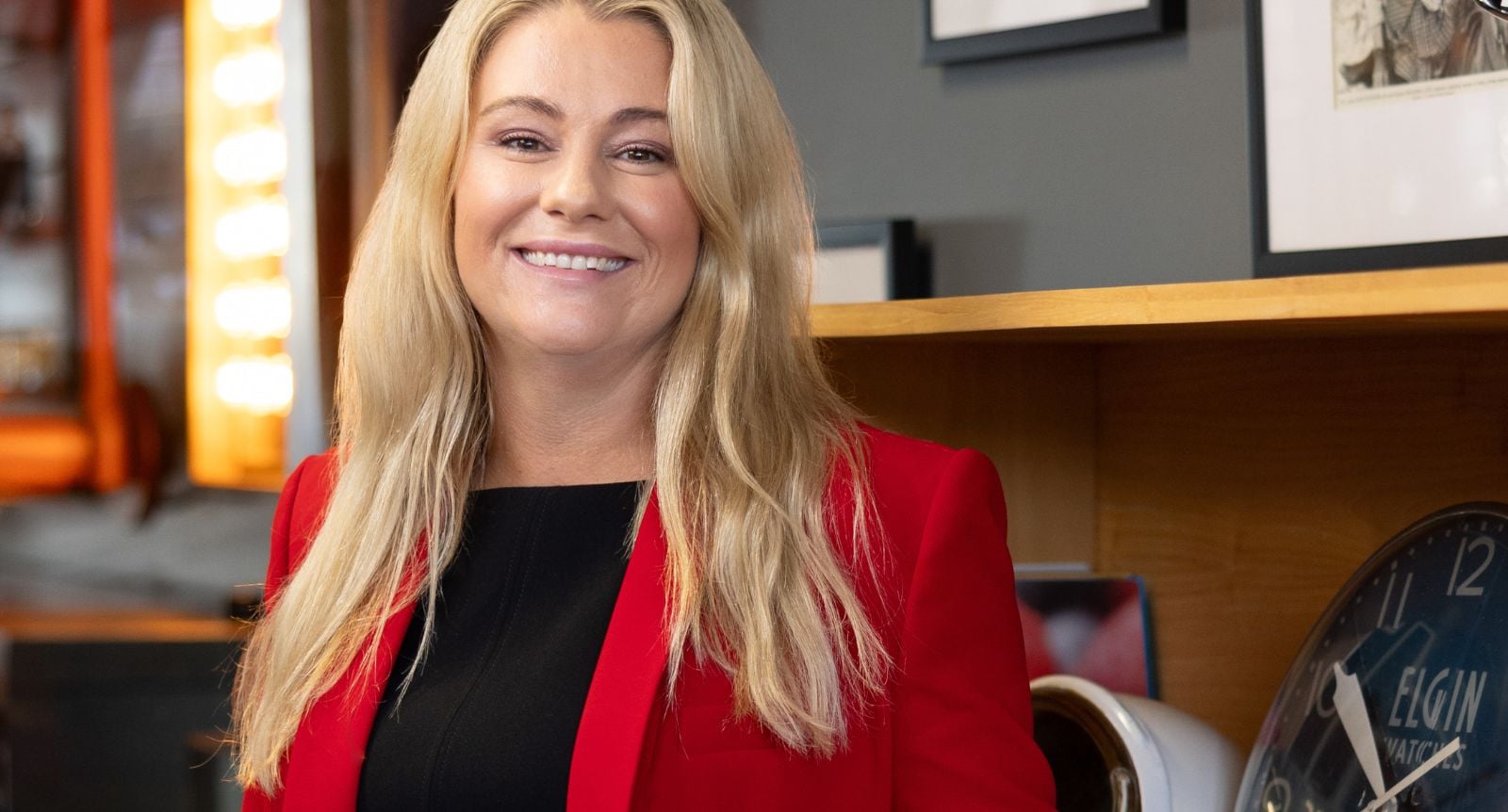
For Lorraine Woods, the path to the top of Australia’s independent media agency world started with a coffee run.
Not her own. Someone else’s.
Early in her career, Woods found herself tasked with couriering coffee to Barry O’Brien OAM, one of the industry’s most formidable agency leaders.
It is, she told Mediaweek, a small, almost forgettable moment that, in hindsight, now reads like the opening scene of a much longer story.
“Sometimes we forget the place we started because of the pressure of this industry,” Woods said.
“You can get so caught up in the now that you forget that there was once this girl who used to go and fetch coffee for one of the most renowned media agency owners that existed and dreamed that one day she would be up there working alongside him.”
Today, Woods sits firmly in the leadership ranks, having been recently promoted to chief investment and operations officer at independent agency Atomic 212° – a newly created role that expands her responsibilities across the national business.
The promotion marks a structural shift for the agency as it continues to scale its operations, invest in technology, and tighten the integration between its trading, operational, and people strategies.
But for Woods, the milestone is also deeply personal.
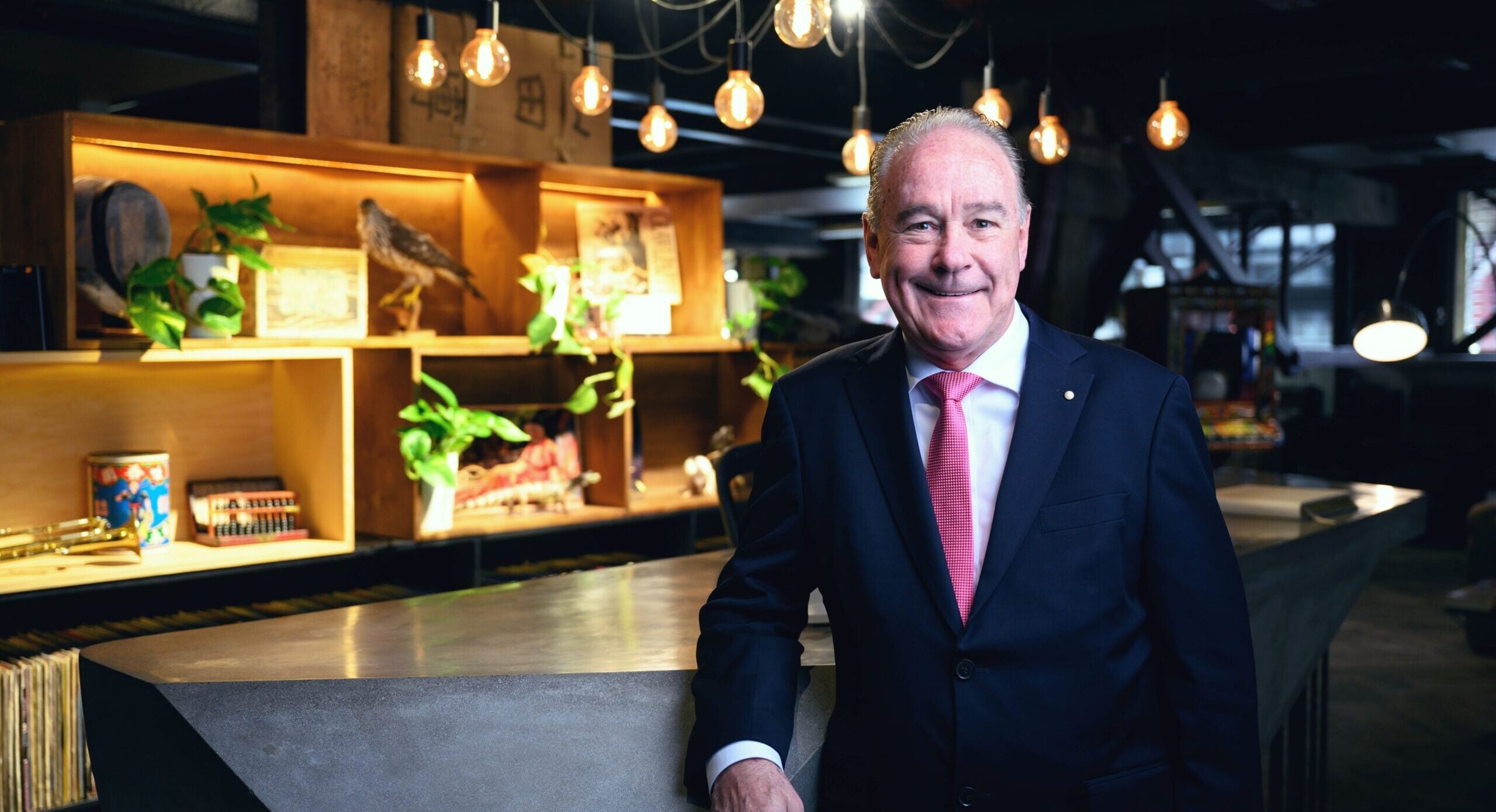
Barry O’Brien OAM
A decade building Atomic
If the early years of her career were about learning the craft of media investment, the past decade has been about building something from the ground up.
Woods joined Atomic in 2016 as national group trading director and quickly became a central figure in shaping the agency’s trading and investment capabilities. Over time, she progressed through roles including national head of trading and chief investment and trading officer.
Those years, she says, were relentless.
“For so long we were in the build phase of Atomic,” Woods reflected. “It was just about that next win and then you win, and you’ve got to go win again.
“It was that growth period, and it went on for a decade of how do we get to the point that we’re at now.”
That pace left little time for reflection.
“I constantly remind myself now of what you did.”
Learning to trust her own instincts
Leadership, Woods said, is often less about the big strategic calls and more about overcoming the quiet voice of doubt that creeps in during periods of change.
“You’re always reminded of your place of privilege,” she said. “I don’t want to have that whole toxic positivity kind of mentality.
“But sometimes we forget the pressure and the self-doubt that comes with growing in your career.”
When she steps back from that noise, the perspective shifts.
“Where I came from to where I am now, I always feel this overwhelming sense of pride when I can get myself out of that mindset to be like, actually, look at where you are.
“I remind myself that I have earned the experience to trust my judgement,” she said.
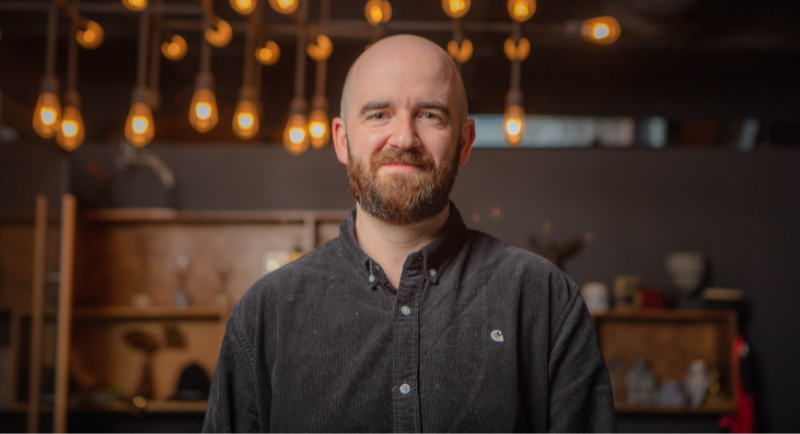
Rory Heffernan
Expanding the remit
In practical terms, Woods’ new role significantly broadens her influence across the agency.
While she previously led trading and investment, the new position brings operations, systems, and national coordination under a single umbrella.
“The new role at Atomic is still leading trading,” Woods explained. “But it is now broadening out the leadership of not just trading and investment but also operations.”
The transition has already been underway for several months.
“And I guess what really excited me about this when Rory [Heffernan, Atomic’s managing director] first positioned it to me was that it brought together all of the things that I’m most passionate about,” she says.
That includes negotiation, something Woods has spent much of her career mastering.
“What I love about negotiations is working out, okay, I need to get this result, what does this other person need, and how am I going to get them what they need and me what I need?”
Her approach, she said, is grounded in transparency.
“The way I’ve always approached that is just through pure transparency, pure honesty.
“Rather than this tension period of ‘you’re here, you’re not good enough, this isn’t good enough’, it’s really this is where I need to be.”
For Woods, those moments reveal something deeper.
“I think the way you can see somebody’s character through a negotiation is really exciting.”
The next phase for Atomic
The promotion also comes during a broader period of change for Atomic as it continues to expand its national footprint and deepen its operational infrastructure.
General managers across Melbourne, Brisbane, Darwin and Adelaide will now report into Woods, strengthening alignment across the agency’s offices.
Over the next 18 months, Woods said one of her key priorities will be giving staff greater clarity about career progression and organisational structure.
“The path that I’m taking over the next 18 months, and we’re already going through this now, is being able to provide that clarity for people,” she says.
That includes strategic workforce planning and helping employees understand what their next role might look like.
“So people can understand what’s expected of us in this current state and what’s going to be expected of us in the future state.”
The next chapter at Atomic is not just about building scale; it’s about building capability transformation.
The Publicis factor
Atomic’s place within the broader Publicis Groupe network also opens up a new layer of capability.
“It’s business as usual for Atomic, for sure,” Woods said. “But Publicis gives us what we’ve never had access to, which is that global capability, its technology, its scale, its resources.”
For someone who spent years building systems from scratch, that access changes the equation.
“I no longer have to, and as much as I love building as part of my role, I no longer just have to build this onto my already busy job,” she says.
“I can go upstairs, and there’s an army of people, there’s an army of opinions that I can stress test things with. So I love that part of it.”
Yet she insists the agency’s independent spirit remains intact.
“We have all of this available to us while still being able to maintain that entrepreneurship culture and agility that Atomic has always been known for.”
And if Woods occasionally needs reminding how far she has come, she knows exactly where to look.
Back to that younger version of herself – the one carrying coffee across the office floor, quietly imagining something bigger.

Elon Musk ‘intentionally misled’ Twitter investors
Elon Musk made misleading public statements during his 2022 Twitter takeover, a jury has found.
After two days of deliberations, a jury in San Francisco submitted an unanimous verdict in the case of Twitter investors who argued they had relied on his statements.
In his defence, Musk argued that he did not mislead investors and that they simply read too much into his public comments and tweets.
The jury did not agree. It found that his public claims of problems in Twitter’s user metrics, and the fact that he was possibly backing out of the acquisition deal, were intentionally misleading.
The BBC reports that the jury also found that Musk had artificially lowered the price of Twitter’s stock by a range of roughly $8 per share to $3 per share between May and October 2022 because of his public statements.

Elon Musk. Image: X
Musk faces litigation over Grok
The jury’s verdict comes as Musk faces litigation over X’s chatbot, Grok.
Last week, a lawsuit was filed after three teenagers discovered sexually explicit fake images of themselves that had allegedly been generated using Grok.
The lawsuit claims a Grok user altered images and videos of the plaintiffs without their knowledge, generating nude and explicit content.
Two of the plaintiffs are under 18, and all three are withholding their names to protect their privacy.
According to the complaint, the manipulated content included a high school yearbook image and was circulated on a Discord server, with similar altered images of at least 18 other girls who were minors.
Lawyers for the prosecution argue that xAI released the image-generation capability despite knowing it could be used to create such material, describing the altered imagery as “a rag doll brought to life through the dark arts”.
The complaint states: “xAI—and its founder Elon Musk— saw a business opportunity. They knew Grok could produce such results, including by using the images and videos of children, and publicly released it anyway.”
Top image: Elon Musk. Image: X
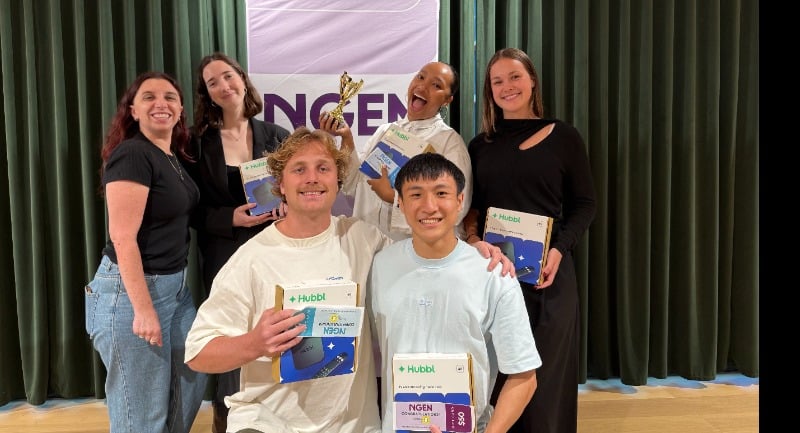
NGEN’s Charity Cup delivers $20K boost for vulnerable youth
Media Federation of Australia’s NGEN community has raised $20,558 for youth charity Down the Track through its 11th annual Charity Cup.
Held across Sydney, Melbourne and Brisbane, this year’s Trivia Edition saw teams compete in fundraising efforts and quiz challenges, with proceeds supporting early intervention programs for at-risk young people in regional NSW.
Participants organised cake sales, raffles and inter-agency challenges, with prizes donated by industry partners including Paramount, Seven Network and News Australia.
Industry collaboration drives fundraising
The Charity Cup is designed to unite NGEN members – professionals with less than 5 years’ industry experience – while raising funds for youth-focused initiatives.
This year’s charity partner, Down the Track, delivers mentoring and tailored support programs to help young people build confidence, resilience and essential life skills.
The organisation will also feature in the NGEN Award category at the MFA Awards, where participants will respond to a live brief that could be developed into a campaign.
Strong turnout across three cities
Sydney delivered the highest fundraising total at $9,570, followed by Melbourne with $5,906 and Brisbane with $5,082.
Nine dominated the competition in both Melbourne and Brisbane, taking out trivia wins and top fundraising efforts, while iProspect secured the trivia win in Sydney and oOh!media raised the most funds in the city.
Philippa Moig
Philippa Moig, CEO of UnLtd, said the event highlighted the energy of the NGEN community.
“It’s been fantastic to see the NGEN community bring such energy, creativity and generosity to the Charity Cup fundraising – putting their brains to the test for a great cause.”
Melanie Aslanidis
The MFA’s head of NGEN, Melanie Aslanidis, added that the result reflects strong industry-wide engagement.
“NGENers showed up with incredible energy, creativity and drive… raising more than $20,000 was an outstanding result. I’m incredibly proud of this community and excited to see that momentum carry through to the NGEN Award.”
Top Image: NGEN
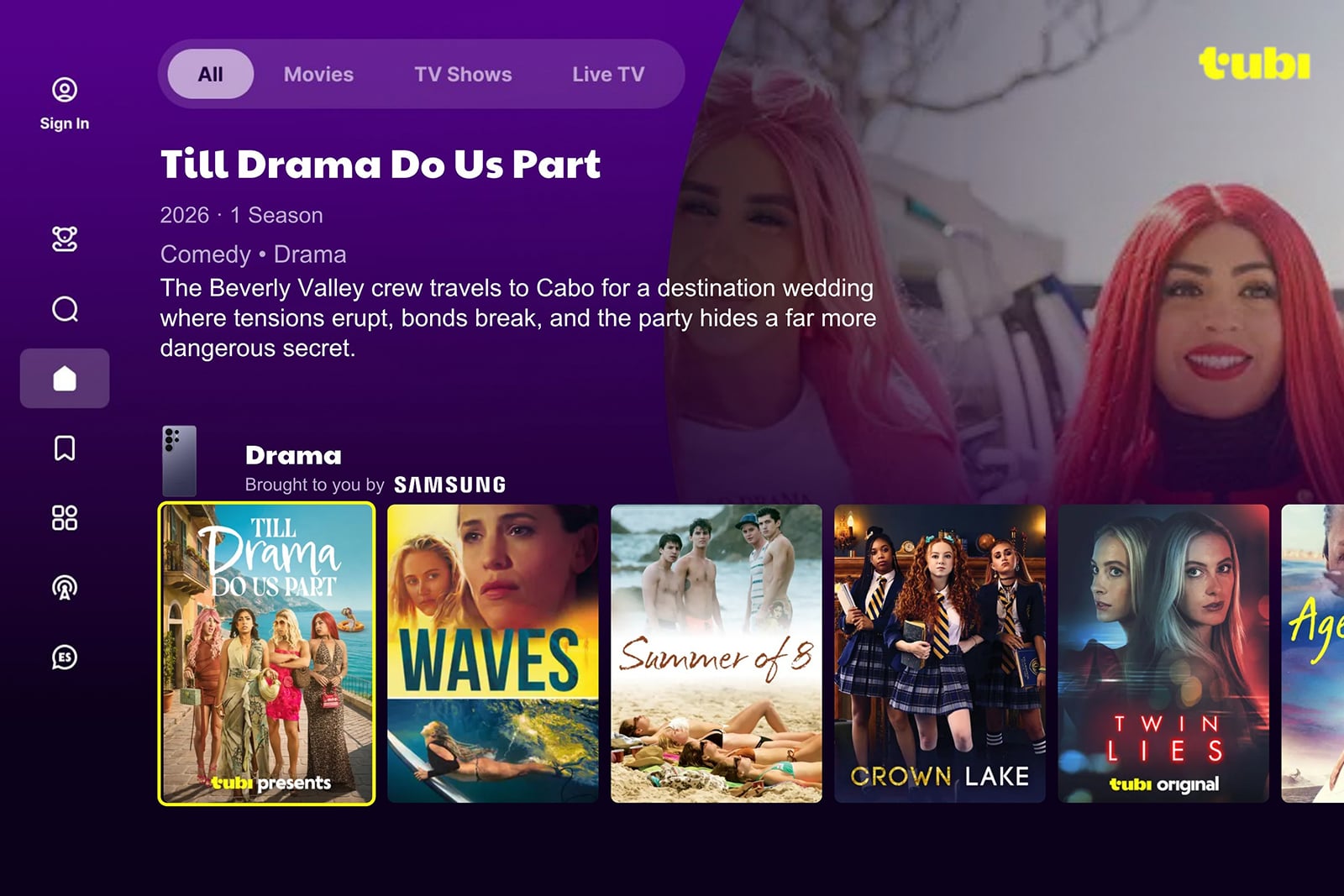
Tubi rolls out new ad takeover formats in Australia with Samsung Galaxy S26
Tubi has launched two new premium advertising products in Australia, with Samsung Electronics Australia being the first brand to activate the formats as part of its Galaxy S26 campaign.
The new offerings, Thematic Takeovers and Title Takeovers, mark a push by the streaming platform into higher-impact advertising solutions, designed to give brands greater control over viewing environments.
Tubi’s Thematic Takeovers allow advertisers to secure 100% share of voice across specific genres through pre-roll and display placements. Samsung is using the format to take over all pre-roll inventory within Tubi’s drama category, one of the platform’s most popular genres.
Meanwhile, the Title Takeover format enables brands to sponsor individual Tubi Originals with billboard and pre-roll ads, allowing viewers to watch the rest of the content ad-free.
Samsung has activated this format on Tubi original Kissing Is the Easy Part, positioning the brand as an enabler of uninterrupted viewing while building a positive audience association.
Full control meets premium environments
Aaron O’Brien
Aaron O’Brien, News Australia’s National Streaming Director, said the formats represent a shift in how advertisers can engage with streaming audiences.
“Our Tubi takeover formats represent genuine innovation in AVOD advertising. We’re giving advertisers complete ownership of premium environments, whether that’s an entire genre or specific titles, with guaranteed reach and minimal ad clutter.
“Samsung will have the opportunity to own the drama space and showcase the Galaxy S26 in a way that elevates both the product and the viewing experience.”
High-impact rollout across streaming audiences
Running across March and April, the campaign highlights Tubi’s ability to deliver high-impact placements with contextual alignment and reduced ad load.
By combining full genre ownership with exclusive title sponsorship, the campaign is designed to reach streaming-first audiences that sit outside traditional BVOD environments.
Tubi said it will continue to introduce new premium advertising solutions throughout 2026 as it expands its position in the Australian streaming market.
Top Image: Tubi
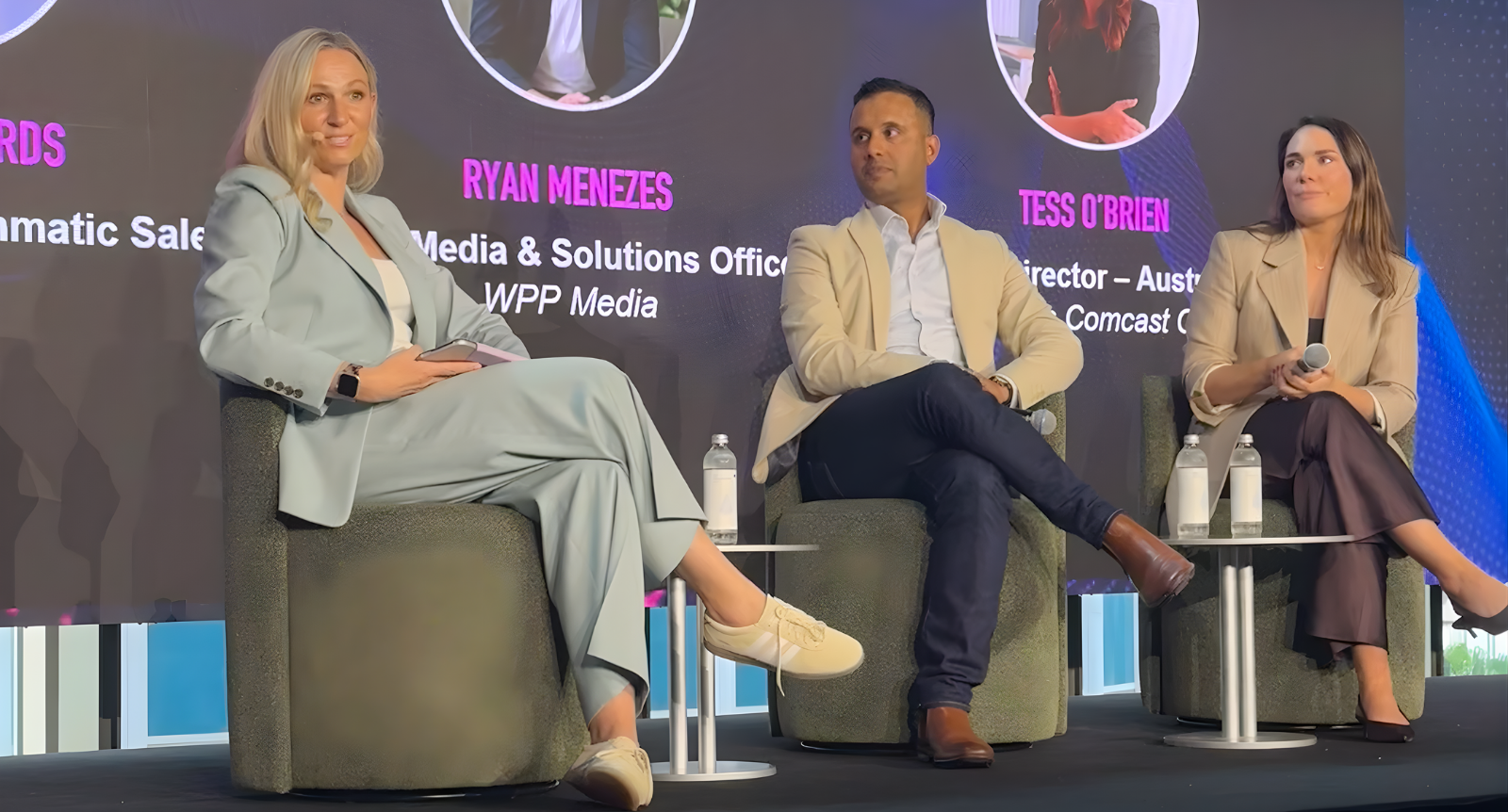
The privacy pub test: Nine, WPP & FreeWheel on adTech evolution
The Australian AdTech landscape stands at a critical juncture. We boast one of the most advanced programmatic ecosystems in the world, particularly within connected television (CTV).
However, this reliance on the open internet also brings forth certain systemic challenges. Global platforms tend to absorb a significant portion of audience attention and associated advertising value.
In parallel, the extensive audience data collected by these global entities is often used to enhance their offerings and deepen their market presence. So, how can local publishers continue to value their inventory and data without jeopardising their IP?
At this week’s Future Media Forum in Sydney, I sat in on a panel featuring Nine’s director of programmatic sales, Julia Edwards, WPP Media’s chief media and solutions officer, Ryan Menezes, and FreeWheel, a Comcast Company managing director for Australia and New Zealand, Tess O’Brien.
Together, they unpacked how the trade can keep Australian data in Australian hands.
Their proposed solution puts the power back in publishers’ hands, with a view to proving that protecting user privacy doesn’t have to ruin the bottom line.
Edwards moderated the session and framed the current dilemma:
“Australia has built one of the most sophisticated programmatic ecosystems in the world, but that success has come with a hidden data tax. We are at a critical crossroads where we must choose: do we continue feeding a fragmented global ecosystem, or do we reclaim our home ground? We need to move beyond ‘renting’ audience attention and shifting the power back to those who actually own the direct customer relationship.”
“The pact between buyers and publishers needs a reset,” Edwards added. “Buyers desperately need the transparency to power targeting and measurement, and publishers need to protect their users’ privacy. We’re here to show that these two things aren’t at odds – customer-centric decisioning is the path forward to an ecosystem that is both effective for brands and ethical for Australians.”
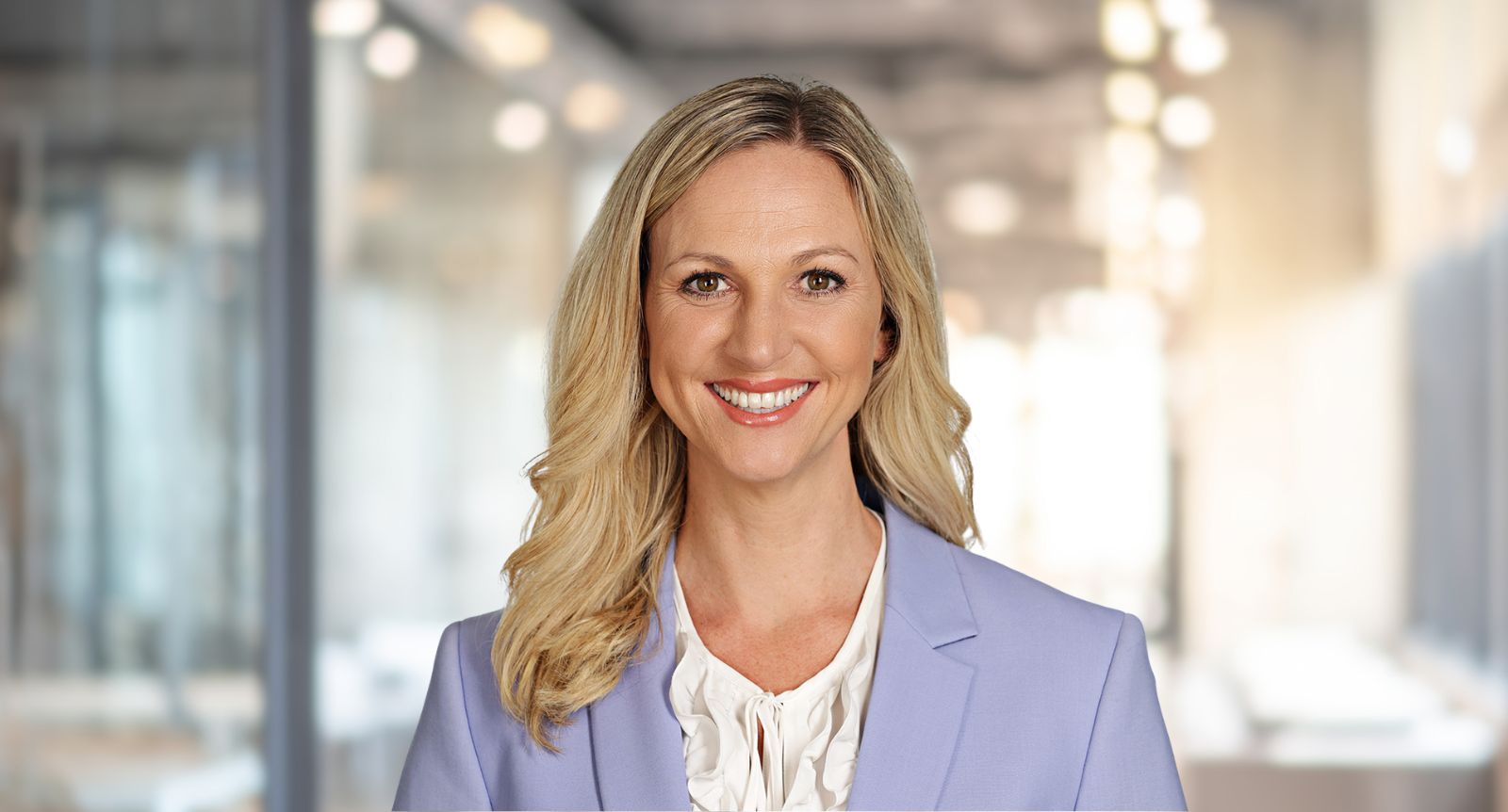
Nine director of programmatic sales Julia Edwards moderated the panel. Image: file
The 65% untrackable reality
WPP Media’s Ryan Menezes revealed just how rapidly the landscape is deteriorating.
“Around 65% of the open internet currently is untrackable,” Menezes told the room.
He noted that mobile devices generate 60% of total traffic in Australia. Apple’s intelligent tracking prevention heavily restricts this traffic. CTV accounts for another 40% of video impressions, with its own unique tracking limitations.
Add the impending 116 recommendations from the Australian privacy refresh, and the new legislation shatters the traditional cookie-based and deidentified ID playbook.
This means marketers can no longer rely on precision tracking. Menezes argued that the trade must pivot toward predictive models, including federated AI, to achieve data minimisation.
Around about here, my head started spinning.
So, as a service to people like me who failed to process most of that sentence the first time, I will break it down. What Ryan means is the advertising industry needs to stop hoarding people’s personal data to track them across the internet.
Instead they need to use smart AI to guess what they want without ever invading their privacy.
Quite.
The privacy pub test and million-dollar liabilities
This shift brings massive legal and ethical implications. Menezes warned against blindly clicking on programmatic audience segments in demand-side platforms without verifying the data source, quality or consent framework.
“It can be a problem when marketers are blindly using data, but not sense-checking it. Marketers should be asking if their targeting passes the ‘pub test,’” Menezes cautioned. “If the user doesn’t benefit from the exchange and finds it overly intrusive, it immediately becomes a liability. The financial stakes are escalating rapidly; agencies are now confronting multi-million dollar indemnities, underscoring that getting data ethics right is no longer merely optional, but an absolute imperative.”
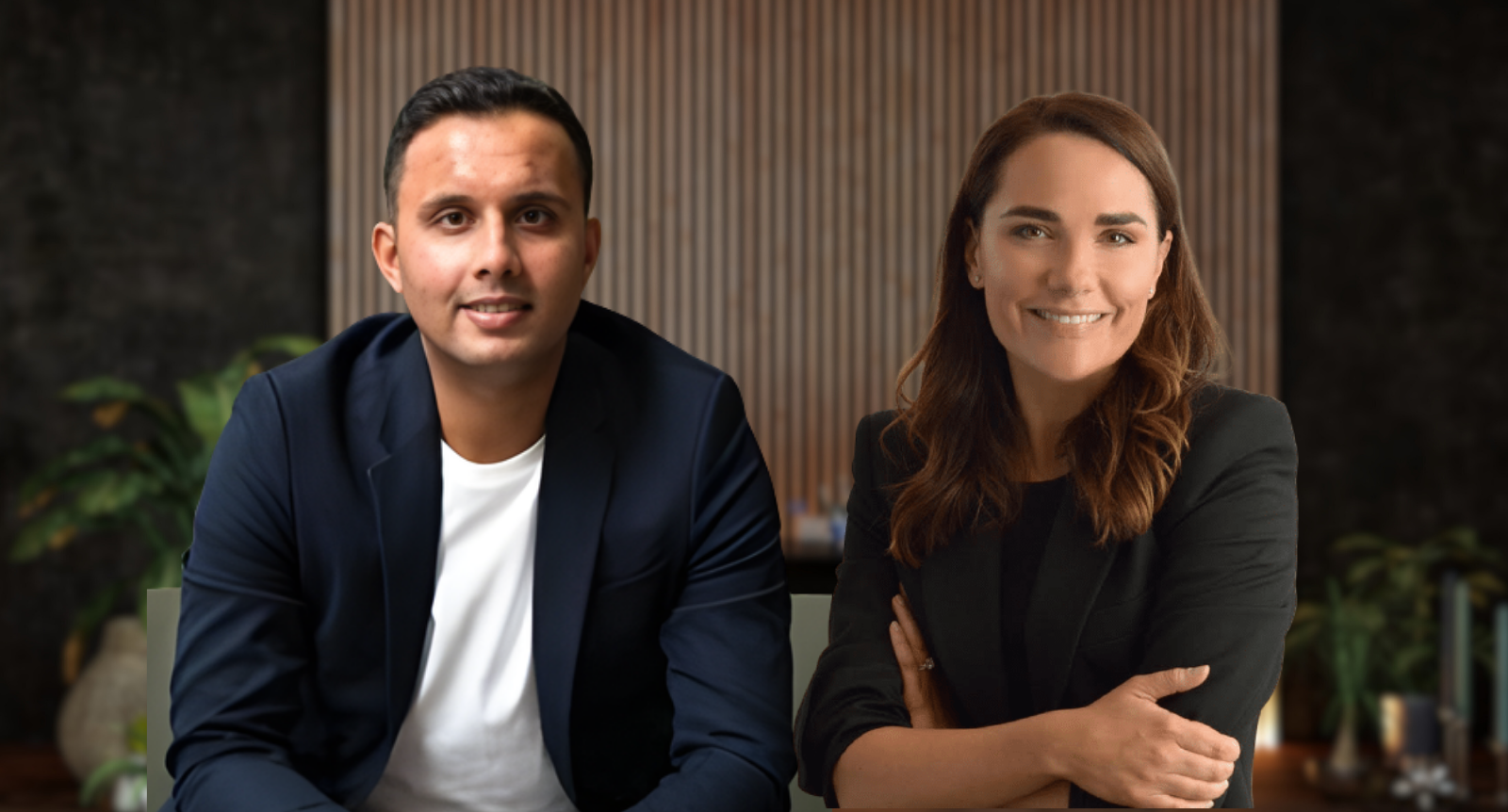
WPP Media chief media and solutions officer Ryan Menezes, and FreeWheel managing director for Australia and New Zealand Tess O’Brien. Image: file
A blueprint from global missteps
Tess O’Brien of FreeWheel, a Comcast Company, offered a global perspective. “Australia is in an enviable position – we can take the best practices from the US and EU and adapt them to our local ecosystem,” O’Brien observed. “Aligning on privacy-first foundations that can both deliver results for buyers while maintaining publisher control is essential.”
She warned the local market against repeating the mistakes of other regions, noting that Europe’s GDPR rollout turned privacy into a legal checkbox, ultimately hampering programmatic growth. Meanwhile, the US market rushed to create a fragmented mess of alternative identifiers. “There is not going to be one ID to rule them all,” O’Brien said.
Instead, she advocated for a unified infrastructure that safely connects various identifiers. By decoupling targeting from identity through publisher-side decisioning, media owners can match data without diluting its fidelity through endless third-party intermediaries.
Shaking off local protectionism
To survive this privacy revolution, the Australian market must change its collaborative mindset. Menezes argued that multilateral data collaboration provides the only viable path forward.
“You have got to shake off protectionism,” Menezes urged. He noted that while local partners have historically kept their data close to their chests for good reason, effectively addressing evolving privacy reforms and heightened customer expectations now requires a unified, collaborative approach.
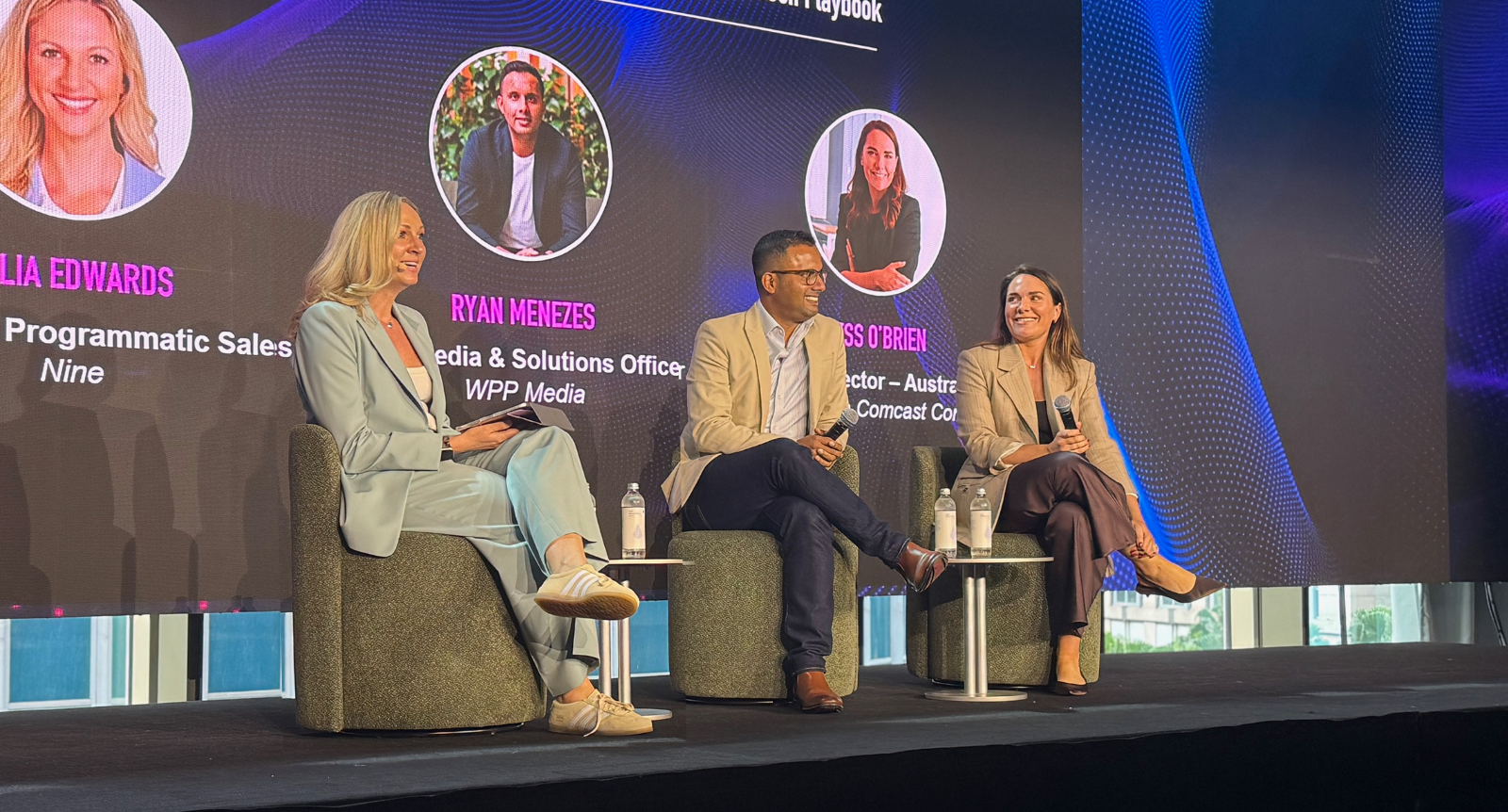
Future Media Forum in Sydney. Image: file
The bottom line
The panel ended on a hopeful note. And it wasn’t just a sales pitch for publisher-side decisioning. It was a call to arms for the entire Australian media industry.
The hope is that local players will team up with agencies and clients to build a united, privacy-safe ecosystem.
By collaborating, the sector can actively strengthen the local advertising market, allowing more investment to benefit domestic businesses and talent.
Feature image- Julia Edwards, Ryan Menezes, and Tess O’Brien.