
Monday February 23, 2026
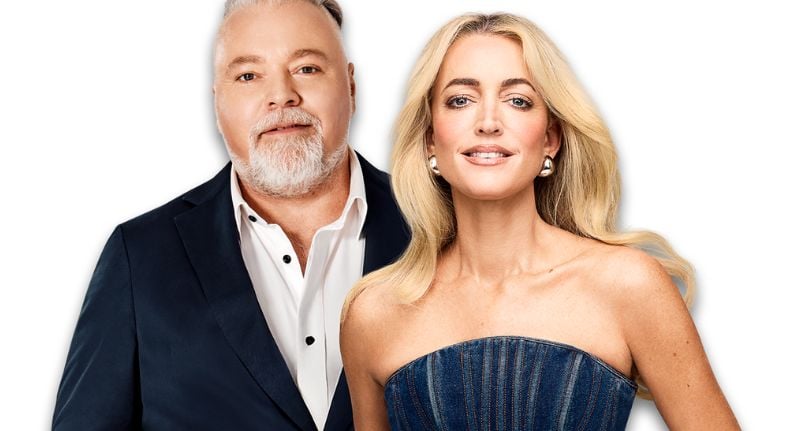
Jackie O steps away from KIIS Breakfast after on-air clash with Kyle Sandilands
Jackie ‘O’ Henderson will step away from KIIS FM Breakfast for several days to “gather her thoughts” following an on-air clash with co-host Kyle Sandilands that played out live on Friday.
The move was confirmed by Sandilands on Monday morning’s show, after the pair’s heated exchange over Henderson’s work ethic left listeners stunned.
On-air clash escalates
The stoush began with Sandilands criticising what he described as Henderson’s recent “fixation” on astrology before broadening his attack to her overall performance.
“You’re not doing the rest of the job, and everyone in this building has mentioned it to me,” he said, claiming staff had repeatedly asked what was “going on with Jackie” over the past month. “It’s not great, it’s just a fact. Wake up (beep) .. I’m not lying to her to make her feel bad.”
Henderson pushed back, telling him: “Well, let management talk to me then. No, please, I welcome it.”
As the exchange intensified, Henderson became emotional. “I would never say things like that about you,” she said. “There are so many things that you don’t do, and I would never bring them up, and I would never say what people say.”
Sandilands replied, “Feel free, it’s an open forum,” but Henderson declined to continue what she described as a “tit for tat,” labelling the situation “mean and nasty.”
Industry reaction
Speaking to Mediaweek, Game Changers podcast co-host Craig Bruce reflected on what the moment could signal for the long-running duo.
“We all need to remember that these guys have been together for over 25 years and that nothing lasts forever. In my experience with the show, their superpower was their connection with each other and their shared values and goals for the show. It sounds like that has may shifted a little in recent times.”
Search, scroll, settle: Ipsos data shows women lead the great regional property chase
There’s a moment, usually sometime after Christmas but before the credit card bill lands, when Australians start running the numbers on their lives.
What if we left? What if the mortgage was smaller, the block bigger, the air cleaner, the nearest neighbour several hundred metres away?
Alas, a girl can dream.
Meanwhile, for a large swathe of Australians in January, that quiet arithmetic went public.
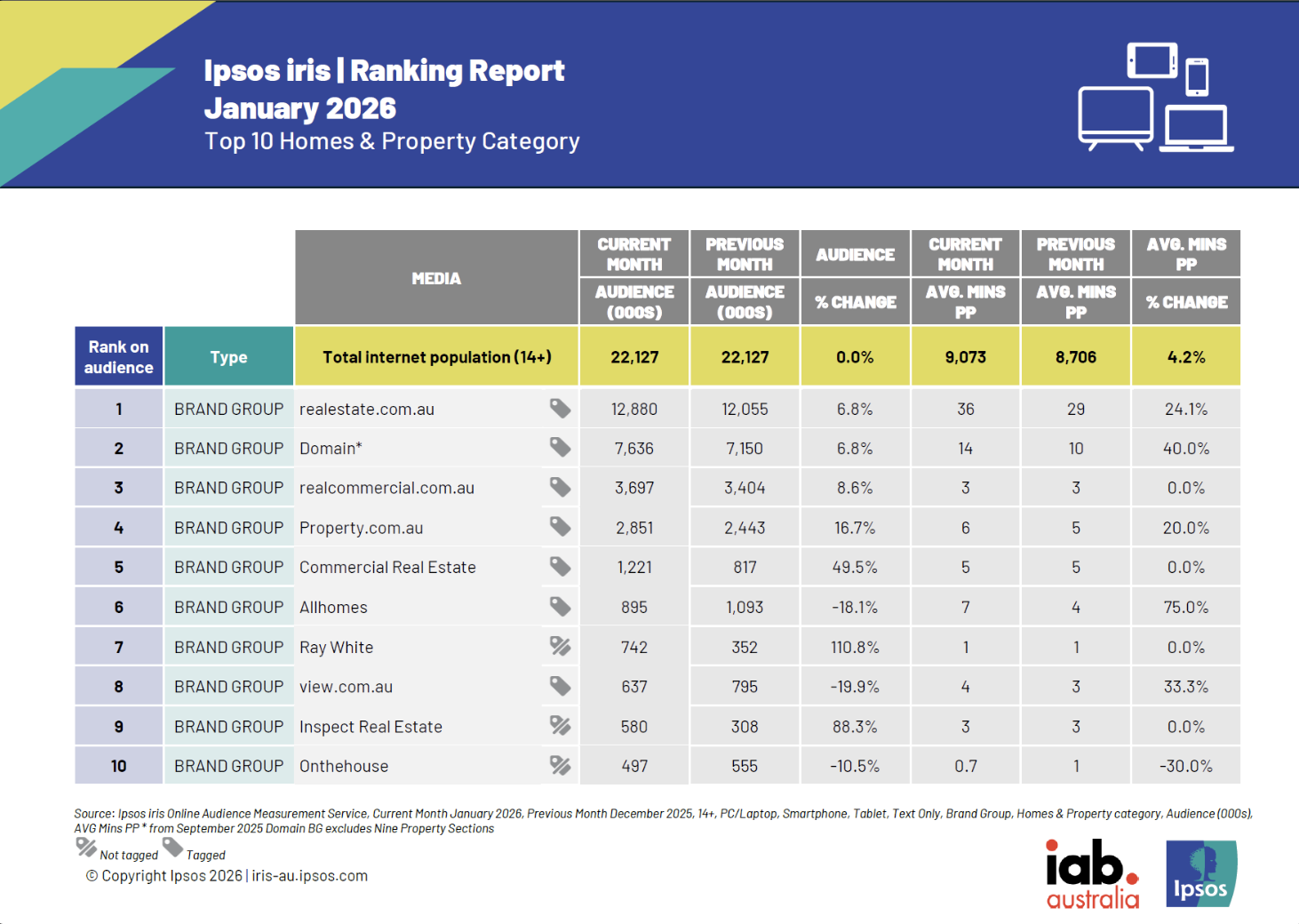
More than 15 million Australians flocked to homes and property websites and apps at the start of 2026, according to Ipsos iris data released today.
That’s 15.1 million people, or 68.2% of the online population aged 14+, actively browsing listings, comparing suburbs and, perhaps, picturing a verandah instead of a balcony.
And the surge focused on one pressure point – regional.
The country call gets louder
REA Group’s flagship platform pulled in 12.88 million Australians, reinforcing its status as the country’s largest digital property marketplace. Domain followed with 7.64 million users, leaving a commanding 5.24 million audience gap between first and second.
But why the sudden urge to up sticks? Well, with the prospect of paying at, well, over $2 million for a home in many of Australia’s capital cities, buyers are once again looking to escape to the country.
And the data backs up the daydream.
Regional Australia led year-on-year growth in online home and property consumption. Audiences in regional NSW jumped 15%, compared to Sydney’s 3.6%. In regional South Australia and the Northern Territory, combined reach trended up 11.4%.
Victoria also saw momentum on both sides of the tram tracks. Melbourne audiences rose 12.5% year-on-year, up 7.9% in visits, while regional Victorian audiences increased 13.2%, with reach growing 6.1%.
According to Commbank, the regional property market surged in the three months to January, outpacing the capitals, according to figures from data firm Cotality. Dwelling values rose 3.2 per cent for the quarter in regional areas, compared to 2.1 per cent in the combined capitals.
AI meets acreage
REA’s dominance also stems from strategic moves designed to meet buyers earlier in their search journey.
In February, realestate.com.au launched Australia’s first dedicated property app for ChatGPT, giving seekers a conversational way to search listings directly within the AI platform.
The company also entered a new chapter on the executive level with Cameron McIntyre taking over as CEO in November 2025, succeeding Owen Wilson.
Women drive the property pulse
Another plot twist in the data? The ladies are leading the charge.
They represented 54% of the homes and property audience in January and spent an average 50.22 minutes per month consuming property content. Men made up 46% of the audience, spending 35.12 minutes per month.
Across the board, Australians spent an average of 43.2 minutes engaging with home and property content in January. The category recorded the strongest year-on-year growth of any major digital vertical, rising 5.3%, ahead of search engines and entertainment (both +3.3%), social networking (+3.1%) and retail and commerce (+3%).
Not every state joined the boom. Brisbane audiences rose 8.4%, but regional Queensland declined 3.8%. Western Australia recorded drops of 4.1% in metro and 3.6% in regional audiences. Tasmania saw audience declines too, though reach lifted 11.3% in metro areas and 4.3% regionally.
News still commands attention
While property hunters were mapping out tree changes, Australians were also glued to the news cycle.
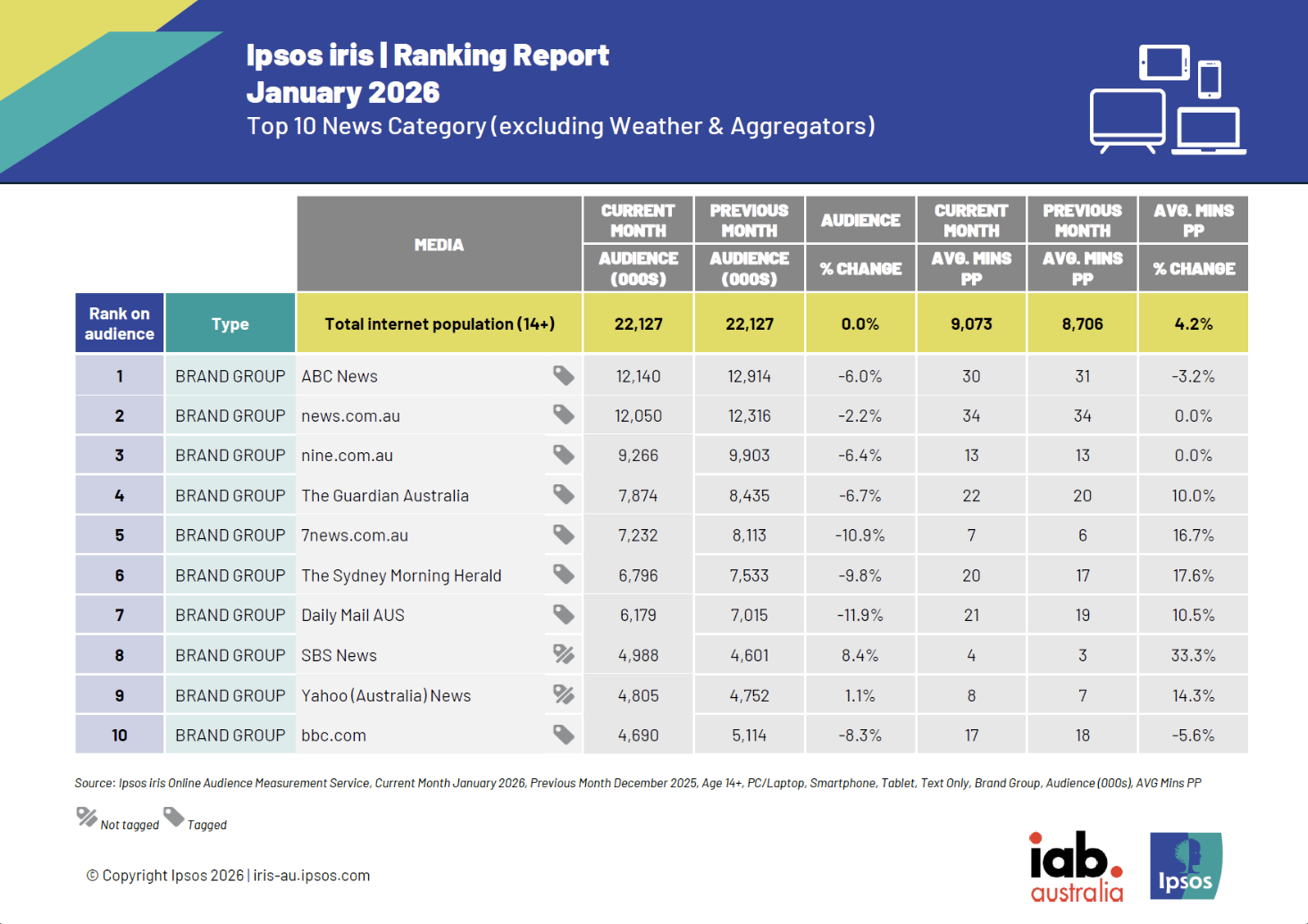
Nearly 21 million Australians consumed online news content in January. Ipsos iris data shows 20.7 million people used a news website or app, reaching 93.4% of online Australians aged 14+, down slightly from 97.5% at the same time last year.
Time spent tells its own story. Australians averaged 5.14 hours consuming news in January, up from 5.09 hours per month a year earlier.
Locally, the 2026 Australian Open drove spikes in audience reach throughout the tournament. Weather events, particularly bushfires in Victoria and heatwaves across NSW and Victoria, sustained high engagement through rolling coverage, maps, alerts and transport updates.
Other major local stories included the Mosman Park double murder-suicide tragedy, the death of a 12-year-old Sydney boy from a shark attack, and Triple J’s annual Hottest 100.
Globally, audiences tracked stories related to reports of Home Alone and Schitt’s Creek actress Catherine O’Hara’s death, the crisis in Venezuela, including explosions in Caracas, the US operation leading to the capture of President Nicolas Maduro, a Swiss Alps ski resort bar fire, and the Nipah virus outbreak across India and Asia.
A nation online
Ipsos iris, endorsed by IAB Australia as the country’s digital audience measurement currency, reported that 22.127 million Australians aged 14+ used the internet in January, spending an average 5.06 hours daily online, up 5.1% year-on-year.
The most consumed categories were search engines (22.06 million), social networking (22.05 million), online media (22 million), technology (21.9 million), and retail and commerce (21.8 million).
But it was homes and property that posted the biggest audience increase.
In a month defined by resolutions, heatwaves and headline tennis, Australians weren’t just refreshing news feeds. They were refreshing their idea of home.
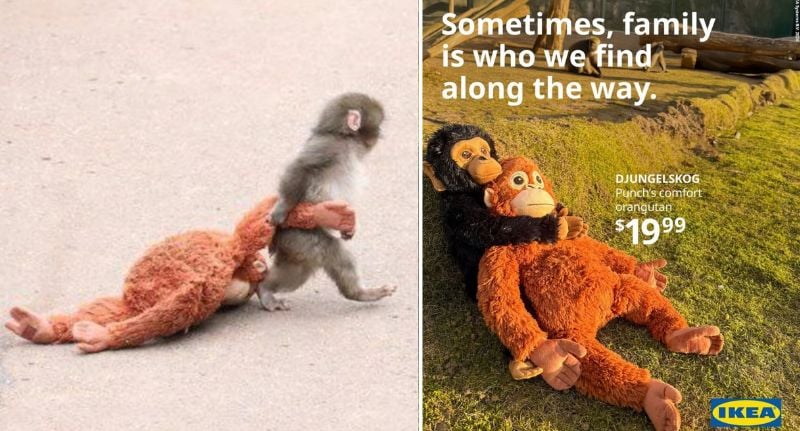
IKEA’s monkey moment shows the speed of culture done right
It was the picture that launched a thousand million awwws.
An orphaned baby macaque named Punch, rejected by his mother and then by his troop, clinging to a plush orangutan for comfort. The internet did what it does best: it felt something. Deeply.
And then, almost as quickly, it noticed the label. The toy was IKEA’s Djungelskog.
He finds comfort in his favorite plushie 🥰 pic.twitter.com/A4rxdYTJYr
— Interesting World (@_fluxfeeds) February 14, 2026
From zoo enclosure to global timeline
Punch was born in July last year at Ichikawa City Zoo in Japan. His mother rejected him, likely after a difficult birth during a heatwave, leaving staff to raise him by hand. By January, zookeepers began the delicate process of reintegrating him into the “Monkey Mountain” enclosure.
It did not go smoothly.
Videos showed the young macaque edging toward older monkeys for contact, only to be swatted away or ignored.
In response, keepers introduced a stuffed orangutan from IKEA – the now-famous Djungelskog – both as emotional comfort and to help build his muscle strength.
Punch clutched it. Dragged it. Slept with it. It was both heartbreaking and heartwarming, and soon, the images were everywhere.
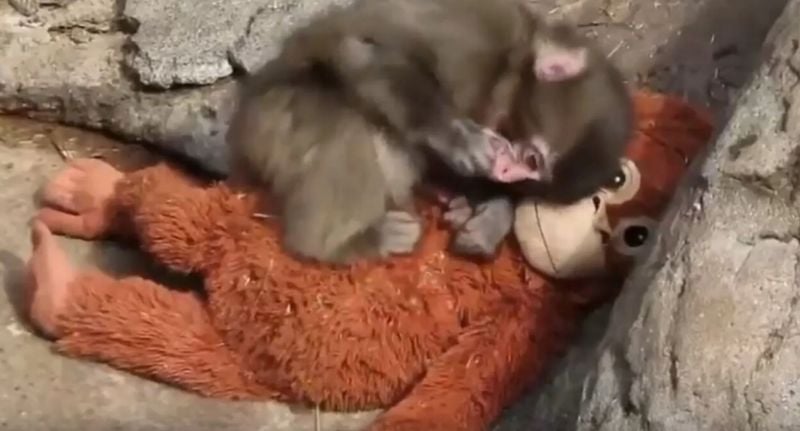
Punch with his monkey. Source: X
How IKEA owned the image
IKEA didn’t manufacture the moment. It reacted to it. The retailer donated stuffed animals to the zoo, with Ichikawa City Mayor Ko Tanaka posting a photo alongside IKEA Japan President Petra Färe surrounded by plush toys for Punch and the other animals.
Global IKEA accounts joined in, with IKEA Spain sharing an edited image of Djungelskog hugging Punch, and IKEA Switzerland spotlighting its Sandlöpare chimpanzee alongside the orangutan toy.

Ichikawa City Mayor Ko Tanaka posting a photo alongside IKEA Japan President Petra Färe. Source: Supplied
Speed as strategy
For Vinne Schifferstein Vidal, Co-Founder of MC&V, the playbook here is about cultural velocity.
“In moments like this, speed isn’t a luxury; it’s a requirement. Culture moves in hours, not weeks,” she told Mediaweek.
“Punch wasn’t a campaign; he was a feeling. And when something genuinely captures the internet’s heart, brands either show up fast or they show up irrelevant.”
She noted that production is no longer the bottleneck it once was.
“It’s not clear whether IKEA has used AI in this work. But in general with AI-enabled workflows, brands can move at the speed of culture without sacrificing craft. The real differentiator isn’t speed, it’s whether you’re structurally set up to respond.”
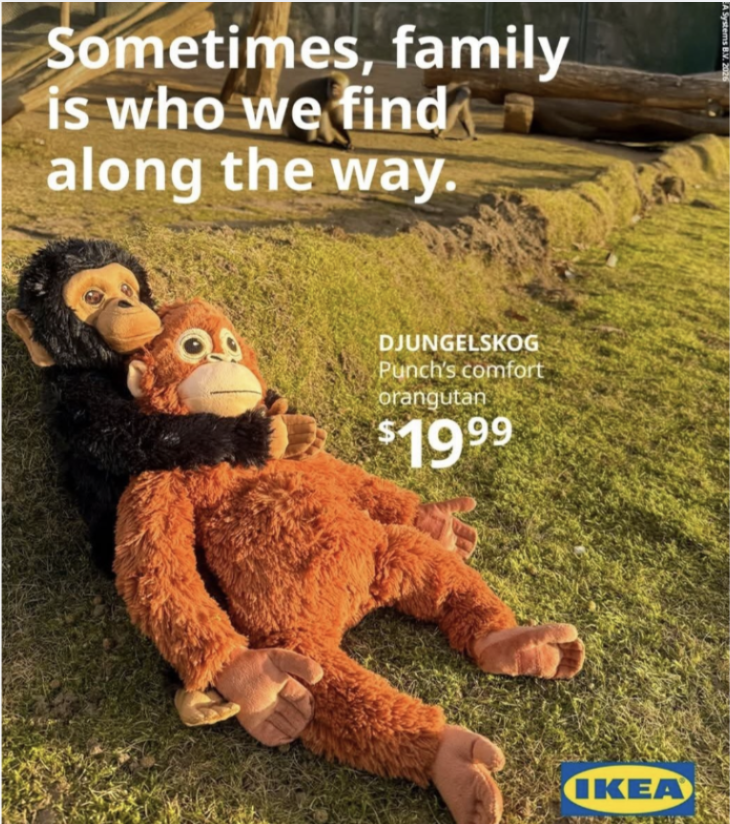
The IKEA ad. Source: IKEA
Echo, don’t hijack
The emotional core of Punch’s story is vulnerability and a sense of belonging. That’s precarious territory for any brand.
“Yes, but carefully,” Schifferstein Vidal said when asked if she would have done the same. “The emotional core of this story is vulnerability and belonging. That’s sacred territory. IKEA did something smart: they echoed the sentiment rather than hijacking it. They didn’t make it about product. They made it about comfort.”
“When a moment is this organic, your job isn’t to amplify yourself. It’s to amplify what people are already feeling.”
Casey Midgley, Founder and Creative Director at Maker Street Studios, framed it more bluntly.
“Cultural moments decay fast. If you wait for board approvals, you can easily miss the boat. Sometimes, it’s better to take the road to forgiveness than permission.”
For Midgley, the response worked because it was on-brand.
“IKEA has spent decades building a brand grounded in warmth, humour and humanity, with systems and confidence that allow it to react in real time. Had the marketing team sat on their hands and waited for the sign-off, they could have missed a once in a lifetime moment. Like when a monkey becomes best friends with one of your soft toys!?”
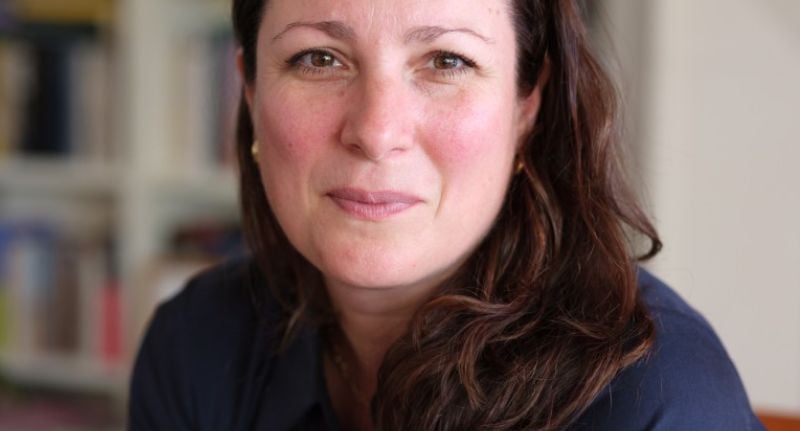
Vinne Schifferstein Vidal, Co-Founder of MC&V. Source: LinkedIn
The risk of overreach
Both creatives point to restraint as the quiet hero of the story.
Schifferstein Vidal argues the bigger danger would have been over-commercialisation. “I wouldn’t have pushed a bigger ‘campaign’. In fact, the biggest risk here is over-commercialising something fragile.”
She sees potential in AI as a creative amplifier – not a megaphone. “AI now allows brands to invite people to co-create in meaningful, brand-safe ways. For example, letting audiences generate their own ‘chosen family’ stories or comfort-object moments.”
But she cautioned: “AI can help scale a cultural moment, but it shouldn’t industrialise emotion. The risk is overextension.”
Midgley agrees the execution was largely on point. “Would I have changed anything? Not much. If anything, I’d have anchored it more firmly in IKEA’s deeper idea of home and belonging, to give the work a longer shelf life beyond the meme cycle. But that’s a marginal gain.”
His broader takeaway is less about plush toys and more about preparedness. “Moving at this speed requires a risk tolerance, clarity and strong foundations that a lot of brands just don’t have. If the structures are a little shaky, it’s almost impossible to act this fast when moments like this land on the radar.”
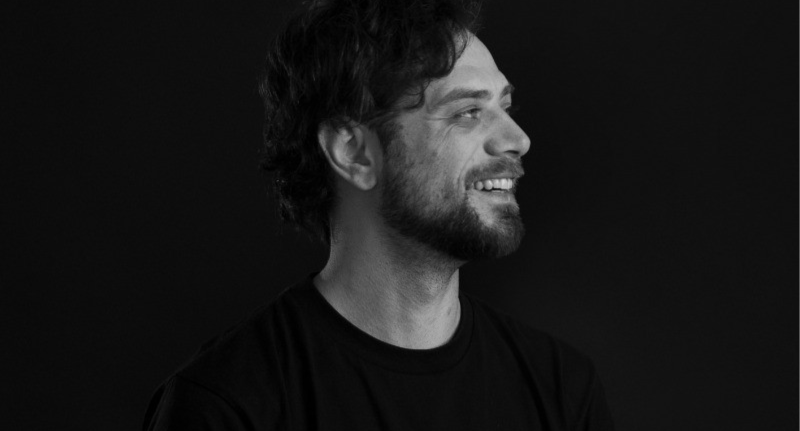
Casey Midgley, Founder and Creative Director at Maker Street Studios. Source: Supplied
Comfort as brand equity
There was no formal campaign announcement. No media spend breakdown. Just a monkey, a toy, and a brand that understood the tone of the room.
In a feed full of outrage and hard sells, IKEA chose softness.
And in doing so, it reminded marketers of something simple but easy to forget: sometimes the smartest move in culture is not to shout louder, but to hold the same feeling gently… and let the internet do the rest.
Why ‘Reality Check: Inside ANTM’ needs a major reality check itself
Tyra Banks apparently set out to expose the ridiculous standards and expectations of the modelling industry in the 2000s when she created America’s Next Top Model.
So claims new Netflix doco Reality Check: Inside ANTM.
In 2026, this is news to me. I watched ANTM in real time as a woman in her early 20s, and don’t remember one thing helpful about it.
The inclusion of three people of minority identities at the helm of the show was groundbreaking – especially for viewers like me, as I was a young woman of colour.
But the rest of the show? Simply soul-breaking. For both the cast and the audience.
Netflix’s latest Reality Check documentary explores the premise of what became one of the 2000’s most iconic reality programs – to tell the truth of the ‘real’ horror of what it takes to be a model.
But watching it in my early 20s, that’s not what I learned about. Instead, I learned that I was never going to be considered beautiful – no matter how much my beloved dad said I was.
My beautiful sister – who lost her life in part whilst battling disordered eating – and I learned nothing about how to handle mean bosses and girl bullies in real life – or the ones in our heads when we looked in the mirror.
Banks was our hero at the time, as she was internationally for millions; utterly inspirational – glamorous, beautiful, successful.
So why did she treat us so bad? Why did she reinforce negative thoughts and behaviours about self-image? Why didn’t she help us with ‘reality’?
And why has she been allowed to inflict the same messages on another generation by standing by them?
‘Reality Check: Inside ANTM’ needs a major reality check itself.
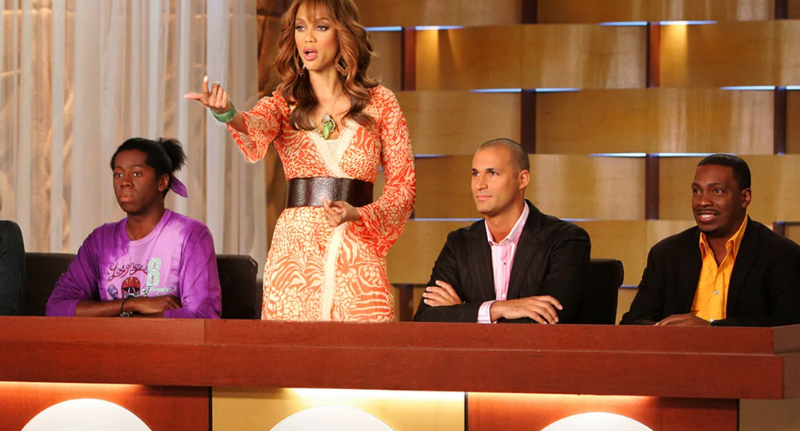
The extraordinary success and cultural impact of ‘ANTM’ is undeniable. Image: CBS
ANTM: Fake modelling and humiliation
A staunchly unapologetic Banks says matter-of-factly throughout the three hour documentary that her bullying and exploitation of the young female cast members was standard industry practice. She was just showing them the truth.
That may have barely passed as an excuse for her blatant disregard of anyone’s mental health and dignity in the 2000s, and even less so, now.
One cast member recalls her experience so negatively that she says she thought desperately at the time, feeling the backlash against how she was portrayed: “It’s a TV show, you guys, but this is my life.”
In their desperation for a chance at the American dream, applicants in the competition were exploited, belittled, lied to, misled about the career they would have, hounded, suffered from fake narratives, were encouraged to eat less/starve, dehydrate for fear of bloating, forced to make major changes to their bodies (hair and teeth especially) and forbidden from contacting family and friends for support.
That list is not exhaustive.
There was the woman who “cheated” on her boyfriend after producers made the decision to ply her with alcohol and film the consequences.
The model whose mother was fatally shot when she was a child, and then was forced to role-play a shooting victim in the name of an advertising campaign.
Model Giselle, like almost everyone else, was brutally fat-shamed to the point that she admits:
“Why does my ass have to be so wide? That’s how I talk to myself to this day.”
The glaring problem with Netflix’s Reality Check: Inside ANTM
So many of the women speaking in the documentary know now what they were just realising back then as vulnerable cast members.
Most memorable, Kenyan says, “There’s some level of responsibility to the viewer knowing there are so many young women watching this show. There’s an insensitivity towards what it would do for their self-confidence.”
It’s a sentiment repeated all over social media about ANTM from a new generation of viewers, who simply can’t believe what they’re seeing and hearing.
So what happened, Netflix? Is Reality Check: Inside ANTM really an exposé that gives the show history and context, or is it merely a sensationalist retelling for ragebait?
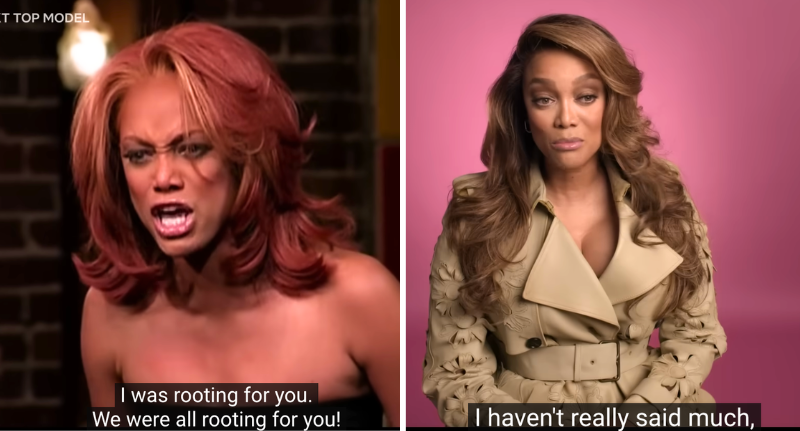
Tyra Banks on ‘ANTM’ in one of her most cruel scenes yelling at a contestant, and in the Reality Check documentary on the show. Image: Netflix
ANTM knew better and still didn’t do better
When you put together a documentary with recent interviews, there’s a chance for reflection. There was a chance for everyone in the documentary to apologise, or merely acknowledge that they might do things differently now.
Banks in particular refuses to do this, often blaming “production” for shonky practices and claiming she was giving viewers ‘what they wanted to see’ – drama, chaos and deeply questionable ethics.
Legally, of course, I can see why Banks is generally cautious of accepting any responsibility for how the show became a cesspool of outrageous storylines, lest she open the floodgates for complaints. She’s 52, thinking of the retirement money, not the millions in payouts for destroying people.
But, a few other things could have been done in the documentary than just giving Banks an audience to gaslight.
Firstly, Netflix could have taken more responsibility for the viewer in telling the ANTM story.
Producers could have included stronger questioning of Banks and executive producer Ken Mok for how they feel about their decisions two decades later.
Netflix could have included at least one expert who contributed information and highlighted the dangers of ANTM‘s self-esteem and body-image narratives.
That person would have been able to say, “Well, that may have been acceptable at the time, but now we would frame any feedback constructively… such as by saying xyz.”
Or not give that feedback at all.
It would have been so useful and interesting to have commentary from the head of a modelling agency on the revolution in media and advertising over the last decade, using more people who are relatable to the public.
I would have loved to hear from anyone in the body-positive advocacy space, such as 2023 Australian of the Year, Taryn Brumfitt.
Secondly, Netflix has included simpler but stronger support resources for Australian audiences, instead of a single line at the end of episode two pointing to a website that feels a bit confusing to navigate and contains just snippets of general information, with a bunch of links called www.wannatalkaboutit.com.
The site includes links to priority help lines in Australia, and, frankly, I don’t understand why those links aren’t included at the beginning or the end of every episode.
‘Too often better simply isn’t done’
I generally agree with the tenet that certain attitudes are set in a historical/social context – but then some accepted principles and behaviours were always wrong; like slavery, segregation, sexual harassment, domestic violence… just to name a few.
Body-shaming and bullying, exploiting and humiliating, are more.
But even in 2026, when we know better, the ANTM documentary hasn’t acted like it.
Apart from the above omissions, Netflix describing the show in tiny lettering as containing “strong references to sexual violence and mental health themes” is direly insufficient.
It is clear from the documentary that many dreams were destroyed, people were gaslighted and exploited – and yet, it’s still presented as though it couldn’t harm current audiences. As though the gross messaging from decades ago can’t still wreck lives.
In 2026, even when we are supposed to know better, too often, better still isn’t done.
If you need help, please reach out to:
Lifeline: Lifeline’s 13 11 14 crisis support service is available 24/7. Anyone in Australia can speak to a trained crisis supporter over the phone at any time. To chat or text for support, or for more information, visit Lifeline at lifelinedirect.org.au/
Butterfly.org: Butterfly offers free and confidential support on 1800 33 4673 and on their website butterfly.org.au. It says, “We are here for anyone in Australia concerned about eating disorders or body image issues, whether you need support for yourself or someone you care about. All our counsellors are qualified mental health professionals with backgrounds in psychology, social work, or counselling. They also have specialist training in eating disorders and body image.”
Michael Rowland to exit ABC after 39 years
7.30 national affairs reporter Michael Rowland is stepping down from the Australian Broadcasting Corporation (ABC), ending a 39-year career with the public broadcaster.
Rowland has been a fixture of the ABC’s political and international coverage, reporting from Parliament House, Washington and, more recently, the News Breakfast desk.
His departure marks the end of nearly four decades in daily news and current affairs.
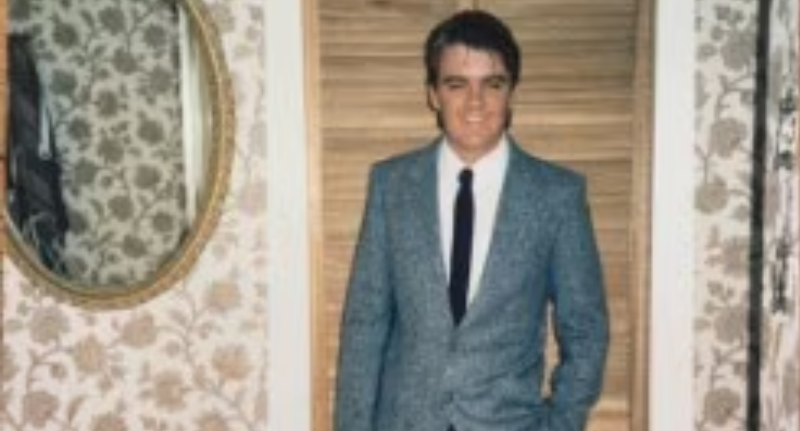
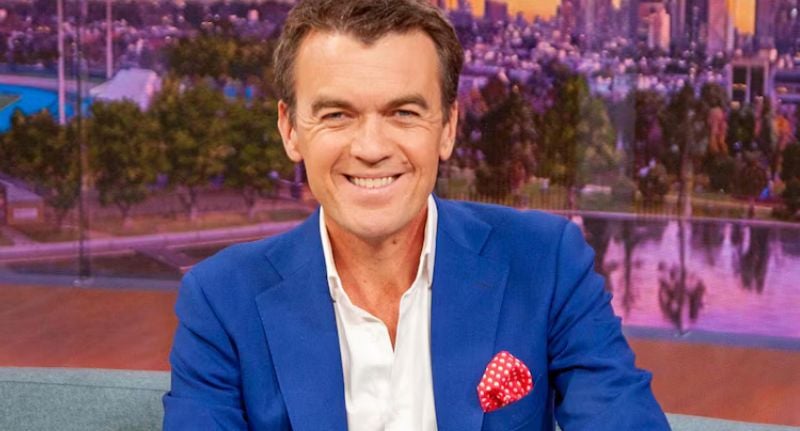
Michael Rowland steps down after 39 years. Image: ABC
Michael Rowland resigns from the ABC
Rowland wrote this morning:
“After almost four decades in the grinding environment of daily news and current affairs, and having watched luck run out for so many people, I’ve decided now is a good time to step away.
“It was not an easy decision to leave the professional home of my entire adult life, but it was the right one in so many ways. I am also now on to my eighth managing director, and while I think Hugh Marks is great, it’s another gentle reminder of how long I have been here.”
Rowland also reflected on the changes he’s seen, writing, “In my career, I have gone from lugging a back-breaking reel-to-reel tape recorder out on radio jobs to now being able to do pretty much everything on my mobile phone (happily now much smaller and lighter than a brick).
“And while so much has changed in my 39 years, the ABC’s guiding principles haven’t. It has been a privilege to work for an organisation that has always valued truth, facts and fairness.”
Rowland concluded, “With that, I say goodbye to the ABC and goodbye to the audiences that have hopefully been left a little bit better informed by the thousands of stories I’ve reported and presented since picking up my first ABC microphone as that anxious teenager.
“Farewell.”
From news cadet to National News Reporter
In a statement, the ABC said:
“Michael joined the ABC in Sydney in February 1987 as a radio news cadet and went on to work in a variety of roles over the years, including reporting on state and federal politics and being Lateline’s Economics Correspondent.
“From 2005-2009 Michael was an ABC Washington Correspondent, covering the election of Barack Obama, the David Hicks case at Guantanamo Bay and the Global Financial Crisis. He has been back to the US to help anchor ABC coverage of the last four Presidential elections.
“Returning to Melbourne he became co-presenter of ABC News Breakfast in June 2010. The program had been on air around 18 months and Michael became a key figure in its success, a familiar and trusted face for viewers each morning for the next 15 years.
“After leaving the program in December 2024 he filled in presenting The Radio National Hour and most recently was National Affairs Reporter for 7.30.”
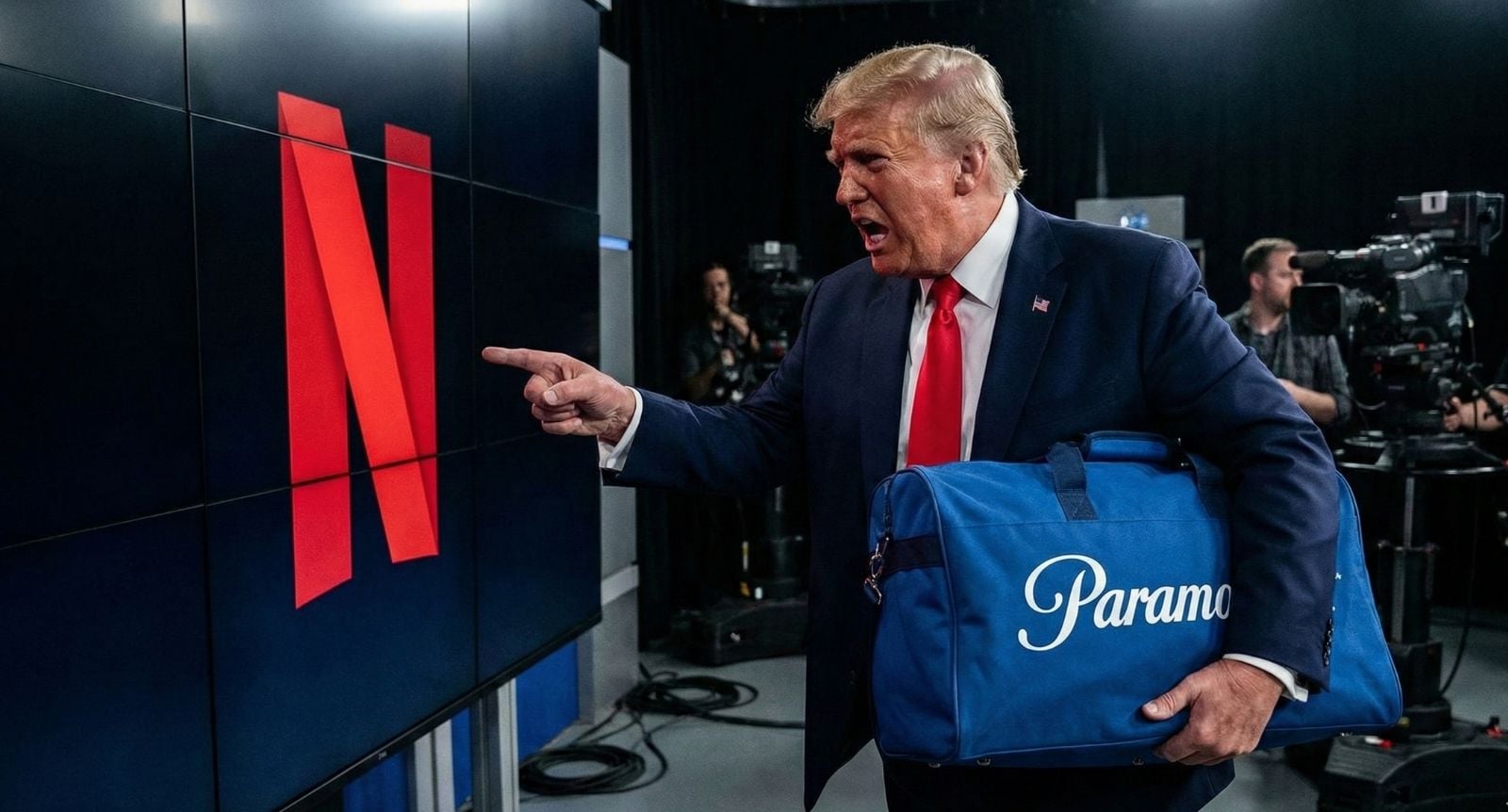
Trump threatens Netflix: Fire Susan Rice or else
Donald Trump has lobbed a political grenade into the final hours of the Warner Bros Discovery (WBD) takeover battle. In a weekend social media post, the US president demanded Netflix sack board member and former Democratic national security advisor Susan Rice, or face severe consequences.
This outburst reverses his previous promise to stay out of the corporate knife fight between Netflix and Paramount Skydance. But with David Ellison facing a Monday night deadline to submit his ‘best and final’ offer for WBD, the political pressure on Netflix is suddenly boiling over.
The Loomer influence
The president’s intervention follows heavy prodding from MAGA influencer Laura Loomer. Over the weekend, reported by Deadline, Loomer circulated a clip of Rice appearing on a podcast hosted by former US attorney Preet Bharara.
In the interview, Rice warned corporations against taking a ‘knee to Trump’, predicting an ‘accountability agenda’ if Democrats regain power. She advised companies to preserve documents and prepare for subpoenas, noting that political tides shift quickly.
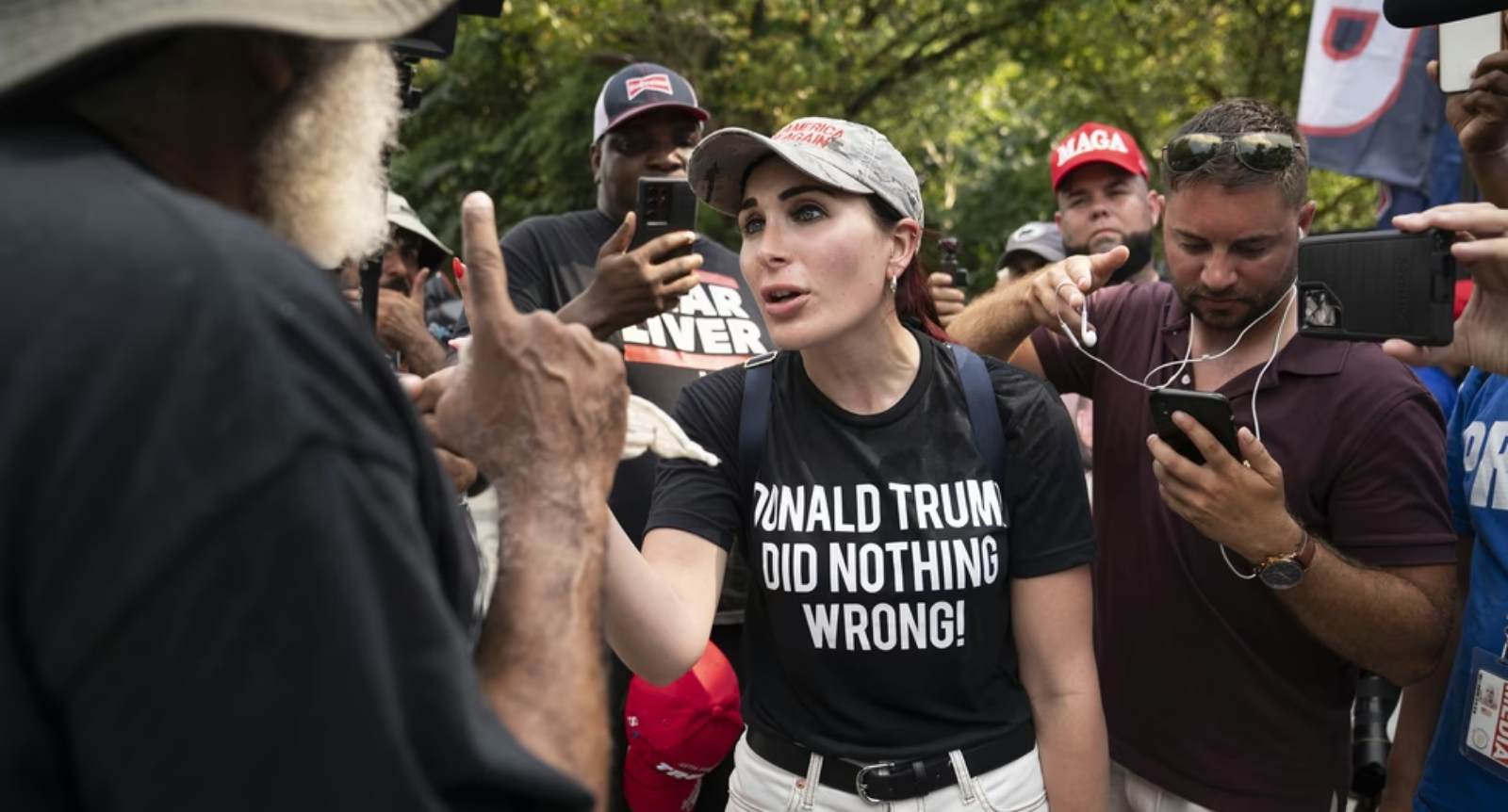
Laura Loomer calls Netflix ‘WOKE’ . Image: Nicole Craine / The New York Times / Redux
Loomer seized on the comments, branding Netflix an ‘anti-American, WOKE company’ and urging Trump to kill the merger.
She argued that a combined Netflix-WBD would create a streaming monopoly designed to blast positive messaging for Barack Obama and Michelle Obama, whose Higher Ground Productions holds a lucrative Netflix deal.
Pay the consequences
Trump quickly obliged. Taking to his Truth Social platform, he demanded the immediate firing of the ‘Trump Deranged’ board member, adding she possessed no talent or skills.
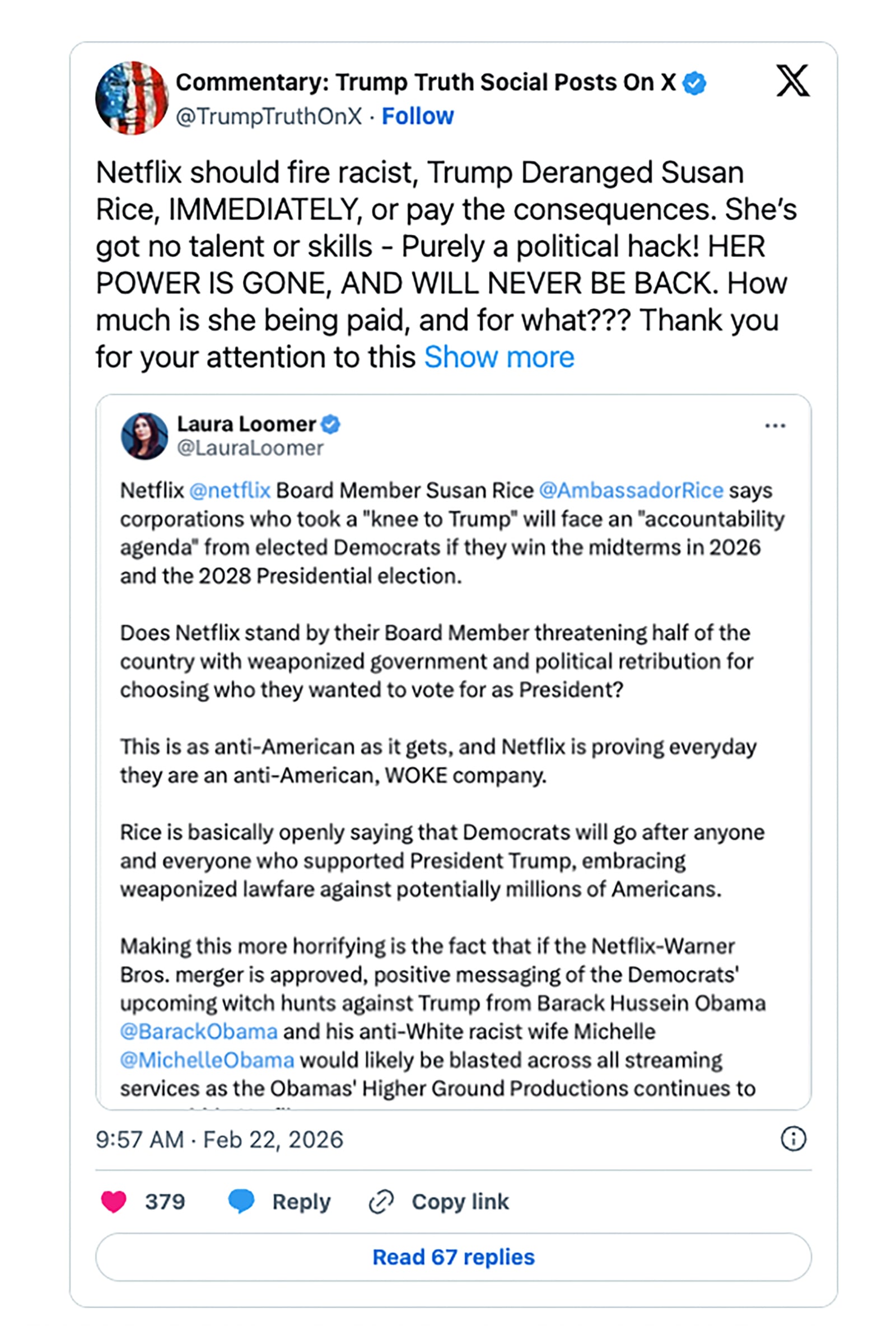
Trump posts comments with vague threat regarding Susan Rice. Image: X
“HER POWER IS GONE, AND WILL NEVER BE BACK. How much is she being paid, and for what???” Trump posted, concluding with a vague but ominous threat that Netflix must pay the consequences if they ignore his directive.
Netflix has remained silent on the outburst. Although the streaming giant did issue a broader statement reiterating that it does not seek monopoly power.
A favourable wind for Paramount
The political theatre provides a timely boost for Paramount Skydance. Ellison now has until the end of Monday to bridge the gap between his recent $31 per share overture and the WBD board’s lofty expectations.
Crucially, the Paramount bid cleared a major US antitrust hurdle over the weekend after a 10-day statutory waiting period expired. Industry insiders widely view this swift regulatory clearance as a signal of White House support.
This comes as little surprise given the bid relies heavily on the chequebook of Oracle founder Larry Ellison, a prominent Trump donor.
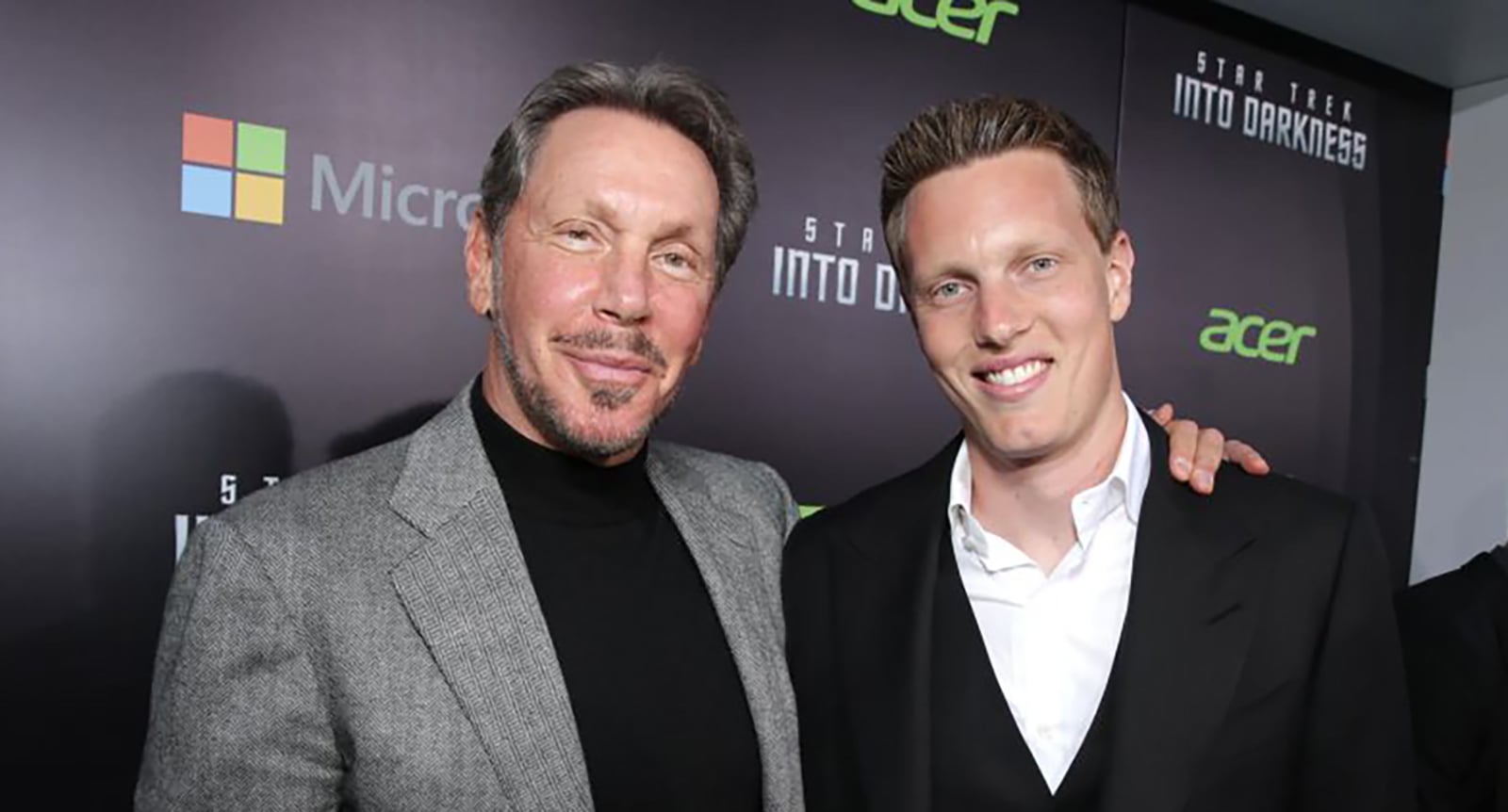
Larry And David Ellison may be sitting on the right side of Donald Trump. Image: LA Times
Netflix co-CEO Ted Sarandos must now navigate an increasingly hostile political landscape alongside an active Department of Justice investigation.
Meanwhile, WBD chief executive David Zaslav and his board hold the stopwatch. They’re waiting to see if Paramount can deliver a knockout blow before the seven-day window snaps shut.
Featured image: AI generated
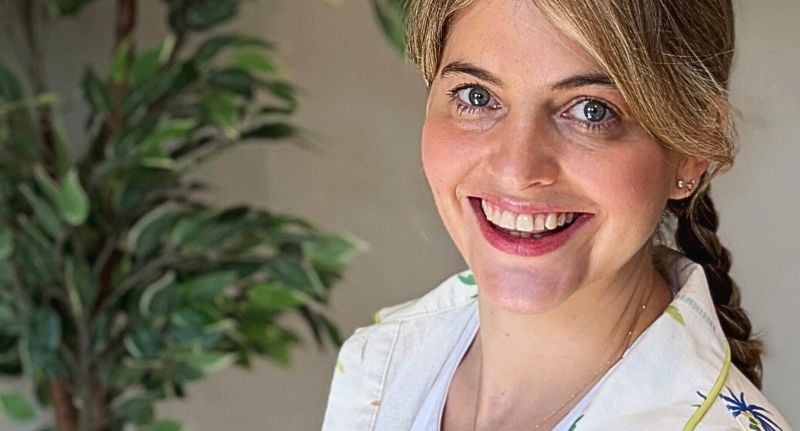
Uber appoints Ally Doubé as APAC marketing director
Uber has appointed Ally Doubé as Asia Pacific Marketing Director, promoting the long-serving executive into a regional leadership role.
Based in Tokyo, Doubé has been with Uber for more than five years and has held several senior roles across brand strategy and marketing, most recently serving as Head of Marketing for Japan and South Korea.
In the new role, she will lead marketing across mobility, delivery and membership in Australia and New Zealand, India, Japan, Hong Kong, Taiwan, South Korea, Sri Lanka and Bangladesh.
She joins the Uber APAC leadership team and will oversee regional campaigns, partnerships and marketing operations.
Lucinda Barlow, Senior Director, Head of International Marketing at Uber, said: “Ally brings a powerful combination of strategic acumen and courageous leadership that galvanises teams, propels brands, and drives extraordinary growth. Under her leadership, Uber Eats has become a household favourite in Japan. Uber Japan was awarded Campaign Asia’s 2025 Brand of the Year and Partnership of the Year, with Ally recognised as Marketer of the Year. I’m excited to see her bring that energy and sharp thinking to APAC and our global team.”
Doubé said: “APAC has always been one of Uber’s most creative and fast-moving regions. I’m excited to keep pushing what’s possible here and turn that momentum into the next chapter of growth across Rides and Delivery.”
Before joining Uber in 2020, Doubé held senior roles in strategic innovation and brand strategy at Austrade and Campbell Arnott’s.
She has commenced in the role and will continue to lead Japan Marketing during the transition period until a successor is appointed.
Main image: Ally Doubé
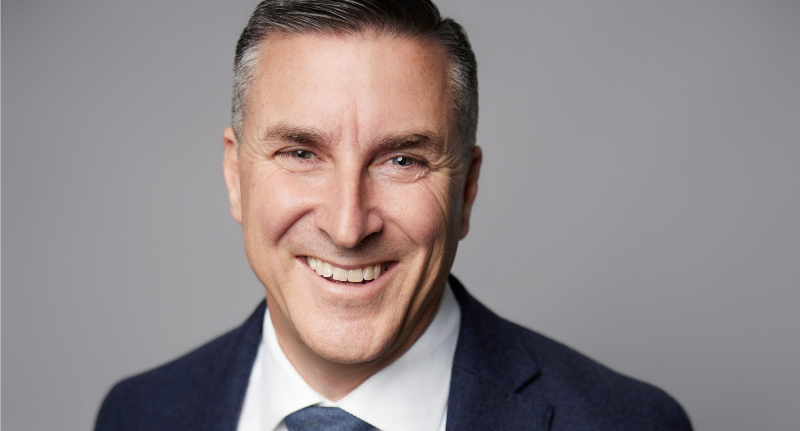
Zitcha nabs ex-Meta boss Steve Biddle as CCO
Retail media technology company Zitcha has appointed Steve Biddle as chief commercial officer.
Based in Melbourne, Zitcha said Biddle will lead its global commercial strategy, working closely with retailers, brands and partners as the retail media category matures and becomes more operationally complex.
His past experience
Biddle will oversee Zitcha’s commercial direction across key markets and help develop new-to-industry capabilities set to launch later this year.
He brings more than 25 years of experience spanning advertising, retail and digital platforms.
Most recently, Biddle spent 14 years at Meta, where he served as director of retail media network strategy and solutions, helping shape the company’s global retail media approach as the category emerged.
Earlier at Meta, he founded and led the retail vertical, managing relationships with major retail advertisers as the platform expanded its commerce capabilities. During his tenure, he developed five patents related to advertising and commerce innovation.
Prior to Meta, Biddle led Walmart’s US advertising organisation for nearly four years, overseeing brand campaigns across television, digital, print and radio.
He also held senior agency roles at Leo Burnett, working with global CPG brands including Kraft and Kellogg.
Biddle comments
Commenting on his appointment, Biddle said retail media networks are entering a phase where operational rigour is critical.
“Retail media networks are entering a phase where execution and foundations really matter. Most retailers do not want to build and maintain complex media infrastructure on their own, and many simply can’t. What they need is a partner they trust,” he said.
“Zitcha stood out to me because of the strength of its engineering, the stability of the product, and the way the team approaches the real challenges retailers face as they grow their media businesses.”
CEO Troy Townsend comments
Zitcha Group CEO Troy Townsend said Biddle’s cross-sector experience would be instrumental in the company’s next stage of growth.
“Steve has seen retail media from every angle, as an agency leader, a retailer, and a platform operator,” Townsend said. “That perspective is incredibly valuable. He understands what retailers and brands need to succeed, and he understands the technology required to support that at scale.”
Biddle will collaborate with Zitcha’s global teams, including its APAC operation led by Jack Byrne.
The appointment follows a strong growth period for the company. In November, Zitcha ranked fifth in Deloitte Technology’s Fast 50, recording 1,391% revenue growth over the qualifying period and joining a cohort of Australia’s fastest-growing tech companies.
Top Image: Steve Biddle
Are Media posts print growth as sale process continues
Are Media has recorded year-on-year print audience growth across several key titles, as the publisher continues its sale process under private equity owner Mercury Capital.
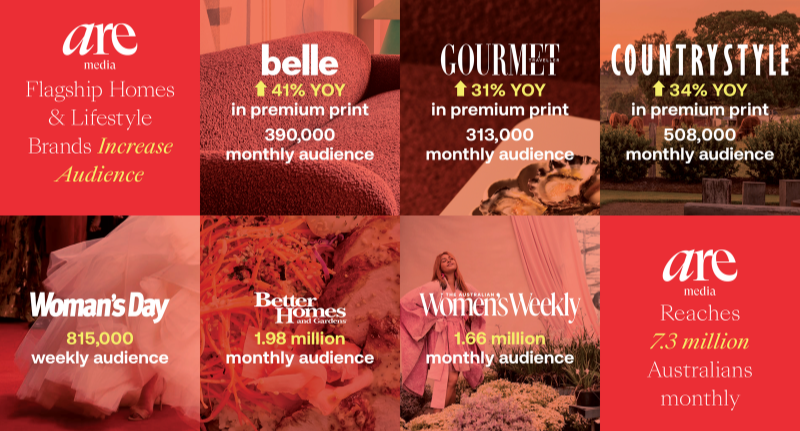
The latest Roy Morgan readership data for December 2025 shows the company reaching more than 7.3 million Australians monthly, with print delivering gains across homes, lifestyle and specialist categories.
Print growth across key categories
Several flagship titles posted strong results.
Australian Gourmet Traveller reached 541,000 readers, with print readership up 31% year on year to 313,000.
In homes, Home Beautiful recorded 400,000 print readers. Country Style posted 34% year-on-year print growth to 306,000 readers, while Belle delivered 41% year-on-year growth to 185,000 readers.
The results indicate continued strength in specialist and passion-led categories, particularly in premium food and home publishing.
Mass titles maintain scale
Are Media’s largest brands continuing to deliver significant print audiences alongside digital reach?
Better Homes and Gardens leads the portfolio with 1.98 million readers across platforms, including 1.59 million in print.
The Australian Women’s Weekly reaches 1.66 million readers cross-platform, including 1.17 million in print. Woman’s Day engages 815,000 readers across platforms, with 606,000 weekly print readers.
In fashion and culture, marie claire reached 643,000 readers across platforms, including 235,000 in print.
ELLE Australia, following its return to market, now reaches 346,000 readers, including 179,000 in print.
Print positioned as premium and brand-safe
Sally Eagle, Are Media Director of Content, said the results highlight the ongoing role of print in building trust and engagement.
“These results reinforce the strength of trusted brands in a multi-platform world. Our premium audiences in print continue to play a critical role in building deep engagement and trust, while our digital platforms, growing network of video-led podcasts and our social and email communities of more than 20 million extend that connection at scale,” she said.
“As Australian women increasingly seek trusted content that reflects their passions and interests, Are Media and its suite of brands is uniquely positioned to deliver meaningful environments that create impact for both readers and our commercial partners.”
Are Media has been on the market since last year, after five years under Mercury Capital ownership. The latest readership figures provide updated audience metrics as the sales process continues.
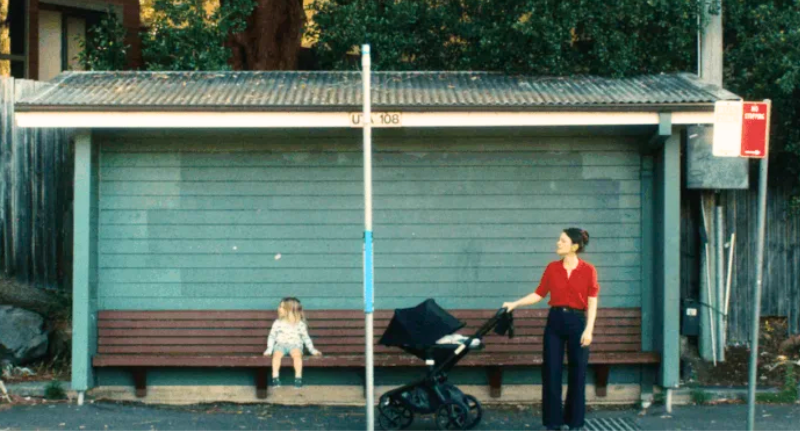
Tropfest 2026: Sydney filmmaker Lianne Mackessy wins for ‘Crescendo’
Tropfest 2026 concluded last night in Centennial Park, Sydney, with Lianne Mackessy winning for her film Crescendo.
The film festival had a star-studded jury, featuring English actor Taron Egerton, Avatar and Titanic director James Cameron (appearing virtually), Australian filmmaker Danny Philippou, Succession star Sarah Snook, globally acclaimed producer Bruna Papandrea and trailblazing First Nations director Dylan River alongside President Margot Robbie.
Founder and Director John Polson said, “This jury really captures what Tropfest has always been about — bold ideas and fearless storytelling. These people are some of the most influential artists working in the world today and that’s incredibly inspiring for our finalists. We are so thankful for their time – and for their commitment to supporting the next generation of filmmakers.”
The jury described Crescendo as “absolutely pitch perfect.”
Mackessy accepted the $50,000 award, saying, “I’m so grateful to John Polson, the Tropfest team and all the sponsors – without them we couldn’t have connected with audiences the way we have.”
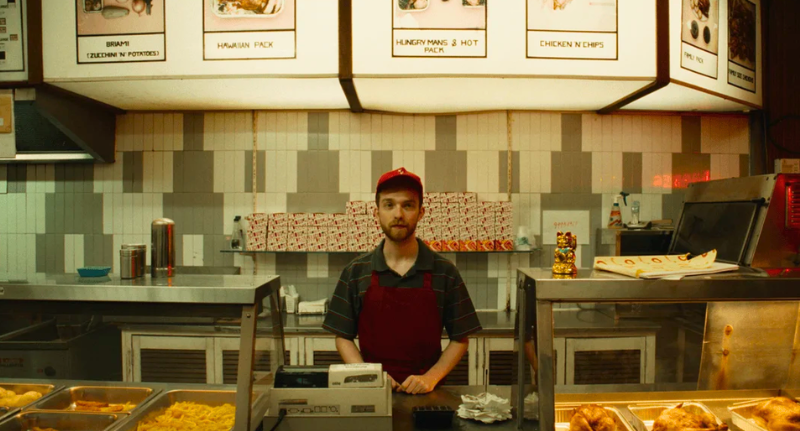
Second prize winner ‘We don’t take breaks’. Image: supplied
Tropfest 2026 winners announced
Second prize went to Jasper Sharpe (Melbourne, VIC) for his film We Don’t Take Breaks, and in third place was Nicky Tyndale-Biscoe (Melbourne, VIC) for her film Silent Night.
Made possible by the newly established CommBank Tropfest Emerging Filmmakers Fund, the first, second and third prize winners received $50,000, $30,000 and $20,000 respectively. The top three got Sony camera packages worth approximately $10,000 each, and all 16 finalists received premium technology bundles from Google.
The NIDA Emerging Performer Award for Best Female Actress went to Laura Bunting for her role in Crescendo, while the NIDA Emerging Performer Award for Best Male Actor was presented to Ben Keller for his performance in We Don’t Take Breaks.
The inaugural Chery Creative Acceleration Award was presented to Georgina Haig, director of No Thank You. Celebrating storytellers who are pushing boundaries and driving the industry forward, this award spotlights talent on the rise. As part of the honour, Haig also took home a brand-new Chery Tiggo 7 Super Hybrid valued at $34,990.
Best Cinematography, presented by Sony, was awarded to Josh Flavell for his work on Project Hourglass. Flavell received a complete Sony camera and lens package valued at almost $20,000.
Taking home the new Pandora Women’s Brilliance Award, created to recognise a woman in film whose vision, voice, and creative impact truly shine, was Tyndale-Biscoe for Silent Night. As part of this recognition, Tyndale-Biscoe was gifted a Pandora Infinite lab grown diamond jewellery set. Tyndale-Biscoe will also be invited to collaborate with Pandora on a bespoke piece of content.
The winner of the iconic Tropicana Award went to Sean Bayles for The End.
Feature image: Crescendo
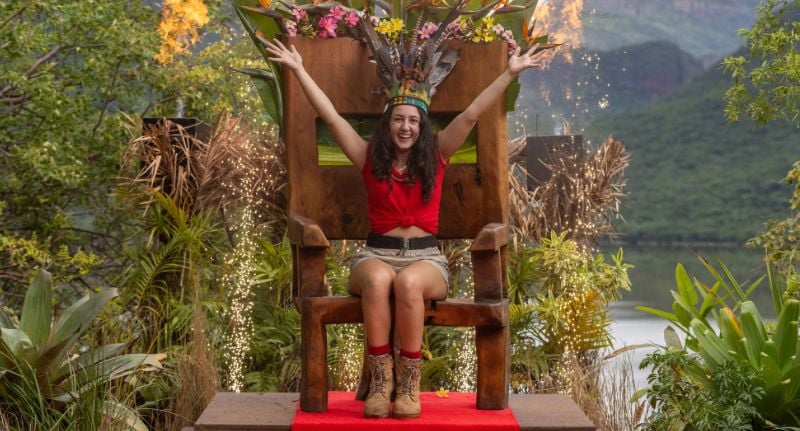
Concetta Caristo wins I’m A Celebrity… Get Me Out Of Here! 2026
Concetta Caristo has been crowned Queen of the Jungle in the Grand Finale of I’m A Celebrity… Get Me Out Of Here! 2026, taking home $100,000 for her chosen charity, Full Stop Australia.
In a closely fought finale, Concetta triumphed over fellow finalists Gary Sweet and Luke Bateman after several weeks in camp marked by physical trials, emotional moments and audience votes.
“They’re one of the nation’s leading support services for people affected by domestic, family, and sexual violence and services like these are so important for people who are affected by violence. I know that personally because a service like that changed my life, my mum and my sister’s, and I plan on supporting services like this for my entire life”, Concetta said about her chosen charity.
Speaking to hosts Robert Irwin and Julia Morris ahead of the announcement, Concetta reflected on her experience in the jungle.
“I just want to make people happy, and I just want to be happy. Like, how lucky am I… where I get to be with who I’m with, what I’m doing. To me, I have to be positive. There’s so much to be grateful for, there’s so much to be excited about.”
She also said the show was about challenging herself.
“The whole reason I’m here is to push through and to tell myself I can do this, and push through the fear. Otherwise, what’s the literal point?”
Sweet and Bateman were also competing for their respective charities. Luke represented Farm Angels, while Gary supported the Royal Children’s Hospital Melbourne. Both charities will receive donations in their name.
Seven steps up rugby league push with new panel show
Could Seven be positioning for the next NRL rights cycle?
The network has announced a new prime-time rugby league panel show, The Agenda Setters: Rugby League, launching in March. The move comes while the NRL’s current broadcast arrangements with Nine and Fox Sports run through to the end of the 2027 season.
Corey Parker, former Brisbane Broncos premiership captain, will host the weekly program. Seven says it will air live and free on Seven, 7mate and 7plus Sport from Monday, 9 March.
Seven launchesThe Agenda Setters: Rugby League
Seven says The Agenda Setters: Rugby League will deliver sharp analysis, breaking news and debate on the week’s biggest stories. It follows the format of the network’s existing The Agenda Setters: AFL franchise.
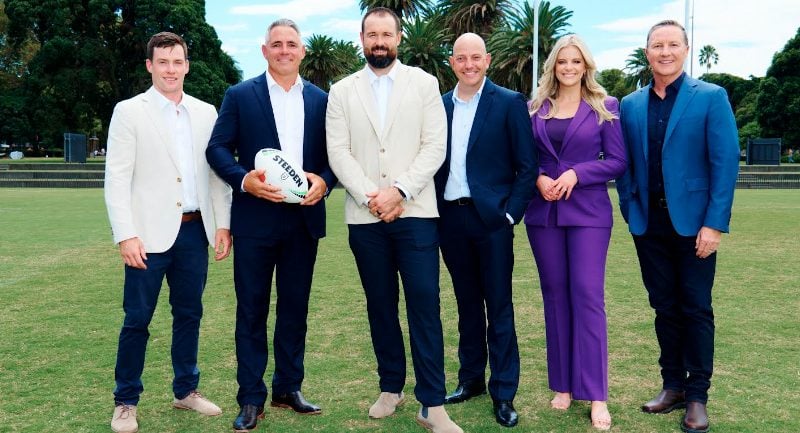
Parker will be joined by a panel featuring Luke Keary, Aaron Woods and David Riccio. Seven also said 7NEWS sport reporters Matt White, Shane Webcke and Jelisa Apps will contribute across the season.
“The Agenda Setters: Rugby League will be doing exactly that, setting the agenda for the week with all of the biggest stories on the panel,” Parker said.
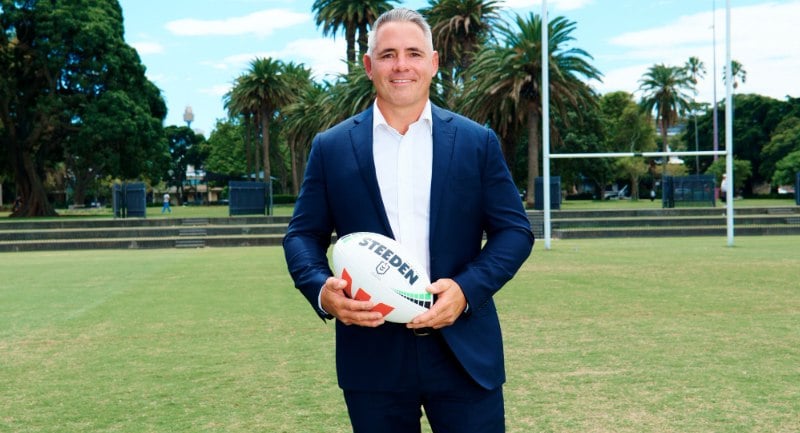
Corey Parker. Image: Seven
Seven’s broader rugby league plans
The timing is notable. The NRL’s current free-to-air broadcast deal is with Nine, alongside Fox Sports’ subscription coverage, and runs until 2027.
Seven’s Chris Jones, Director of Sport, framed the new show as part of a broader rugby league push for the network. “We are thrilled to expand Seven’s sport slate with the launch of The Agenda Setters: Rugby League,” Jones said.
Seven said the new program forms part of an “expanding rugby league slate” ahead of its exclusive live and free coverage of the Rugby League World Cup 2026. The tournament will stream on Seven and 7plus Sport in October and November.
- Premiere: Monday, 9 March
- Where: Seven, 7mate and 7plus Sport
- Host: Corey Parker
- Panellists: Luke Keary, Aaron Woods, David Riccio
Top image: Luke Keary, Corey Parker, Aaron Woods, David Riccio, Jelisa Apps, Matt White