
Friday February 20, 2026
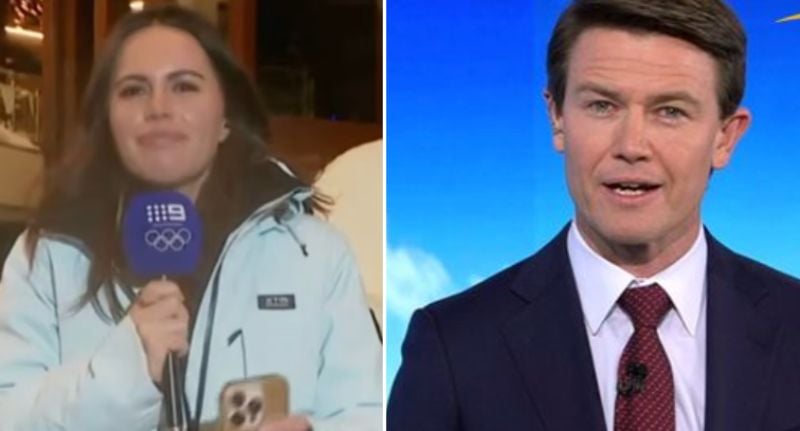
Nine faces double standards scrutiny after Mason breach follows Cullen exit
Nine Entertainment is facing fresh scrutiny over its handling of on-air conduct after sports reporter Danika Mason admitted to drinking alcohol before a live cross, prompting comparisons with the network’s swift dismissal of Today presenter Alex Cullen in 2025.
Several former Nine employees have contacted Mediaweek, questioning whether the network has applied its policies consistently, with one former Nine staffer telling Mediaweek the differing responses “reek of double standards.”
The scrutiny centres on whether Mason’s admission represents a clear breach of Nine’s workplace alcohol policies and why she was allowed to continue on air, while Cullen was immediately sidelined and ultimately exited the business.
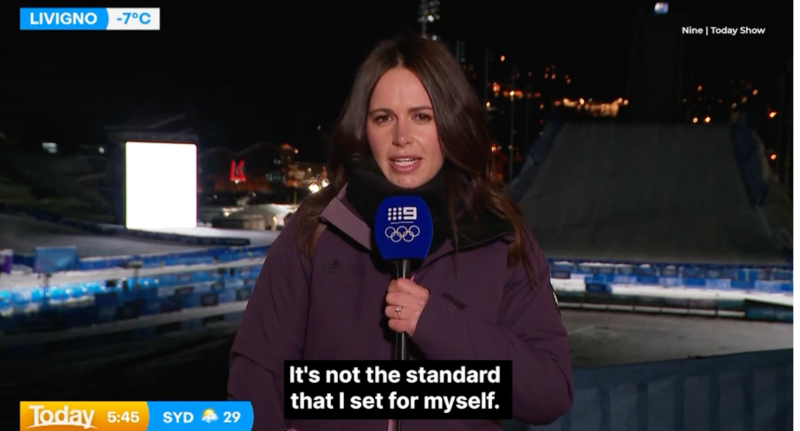
Danika Mason apologies after live cross. Image: Today
Mason apologises after live cross incident
Mason apologised on Today after appearing to struggle with her words during a live cross from Italy covering the Winter Olympics.
On Thursday morning, the 34-year-old revealed she had been drinking alcohol the previous evening. The incident occurred during a Wednesday morning Australian broadcast, which was around 10pm local time in Italy.
According to Nine’s internal policies, employees must adhere to strict alcohol limits while working.
Nine’s policy, as seen by Mediaweek, states: “Blood Alcohol Limits at Work. Nine office environments: You are required to be under 0.000g.”
It further states: “DO NOT return to Nine’s premises to work after drinking alcohol: Even if you’ve had a small amount and feel okay, alcohol can impair your judgment and reaction time, creating a safety risk for everyone. Your safety and the safety of others are a priority.”
Based on these policies, Mason’s admission that she had consumed alcohol prior to performing work duties represents a breach of Nine’s documented workplace alcohol standards.
Despite this, Mason was given the opportunity to address the incident publicly and apologise on air the following day.
Cullen dismissal followed immediate policy enforcement
The network’s handling of Mason’s incident stands in contrast to its response to Today presenter Cullen, who permanently stepped down after accepting a $50,000 gift from billionaire Adrian Portelli.
The controversy began after Portelli, eager to shed his ‘Lambo Guy’ nickname, offered the cash to the first journalist to call him ‘McLaren Man.’ Cullen used the phrase during a lighthearted exchange on Today with Karl Stefanovic, triggering an immediate internal response.
At the time, Nine said Cullen had breached policies relating to commercial arrangements involving on-air talent.
“Broadcast journalists and on-air talent are required to adhere to a number of policies and procedures with respect to third-party commercial arrangements,” the network said.
“Nine conducts regular training regarding these policies and procedures; we will be using this opportunity to remind our team members of their obligations.”
The network immediately removed Cullen from the air and confirmed it was arranging to have the money returned, saying it was taking the matter “very seriously.”
Cullen was not afforded the same opportunity to publicly address the issue on air before his departure.
Former staff raise questions over consistency
The differing outcomes have prompted questions from within Nine’s own ranks.
One former Nine staffer told Mediaweek the contrast between the two situations had not gone unnoticed internally, describing it as inconsistent enforcement of the network’s own rules.
Several former employees who contacted Mediaweek said the handling of Mason’s situation compared with Cullen’s dismissal had raised broader concerns about accountability and fairness.
While the circumstances of the two incidents are not identical, both involved clear breaches of Nine’s documented policies, raising questions about whether those standards are being applied consistently across the organisation and to all on-air talent.
The core issue centres on the application of Nine’s own policies. Both incidents involved conduct that fell outside documented workplace standards. Yet the consequences appear markedly different.
Nine declines to discuss individual cases
When contacted by Mediaweek, a Nine spokesperson said the company does not comment on individual employment matters.
The network has not publicly indicated whether Mason will face disciplinary action.
The situation has renewed focus on how media organisations enforce internal policies governing editorial integrity, commercial relationships, and workplace conduct. For broadcasters, the credibility of on-air talent is closely tied to audience trust and advertiser confidence, making consistent application of standards critical to maintaining both.
As the industry watches closely, the handling of Mason’s case may ultimately shape perceptions of how Nine enforces its own rules and whether its approach reflects consistent policy enforcement across its newsroom.
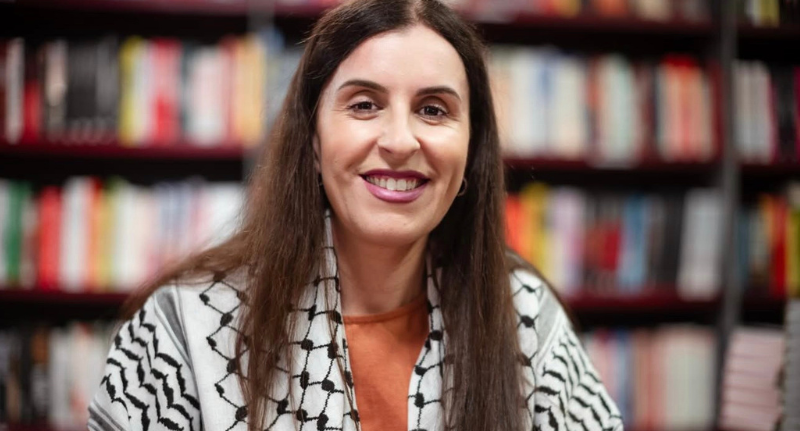
KPMG pulls logo from Sydney Writers’ Festival after Randa Abdel-Fattah invite
KPMG has asked organisers of the Sydney Writers’ Festival to remove its logo from a “partners” section on the website, after pro-Palestinian author Randa Abdel-Fattah was added to the program.
It was recently announced that the author and academic will be featured in two parts of the Sydney Writers’ Festival program in 2026.
Sky News reports that following the publication of the guest list, the list of “partners” section on the Sydney event’s website disappeared.
A Sydney Writers’ Festival spokesperson told SkyNews.com.au: “KPMG audit the Festival and according to their definition, are not considered a ‘partner’.
“The website now reflects this. Sydney Writers’ Festival have many wonderful partners and supporters, and we are grateful to all of them.”
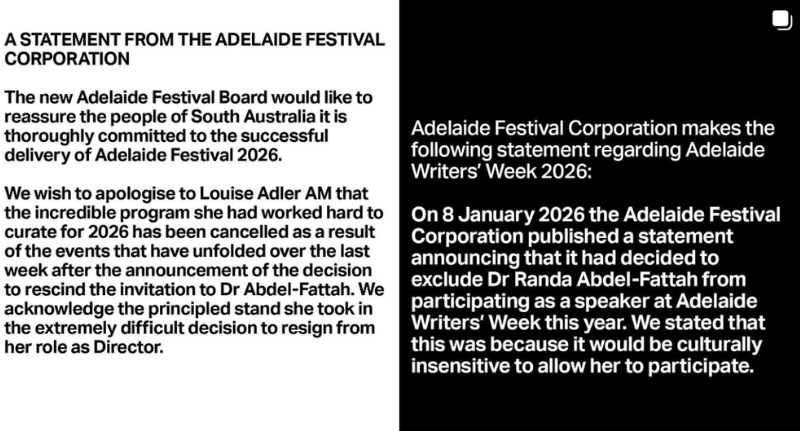
Posts from Adelaide Writers’ Week earlier this year. Image: Instagram
Randa Abdel-Fattah to appear at Sydney Writers’ Festival
A statement from festival chief executive Brooke Webb and artistic director Ann Mossop said Abdel-Fattah is a “significant Sydney writer”, adding the festival holds “freedom of expression as a core value”.
The announcement comes after Abdel-Fattah was uninvited from Adelaide Writers’ Week, part of the Adelaide Festival, last month, after pressure from the South Australian government.
The controversial decision led to a large number of planned speakers boycotting the event, the resignation of the Adelaide Festival’s entire board, and the event’s eventual cancellation.
Adelaide Writers’ Week uninvited Abdel-Fattah because of her previous comments that Zionists “have no claim or right to cultural safety,” a sentiment they found especially sensitive in light of the December 2025 Bondi mass shootings.
Abdel-Fattah also made a 2024 social media post, saying: “The goal is decolonisation and the end of this murderous Zionist colony”, with a video claiming that Israel’s existence depended on violence against Palestinians.
In a statement in response to questions from ABC News about that comment, she said her “post made clear that I oppose the espousing of Zionist ideology [but] NEVER the unsafety of Jews”.
Abdel-Fattah has been invited to attend Adelaide Writers’ Week next year.
The Sydney Writers’ Festival statement said they respected “that public figures and members of the community may hold different views” to Abdel-Fattah.
“A festival like ours, which holds freedom of expression as a core value, is not in the business of cancelling or censoring writers.”
Omnicom flags AUD$7.1b buyback after 2025 loss
Omnicom says its newly combined business with Interpublic Group (IPG) is already reshaping its priorities, after the company booked higher revenue but a reported loss for both the December quarter and full year.
The advertising and marketing group said the IPG acquisition closed on 26 November 2025, contributing one month of IPG revenue and costs to the fourth quarter.
“Since the successful closing of the Interpublic acquisition on November 26, we made key leadership and brand announcements, refreshed our enterprise growth strategy, and launched the next generation of our Omni data and technology platform,” said John Wren, chairman and chief executive officer of Omnicom.
Omnicom’s key numbers for Q4 2025
- Revenue: AUD$7.8 billion (up 27.9 per cent year-on-year)
- Net loss (reported): AUD$1.3 billion
- Adjusted EBITA: AUD$1.3 billion (16.8 per cent margin)
- Non-GAAP adjusted EPS: AUD$3.66 per share
Omnicom attributed the revenue increase to constant currency growth and the inclusion of one month of IPG revenue.
The quarter’s reported loss was driven by acquisition-related costs and repositioning charges, including severance and real estate repositioning, plus losses tied to planned business disposals following the IPG close.
Omnicom full-year 2025: higher revenue, reported loss
- Revenue: AUD$24.4 billion (up 10.1 per cent)
- Net loss (reported): AUD$77.1 million
- Operating income: AUD$629.0 million
- Adjusted EBITA: AUD$3.8 billion (15.6 per cent margin)
- Non-GAAP adjusted EPS: AUD$12.24 per share
For the full year, Omnicom said performance benefited from constant currency revenue growth and one month of IPG operations, while reported profitability was weighed down by transaction costs, repositioning, and planned disposals linked to the merger.
What Omnicom says comes next
Wren said Omnicom is focusing on three priorities: simplifying and aligning its portfolio to support “Connected Capability” delivery, lifting its total cost synergy target to AUD$2.1 billion (including AUD$1.3 billion in 2026), and launching a new share repurchase program.
Omnicom’s board has authorised a AUD$7.1 billion share buyback, including a AUD$3.5 billion accelerated share repurchase.
Where the revenue came from
In the fourth quarter, Omnicom said Media & Advertising represented the majority of revenue (60.1 per cent), followed by Precision Marketing (10.3 per cent) and Public Relations (9.1 per cent).
By region, the US remained the largest contributor (51.9 per cent in Q4), with Asia Pacific accounting for 10.7 per cent.
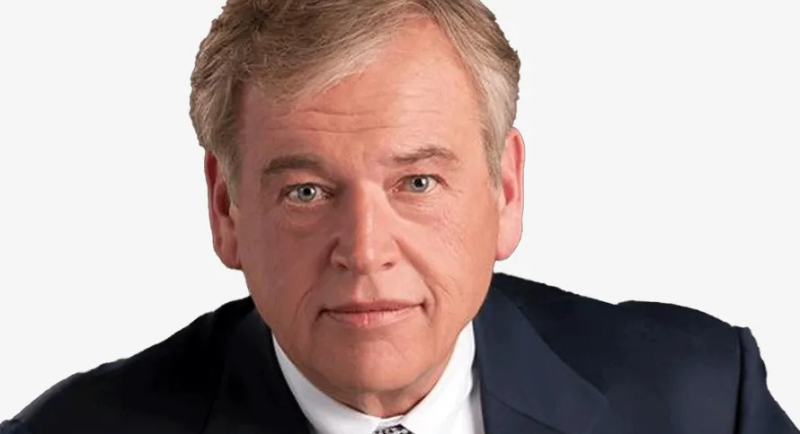
Feature image: Omnicom CEO John Wren.
SBS national digital and TV sales leader Kieran Beasley departs after 13 years
SBS National Manager – Digital & TV Sales Kieran Beasley is stepping down from the broadcaster after more than 13 years with the organisation.
Beasley, who most recently led SBS’s digital and television sales strategy nationally, will remain with the business until 26 June to support the transition ahead of the 2026 FIFA World Cup sales cycle.
In the internal email, Acting Director of Media Sales Lee Fifoot confirmed Beasley’s exit and reflected on his impact across the organisation’s commercial operations.
“It’s with great sadness that I’m writing to let you know that Keiran Beasley will be stepping down from his role as National Manager – Digital & TV Sales after more than 13 years with SBS (2.5 as National Agency Sales Manager),” Fifoot wrote in an internal email sighted by Mediaweek.
Beasley first joined SBS in November 2012 to lead sales efforts around the broadcaster’s coverage of the 2014 FIFA World Cup.
He subsequently held a series of senior commercial roles, including National Brand Partnership Manager, where he oversaw trade marketing, client solutions, strategy, and creative services, as well as the broadcaster’s FIFA World Cup coverage and annual Upfront presentations.
In 2019, he undertook an 18-month secondment as Head of Group Marketing before returning to SBS Media in 2021 as NSW State Sales Manager. He later served as National Agency Sales Manager before assuming his most recent national leadership role.
World Cup sales and digital growth
Fifoot credited Beasley with helping deliver major commercial milestones, particularly around global sporting rights and the growth of SBS’s digital platform.
“In his most recent role, Keiran helped drive record sales for the 2026 FIFA World Cup, focused on growing SBS On Demand while defending linear TV, and delivered some stellar Media-i results in recent years,” Fifoot wrote in the email.
She also acknowledged his leadership and cultural impact within the organisation.
“Many who have worked closely with Keiran will agree that he brings thoughtfulness, integrity and calm to everything he does – always with good humour and quiet confidence. He’s generous with his time, sharp in his thinking, and famously consistent, whether that’s his daily ‘uniform’ or his devotion to a beautifully simplified life of Apple products and Teslas.”
“He’s the kind of colleague who lifts the people around him, and SBS is better for having had him.”
Recruitment process to begin
Beasley will remain in the role until late June to support continuity across SBS’s commercial operations.
“We will begin recruiting for his role in the coming weeks, and I’m very appreciative that Kizz has agreed to stay on until 26 June to help ensure a smooth lead-up to the World Cup,” Fifoot said.
SBS is expected to begin recruitment for the role in the coming weeks.
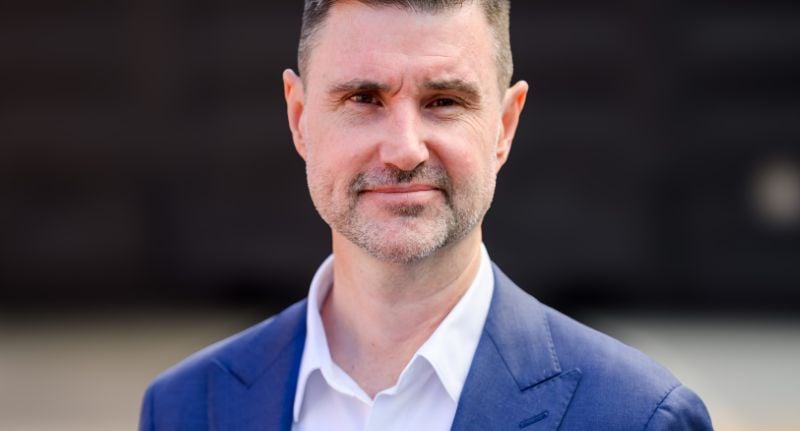
Main image: Kieran Beasley
From Tamworth cadet to Sydney anchor: Mark Ferguson reflects ahead of milestone birthday
On Saturday night, Mark Ferguson will sit down for a quiet dinner with family to mark his 60th birthday – a milestone that feels worlds away from where it all began: a teenager in Tamworth, nervously stepping into a regional newsroom with more instinct than certainty.
“I was very fortunate to start in my hometown of Tamworth,” Ferguson tells Mediaweek’s Newsmakers. “I was 17 years of age, straight out of school, very lucky to get the job, very lucky to start in my hometown with the support of mum and dad and family, and that’s where it all began.”
From those early days covering cattle prices and country stories, Ferguson built a career that would take him across the globe – reporting from Rwanda, Northern Ireland, the Middle East and London, before returning home to anchor Australia’s biggest stories, including the Boxing Day tsunami.
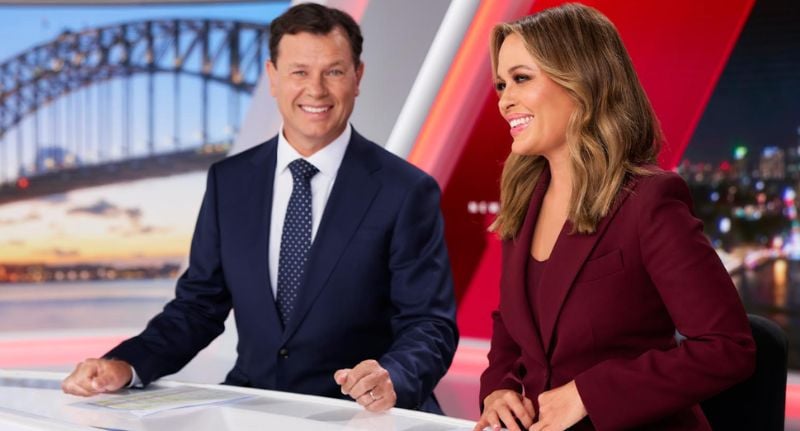
Along the way, he became one of the defining faces of Australian television news, with senior roles at both Nine and Seven, and has since 2009 anchored 7NEWS Sydney.
But Ferguson’s path into journalism wasn’t preordained.
“There was no journalist in the family, and journalism only sort of appeared on my radar very late in school,” he said.
“For a long time there, I wanted to be a country vet.” It wasn’t until a frank intervention from a careers adviser – and a growing sense that storytelling, not science, was his natural terrain – that the trajectory shifted.
Even then, the move from Tamworth to the wider media world was daunting. “I wanted a bigger challenge, I wanted to cover bigger stories, and I wanted to live in a bigger spot, but at that stage, Sydney, I thought, was far too big for me,” he said.
This weekend, Ferguson will mark the milestone privately – with Sunday, his actual birthday, set aside as a rare day off. But come Monday, the newsroom will have its turn, with colleagues planning a cake behind the scenes and viewers set to celebrate alongside him live on air. It’s a fitting tribute to a journalist whose career has unfolded not just in studios, but in living rooms across the country.
To hear Ferguson reflect on the moments that shaped him – from Tamworth cadet to one of Australia’s most trusted news anchors – listen to the full interview on Mediaweek’s Newsmakers.

CMO Spotlight: Hisense’s Michelle Wee on redefining value
It is a fiercely competitive era for consumer electronics. For Michelle Wee, General Manager of Marketing at Hisense, cutting through the noise means stepping away from technical jargon and leaning into human experiences.
Wee caught up with Mediaweek for our CMO Spotlight.
Moving beyond the spec sheet
MW: What’s the piece of work from the past 12 months that best captures how your brand wants to show up right now?
Michelle Wee: Without hesitation, it’s the work where we stopped talking about ‘product specs’ and started talking to real Australian lives.
In 2025, Hisense shifted part of its marketing focus toward campaigns that connect product ownership with real-world lifestyle moments. We moved beyond just technical specs and price messages and instead emphasised meaningful experiences at home.
A good example of this was Australia’s Hisense Experience Campaign, where customers who purchased select Hisense products were able to win premium prizes such as travel experiences. The campaign made Hisense more than a product choice. It became a brand associated with lifestyle opportunity. Customers weren’t just buying a TV or a fridge, they were participating in something bigger: a chance at a memorable experience.
The experiential approach worked alongside broader global platforms, such as the “Own the Moment” FIFA campaign, by focusing not just on big events but also on personal moments at home that matter.
MW: Where is your marketing budget working hardest today?
Michelle Wee: We invest heavily in ‘consideration’, ultimately helping our customers close the gap from thinking they’re going to buy a new fridge to purchasing it. Performance Digital Ads, SEO, and Partnerships & Sponsorships are helping us build a brand top of funnel. Retail Integration with Displays and POS helps us win customers when they head into stores to touch and feel their new TV, Fridge or Washing Machine, and ultimately make their purchase.
We also stretch our marketing budget ensuring we continue to enrich our database to encourage repeat purchases and build true brand advocacy.
The power of cultural relevance
MW: What’s changed most in how you balance brand and performance?
Michelle Wee: We believe the line between brand and performance has disappeared. Brand is performance. Performance needs brand. The biggest shift has been patience, letting brand ideas breathe, then engineering them to perform rather than squeezing them dry from day one.
We tailor our product offerings to local market needs, making premium tech accessible to local consumers. Sports sponsorships and marketing initiatives that raise brand awareness, such as the FIFA World Cup, NRL partnership and local campaigns, help build emotional and cultural relevance beyond just product specs. This combination of global brand strength and local engagement helps Hisense maintain brand trust while delivering products Australians recognise.
As a brand we position ourselves around these core pillars: strong performance, quality, innovative technology, and value, without the premium price tag. This tiered approach means consumers can choose between good value everyday products or feature-rich premium devices depending on their needs. A solution to every problem.
MW: Which channel, platform or partnership is currently over-delivering for you?
Michelle Wee: Sport and entertainment partnerships continue to punch above their weight because they give us cultural relevance at scale. When Australians are emotionally invested, that’s when Hisense shows up best.
Hisense’s sponsorship of FIFA World Cup tournaments, including 2018, 2022 and the upcoming 2026 FIFA World Cup, and its Official Partner role with the FIFA Club World Cup 2025, provides a global scale including valuable local exposure too. These partnerships drive brand salience on a massive stage.
As a brand we don’t just place our logo against these tournaments. We tie products directly to the experience of watching the games. For example, campaigns encourage viewing matches on Hisense smart TVs and projectors with immersive visuals and audio, and entertaining your friends in the comfort of your home with Hisense Smart Fridges and Small Appliances. This reinforces the message that our products enhance the match-day experience at home.
In Australia, Hisense’s long-term partnership with the National Rugby League (NRL) is arguably one of our most effective activations. A relationship that began in 2020 included stadium branding, digital integrations and social media exposure. The partnership also included the NRL Women’s Premiership and major events like State of Origin and Magic Round, increasing visibility across all major rugby league demographics.
A more tactical but highly performance-driven channel for Hisense ANZ has been our expanded work with MikMak. In a recent case study, deeper integration with MikMak’s commerce tools across paid media delivered significant performance uplifts: a 12x increase in brand traffic, an 8x increase in search conversion and a 3x rise in overall purchase intent.
These improvements show direct impact on sales activation from digital campaigns.
While not strictly a ‘channel,’ Hisense’s collaboration with audio specialist Devialet to co-engineer higher-end audio and TV products is strategically important. It signals premium positioning in home entertainment and helps differentiate products against competitors in quality-focused segments.
AI and the agency of the future
MW: What role does creativity play in your commercial strategy right now?
Michelle Wee: Creativity plays a strategic and increasingly central role in our commercial strategy. It’s not just decoration or superficial advertising, but a way to differentiate our brand, generate emotional engagement, and connect products to real-life experiences in meaningful ways.
We have moved beyond feature-focused ads to campaigns that resonate emotionally and culturally with Australian audiences. For example, our EcoVision campaign creatively repositioned a product range of eco-friendly appliances not around technical specs but around everyday family life and connection. The visual identity, messaging and art direction highlight comfort, sustainability and emotional moments, helping the brand feel relevant and relatable.
This shows creativity isn’t just about art, it’s about purposeful positioning that amplifies brand meaning and aligns with consumer values. Essentially, creativity has shifted from a tactical add-on to a core strategic driver that helps us stand out in a crowded consumer tech market, making our marketing more engaging, meaningful, and performance-aligned across platforms and partnerships.
MW: How are you using data, tech or AI in a way that genuinely improves the work?
Michelle Wee: We have built AI-driven technologies directly into our products, which materially improves how they work for our customers. These innovations remove repetitive decisions, making our products feel more effortless, and deliver genuine convenience gains rather than gimmicks.
Beyond customer-facing tech, Hisense is also embedding AI throughout its manufacturing and supply chains which translates into fewer defects, faster throughput and lower waste, improving overall business performance.
MW: What does a ‘good agency partner’ look like for you in 2026?
Michelle Wee: In 2026 a ‘good agency partner’ isn’t just about doing advertising, it’s about being a strategic ally that moves the business forward across brand, performance, platform, data, creativity and culture.
A strong cultural fit matters as much as technical skills when it comes to agency partners. We need open communication, clear expectations and transparency in pricing, performance and decision-making. This helps build trust. Partners should challenge respectfully, bring constructive push-back and joint problem-solving rather than rote execution. A shared sense of purpose is key, and that means investing in collaborative planning, continual optimisation and shared success metrics.
We look for partners who really get Hisense’s long-term ambition, not chasing quick wins, but building consistent brand equity aligned to our global message, “Hisense, More Than a Brand.” That means turning commercial goals like market share growth, category expansion and sponsorship impact into clear, measurable plans, and acting as true growth partners who can advise on investment, channels and creative choices, with a strong line of sight to revenue and real business outcomes.
At the same time, data, tech and AI are now non-negotiable. Our partners should use advanced analytics and AI-driven tools to inform targeting and optimisation, integrate insights across all platforms, and provide transparent reporting that makes performance easy to understand and act on.
Finally, because Hisense marketing spans everything from brand and performance to sponsorships, retail and commerce, we want partners who can deliver end-to-end capability under one connected strategy, drive real synergy across channels, and stay flexible as priorities shift throughout the year.
Redefining premium value
MW: What’s the toughest call you’ve had to make in your role?
Michelle Wee: In a category crowded with constant promotions, specs-led messaging and reactive marketing, the pressure to do more, more campaigns, more channels, more partners, is real.
The most difficult decision I’ve made recently was to simplify: to step back from fragmented activity and refocus investment on fewer, bigger, higher-impact initiatives that genuinely build brand equity and drive performance.
That meant making some tough calls on agency models and partnerships to ensure they’re future-fit rather than tied to legacy ways of working. It meant prioritising strong brand platforms and premium moments like FIFA and major sport over tactical clutter, and backing creativity and long-term storytelling even when short-term performance pressure is high.
At the same time, it required shifting how we work internally to be more disciplined, data-led and integrated. This is a change that isn’t always comfortable in the moment but is critical for long-term growth. The challenge wasn’t just the decision itself but bringing teams and partners on the journey with the brand and aligning our stakeholders around a clearer, more focused vision for what we stand for in ANZ, and how marketing contributes to real commercial growth.
Ultimately, it was a call about leadership and conviction: choosing clarity over complexity, impact over activity, and long-term brand strength over short-term wins.
MW: What’s one misconception about your brand or category that your team is actively trying to unpick through marketing?
Michelle Wee: One of the biggest misconceptions is that Hisense is ‘good value’ but not genuinely premium or innovative.
Historically, the category has trained consumers to equate premium with a small number of legacy brands, and value with compromise. That’s no longer true and it’s a perception gap we’re deliberately challenging through our marketing. The goal isn’t to abandon value, that’s part of our strength, but to redefine what value means: not cheaper, but more for your money without compromise.
Ultimately, we’re working to shift Hisense from being seen as a smart alternative to being recognised as a confident choice, a brand people choose because it delivers premium experiences on its own terms.
MW: Looking ahead, where will your next big marketing bet come from?
Michelle Wee: In ANZ it will come from doubling down on experiences, not just exposure, and turning moments of attention into moments of belief. That means owning the ‘big screen, big moment’ space, turning products and platforms into media and building long-term brand meaning, not just short-term noise.
Taboola appoints Krishan Bhatia as chief business officer
Taboola has appointed Krishan Bhatia as its first Chief Business Officer, tasking the former Amazon Ads and NBCUniversal executive with leading global sales and partnerships.
What will Bhatia do at Taboola?
In the new role, Bhatia will oversee global go-to-market execution across Taboola’s product portfolio, including its Realize performance advertising platform, its publisher network, CTV performance offerings and generative AI products.
Taboola said the focus is on driving revenue growth across the business as it expands beyond its traditional publisher recommendations footprint.
Background: Amazon Ads and NBCUniversal
Most recently, Bhatia served as Vice President, Global Video Advertising and Partnerships at Amazon, where he launched and led the company’s global video advertising business spanning Prime Video, live sports, Twitch and third-party programmers.
Before Amazon, he was President and Chief Business Officer of NBCUniversal’s Global Advertising and Partnerships division, overseeing its digital, streaming TV and advanced advertising operations.
What Taboola’s CEO said
Adam Singolda said Bhatia was joining Taboola “at a pivotal moment” as the company looks to expand performance advertising beyond the closed ecosystems of search and social. “Realize is gaining real momentum as advertisers look for scalable growth beyond search and social,” he said. “At the same time, DeeperDive is bringing generative AI directly to publishers in ways that are helping them innovate and thrive.”
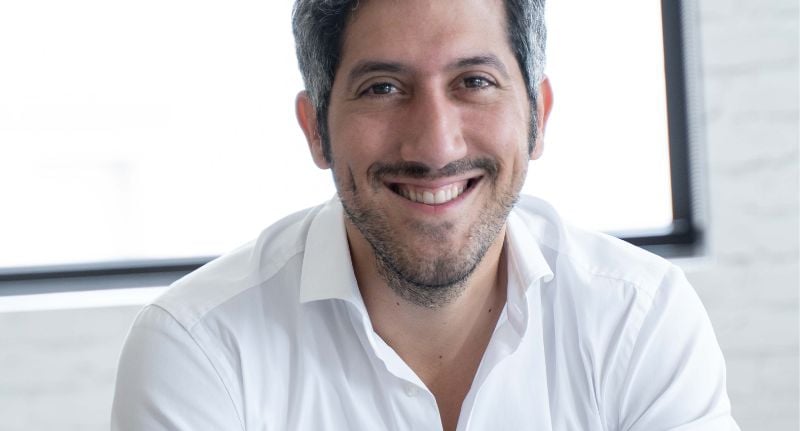
Taboola boss Adam Singolda
He also pointed to Taboola’s scale, saying the company has “surpass[ed] two billion dollars in revenue” under the leadership of Eldad Maniv, President and COO, and has “spent years building a powerful foundation for long term success”.
What Bhatia said
Bhatia said Taboola’s “bold vision for the future”, anchored in “global scale and innovative technology”, made the move compelling. “The introduction of Realize further solidifies Taboola’s place as the leading player in performance advertising outside of search and social,” he said.
He also flagged the company’s publisher and AI roadmap as a key drawcard. “Taboola’s launch of DeeperDive, pace of innovation with generative AI, and continued commitment to drive success for advertisers and partners are strong signals that today’s market demands,” Bhatia said. “I’m excited to come onboard at this pivotal point of growth for Taboola and to work alongside the entire team.”
Top image: Krishan Bhatia
SPC Global appoints Dialogue to head strategic communications
SPC Global has appointed Dialogue as its retained communications partner.
The move signals a sharpened focus on investor engagement, leadership visibility and corporate narrative as SPC Global expands its footprint domestically and internationally.
Supporting a multi-division growth strategy
One of Australia’s most established food and beverage groups, SPC Global operates across four complementary divisions: SPC, The Original Beverage Co, Nature One and Natural Ingredients.
Together, the portfolio spans consumer brands, high-growth nutrition and beverage platforms, and B2B capabilities.
With operations extending from Shepparton to Singapore, the group has positioned innovation, operational excellence and sustainable growth at the centre of its strategy.
Dialogue will work alongside SPC Global to support key financial and operational milestones, elevate executive visibility across priority markets, and manage ASX communications, media relations and issues management.
The agency brings experience across FMCG brands and listed-company environments.
Hayley Coldrey Image: SPC Global
Hayley Coldrey, General Counsel and Company Secretary at SPC Global, said the partnership aligns with the company’s next phase of disciplined expansion.
“We’re focused on disciplined growth and building trust with our investors, customers and people,” Coldrey said.
“Dialogue adds the right mix of counsel and execution to support our business priorities and brings deep experience across corporate, consumer and ASX-facing communications, making them the ideal partner as we pursue our ambitions across Asia-Pacific. With several key business initiatives in motion, Dialogue have quickly become an integral extension of our team.”
Elevating a global growth narrative
Kate Bradley, Founder and CEO of Dialogue, said the appointment reflects SPC Global’s broader international ambitions.
“SPC Global has a great Australian story with global ambition. As the company continues to expand across new markets, our focus will be on articulating a clear, consistent corporate narrative and championing the people and partnerships driving its next chapter of growth,” Bradley said.
Dialogue’s broader client roster includes Acer, Nutella, Fourth Wave Wines, Duxton Vineyards, Taylors Wines, Sydney Zoo, Hill-Smith Family Estates, Energizer, Posca Hydrate, Skye Suites and Hyatt Regency Sydney.
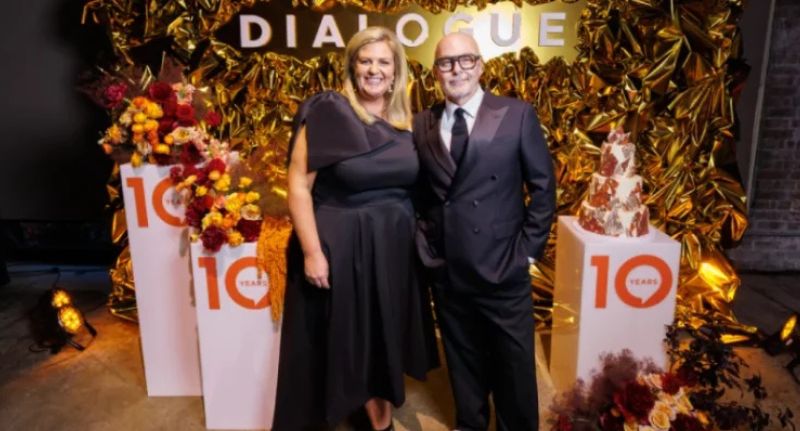
Top Image: Kate Bradley and Neale Whitaker
Keep on top of the most important media, marketing, and agency news each day with the Mediaweek Morning Report – delivered for free every morning to your inbox.
IMAA unveils tech council and academy expansion at Sydney Indie-Pendence Day
Independent Media Agencies Australia has outlined its 2026 roadmap.
Held at HOYTS Entertainment Quarter and sponsored by News Australia and Tubi, the event attracted nearly 230 IMAA members, media partners and industry representatives.
The conference focused on the economic outlook for 2026, AI transformation and the future of creativity in an evolving media landscape.
New tech council to guide AI transformation
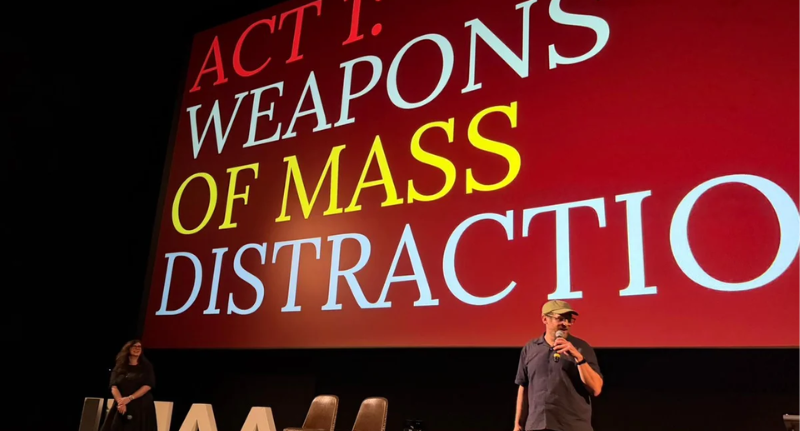
IMAA CEO Sam Buchanan revealed plans for a newly formed Tech Council, designed to bring together agency leaders across technology, data and digital innovation.
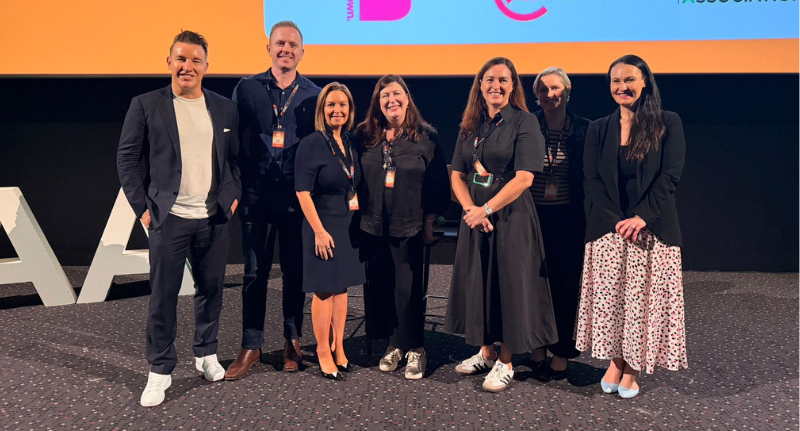
Image: IMAA
The council will help guide independent agencies through rapid technological shifts, particularly in AI and automation.
Buchanan also confirmed continued investment in the IMAA Academy, with new courses focused on AI and emerging capabilities set to launch later this year.
The association’s Byte series will return in 2026, including dedicated Outdoor Byte events centred on the out-of-home sector.
In addition, the IMAA’s cultural immersion trip will return, with industry leaders travelling to the Northern Territory in August alongside First Nations partner Kings Narrative.
The organisation also announced board expansions, with Thinkerbell CEO Margie Reid and Hatched chairman Mike Wilson joining the 2026 board.
Economic uncertainty and AI acceleration dominate agenda
Keynote speakers futurist Katie Rigg-Smith and Fear and Greed podcast hosts Sean Aylmer and Michael Thompson explored the economic outlook for the year ahead.
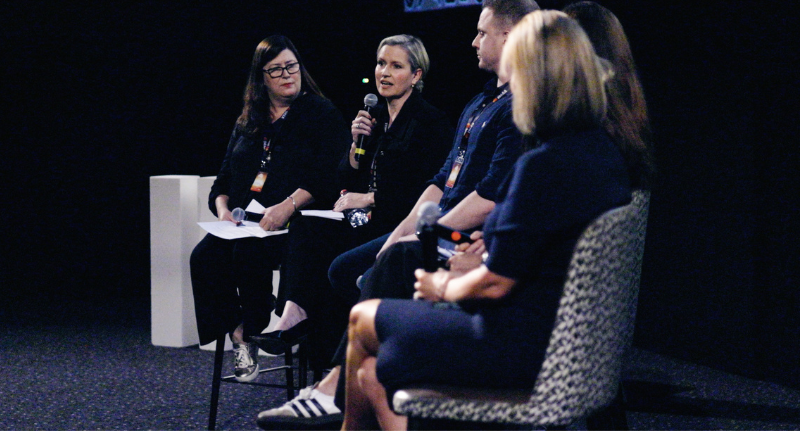
Image: IMAA
Aylmer and Thompson noted that 2026 is expected to bring continued uncertainty amid rising inflation and geopolitical tensions in the US and Ukraine.
Rigg-Smith focused on the shift from thinking about AI to experiencing it, pointing to the rise of frictionless assistance and agentic AI.
“Multi-modal AI is set to change the way we search and respond to brands,” she said.
“Brands will converse with people across multiple forms of communication and will be able to tailor conversations to the mood of an individual during that moment in time. Brands will need to think about how they break through the algorithm if AI is recommending everything you need in life.
“Agentic AI will also change the way we get things done. We’re in an era of hyper-personalisation and hyper-relevance, meaning there is even more need for serendipity, discovery and creativity.
“Moving forward, independent agencies will need strategic foresight, including scenario planning around AI shifts at least once a quarter. Testing and learning will also continue to be critical, along with doubling down on upskilling, reskilling and unlearning and considering how your talent mapping strategies integrate with AI and machines.”
Creativity, risk and AI literacy
Little Black Book Managing Editor AUNZ Brittney Rigby and Rick Barry Chief Creative Officer Alex Derwin highlighted standout global creative work, including campaigns from IKEA and Twix, noting that brands must remain clear on tone and embrace intimate, human moments to cut through.
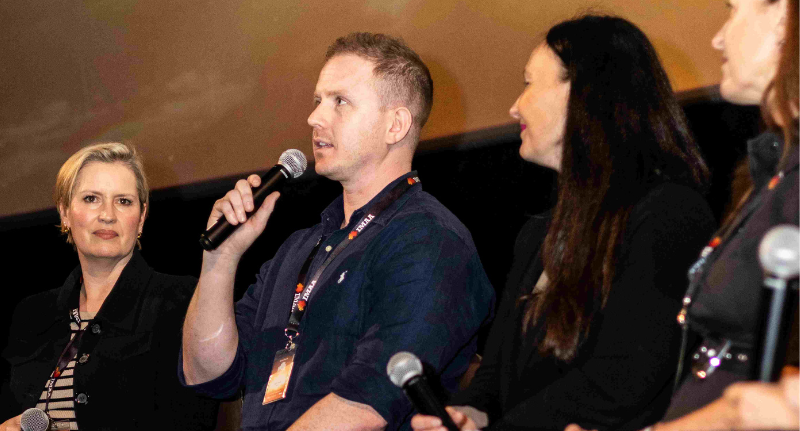
Image: IMAA
An AI panel moderated by Australian Centre for AI in Marketing co-founder Louise Cummins featured Bel Harper (oOh!media), Matt Travers (BRAIVE AI), Kathryn Illy and Margie Reid.
Reid said experimentation remains core to the independent mindset.
“As entrepreneurs and as part of the IMAA, we’re risk takers by nature. How many things have we done that have failed and we’re okay with that – it’s the same thinking around AI. Know that there are going to be things that you do, that you build, that you buy and that you borrow, that may not work, but you’ve given it a go and it’s the learnings that you put into it, and the fact your people are going on that journey with you – that’s most important.”
Harper added: “I think the big opportunity for us with AI is the time saving and our response to our clients. We want to have the time to be able to carve a path for our strategic relationship with the agencies we’ve got. So for us, it’s about using AI to organise all of that and our data into a space to be able to start to have much deeper and more strategic conversations with agencies.”
Rigg-Smith emphasised foundational literacy: “Agencies need to consider that AI literacy will be foundational for everyone in the next five years. It’s not just about using ChatGPT but understanding: where is the data being ingested from? How is it being used and why is it being used? And as agencies, you need to have that level of depth, otherwise, clients can just do it themselves. I always come back to the importance of critical thinking, deductive reasoning and judgement. If you have critical thinking, deductive reasoning and judgement, then no matter what technology changes around you and what skills you’ve acquired, you have an anchor point.”
Illy noted that trust and risk management remain top concerns for CMOs navigating AI adoption.
‘The next chapter’ for indies
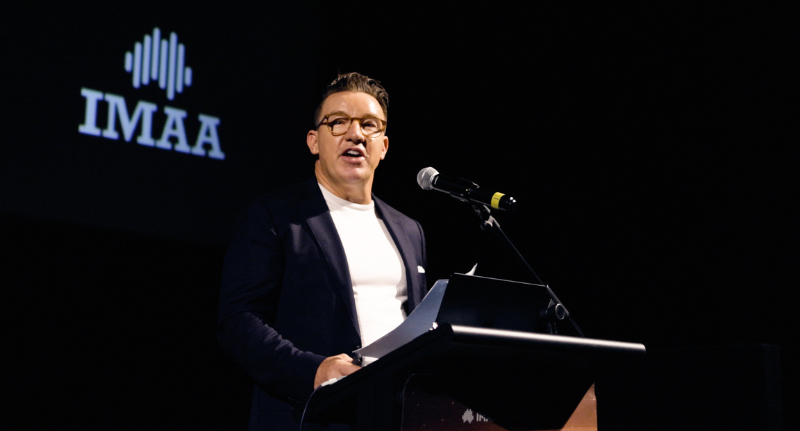
Sam Buchanan Image: IMAA
Buchanan said the conference marked a milestone moment for the association.
“Our annual Indie-Pendence Day conference is a chance to equip our members with the knowledge to win the year ahead, with critical learnings and actionable insights they can take into their own businesses.
“Landmark days like this remind us just how far the sector has come. When we launched the IMAA six years ago, our ambition was simple, but bold: to give independent agencies a stronger voice, fairer access and a genuine seat at the table. This year, I think it’s fair to say our goals have been achieved – we are the largest media association in Australia, and our professional development initiatives, our research, and our advocacy work is now embedded into the fabric of the industry.
“Today marks the next chapter for the IMAA. As we announce our key priorities for the next 12 months, our focus is on being at the forefront of change. Our new Tech Council, along with continued investment in our education and professional development programs and the strengthening of our board, is all about ensuring the independent media agency sector is leading the charge, not following it.
“We’re indebted to our 170-strong IMAA community, our media partners and our broader industry association connections, who continue to back the independent sector. The ongoing success of our initiatives is a direct result of those who have supported them, showed up and leaned in. We’re looking forward to continuing our efforts to ensure indies are no longer an after-thought, but a first-choice partner.”
The Melbourne Indie-Pendence Day conference will take place on February 26 at the Melbourne Cricket Ground, followed by a networking session.
Top Image: IMAA
Matrix taps KATSEYE to drive Australian brand push and global campaign platform
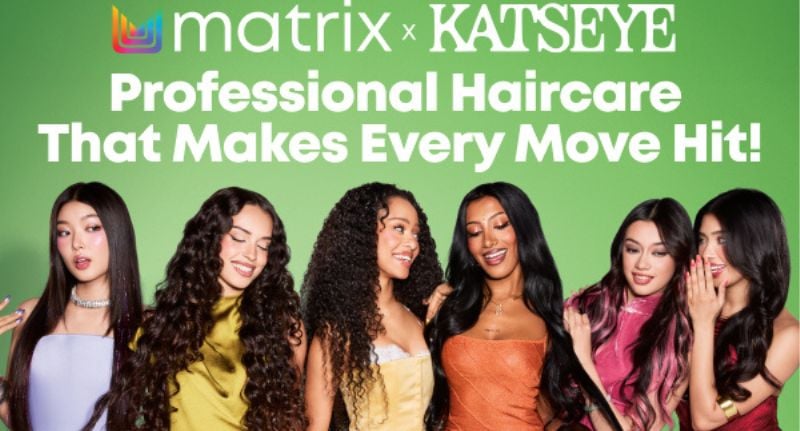
Professional haircare brand Matrix has enlisted global girl group KATSEYE as its new Global Brand Ambassadors.
The partnership is launching in Australia as part of an international campaign designed to strengthen its position in the competitive professional haircare market.
The appointment forms part of a major brand platform rollout anchored in Matrix Moves. This global campaign will spotlight the intersection of hair and identity, while reinforcing Matrix’s inclusive positioning across salon audiences.
Backed by L’Oréal’s Professional Products Division, Matrix is leveraging KATSEYE’s cultural momentum to deepen its connection with younger consumers and multicultural audiences.
This is particularly relevant in markets like Australia, where diversity is (thank goodness) reshaping beauty norms.
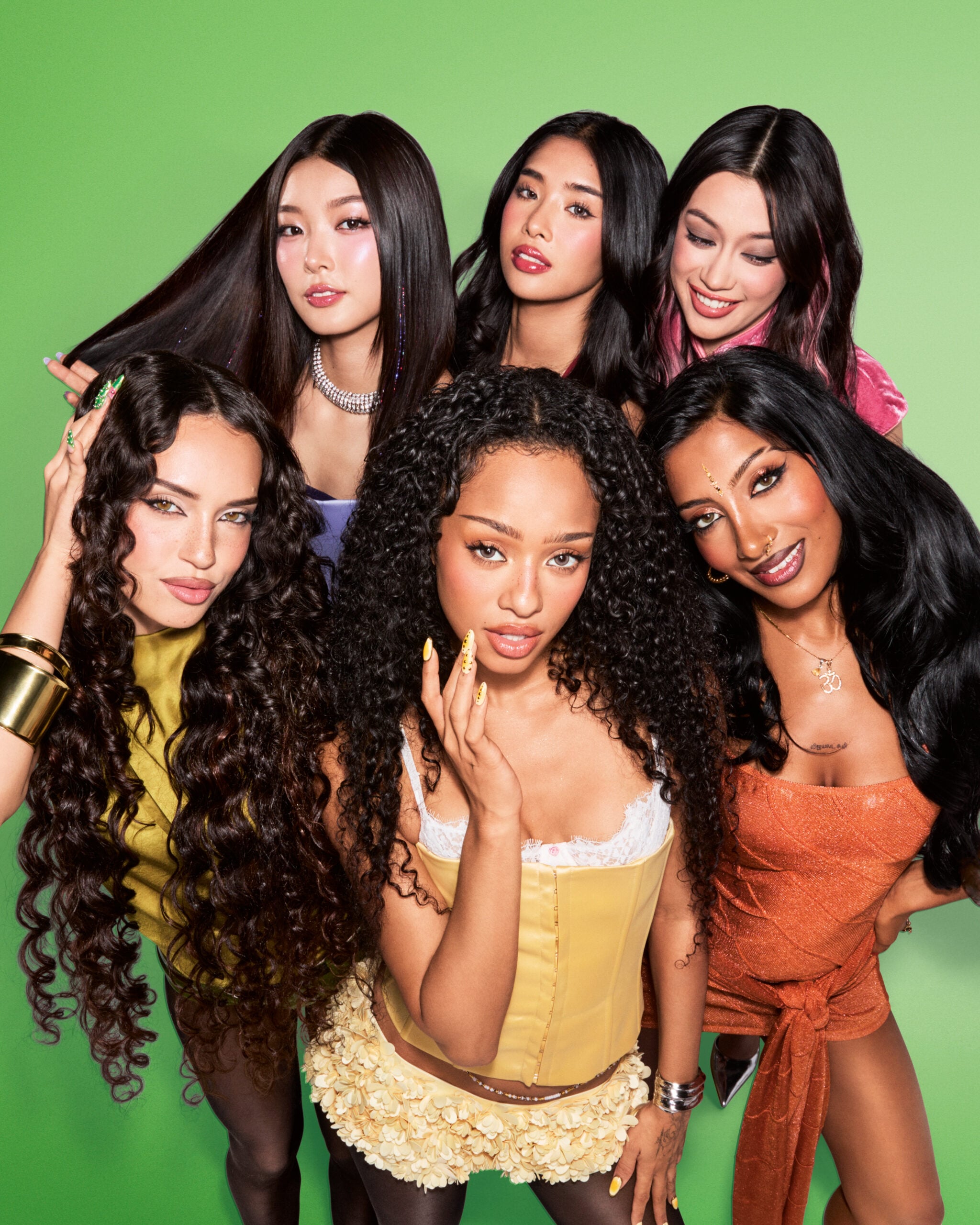
KATSEYE. Source: Matrix
Global girl group becomes face of Matrix’s next growth chapter
The partnership aligns with Matrix’s core brand mission of inclusivity, framed by its long-standing ethos of “All Hair Types. All Humans.”
Andrew Edwardson, Global General Manager of Matrix, said the group’s identity made them a natural fit for the brand’s evolution.
“KATSEYE is a powerful representation of the next generation. Their unique energy and hair identity come together to create something even greater. They echo the Matrix ethos that everyone is welcome to come as they are. The way KATSEYE use hair to express themselves makes them a natural embodiment of the brand,” he said.
For Matrix, which celebrates its 40-year heritage, the collaboration signals a move to fuse salon credibility with contemporary influence.
Campaign platform built around performance and identity
As part of the rollout, KATSEYE will headline Matrix Moves, a 2026 global campaign exploring “hairography.” This positions hair as an extension of movement.
The campaign brings heavyweight creative credentials, directed by American filmmaker Cody Critcheloe and photographed by Carin Backoff, with styling by Kyle Lu.
Each KATSEYE member will front a specific Matrix product, reinforcing the brand’s portfolio across performance-driven categories, including curl definition and bond repair.
Cultural relevance and inclusivity at the centre of brand strategy
For KATSEYE, the partnership reflects a shared emphasis on inclusivity and authenticity. These themes are increasingly central to global beauty marketing.
Speaking on the collaboration, the group said: “Matrix represents our shared values of inclusivity and joy. As a global group with diverse hair textures, we find it rare to find a brand that works for all of us. Our hair is essential. On stage, it must move with us while remaining healthy. Matrix gives us the confidence to perform at our best for fans around the world!”
The appointment underscores how global music acts are becoming critical brand-building vehicles for beauty companies seeking to expand their reach.
Entertainment Group launches the ‘Gathering for Good’ initiative
Most Australians remember The Entertainment Group as the publisher of that thick, golden book of coupons that lived in the glovebox of every family sedan for decades.
While the physical book is gone, the business behind it has shifted gears since its establishment in 1994. Now it’s tackling a much more modern problem as corporate Australia is struggling with donor fatigue.
This week the company announced the launch of the Gathering For Good. It’s a cross-sector initiative designed to bring business leaders and philanthropists together to find new ways to drive social impact.
With the cost of living crunching household budgets, the traditional ‘set and forget’ donation model is under immense pressure.
The Entertainment Group, which has transitioned from its paper-based legacy to a purely digital membership platform, is positioning itself as the necessary bridge between tightened consumer wallets and charities desperate for sustainable funding.
From novelty cheques to core strategy
The inaugural event kicked off at Sydney’s OTTO Ristorante. Addressing the room, chief executive officer Heidi Halson noted the stark difference between corporate responsibility of 1994 and the expectations of 2026.
“Corporate responsibility meant that you’d go to luncheons like this and they gave you a cab charge voucher to get you home,” Halson said. “It’s gone from taking a photo with the local footy team and presenting a novelty cheque, to actually being a very important part of every business and every strategy going forward.”
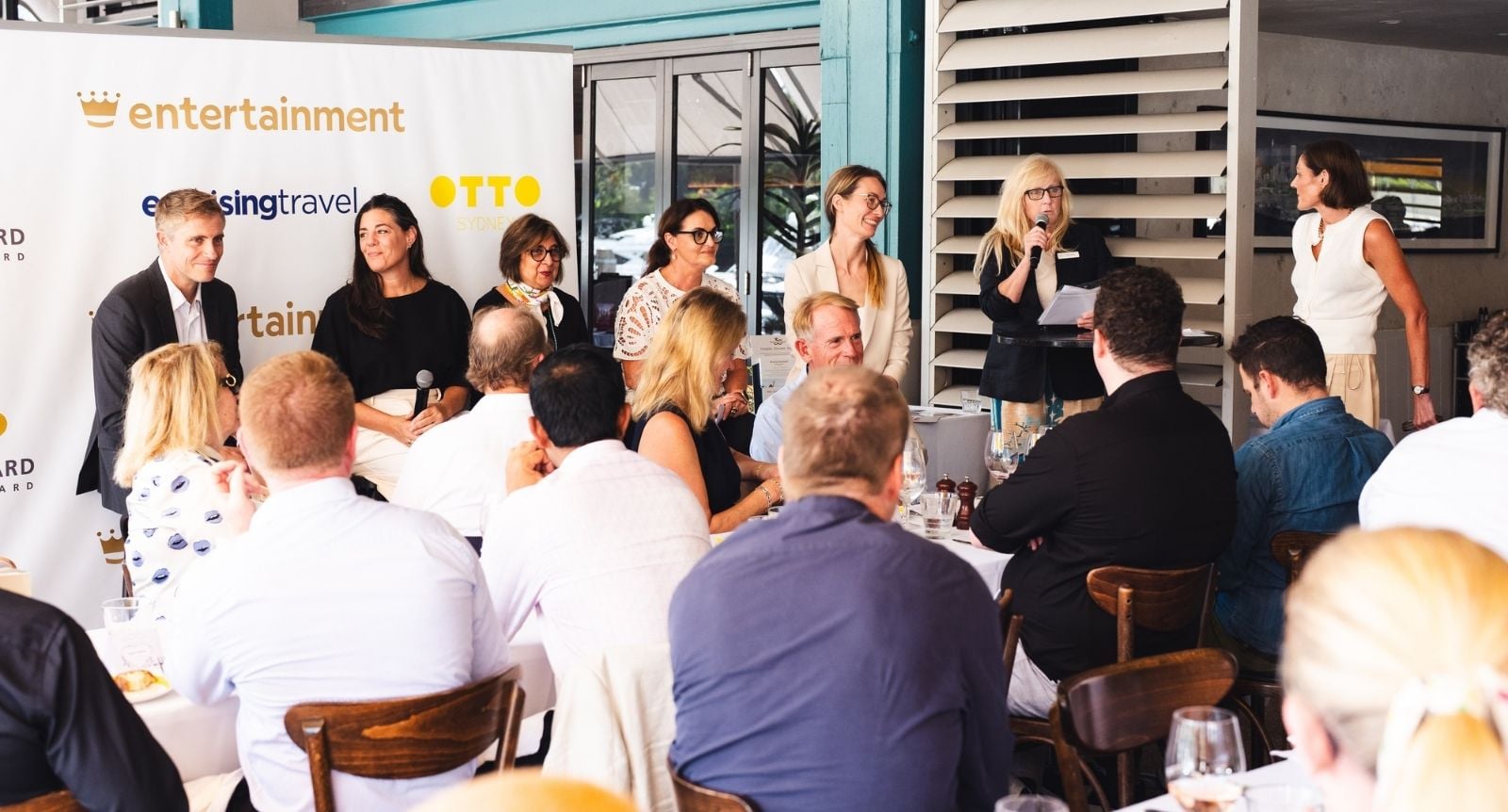
A panel of non-profit heavy hitters shared insights at the function. Image: supplied
Rather than a standard networking lunch, the group curated a specific mix of finance, health, and corporate affairs leaders to workshop how fundraising, technology, and hospitality can intersect.
Joining Halson at the table were non-profit leaders including Australian Cancer Research Foundation, chief executive officer Kerry Strydom and Sydney Children’s Hospitals Foundation head of corporate giving Michal Cohen-Noble. They sat flanked by corporate heavyweights like Grant Thornton, partner Dhun Karai, NRMA group director of public affairs Robert Giltinan, and HSBC head of sustainability Charis Martin-Ross.
The pandemic hangover for charities
While the hospitality industry has largely moved on from the pandemic, Halson pointed out that the charity sector remains deeply scarred.
“The years of COVID and the impact of that on our business, the hospitality industry, and the fundraising community has been devastating,” Halson said. “Fundraising in particular hasn’t seen the bounce back that other industries have.”
This reality is driving the company’s focus for the year ahead.
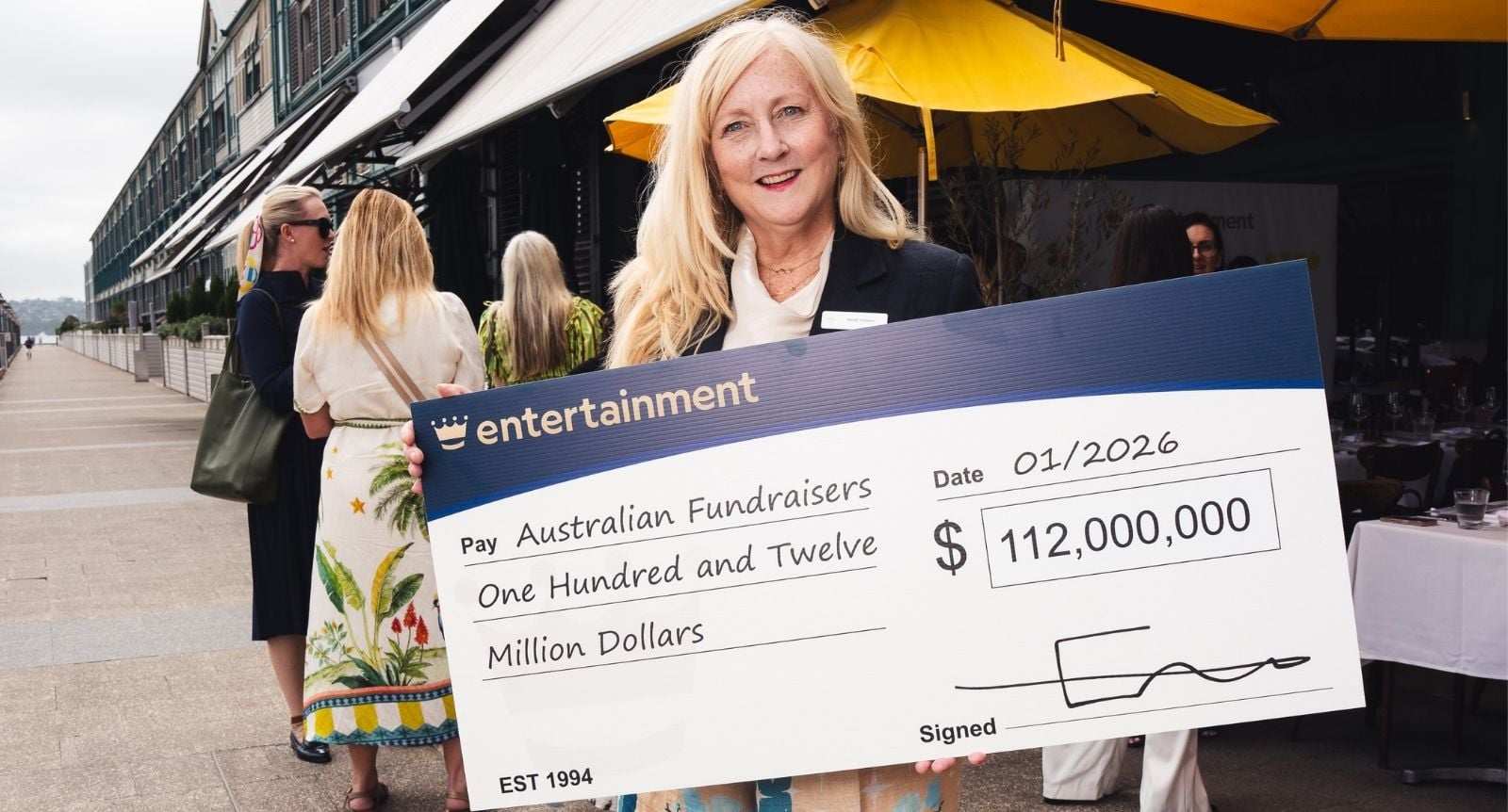
With $112 million raised for over 50,000 fundraisers since 1994, the platform continues to forward a 20% cut of memberships sold directly to a nominated cause. The goal now is to find new ways for members to become regular donors upon purchasing their membership.
People over technology
While the platform looks to add new donation features to support existing fundraising channels, Halson remains adamant about the company’s core identity.
“We are not a technology company, we are a people company, and that’s where we shall stay,” Halson said. “Giving back isn’t a campaign for us. It’s what we’ve been doing for the last 32 years. Our ambition is simple: to turn everyday actions into something extraordinary.”
For media buyers and marketers, the move signals a shift in how social impact platforms market themselves.
They are no longer just charities but essential lifestyle utilities that keep the third sector afloat.
Main image: CEO of the Entertainment Group, Heidi Halson: supplied.
Could we BE any more nostalgic? What the McDonald’s Friends tie-up says about creative risk in a time of data saturation
Josh Barnes, Managing Partner, Connected Media
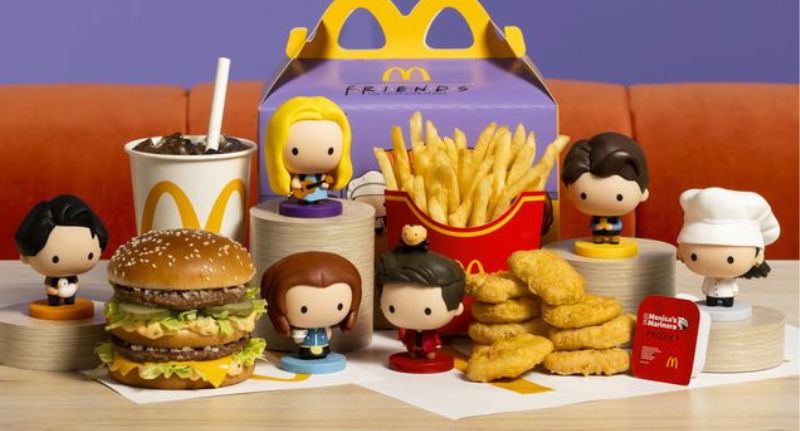
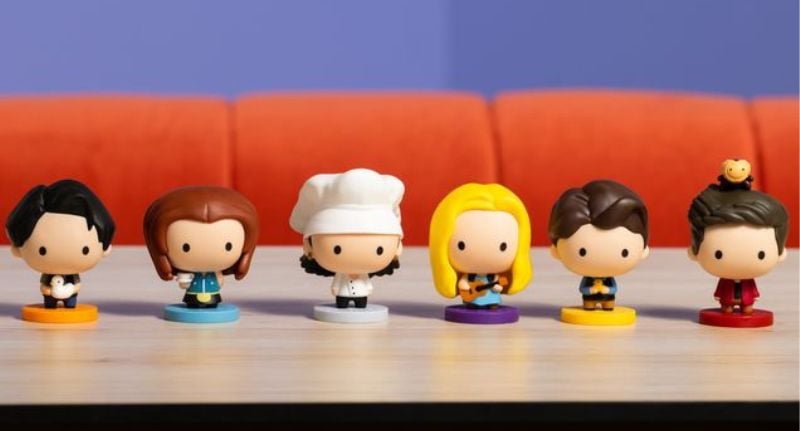
McDonald’s is launching a Friends-themed meal promotion
Complete with Joey, Rachel, Ross, Phoebe, Monica, and Chandler collectibles.
The move clearly shows why familiarity feels safe in the cultural and marketing environment we all now live in.
Friends stopped airing 22 years ago and is now older than many of its current fans. Yet here we are, ordering burger meals based on a sitcom that started in the previous millennium. And it’s not an outlier. Star Wars, which debuted in 1977, continues to spawn new series and films, attracting a new generation of fans. The Barbie movie broke box office records by tapping into generational memory, and Spotify’s algorithm surfaces songs your parents danced to.
The Central Perk couch is burned into my brain as vividly as any childhood memory, and that’s the point. As McDonald’s Australia marketing director Amanda Nakad said, when making the announcement, the partnership “brings together two cultural icons that stand for connection, comfort, and joy”.
There’s something broader happening, though: familiarity has become a valuable marketing and creative currency. While retro culture isn’t new, familiarity is outperforming novelty, and nostalgia is no longer niche; it’s a mainstream cultural currency. But the more we optimise for safety by using data, the harder it becomes to generate true originality.
But here is the paradox. The cultural franchises we’re now turning to for our hit of nostalgia weren’t born from data; they emerged from creative instinct in an era before real-time audience transparency existed. Their creators took risks that no algorithm would recommend today, and their originality wasn’t predicted; it was discovered.
The algorithm made me do it
Digital and tech platforms now have unprecedented behavioural visibility into our habits. Every click, pause, skip, and rewatch feeds the machine, and the machine has learned something important; familiar content is cognitively easier to consume, requires less mental effort and feels safer.
Algorithms reward this, audiences reinforce it, and, in turn, this creates a constant feedback loop of iteration over invention.
The platforms didn’t create nostalgia; humans have always craved the comfort of the familiar, but they’ve turbocharged it and made it the frictionless default.
Which raises the question: are we nostalgic for the content itself, or for the era of creative risk that produced it?
The more brands optimise for the familiar, the harder it becomes to generate the kind of true originality that creates tomorrow’s classics, and we may be engineering a world where creativity risk is now in real jeopardy.
Optimising the risk away
Marketers understand the tension. Every campaign can be measured, optimised, and refined based on what the audience demonstrably responds to, and that is in no way a bad thing. Data should be used, but it needs to be leveraged more effectively to inform creativity rather than replace it.
When everyone optimises toward the same signals, campaigns start looking and feeling identical. Distinctive work can often appear inefficient before it proves effective, but the campaigns that cut through aren’t always the ones that tested best. Sometimes they’re the ones that make the strategist nervous, or that instinctively feel risky.
If marketers only do what the data validates, we become curators of the past rather than architects of the future, chasing proven engagement over unknown potential.
Maybe what we need are protected zones for experimentation, spaces where instinct leads, and data follows and where creative unpredictability is given room to breathe before being suffocated by optimisation.
The brands creating tomorrow’s nostalgia will be the ones willing to take risks today. Prediction and performance metrics are certainly valuable, but creative unpredictability may be the scarcest and most valuable asset we have. The ability to say ‘I don’t know if this will work, but it feels right’ and actually follow through.
Because here’s the thing about nostalgia, it only works if someone, somewhere, once took a risk on something new.
Could we BE any more in need of that kind of courage?
Media
ABC emails mock Nine reporter during Winter Olympics coverage
Routine emails referenced an “ABC Snowman” built by its team, before one message quipped the snowman may have been “out late last night with a rival network’s presenter.”
Journalists joking about other journalists’ drinking habits? Pot, kettle, etc.
Publishing
Brands
Brands lag behind audiences as live sport shifts to streaming
As Danielle Long reports in The Australian, research from The Trade Desk shows 62 per cent of Australians follow sport weekly, with many watching several hours of live coverage.