
Tuesday December 2, 2025
'A defining moment for our region': Omnicom Oceania CEO Nick Garrett unveils local leadership and structural changes in AUNZ
Omicom Oceania has told Mediaweek they “cannot provide any commentary” for clarification on how many local jobs will be impacted, after sealing its A$13.5 billion takeover of Interpublic Group and confirming more than 4,000 roles globally will go as the world’s largest advertising group races to hit a projected A$1.1 billion in cost synergies.
Nick Garrett, CEO Omnicom Oceania, said: “This is a defining moment for our region. By bringing together the depth, ambition and talent of our people, while simplifying the architecture, we are creating modern, future-fit agencies and capabilities that will deliver world-class creativity and media, smarter data and technology integration, and new levels of effectiveness for brands in Australia and New Zealand.
“I want to congratulate Priya Patel, Paul Wilson, Sheryl Marjoram, Mike Napolitano and Lee Leggett on their new roles. Their leadership will play a critical part in shaping the next era of Omnicom Oceania.
“These changes honour the legacies of our heritage brands while positioning us to unlock even greater opportunity, effectiveness and growth for our clients and our people.”
Movers and shakers in Omnicom Oceania
Omnicom Oceania announced a series of local changes across Australia and New Zealand to align with the group’s updated global structure following the completion of the IPG acquisition.
In Australia, DDB Australia will merge with Clemenger BBDO Australia, creating a single, unified national agency under the Clemenger BBDO name.
Sheryl Marjoram (Sydney) and Mike Napolitano (Melbourne) have been appointed Co-CEOs of Clemenger BBDO Australia, responsible for leading the national agency and shaping its creative, media, strategic and operational direction.
Lee Leggett, outgoing CEO of Clemenger BBDO, will transition into a new senior Oceania role: Chief Customer Officer, Omnicom Oceania, strengthening the group’s focus on client experience and integration across Australia and New Zealand.
In New Zealand, DDB Group Aotearoa and FCB Group Aotearoa will merge to form McCann Group NZ, a new unified creative & media agency network.
Priya Patel (CEO, DDB Group Aotearoa) and Paul Wilson (CEO, FCB Group Aotearoa) have been appointed Co-CEOs of McCann Group NZ, bringing together deep leadership, client expertise and market influence.
In Wellington, Clemenger Wellington and FCB Wellington will rebrand as McCann Wellington, operating as part of McCann Group NZ. Local leadership for McCann Wellington will be announced shortly.
As part of Omnicom’s global creative reorganisation, the DDB, FCB and MullenLowe brands will retire globally and be folded, respectively, into TBWA and BBDO.
Meanwhile, Hearts & Science, Initiative, MediaHub, OMD, PHD and UM all remain as distinct client-first agencies.
Wren on creating efficiencies
Most of the cuts will land before the end of December, with Business Insider reporting that CEO John Wren said this week the majority will be administrative roles, plus “some leadership” positions.
The layoffs represent roughly 3% of the combined workforce of 128,000. They sit on top of IPG’s 3,200 job losses since late last year and Omnicom’s previous 3,000 cuts. With combined annual revenue topping A$37 billion, the new Omnicom-IPG machine brings scale – and consolidation.
“There’s efficiencies, they come in the form of labour and other things,” Wren told the Financial Times. “But anybody that was generating revenue before December last year has a very good position with us today.”
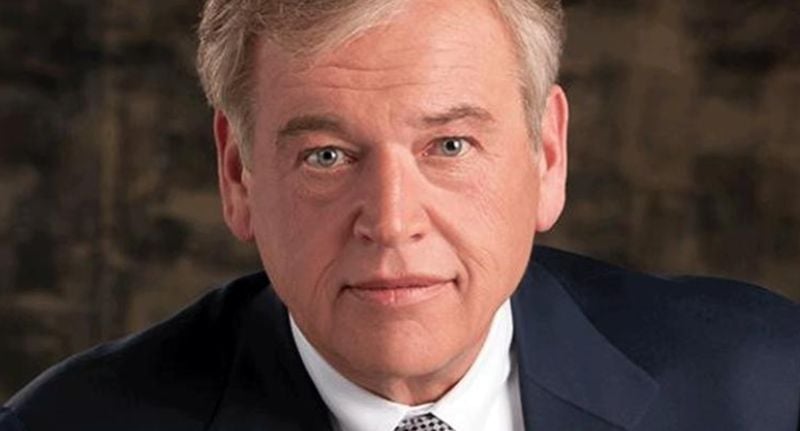
Omicom CEO John Wren
Rebuilding the machine
The merged Omnicom is now anchored by five major divisions spanning media, PR, production, commerce and advertising.
Wren has installed a streamlined leadership bench, including Florian Adamski across Omnicom Media, Chris Foster in Public Relations, Sergio Lopez in Production, Duncan Painter leading Omni and Flywheel, and Troy Ruhanen atop Omnicom Advertising, overseeing BBDO, McCann, TBWA and the US Advertising Collective.
The integration will determine whether Omnicom holds onto its biggest clients during the upheaval.
As Brian Wieser of Madison and Wall warned, the company’s ability to manage people and clients “will determine whether a significant number of advertising contracts are put up for review”.
Still, Wren remains bullish: “Together, we will be the go-to company that shapes how brands grow, people connect, and culture evolves.”
The stakes for agencies
Beyond the headline job cuts, the retirement of legacy creative brands has sent a shockwave through the global industry – particularly the folding of DDB, founded in 1949, into TBWA, and of MullenLowe into TBWA, and of IPG’s FCB into BBDO.
Agencies that survive in full form include OMD, FleishmanHillard, Golin and Weber Shandwick.
With the merger locked, Omnicom is pressing ahead with tighter systems, consolidated operations and a pitch that its heft will unlock better deals with tech platforms and media owners.
The real test now sits in the transition: whether Omnicom can retain talent, steady clients, and deliver the efficiencies that justify the upheaval – all while shaping a network built for a new era of global advertising.
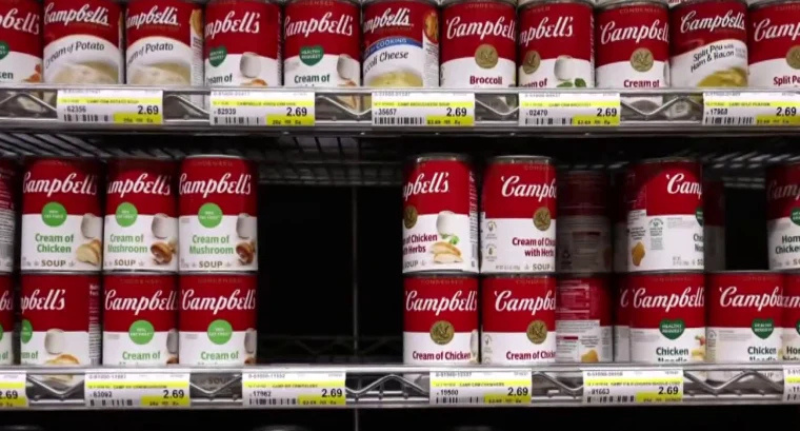
Brand in crisis? Experts explain how to avoid getting cooked like Campbell’s
Campbell’s is reeling after a leaked rant from a rogue executive trashing the company’s products and its customers caused a “PR nightmare.”
Experts say recovery is possible but warn that rebuilding consumer trust will require visible action and meaningful change to show that Campbell’s still values the people who made it a household name.
Martin Bally, a vice president in Campbell’s IT department, was fired after a recording surfaced of him making racist remarks about colleagues, mocking customers and disparaging the company’s chicken.
“We have s**t for f**king poor people. Who buys our s**t? I don’t buy Campbell’s products anymore. It’s not healthy now that I know what the f**k’s in it. Bioengineered meat! I don’t wanna eat a f**king piece of chicken that came from a 3D printer,” he said.
Campbell’s issued a statement saying the comments are untrue and that Bally is “no longer employed by the company.”
“This behaviour does not reflect our values and the culture of our company, and we will not tolerate that kind of language under any circumstances,” the company said.
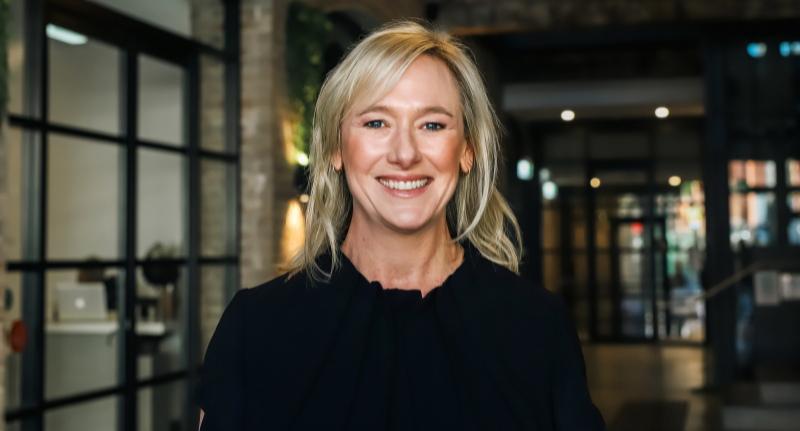
Culture fail sparks brand meltdown
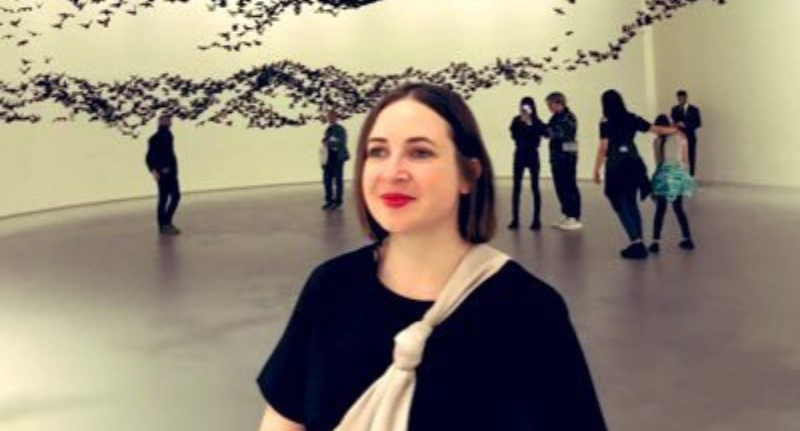
Suzie Shaw, APAC CEO at We Are Social, said the Campbell’s crisis shows how fast an internal culture failure can escalate into a brand catastrophe.
“This goes deeper than the executive’s racism and criticism of the product: it’s a breach of the hard-won trust with their value-driven customers,” she told Mediaweek.
She added that social media has magnified the fallout.
“TikTok is now flooded with consumers throwing Campbell’s products down the sink as a public, symbolic boycott,” she said.
“Once a crisis strikes a chord so deeply, no corporate statement or PR bandaid can contain it.
“Campbell’s must demonstrate through actions, not just words, that they value their customers and stand by the quality of their products, or keep losing the people who once relied on it.”
A breach of brand integrity
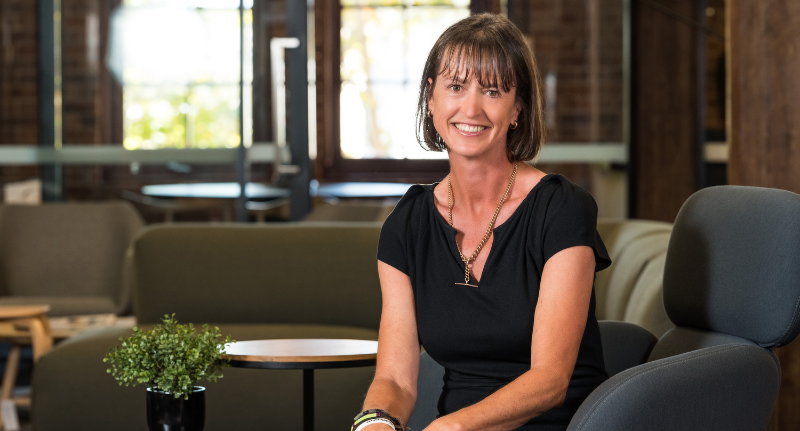
Amanda Spry, a senior marketing lecturer at RMIT University, said Bally’s off-script remarks snowballed into a full-blown corporate reputational crisis because they not only demeaned the company’s product but also attacked employees and customers.
“Those remarks directly contradicted what the Campbell’s brand is supposed to stand for – namely, trust, integrity and respect,” she said.
“Therefore, the brand’s goodwill comes into question, and its equity and reputation are threatened.”
Spry added that Campbell’s will need to do more than simply dismissing Bally to prove it doesn’t stand behind those comments.
“It demands an unequivocal, transparent public statement reaffirming the company’s values and manufacturing quality standards, followed by concrete actions to demonstrate alignment – whether through revised leadership protocols, enhanced internal culture training or renewed stakeholder engagement,” she said.
“Research shows that swift, honest and value-consistent responses are key to restoring brand legitimacy and repairing trust after a scandal. If handled properly – not as a box-ticking exercise – Campbell’s may protect its brand equity and regain the credibility it’s known for.”

When scandal becomes pop culture
Adrian Elton, an independent creative, said the incident had already slipped into pop-culture territory.
“Even Seinfeld’s famed ‘Soup Nazi’ would shudder at the size of the fly in this soup,” he said.
“While Campbell’s have unquestioningly taken the right step, optics-wise, by firing the drongo in question, the question of ‘What’s in it?’ might be a little bit harder to evaporate.”
Elton added that the scandal had been made worse by “the repulsively tone-deaf ‘poor people’ quip,” which “really leaves a bitter aftertaste that repeats on you.”
But he suggested the company could flip the controversy on its head.
“It could be turned into advertising gold if they got Pulp to recut a video for ‘Common People’ with them all tucking into Warhol-grade cans of steaming hot Campbell’s soup,” he said.
“Own the insult. Own the category.”
The price of broken trust
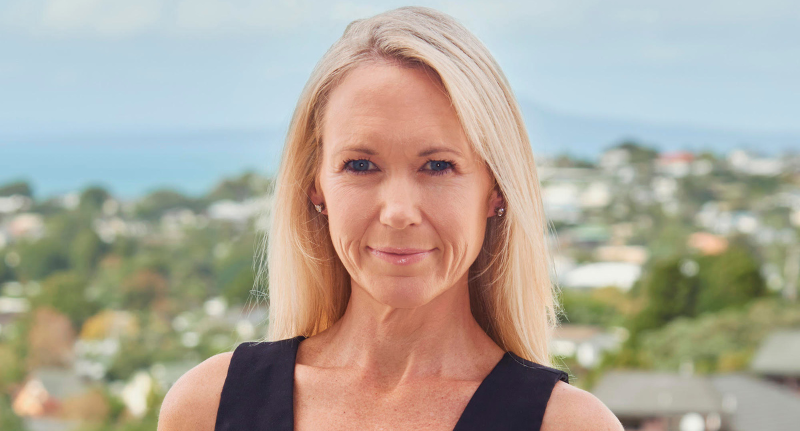
Sandra Hogg, founder of Mohr PR, said this speaks to a deeper issue than a single executive saying the wrong thing.
“Food safety, supply-chain transparency and corporate respect for all communities are central to consumer expectations,” she said.
“Campbell’s needs more than damage control; it needs to focus on robust, visible accountability that amounts to an open, prompt and credible internal review.”
Hogg said Campbell’s ability to manage the fallout depends on the leadership team’s willingness to show genuine regret and change.
“If it uses the moment to rebuild culture, re-earn trust and reinforce transparency, there is a way forward,” she added.
“If not, the brand risks long-term reputational damage, especially in markets like Australia that take social trust seriously.”
How delayed action supercharged the crisis
Susie Thomson-Evans, general manager at CHPR, called it a “PR nightmare” made worse by the fact that the company appears to have had a copy of the recording since January.
“That delay is the single biggest factor in escalating what might have been written off as a disgruntled executive shooting their mouth off into a full-blown crisis, it is now,” she said.
“Racist remarks and claims about food safety cut deep and erode trust, especially for a heartland business like Campbell’s, which feels like a family brand.”
Thomson-Evans added that this is not something a single statement fixes.
“Campbell’s now has a long road ahead to rebuild confidence by showing it’s addressing internal culture, being upfront about the quality of its products and proving it understands the reputational damage this incident has caused,” she said.
“But a well-managed strategy could see the company come back more strongly if it is prepared to embrace change.”
The Ratner effect – and worse
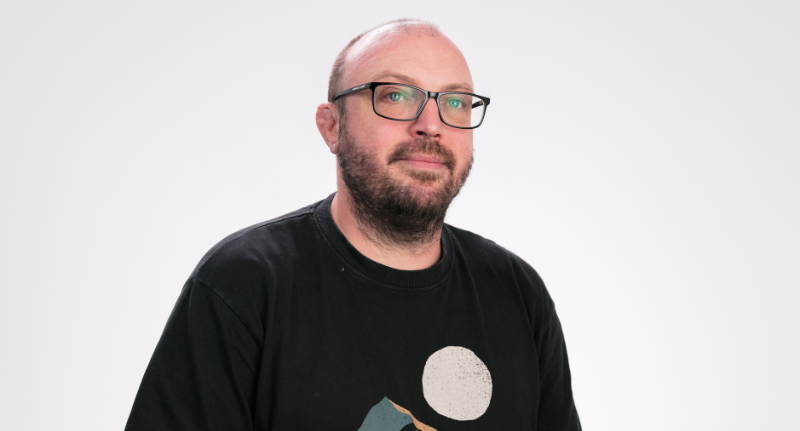
Luke Holland, head of strategic communications and PR at Think HQ, said many are citing the ‘Ratner effect,’ but he believes Campbell’s situation is far worse.
“It’s not a gaffe – it’s a toxic house of cards spanning allegations of racism, ‘fake chicken’ food safety fears, punching down on loyal customers, and a whistleblower seemingly fired for speaking up,” he said.
“Instead of the wholesome all-American brand Warhol immortalised, we see a culture of contempt at Campbell’s – for people, culture, customers and even its own product.”
Holland said Campbell’s can only recover if it debunks the food-safety claims and shows genuine contrition.
“They must remember why they were loved in the first place,” he said.
“Because the response so far has been, to quote Ratner himself, ‘total crap.’”

Campbell’s identity crisis
Matt Thomas, founder of Stake: The Reputation Company, believes the absolute risk for legacy brands is losing touch with the communities that built them.
“The problem for Campbell’s isn’t one rogue executive; it’s that his comments said what many already think. It’s a brand that has stopped believing in its own purpose and now feels hollow behind the nostalgia,” he said.
“Consumers don’t expect perfection, but they do expect self-awareness, and that’s what’s missing. The apology feels procedural, not personal.”
Thomas said, “This isn’t a PR crisis; it’s an identity crisis,” and that if it were his to solve, he’d strip it back and move fast.
“Campbell’s is built on affordability and comfort, so own that and redefine it as care and nourishment rather than cheap,” he said.
“And throughout, lead with humility by acknowledging the drift between the brand and its customers while setting a clear path to rebuild connection.”
Avoiding the fauxpology
Dee Madigan, executive creative director at Campaign Edge, thinks Campbell’s was right to fire Bally.
She said the company’s primary concern would be the potential long-term damage from the “3D chicken” comments, explaining that “those myths take on a life of their own.”
“Usually, defensive language is more bland than that – they’ve gone on the attack, which is actually pretty wise,” said Madigan.
She also praised the company for avoiding a conditional apology.
“It wasn’t a fauxpology,” she said.
When asked for advice on how to handle a crisis, Madigan was clear.
“Don’t be bland in your response. Use emotive colourful language like ‘absurd,’” she said.
“Too many companies will say ‘Sorry IF people were offended.’”
The path forward
Shane Russell, CEO at Havas Red, said Campbell’s executed a textbook crisis response after its internal ethics and quality of ingredients were called into question.
“Unfortunately, tens of millions of people who saw the initial wave of headlines likely didn’t see the company’s decisive response,” he said.
“That leaves a big job to be done in the coming months to rebuild brand trust and move beyond the seriousness of this incident.”
Russell added that the controversy could spark a recruiting moment for Campbell’s.
“Most consumers aren’t expecting a five-star meal with a can of supermarket soup,” he said.
“But they have a global platform to dial up storytelling about the quality of people, suppliers and ingredients that make the brand iconic and deserving of a place on the shopping list.”
Instagram boss orders staff back to the office five days a week
If Instagram gave the world anything, it’s the idea that life can be built – and broadcast – from a couch, a kitchen bench or a bedroom floor.
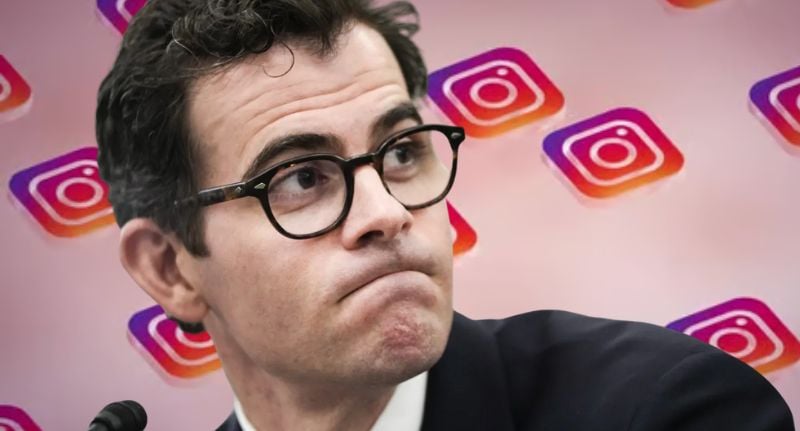
But Adam Mosseri is done with that. The Instagram chief has told most US staff it’s time to get off the sofa and back to their desks, with a full five-day office return kicking in from 2 February.
In a memo titled “Building a Winning Culture in 2026,” seen by Business Insider, Mosseri said the move is designed to make Instagram “more nimble and creative” as competition tightens.
“I believe that we are more creative and collaborative when we are together in-person,” he wrote.
“I felt this pre-COVID and I feel it any time I go to our New York office where the in-person culture is strong.”
The directive applies to staff in US offices with assigned desks, with limited flexibility baked in for ad-hoc work-from-home days. Remote-only employees aren’t affected.
Meeting shake-up and product overhaul
Faster decisions, harder year ahead
To keep execution moving, Mosseri has introduced a more formal “unblocking” process with weekly priorities meetings where he will sign off on stalled decisions.
If he’s away, his leadership team will be delegated to act on his behalf.
“2026 is going to be tough, as was 2025,” he wrote, adding that he is “excited about our momentum and our plans for next year”.
Ultimately, Mosseri says the reset is about strengthening Instagram’s identity at a moment when the platform’s cultural power is being challenged.
“These changes are going to meaningfully help us move Instagram forward in a way we can all be proud of – with creativity, boldness, and craft.”
The message is equal parts rallying cry and reality check: if Instagram wants to stay on top, it needs fewer Zoom tiles, more prototypes – and a whole lot more face time.
BINGE takes it all: Foxtel shuts down FLASH and LifeStyle to create one streaming home
BINGE is set to become Foxtel Group’s consolidated home for entertainment, lifestyle programming and live news, with the streamer absorbing content previously housed on FLASH and LifeStyle as both services wind down in early 2026.
The move marks one of Foxtel Group’s largest platform simplifications to date, positioning BINGE as an all-in-one streaming hub for Australian subscribers.
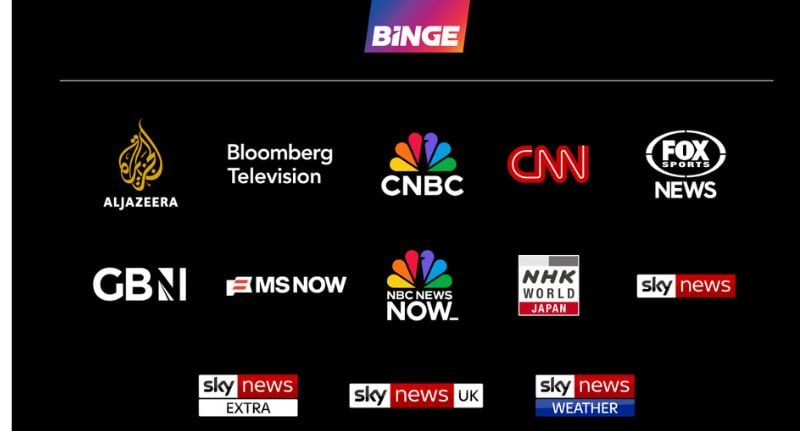
From 16 December, BINGE will add NBC News NOW, Sky News Extra and Sky News Weather to its growing slate of 24/7 news channels – expanding the platform’s annual offering by 25,000+ hours and lifting the total number of news channels available to 13.
These new additions join an existing stable of international and local outlets, including Al Jazeera English, Bloomberg News, CNBC, CNN International, FOX SPORTS News, GB News, MS NOW, NHK World Japan, Sky News Australia and Sky News UK.
The consolidation effectively folds the core value of Foxtel Group’s standalone FLASH news service into BINGE.
FLASH will officially retire in February 2026.
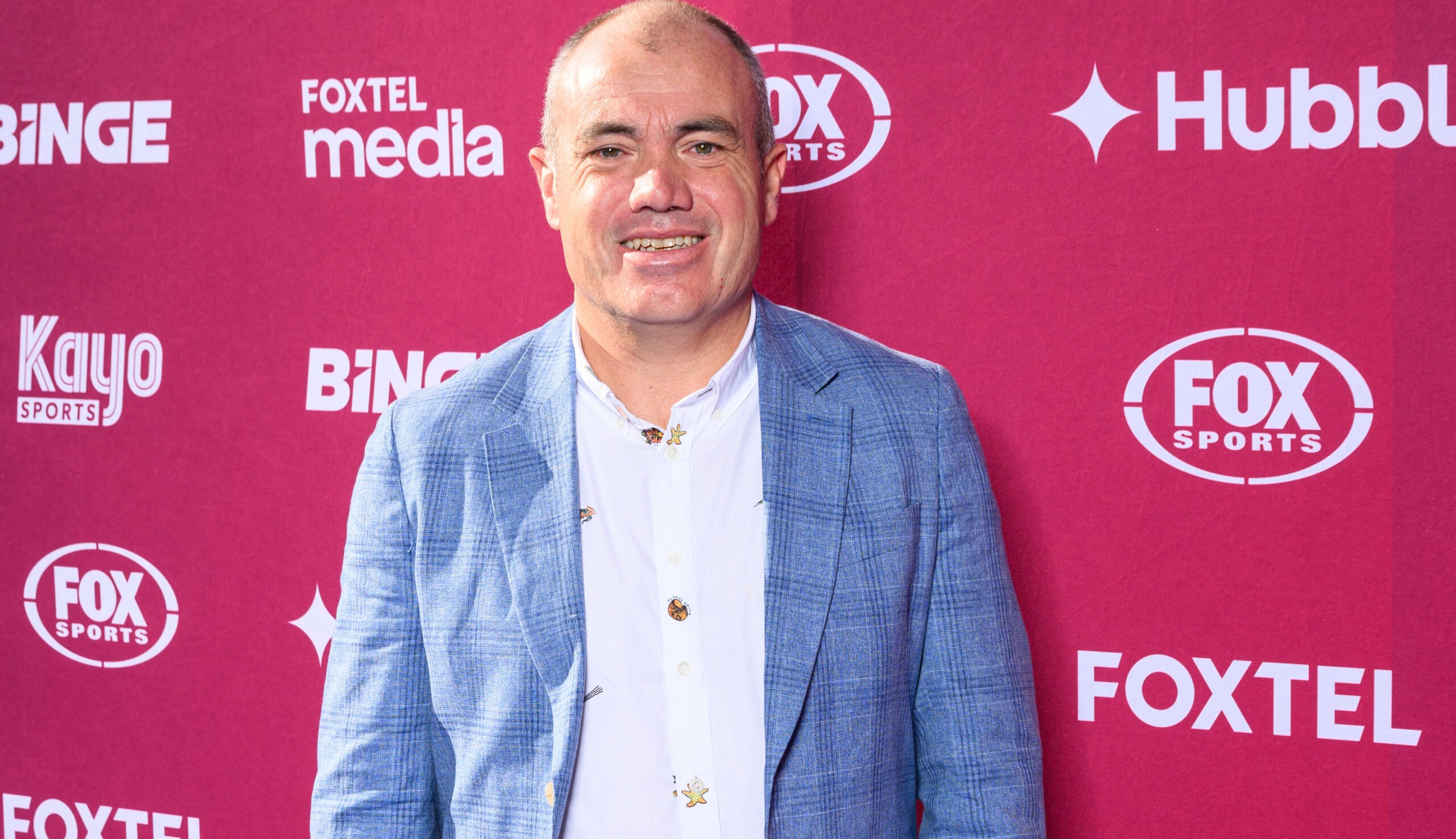
Hilary Perchard
Lifestyle library centralised under BINGE
The LifeStyle app will close in February 2026.
Foxtel, Kayo Sports and BINGE CEO Hilary Perchard says the consolidation is designed to streamline the subscriber experience while expanding access to premium news and lifestyle content.
“These changes make sense for all subscribers,” Perchard said.
“For BINGE subscribers, they receive more value and choice with a larger selection of live news channels. For our FLASH and LifeStyle subscribers, they now have their news and lifestyle together in one place, alongside the world’s best movies, TV shows and documentaries.”
He added that simplifying the Group’s app ecosystem will also unlock technical improvements: “By simplifying our apps, we can also accelerate improvements to the BINGE customer experience by leveraging our parent company, DAZN’s, technology platform and product development capabilities.”
“At a time when subscribers want greater simplicity and more value, these are the right changes at the right time.”
FOXTEL customers retain access
FOXTEL customers who currently receive complimentary FLASH access will continue to watch their favourite news channels on FOXTEL and FOXTEL Go.
From 16 December, NBC News NOW will join FOXTEL and FOXTEL Go, with Al Jazeera English and CGTN News also arriving on FOXTEL Go the same day.
A streamlined future – and a Black Friday sweetener
The consolidation effort arrives as BINGE runs a Black Friday promotion offering any subscription tier for $2 for one month, available to new and returning customers until 8 December 2025.
For Foxtel Group, the moves crystallise a clear strategy: fewer apps, broader content, a deeper value proposition – and one flagship entertainment hub leading the charge.
TikTok responds to racism claims at Sydney awards
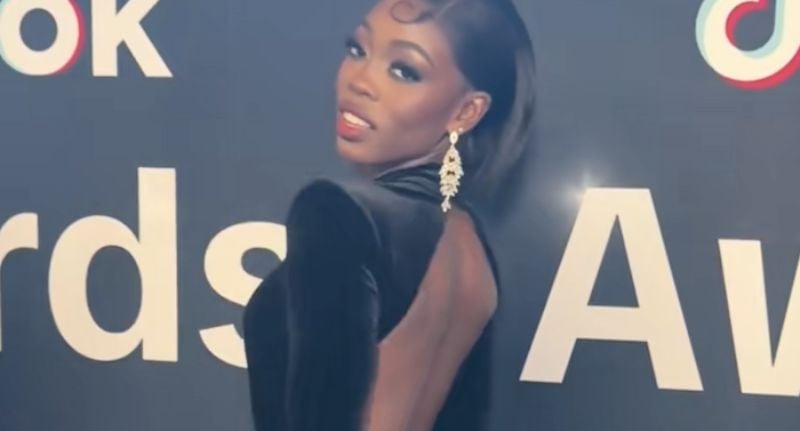
TikTok Australia has responded to allegations of racially motivated mistreatment at last week’s TikTok Awards in Sydney, after several creators went public with accusations of exclusion and discriminatory treatment.
Multiple attendees shared their accounts following the November 26 ceremony, including Florence Baitio – a nominee for Beauty and Fashion Creator of the Year – who said the behaviour she witnessed amounted to “blatant racism.” TikTok has now issued a formal statement addressing the claims.
She claimed she was barred from having her photo taken on the red carpet by a photographer who “shuffled” her off without explanation.
“Me and this other creator, she’s also a person of colour, we went on the carpet to get our photos taken, because as we should, we were nominated,” she said in a video posted to TikTok.
“I got on, and this guy [a photographer] didn’t take any photos and was telling me to get off. It was so embarrassing because what do you mean you didn’t take any photos and you just shuffled me off?” She added that she saw him take “lots of photos” of other people.
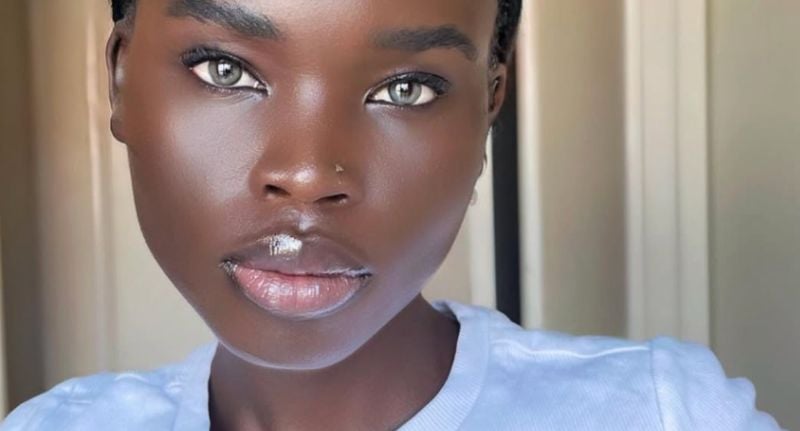
Florence Baitio
Similarly, another creator, Niiyèll, shared a video from the evening where an employee can be seen telling her, “This has nothing to do with you, we don’t need your photo. What are they going to do with your photo? It’s not going to go anywhere.”
In her ten-minute video posted to TikTok, she said the employee approached her with “so much aggression” and “he said what he said, he said it with his chest.”
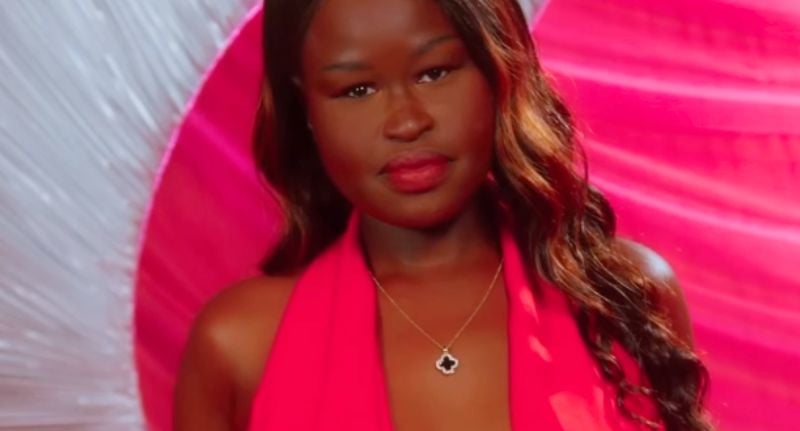
Niiyèll
TikTok Australia went on to “contextualise” the situation, outlining that this year’s event was the biggest ever, that the change of venue was necessary to accommodate more of its “valued creator community” who couldn’t previously attend due to capacity, and that tickets were free for everyone.
It also attributed part of the evening’s chaos to unforeseen logistical challenges – namely, a last-minute change to bring the red carpet inside (instead of outside) triggered by a weather warning, which “halved the space available” on the red carpet and media areas, complicating the flow of people and press at the event.
On the second-to-last slide of the statement posted to TikTok, it said: “We sincerely apologise to anyone who felt excluded or uncomfortable at this year’s TikTok Awards. Our amazing and diverse community is what makes TikTok great, and the Awards are designed to celebrate that.
“Our priority is always to maintain a safe, positive, and inclusive environment for everyone.”
In its statement, TikTok Australia also pointed out that “more than one-third of this year’s nominees were from culturally or linguistically diverse backgrounds,” and said it appreciated the feedback to “help us improve future events.”
Main image: Maxi Ducer

Violet Crumble and HiSmile drop honeycomb-chocolate toothpaste
Menz Violet Crumble has teamed up with Hismile to launch a limited-edition Violet Crumble Toothpaste.
The toothpaste, available exclusively online from 9 December, features Violet Crumble’s honeycomb and chocolate flavour.
“As a brand that loves to shatter the norm, we’re always looking for bold new ways to share Violet Crumble with the world,” said Menz national licensing and marketing manager Polly Love.
“Bringing Australia’s favourite choc honeycomb flavour to unexpected places lets us surprise fans and introduce this iconic treat to new audiences”.
Hismile digital marketing manager Koban Jones said the team is constantly looking to introduce nostalgic flavours.
“The Hismile x Violet Crumble Toothpaste is exactly that,” he said.
“Why brush boring when you can brush with the rich honeycomb and smooth chocolate that is Violet Crumble?”
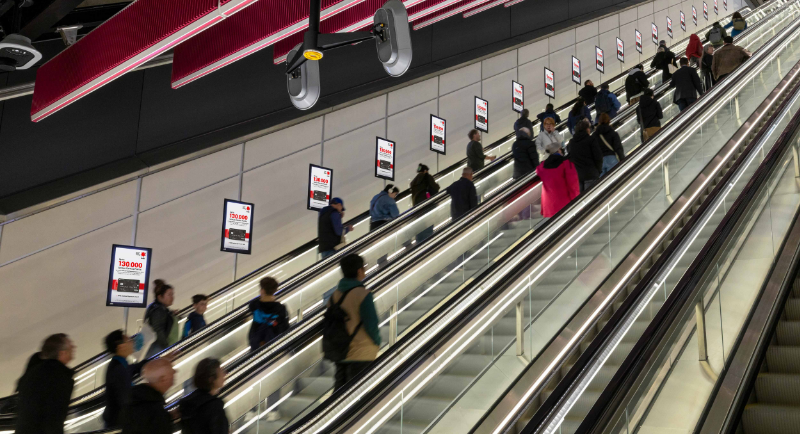
oOh!media unveils first brands advertising in Melbourne Metro Tunnel
oOh!media has announced its launch partners for the first stage of the newly opened Melbourne Metro Tunnel.
Among the Australian leading brands include NAB, AGL, and Woolworths Group are debuting across 100% fully digital, state-of-the-art LED screens, marking a major milestone for Out of Home advertising in Melbourne.
The Metro Tunnel connects Sunbury in the west to Cranbourne and Pakenham in the southeast, through a fully integrated rail network across five uniquely designed, high-traffic stations: Arden, Parkville, State Library, Town Hall, and Anzac.
This latest rollout builds on the out of home company’s expanding Melbourne network, combining unmatched brand visibility with high-impact advertising opportunities.
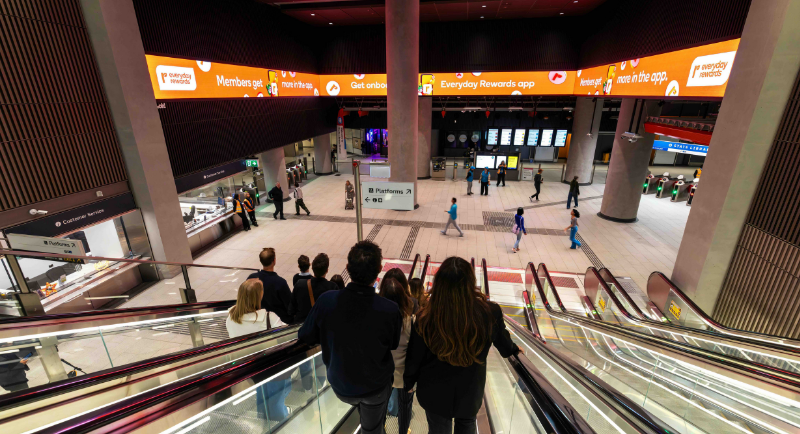
‘Unmissable’ opportunities in Melbourne with oOh!
Mark Fairhurst, chief revenue officer, oOh!, said: ”Our Melbourne network is delivering brands unparalleled opportunities to be seen, remembered, and truly connect with audiences.
“It’s fantastic to see NAB, AGL, and Woolworths Group leading the way as the first to advertise on our new Metro Tunnel assets.
Connecting with Melbourne commuters
The Metro Tunnel will be fully integrated into Melbourne’s existing public transport network in early February next year and will accommodate more than 1,000 new weekly services.
oOh! secured the competitive Melbourne Metro Tunnel tender in 2024, further cementing its position as a leader in innovative Out of Home advertising solutions across Melbourne.
oOh!media’s Metro Tunnel assets gives brands the opportunity to connect with commuters across five architecturally distinctive and high-footfall stations.
The Metro Tunnel, featuring a twin nine-kilometre underground corridor, will double the size of Melbourne’s CBD rail network and is expected to add around half a million passenger trips into the city each week.
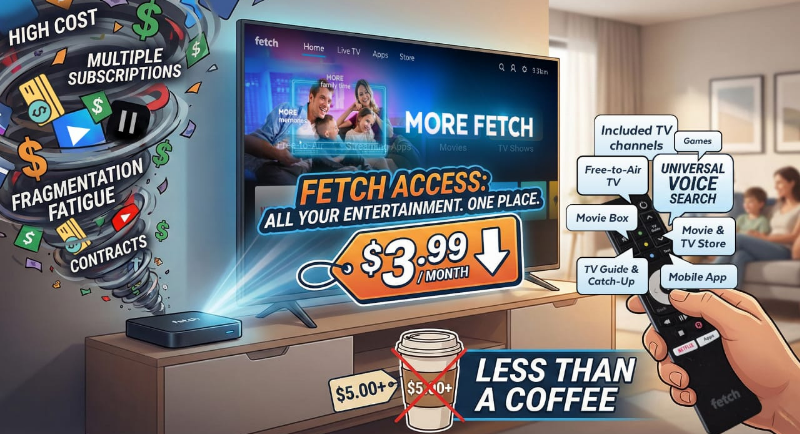
Fetch TV shakes up home entertainment with new $3.99 Access subscription
Fetch TV is re-positioning of its service offering with the new Fetch Access monthly subscription at just $3.99 per month.
With the new subscription, new retail customers will be able to enjoy integrated access to all features and included content on the Fetch platform, addressing the growing complexity and cost of home entertainment for Australian households.
The monthly subscription aims to differentiate the brand as Australia’s most affordable home entertainment service from Smart TVs, basic streaming devices and higher-priced premium Pay TV offerings.
Providing value and simplicity
Australian households face increasing pressure on their entertainment budgets with the Deloitte Media & Entertainment Consumer Insights 2025 report finding 78% of Australians are worried about the total cost of their subscriptions, with the average household managing nearly four distinct subscriptions and spending approximately $78 per month
Fetch’s offering aims to directly solves the pain points of multiple subscriptions and searching for them on one place. Providing a rich user interface that aggregates free-to-air TV, FAST channels, premium subscription content, movies, podcasts and streaming apps with universal voice search and a mobile app.
Dominic Arena, CEO of Fetch TV, said: “We are democratising premium home entertainment so everyone can have the experience without the price tag.”
“Australian families are juggling more subscriptions than ever with ‘fragmentation fatigue’ being real and the rising cost of providing family entertainment is making it harder to keep up. Our research confirms that while households love content, they are looking for a better way to manage it and save some money along the way.

The Fetch Access experience
Customers simply need to first purchase their choice of Fetch access device upfront — choosing between the compact Fetch Mini G5 hub (RRP $159) or the powerful Fetch Mighty PVR (RRP $599) — at leading retailers or the Fetch Official Store. Customers then activate their account with a one-off $5 activation fee, and from as low as $3.99/month access a wide-variety of high-value content and features.
Here’s what the Fetch Access subscription unlocks:
• Free-to-Air TV via Internet: Watch over 30 Free-to-Air channels streamed over the internet, even without an antenna.
• Included TV Channels: Enjoy 25+ extra lifestyle, entertainment, and special-interest channels, streamed over the internet.
• Movie Box: Get 30 curated on-demand movies each month, refreshed daily.
• Movie & TV Store: Access to 11,000+ movies and TV shows to buy or rent (additional charges apply).
• Streaming apps: Direct access to popular international and local streaming apps, such as Netflix, Paramount+, Stan, and many more, all in one simple menu (separate subscriptions required).
• Universal Voice Search: Search across channels, movies, shows, and apps with one voice command.
• TV Guide & Catch-Up: Browse live and catch-up TV together, including simpler reverse browsing of past programs and direct access to major BVOD apps.
• Games: Play 30+ family-friendly games using just your Fetch remote.
• Mobile App (Fetch Mobi): Search, browse, and watch on the go, and manage recordings on the Mighty – available on both Android and iOS phones and tablets.
Fetch’s unmatched value proposition
With Fetch Premium Access, Fetch Access customers who choose to add on a premium content pack (Vibe, Knowledge, Variety, or Kids Pack) at a total cost of $11.98/month will enjoy a Movie Rental Credit each month. This represents a saving of nearly $8.00 a month compared to the à la carte price of $19.97.
To enjoy the best value and widest range of premium entertainment, customers can opt for Fetch Ultimate Access, which provides Fetch Access, the Ultimate Pack, and a monthly Movie Rental Credit for a total cost of $28.98/month. This bundle also gives customers access to content from over 100 TV channels (with view-on-demand) — including ESPN, Discovery, BBC News, BBC Drama, BBC Earth, UKTV, Cartoon Network, and more.
The new Fetch Access monthly subscription comes into effect for all new retail customers activated from 1st December 2025, with an introductory promotion waiving the $3.99 monthly subscription until 31st January 2026.
Fetch Access customers who subscribe to Fetch Premium Access and Ultimate Access content pack bundles will start receiving their monthly movie rental credit from 1st February 2026 onwards.
Fetch Access applies to Retail accounts used with all Fetch Mini and Mighty devices purchased through Fetch authorised retailers — including JB Hi-Fi, Harvey Norman, and The Good Guys — as well as via the Fetch Official Store, from the effective date.
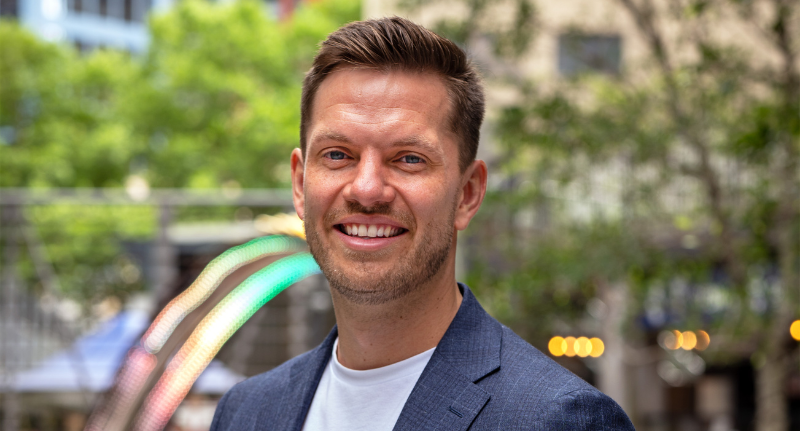
Val Morgan Digital promotes Jack Meldrum to NSW sales director
Val Morgan Digital has promoted Jack Meldrum to NSW sales director.
Meldrum joined in January 2024 as group sales manager, after the company entered a strategic partnership with LADbible Group across Australia and New Zealand.
Before joining Val Morgan Digital, he spent almost five years in the LADbible team.
In his new role, Meldrum will lead the Sydney-based sales team and drive revenue growth across Val Morgan Digital’s suite of brands.
“We’re so excited to see Jack step into the role and lead our NSW sales team as we move into this new phase of growth, said Amanda Bardas, head of Val Morgan Digital.
“It’s a testament to the incredible work he’s done to build our brands in market, rally and guide the team, and drive positive outcomes for our clients.”
Meldrum said he’s thrilled to step into the role and lead such a talented team.
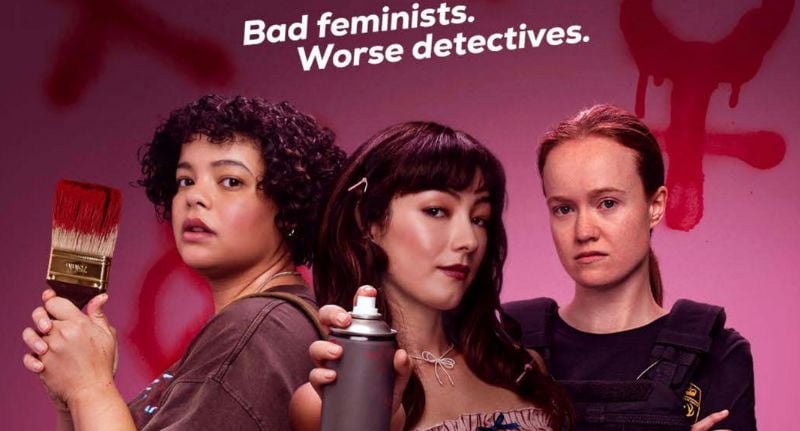
Stan’s ‘He Had It Coming’ turns feminist chaos into a campus murder mystery with bite
There’s something delicious about a show that starts with a drunken burst of feminist vandalism and ends with two young women desperately trying to stop a gender riot they accidentally triggered.
That’s the sweet spot of Stan’s new series, He Had It Coming – part buddy comedy, part whodunit, part political powder keg wrapped in sharp, contemporary storytelling.
At the heart of the series are Barbara (Natasha Liu Bordizzo) and Elise (Lydia West): a mismatched duo you’d never put in the same tutorial group (heck, those rooms are already packed to the brim with egos), let alone the same criminal conspiracy.
Barbara is a glossy fashion influencer who hashtag-preaches #girlpower, while Elise is an awkward English exchange student trying – a little too hard – to reinvent herself as a one-woman Pussy Riot.
After a big night out, the pair spray-paints “Kill All Men” across their university quadrangle. It feels rebellious. It feels cathartic. And then dawn breaks… and there’s a murdered, castrated rugby star dumped directly on top of their handiwork.
What follows is something between a campus panic, a gender-political micro-uprising, and a very messy hunt for a killer – with Barbara and Elise scrambling to hide their involvement while the male students launch a #MeToo-style backlash of their own.
It’s bold, outrageous, and incredibly timely – and according to creator and showrunner Gretel Vella, it’s been a very long time coming.
Seven years, one horror film, and two ‘bad feminists’
“I think it’s a pretty great feeling,” Vella told Mediaweek, reflecting on the seven-year journey to screen.
“We started the development on this, I think, seven years ago, when my co-showrunner Craig [Anderson] and I were really passionate about talking about some of the hard things that were happening for women on campuses.
“Sadly, a lot of it hasn’t changed in those seven years, and it’s still quite relevant,” she said.
The concept began as a horror film – blood, terror, the works. But as Vella met with university-aged women and heard their stories, something shifted.
“We felt like really bad feminists,” she said. “We just weren’t across what was happening. So we thought that would be the perfect way to enter this world with two bad feminists who hadn’t found themselves yet.”
That’s the seed of Barbara and Elise – flawed, messy, clueless, and wholly recognisable.
“It’s a really safe way for anyone to enter the show and not feel threatened and like they need to have one specific point of view,” Vella explained.
“The murder and the murder mystery are really exciting, but also these girls care so much about belonging and where they sit in terms of this friendship, too. So there’s as much of that in there as there is the murder.”
When she and co-creator Craig Anderson finally took the project to Jungle Entertainment, it clicked immediately.
Jungle’s trademark mix of irreverence and emotional clarity made them a natural home for a show juggling slapstick, satire and genuine stakes.
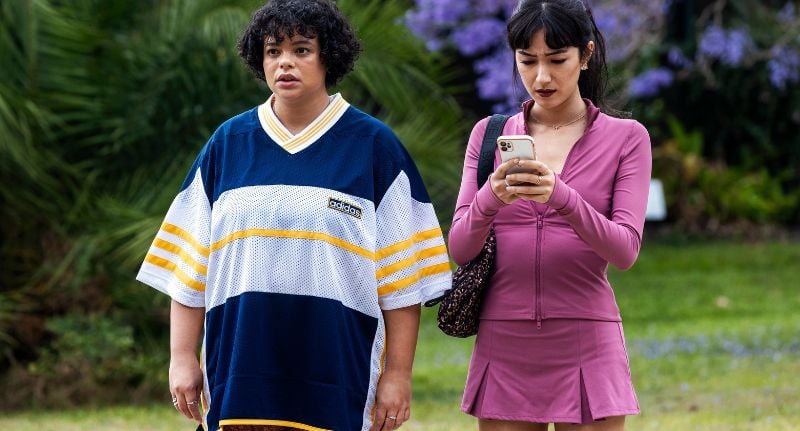
Elise (Lydia West) and Barbara (Natasha Liu Bordizzo)
‘A buddy comedy… with massive political teeth’
For executive producer Chloe Rickard, the show’s appeal is in how it balances all those contradictions.
“I think like ultimately this is a buddy comedy,” she said. “Then we throw a pair of unlikely buddies into a whodunit. I just loved the contrast of tone the story creates.”
But the series’ warmth doesn’t undercut its ambition.
“Below that is a very sharply pointed political commentary on the state of the world,” Rickard said. “We’re looking at it through the microcosm of the university campus, where everything is tested. Friendship is tested, who people are is questioned, then we’re also questioning whodunit.”
For Rickard – whose career spans Population 11, Wakefield, No Activity, A Moody Christmas and more than 150 commercials and music videos – He Had It Coming works because Vella’s writing does.
“She has an amazing way of walking the line between humour and heartache, between laughs and pathos, between a gut punch and a chuckle,” Rickard said. “She’s totally a voice of her generation. No one else would have written this show like Gretel.”

Gretel Vella
A terrifying safe space
Despite the series’ provocation and the inherent risks of a story that gleefully plays with gender politics, Vella insists the intent is connection, not alienation.
“We made a real effort that, as much as you laugh at certain characters, you also take them very seriously. We really didn’t want to alienate any audience,” she said.
And the series isn’t the anti-male screed its title might suggest.
“We have a lot of incredible male ally characters in the show,” Vella said. “People might think it’s one thing, but it’s a safe space for anyone to enter this world.”
Rickard shares that view – and says audiences at early screenings instantly understood the tone.
“Honestly, there’s a moment in the pilot where there’s a cracking backing track, and the audience just cheered,” she recalled. “It’s a very specific audience that will love this show, and they’ll love it hard.”
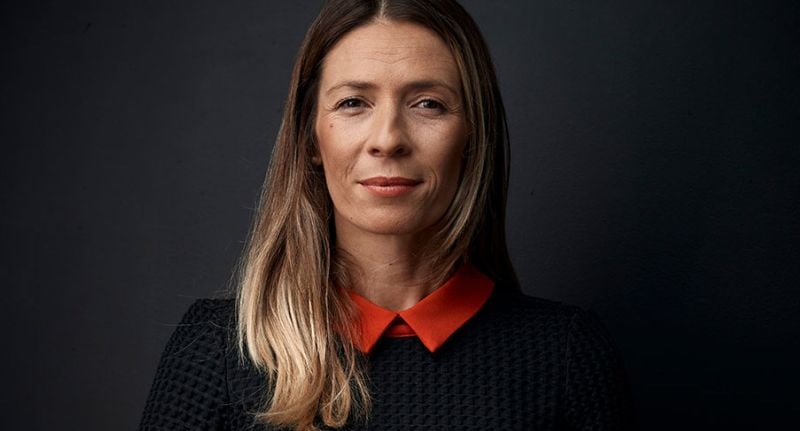
Chloe Rickard
Vella’s moment, Rickard’s instinct, and a show that says something
If He Had It Coming feels unusually sharp for a campus comedy, it’s because Vella has spent the last decade establishing herself as one of Australia’s most distinctive storytellers – writing on Hulu’s The Great, Amazon’s Class of ’07, multiple seasons of Doctor Doctor, Stan’s Christmas films, and creating Totally Completely Fine.
Rickard, meanwhile, has become Jungle’s creative engine, steering the company’s surge in global formats and Aussie comedy exports.
Together, they’re delivering a show with something to say – and saying it loudly.
As Vella puts it: “We were so excited that Stan took a risk on something that is quite political and has a lot to say.”
And now that risk is finally on screen.
A buddy comedy. A feminist reckoning. A murder mystery. A satire. A campus thriller.
And somehow, all of it goes down easy.
He Had It Coming is available to watch now on Stan.
Advertising
Omnicom flags 4,000 job cuts after Interpublic merger
As Lara O’Reilly reports in Business Insider, CEO John Wren confirmed the figure in interviews this week, and the company later backed it up.
Media
Herald trims Gaza references from Kerry O’Brien Walkleys speech
But, as Crikey’s Danyaal Saeed reveals, when The Sydney Morning Herald and The Age published the speech, the references to Gaza and Palestine were quietly removed.
Brands
AI
Government pauses AI guardrails in new national plan
According to Jake Evans on ABC NEWS, instead of the promised guardrails, it says existing laws and regulators can handle things for now.