
Friday December 19, 2025

Mediaweek's top ten articles for 2025
The numbers don’t lie, and it’s become abundantly clear that some of you lot have a serious appetite for industry chaos.
We tallied the page views to reveal exactly what hooked our Mediaweek audience in 2025.
That’s a trade media leading +10 million page views worth, by the way!
First on the list was the Alex Cullen saga. The uncertainty around his future, combined with the wider boardroom drama at Seven, was the story you simply could not ignore.
But the obsession extended far beyond one network.
Abbie Chatfield’s legal bill proved to be a massive drawcard, while Hamish McLennan’s apology to Kyle & Jackie O saw traffic skyrocket.
Even corporate confusion drove clicks, as the HBOMax rebrand left everyone guessing.
From a Sky News farewell to the rally for Stevie Jacobs’ return, your hunger for updates was insatiable.
We held up the mirror, and it revealed exactly who we (well, you) really are.
Keep clicking and enjoy.
1. Alex Cullen reveals new hosting gig after Today Show axing
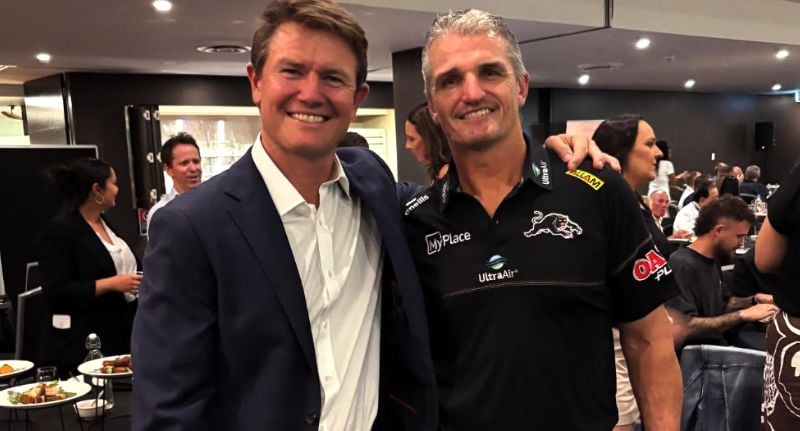
Mediaweek readers couldn’t look away from the seemingly endless Alex Cullen–Nine–Adrian Portelli saga. It had all the ingredients: fame, money, ego and a spectacular own goal.
The story kicked off back in January, when Cullen accepted a $50,000 gift from billionaire Portelli after becoming the first TV journalist to dub him “McLaren Man” — a rebrand Portelli was keen to lock in as he tried to ditch the “Lambo Guy” tag. Nine was less impressed, and Cullen was soon shown the door.
Since then, readers have followed every twist, from Cullen’s post-Nine hosting gigs to his re-emergence across the dial, including new roles at Seven and on WSFM.
2. Sky News Australia farewells veteran presenter after 17 years
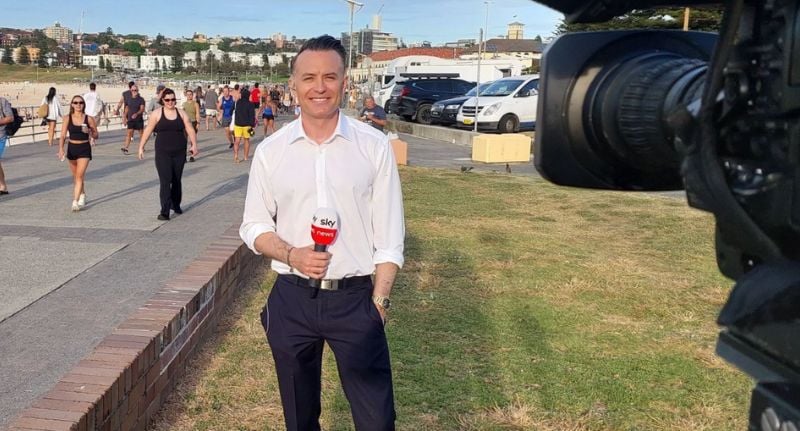
After 17 years on Australian television, Sky News Australia presenter Kenny Heatley announced his departure, not just from the network, but from TV entirely.
In a heartfelt post shared on social media, Heatley reflected on his nearly two-decade career in front of the camera, describing his final day at Sky News Australia as the end of one chapter and the beginning of another.
3. Abbie Chatfield to pay $79,000 in defamation case

It might just be one of the most expensive social media posts ever made.
Influencer Abbie Chatfield has agreed to pay her former friend Heath Kelley $79,000 after being sued for defamation over a string of Instagram stories that reached hundreds of thousands of followers.
4. Ex Today Show weatherman Stevie Jacobs reveals his TV return
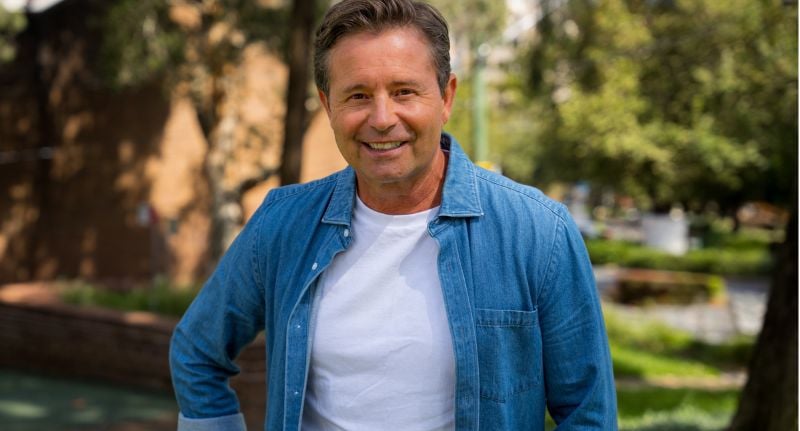
In this Mediaweek exclusive, Jacobs revealed he would be joining the team at the Australian-founded, global news platform, LeadStory.
Jacobs left The Today Show back in 2019 in order to focus on being a father to his two young girls, telling Mediaweek that he “was away for probably 250 days a year, and that just didn’t work with kids”
5. Max announces shock rebrand just six weeks after launching in Australia

A mere six weeks after launching in the Australian market as Max, Warner Bros. Discovery announced it would rebrand as HBO Max.
The initial rebranding of HBO as Max aimed to unify HBO’s prestige content with Discovery’s lifestyle programming. However, it’s understood that the move faced criticism for diluting the HBO brand’s identity.
6. Leadership shake-up at Seven as network announces new roles

Just days after the sudden departure of 7NEWS boss Anthony De Ceglie, the Seven Network has announced a major shake-up across its sports division.
The network confirmed that Joel Starcevic had been promoted to Head of Horse Racing and Cricket, while Anna Stone stepped into the newly created dual role of Head of Commonwealth Games and Executive Producer of Cricket.
7. Which network won the ratings war for 2025?

Year-end ratings spin went into overdrive as networks declared victory across every metric, turning 2025 into a season of shiny participation trophies.
Strip away the bravado, though, and the numbers tell a clearer story: Seven edged Nine on Total TV share, Nine strengthened its hold on key advertising demos, and 10 delivered its biggest streaming year yet by capturing younger audiences migrating rapidly to connected screens.
8. ARN chair Hamish McLennan apologises for Kyle & Jackie O’s content
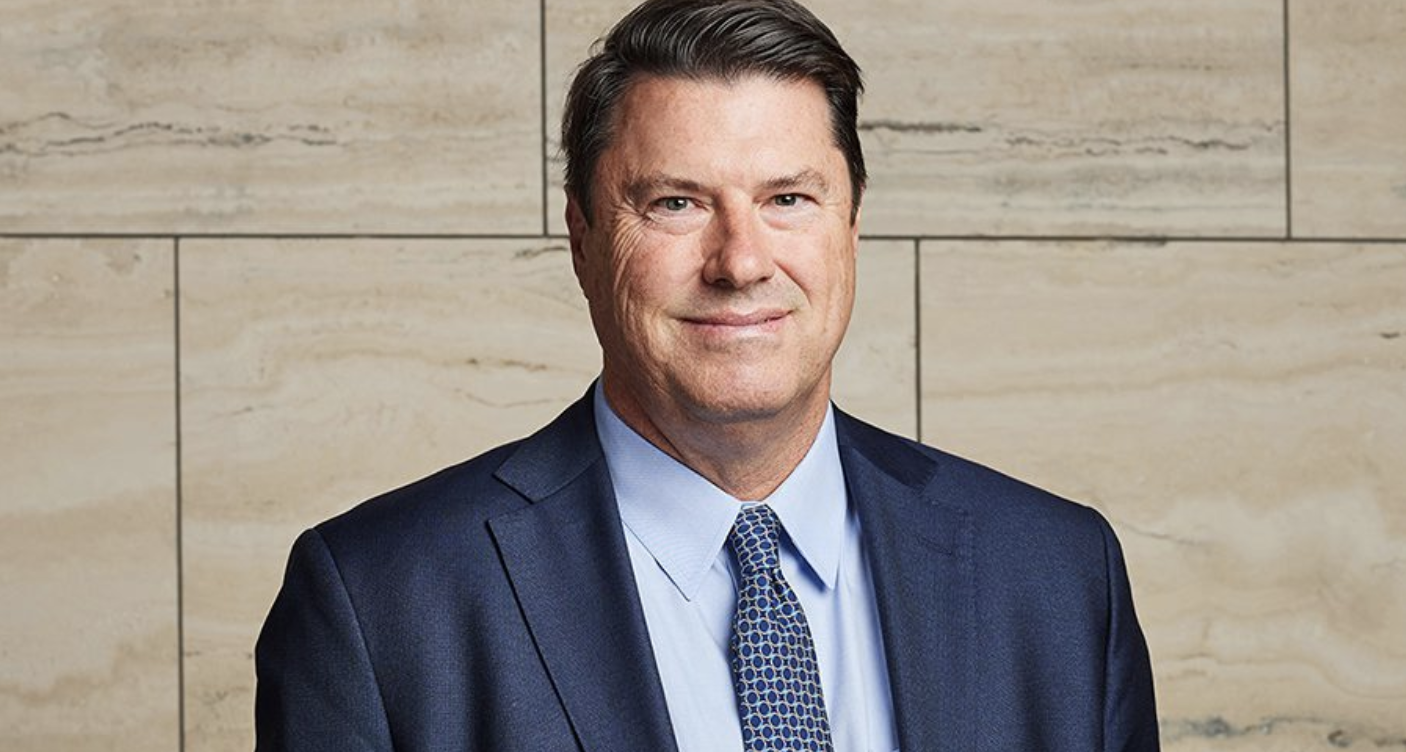
If there was ever a saga that gripped the Australian media landscape, this was it: ARN’s decision to sign Kyle & Jackie O to a reported $200 million, 10-year deal.
From the headline-grabbing contract to the fallout – redundancies, job losses, an advertising black hole and the show’s failure to properly land in Melbourne – Mediaweek readers couldn’t get enough of it.
This article, in which chairman Hamish McLennan addressed the misfire, marked one of the first clear signals that all was not well inside ARN’s executive suite.
9. Azerion returns to Australia with Scroll Media

Azerion unveiled its new reseller partnership with digital advertising sales house Scroll Media.
The strategic collaboration will allow Scroll Media to offer engaging formats to collaborated audiences using the digital advertising and entertainment media platform’s proprietary technology, in a safe, engaging, and high-quality environment.
10. marie claire Australia’s rebrand signals a bold new era for the iconic title
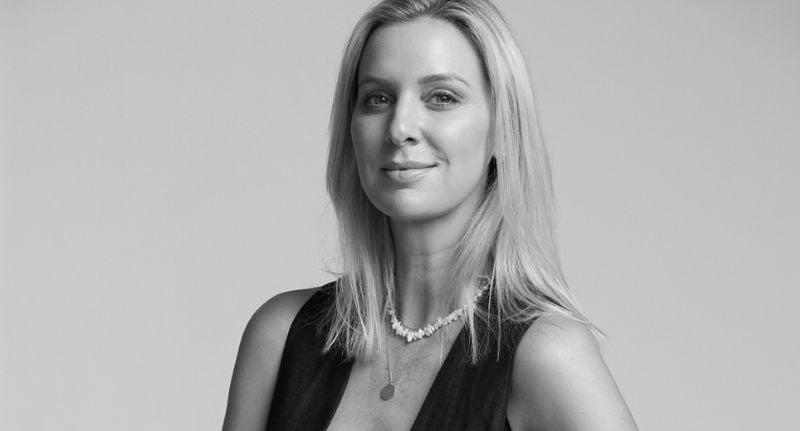
Who says print is dead? Certainly not the team at Are Media.
To celebrate marie claire’s 30th anniversary in Australia, the brand decided to undergo a facelift across both its print and digital offerings.
In this interview, editor Georgie McCourt told Mediaweek her goal was to keep pace with its international counterparts while remaining true to its mission of empowering women.
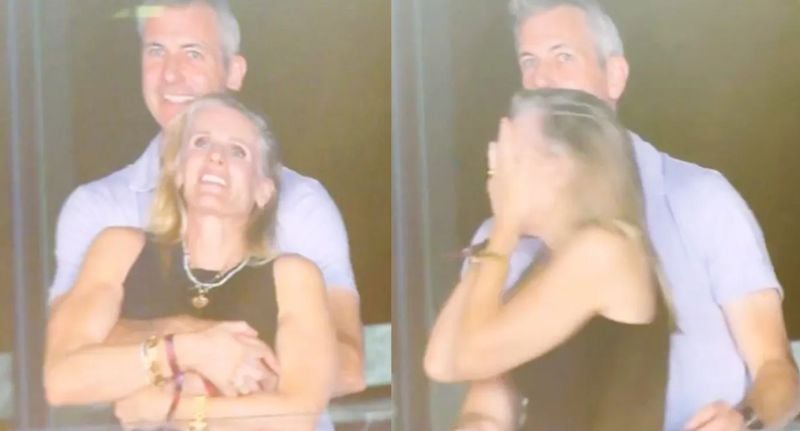
So cliché and so bad': Coldplay kiss cam's Kristin Cabot breaks silence
Five months after a few seconds on a stadium screen turned her into a global meme, Kristin Cabot says silence no longer serves her.
The former tech executive, who went viral after appearing on a Coldplay concert kiss cam with her boss, Astronomer CEO Andy Byron, has spoken to The New York Times, giving her first account of what happened and what followed, describing a moment that spiralled far beyond anything she imagined.
“It wasn’t an affair. It was a lapse in judgment that spiralled far beyond anything I could have imagined,” Cabot told the publication.
The clip, viewed more than 100 million times in a matter of days, transformed Cabot from a senior HR leader into an internet shorthand.
What followed, she says, was not a brief wave of embarrassment but a sustained collapse of privacy, safety and professional standing.

Owning the mistake, absorbing the fallout
Cabot does not dispute that she crossed a line. She says she had been drinking, dancing and caught up in the night when she acted inappropriately with Astronomer CEO Andy Byron.
“I crossed a professional line, and I own that,” she said.
That accountability, she says, came with a clear cost. Cabot stepped away from her role and accepted the professional consequences.
“Walking away from my job was the price I chose to pay. What I didn’t expect was everything that came after.”
What followed was a level of scrutiny she says bore little relationship to the mistake itself.
Cabot was doxxed, stalked and flooded with abuse. Paparazzi camped outside her home. Strangers assessed her body, questioned her worth and issued threats. Her children became afraid to be seen with her in public. While the internet cycled on, Cabot says the damage did not.
“The internet turned a mistake into a moral spectacle,” she said. “I watched my entire career get erased in real time.”
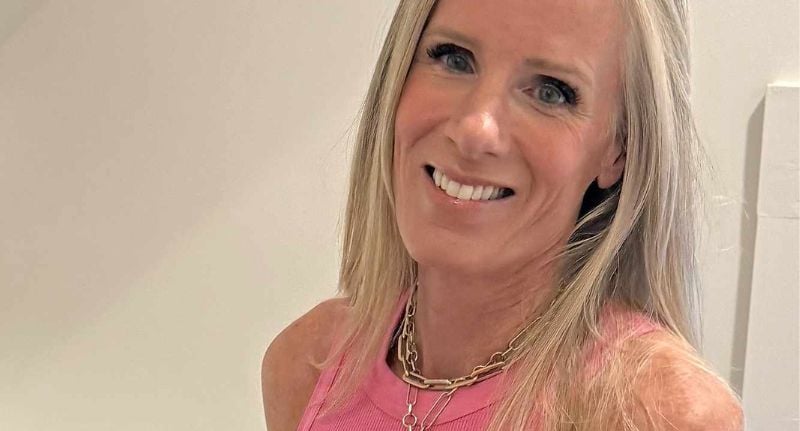
Kristin Cabot
Context lost in the algorithm
Cabot is adamant that much of the context was flattened by virality.
Both she and Byron were separated from their spouses at the time. The concert was not a work event. They attended with friends. She describes the evening as a rare moment of lightness during an otherwise demanding period of work and personal upheaval.
That sense of anonymity vanished the instant the Jumbotron cut to them.
“That moment on the screen flipped everything from freedom to panic,” she said. “My first thought was my kids. My second was, ‘That’s my boss.’”
Cabot says the shock quickly turned into a sinking realisation about optics and power.
“I was so embarrassed and so horrified,” she said. “I’m the head of H.R., and he’s the C.E.O. It’s, like, so cliché and so bad.”
Almost immediately, the focus shifted from embarrassment to damage control. Before they had even left the stadium, Cabot says they were already talking through the following steps. “And the initial conversation was, ‘We have to tell the board.’”
In the aftermath, Cabot says she became “a meme, a target, and apparently unemployable,” with the backlash falling unevenly.
“The abuse landed where it always does, on the woman,” she said.
She points to familiar accusations about women in senior roles as particularly corrosive.
“People decided I slept my way to the top. That erases decades of work,” she said, arguing the narrative wiped out years of professional credibility in a matter of hours.
When accountability turns into punishment
Cabot says her story is not about denying responsibility or minimising what happened. It is about questioning how quickly a mistake becomes a permanent identity online.
“I’m not a public figure, but I was treated like one,” she said.
She briefly remained in contact with Byron to manage the immediate fallout, but that communication has since ceased.
Weeks after the video went viral, Cabot filed for divorce and began the slow process of rebuilding a life reshaped by a moment she says should never have carried a lifetime sentence.
“This isn’t about excusing what happened,” she said. “It’s about questioning why a mistake became a life sentence.”

BBC accused of antisemitism after editing intifada coverage
The BBC is facing fresh accusations of antisemitism after an article on its website described Palestinian uprisings as “largely unarmed and popular”, minimising the violence against Jewish people and offering a distorted view of history.
As The Telegraph UK reports, the wording, published on the BBC News website this week, was later amended following complaints from staff and readers.
The article appeared in the context of reporting on Metropolitan and Greater Manchester police warnings that people chanting “globalise the intifada” could face arrest at demonstrations. The phrase has been used increasingly by pro-Palestinian protesters since the October 7 terrorist attacks of 2023.
The original article’s wording:

In explaining the origins of the term, the BBC said “intifada” came into popular use during the Palestinian uprising against Israeli occupation of the West Bank and Gaza Strip in 1987, adding that it was “a largely unarmed and popular uprising that continued until the early 1990s”.
Critics say violence and deaths were minimised
That description quickly drew criticism for omitting the scale and nature of violence associated with both the first and second intifadas.
Across the two uprisings, more than 1,000 Israelis were killed in suicide bombings, shootings, rocket attacks and other acts of terrorism, alongside thousands of Palestinians killed by Israeli forces.
Former BBC Television director Danny Cohen described the original wording as “appalling” and “deeply offensive”.
“It is deeply offensive to the families of those murdered in the intifada – terrorists slaughtered more than 1,000 during that bleak time,” Cohen said.
“This will undoubtedly be very distressing to many in the Jewish community. The BBC continues to claim it has no problems with anti-Israel bias. This is yet more disgraceful evidence that is not the case.”
Cohen also warned that the BBC’s language risked contributing to a broader climate of hostility.
“The antisemitic violence Jewish people are experiencing around the world, as we saw just last weekend, is given fuel by this kind of false reporting,” he said.

Former BBC Television director Danny Cohen
Article edited after complaints from staff and readers
According to The Times, the article prompted complaints from BBC staff before it was amended.
The revised version reframed the term “intifada” as contested, stating that some view it as “a call for peaceful resistance to Israel’s occupation”. In contrast, others regard it as “a call for violence against Jewish people”.
A BBC spokesperson said the changes were routine.
“It’s routine for us to update stories to make them clearer for audiences; in this case we did so with language that more clearly explained the context of the term ‘intifada’,” the spokesperson said.
The episode has reignited scrutiny of the BBC’s editorial culture, following an internal memo sent to board members by a former independent editorial adviser that warned of “a desire always to believe the worst about Israel” among some staff.
Ad Standards pulls fashion ad after body image complaint
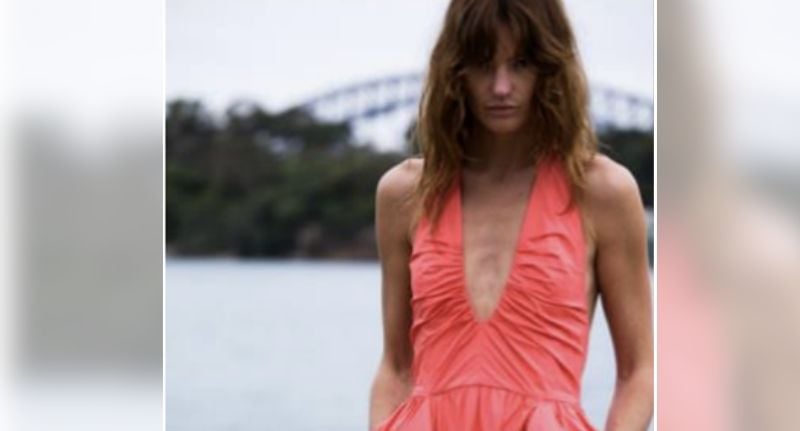
The Ad Standards Community Panel determined that an email campaign by fashion giant Manning Cartel contravened section 2.6 of the AANA Code of Ethics, which relates to health and safety, and ordered the ad removed.
The complaint concerned a promotional email featuring a model in a pink, plunging V-neck dress from the brand’s “Release 04–2025” collection.
The complainant argued the model appeared “extremely thin” and looked unhealthy, raising concerns about the body standards being presented to audiences.

The image that resulted in the breach.
Community Panel’s assessment
In its assessment, the Community Panel acknowledged the model did not appear excessively thin in her arms or face. However, it focused on the visibility of her ribs and sternum through her chest area.
The Panel found this visual emphasis created the expectation that an ideal body type is thin enough for bones to be clearly visible, which it considered inconsistent with prevailing community standards on health and safety.
While a minority of panel members viewed the image as depicting a tall, lean model consistent with fashion norms, the majority concluded the portrayal risked condoning unhealthy behaviours in pursuit of such a body type.
The ruling stressed that advertising must not promote body shapes that are unrealistic or unattainable through healthy practices, unless clearly justified by the product or service being advertised.
The Panel found no such justification in this case, determining the image went beyond showcasing garment design and instead reinforced a narrow and potentially harmful body ideal.
Manning Cartell’s response
Manning Cartell defended the campaign, stating it works with reputable modelling agencies and that the model was a professional in good health.
The brand said its broader content celebrates diversity across ages, races, and body types, and argued the lighting, pose, and fashion photography style may have accentuated certain features.
Despite this, the Panel ruled the imagery still breached the Code, regardless of intent or wider brand positioning.
The ruling reinforces growing regulatory and community scrutiny around body image in fashion and lifestyle marketing.
It sends a clear signal to advertisers that creative styling, lighting, or industry norms will not outweigh concerns where imagery promotes unhealthy or unrealistic body standards.
The ad has since been discontinued.
Facebook tests limiting link sharing to paid users
Facebook is testing a change that would restrict how many external links some users can share unless they pay for a Meta Verified subscription.
Under the trial, certain Facebook profiles using Professional Mode without Meta Verified are limited to sharing links in two organic posts per month. Users are prompted to subscribe if they want to post more links.
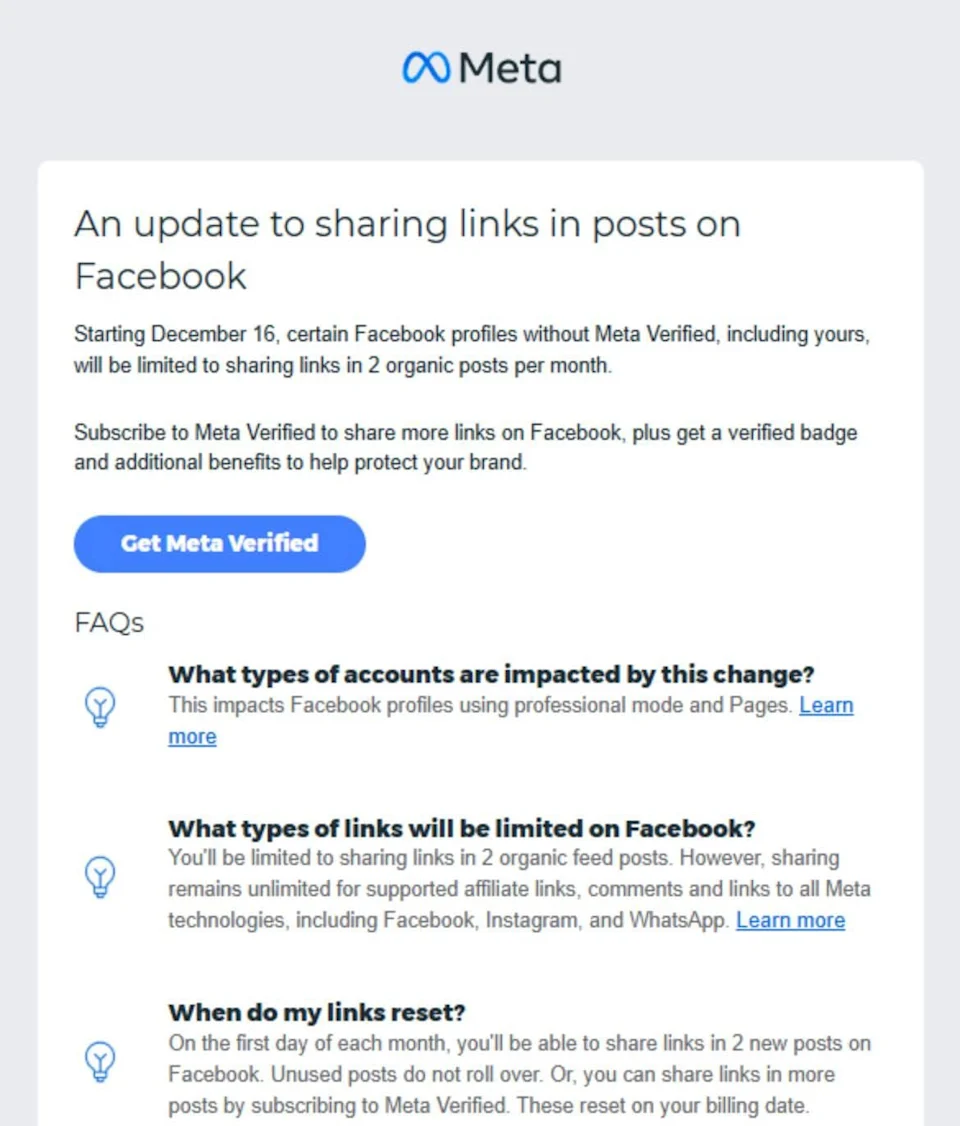
The test applies to a subset of creators and pages using Professional Mode, which includes tools designed for content monetisation. News publishers are not included at this stage.
The move has raised concerns among creators and media organisations that rely on Facebook to drive traffic to external websites. Any reduction in organic link sharing could affect referral traffic, particularly for smaller outlets and independent creators.
The trial also comes after Meta’s decision in recent years to de-prioritise news content in the Facebook feed, a shift that led to significant traffic declines for publishers globally.
Meta Verified, which starts at around $15 a month in Australia, offers features such as account verification, enhanced security and access to customer support. The current test suggests expanded link-sharing may also become part of the paid package.
Meta has not indicated whether the trial will be expanded more broadly or when a final decision will be made.
Celebrity-led campaigns in 2025: The best and the worst
Celebrity campaigns can soar or stumble. This year, industry experts say the difference came down to purpose, execution and how well the talent served the idea.
Affinity ECD Matt Batten said some celebrities can be polarising or outshine the brand, so collaborations only work when there’s “genuine purpose”.
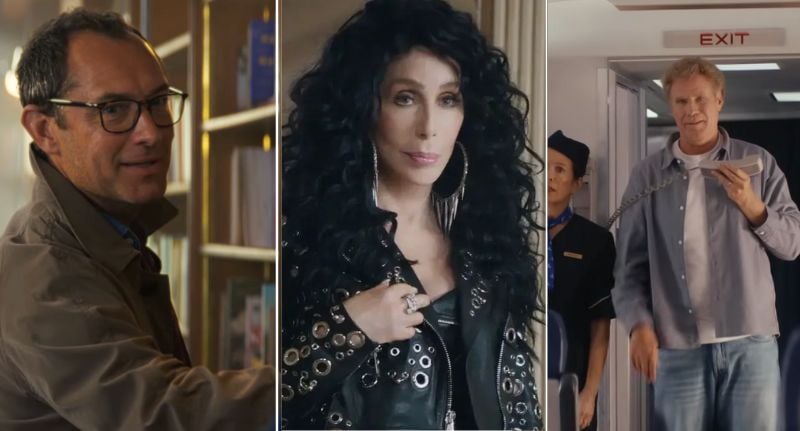
Batten praised Jude Law’s appearance in Uber Eats UK’s When you’ve done enough as a “marvellous, hyperbolic demonstration of the campaign platform.”
But not every pairing hit the mark.
“Robert Irwin fronting Tourism Australia was an obvious pairing to the point of cliché,” he told Mediaweek.
“But to have Bobby lounging in Bonds undies in a garden chair in a backyard with a funnel web spider was so quintessentially Aussie it slams the brand prop home and harks back to Sick’em Rex.”
Maker Street Studios founder Casey Midgley singled out Liquid Death’s ‘Clone Me, You Bastards’ campaign with Ozzy Osbourne.
He called it a “perfectly timed piece of unhinged brand theatre” and an “outrageous farewell for one of music’s most enduring and everlasting cultural disruptors.”
“Only 10 cans were produced, drunk and crushed in the hands of the madman himself, each priced at USD $450 and sealed in an airtight, lab-quality container complete with his autograph,” he said.
“The lucky few who got their hands on one now own a literal piece of Ozzy forever.”
Liquid Death ran with a genetic study suggesting Osbourne carried unique mutations that may explain his notorious resilience to alcohol and other substances.
Midgley noted it’s not the first time the brand has worked with celebrities.
“The fact this campaign launched weeks before Ozzy’s final breath is what puts this one on a completely new playing field,” he said.
“And that’s what makes it so good. It’s bold, culturally fluent, mischievous and completely committed to the bit.”
Havas Host head of strategy Phil Pickering believes a great idea is still at the core of any effective celebrity-fronted work.
He cited Dutch Barn Vodka’s ad featuring Ricky Gervais as a standout, and PayPal’s spot with Will Ferrell as a missed opportunity.
Pickering added that celebrity usually goes wrong because the famous face is replacing the idea rather than strengthening it.
“The best pairings feel inseparable; you could not swap the talent out without breaking the concept,” he said.
“That is why they cut through. Celebrity should be a creative multiplier, not a shortcut.”
Convo Media CEO Monique Harris said creative has to bring the entertainment factor in today’s content-first ad world.
She explained that the best work felt culturally tuned in, visually impactful, and like mini-narratives that fit alongside the content audiences are already consuming.
“Celebrities and creators offer instant recognition and a shortcut to cultural context, which matters when you’ve got half a second to hook someone,” she said.
“When their personality, humour or lived experience aligns with the message, the work becomes memorable instead of just expensive.”
Harris added that there were a number of “standout” examples this year.
“Uber Eats with Cher – surreal, unexpected and totally bonkers in the best way,” she said.
“And the Brooklyn Coffee Shop team’s satirical social series, which brilliantly blurs the line between new-world celebrity – the creator – and content you actually want to watch.”
FlightStory makes seven-figure investment in Hot Smart Rich to scale female ambition brand
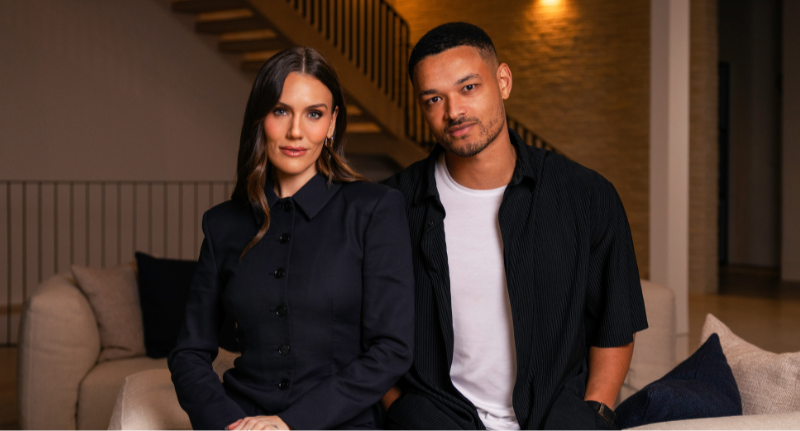
FlightStory, the global media and investment company co-founded by Steven Bartlett, has made a seven-figure strategic investment in Hot Smart Rich, the fast-growing media brand founded by entrepreneur, investor and podcaster Maggie Sellers Reum.
Earlier this year, FlightStory signed an exclusive deal with Nova Entertainment, making all podcasts and presenters within the FlightStory portfolio accessible to Australian advertisers through Nova.
The investment marks a significant move to scale what FlightStory describes as a next-generation female ambition platform, positioning Hot Smart Rich at the intersection of culture, content, capital and community.
FlightStory was co-founded by Bartlett, host of The Diary Of A CEO, alongside CEO Georgie Holt and CRO Christiana Brenton.
The partnership aims to expand Hot Smart Rich across the US and key global markets, with plans to grow the business and team tenfold.
Building a female-led media powerhouse
Launched less than a year ago, Hot Smart Rich has rapidly built scale in a male-dominated podcast and business media landscape.
The platform has already surpassed 1.8 million downloads and reached more than 500,000 individual audience members.
According to recent research, just 7% of business and entrepreneurship podcasts are hosted by women. Hot Smart Rich has positioned itself as a counterpoint, blending business insight with cultural relevance and conversational intimacy.
The platform combines long-form content with an investing and community model, encouraging women to engage with money, ownership and entrepreneurship in a more open and accessible way.
Scaling content, commerce and community
The FlightStory investment will be used to expand Hot Smart Rich’s infrastructure across content production, brand and marketing, commercial partnerships, product development, ecommerce and community.
The goal is to increase the brand’s revenue profile by 10x and scale the team at the same rate.
Hot Smart Rich’s audience, known as the HSR Angels, spans major cities including Los Angeles, New York, London, Toronto, Sydney and Paris.
The community is highly engaged, with an engagement rate of 8.10%, well above the industry benchmark of 2.4%.
More than half of the audience identifies as business-focused, with 31% self-reporting as active entrepreneurs and a further 21% describing themselves as aspiring founders.
Maggie Sellers Reum on building her own table
Sellers Reum said Hot Smart Rich was created to offer a space for honest conversations around money, power and ownership.
“As you can tell by the name, we just aren’t afraid to go there,” she said. “I started creating content that felt like you were out to dinner with friends – a place to be vulnerable, learn, laugh, cry and most importantly have fun.”
She added that the platform is designed to encourage women to take ownership earlier, even if they are not yet running major companies.
“With my content and our investing platform, we’re trying to solve the tension between women driving the economy, yet having disproportionately lower levels of ownership by encouraging them to bring their whole, authentic self to whatever situation they’re in,” she said.
FlightStory doubles down on creator-led brands
The investment aligns with FlightStory’s strategy of scaling creator-led businesses into global media brands. The company plans to apply the same framework used to grow The Diary Of A CEO into one of the world’s largest podcasts.
Steven Bartlett said the opportunity represented a major gap in the market.
“Maggie is a trailblazer who has built an incredible platform and taken a completely fresh approach to the culture of business, entrepreneurship and wealth generation unlike anything I’ve seen before,” he said.
“I was shocked to hear as little as 7% of business podcasts are fronted by women, and yet it is estimated that women control a huge proportion of consumer spend in the US.”
Bartlett said Hot Smart Rich was not simply filling a gap, but reshaping the category.
“Maggie is not just filling a white space with HSR, she’s disrupting an entire industry.”
Applying the Diary Of A CEO blueprint
Sellers Reum said the partnership would accelerate her ambition for the brand.
“This partnership is more than an investment in me, it’s an investment by Steven and his team into the future of women taking control of their businesses and lives,” she said.
“Steven Bartlett has built something truly game-changing with The Diary of a CEO and to know we are about to apply the same methodology to Hot Smart Rich matches the ambition I have always held for HSR.”
FlightStory said the deal reinforces its focus on turning creator IP into scalable companies, as it continues to expand its portfolio of creator-led media and investment platforms.
Top image: Steven Bartlett & Maggie Sellers Reum
Keep on top of the most important media, marketing, and agency news each day with the Mediaweek Morning Report – delivered for free every morning to your inbox.
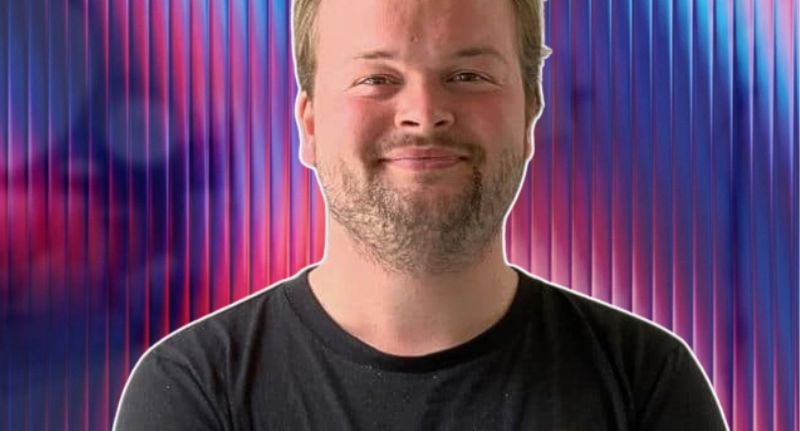
‘Clever maths isn’t enough’: Mutinex hits 150% growth as marketers demand real answers
Mutinex has recorded more than 150% year-on-year growth, doubling its quarterly customer wins as marketers increasingly move away from traditional marketing mix modelling and toward faster, answers-on-demand decision platforms.
The Sydney-founded company says the momentum reflects a deeper reset underway across marketing teams globally, as brands face tighter budgets, heavier board scrutiny and rising pressure to prove impact in real time.
Rather than relying on slow, retrospective MMM reports, marketers are shifting to tools designed to support ongoing, predictive decision-making.
Recent customer wins include Alfa Romeo, Freedom Furniture and REA Group, while Alinta Energy has signed a two-year contract extension. Mutinex’s broader customer base spans brands such as Asahi, Domino’s, ING, Optus, SEEK, TPG Telecom and Turo.
A customer-led growth story
CEO Henry Innis told Mediaweek the company’s growth has been driven less by hype and more by a relentless focus on customer outcomes.
“I think it’s very important to say that we can always do better. For me, the growth in our customer base and how we’re powering growth has been a testament to a ruthless focus on the customer,” Innis said.
“What do our customers need? Fundamentally, are we making it easier for marketers to provide answers to very tough financial questions in the boardroom?”
Innis said those questions have intensified in volatile market conditions.
“In a down or tricky market, more questions than ever are asked by boards, CEOs and CFOs. We’re solving that problem for brands, agencies and the wider marketing community – and we’re doing it at scale.”
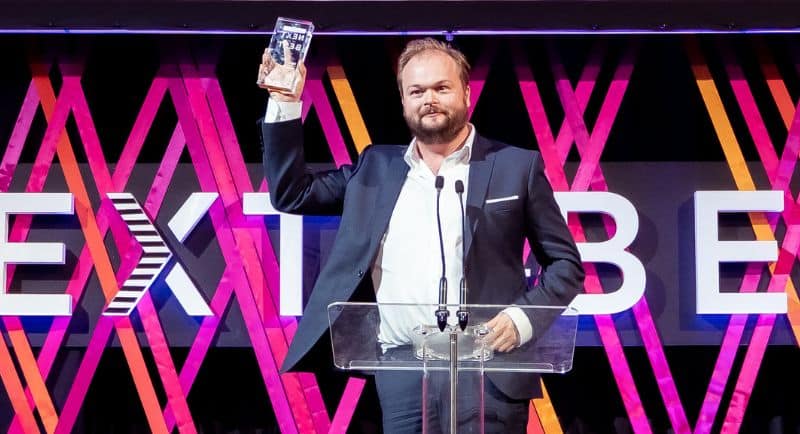
Henry Innis
From clever maths to boardroom credibility
While the MMM category itself is experiencing renewed interest, Innis said technology alone is no longer the differentiator.
“You can have clever maths and boast about how smart things are under the hood, but what really matters is whether we’re making the lives of marketers in boardrooms easier and more credible,” he said.
“The MMM sector is having a resurgence, with a lot of new players entering the market, and that’s helping the category. What’s important for all players is staying grounded in delivering great customer outcomes.”
That focus, he said, is why Mutinex prefers customer results to do the talking.
“We prefer to let customer outcomes speak, rather than making bold statements to the market. Customer comes first.”
Why speed now matters
Innis pointed to structural problems in legacy consulting and dashboard-based analytics models, particularly in executive decision-making.
“When you think about legacy consulting models or even dashboard SaaS models, a CMO is never going to log in and wade through 50 different charts,” he said.
He described a familiar process that often takes weeks to deliver a single answer to the board – a pace he believes undermines credibility.
“If you look at the average tenure of a CMO, that means they can realistically answer only around 36 complex board questions before their teams are stretched,” he said.
“In a boardroom, that makes it incredibly difficult to stay credible when questions are coming thick and fast, and responses are slow.”
By contrast, Innis said Mutinex is dramatically collapsing that timeline.
“On average, it takes us 58.2 seconds to answer a fairly complex question by pulling together all the relevant data,” he said.
“Across our customer base, we’ve answered around 2,000 complex strategic financial questions in the past two weeks alone.”
Reinventing the economics of insight
That speed, Innis argued, fundamentally changes how marketing teams operate.
“If you can answer questions quickly, you can be data-driven more often. If you’re data-driven more often, you gain greater certainty and rigour in how you respond,” he said.
“That’s how we’re fundamentally reinventing the unit economics of what it costs for a CMO to answer a question.”
He added that complexity remains one of the biggest challenges facing marketers.
“Most marketers are bogged down by complexity and a lack of clarity in an increasingly complex job. There are more channels, formats, creative executions and more noise than ever,” he said.
“Five dashboards and fancy maps don’t cut through that noise. What shifts the needle is how quickly we can deliver meaningful value.”
Scaling for what comes next
Off the back of its growth, Mutinex is preparing to increase headcount by 40% over the next six months as it accelerates expansion across North America and deepens its focus on key verticals, including automotive, CPG, fintech, QSR, retail and utilities.
The company has also cut onboarding time by 40%, reducing average implementation to 72 days, though Innis said that remains an industry-wide pressure point.
“There’s no doubt that MMM acts as a forcing function for businesses to consolidate their data and get it in order. That’s hard for most organisations,” he said.
“Our ideal state is getting onboarding down to sub-20 days in the near term. We believe we have a path to do that.”
Accountability over prediction
Looking ahead, Innis said agility and accountability will define which businesses succeed.
“Companies that succeed will increase their agility in 2026 and clearly differentiate between where they need to move fast and where they need to move slow,” he said.
“Businesses still relying on last-click attribution will be left behind and face structural decline over the next two years.”
For Mutinex, that future centres on responsibility as much as performance.
“Many predictive analytics products lack accountability – they don’t track whether they’re right or wrong,” Innis said.
“As an AI company, it’s existentially important that we build accountability into our product.”
Main image: Henry Innis

Australians choose comfort over cinemas as home movie sales surge
The ritual of cinema-going hasn’t disappeared, but it has loosened its grip.
Increasingly, Australians are choosing couches over cinemas, pause buttons over popcorn queues, and the certainty of home over the gamble of a packed session.
That shift in viewing habits is now being formalised.
The Australian Home Entertainment Distributors Association (AHEDA) has launched the country’s first Gold and Platinum Digital Sales Awards, setting new commercial benchmarks for film sales and rentals as premium releases find their second, and often bigger, life at home.
The move comes as digital transactional viewing surged 49% year-on-year in 2025, contributing to an 8% lift in the overall home entertainment market and more than 21 million digital purchases – a clear signal that comfort, control and choice are reshaping how Australians watch movies.

The home premiere window comes into focus
AHEDA Executive Director Chris Chard told Mediaweek the growth reflects a fundamental shift in how and when audiences engage with new releases.
“Over the last couple of years, the home entertainment or home premiere window – the first opportunity for consumers to engage with films that have played in cinemas – has become really significant,” Chard said.
“Content is becoming available more quickly after theatrical release, and we’ve seen strong growth, particularly post-COVID and from around 2023–2024, as distributors settled into a more regular release cadence after the disruption of movies launching directly to streaming.”
Chard said the transition has stabilised into a predictable flow from cinemas to premium digital platforms.
“There is now a more consistent model for content flowing from cinemas onto leading digital platforms like Apple TV+, Fetch, Foxtel and Prime Video, and people are taking to that in bigger and bigger numbers,” he said. “You can see that reflected in the growth in purchases.”
Setting a national standard for digital success
Modelled on long-established global certification frameworks, the AHEDA Gold and Platinum Digital Sales Awards are designed to provide a credible, market-recognised standard for commercial success in Australia’s digital film market.
Titles generating more than $5 million in digital sales receive Platinum status, while those recording between $3 million and $5 million are awarded Gold status. All sales data is independently collated and validated by NielsenIQ.
For the 2023–2025 period, Platinum-certified titles include The Super Mario Bros. Movie, Barbie, Marvel’s Deadpool and Wolverine, The Equalizer 3, Wicked and Top Gun: Maverick. Gold-certified releases span a wide range of genres, from Oppenheimer and Fast X to John Wick: Chapter 4 and Mission: Impossible – Dead Reckoning Part One.
Chard said the awards recognise both blockbuster scale and consistent consumer choice.
“All the movies that have played in cinemas are in one place on these stores, whereas not all films flow onto Netflix, Disney Plus or Paramount, which only carry a certain selection,” he said.
“Consumers are comfortable knowing they can find the latest movie by going to these digital stores, and you can see that confidence reflected in the growth.”

AHEDA Executive Director Chris Chard
Why audiences are buying, not subscribing
Chard said consumer preference is increasingly being driven by control, convenience and an ad-free experience, with audiences valuing the freedom to choose how and where they watch films.
“People like the no ads, and the freedom of not being locked into a single subscription service,” he said, noting that consumers also like being able to choose which digital store they buy from and whether they buy or rent.
Research, he said, consistently points to advertising as a key friction point.
“One of the biggest attractions of the home premiere window is the no ads,” Chard said, adding that once a film is bought or rented – particularly when it’s owned as part of a digital collection – “there are no ads.”
The appeal, he said, is simple: “They’re all in one place, there are no ads, and they’re available reasonably quickly.”
Beyond convenience, Chard said the value proposition is especially strong for families.
“What we’re seeing in our consumer research is a strong value equation for families,” he said, combining the excitement of films fresh from cinemas with big screen TVs, the comfort of staying home and avoiding the costs associated with a trip to the movies, from tickets and parking to popcorn.
He added that home viewing also offers a level of flexibility cinemas can’t match, with families able to pause a film, step away, or check on kids without disruption.
That environment, Chard said, has also given some films a second commercial life.
“Some films achieve success in cinemas and then go even bigger in the home entertainment window,” he said, noting that it’s often the titles that struggled theatrically that surprise later.
“The Shawshank Redemption is a classic example.” He added that The Beekeeper, starring Jason Statham, is on track to reach Platinum status, if it hasn’t already – a sign of how powerful the home entertainment window has become.
A growing retail ecosystem
Chard said the expansion of platforms is further strengthening the sector.
“More platforms are entering the sector, which is expanding distribution in the home entertainment window,” he said. “Smaller but important platforms like Letterboxd have entered digital rentals, and JustWatch is also moving into that space.”
Looking ahead, he said the outlook for both theatrical and at-home viewing remains strong.
“The future for the cinema sector looks strong, with an impressive forward release schedule, alongside growing momentum for consumers building their own digital collections – effectively creating their own ad-free, always-available streaming libraries.”
“At the moment, we’re seeing around five or six films achieve Platinum status each year and about 10 Gold. Success would be doubling those numbers.”
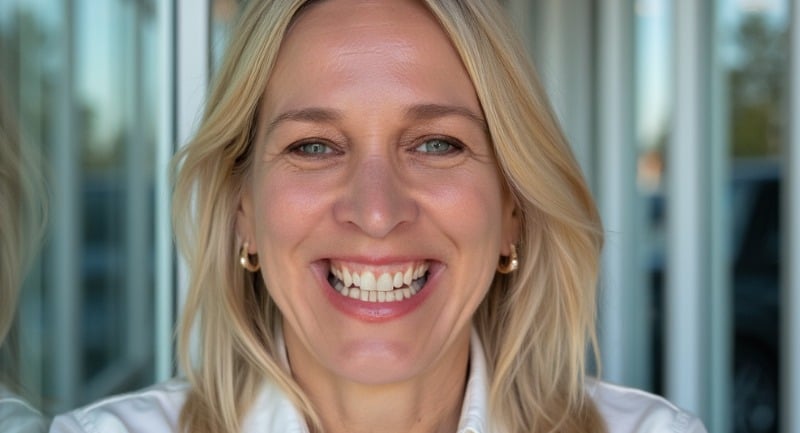
What my cancer diagnosis taught me about the perils of media silos
Jessica Torstensson, Growth Client Director, Bench Media
After six months of escalating, but sporadic, stomach pain, I received a diagnosis in August 2023, that stopped me in my tracks, I had stage 3 bowel cancer.
A specialist had missed a 2.5cm tumour lodged in my large intestine, the kind of oversight you assume modern diagnostics no longer make.
Within days, I was in surgery. I returned to work almost immediately and completed twelve rounds of chemotherapy across six months. This wasn’t about proving resilience; it was about staying mentally integrated into my life.
Keeping my whole system healthy, not just the part being treated, became essential to my recovery.
And it reminded me of something I’ve spent 15 years fighting against in our industry: focusing on the parts, instead of the whole, is a dangerous game.
The medical oversight that led to my late diagnosis was a failure of visibility, a failure to connect the dots. In our industry, we suffer from the same condition by becoming obsessed with specialisation.
Think about it… alongside full-service media agencies, we have digital agencies, social agencies, content agencies and more. We plan our years in silos: a budget for performance and a budget for brand, often in two separate marketing teams.
But consumers don’t live in silos. They don’t experience digital marketing; they experience a brand.
After years spent leading integrated client portfolios at major agencies and consistently battling to stop creative, data, and media teams from slipping back into silos has confirmed that fragmentation is the enemy of growth.
Digital expertise is effective, measurable, and fast. But having spent years seeing the pitfalls, I can assure you that the focus on digital often narrows our vision to the bottom of the funnel only.
When we see a drop in conversions, we immediately pull the ‘performance lever and shift budget from awareness channels to conversion platforms to chase more clicks and conversions. This reactive approach is like treating the symptom, not the patient.
The data proves this shortsightedness has a massive commercial cost:
● The 60/40 Rule: IPA research from Les Binet & Peter Field shows that brands grow most
effectively when they strike the right balance between long-term brand building and short-term
activation. The classic 60/40 split isn’t universal, especially for smaller or emerging brands, but
the broader lesson is consistent: Brands that invest in both brand and performance grow stronger than those that rely solely on bottom of the funnel channels.
● MMM studies from Google, Meta and Nielsen also consistently show that 40–60% of conversions credited to performance channels (like paid search) were actually generated by brand building and upper-funnel activity earlier in the journey.
In other words, performance harvests demand, it doesn’t create it. Your performance campaign is only converting the demands your brand work created. If you starve the top, the bottom will eventually collapse.
True health, whether for a human or a brand, comes from a full-service mindset. It comes from stepping back and asking: How does the emotional impact of a TV spot influence the search behaviour? How does the OOH placement change the trust in the social ad?
The ultimate lesson from my illness is the principle I have always championed, that integration is survival, is not just good business strategy, it is essential.
As a marketing leader, you need to champion the full-service mindset and bring the required operational rigour to truly connect the dots. The brands that win going forward will be the ones that understand the whole picture.
If there is one media resolution you make at the start of 2026 let it be this: Stop treating media like a collection of body parts and start treating it like a complete system. Because if you miss the connections, you miss the things that truly matter.
My mission remains to solve the overall health of my clients’ brands.
Media
Politico cools talk of Australia expansion
As Capital Brief’s John Buckley reports, Jamil Anderlini, Politico Europe’s regional director, was in Sydney earlier this month for the Australian Strategic Policy Institute’s Sydney Dialogue, where Politico was a media partner.
But he said the event, not expansion plans, was the reason for the trip.
Social Media
Race commissioner warns of unchecked online hate
As The Guardian’s Joe Hinchliffe reports, Giridharan Sivaraman said the idea that online hate cannot be controlled is a myth, arguing that platforms have the power to act but lack the commercial incentive.
Companies
Zaslav set for massive payday as Warner Bros. Discovery deal looms
According to The Hollywood Reporter’s Erik Hayden, Alex Weprin, the process began after Skydance’s David Ellison approached the company, before the board rejected his bid in favour of Netflix’s $82.7 billion offer.
Regulatory filings show Zaslav would walk away with about $30 million in exit pay and equity worth roughly $537 million if a deal closes.