
Monday May 18, 2026
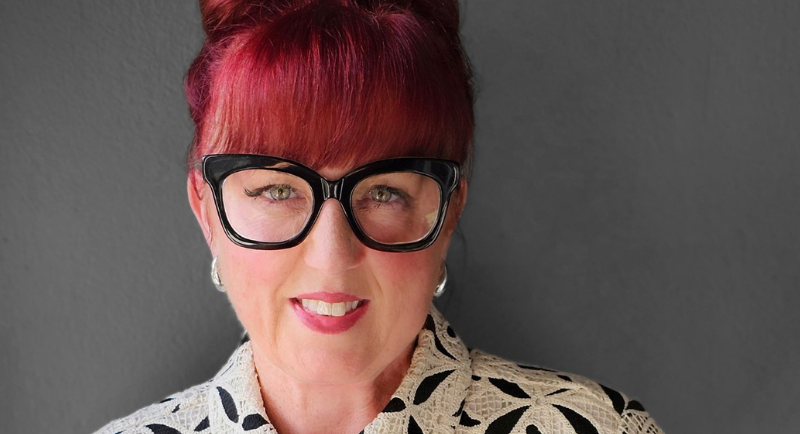
Jo McAlister joins News Australia to launch STORYx
News Australia has appointed Jo McAlister to launch and lead STORYx, its new dedicated function for content integration, strategy, and solutions.
STORYx has been created to help commercial partners build sustained, data-led brand narratives across News Australia’s network, rather than relying on one-off campaign executions.
The new function will focus on three strategic pillars: Narrative Architecture, Intelligent Integration, and Agile Solutions.
Narrative Architecture will build long-term, multi-platform story arcs that evolve with client needs. Intelligent Integration will use first-party data to place brand stories where they are likely to be most effective, while Agile Solutions will provide an end-to-end process from brief to real-time campaign optimisation.
Building a total network solution
McAlister will report to Lou Barrett, Managing Director of Client Partnerships at News Australia.
“Jo brings a rare combination of bold creative thinking and deep operational expertise across both client-side and agency leadership,” Barrett said.
“She’s just led one of Australia’s top media agencies through one of the biggest structural changes our industry has seen, and her experience driving transformation will be invaluable as we scale our ability to bring complex campaigns to life faster than ever before.
“STORYx gives us a unified framework to offer a total network solution, speaking to our clients with one voice and one strategy, ensuring every brand story we tell has the structural integrity to move the needle on their business goals.”
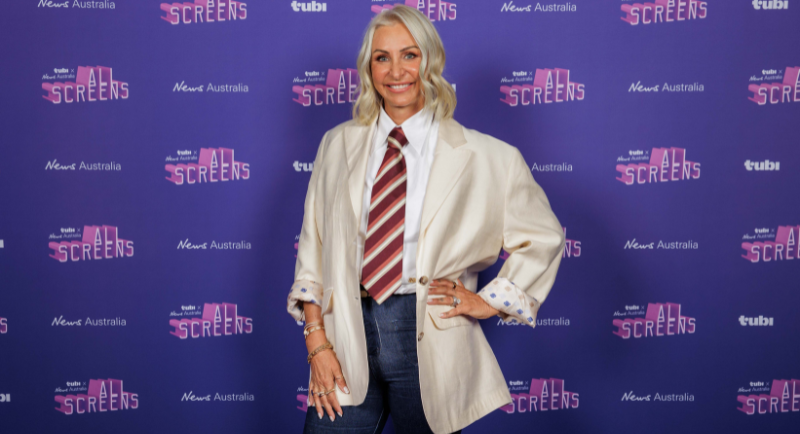
Lou Barrett
McAlister brings more than 20 years of media experience to the role, having held senior positions at Foxtel, NBCUniversal, SBS and the Seven Network.
She most recently led Initiative Australia through its acquisition by Omnicom.
Omnicom Media begins search for new Initiative CEO
Omnicom Media has confirmed McAlister will leave Initiative after seven years with the agency, including the past two as CEO, to take up the new publisher-side role.
McAlister will remain in her role until July to support the transition, while the search for a new CEO of Initiative is underway.
Omnicom Media said there would be no changes to day-to-day work or client teams. National Managing Director Paige Wheaton will continue to lead client relationships alongside Initiative’s senior leadership team, supported by the broader Omnicom Media EXCO leadership team.
Kristiaan Kroon, CEO of Omnicom Media, said: “On behalf of the entire business, I want to thank Jo for her energy, care and commitment to every team member at Initiative, the wider business and our clients.
“Jo has been an incredible leader and has played a key role in growing the Initiative business and the people within it. I acknowledge her many achievements throughout her time with IPG and now Omnicom Media.
“We are genuinely pleased for Jo and look forward to seeing her continue her success in her new role, she will be missed but will always be considered part of Omnicom’s family.”
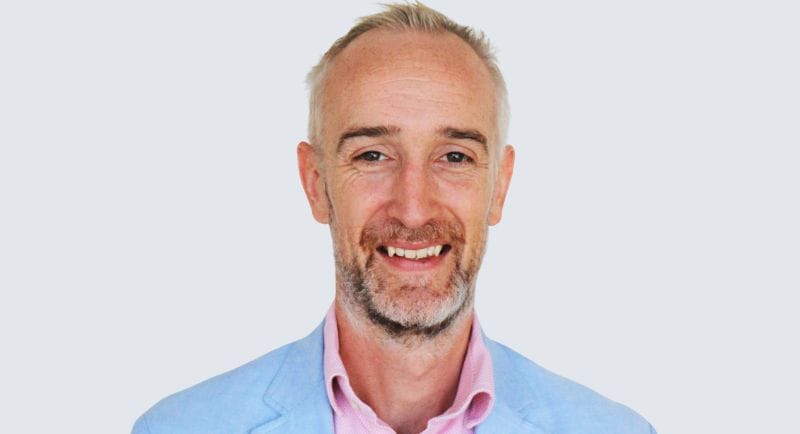
Kristiaan Kroon
Bringing creativity and data together
McAlister said STORYx would combine News Australia’s content capabilities with the scale of the publisher’s audience network.
“STORYx brings together best-in-class content capabilities with the reach of Australia’s largest publisher,” McAlister said.
“In an era of fragmented attention, a single touchpoint is no longer enough. The ability to deliver integrated storytelling at this scale with speed and precision is genuinely exciting.
“This is about building the infrastructure that allows creativity and data to work together to deliver real outcomes for clients.”
McAlister’s appointment takes effect in August.
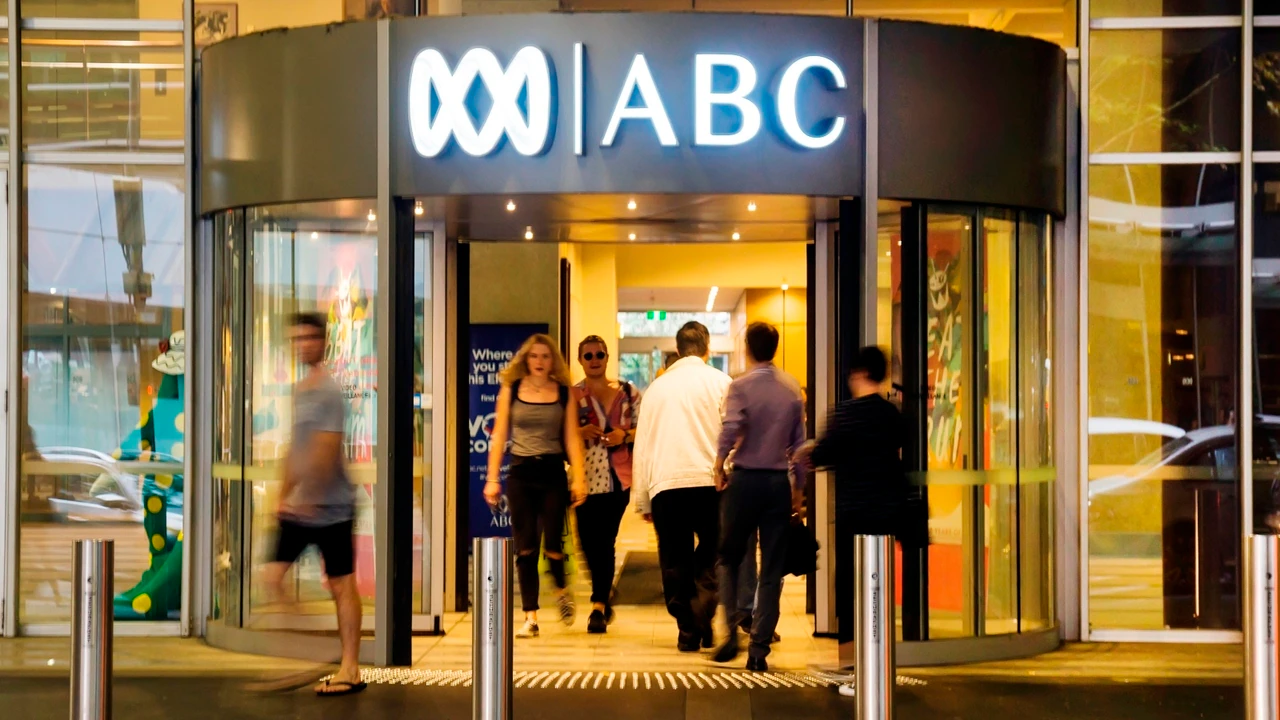
ABC won't release staff salaries due to safety concerns
The ABC won’t release the salaries of its staff due to concerns of individuals being “targeted”, The Australian reports.
The Australian obtained documents under freedom of information laws about the ABC’s ombudsman’s office, which has 6.6 full-time staff, and learned that the office spent $117,782 (excluding GST) in expenses last year, including:
-$73,543 on “computer software and development”
-$13,974 on overseas airfares and accommodation, and
-$23,779 on domestic travel.
The Australian reports that it “asked both the ABC’s communications team and the ombudsman Fiona Cameron about the nature of the taxpayer-funded international travel but did not receive an answer on Sunday.”
The publication asked to to access the combined salaries of the ombudsman’s office last week, but the request was rejected by the ABC’s FOI person Ali Edwards, who said “disclosure of the ‘global sum’ of the department’s 6.6 full-time wage bill could lead to harassment from colleagues or ‘unwarranted public criticism’.”
Edwards said her decision involved considering transparency and the need to “protect individuals from unreasonable interferences with their privacy and (to protect) staff from occupational health and safety risks”.
Edwards reportedly added: “This is not a hypothetical exercise but a real risk public servants face, especially those employed by the ABC.
“The ABC has a duty of care to protect the wellbeing of its staff, and disclosure of identifying details, opinions and human resources matters in this context could result in a loss of trust by employees in the ability of the ABC to protect their privacy and wellbeing.
“To release the limited information under FOI would undermine the ABC’s ability to manage its staff and it would increase the likelihood of staff feeling unsafe or potentially targeted at work.”

Publicis snaps up LiveRamp for A$3.1b
Publicis Groupe has agreed to acquire the US data collaboration company LiveRamp in an all-cash deal worth about A$3.1 billion.
The French advertising group said the takeover is designed to strengthen its data and AI capabilities, continuing a strategy it has pursued for several years to target consumers more precisely.
As reported by Reuters, LiveRamp provides businesses with a platform to match and connect datasets, including customer and media data, securely without directly sharing personal information.
Publicis doubles down on data
Publicis will pay about A$53.80 per share for LiveRamp – representing a 29.8% premium to the company’s closing price on May 15, the last trading day before the announcement.
The deal has been unanimously approved by both companies’ boards and is expected to close by the end of 2026, subject to LiveRamp shareholder and regulatory approvals.
Publicis said the acquisition is expected to be incremental to earnings from the first year of consolidation.
Arthur Sadoun on the deal
Publicis main boss, CEO Arthur Sadoun, said the move reflects the group’s willingness to invest ahead of market shifts.
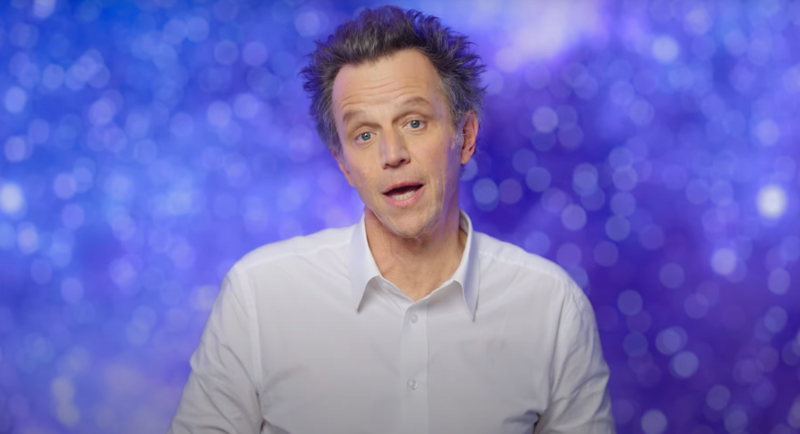
Arthur Sadoun
“It is the latest demonstration of our commitment to investing ahead of market shifts, despite what is an industry being challenged by the rise of AI and a difficult global context,” Sadoun said in a video presentation.
A strategy years in the making
The LiveRamp deal builds on Publicis’ 2019 acquisition of Epsilon, which it bought for about A$6.1 billion to increase its access to consumer data.
The group’s data-led strategy has helped widen the gap with traditional rivals, with Publicis overtaking rivals WPP and Omnicom to become the world’s most valuable advertising group by market capitalisation.
LiveRamp works across more than 25,000 publisher domains and more than 500 technology and data partners in 14 markets. The company employs around 1,300 people.
Alongside the acquisition, Publicis raised its 2027 and 2028 constant-currency growth targets. The group now expects net revenue growth of 7% to 8%, up from previous guidance of 6% to 7%.
It also lifted its headline earnings-per-share growth target to 8% to 10%, up from 7% to 9%.
Top image: Publicis Groupe
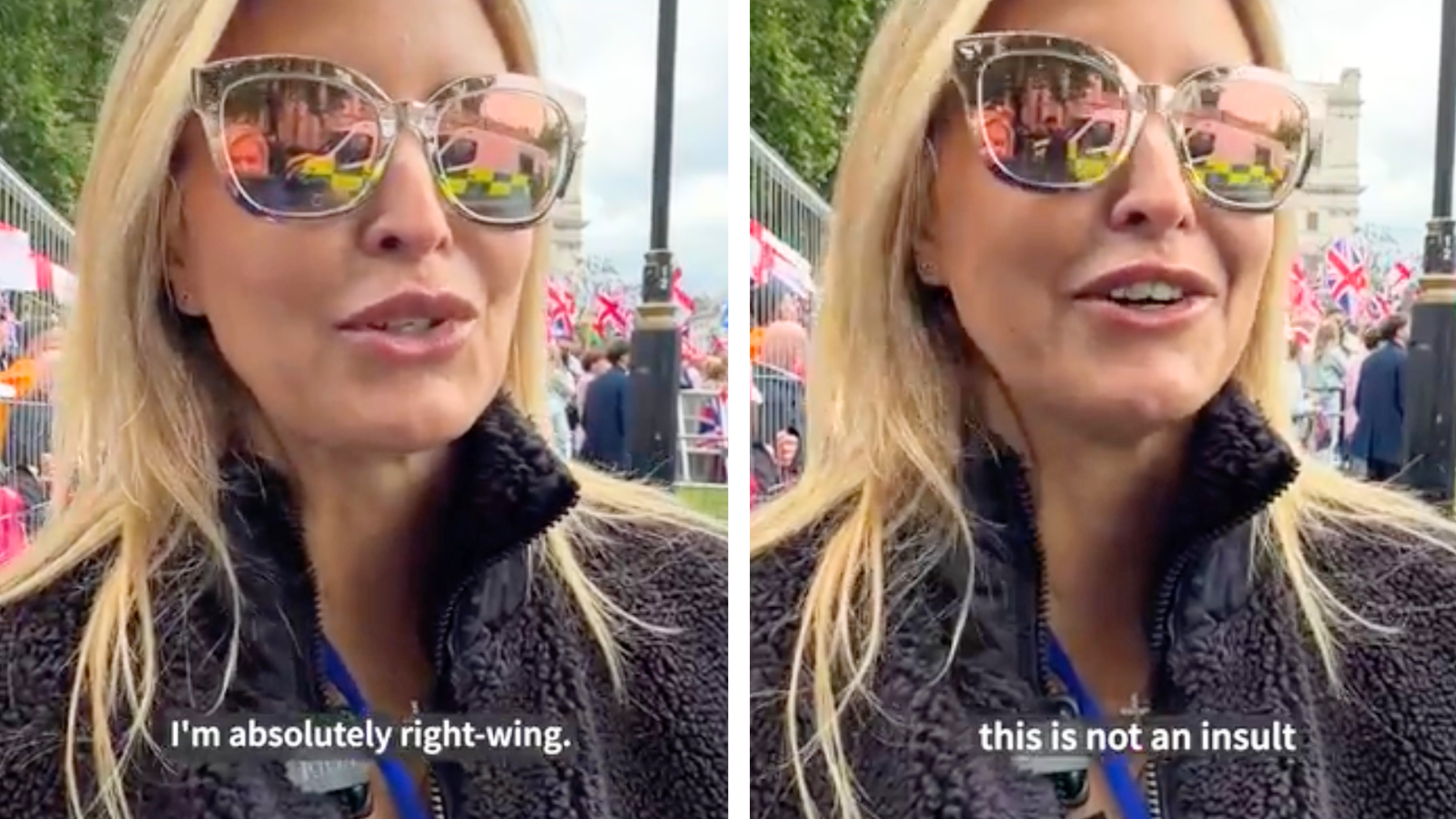
'I'm absolutely right-wing' Holly Valance says at Unite the Kingdom march
Australian actor Holly Valance attended the Unite the Kingdom march in London on the weekend, and gave The Daily Telegraph‘s Sophie Elsworth an exclusive interview about her presence and beliefs.
Known largely for her role in Neighbours, Valance declared she is “absolutely right-wing” as she joined the thousands-strong crowd.
In the interview, she encouraged Australians to be “patriotic”.
“Don’t be embarrassed and don’t be too scared to stand up for your country, a place that you love… that’s given you the great life that you have.
“Don’t be embarrassed to fly the flag. Don’t let anyone tell you you’re a racist for doing so.”
After claiming her political status as “right-wing”, the 43-year-old said she could also be referred to as “far-right.”
Valance explained to Elsworth, “There’s obviously an issue with illegal immigration”, adding the same applies to “legal immigration to an extent.”
She encouraged any immigrant to “jog on” if they don’t like the culture and laws of wherever they’ve relocated to.
Elsworth recorded the exclusive interview, which you can see below and read about here.
View this post on Instagram
Holly Valance supports Pauline Hanson
Valance also spoke about her support of Pauline Hanson, saying she was raised to think the politician was “crazy” but that “she’s not so crazy now.”
Valance has been a long-time supporter of Hanson. In February, Mediaweek reported that Apple Music briefly banned her song Kiss Kiss (XX) My A**e, which was a soundtrack to Hanson‘s film, A Super Progressive Movie.
It was released on Australia Day and reached No. 1 on the Apple Music iTunes best-selling songs chart, but was removed from the platform after it briefly overtook Olivia Dean’s Triple J Hottest 100-winning song, Man I Need. It was then reinstated on the Friday following backlash.
During an interview with GB News, Valance, who now lives in the UK, spoke about the ban.
“If it was like a Trump-bashing right left-wing, Farage-bashing, song that someone on the left side of politics made, then it would have been fine. It would have been no issues because the right don’t tend to have toddler tantrums.
“We never received any email officially from iTunes or Apple or anybody. So I was like, ‘what’s going on?’”
The song is a tweaked version of Valance’s 2002 tune “Kiss Kiss,” now with lyrics that take aim at progressive politics, including references to trans people, snowflakes, and cancel culture.
When the song was released, Hanson said, “Wouldn’t the ABC have a heart attack knowing they had to play this track?”
More controversially, speaking in the same GBNews interview, Valance said: “During Covid, it was the big tester. It was the r****d meter. And Australia was quite high on that.”
The host of the program apologised to the audience for Valance’s slur and told her, “I think some people might be offended.”
The singer was unapologetic: “Hey, are we not Free Speech Nation over here?”
The host replied: “We are free speech, except for that word.”
Top image: Holly Valance speaks to The Daily Telegraph at the Unite the Kingdom march.
Looksmaxxer Clavicular gets out-mogged by judge in viral court moment
Some might question how on earth this story qualifies for inclusion in Mediaweek.
So let us explain: given that it balances on the threshold – or perhaps licks the doorknob – stories are required to cross before being deemed ‘Mediaweek-esque enough’, it passes the editorial test.
More to the point, speaking of knobs, 20-year-old Braden Peters, who goes by the name ‘Clavicular’, is an online influencer known for giving dangerous and ethically questionable advice on how men can improve their appearance, otherwise known as ‘looksmaxxing’.
Recently, Peters was charged over the shooting of a dead alligator because nothing says Alpha Male like shooting a dead animal.
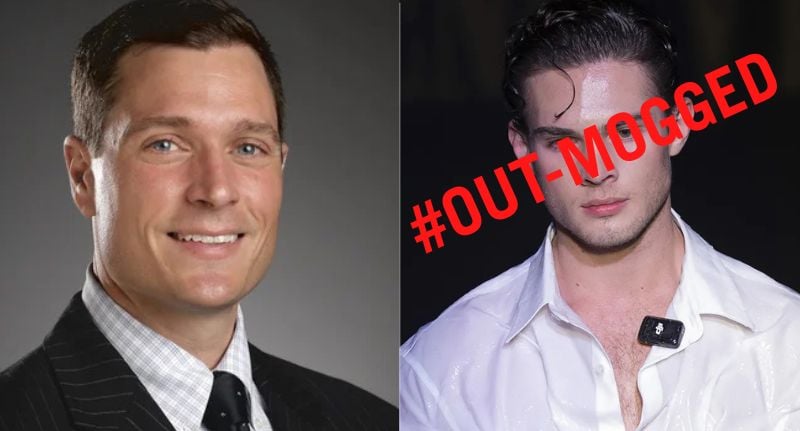
Two forms of justice were handed down to Peters over the weekend. The first was his actual sentence – probation, community service and wildlife safety courses – and the second was that he was out-mogged by the very man delivering that sentence: the judge.
I enjoy the irony of Claivicular, the supposed number one “looksmaxxer” being absolutely mogged by the Judge in his Miami case. pic.twitter.com/7vgYevQabg
— Legal Mindset (@TheLegalMindset) May 16, 2026
Social media users lost their minds when a vision of the sentencing was released, with one user on X writing: “Whoever assigns cases to judges absolutely did this on purpose. They were like, ‘Who is the best-looking judge in the district? That’s who’s getting this case.”
The judge in question is Justice Marcus Bach Armas, and no, he does not have social media (but he does have LinkedIn. You’re welcome).
It’s not the first time the looksmaxxer has been out-mogged (Samuel Johnson wept) by an older man whose life does not revolve around their appearance.
In the first instance, he went toe-to-toe with Australian 60 Minutes reporter Adam Hegarty, who appeared largely unfazed by the exchange.
The influencer went viral across mainstream media headlines after storming off set following what he appeared to view as the most triggering question of his life from Hegarty: whether he identified as an incel, linking his involvement in the “manosphere” to Andrew Tate.
Peters responded: “I see you want to make this political.
“Too bad I didn’t have time to look into, you know, anything about potentially, you know, who your wife cheated with, but don’t try to go down that line of questioning with me.”
Hegarty replied: “I’m not married, Clav.”
Peters shot back: “I could teach you about looksmaxxing, and then maybe you could switch that up. Thanks for the time, appreciate the interview,” before walking off.
Perhaps the real lesson here is that the internet’s increasingly deranged obsession with symmetry, jawlines and “mogging” continues to collide with an inconvenient truth: intellect, competence and self-possession remain deeply attractive qualities.
And unfortunately for Peters, no amount of “looksmaxxing” can compete with the quiet confidence of a judge delivering your sentence – or a reporter calmly letting you self-destruct on national television.
Main image: Justice Marcus Bach Armas and Braden Peters

Why Spotify’s app icon changed to a green disco ball
If you had trouble recognising or navigating your Spotify mobile app this week, you were in the same boat as millions of other users.
The reason: a shimmering dark green 3D disco ball had replaced the familiar Spotify icon.
The audio streamer kept things playful on X, responding to a post about the new logo with: “isn’t she lovely? 💚”
A Spotify representative confirmed to Variety that the disco ball change is linked to the platform’s 20th-anniversary celebration and that the app icon will return to its original design next week.
A 20-year nostalgia play
As part of the milestone, Spotify has launched Spotify 20: Your Party of the Year(s), a mobile-only in-app experience that looks back at a user’s listening history.
The experience shows users the total number of unique songs they have listened to, the first song they ever played and their all-time most-streamed artist.
It also includes a custom playlist of a user’s top 120 most-played tracks, complete with play counts. The feature is available to both Premium subscribers and free users.
The internet reacts
The internet has reacted to the icon change with mixed reviews, memes and gifs, with some users on LinkedIn even critiquing Spotify for not getting the brand colours right.
Matt Poulier, CMO at Hola, said in a LinkedIn post that the brand’s colours were too off-brand.
“Fun campaign idea, but if you’re going to mess with one of the most recognisable logos in the world… at least get the brand colour right,” Poulier wrote.
To show what he meant, Poulier shared an updated version that retained the original theme: “Here you go Spotify, I fixed your 20th anniversary logo.”
“Small detail. Big difference.”
One user on X wrote: “Whoever designed this needs to be fired immediately.”
Others responded with their own “fixed” versions of the logo, while some users backed the change.
“Maybe I’m in the minority but i actually like it 😭 it looks like spotify is ready to party,” one X user wrote.
But amid a flood of negative reactions online, Spotify confirmed on X that the disco ball logo is only here for a week.
“Alright, we know glitter is not for everyone. Our temp glow up ends soon. Your regularly scheduled Spotify icon returns next week.”
Spotify takes a Wrapped-style approach
Like Spotify Wrapped, the anniversary experience includes custom share cards that users can post to social media.
The move gives Spotify another nostalgia-driven data moment outside its annual Wrapped campaign, turning long-term listening behaviour into personalised content.
As part of the 20th anniversary, Spotify also revealed, for the first time, the most-streamed artists, songs, albums, podcasts and audiobooks in the platform’s history.
Top image: Spotify disco ball logo
‘Offensive and deplorable’: Amanda Knox is performing a comedy show at Edinburgh Fringe
In yet another example of the culture’s cheapening requirements for stature of any kind, Amanda Knox has announced she will be performing her one-woman stand-up show at the Edinburgh Festival Fringe this August.
Yes. The Amanda Knox. The very one who, while on exchange in Italy, was twice convicted, and later acquitted, of the horrific murder of the beautiful and promising 21-year-old Meredith Kercher.
It is perhaps both tragic and telling that, rather than Kercher, it is the Knox name the media (present company included) continues to keep in circulation. Although this is in no small part owed to Knox herself.
Knox has been courting the media since her release. And while nearly 20 years have passed, her schtick has remained the same:
ME. ME. ME.
Amanda, we get it.
A young woman was murdered in cold blood. But how did it make you feel?
The booking has already been condemned by the Kercher family’s lawyer as “offensive and deplorable”, reigniting long-running debate over Knox’s continued public monetisation of the case.
And, look, it’s not hard to see why.

Meredith Kercher
During the original investigation, Italian police became fixated on Knox’s behaviour in the days following Kercher’s murder. In one particularly surreal detail that would go on to dominate headlines for years, prosecutors alleged Knox was “performing cartwheels” while waiting to be questioned.
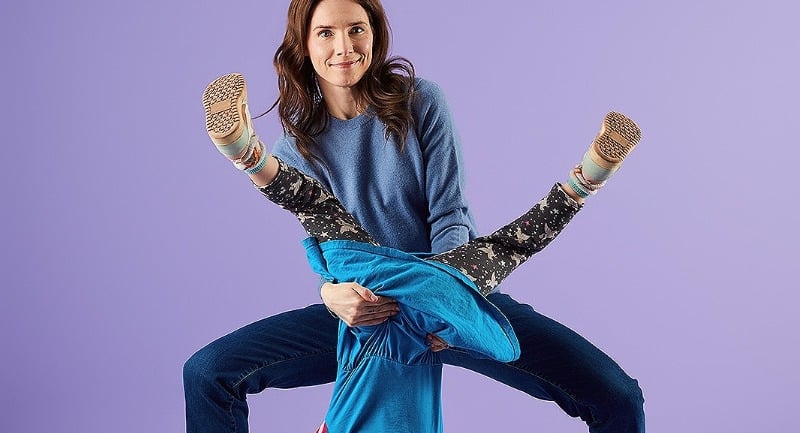
Her 2026 comedy show is entitled Cartwheel.
Knox has denied that the title is linked to the Kercher’s murder.
Still, nearly two decades on, the case remains central to her public brand.
Knox’s routine reportedly includes material about the impact Kercher’s murder had on her, alongside anecdotes about explaining her past to her five-year-old child.
Now 38, Knox was acquitted by Italy’s highest court in 2015 following years of trials, appeals, a very active US PR campaign (managed by Seattle-based crisis communications firm Gogerty Marriott – because, of course, every innocent person needs a PR team) and relentless global media coverage.
Since then, she has built an increasingly expansive media career around her experience: memoirs, podcasts, documentaries, television projects – all roads, ultimately, leading back to the same case.
And that’s where the discomfort sits.
Knox has said she will “not let the bullies win”, framing criticism of her continued public profile as part of a broader attempt to silence her.
“It’s ultimately about wanting to silence me because I raise an uncomfortable reality,” she told the US Mirror. “I feel wronged, and I don’t like letting the people who wronged me win.”
But it’s a curious defence. Had Knox quietly stepped away from the spotlight years ago, there arguably would be no “bullies” left to fight. And if the pull of public life proved impossible to resist, perhaps building an entertainment vehicle around a brutal murder case was always going to invite scrutiny.
Because while Knox continues to position herself as the target, the Kercher family has spent nearly 20 years watching the death of their daughter and sibling repackaged, retold and resold for public consumption.
The list is extensive.
There have been two books – the 2013 memoir Waiting to Be Heard and the 2025 release Free: My Search for Meaning. A scripted television drama, The Twisted Tale of Amanda Knox, followed in 2025, with Knox attached as a producer.
Then came the 2026 documentary Mouth of the Wolf: Amanda Knox Returns to Italy, alongside multiple podcast series including The Truth About True Crime with Amanda Knox, Labyrinths with Amanda Knox and Hard Knox with Amanda Knox.
Most recently, Knox even released a single, How Strange It Is, written and recorded for Mouth of the Wolf.
For someone allegedly being “silenced”, it’s been an extraordinarily loud media run.
And perhaps that’s the point critics can’t move past.
The schtick is old. Find a new one.
Main image: The poster for Knox’s comedy show.
A hyperlink is not a shield: the Ross Barkan plagiarism scandal
Let’s be honest about the modern digital news cycle. Aggregation keeps the lights on.
Here at Mediaweek, we spend half our lives scouring global feeds, trade publications, and platform updates to track down relevant industry news.
We read the feeds. We find the angles. We hit publish.
But there’s a massive difference between curating a solid take and copy and pasting someone else’s work.
A nasty scandal unfolding at New York Magazine proves just how thin that line gets when newsrooms demand endless output.
The prestigious publication is currently conducting a formal review of its prolific contributor, Ross Barkan. It’s an uncomfortable investigation that began after multiple prominent writers accused him of repeatedly stealing their structural copy.
The fine art of acceptable aggregation
The story gained major traction when technology reporter Bobby Allyn broke the news for NPR.
Allyn secured a blunt confirmation from New York Magazine spokesperson Lauren Starke, who stated the publisher takes these allegations seriously and is reviewing Barkan’s past columns.
The evidence looks incredibly damning.
Drew Harwell at The Washington Post discovered that Barkan lifted opening paragraphs almost wholesale from his recent piece about conservative influencer Ben Shapiro.
New York Magazine quickly updated Barkan’s article to feature proper quotation marks and explicit credit.
The plagiarism claims span multiple titles.
Compact Magazine editor Matthew Schmitz took to X to condemn Barkan for publishing heavily lifted material.
So @RossBarkan heavily plagiarized a @rojasrjuand article in Compact. He claims that this is a-ok because he linked to Juan’s article. No. That isn’t how it works.https://t.co/Z5JWqohMwt
— Matthew Schmitz (@matthewschmitz) May 16, 2026
Barkan also allegedly pulled partial paragraphs from The Intercept to summarise historical background context.
The hyperlink defence falls flat
Barkan refuses to quietly accept the criticism. He maintains an active presence on social media and aggressively defends his working methods.
He argues that dropping a hyperlink to the original author, such as Juan David Rojas, grants him permission to reuse paragraphs.
He claims that citing facts and dropping a link provides sufficient credit for a columnist building on existing reporting.
But journalism experts strongly disagree.
Edward Wasserman, a journalism professor at the University of California, Berkeley, provided NPR with scathing commentary.
“This kind of laziness is a real embarrassment to the publication,” Wasserman said of Barkan. “You need to always acknowledge the debt that you owe to an originating source, and when you’re taking from someone else and not making it plain to the reader, you’ve got a real problem.”
Barkan responded in an email statement, “this is all quite ridiculous.” He said inserting hyperlinks in his columns and, in the case of the Compact Magazine piece, naming the writer, was enough to acknowledge that he was borrowing another journalist’s reporting.
“I have written hundreds upon hundreds of columns, essays, and pieces of journalism in my career,” Barkan said. “I stand by my record.”
However, Wasserman stressed that a hyperlink doesn’t turn lifted text into original work.
Juan is credited directly in that column, by name, and linked to. You could actually read the actual column and not rely on an AI-curated excerpt.
— Ross Barkan (@RossBarkan) May 16, 2026
Volume and temptation
This controversy hits close to home for anyone working in digital media today.
Solid aggregation involves digesting the facts and writing original copy. Of course, citing the originating publication early in the piece and including a link as a mandatory courtesy is the way to go.
If a writer crafts a brilliant turn of phrase, identify it with some quotation marks.
The effort required to rewrite a background paragraph is minimal. The reputational damage of getting caught stealing takes a long time to repair.
But as media platforms demand higher and higher content volume in 2026, the temptation to cut corners will only grow.
Here at Mediaweek, we’ll continue to scour the web for insights, add our own distinct value, carefully cite the sources, and always write our own words.
Or at least make sure that Claude does.
QMS adds landmark digital billboards to Melbourne’s CityLink
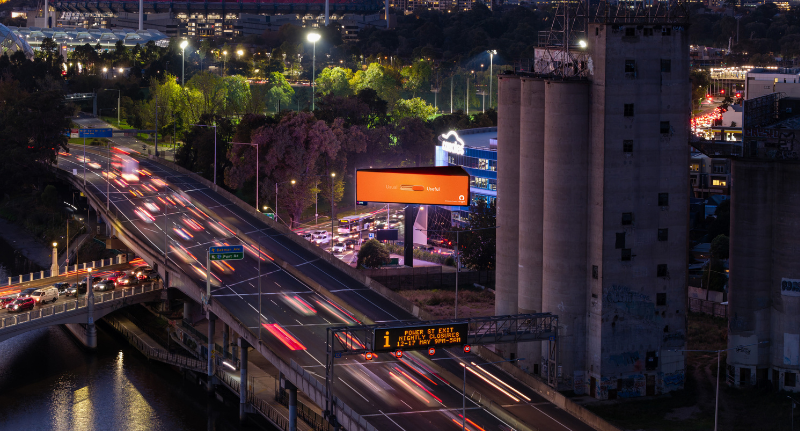
QMS has expanded its Melbourne digital outdoor network with the long-term addition and digital conversion of two large-format billboard sites on CityLink.
The sites, previously static, have been converted into digital screens, strengthening QMS’s Melbourne footprint and giving advertisers more scale, flexibility and impact across one of the city’s busiest commuter corridors.
The new screens are the closest large-format billboards on CityLink to the Melbourne CBD.
Premium access to Melbourne audiences
The two sites are located at Cremorne, where CityLink crosses over Punt Road.
They sit near major commercial precincts and key sporting and entertainment venues, including the MCG, Melbourne Park and AAMI Park.
Together, the two digital billboards deliver a combined weekly audience of more than 4.4 million impressions.
QMS on the CityLink expansion
Sara Lappage, Chief Operating Officer at QMS, said securing the assets and converting them to digital reflects the company’s focus on strengthening its premium digital network.
“Their proximity to the CBD and some of the city’s most prominent sporting and entertainment precincts perfectly complements our existing digital network, creating even greater opportunities for brands to connect with highly engaged, high-value audiences.
“Combined with our existing digital portfolio, these new sites enhance our capacity to create powerful, high-impact campaigns that deliver both reach and relevance for brands across Melbourne.”
Perth Bears launch foundation memberships ahead of 2027 NRL debut
The Perth Bears will launch foundation memberships on Wednesday, May 20, giving supporters an early chance to join the club before its inaugural 2027 NRL season.
The new membership program includes two tiers: a $79 Foundation Membership and a limited-release Club 2027 Premium Foundation Membership.
Both options give members early priority to buy 2027 match access memberships before they are made available to the general public.
What is included in the Perth Bears foundation membership?
The standard Foundation Membership includes a limited-edition member pack. It features a digital wallet member card, a limited-edition key ring, a bumper sticker, a personalised membership card, and a lanyard.
Members will also receive access to other club benefits as the Perth Bears build towards their first NRL season.
The Club 2027 Premium Foundation Membership offers first priority to buy 2027 match access memberships for the member and up to four immediate family household members.
Premium members will also receive a made-to-order Club 2027 Varsity Jacket and a premium member pack. The pack includes an inscribed metal Club 2027 member card, a commemorative medallion, and a digital wallet Club 2027 member card.
Additional premium benefits include access to an inner sanctum event and recognition within the Perth Bears high-performance facility.
How fans can prepare for the launch
The Perth Bears are encouraging fans to create an account before memberships go on sale.
Supporters can create an account to purchase a Perth Bears membership here or sign up for the Perth Bears newsletter to receive sale notifications.
El Jannah converts internet food icons in new campaign
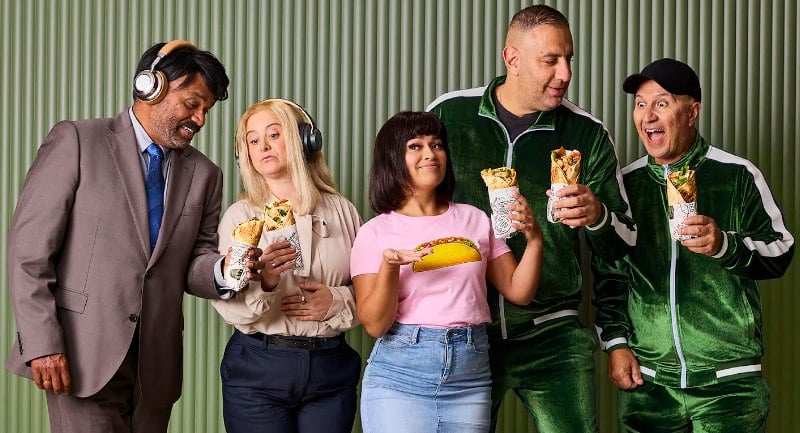
El Jannah has launched a new national campaign via Emotive, using familiar internet food identities to promote its new lunchtime offer.
The campaign, titled ‘Who Can Resist?’, asks a simple question: if some of pop culture’s most committed food loyalists can be converted to charcoal chicken, who can’t?
Created by independent creative agency Emotive and produced through Emotive Productions, the work supports the launch of El Jannah’s Legendary Lebanese Lunch. The new range includes fresh, made-to-order charcoal chicken rolls, served with chips and a drink for $14 in-restaurant until 4pm.
Internet food icons enter the lunch debate
The campaign leans into internet lore and nostalgia, casting characters known for their strong food associations.
They include the ‘Por Que No Los Dos?’ girl, the Fat Pizza guys, and the “Sushi Carol” duo, who are brought together in a chaotic lunch focus group.
Each arrives with a clear food identity. Each leaves converted to El Jannah.
The creative positions the brand’s charcoal chicken, fresh bread, salads and made-to-order format as a lunch option for Australians looking to break out of their usual routine.
El Jannah targets the lunch occasion
Adam Issa, Chief Marketing Officer at El Jannah, said lunch is one of the brand’s biggest growth opportunities.
“The Legendary Lebanese Lunch brings together everything El Jannah is known for; honest value, fresh real food, and Lebanese flavours that have built this brand over 28 years,” Issa said.
“We briefed Emotive to make that impossible to ignore, and they came back with an idea only El Jannah could pull off, taking the most die-hard food fans in pop culture and converting them to charcoal chicken.
“It’s confident, it’s distinctive, and it sits exactly where we want the brand to live.”
Jess Cluff, Head of Earned Creative at Emotive, said the campaign brought together food, meme culture and nostalgia.
“Charcoal chicken. Meme culture. And a sprinkle of nostalgia. My three favourite things in life coming together in just the most fun and entertaining way,” Cluff said.
“If these guys can get out of their lunchtime food ruts, then so can you.”
Social-first content built to travel
The campaign was developed and produced end to end by Emotive, with the agency handling both the idea and production process.
The rollout includes hero film, cutdowns and stills across film, social, earned and in-store channels.
The campaign is designed to drive trial and repeat visits during the lunch window, while giving the brand a content platform that can be sustained over time.
Top image: El Jannah’s ‘Who Can Resist?’ campaign
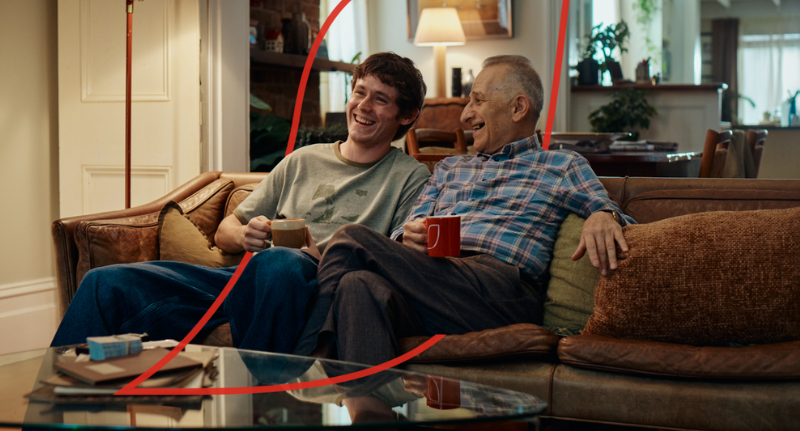
NESCAFÉ celebrates coffee moments that bring people together
NESCAFÉ has launched its first masterbrand campaign with Saatchi & Saatchi Australia, celebrating the small coffee moments that help people find common ground.
The campaign, Make your world, focuses on shared moments over coffee, from Blend 43 to Concentrates, and the role those everyday rituals play in bringing people together.
At a time when the world often focuses on what divides people, NESCAFÉ is turning its attention to the quiet moments that unite them.
The campaign’s hero film centres on a grandfather who keeps calling his grandson over to fix things that do not seem especially broken.
Between the quick repairs and the cups of coffee that follow, a deeper pattern emerges: the small requests are really invitations to connect.
The film positions coffee as a simple way into conversations, shared stories and generational connection.
NESCAFÉ on everyday rituals
Melissah Toomey, Head of Marketing, Beverages ANZ at Nestlé, said that sharing coffee remains a familiar way for Australians and New Zealanders to connect.
“The simple question of ‘coffee?’ is how Aussies and Kiwis have asked each other to spend time and connect with each other at home, and NESCAFÉ has been a huge part of that for over 80 years.
“NESCAFÉ offers a coffee for every occasion, but all those formats and styles have one common story – connecting people.
“The NESCAFÉ brand goes beyond a specific sachet or spoonful of Blend 43; it brings people together through everyday moments that feel genuinely meaningful.”
Saatchi & Saatchi on the idea
Avish Gordhan, CCO at Saatchi & Saatchi Australia, said the campaign finds emotion in small, familiar gestures.
“They’re discovered in the moments when we look to find common ground with another person.
“In this story, every ‘broken’ thing is really just a charming excuse to connect.
“That felt incredibly human and true to the role NESCAFÉ already plays in people’s lives.”
Campaign rollout
The integrated campaign was directed by Alyssa McLelland of FINCH, with the soundtrack composed by Helena Czajka of Mighty Sound.
It will roll out across screens, social and influencers from mid-May, with support from Herd MSL and OpenMind media.
Credits
NESCAFE/Nestle
General Manager NESTLÉ Beverages ANZ, Martin Brown
Head of Marketing NESTLÉ Beverages ANZ, Melissah Toomey
Marketing Manager, NESCAFÉ Masterbrand and PSC ANZ, Georgia Forde
Brand Manager, NESCAFÉ Masterbrand and Blend 43, Natalie Wubben
Director of Marketing Communications NESTLÉ Oceania, Anneliese Douglass
Head of Content, Marketing Communications NESTLÉ Oceania, Charleen Hughes
Production Manager, Marketing Communications NESTLÉ Oceania, Gwendolyn Jimenez
Media Manager, Marketing Communications NESTLÉ Oceania, Alice Duong
Consumer PR and Social Manager, Marketing Communications NESTLÉ Oceania, Emma
Wilson
Strategy, Creative & Production: Saatchi & Saatchi
Chief Creative Officer, Avish Gordhan
Managing Director, Toby Aldred
Creative Director, Michael Barnfield
Art Director, Paul Bruce & Ben Pearce
Copywriter, Dan Obey & Eric Franken
Head of Strategy, Tim Mottau
Strategist, Caitlin Alcock
Group Account Director, Claire Thompson
Account Director, Isabel Corlett
Account Executive, Sophie Stitt
Head of Operations, Lisa Houatchanthara
Creative Services Project Manager, Kristen Izatt
Media: OpenMind
Jacqui Purcell, Managing Director
Lou Blackwood, Media Planner
Linda Smyth, Media Strategist
Harpreet Chalal, Head of Implementation & Activation
Shahbaz Khatri, Group Director Implementation & Activation
Tanya Delmege, Implementation & Activation Director
Liam Farrington, Implementation & Activation Assoc Manager
Production Company: FINCH
Alyssa McLelland, Director
Kate Menzies, Executive Producer
The Editors, Post House
Music & Sound: Mighty Sound
Composer, Helena Czajka
Sound Designer, Matt Perrott ASSG
Sound Editors. Renee Park & Paul Reeves
Sound Post Producer. Kristen Settinelli
Social & Influencer: Herd MSL
Stills: Toby Burrows
Top image: NESCAFÉ