
Thursday December 18, 2025
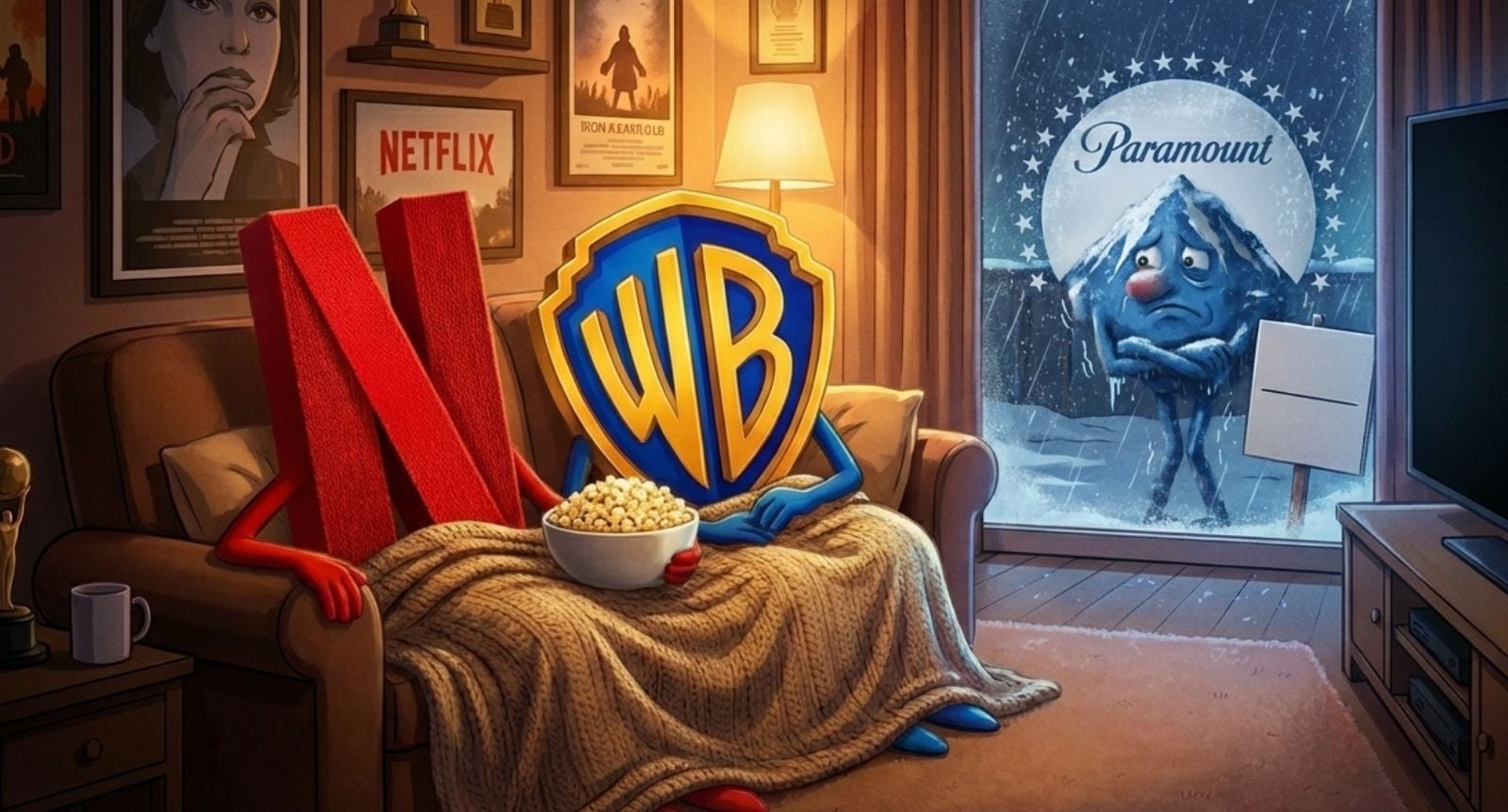
Netflix & Chill: WBD locks out Paramount’s hostile advance
If corporate mergers were a season of The Bachelor, Warner Bros. Discovery just denied Paramount a rose in the most dramatic fashion possible.
While the rest of the industry braces for consolidation, David Zaslav seems intent on engineering the most complex breakup in media history.
As of December 18, the takeover battle has officially shifted from the boardroom to the trenches.
According to a filing with the US Securities and Exchange Commission (SEC) late yesterday, the WBD Board of Directors unanimously rejected Paramount Skydance’s hostile advance.
In a formal response to the unsolicited US$108.4 billion tender offer, the board urged shareholders to ignore the cash dangling before them and stick with the ‘superior’ merger agreement signed with Netflix earlier this month.
The ‘Illusory’ billions
The rejection letter was blunt. The WBD Board, led by Chair Samuel A. Di Piazza Jr., labelled the Paramount offer inadequate and ‘illusory’ in a press statement released alongside the filing.
At the heart of this rejection lies a dispute over the quality of the money involved. Paramount has put a headline offer of US$30 per share on the table.
While this technically beats the implied value of roughly US$27.75 for the Netflix deal, the WBD board does not buy the financing.
The Wall Street Journal reports that the Board views the ‘full backstop’ promised by the Ellison family as an ‘opaque revocable trust’ rather than a secured commitment.
In plain English, WBD suggests the money might not actually be there when the cheque clears. They claim this trust fund structure poses too much risk compared to the relative certainty of Netflix stock.
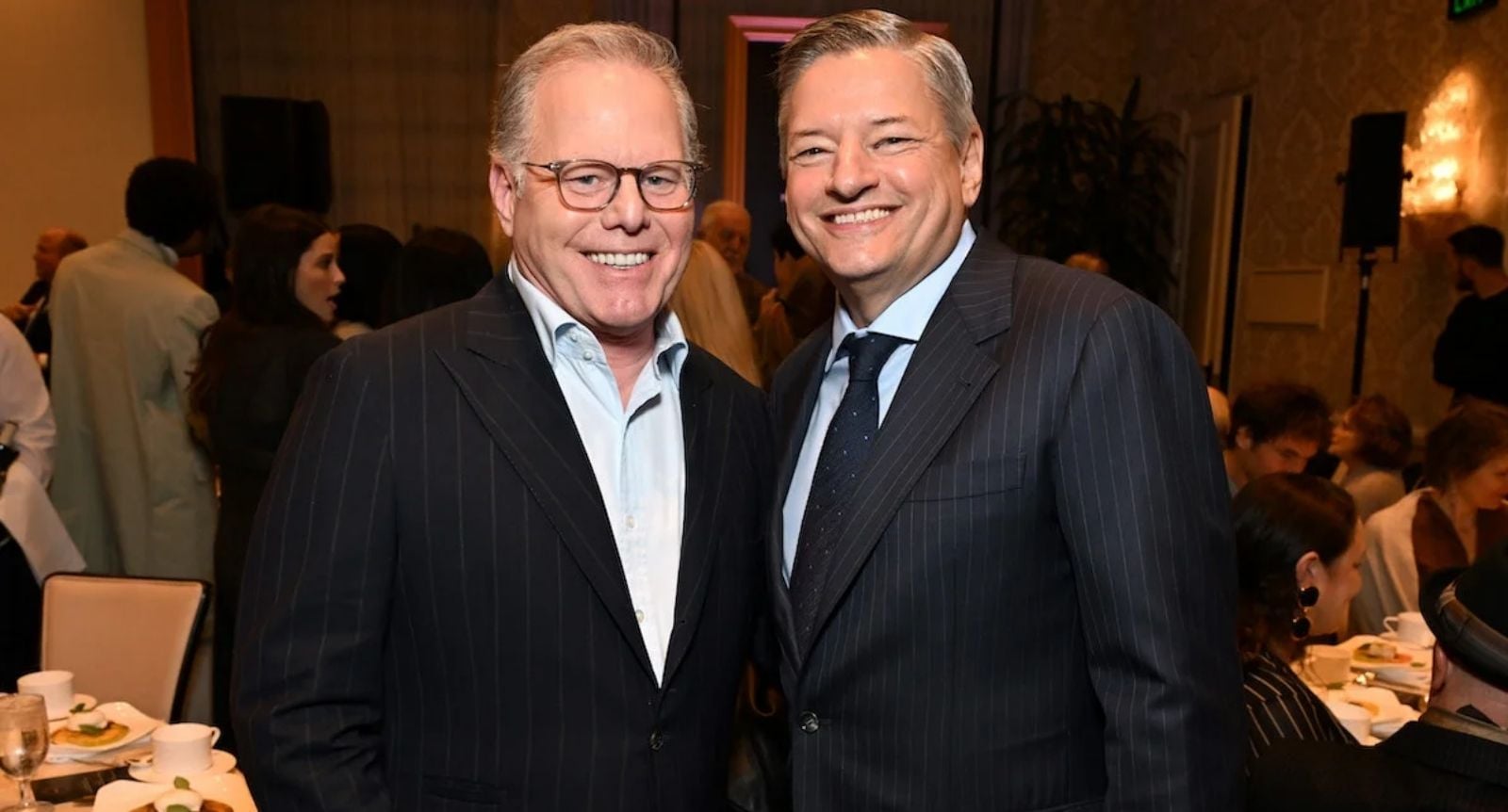
Netflix and chill? David Zaslov and Ted Sarandos are keeping close
Netflix breaks it up
The board is instead doubling down on the deal they signed on 5 December.
This agreement is a complex piece of corporate origami that involves splitting WBD in two. Netflix would absorb the crown jewels by acquiring the Warner Bros. film and TV studios, as well as the HBO library.
Meanwhile, the plan spins off the linear TV assets into a new public entity dubbed ‘Discovery Global.’ It is a strategy that effectively says, “We will take the premium content, you keep the declining cable revenue.”
The hostile alternative
Paramount Skydance wants the whole pie.
Their hostile bid appeals directly to shareholders with an all-cash offer that avoids the messiness of spinning off a new company.
They argue their deal provides immediate liquidity and sidesteps the regulatory nightmare of combining the two biggest premium streamers in the world.
They have a point. Analysts at Bloomberg noted earlier this week that a Netflix-HBO combination will almost certainly face a buzzsaw of antitrust review in Washington and Brussels.
Washington fears Netflix will underpay writers because it lacks competition.
Brussels fears Netflix will overcharge consumers for the same reason.
Both have the power to sue to block the deal, which could lead to years of purgatory in court.
Essentially, Netflix plus WBD looks like a regulatory red light as it creates a titan. Paramount plus WBD looks like a yellow one because two smaller giants lean on each other to survive.
Paramount argues its path to approval is smoother, potentially aided by the Ellison family’s political connections.
What happens next?
The ball is now in the court of WBD shareholders.
They must decide whether to trust their board’s preference for a strategic marriage with Netflix or grab the US cash Paramount is waving from the sidelines.
Market volatility suggests investors are torn between the ‘safer’ Netflix deal and the higher-priced, yet riskier, Paramount bid. For now, Zaslav and the board have made their choice.
Whether the shareholders agree is the billion-dollar question.
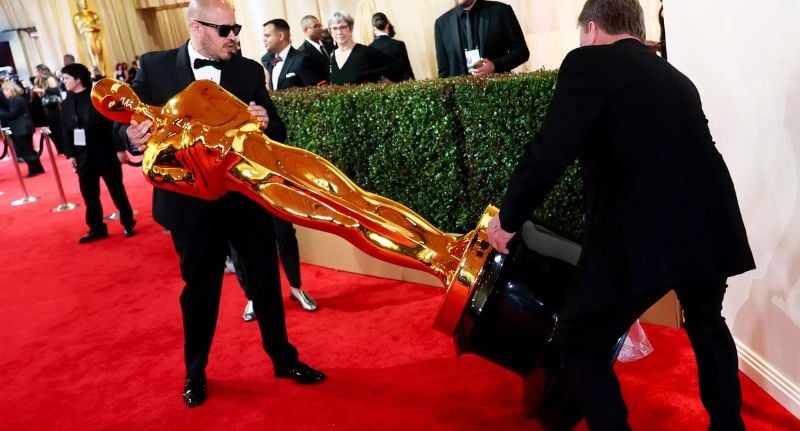
YouTube wins Oscars rights from 2029 as ABC era ends after 2028
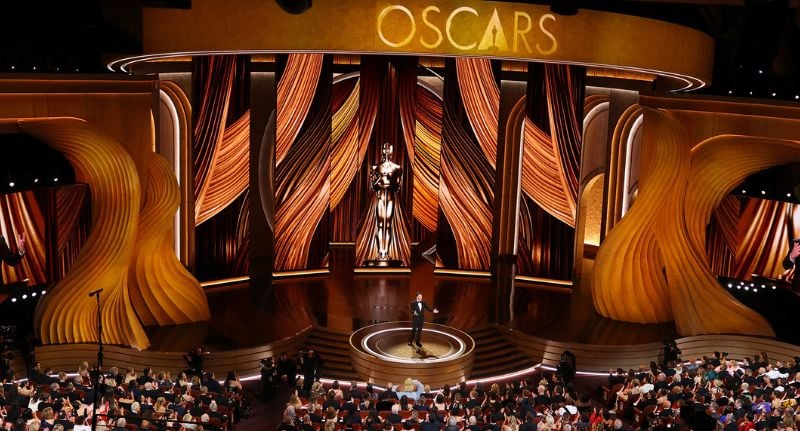
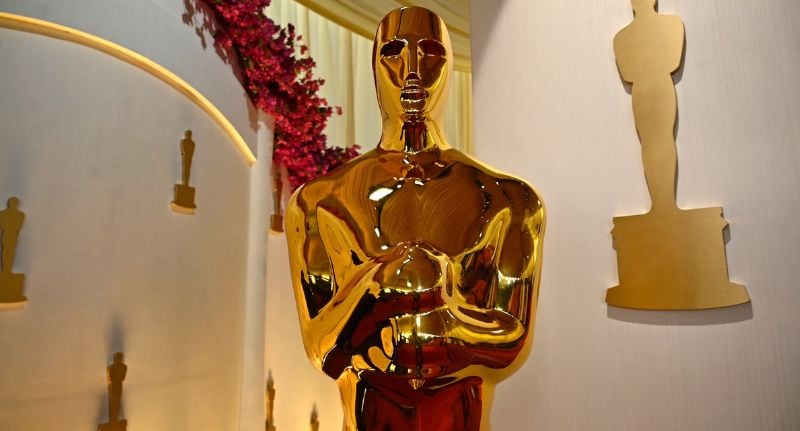
The Oscars are officially on the move, with YouTube winning the rights to host the Academy Awards from 2029 in a deal that runs through 2033.
That means ABC, the one in the US, the ceremony’s long-time broadcast home since 1976, gets three more telecasts before the handover, including the show’s centennial celebration in 2028.
Starting with the 101st ceremony in 2029, YouTube will stream the Oscars live and for free globally, with the red carpet, behind-the-scenes access and Governors Ball coverage all part of the package.
The pact also goes well beyond one night, bundling in year-round Academy programming, including the Governors Awards, nominations announcement, nominee events, the Student Academy Awards, Scientific and Technical Awards, member and filmmaker interviews, film education programs, and podcasts.
What it means for Australian audiences
Closer to home, the Oscars aren’t going anywhere just yet.
Seven has an agreement with Disney Entertainment, locking in exclusive Australian broadcast rights through to 2028.
That keeps the ceremony firmly on Seven and 7plus for the next three years, covering the 97th Oscars on Sunday, 2 March 2025, plus the 2026, 2027 and centennial 100th ceremony in 2028.
It will be interesting to see whether Seven – or any of the other local networks – opts to carry or simulcast the show once it lands on YouTube.
A streaming flex, not just a rights deal
For YouTube, it’s a statement play: premium, appointment-viewing television, now natively digital and worldwide by default.
YouTube CEO Neal Mohan framed it as both legacy and future-building: “The Oscars are one of our essential cultural institutions, honouring excellence in storytelling and artistry,” he said.
“Partnering with the Academy to bring this celebration of art and entertainment to viewers all over the world will inspire a new generation of creativity and film lovers while staying true to the Oscars’ storied legacy.”
It’s also a neat illustration of where live-event value is heading.
Streamers and platforms have been scooping up tentpoles to anchor culture and conversation, with Netflix already holding the SAG Awards, recently rebranded as The Actors Awards for 2026.
And with younger audiences increasingly watching on phones and laptops, the Oscars’ distribution strategy is starting to look like it’s finally following the audience, rather than pleading with it.
ABC’s goodbye, with polite teeth
On paper, losing the Oscars looks like a blow for ABC.
In practice, insiders suggest it may feel like a release valve, particularly if the Academy’s price expectations didn’t align with the commercial reality of a modern awards show, even one Disney has worked hard to modernise.
ABC’s message, though, stayed diplomatic: “ABC has been the proud home to The Oscars for more than half a century. We look forward to the next three telecasts, including the show’s centennial celebration in 2028, and wish the Academy of Motion Picture Arts and Sciences continued success,” an ABC Entertainment spokeswoman said.
The Academy, meanwhile, positioned the move as global reach meets platform scale.
Academy CEO Bill Kramer and Academy President Lynette Howell Taylor said: “We are thrilled to enter into a multifaceted global partnership with YouTube to be the future home of the Oscars and our year-round Academy programming,” adding, “The Academy is an international organisation, and this partnership will allow us to expand access to the work of the Academy to the largest worldwide audience possible – which will be beneficial for our Academy members and the film community.
“This collaboration will leverage YouTube’s vast reach and infuse the Oscars and other Academy programming with innovative opportunities for engagement while honouring our legacy. We will be able to celebrate cinema, inspire new generations of filmmakers and provide access to our film history on an unprecedented global scale.”
Why this matters right now
This isn’t happening in a vacuum.
Hollywood’s dealing with production cuts, shifting economics, and the constant churn of deals, mergers and rival bids.
In that environment, the Oscars landing on YouTube reads less like a quirky one-off and more like a flashing arrow: if you want mass reach, global distribution, and younger viewing behaviour baked in, the “TV home” of the future might not be TV at all.
‘The barriers got too big’: why Triple M’s Pilot Week is a reset for radio
Triple M has always traded on familiarity. Big voices. Big personalities. Big habit.
But for this week, the network has deliberately stepped away from the known and let the unknown take the mic.
Its first-ever Pilot Week threw the studio doors open to everyday Australians with a breakfast show idea, inviting them to pitch not a podcast or a social channel, but proper, old-school radio.
The response was immediate and overwhelming, with applications flooding in from across the country and a final Top 10 shortlist emerging.
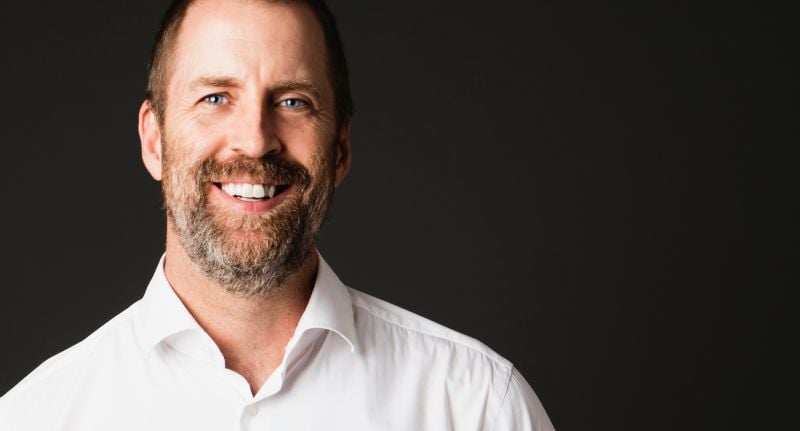
For Triple M Melbourne content director Jay Mueller, Pilot Week was about rewinding the industry’s thinking – and lowering the drawbridge.
“So when I was thinking about radio, we really wanted to find a way to uncover new talent and find new voices for not only Triple M specifically, but radio in general,” Mueller told Mediaweek.
“And acknowledging that, you know, Lou and Jarch worked for commercial radio and then had to leave to build an audience in order to be noticed and come back to commercial radio.”
That journey – leave, build elsewhere, then return – helped spark a bigger question.
“When Lou and Jarch joined, it was a really exciting time for Triple M,” Mueller said. “And it just sort of like, well, who else is out there who wants to do radio?”
Breaking the pipeline – on purpose
Pilot Week wasn’t designed as a casting call. It was a deliberate experiment.
The finalists span ages, backgrounds and experience levels – from first-time audio creators to established regional announcers. There’s an AFL Norm Smith medallist in the mix, alongside comedians, content creators and people stepping behind a microphone for the very first time.
Mueller says that diversity was the point.
“If you’re a creative person in Australia right now, you might be tempted to focus on podcasts or videos, YouTube, social media, all of that,” he said.
“We wanted to make sure that we put our hand up to say, hey, this is still something that can be really fulfilling and really exciting, and you should consider it.”
Behind the scenes, applications were assessed by SCA’s senior content leadership – chaired by Mueller, with oversight from SCA head of content Matthew O’Reilly, metro and regional content directors and senior executives.
Chemistry, storytelling and fit with Triple M’s entertainment DNA mattered more than polish. Because polish, Mueller admits, has often been radio’s problem.
“We made it hard as an industry. We made the barriers to entry too big,” he said.
“Some people just started going, well, you know what, I don’t need a radio studio, I’ve got my phone.”
Pilot Week, then, was about pulling radio back into the conversation – not as a relic, but as a living medium.
“There’s still a massive audience listening to the radio,” Mueller said. “It is still a direct way to reach somebody where they are living their life.”
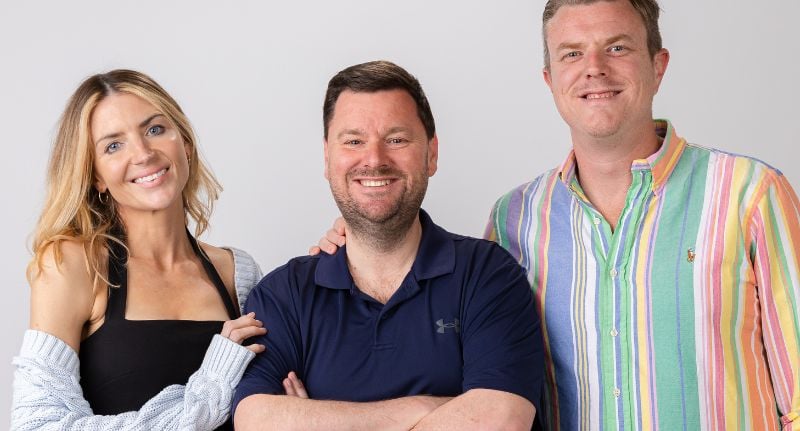
Jean Margaret, Tim Mountford and Mark Pepper.
Jean Margaret’s long way back to the mic
Jean Margaret didn’t take the direct route into radio. She took the sensible one – law, stability, a decade in the workforce – and parked the dream somewhere in the background.
“I did that for 10 years,” she said of her legal career. “I fell into the area of law that suited my personality, because I wasn’t in a law firm where I had to bill hours. And I was amongst our working construction unions.”
There were parts of the job she genuinely loved. The people. The conversations. The cut and thrust of ideas.
“My favourite part, honestly, about the law was the banter I had in the office with the colourful people and the intellectual discussions I had with my lawyer colleagues,” she said. “So just the talking and the presenting in court.”
But everything else chipped away at the spark.
“The rest is just paperwork. And I hate paperwork,” Margaret said. “It just wasn’t giving me the fire in my belly that I wanted.”
Radio, meanwhile, never really left her. It sat in the muscle memory of daily life – a constant companion rather than a career path.
“I remember getting ready for school every morning with Hughesy & Kate in my bedroom,” she said. “And then we’d get in the car, and then we’d listen to Jon Faine on the ABC.”
Triple M’s Pilot Week gave her the nudge she’d been waiting for.
“I’m like, I’m out. I want to do something that I’ve always wanted to do,” she said.
She’s now wrapped her Pilot Week show alongside Tim Mountford and Mark Pepper, discovering chemistry the way radio always has – by turning the microphones on and seeing what happens.
“Through this process, we’re the only ones that have been thrown together,” Margaret said. “I’m finding out things about these guys that I love.”

Not a finish line – a starting gun
For Mueller, the week isn’t about crowning winners or fast-tracking replacements. It’s about visibility.
“This is an opportunity to go, here are these interesting, talented, fun people that deserve your time and your attention,” he said.
“We forget that there are actually real opportunities and value in what’s already there.”
And the ambition goes beyond Triple M.
“I think that it’s a great opportunity for the industry if everybody is paying attention to Pilot Week,” Mueller said. “Because they’re going to hear six incredible shows.”
For Margaret, the stakes are simpler and more personal. “I think they’ll be entertained and have a laugh,” she said. “I think we’re relatable.”
Pilot Week may only run for a few days. But for radio, and for people who once thought that door’s probably closed, it’s opened something much bigger.
As Mueller puts it: “The end result will hopefully be the beginning of something great.
Marketing budgets are shrinking and AI is the last line of defence
Australia’s advertising market is tightening, leaving marketers under growing pressure to prove ROI, reduce wastage and justify every media dollar.
The Trade Desk inventory partnerships director, Ashton De Santis, believes AI-driven media buying and a more transparent ecosystem will shape how brands navigate 2026.
From experimental to essential
“From retail data to attention metrics, advertisers have a huge amount of insight to inform smart, targeted campaigns across multiple digital channels,” De Santis told Mediaweek.
“Layering AI on top of this data further supercharges marketers’ ability to reduce wastage and buy media with precision and impact.”
He said marketers’ growing confidence in AI will accelerate adoption, with the technology becoming embedded into every stage of the workflow.
“Tools once seen as technical add-ons will become essential for planning, optimisation and demonstrating clear business outcomes,” he said.
“The most successful advertisers will pair strong first-party data strategies with transparent, AI-driven media-buying platforms that deliver real-time optimisation and measurable ROI.”

Predictive decisioning reshapes planning
De Santis expects more advertisers to move from reactive, post-campaign analysis toward predictive decisioning.
“AI will increasingly help marketers understand likely outcomes before investment is committed, bringing intelligence earlier into planning and activation, not just optimisation,” he said.
“As the ecosystem becomes more open and privacy-forward, AI will sit closer to strategy, with humans firmly in the loop guiding outcomes.”
He urged marketers to focus on tangible business outcomes with actual impact on the bottom line.
“When budgets are tight, it’s tempting to chase the cheapest inventory or obsess over vanity metrics, but that’s not where true ROI comes from,” he said.
“If brands have the data and the ability to optimise with AI, they should measure success against real actions like purchases, test drives, or brand lift.”
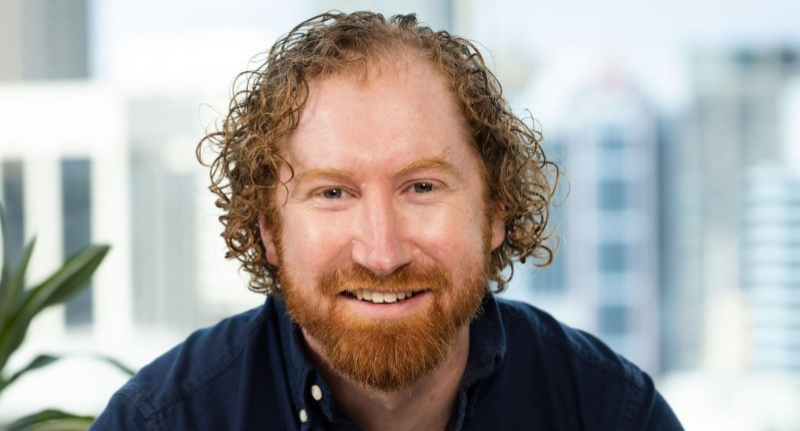
Ashton De Santis
Premium media becomes more efficient
De Santis predicted that 2026 will see cleaner supply paths and that biddable trading will unlock greater efficiency for advertisers.
“Australia’s premium media ecosystem is poised for a meaningful shift, and 2026 is likely to be the year advertisers feel the upside,” he said.
“As premium environments become increasingly accessible through cleaner supply paths, marketers can expect greater addressability and stronger performance.”
He noted that fixed-price deals have primarily been replaced by transparent auctions, making premium inventory easier to buy, optimise and measure in markets like Australia and New Zealand.
“As supply path optimisation directs spend toward cleaner, more direct routes, advertisers gain stronger CPM efficiency, improved recall and more meaningful brand lift,” he said.
“In 2026, premium environments won’t just be safer, they’ll be among the most efficient, effective and performance-driven places for brands to invest.”
Why strong data matters
De Santis addressed a common misconception that AI in media buying is still largely rules-based automation.
“Today’s most advanced media-buying platforms use machine learning to continuously adapt bidding, pacing, creative rotation and audience strategies in real time, based on millions of signals across the open internet,” he said.
“AI does not fix poor data; it amplifies whatever it is given. High-quality, consented data leads to better outcomes, while low-quality data scales inefficiency faster.”
He added that efficiency isn’t about buying the cheapest media; it’s about investing where it delivers the strongest results, even if the upfront cost is higher.
“That could be reaching the right audience in premium environments from BVOD, streaming audio platforms to trusted news sites, rather than simply the cheapest placement,” he said.
“By valuing inventory based on the outcomes it delivers, not just its cost, marketers can make every dollar count even in a tighter budget environment.”
Practical advice for marketers
For advertisers just starting to adopt AI-driven strategies, clean, consented, well-governed and accessible first-party data is essential.
“AI cannot correct weak foundations; it simply magnifies them,” De Santis explained.
“It is also helpful to think of AI not as a single feature, but as an organisational capability. Successful adoption requires collaboration across marketing, data, and technology teams, along with a clear test-and-learn framework to measure impact and continuously improve.”
Cautious advertisers should start small and be rigorous about measurement.
“Prove value with one AI-assisted optimisation, one predictive model or one clean room use case, then scale based on real results,” he said.
“Ignore the hype. AI will not replace experienced marketers. The greatest returns will come from teams that know how to guide AI, challenge its outputs and apply human judgment, treating AI as a co-pilot rather than an autopilot.”

James Cameron and Disney sued over fresh Avatar copyright claims
James Cameron and Walt Disney Co. are facing a renewed legal fight over the Avatar franchise, with a US federal lawsuit alleging the 2022 blockbuster Avatar: The Way of Water infringed a writer’s copyright – and raising the stakes just days out from the release of the third film.
Filed Monday in the US District Court for the Central District of California, the complaint claims Cameron and Disney copied elements from the science fiction story KRZ, written by 3D animator Eric Ryder.
Now Ryder claims Cameron and Disney infused even more of that material into the second Avatar instalment, after earlier claims over the original film were dismissed.
Ryder previously sued over 2009’s Avatar, but a California state court found Cameron had created the film before Ryder submitted his work to Cameron’s Lightstorm Entertainment.
This time, Ryder is arguing that the alleged copying is new and specific to The Way of Water.
“This action is not an attempt to relitigate prior claims,” the new lawsuit said. “It challenges new acts of copying that occur for the first time in Avatar 2.”
According to the complaint, Cameron and Disney attempted to buy Ryder’s rights to KRZ after successfully defeating his earlier fraud and breach-of-contract claims.
Ryder alleges that additional elements of his story were then incorporated into the 2022 sequel, including character structures, themes and core plot devices.

What’s allegedly been copied
The lawsuit points to similarities between KRZ and the Avatar universe, including “anthropomorphic beings, a vast oceanic setting, and a sinister, Earth-based corporation engaging in environmentally harmful mining operations on the moon of a gas giant planet called Europa.”
Ryder also claims The Way of Water introduced a critical plot point lifted directly from KRZ: “the harvesting of an animal-based substance that, when refined, can extend human life.”
“While this animal-based, life-extending substance is just one of many examples of infringing content in Avatar 2, its use as a foundational plot device is central to Defendants’ appropriation,” the lawsuit said.
Ryder is seeking at least US$500 million in damages and a court order blocking the release of the third Avatar film, Fire and Ash, which is scheduled to open in US cinemas on Friday.
Disney and Cameron yet to respond
Spokespeople for Disney and Lightstorm did not immediately respond to requests for comment on the complaint.
Ryder’s attorney, Daniel Saunders, did not mince words, saying: “The defendants’ alleged misappropriation and downright theft of Mr Ryder’s protected creative work to create the third highest-grossing movie of all time is blatant and egregious, and it cries out for compensation.”
For Disney, the timing is awkward.
Avatar remains one of the studio’s most valuable cinematic franchises, with the second film delivering a global box-office haul of over US$2.3 billion and playing a significant role in the post-pandemic cinema recovery – including in Australia, where the franchise has consistently ranked among the highest-grossing releases of all time.
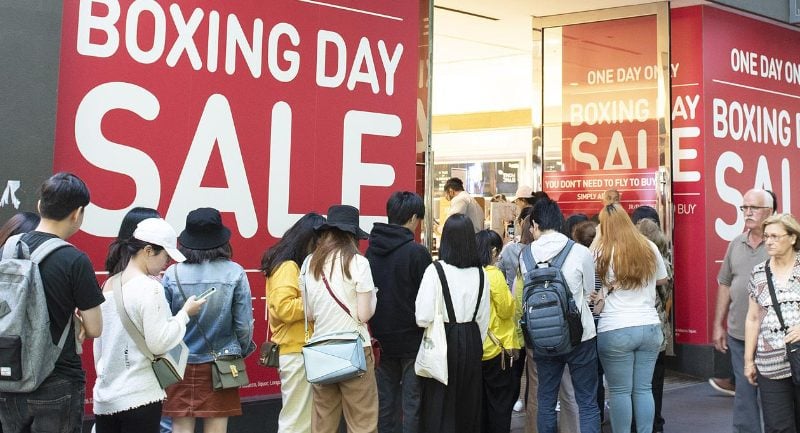
Dodgy discounts: ACCC warns retailers ahead of Boxing Day sales
The Australian Competition and Consumer Commission has warned major retailers to ensure Boxing Day sales advertising does not mislead or deceive consumers, writing to a number of large retailers ahead of the peak sales period.
The warning follows a recent ACCC sweep of Black Friday sales, which identified ongoing concerns with how some discounts and promotions are being presented to shoppers.
Initial findings suggest some retailers are still using potentially misleading tactics, including countdown timers that do not reflect the true duration of a sale and promotions that overstate the breadth or size of discounts available.

Example of an ‘Up to’ X% off claim, where ‘up to’ text is easily missed by consumers.
Catriona Lowe, Deputy Chair of the ACCC, said retailers must ensure any sales or discount claims made during Boxing Day are accurate, clear and not likely to mislead consumers.
“We are concerned that despite many warnings, some retailers are still using a range of tactics to misrepresent the size or scope of discounts and the duration of sales,” Lowe said.
The regulator said misleading pricing practices remain a compliance and enforcement priority, with the ACCC continuing to closely monitor sales claims, particularly from large retailers.

Example of the use of a countdown time which, if not accurate, can create a false sense of urgency.
Retailers have been urged to review the ACCC’s guidance on advertising and promotions to ensure they comply with the Australian Consumer Law. Lowe warned the commission would not hesitate to take enforcement action where breaches are identified.
The ACCC also issued advice to consumers, encouraging shoppers to be cautious of broad discount claims and to look closely at exclusions, conditions and disclaimers.
“Focus on the final price, not the advertised discount, to assess whether you are getting a good deal,” Lowe said, particularly for higher-value purchases during major sales events.

Example of a retailer that advertises a ‘sitewide’ sale when in fact there are a range of products which are excluded from the sale.
Common practices flagged by the ACCC as potentially misleading include claims of site-wide sales with exclusions, ‘up to’ discounts that apply to only a small number of products, and ‘was/now’ pricing that does not reflect genuine previous prices.
In 2024, a similar ACCC sweep during the Black Friday and Boxing Day period led to investigations into several retailers. In June 2025, Michael Hill, MyHouse and Hairhouse Online paid penalties over alleged false and misleading Black Friday sales claims.
The ACCC encouraged consumers to report potentially misleading sales representations via its website, where images and detailed information can be submitted.

humann appointed Sydney Royal Easter Show communications partner
humann. Communications has been appointed as the new communications partner for the Sydney Royal Easter Show, following a competitive multi-agency pitch.
The independent agency will act as press office and creative activation partner, leading an integrated PR program to strengthen the Show’s cultural relevance and reach new and younger audiences.
The partnership commenced in October and will focus on earned storytelling, cultural relevance and audience growth, while maintaining the event’s long-standing heritage.
Operated by the Royal Agricultural Society of NSW, the Sydney Royal Easter Show attracts more than 850,000 visitors each year and delivers over $460 million in economic benefit to New South Wales.
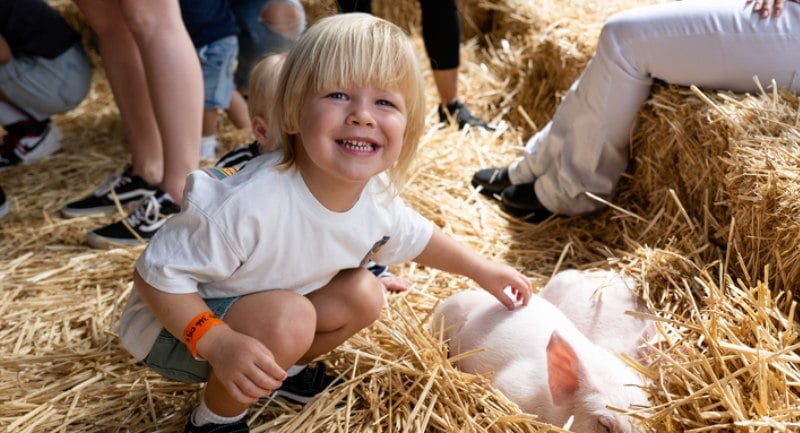
Frances Jewell, Head of Marketing at the Royal Agricultural Society of NSW, said the organisation was looking to modernise how it tells its stories at the Show.
“The Show holds so many amazing stories, memories and legacies for Australians, both regionally and in Sydney,” Jewell said. “humann.’s strategy and creative approach challenged us in the right way… showing us how earned media and cultural storytelling can help us future-proof the Show.”
She added that the agency’s understanding of the Show’s heritage, combined with consumer, agribusiness and events capability, made it the right fit for the next phase.
Seon Peberdy, General Manager at humann., said the agency was focused on balancing modern communications with the event’s history.
“The Sydney Royal Easter Show is a true Australian icon, woven into childhood memories, family traditions and our national story,” Peberdy said. “Our role is to bring modern earned storytelling that builds relevance for today’s audiences while honouring the 200-year spirit at the heart of the Show.”
Headquartered in Sydney, humann. works across earned media, influencer, social, content, corporate communications and events, with clients including Wesfarmers, Lactalis, Shark Beauty, Bumble, Westinghouse, Electrolux and Pepper Money.
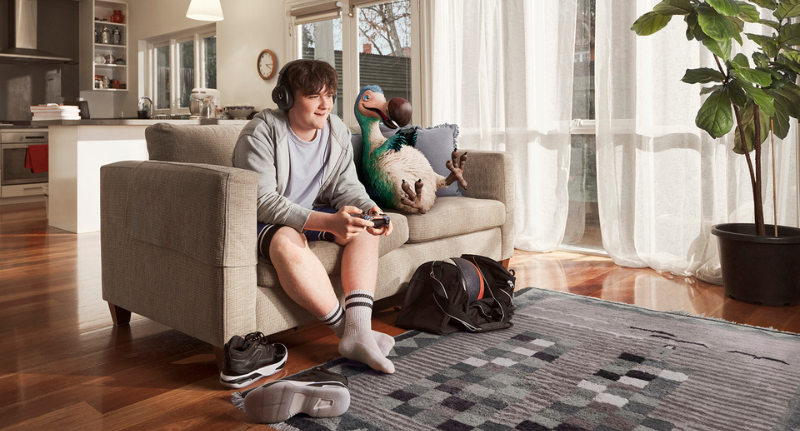
Dodo Australia unveils No Regret Internet via ATime&Place
Dodo Australia has launched the next instalment of its Dodo Next Door campaign via ATime&Place to help Australians make sense of the nbn speed upgrade.
In Dodo’s No Regret Internet, Dodo steps into his neighbours’ home, braving the wrath of their dog Hercules to find out what the family is looking for when it comes to their nbn needs and guide them to choose the right internet plan.
It comes as many Australians are bombarded with information around the nbn speed upgrade, which was rolled out from October.
The fully integrated campaign spans TV, online, outdoor, radio, PR, print, owned channels and affiliates.
“We’re evolving Dodo’s world by dropping him into ours,” said ATime&Place ECD Charles Baylis.
“As an everyday Aussie, he shows just how simple choosing the right internet can be: fast enough to game, easy on the wallet, and reliable enough that your excuse for going ‘camera-off’ on Teams meetings is officially gone… sorry about that last one.”
Dodo general manager consumer marketing Tony Timpanaro said that with so much noise around fibre upgrades, speed changes and tech types, Australians are still ultimately seeking fast speeds, reliability and value from their internet.
“No Regret Internet is built around that idea, with the aim to help people understand what they need and give them confidence to switch. It is everything customers want and nothing they will regret,” he said.
Credits:
Client: Dodo Australia General Manager
Consumer Marketing: Tony Timpanaro
Head of Brand and Integrated Marketing: David Albon
Marketing Manager: Nicole Cann
Marketing Specialist: Cienna Anderson
Lead Designer: Ben Stafford
Graphic Designer: Thomas Ikraan
Agency: ATime&Place
Chief Creative Officer: Matt Lawson
Executive Creative Director: Charles Baylis
Creative: Andy Matthews
CEO: Adrian Mills
General Manager: Britt Rigoni
Account Manager: Evelyn Dalton
Head of Broadcast: Marlese Byfield
Senior Producer: Christina Dess
Production Company: Sedona Productions
Managing Director / Line Producer: Kim Wildenburg
Director: Ben Saunders & Will Horne
Stills Photographer: Tom Franks
DOP: Simon Walsh
Production Manager: Jess Junor
Postproduction: Sedona Productions
On-line editor: Andy Stalph
Post Producer: Clare Lehner
Off-line editor: Adrian Katz
Colourist: Martin Greer 3D
Creative Director: Nick Lines
Sound Studio: Bang Bang Studios
Sound Engineer: Sam Hopgood
Sound Executive Producer: Polly McGregor
This industry holds power. What we choose to do with it matters
Philippa Moig, CEO, UnLtd
Six months into this role, and I still struggle to find the words for how much this has changed me. I came into UnLtd with a full heart and a deep sense of responsibility – but nothing prepares you for the moments, the people and the stories you meet along the way.
From Armidale to Lake Cargelligo to Dubbo, something shifts when you sit with young people who’ve lived through more than most adults ever will – trauma, homelessness, grief, violence, survival.
And yet… They laugh. They create. They try again. They show courage on days most of us wouldn’t get out of bed.
They are funny, cheeky, brilliant and full of potential – even when the world has given them every reason to doubt it.
What I’ve witnessed is extraordinary: charity leaders wrapping around young people with the BackTrack spirit of “whatever it takes, for as long as it takes.” No judgement. Just safety, structure, consistency and opportunity.
I’ve watched kids find housing, gain independence, reconnect with culture, write music, weld, farm, build mental-fitness tools and rediscover their confidence. I’ve seen kindness change the trajectory of a life.
Most of all, I’ve seen the power of belief.
A young person’s life can shift because one person chooses to stay, to show up again and again, to see potential long before they can see it themselves.
These kids never needed fixing. They needed a fair start. They needed someone who wouldn’t give up on them.
And then there’s this industry…
This industry, our industry, continues to blow me away.
There is no UnLtd without you. We exist because you care, because you show up, because you believe young people doing it tough deserve the same chance to thrive as anyone else.
Over countless yarns with leaders, creatives, planners, founders and newcomers, one thing has stood out: heart. Even in a challenging year, the generosity, passion and instinct to help have never wavered.
And here’s the truth: We hold enormous power – cultural, storytelling, platform power.
It is a privilege. And we have a responsibility to use it well.
And you have used it well.
You’ve leaned into the complex issues – youth mental health, homelessness, violence, grooming, incarceration – raising awareness where silence used to live. You’ve opened doors and created opportunities that wouldn’t exist without this community.
Every introduction, every volunteer hour, every conversation, every idea – it all matters. More than you know. We can’t do any of this without you. Your belief powers the impact.
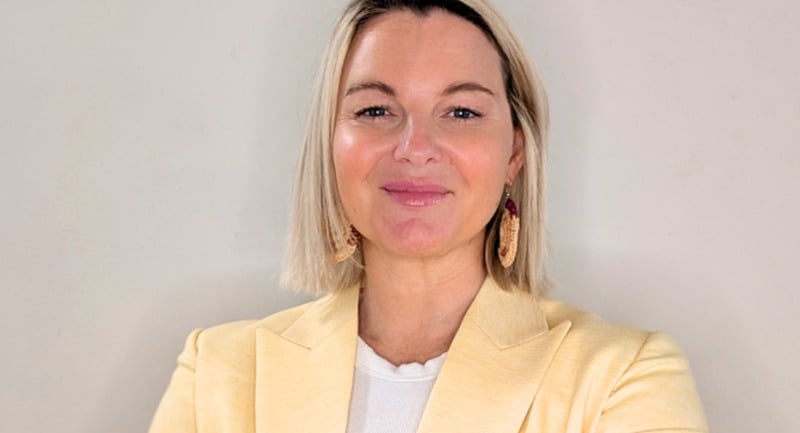
Philippa Moig
Looking to 2026
When I think about next year, I think about connection.
Walking together – industry, charities and communities – in a way that truly honours the young people at the centre of all this.
What excites me is bringing us even closer: more moments where you feel the impact firsthand, more chances to learn from the strength of these kids, more space for your ideas, perspectives and magic.
Because the biggest shifts don’t come from grand gestures, they come from the small moments.
The shoulder tap. The “yes, I can help.”
The idea that becomes life-changing for a young person.
2026 is about rising together.
So please keep leaning in. Keep reaching out. Keep believing in what we can do collectively.
Your creativity, your humanity, your care – they change lives. I’ve seen it. I’ve felt it. I believe in it.
These six months have reminded me why this is one of the most powerful communities in the country – not because of budgets or awards, but because of the heart of the people inside it.
Here’s to the kids we stand beside. Here’s to the charity partners who give everything, every day. Here’s to you, the industry that makes this all possible. Here’s to 2026 – a year of connection, courage and impact.
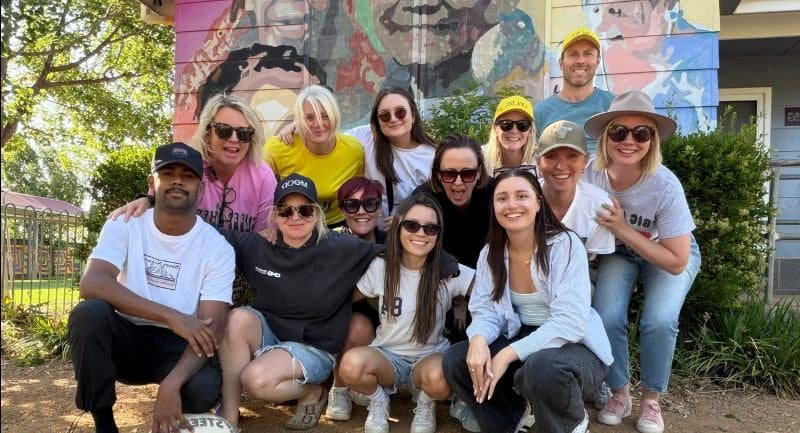
Main image: UnLtd Team at LeaderLife in Dubbo
The Salvos Carols in the Domain returns with tribute and togetherness
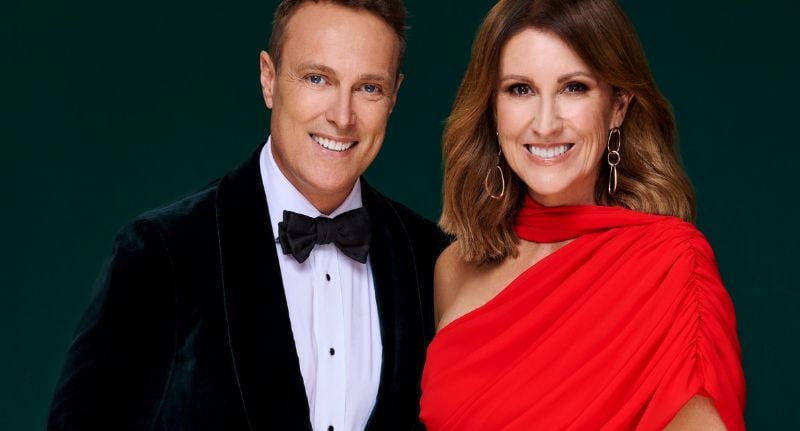
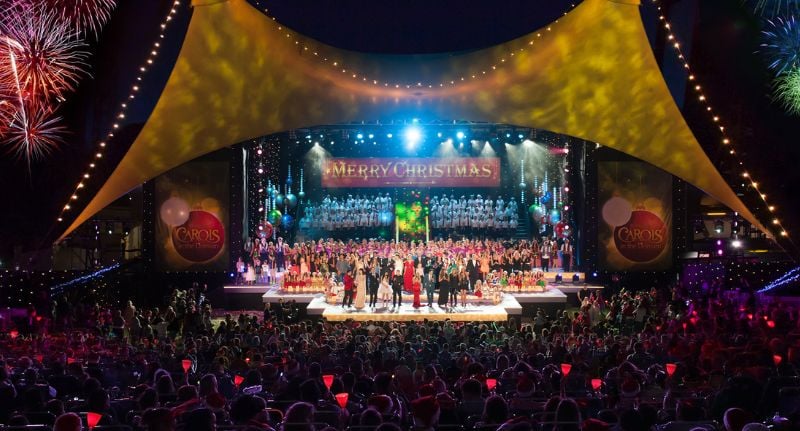
One of Sydney’s most cherished Christmas traditions, The Salvos Carols in the Domain, returns this Saturday, 20 December, broadcasting live from 8.00pm on Seven and 7plus, with Natalie Barr and Matt Shirvington at the helm.
But this year’s event carries a deeper emotional weight.
Following the tragic events at Bondi Beach last Sunday, the 2025 Carols will include a special moment of reflection, with the traditional candle lighting ceremony adapted to honour the victims, alongside several songs dedicated to those lost.
A night of music and meaning
For more than four decades, Carols in the Domain has been a marker of joy, ritual and family tradition. This year, it also became a space for a collective pause.
Barr said the significance of the night has shifted in the wake of recent events.
“After such a deeply challenging time for so many Australians, and with the heartbreaking loss of innocent lives still fresh in our minds, this year’s event feels more important than ever,” she said.
“It’s a chance for us to pause, to honour those we’ve lost, and to stand together as a community, whether in the Domain or at home, for a night of reflection and the enduring spirit of Christmas.”
Shirvington echoed the sentiment, describing the event as a symbol of the city’s resilience.
“The Salvos Carols in the Domain has always been a night of joy and tradition, but this year it’s a powerful symbol of resilience,” he said.
“Sydney is a city that rallies together, and this event is our chance to show that spirit through music. It’s about reminding ourselves that even in tough times, we can create moments of hope and connection.”
A historic first for the event
This year also marks a milestone moment in the event’s 43-year history, with The Salvation Army joining as the official naming partner for the first time.
Executive Producer Michael McKay said the partnership reflects the role the event plays beyond entertainment.
“In times of tragedy, Carols in the Domain serves as a place where the community can come together, sing together, even cry together,” McKay said.
“Where kids can wonder at the magic of Christmas and adults can relive their favourite childhood Christmas memories.”
He said the acknowledgement of last Sunday’s events would be handled with care.
“Carols will gently acknowledge last Sunday’s tragic events through moments of reflection, including songs dedicated to those affected and a special lighting ceremony,” McKay said.
“Just as importantly, it will be a night where families, and especially young children, can feel comforted by the familiarity, warmth and togetherness that Christmas brings.”
An all-star line-up takes the stage
Joining Barr and Shirvington is a wide-ranging line-up spanning generations and genres.
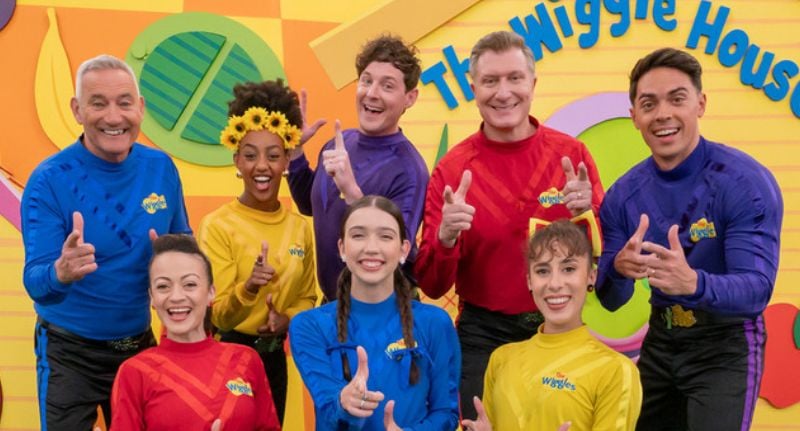
Confirmed performers include The Wiggles, Kate Miller-Heidke, Leo Sayer, and Marcia Hines, alongside a mix of emerging talent and established favourites.
Other performers set to appear include:
Alyssa Delpopolo, Budjerah, Hugh Sheridan, Erin Holland, James Johnston, Jaedyn Randell, Jael Wena, Jayme-Lee Hanekom, Kym Johnson-Herjavec, Layla Schillert, Mark Vincent, Patrick Roberts, with Chong Lim AM returning as Music Director.
The night will also feature performances from the Sydney Youth Orchestra, Australian Girls Choir, Young Stars of Australian Opera, Rejoice Gospel Choir, The Salvation Army Choir, Carols in the Domain Choir, the Carols All Star Band, and cast members from Back to the Future: The Musical – Javon King, Ashleigh Benach and Axel Duffy.
Extending the carols experience
Adding to the festive offering, New Idea returns as the official print partner of The Salvos Carols in the Domain, with this week’s issue featuring a 16-page souvenir event guide, including a free carols songbook, a run-down of the night’s performances and exclusive interviews with Barr and Shirvington.
As Sydney prepares to gather – in the Domain and across living rooms nationwide – this year’s Carols promises something more than celebration: a shared moment of remembrance, resilience and hope.
Main image: Natalie Barr and Matt Shirvington
Media
Frydenberg shuts down politics talk after Bondi comments
An interesting take, given that politics was arguably at the heart of the tragedy itself. By extension, the attack was driven by the offender’s ideology and political motivations.
Frydenberg pushed back hard on Ferguson’s suggestions, calling them “deeply offensive”.
You can watch the moment here:
The Australian has also printed Frydenberg’s powerful speech in full. You can read it here.
ABC comments spark backlash after Bondi festival attack
The remarks, according to The Australian’s James Madden, were made on the ABC’s Politics Now.
Fear forces Sydney Jewish bakery to close its doors
Speaking with Sky News Australia’s Sharri Markson, Halmagyi said safety concerns drove the call, given the constant anti-Semitic attacks he faced in the lead-up to the Bondi massacre.
Companies
Audio
Entertainment
Sussexes line up new Netflix romance project
The Daily Telegraph’s Emily Macdonald reports that the key detail is the fine print. The Duke and Duchess of Sussex still have a first look arrangement, giving Netflix dibs on any new ideas that come out of Archewell.