
Tuesday December 16, 2025
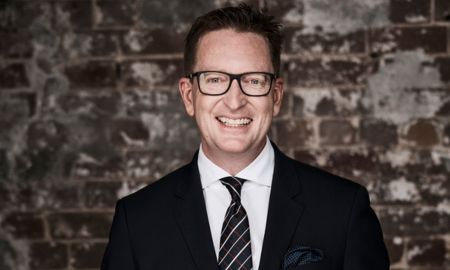
EXCLUSIVE: 'Changes had to be made': ARN CEO Michael Stephenson on creating his dream team
Eight weeks into the top job and the Australian Radio Network’s (ARN) CEO, Michael Stephenson, has wasted little time stamping his authority on the business, appointing Kerri Elstub as Chief Content Officer and Dave Cameron as Director of Content – Metro Radio, as he assembles the leadership group he intends to take forward.
The former Nine Chief Sales Officer is blunt about the overhaul he has set in motion, and unflinching about why it had to happen.
By nature, Stephenson is disarmingly likable, animated by a genuine belief in what ARN could become. His enthusiasm is infectious. At times, he presents like a kid in a candy store, energised by possibility, bullish on audio’s future.
But the warmth masks something more methodical.
Behind the easy confidence is a carefully sequenced reset, with leadership, structure and accountability being rewired in quick succession to pull the network out of its most bruising chapter and into something far more controlled.
“Look, there have been changes that clearly had to be made,” Stephenson told Mediaweek.
But the momentum, he insists, is forward-looking. “I’m more excited today than the day I joined ARN, because I think the size of the prize for those businesses that are in the audio market is a lot larger than I first appreciated.”
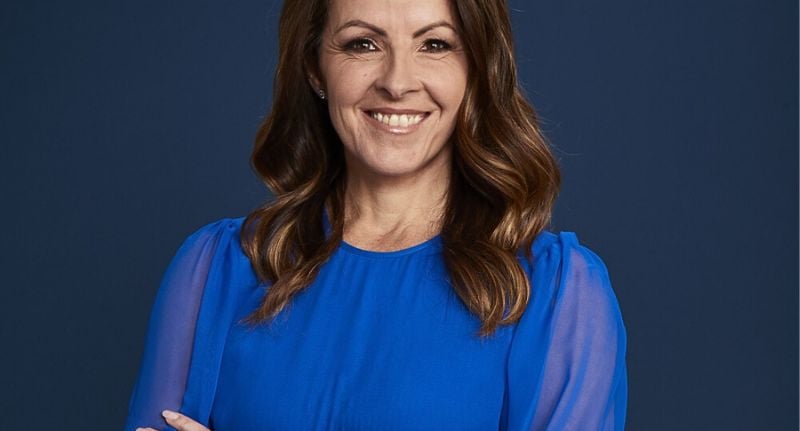
Kerri Elstub
Resetting the structure, shaping the team
Elstub and Cameron’s appointments formalise a broader reorganisation inside ARN, separating content creation from support functions and tightening accountability across the slate.
For Stephenson, this phase is about intent as much as structure. “I’ve now had the opportunity after being in my new role for eight weeks to create the team that I’m going to lead,” he said.
That vision was first outlined publicly at ARN’s upfronts.
“We made a stance and shared our bold vision for what I believe the future of ARN can be, and that is to be an entertainment company,” Stephenson said.
“To create more local Australian content, both audio content, radio, podcasts, et cetera, but also the ability to create video content, especially video podcasts.”
Finding the right leadership to execute that strategy was, he said, critical. “I was always of the view that I needed someone who was a pure play content leader. Someone who had cross-platform experience – and they’re not easy people to find.”
Why Elstub, and why Cameron
When asked by Mediaweek about hiring Elstub, who does not come from a traditional radio background, into such a central content role, Stephenson was emphatic.
“She completely gets Australian audiences. She understands the power of digital, the role of social. She understands how to work with big talent, and importantly, for our business, where the vast majority of our audience and revenue still comes from radio, understanding the power of breakfast was critical.”
Elstub’s experience across television, digital and radio made her, in Stephenson’s view, uniquely placed. “She’s worked in radio, and she’s worked on Nine’s Today Show and Today Extra. She ticks so many boxes.”
That decision, he said, naturally led to the next hire.
For everything Elstub may lack in understanding radio, Cameron will be there, with his role designed to anchor the strategy in radio fundamentals. “
He’s one of Australia’s most experienced radio executives. He’s an expert programmer. He understands music strategy. He understands how to drive an efficient operating model.”
Together, Stephenson described the pairing as “the perfect combo”.

Dave Cameron
Pressure points and the long shadow of Kyle and Jackie O
The leadership reset lands amid sustained scrutiny of ARN’s biggest commercial bet, the $200 million Kyle Sandilands and Jackie ‘O’ Henderson deal, alongside softer advertising conditions and a market that has become far less forgiving.
Stephenson acknowledged the short-term headwinds.
“Notwithstanding this quarter, it is tough for everybody in advertising,” he said. But he remains confident in radio’s long-term durability. “The radio market continues to be and has been for many years, and I suspect will continue to be broadly flat.”
Growth, he argues, sits around the edges. “You’ve got the growth of live streaming on the iHeart platform. And you’ve got the growth of podcasts, both audio and video.”
Those ambitions follow a period of internal recalibration, including News Corp’s exit from its final stake in ARN and earlier cost control measures that underscored the need for sharper execution.
Eyes forward to 2026
Stephenson is clear that the recent changes are about readiness, not reaction.
“We’ve got the strongest content team bar none in the country in both depth and breadth,” he said, pointing also to leaders across KIIS, news and iHeart.
“I’ve made a lot of changes, but I’m just setting our business up for the future,” he said. “And I think 2026 is going to be a fantastic year. I can’t wait for it.”
Main image: Michael Stephenson
Boardroom blitz: Walkley board in crisis as independents flee
The Walkley Foundation is facing a significant crisis after three of its most senior directors resigned abruptly this week. The exodus includes chair Adele Ferguson, former Gold Walkley winner Sally Neighbour, and Victoria Laurie.
As reported by the ABC, the directors exited following a breakdown in negotiations with the Media, Entertainment & Arts Alliance (MEAA) over the organisation’s governance structure.
The dispute centres on the balance of power between independent directors and the union. The departing board members claim the union is attempting to seize greater control of the Foundation.
A push for reform hits a wall
The resigning directors had spent the last year pushing for changes to modernise the Foundation. According to The Australian, they sought to professionalise the board structure based on external legal advice.
Sally Neighbour, who also stepped down as Chair of the Walkley Advisory Board, spoke directly to Mediaweek to explain the motivation behind the proposed changes.
“The Walkley Foundation was set up to be an autonomous body, and it is widely believed to be independently governed,” Neighbour told Mediaweek. “In fact, however, it is controlled by the media union, MEAA, and under its governing constitution, its governance is weak and dysfunctional.”
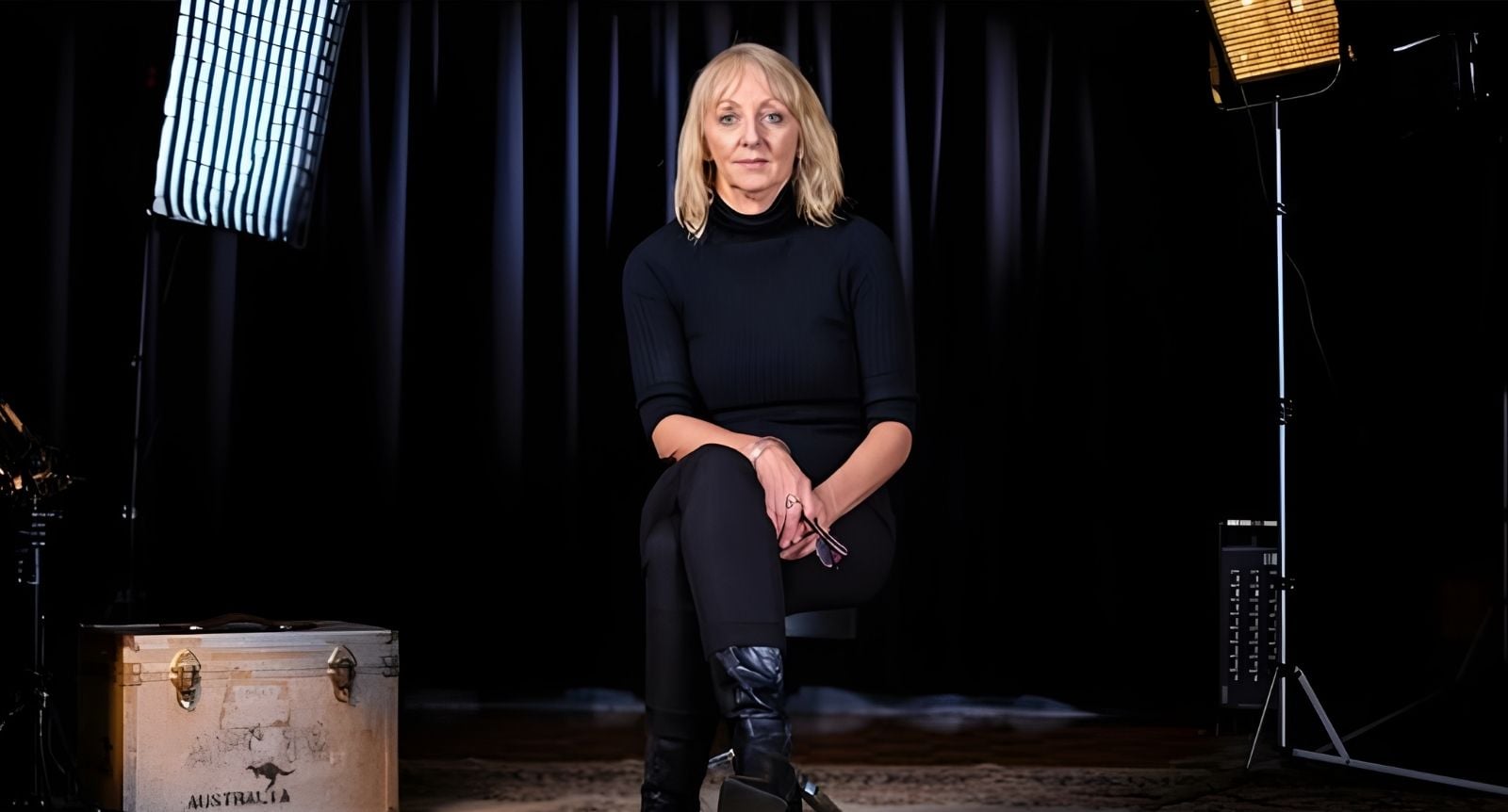
Sally Neighbour resigns from the Walkleys board, claiming its governance was deeply flawed.d
Neighbour noted that the push for reform was not a personal preference but a necessity. She stated that legal advice warned the current governance model “exposed the Foundation to the risk of serious reputational damage.”
The goal was straightforward. The independent directors wanted the Foundation’s internal processes to match the ‘excellence, professionalism and integrity’ of the awards themselves.
The union strengthens its grip
Negotiations collapsed when the MEAA presented a counter-proposal. Instead of increasing independent oversight, the departing directors argue the union’s plan would have done the reverse.
Neighbour described the union’s ‘final position’ to Mediaweek as a move that would ‘entrench and cement’ MEAA control. Under the new proposal, the union would introduce a new board position for itself. This would secure the union up to five spots on a board capped at nine directors.
“So MEAA would have an absolute majority on the Walkley Board,” Neighbour said.
She further criticised the proposal for failing to protect independent voices. Neighbour pointed out that the new constitution ‘does not recognise, define or protect the role of independent directors at all.’ She warned that under this model, the board could theoretically consist entirely of union representatives.
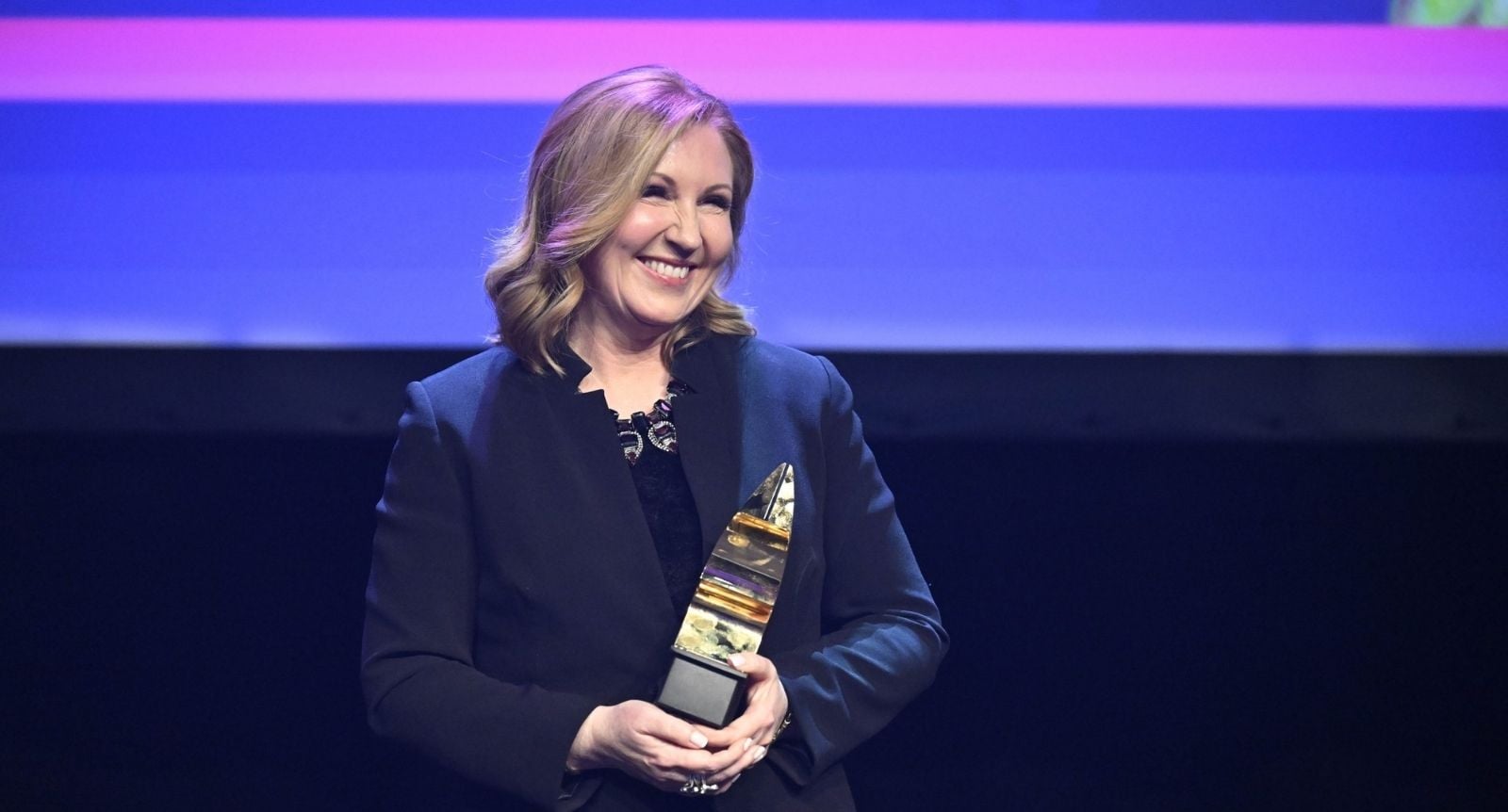
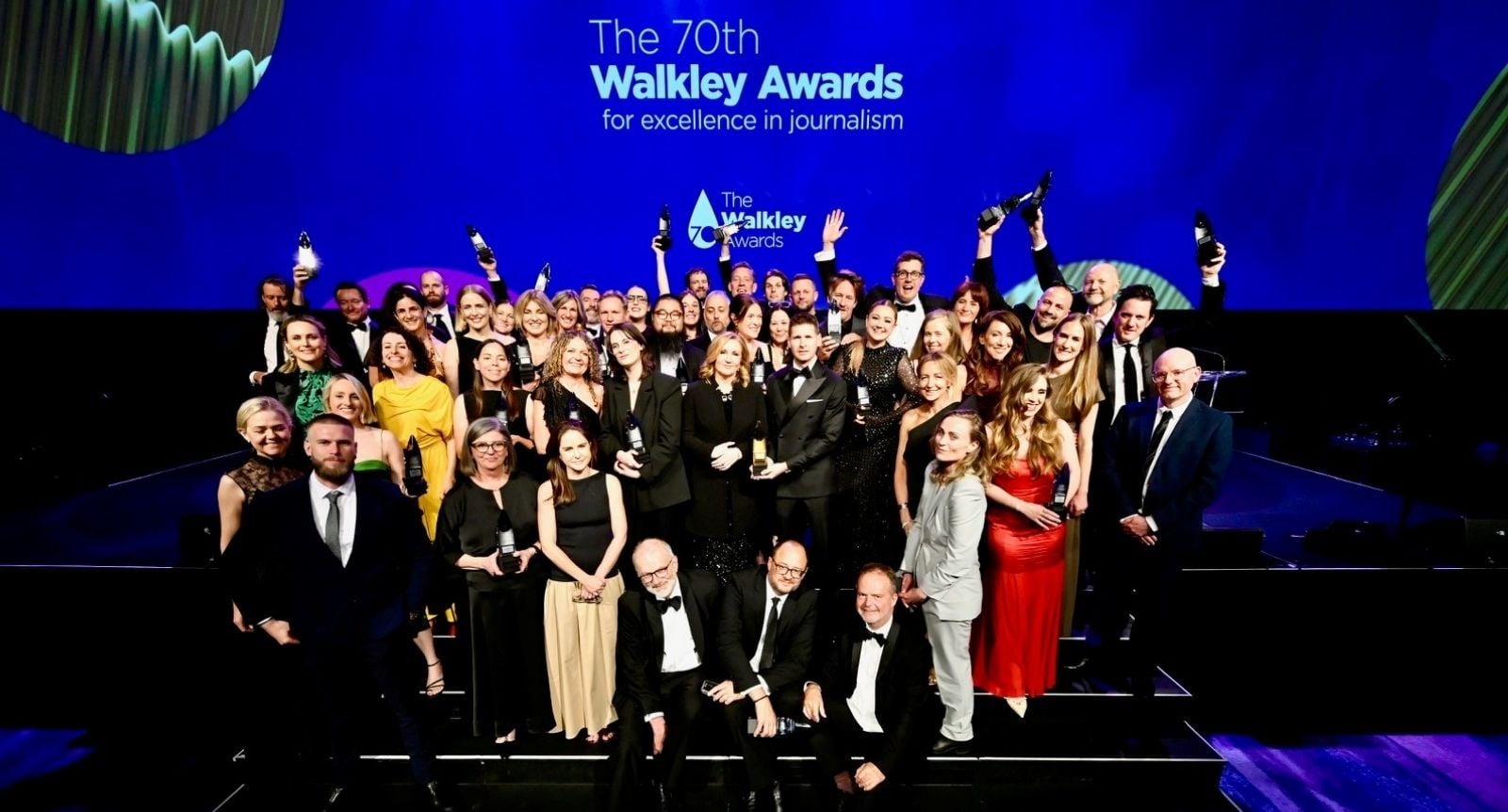
Adele Ferguson wins her second Gold at the 70th Walkleys before resigning from the board
Questions over tenure and independence
A key point of contention involves term limits. The Sydney Morning Herald noted that the dispute included disagreements over the length of directors’ terms. Neighbour highlighted a stark contrast in the proposed rules.
The union proposed limiting the tenure of the independent Advisory Board Chair to just two years. In comparison, union-appointed directors would face no such restriction.
“By way of contrast, under the constitution, MEAA directors may serve until they die, as long as they are re-elected to their union positions,” Neighbour observed.
She added that the proposal diminished the voting rights of the Advisory Board Chair. It would require the Chair to seek approval from union directors for reappointment, rather than the full Foundation board.
No misunderstanding
Incoming union-appointed director Michael Slezak suggested publicly that there may have been a misunderstanding regarding the negotiations. Neighbour swiftly rejected this characterisation.
“There was no misunderstanding,” Neighbour stated in her comments to Mediaweek.
“MEAA’s ‘final position’ would entrench and cement its control of the Walkley Foundation by enabling it to secure a controlling majority on the WF Board, undermining the Foundation’s autonomy and independence.”
For Ferguson, Neighbour, and Laurie, the situation left them with no choice but to leave. Neighbour concluded that she could not “honour my fiduciary duties in an organisation whose governance is so deeply flawed and which we are powerless to change.”
The Walkley Foundation now faces the task of rebuilding its leadership team in the wake of its 70th awards.
Main image: 70th Walkley Awards winners
What adland is looking for in 2026
Consolidations, tighter budgets and the rise of AI were the biggest challenges for agencies in 2025, according to industry insiders.
However, they are optimistic that innovation, collaboration and adaptability will drive exciting opportunities and growth in 2026.
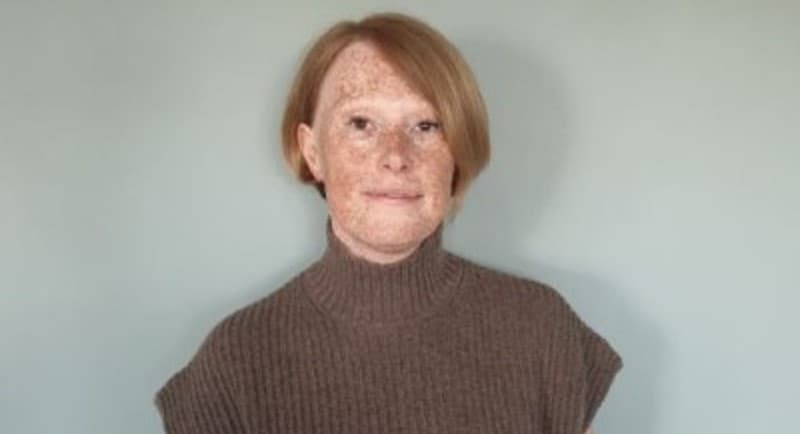
Havas Host CEO Gayle While said challenges came from every direction in 2025
“The rapidly shifting agency and CMO landscape brought leadership changes and consolidation, resulting in instability and eroding confidence,” she told Mediaweek.
“AI is rewriting the rules. Daily. Moving from novelty to necessity. In an environment of continued economic uncertainty, every marketing dollar must deliver impact – not add to the growing mountain of ‘digital slop’.”
While predicted that data and creativity will collaborate next year.
“I’m looking forward to seeing us embrace AI with confidence. Applying it to accelerate ideas, not replace them (or us),” she said.
“2026 is a moment for us to move from self-reflection to action. Our role isn’t to predict the future, it’s to focus on creating it.”
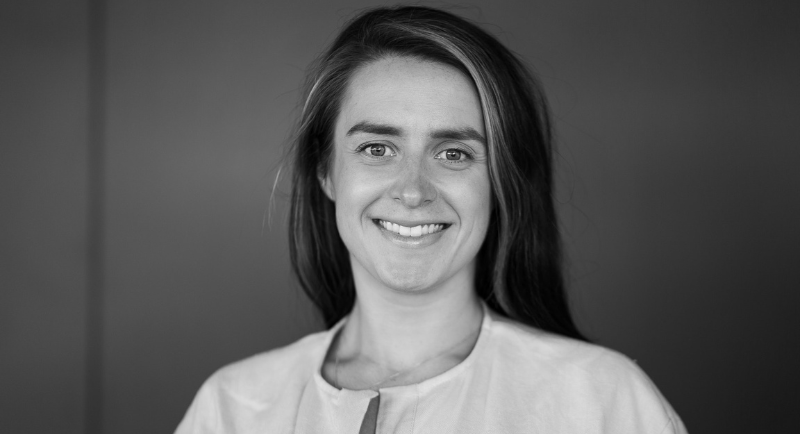
Enigma executive director, media, Sally Lawrence believes the biggest challenge facing the industry is the speed at which expectations are shifting.
“Audiences are harder to win, quicker to switch and increasingly wanting different things. In response, agencies are being asked to deliver more, at a faster rate,” she said.
“The industry won’t thrive if capability gaps widen or if burnout becomes the cost of doing business.”
Lawrence added that the industry needs to look to 2026 with optimism.
“Consolidation and simplification are set to relieve some of the operational noise, creating an environment where people can focus on what actually matters. And as the dust settles, creativity is set to re-emerge as our strongest competitive advantage,” she said.
“With the right talent protected and empowered, bold ideas and smart thinking can become the industry’s defining force.”
Think HQ founder Jen Sharpe said the speed of agency consolidation this year has been staggering.
“We’ve seen agency brands that shaped agency-land disappear into the belly of mega holdcos if they’re lucky, or just plain disappear if they’re not,” she explained.
“The ‘vanilla-isation’ of our industry has never been more present. We lost distinct agency cultures, we lost thousands of talented people to redundancies, and we saw global leadership teams emerge with unnerving Mad Men vibes.”
Sharpe said the silver lining is that 2026 will foster innovation and risk from indies.
“Clients will see pretty soon that efficiencies are all too quickly subsumed by global bureaucracy – and certainly don’t solve complex problems. And that’s the real opportunity for 2026 – the resurgence of the human, and of agencies that put their people on a par with their clients,” she said.
“2025 was about the survival of the biggest. 2026 will be about the success of the bravest.”

Independent creative Adrian Elton described 2025 as ‘a year of shifting quicksands’.
“As AI subsumed and diluted budgets, even where budgets had traditionally been generous, the industry was thwacked from every possible direction,” he said.
“Similarly, truly creative ideas were recast as unspeakably vulgar risks when compared to the efficiency and soft bosom of data-driven dreck.”
Elton added that the industry has accelerated its decline as senior talent is pushed out, shortchanging invaluable institutional knowledge in the pursuit of short-term gains.
“The only bright speck on this doomed horizon was the recent Apple ads that leaned hard into sublime and innovative craft-driven filmic spots that left one wondering whether they just hadn’t got the AI memo,” he said.
“So, where does all of this doom and gloom point for 2026? I suspect nowhere good for traditional agencies who resist those shifting quicksands.”
IMA B2B group chief operating officer Laura Tesluk called 2025 “unpredictable”, saying the AI conversation continues to challenge agencies.
“There is a growing need to demonstrate that human creativity, strategic thinking, and relationship building remain irreplaceable in an increasingly automated world,” she said.
“Combined with economic volatility and shifting legislation for our clients, the industry has had to stay agile and resilient.”
Tesluk said success now depends on cultivating teams that embrace complexity, lean into problem-solving and thrive in uncomfortable places.
“We anticipate a resurgence in events – creating spaces for connection, collaboration, and bringing brands tangibly back in front of people,” she added.
“2026 will be about reconnection and reinvention, strengthening relationships, driving relevance, and helping clients move forward with confidence.”
Lexlab director Alfie Lagos said this year was defined by a “schizophrenic economy” that caught most of us off guard.
“The RBA finished the year on hold, citing stronger economic indicators, yet my conversations with businesses paint a far more mixed picture,” he said.
“The year can be summed up simply: everyone had to do more with less.”
Lagos expects that businesses that have overinvested in unproven AI capabilities may be exposed next year.
“That does not mean AI is going away. We will see a shift towards more specialised applications, with dedicated SaaS platforms that do specific tasks exceptionally well,” he said.
“AI is the wheel, not the car. 2026 will be about deeper integration into existing systems rather than chasing the next shiny demo.”
Hypetap managing director Bryce Coombe said this year showed that ‘business as usual’ is dead.
“The overarching theme from the larger players was aggressive pursuit of scale and top-line growth, at the risk of bottom-line profitability. This financial pressure birthed a dangerous ‘rise of the generalist’ trend,” he said.
“As holding groups and brands attempt to consolidate or take capabilities in-house, they risk ignoring the expertise required to navigate a fragmented media world.”
Coombe said next year’s unfair advantage belongs to the specialist agency and their clients.
“Smart marketers are already pivoting away from the generalist noise, seeking the rigour, safety, and performance that experts provide. Nowhere is this need for effective quality more critical than in influencer marketing,” he added.
“Those who try to treat [influencer marketing] like ‘any old disposable media channel’ will suffer.”
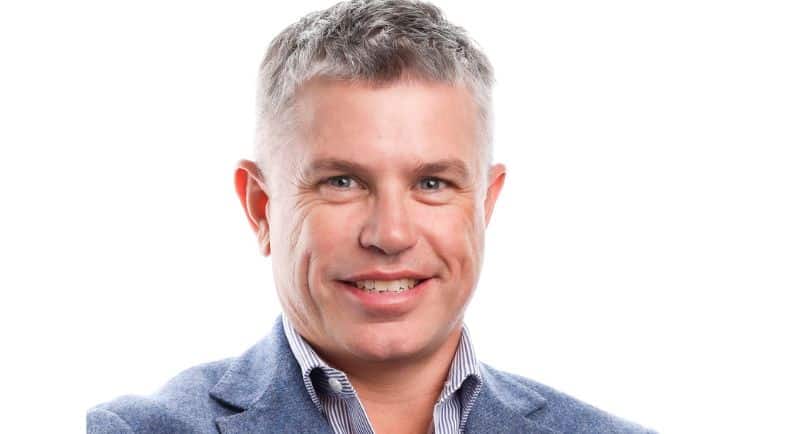
Yango managing partner Nick Murdoch described this year as “shocking and disruptive”.
“We’ve been saying unprecedented for a while now (thanks to COVID), but this was the year when the fabric of the industry stretched and changed shape,” he said.
“From a media planning perspective, fragmentation of media and audiences continues, consumption habits are evolving and tracking, reporting, and measurement continue to become increasingly challenging.”
Murdoch feels like creative agencies have taken the first blow, and it’s coming for media agencies too, very soon.
“In 2026, we will see creative and media coming ever closer as fit-for-platform creative powers media plans that can be deployed quicker and optimised constantly,” he said.
“The big Australian media companies are unfortunately in for a rough ride with more consolidation, and we see the same for agency land as the industry resizes itself.”
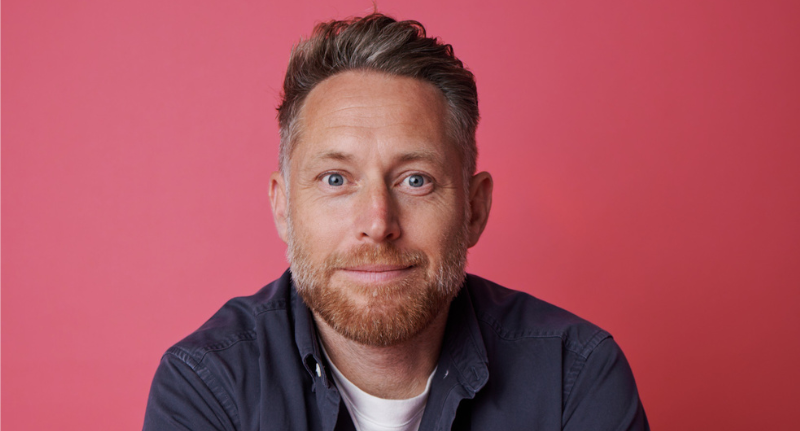
Those That Do chief doer Ben Walker said 2025 has been the year of the “squeeze,” with budgets tightening and expectations stretching to Olympic gold levels.
“Fee pools keep shrinking, yet clients understandably want more thinking, more content and more speed. It’s a curious paradox: deliver twice as much with half as much,” he said.
“We’ve felt that tension like everyone else. But the squeeze has actually sharpened us. It’s driven us to pursue clearer briefs, smarter prioritisation and a firm refusal to waste time on work that doesn’t move the needle.
Walker added that he is “genuinely optimistic” looking ahead to 2026.
“The agencies that win won’t be the loudest, they’ll be the cleverest,” he said.
“Those who turn constraints into creativity, who use AI to amplify talent rather than replace it, and who can deliver disproportionate impact even when budgets won’t budge.”
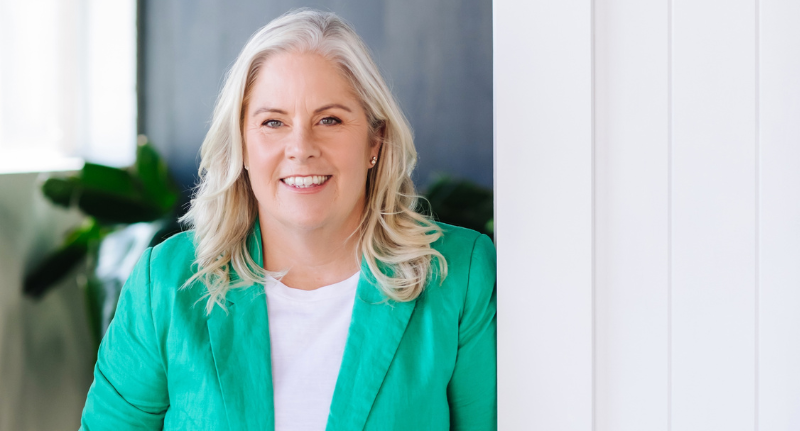
Media Words founder Elise Hedley-Dale said the real challenge is cutting through the chatter to focus on what actually works for brands and audiences.
“We’ve spent years piling on platforms, tools and jargon, and drifted from the basics. Clients don’t want more noise, they want clarity, honesty and work that genuinely delivers,” she said.
“We’re heading towards a return to simplicity and substance: fewer layers, cleaner thinking, and audience behaviour as the foundation, not the afterthought, with platforms no longer treated as the strategy, just one of the tools.”
Hedley-Dale said the industry is shifting fast, and the businesses that win will be the ones grounded in intention.
“AI is reshaping how we wor,k and social platforms are losing their grip. Influence has moved from platforms to people, and audiences are gravitating toward those they trust, not necessarily those with the most expertise. In 2026, the real skill will be knowing what to ignore,” she said.
“Trust and proximity are back on the table, and it would be great to see local/ legacy players sharpen their offerings and create opportunities so brands can start moving money off the platforms.”
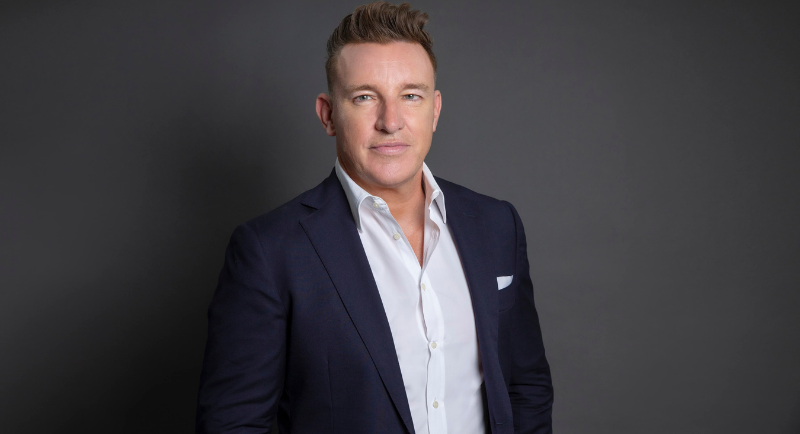
IMAA CEO Sam Buchanan thinks 2025 will reshape the media and marketing landscape in ways that set it up for long-term success.
“We’ve all felt the challenge of balancing client outcomes with tighter budgets, rising costs and an increased focus on measurable ROI,” he said.
“That dynamic isn’t going anywhere in 2026, but it also means that agencies that can innovate, demonstrate agility and deliver more value than ever are the ones that will succeed.”
Buchanan said the shrinking senior talent pool and loss of deep industry experience have left their mark, but they have also created opportunities for new models of expertise focused on high-value strategic capability.
“This year, indies didn’t just participate, they led. Their momentum has been transformative, and in 2026 our focus is on amplifying that strength,” he added.
“In an uncertain climate, the independent media agency sector offers stability, deep experience and exceptional agility, a powerful competitive advantage that we’re ready to capitalise on in the year ahead.”
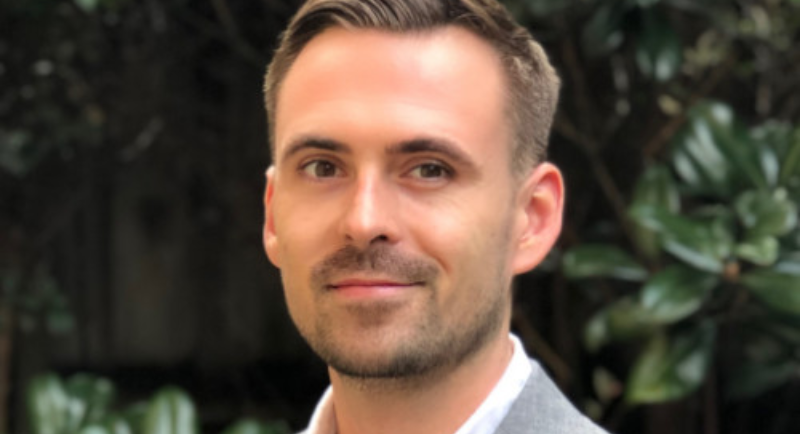
Vevo general manager, APAC sales, Tim O’Connor said audience fragmentation hit new extremes and brand safety became harder to guarantee.
“People are moving more fluidly between screens, platforms and formats than ever, making it harder to build consistent reach or deliver truly holistic video strategies,” he said.
“Music proved to be Australia’s most powerful fandom, cutting across generations, interests and identities. When brands show up in music authentically, the results follow – we’ve seen huge uplifts in favourability and purchase intent when campaigns tap into the right cultural moment.”
O’Connor said brands will increasingly buy culture at scale, and with digital video and CTV entering another growth cycle, premium, transparent, culturally tuned environments will emerge as the real winners.
“We’re really excited to be part of the Video Futures Collective, which has an important role in championing the role of premium streaming,” he added.
“With viewer fragmentation accelerating, we want to be part of the solution and ensure marketers can better plan and measure cohesive campaigns.”
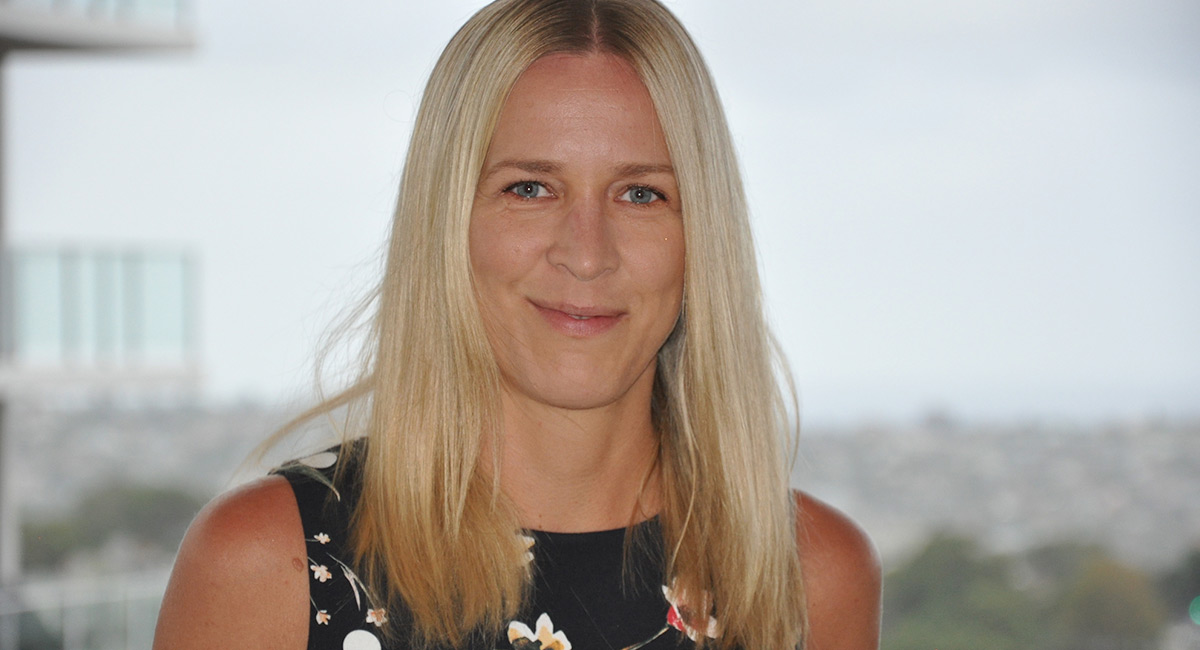
Bench Media chief growth officer Jess Torstensson said this year has been defined by uncertainty in adspend, with many brands committing later, planning in shorter cycles and holding budgets back until the last minute.
“For agencies, this has meant operating in ‘always-on readiness’ mode, building strategies that can flex quickly while still delivering meaningful results,” she said.
“The challenge is balancing this pressure for efficiency with the need to maintain brand momentum across the full channel mix. It requires smart data foundations, integrated planning and the ability to pivot without compromising reach or quality.”
Torstensson said agencies that remain agile and balance brand and performance will be best placed to lead the rebound in the new year.
“Measurement is maturing, and AI-driven media optimisation is accelerating, boosting efficiency across every channel,” she said.
“As confidence returns and budgets stabilise, we expect renewed appetite for brand-building and more strategic, holistic media planning.”
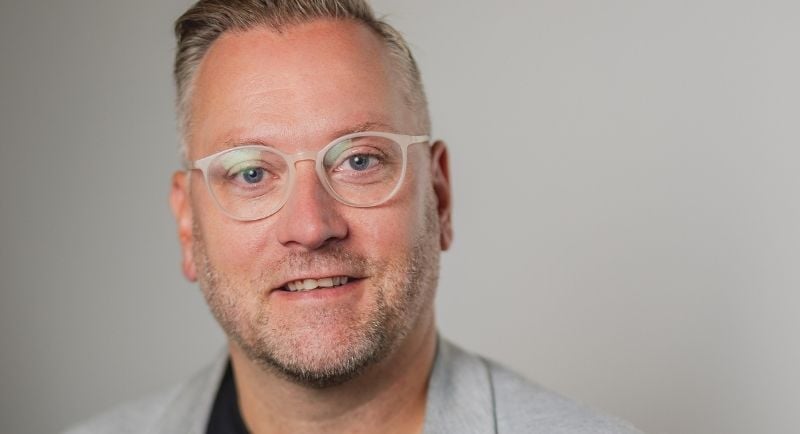
In Marketing We Trust, CEO Paul Hewett said 2025 was the year the old marketing playbook stopped working.
“Signal loss accelerated. AI intermediation went mainstream. Measurement got harder. And the agency model that’s served the industry for decades started showing cracks that couldn’t be papered over,” he explained.
“Privacy regulation tightened. Platform compliance increased. AI entered the customer journey and hid it. In response, sophisticated marketers returned to out-of-fashion approaches: marketing mix modelling, incremental testing, econometric analysis.”
Hewett said 2026 will be about rebuilding how brands discover and win customers in an environment where the old inputs no longer exist.
“The CMOs who treat this as a moment of reconstruction, not just adaptation, will create advantages that compound. Those who keep optimising a broken playbook will fall further behind,” he said.
“One thing hasn’t changed: marketing exists to find customers, earn their attention, and create value. The mechanics are being reconstructed. The mission isn’t.”
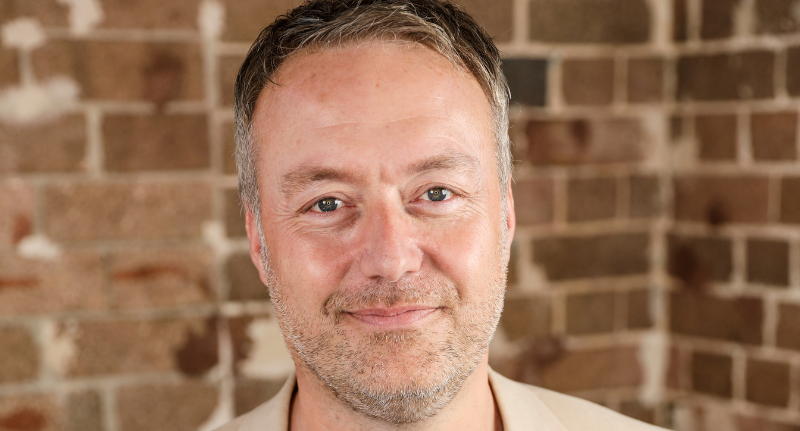
Opus Agency executive vice president, APAC, Nigel Ruffell, said the biggest challenge was working out how to implement AI in a way that added value.
“We are investing in AI next year to drive efficiencies across the business, freeing up our team to spend more time on what really matters: creativity and innovation,” he said.
“The goal is to deliver more personalised experiences while making smarter, more effective use of our clients’ budgets.”
Ruffell said he’s excited about the rise of hyper-personalisation and curated experiences.
“Events will continue to move away from one-size-fits-all, with tailored agendas, personalised content tracks, AI-powered matchmaking and more meaningful, relevant communications for attendees,” he said.
“We’ll see immersive storytelling, bold creative design and multi-sensory experiences that blur the lines between conferences, entertainment and festivals – making events more memorable, engaging and impactful than ever.”
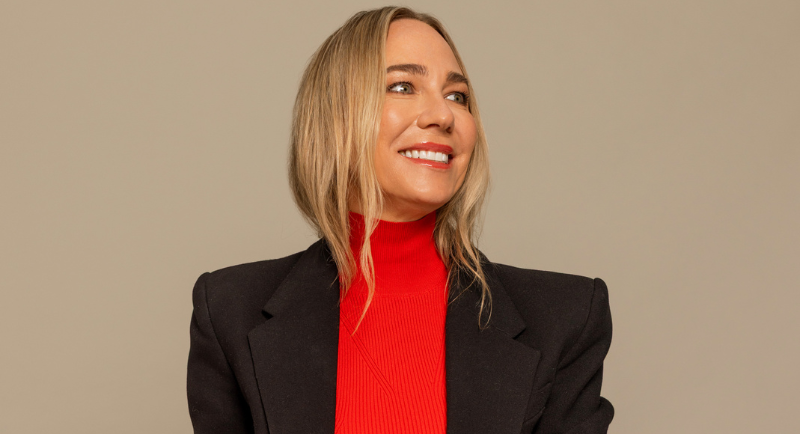
Thompson Spencer Group CEO Melanie Spencer said the real test was the sheer speed at which everything moved this year.
“We also had to rebuild the community. After years of shouty, one-way social, audiences demanded humour, looseness and genuine conversation,” she said.
“The influencer space reshuffled overnight and authenticity skyrocketed, over-curated ‘tricksters’ fell off, and the rise of AI influencers only increased the value of real humans.”
Spencer believes zero-click environments will dominate in 2026, with consumers making decisions without clicking.
“Brands now need authority on-platform and the performance engine to convert that trust into growth,” she said.
“We’re also excited about Gen Z’s ‘third spaces’, aspirational friendship and a creative industry leaning back into emotion, the ultimate competitive edge.”

McLeod’s Daughters star Rachael Carpani dies aged 45
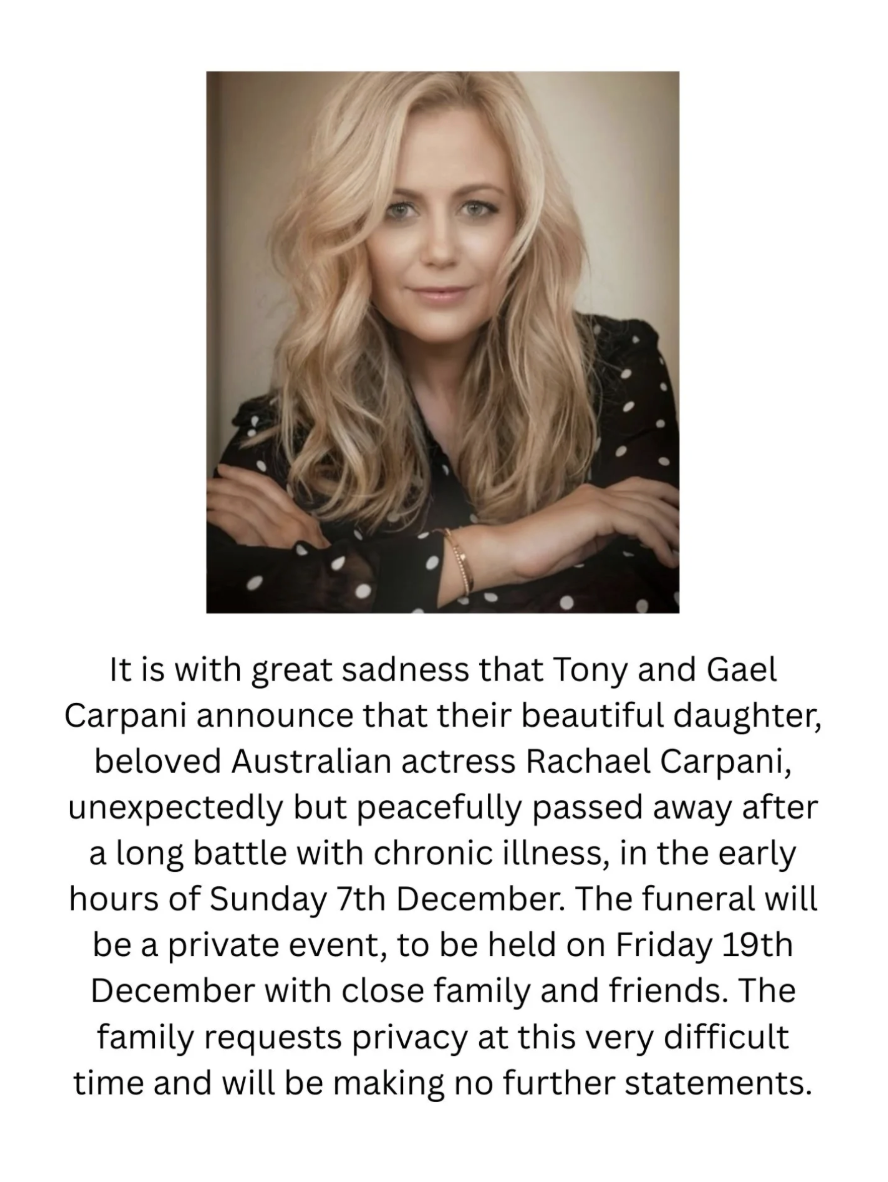
Australian actress Rachael Carpani, best known for her long-running role on McLeod’s Daughters, has died unexpectedly at the age of 45.
The news was confirmed in a statement from her parents, Tony and Gael Carpani, which was shared by her sister, singer Georgia, on Instagram.
“It is with great sadness that Tony and Gael Carpani announce that their beautiful daughter, beloved Australian actress Rachael Carpani, unexpectedly but peacefully passed away after a long battle with chronic illness, in the early hours of Sunday 7th December,” the statement read.
A defining role in Australian television
Carpani rose to prominence as Jodi Fountain on McLeod’s Daughters, appearing on the popular Nine Network drama from 2001 to 2009.
Her performance made her a familiar face in Australian households. It earned her two Logie nominations in 2007, including the Silver Logie for Most Popular Actress and a nomination for the Gold Logie.
Beyond McLeod’s Daughters, Carpani built a diverse screen career, appearing in films such as Hating Alison Ashley and The Very Excellent Mr Dundee, alongside guest roles in television series including All Saints and NCIS: Los Angeles.
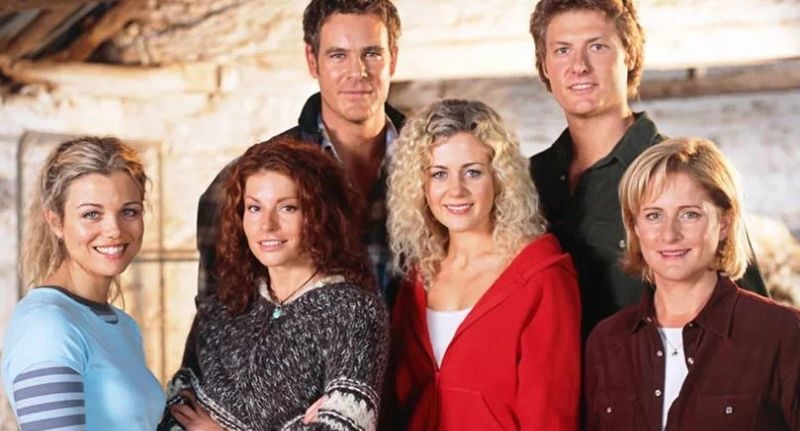
Carpani (centre right) with her McLeod’s Daughters co-stars.
A final return to Australian screens
Her most recent on-screen appearance came in 2024, when she joined Home and Away in a recurring role as Claudia Salini, marking a return to Australian television later in her career.
The family said the funeral would be held privately.
“The funeral will be a private event, to be held on Friday, 19th December with close family and friends,” the statement said.
“The family requests privacy at this very difficult time and will be making no further statements.”
IMAA releases 2026 future trends and insights report
Independent Media Agencies Australia has released its 2026 Future Trends and Insights Report, mapping the major shifts expected to shape the Australian media and marketing landscape over the next year.
Now in its third year, the report draws on data, industry insights and audience predictions from IMAA’s media and industry partners, offering agencies and advertisers a detailed snapshot of what is likely to dominate planning conversations in 2026.
Key themes include sport as a high value advertising platform, the rise of influencer-led hybrid storytelling, credibility as a brand differentiator, quick commerce becoming everyday behaviour, and the transition of AI from an emerging trend to a workplace necessity.
A practical guide for agencies and brands
The more than 100-page report has become a reference point for independent agencies and brands heading into the new year, helping marketers align creative thinking, media strategy and audience engagement with evolving consumer expectations.
IMAA said the 2026 edition reflects a media environment marked by convergence, fragmentation and accelerating technological change, with marketers under pressure to balance innovation with effectiveness and trust.
IMAA CEO Sam Buchanan said the report is designed to help the industry stay ahead of rapid change.
“Our annual trends report continues to be a powerful tool for the Australian media industry,” Buchanan said.
“Amid unprecedented change in our industry, staying ahead of the curve is crucial. Our trends report aims to give brands and agencies a glance at what’s to come in the year ahead, and what’s top-of-mind for consumers and media as they head into the new year.”
Sport, storytelling and attention in focus
Among the strongest themes in the report is the continued rise of sport as a premium advertising channel, enabling brands to reach mass and niche audiences through culturally relevant moments.
The report also highlights the growth of hybrid storytelling, where influencers, creators and brands blend digital influence with real-world experiences to build authenticity and emotional connection.
Attention, rather than reach alone, is identified as a key performance indicator for 2026, alongside the growing importance of the home screen as a battleground for audience engagement.
AI, credibility and quality media investment
The report flags a growing convergence between AI-generated content, made-for-advertising environments and invalid traffic, noting that marketers are increasingly seeking AI-powered solutions to ensure ad spend is reaching real people in high-quality environments.
Credibility is positioned as a strategic advantage for brands, with consumers expected to favour simpler messaging, emotional clarity and trusted platforms as fatigue with complexity and clutter grows.
AI is also expected to shift from experimentation to necessity, with marketers restructuring workflows to embed AI across planning, execution and measurement.
From a consumer perspective, the report points to the rise of quick commerce, as Australians outsource more everyday tasks and impulse-driven platforms evolve into habitual shopping channels.
Female empowerment, culturally diverse advertising and authenticity are also identified as core forces shaping what audiences value and engage with in 2026.
Key trends outlined in the report include sport as a platform, the influencer economy and hybrid storytelling, female empowerment, AI slop and media quality concerns, quick commerce, credibility as a differentiator, AI as a workflow necessity, attention as a KPI, the home screen as a key battleground, and authenticity driving discoverability in a zero click environment.
Industry collaboration at the core
Predictions and insights in the report were contributed by a wide range of media partners, including Meta, Nine, SBS, Pinterest and Channel Factory, covering topics such as culturally diverse advertising, the future of search, sponsorship effectiveness and brand suitability.
Buchanan said collaboration with partners remains central to the report’s relevance.
“I’d like to thank our many media and industry partners for their valuable thoughts and insights,” he said.
“These organisations are the engine room of the Australian media sector and have their finger on the pulse of the industry. Their lived experience is critical to shaping what’s to come for us in the next 12 months.”
The report will be made available to IMAA members and partners, with a broader external release planned for 2026.
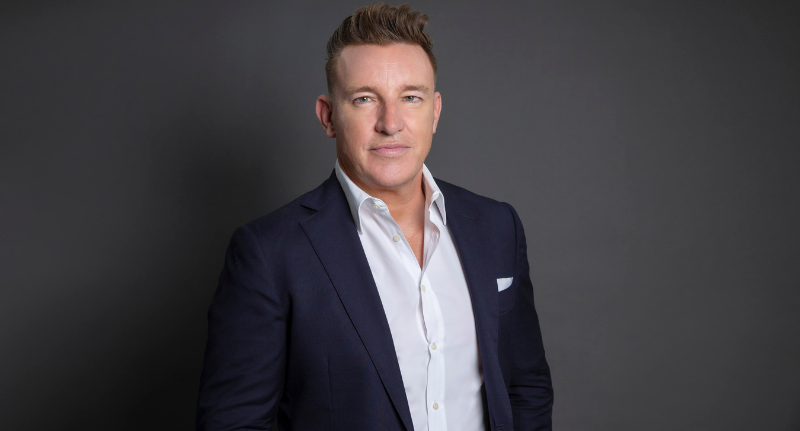
Top image: Sam Buchanan
TRA warns brands are losing trust to AI platforms
Brands touting values-led marketing now face growing consumer cynicism, as shoppers increasingly call out efforts that feel performative rather than genuine.
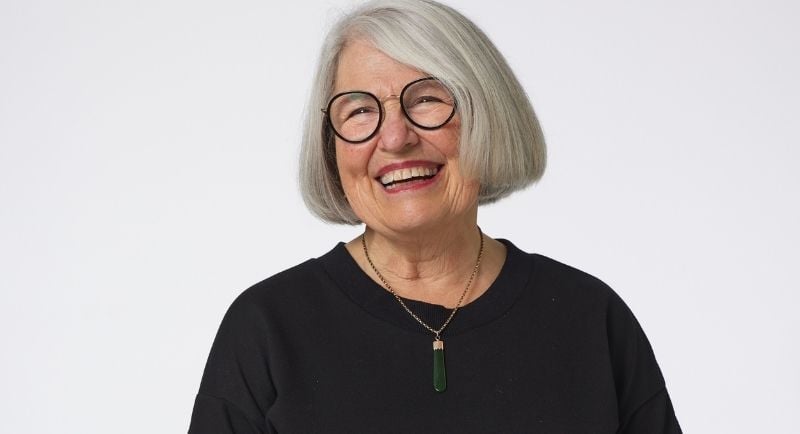
Colleen Ryan, partner at The Research Agency (TRA), said people used to trust what brands told them but are now more likely to believe artificial intelligence (AI).
She likened AI platforms to the white coats, often seen in toothpaste ads as a symbol of trustworthiness.
“Because of the interface you get with these tools, it’s like you’re talking to a human being, but this ‘human’ is way more informed,” she told Mediaweek.
“It speaks with authority, and as human beings, we’re very susceptible to authority bias. It sounds authoritative because it’s gone away and done the research, so we incline to believe it.”
Consumers value control and spontaneity over perfect outcomes
A TRA study on the future use of AI by companies found that people value feeling in control.
Ryan said most people would “accept a worse outcome” as long as they kept the freedom to choose, adding that “serendipity is fun.”
“The danger people see in a world where organisations direct their lives is that they miss out on discovering things,” she said.
“We’re designing to get rid of friction and the unexpected. Teams are creating products and services that take it all out, and people end up thinking, ‘This is a dull life.’
“It’s going to be an interesting journey for brands as they invest in AI, which can deliver really good, predictable outcomes for people, but they won’t necessarily be thankful for it.”
Ryan warned that some brands are taking personalisation too far.
“Brands know so much about you that they can personalise messages and even the tone of voice they use,” she explained.
“If you hated green and their logo was green, they could present everything to you with a blue logo. We thought people would like that, but what they were really saying was that brands are part of culture.
“If you make a brand really personalised, it no longer has shared meaning. It only has individual meaning.”
What this means for marketers
Ryan urged Australian and Kiwi marketers to be transparent in 2026.
“Nobody wants to be completely honest and open. Remember when restaurants started to have open kitchens? A lot of them said, ‘We can’t do that,’” she said.
“That level of transparency is very scary, but it’s a brave organisation that does it, and in the future it will actually build trust.”
On the other hand, Ryan said organisations should stop designing the joy out of life.
“They should stop creating everything to be frictionless, seamless and predictable, and instead introduce spontaneity and discovery,” she said.
“It doesn’t always turn out well. We’ve all done something spontaneously and thought, ‘Yeah, not a great idea,’ but you probably still got a buzz out of it, even if it didn’t quite work out the way you hoped.”
Game Changer Wade Kingsley wants radio to talk to itself again
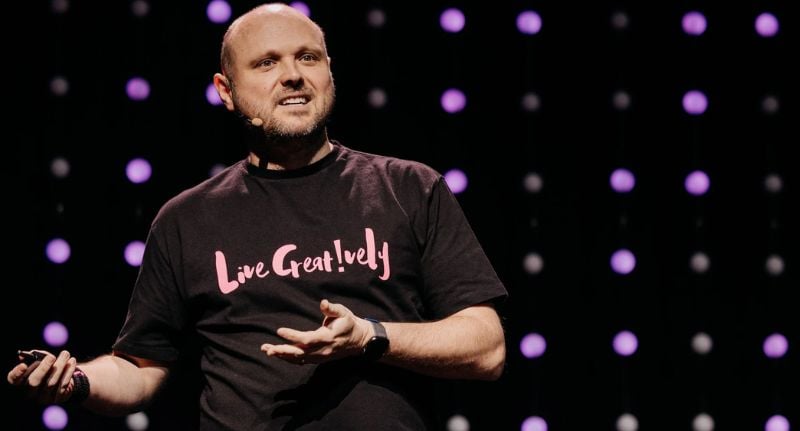
After more than 25 years inside Australian radio, Wade Kingsley is launching a new podcast designed to fill what he sees as a widening gap in how the industry talks about itself.
Set to debut in mid-January 2026, The Quarter Hour will deliver concise 15-minute episodes focused exclusively on radio news from Australia and overseas, deliberately sitting between straight reporting and long-form commentary.
Kingsley told Mediaweek the idea had been brewing for months, driven by a sense that radio has plenty of headlines but not enough space to properly unpack them.
There is, he said, a clear gap between straight news reporting and longer-form analysis of what is really happening inside the industry.
Not competing, refocusing
Kingsley is already well known to the industry as the co-host of Game Changers Radio, a podcast that has become required listening for many radio executives.
He is careful to position The Quarter Hour not as a rival, but as a return to a different lane altogether.
“The Game Changers Radio podcast has been a runaway success amongst the Australian radio industry. It’s firmly in the opinion space now, and I think that’s a good place for it,” he said.
“With The Quarter Hour I’m going to be single-focused on news about radio, and this will be from anywhere in the world. So I’m not competing with Game Changers, I’m pretty much returning to what I always wanted to do out of school, which was journalism.”
(On a side note, Kingsly, the world of journalism would welcome you with open arms.)
That distinction extends to how stories are handled.
“A good contrast is Game Changers will talk about what Kyle [Sandilands] has said, whereas I’d want to talk to Kyle directly,” Kingsley said.
“I find first-person interviews fascinating as a listener, and I think the creative challenge of talking about a topic in 15 minutes is going to keep me focused on what matters.”

Fast, focused and social-first
The Quarter Hour will launch as a weekly podcast, with flexibility to scale up when the news cycle demands it.
Each episode will focus on a single story and its implications for people working across radio, from programmers and talent to sales teams and agency buyers.
“To me, it’s the conversation about the news that is interesting,” Kingsley said.
“Something has just been announced, so let’s have the first conversation about it. Not hot takes – but let’s talk about the why behind the what. Episodes will be weekly to start with, but will respond to news as it breaks.”
The format itself is being built for modern consumption habits.
“I’m also very much thinking of this as a visual and social first pod,” he said. “I’ll be streaming each episode to all social platforms. It will have a ‘watch it now or listen later’ type feel.”
Radio, not everything audio
Kingsley points to the recent Commercial Radio Australia (CRA) Audio ID launch as an example of the kind of story The Quarter Hour is designed to unpack properly.
“To me, there was a really solid announcement, but the follow-up conversation was a bit mixed. I was thinking that this is a significant announcement, and it means something to everyone working in radio.”
Drawing on experience on both the radio and agency sides, Kingsley said these moments matter.
“I’ve worked in radio and agency side, so I get how important this is to allow radio to better compete with the global platforms. If I were up and running, then I would have asked CRA CEO Lizzie Young and an agency buyer to both come on and said, ‘tell us why this is important to local media jobs’.”
Importantly, The Quarter Hour will stay tightly defined.
“The Quarter Hour will be 100% about radio,” Kingsley said.
“I’m going to have a separate podcast for the audio creator space (i.e. podcasting), but more on that in the new year as I launch my broader podcasting business.”
For an industry navigating structural change, tighter economics and increasing competition from global platforms, The Quarter Hour is positioning itself as a focused, disciplined place to pause, listen and actually talk through what the news means.
Why design’s next flex is being imperfect
Canva has unveiled its third annual Design Trends Report, outlining how creativity, brand content and social media design are set to evolve in 2026, with a clear message emerging.
As AI becomes embedded in everyday creative workflows, human imperfection is becoming the new differentiator.
The global visual communication platform also unveiled a new feature called Design DNA, which gives users a personalised recap of their creative output in 2025.
Trends from creators, for creators
The report draws on analysis of Canva design and search activity, insights from its Designer Advisory Board, and a survey of 1,000 creators across the US and Brazil.
According to Canva, the findings reflect a growing desire among creators to balance the efficiency of AI with individuality, texture and personal taste.
Cat van der Werff, executive creative director at Canva, said 2026 marks a turning point in how creators use AI.
“As more and more creators turn to AI to help them express themselves visually, we believe 2026 marks the year of imperfect by design, a time when blending AI seamlessly with human imagination and creativity has never mattered more,” she said.
Imperfect by design becomes the new standard
Canva’s data suggests creators are pushing back against overly polished, algorithm-driven aesthetics. Eighty per cent of creators surveyed said 2026 will be the year they regain creative control, not by rejecting AI, but by using it on their own terms.
AI remains central to workflows, with 77 per cent of creators describing it as an essential partner. At the same time, searches for DIY and collage-inspired elements have increased by 90 per cent, signalling a renewed appetite for authenticity and visible human input.
Texture, storytelling and sensory design are also gaining momentum, as creators lean into work that feels expressive rather than optimised.
Ten trends shaping creative culture in 2026
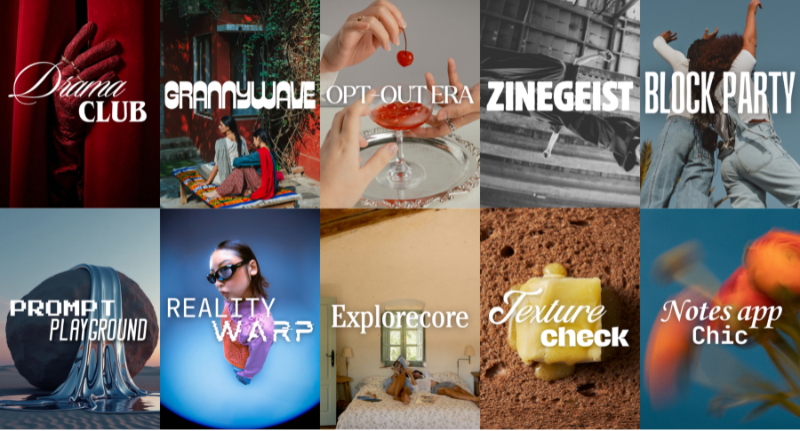
Canva identified ten global design trends expected to influence brands and creators next year:
- Reality warp reflects a deliberate blurring of the real and surreal, with searches for liminal and uncanny visuals up 220 per cent year on year.
- Prompt playground channels early internet nostalgia, emotional experimentation and lo-fi aesthetics. Searches for lo-fi design jumped 527 per cent.
- Explorecore responds to digital overload, favouring calm, clarity and deeper exploration. Zine and Substack-inspired layouts rose 85 per cent.
- Texture check puts tactile, hyper-realistic surfaces front and centre. Searches for textured and CGI-inspired materials grew 30 per cent.
- Notes app chic celebrates scrapbook-style visuals and visible process. DIY and collage elements rose 90 per cent.
- The opt-out era strips branding back to essentials. Searches for clean layouts, serif fonts and simple branding increased 54 per cent.
- Drama club embraces cinematic storytelling and heightened emotion. Interest in dramatic visual motifs rose 27 per cent.
- GrannyWave highlights nostalgia-driven maximalism, particularly in India, as evidenced by growth in searches for Desi and Hindi typography.
- Zinegeist captures Mexico’s revival of bold DIY aesthetics. Searches for brutalist design and type posters rose 77 per cent.
- The block party reflects Spain’s fusion of folklore, vintage tones, and everyday culture, generating more than 1.5 million impressions.
Design DNA personalises creativity at scale
Alongside the report, Canva introduced Design DNA, an AI-powered feature that analyses a user’s design behaviour across 2025.
The tool generates a personalised creative profile, identifying users as styles such as Font Stylist, Prompt Picasso, Chatter Box or Newbie. Canva said more than 111 million unique Design DNA assets were generated last year.
Van der Werff said the feature reinforces Canva’s focus on empowering creativity rather than automating it.
“Canva was built for this shift, to empower anyone to use AI on their terms and bring their ideas to life in a way that feels personal, authentic and unmistakably human,” she said.
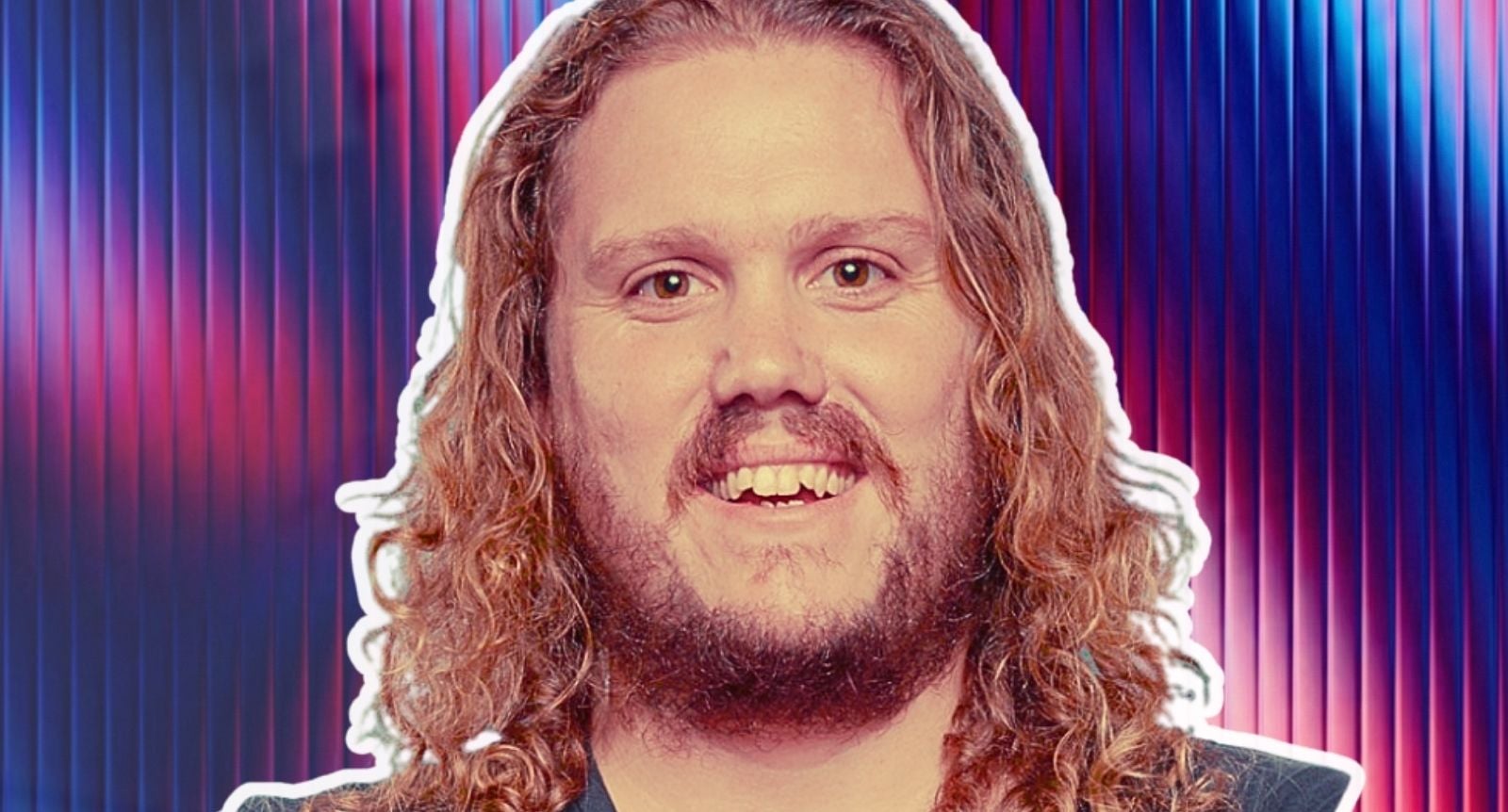
‘Once-in-a-career moment’: Meliora brings in Jack Lonergan to turn AI strategy into shipped products
Meliora has made a decisive play to move beyond AI advice and into hands-on product execution, appointing former Optus Director of Product Jack Lonergan as a Partner from February 2026 in a high-profile reunion with Managing Partner Clive Dickens.
The appointment marks a deliberate shift in Meliora’s positioning, from advisory-led transformation to full-stack product conception, design and delivery, as businesses across technology, media and telco grapple with how artificial intelligence actually shows up in real products, journeys and P&Ls.
Lonergan brings more than 15 years of senior product and UX leadership across Optus, Seven West Media and Southern Cross Austereo, with a track record of building platforms that scale, attract audiences and, critically, ship.
From advice to build
For Dickens, the hire is about closing the gap between strategic intent and tangible outcomes.
“Meliora is a company that helps accelerate change. Strategy is still critical, but it is only helpful if it shows up in a product, a journey, or a P&L,” he told Mediaweek.
“We want Meliora to be known as an intelligent experience company. That means three things working together: we help you decide what to do, we help you design how it should work, and we help you build and launch it. Bringing Jack in is a very deliberate move towards that identity.”
Dickens said Lonergan’s value lies in lived experience, not theory.
Dickens said Lonergan’s value lies in his experience delivering large-scale digital products and in his understanding of the realities of execution, from what inevitably breaks to what takes longer than planned, to what genuinely delights users.
He said combining that practical product knowledge with Meliora’s advisory and venture work allows the firm to go beyond telling clients how AI and new experiences might change their business, and instead to work alongside them to prototype, launch, and learn in real time.
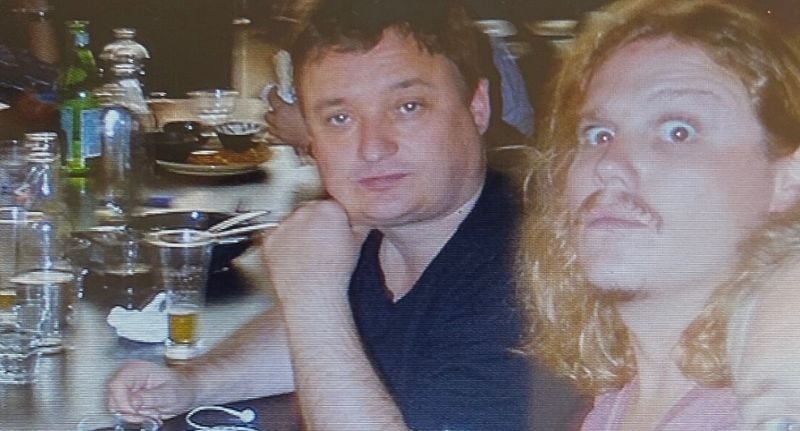
Dickens with Lonergan. (Image courtesy of Jack Lonergan)
A product builder at a pivotal moment
Lonergan’s appointment comes as demand accelerates for AI projects that move beyond experimentation and into execution.
He said the convergence of human insight and machine intelligence made the timing impossible to ignore.
“I have always believed that the future of product development belongs to teams with a deep, human understanding of their users,” Lonergan told Mediaweek.
“Now with the power of artificial intelligence, we can supercharge ourselves to go deeper than ever before, not only in our understanding but by exceeding the outcomes and expectations of our end users.
“Right now, I genuinely believe, we are in a once-in-a-career moment where that belief can scale into something real and meaningful,” he said.
The move is also a professional reunion.
“I also wanted to work with Clive again. Some of the best, hardest and most interesting things I have ever built were when we were in the same room, pushing each other and backing each other to try new things,” Lonergan said.
“Doing that at Meliora, at a time when every organisation is asking what AI really means for their products, felt like the right challenge at the right moment.”
Human first, AI second
At the heart of Meliora’s evolving approach is a reframing of how AI projects begin.
“For me, it changes the starting point,” Dickens said.
“Instead of saying, ‘We need an AI strategy or solution’, you start with an extremely specific human moment.”
“Someone trying to pick what to watch with their kids, someone confused about a bill, someone trying to juggle different subscriptions. You map the emotions and the friction first, then you decide whether AI can genuinely help understand that problem and potentially solve it for a user.”
That philosophy extends into product design.
Dickens said the starting point for any AI-led product should be the human experience, beginning with a clear understanding of the real job a person is trying to do, the emotions tied to that task and the points of friction in their day.
Only after mapping those elements, he said, should teams decide where AI can genuinely remove friction, add intelligence or enable a new kind of experience that was not previously possible.
Lonergan said true AI personalisation remains largely unfulfilled.
“Many brands say, ‘We know you’, but the interface still looks almost identical for everyone,” he said.
“True AI-driven personalisation would remember that you always watch live sport on a certain device, or that you hate notifications at night, and quietly adapt around those patterns without you having to tell it twice.”
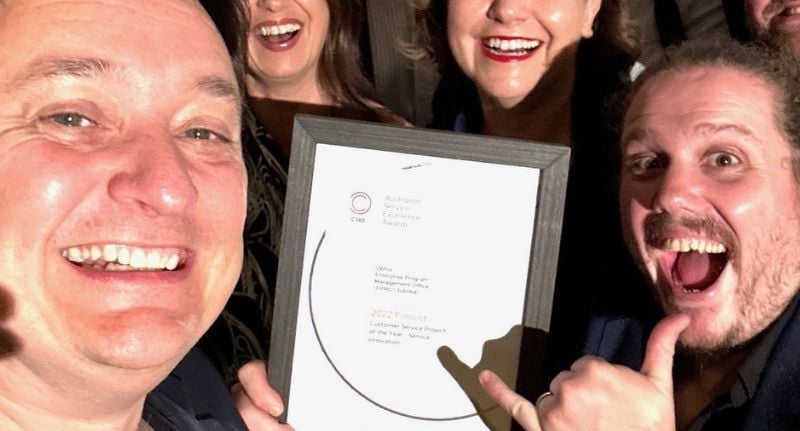
Dickens with Lonergan. (Image courtesy of Jack Lonergan)
Turning AI into something users would miss
Lonergan also pointed to trust and transparency as the next frontier.
“End-users are reasonable if you are honest with them. For example, they want to know what data you are using, how this is making their life easier, and what happens when something goes wrong,” he said.
“Most products do not explain any of that today. The opportunity, and what I am excited about at Meliora, is to close those gaps by shipping concrete improvements into real products, measuring what changes, and talking to customers in plain language about what the AI is doing for them.
“That is where AI stops being a buzzword and starts being something people would miss if you took it away.”
A faster path from strategy to execution
For Dickens, the hire fundamentally expands Meliora’s remit.
“Bringing Jack in moves Meliora from advising about AI to building with it,” he said.
“Until now, we have helped leaders understand the structural implications of AI, how it reshapes operating models, decision-making, and creative output.
“With Jack, we can now prototype, deploy and embed AI directly into workflows. That means moving faster from strategy to execution,” he said.
In practical terms, Dickens said this means moving faster from strategy to execution by testing agents, automations and human–AI collaboration models inside client organisations.
“In short,” Dickens said, “Meliora can now help clients design, build and run AI-enabled organisations, not just talk about them.”
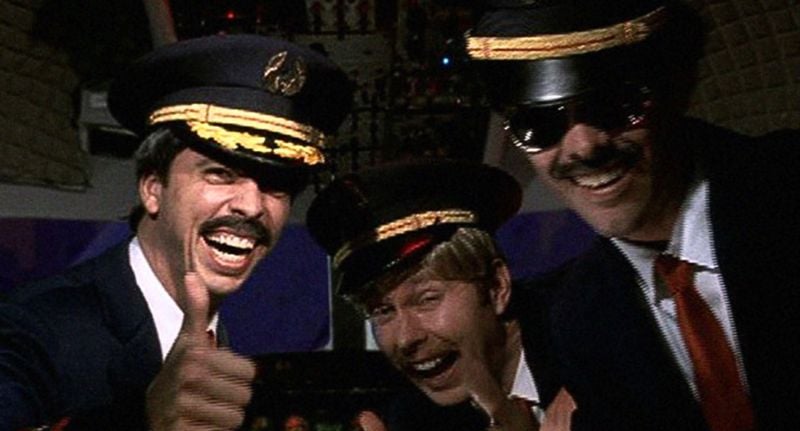
Virgin Australia adds extra flights for Rock ’n’ Grohl weekend
Virgin Australia is adding around 700 extra seats to help Foo Fighters fans rock their way to Launceston for the band’s concert in January.
The airline will operate two additional return services between Melbourne and Launceston from January 23 to 25, and two extra return services between Sydney and Launceston on January 24 and 25.
The extra capacity will help fans make the pilgrimage to Tasmania ahead of the Australia Day long weekend.
Virgin Australia chief strategy and transformation officer Alistair Hartley said the airline was thrilled to help fans get amongst the action.
“We have the broadest jet network between Launceston and the mainland, with direct services from Melbourne, Sydney, Brisbane, Adelaide and Perth, making it easier for fans to fly directly to the concert,” he said.
“It’s shaping up to be one of the busiest travel weekends of 2026 for northern Tasmania, and we’ll keep monitoring bookings to determine if more seats are needed.”
