Thursday February 12, 2026
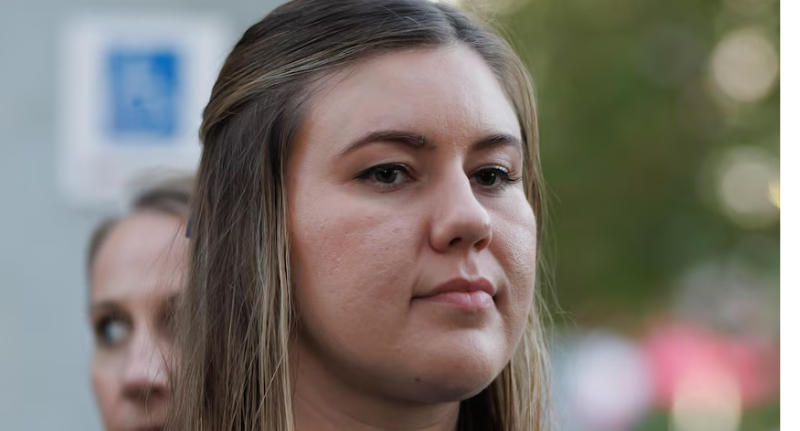
ABC confirms $340k spent on Higgins film without script
The ABC’s managing director and editor in chief Hugh Marks has revealed the network paid $340,000 towards a documentary starring Brittany Higgins entitled Silenced, The Australian reports.
The admission came during a Senate estimates committee hearing on Tuesday, where Marks also said that the ABC won’t imply in the film that Higgins was “silenced” by her former bosses, Linda Reynolds and Fiona Brown.
Mediaweek has reached out to the ABC for comment.
The ABC answers questions about Higgins film Silenced
During the hearing, Liberal senator Sarah Henderson raised concerns about the premise of the film and the ABC’s funding of it.
Addressing Marks, Senator Henderson said:
“The premise of the program (is) that women are fighting against the weaponisation of defamation laws to silence survivors. You would no doubt be aware that two Australian courts have found that Ms Higgins was not silenced and, in fact, made dishonest claims in asserting that the former West Australian senator Linda Reynolds and (her chief of staff) Fiona Brown improperly covered up (her) rape in Parliament House.
“Fiona Brown was within minutes of committing suicide after being subjected to these horrendous false allegations.
“Have you sought to verify what’s in this documentary? Have you sought to establish what’s in the script, what is claimed and, in fact, whether it is defamatory of either Ms Reynolds or Ms Brown?”
Marks confirmed the public broadcaster had helped fund the documentary and was committed to bring the film to Australian screens, but and further revealed he hadn’t yet seen “screening copy” of the documentary or been provided with its script.
“Our contribution, senator, looks like it’s $340,000, which is 14 per cent of the total budget of $2.5m,”Marks said.
“I haven’t seen the details of it. I’ve seen it on the slate of programs that’s been acquired. I’m not sure whether we’ve received the screening copy or … when it’s due to be scheduled, senator, (but) it will go through, of course, our normal editorial policy review processes before its telecast.”
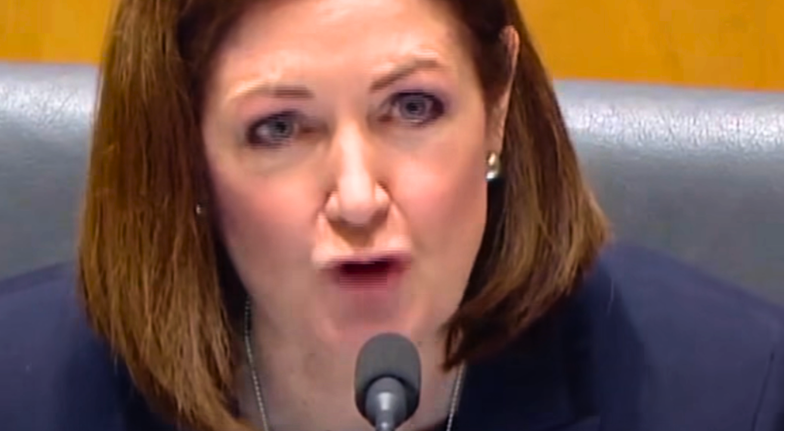
Senator Sarah Henderson. Image: Instagram
Facts in Higgins case for Silenced film
A court has found that, on the balance of probabilities, Ms Higgins was raped by her colleague Bruce Lehrmann during a late-night visit to Ms Reynolds’ office but that any suggestion the then senator or Ms Brown attempted to cover it up was unfounded.
The Australian reports that lawyers for Reynolds wrote to the film’s Australian producers, Stranger Than Fiction Films, saying that she would take legal action if there was any suggestion she had used defamation laws to silence survivors.
Henderson said at the hearing:
“I just want to make it clear, I am not in any way reflecting on the terrible incident that happened … I have great empathy for Ms Higgins in relation to the findings of the court in relation to the sexual assault. But I am disgusted that two innocent women, being the former WA senator Linda Reynolds and her former chief of staff, were improperly implicated in covering up this crime.
“I am disgusted by the false allegations which have destroyed the lives of these two women for the last four years.
“Linda Reynolds has told me that the producers of the movie have declined to provide her lawyers with the transcript or the link to the documentary, which is available for streaming in the USA, but it’s geo-blocked here in Australia.
“So what I’m asking is whether your acquisition of this documentary meets those standards, whether you have considered what’s being claimed because it appears, based on what has been published, is that there are erroneous claims in relation to the former senator Linda Reynolds and her former chief of staff Fiona Brown.”
Hugh Marks updates hearing on Higgins film
Mr Marks later told the hearing that he had received an update:
“I am assured there is no mention of Fiona Brown or Linda Reynolds in the documentary,” he said.
“I hear your concerns, Senator … obviously defamation is something that we cannot contemplate,” he said.
“We will make sure that the project obviously goes through all appropriate reviews, legal reviews and editorial reviews before broadcast.”
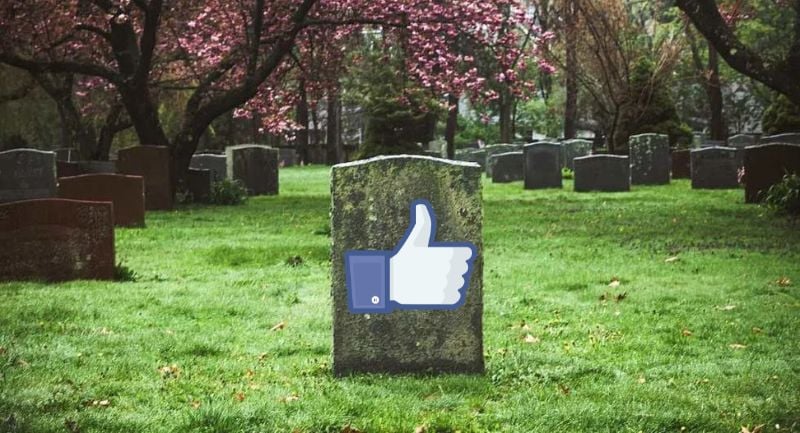
Posting from the afterlife? Meta patents AI 'digital stand-ins'
Could your Instagram, Facebook or WhatsApp presence keep “showing up” after you’re gone?
Meta has been granted a patent describing a system that uses a large language model to simulate a person’s social activity when they’re absent, including if they’re deceased.
The reporting was first published by Business Insider.
The patent says the model could “simulate” a user’s behaviour on a social network, responding to posts from real people and maintaining engagement.
What the patent proposes
The document outlines training an AI on “user-specific” data, including historical activity such as posts, comments and likes, to create a digital stand-in that behaves like the account holder.
In practice, the system could keep an account active by liking, commenting and replying to direct messages. It also references the ability to simulate audio or video calls.
Andrew Bosworth, Meta’s chief technology officer, is listed as the primary inventor, and the patent was first filed in 2023, according to Business Insider.
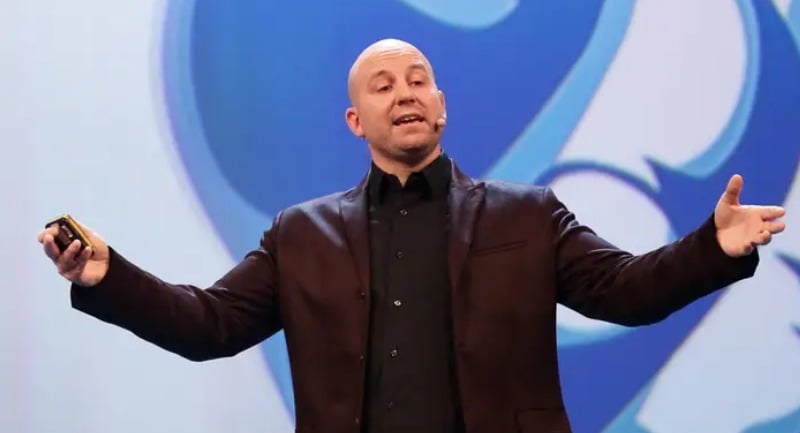
Meta’s Chief Technology Officer, Andrew Bosworth
Meta says it’s not moving ahead
A Meta spokesperson told the publication the company has “no plans to move forward” with the technology, adding that patents are often filed to protect or disclose concepts that may never be built.
Why it matters for creators and platforms
The patent positions the idea as a way to reduce the impact of a user’s disappearance from a network, whether due to a long break or death, on followers’ experience.
For creators and influencers, the concept suggests an “always-on” account that can sustain audience engagement during downtime.
But it also raises obvious questions for advertisers, agencies, and platforms about disclosure, authenticity, and brand safety when an account is being “performed” by a model rather than the person.
Grief tech is already a category
Tools that aim to preserve or recreate aspects of a person after death are often grouped under labels like “grief tech”, “death bots”, or “ghost bots”. Business Insider notes a number of startups have emerged in the space, and points to Microsoft’s earlier patent work on chatbots that can mimic specific people.
Meta, for its part, has long offered “legacy contact” and memorialisation options on Facebook, allowing someone you nominate to manage limited parts of your profile after death.
In a 2023 interview with Lex Fridman, Mark Zuckerberg said there “may be ways” that interacting with memories could help grieving people, while also warning that the idea could become “unhealthy”.
Ethical and commercial questions
Business Insider reported that Edina Harbinja, a professor at the University of Birmingham specialising in digital rights and post-mortem privacy, flagged a mix of legal, social, and philosophical issues and suggested the commercial incentive is clear: more engagement and more data.
Separately, Joseph Davis, a sociology professor at the University of Virginia, told Business Insider he was concerned about how simulations might shape the grieving process, arguing that grief involves facing loss rather than blurring it.
What happens next
For now, the key takeaway is that Meta has a granted patent, not a product announcement, and says it does not intend to proceed.
Still, as generative AI becomes more embedded across consumer platforms, the patent is a signal of where product teams are at least exploring.
TV still rules the lounge room as OzTAM’s new data widens the lens
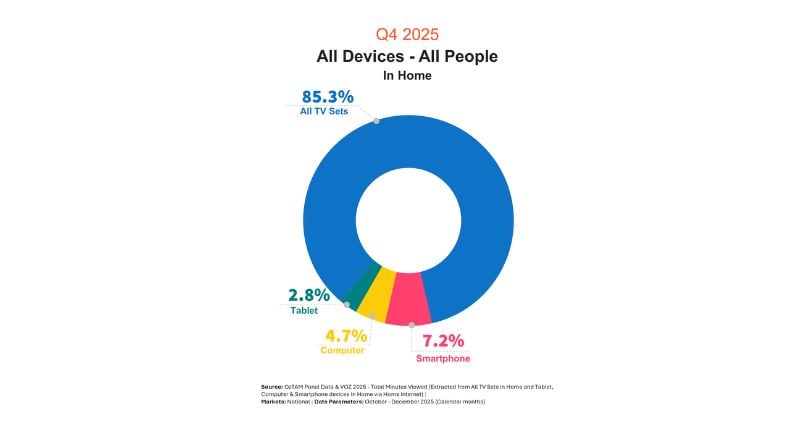
The television set remains the dominant screen in Australian homes, accounting for 85.3% of all in-home video viewing minutes in Q4 2025, according to the first Streamscape report to include device-level data.
OzTAM had already confirmed it would expand Streamscape to include viewing on smartphones, computers, and tablets.
The newly released Q4 2025 edition marks the first report to publish those figures, widening the industry lens while reinforcing one clear takeaway: the big screen still leads.
The report covers October to December 2025 and includes a full-year 2025 overview of viewing to TV sets.
Device-level data adds 17% more viewing
OzTAM developed the enhanced measurement in collaboration with Nielsen, leveraging Nielsen’s global expertise to extend reporting to connected devices within the home.
The addition of smartphones, computers, and tablets means the Q4 report captures 17% more in-home viewing minutes than previous Streamscape releases.
In Q4 2025, TV sets accounted for 85.3% of Total People in-home video viewing. Smartphones represented 7.2%, computers 4.7%, and tablets 2.8%.
The share of viewing on TV sets aligns with established international benchmarks. In the UK, TV sets account for around 84% of in-home video viewing, while in the US the figure is typically close to 80%.
Free-to-air still commands the TV set
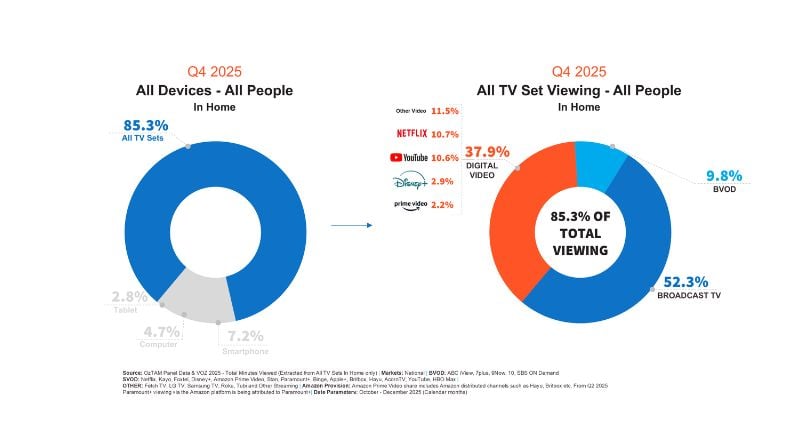
On the TV set specifically, free-to-air Total TV, which includes broadcast TV and BVOD, delivered 62.1% of viewing in Q4 2025. Broadcast TV alone contributed 52.3% of total TV set minutes.
Streaming activity across both BVOD and SVOD services increased during the quarter, reflecting the northern hemisphere winter release cycle for global content and seasonal shifts in local viewing behaviour.
Across the full year 2025, free-to-air Total TV dominated TV set viewing, accounting for 67.7% of Total People minutes. Broadcast TV delivered 58.5%, Total BVOD accounted for 8.9%, and Digital Video, including SVOD and AVOD services, represented 32.6%.
A clearer industry view
Karen Halligan, chief executive officer at OzTAM, said the expanded dataset provides a more comprehensive view of total video consumption.
“The addition of device-level viewing to Streamscape is a meaningful step forward for the industry, capturing 17% more in-home viewing minutes and providing a clearer view of how Australians are consuming video across screens in their homes,” Halligan said.
“The Q4 All Device results confirm that the TV screen remains the most powerful medium for in-home viewing in Australia, accounting for 85.3% of total minutes, and which is closely aligned with global markets.”
OzTAM plans to transition Streamscape to a digital, interactive dashboard in early 2026, enabling deeper analysis, improved cross-referencing and more efficient data extraction for planning and trading.
OzTAM operates as Australia’s official source of television audience measurement and supplies VOZ, the industry’s Total TV currency. VOZ integrates broadcast viewing on TV sets with granular BVOD viewing on connected devices to deliver national, de-duplicated, cross-platform planning and trading data.

Tabcorp pays $158,400 fine for illegal sports bets
Tabcorp Holdings Limited (Tabcorp) has paid a $158,400 penalty for taking online in-play sports bets, which is illegal in Australia.
An Australian Communications and Media Authority (ACMA) investigation found Tabcorp accepted 426 in-play bets across 32 tennis matches between February 2024 and June 2025.
Tabcorp online in-play bets refunded
The ACMA explains that online in-play betting, wagers made on a sporting event after it has commenced, is prohibited in Australia under the Interactive Gambling Act 2001 (IGA).
The online in-play sports bets that were accepted in breach of the IGA were voided by Tabcorp and the bets were refunded.
The ACMA accepted the evidence from Tabcorp that the breaches occurred due to systems and communication issues with its third-party provider.
‘The law is clear’ on illegal in-play bets
ACMA member Carolyn Lidgerwood said this is the third time since 2021 that Tabcorp has breached the in-play betting rules.
“The law is clear and wagering services must have processes in place to prevent illegal in-play bets from being accepted,” Ms Lidgerwood said.
“While we understand that most wagering operators rely on third-party providers to close betting on sporting events, they cannot outsource their legal responsibilities.
“The length of time it took Tabcorp to identify and then fix the problem was concerning and we expect Tabcorp to do better in the future.”
Tabcorp to review its processes
Tabcorp has entered into a comprehensive enforceable undertaking requiring the company to review its systems and processes relating to the closing of betting on tennis matches and to report regularly to the ACMA.
Any further non-compliance by Tabcorp may result in proceedings through the Federal Court.
Super Bowl 2026: Standouts and stumbles in big-game brand strategy
Super Bowl ads delivered massive reach, but only a handful of brands strengthened the trust and relevance that drive long-term growth.
“This year’s Super Bowl ads were really fascinating – a wide range of brands showing off, with plenty of celebrity overload,” said Tracksuit head of brand Sam Brough.
“What really caught our attention, though, was the clear difference in strategies, particularly between brands that capitalised on this massive world-stage moment to double down on their distinctiveness, versus those that treated the opportunity like a one-off stunt – all in pursuit of being ‘disruptive’.”
Has Pepsi just spent $8million advertising Coke?
Pepsi’s ‘taste challenge’ certainly put the brand back in the headlines, but not necessarily for the right reasons.
Brough said the misstep was pivoting toward ‘borrowed interest’, trading Pepsi’s identity for a fleeting tie to its competitor’s assets.
“By hijacking its rival’s distinctive brand asset – the polar bear – Pepsi are leaning on memory structures that Coke spent decades building,” he told Mediaweek.
“It’s a classic branding trap. You think you’re being disruptive, but you’re actually just reminding the consumer of the market leader.
Sam Brough
“Look at the margin gap – Coke operates at roughly 25% profit margin, while Pepsi sits at 10%. That isn’t a fluke, it’s a direct result of the brand equity they’ve built.”
Brough said Coke holds a 32% vs. 15% lead in consumer preference because it owns the psychological triggers that drive purchases, such as trust, lifestyle relevance, and a premium feel.
“While Pepsi is busy chasing a ‘taste challenge,’ they’re ignoring the fact that Coke dominates every meaningful funnel metric,” he said.
“Unless Pepsi can bridge these double-digit gaps in trust and relevance, this campaign is just an expensive reminder of why the world still defaults to Red.”
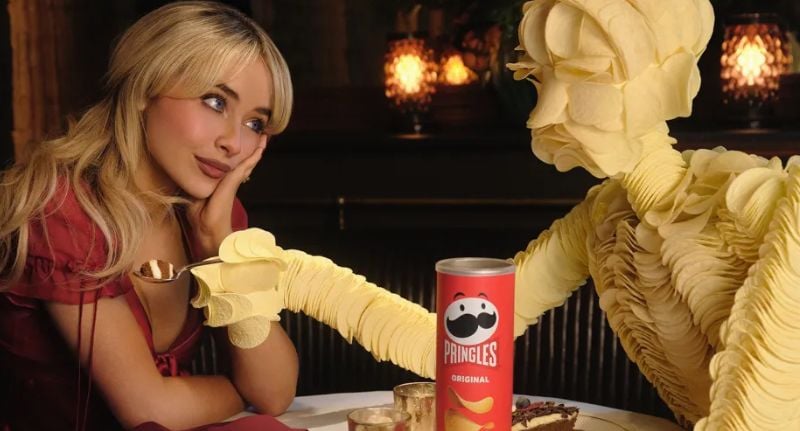
Man made out of Pringles: Sabrina Carpenter’s Super Bowl debut
Pringles launched an ad featuring singer Sabrina Carpenter building her “soulmate”, Pringleleo, out of chips.
Brough described the spot as one of the standouts from game day.
“Its partnership with Sabrina Carpenter allowed the brand to borrow some cultural capital from an ‘it girl’ of the moment, but it also avoided the usual Super Bowl trap of celebrity overload,” he said.
“Instead, the product was the hero, with Carpenter supporting the main act and helping to evoke the category’s main entry points around taste, desire and indulgence.”
Brough said the Pringles spot worked because it balanced nostalgia with contemporary cultural cues.
“Bringing back the iconic ‘Once you pop, you can’t stop’ tagline and marrying it with Gen Z royalty is proof that you can continue to refresh without losing your distinctive core,” he said.
“Clarity and consistency win.”
Is Kevin Hart a shortcut to trust?
Brands are increasingly partnering with celebrities to borrow cultural relevance and capture attention, but effectiveness ultimately comes down to execution.
Brough said Verizon’s Super Bowl spot demonstrated how talent can strengthen, rather than distract from, brand positioning.
“Verizon pulled a similar move with Kevin Hart. It’s a total shift in tone,” he said.
“Kevin’s brand is built on being a no-BS straight talker who calls it like it is, which is exactly what a telco needs when they’re trying to cut through the noise of competitors’ confusing claims.”
Brough argued the creative worked because Hart’s persona reinforced Verizon’s role in the category rather than overwhelming it.
“When the fit is that tight, the talent actually moves the needle on brand salience,” he said.
“Kevin becomes a shortcut to trust in a category that often feels like a minefield for consumers.”
dentsu doubles down on stability with senior promotions
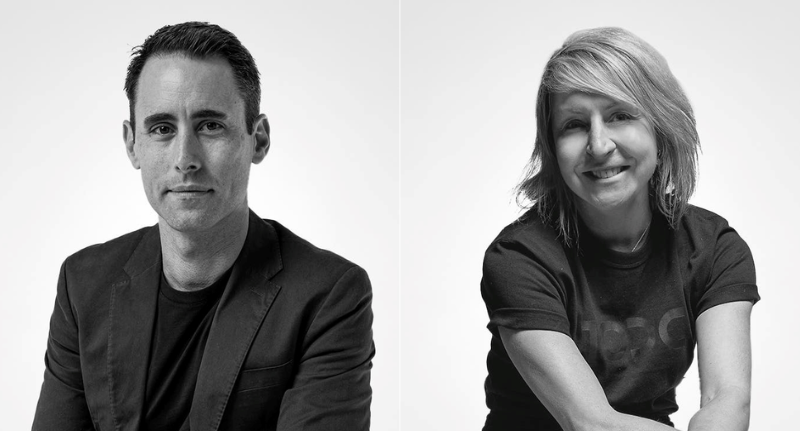
dentsu has confirmed the permanent appointments of David Halter as Chief Practice Officer, dentsu Creative Australia, and Vanessa Nicol as Chief Operating Officer for dentsu ANZ.
This formalises the roles both leaders have held on an interim basis.
The appointments were first shared with clients at an invite-only event, “DC26”, and followed what the business described as a successful transition period marked by stability and focus within dentsu Creative.
Strengthening dentsu Creative’s structure
dentsu Creative operates under a unified structure that brings together creative, earned and experience teams, rather than maintaining separate agency silos.
In Australia, the team works across the east coast and partners with brands including American Express, Chery, Adobe, NBN, The Iconic, Zespri and nib.
Halter, who previously served as Chief Strategy Officer for dentsu ANZ, assumes the role of Chief Practice Officer, responsible for driving the quality and impact of the agency’s creative output.
“We have great people at DC, and a client list we are proud to partner with. My focus is on continuing to improve the quality of our creative work in all its forms and supporting our people the best way I can to create impact for clients,” Halter said.
Operational focus across ANZ
Nicol moves permanently into the Chief Operating Officer role for dentsu ANZ, overseeing operations across the region.
Her remit includes streamlining processes, embedding AI enhancements and evolving ways of working across dentsu Creative and the broader dentsu group.
“You can feel the momentum across the agency. We’re accelerating our operational processes with new technology to set our team and our clients up for success,” Nicol said.
CEO Rob Harvey comments
dentsu ANZ CEO Rob Harvey said both leaders had made an immediate impact during their interim tenure.
“David and Vanessa have done an outstanding job stepping into their roles over the past four months, bringing clarity, care and immediate impact. Their leadership has been felt quickly by both our people and our clients, and their approach is strongly aligned with our values and ambition as a connected dentsu group.
“They are both highly respected, tenured leaders within dentsu, and their permanent appointments are a clear reflection of the strength of our internal talent and the depth of capability we have across ANZ.
“As we enter 2026 with confidence and momentum, David and Vanessa will play a key role in shaping the next phase of growth for dentsu Creative and the broader dentsu ANZ business,” he said.
The appointments take effect immediately and underscored dentsu’s focus on leadership continuity and long-term client and people partnerships.
Top Image: David Halter and Vanessa Nicol
Are Media’s luxury play for 2026: deeper partnerships, human stories and cultural clout
Are Media is positioning its luxury portfolio as a long-term content partner for brands in 2026, as shifting consumer expectations reshape how luxury marketers approach storytelling.
In a new episode of Content Conversations – the publisher’s series exploring how leading brands connect with audiences through distinctive content partnerships – Are Media’s General Manager of Luxury, Nicky Briger, outlines how the luxury consumer is evolving and what that means for brand strategy.
“With the explosion of AI and deepfakes, consumers are really wanting to know more about brands – not just the images, but the storytelling, the heritage, the people behind them,” she said.
“They’re obsessed with the human, emotional connection – which you’re not getting from surface-level AI.”
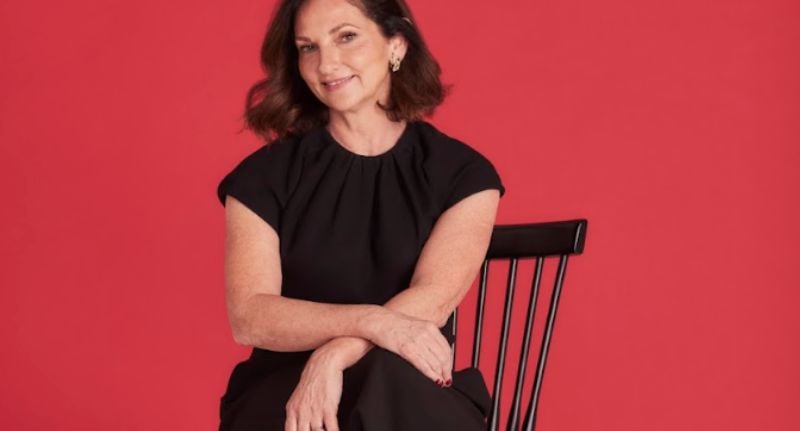
Nicky Briger. Source: Supplied
Built on editorial credibility
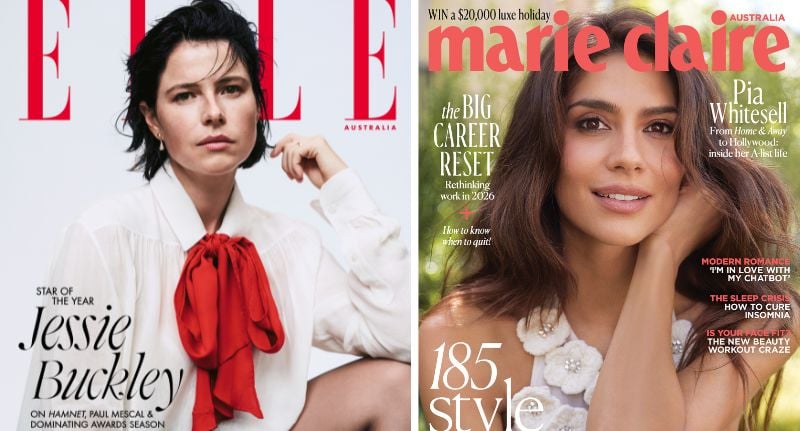
Briger says this shift aligns with the strengths of Are Media’s luxury portfolio, which includes ELLE, marie claire, Gourmet Traveller and Beauty Crew.
Gourmet Traveller marks 60 years in 2026, while ELLE celebrates 80 years globally. marie claire has operated in Australia for three decades. Briger says the longevity of the brands underpins their authority with audiences.
“What’s really beautiful about our brands is that you grow with them,” Briger says.
“You might start as an ELLE reader, then move into marie claire, and later into Gourmet Traveller. Your interests evolve – and our brands evolve with you.”
Moving beyond short-term campaigns
For marketers planning the year ahead, Briger says the opportunity lies in treating Are Media as a creative partner rather than a placement channel.
“Our creative teams know exactly what they’re doing,” she said. “We bring a fresh and creative take on collections, products and brand stories. Clients come to us because of how we reimagine their collections through our editorial lens.”
The publisher’s 2026 calendar includes the return of the Gourmet Traveller Restaurant of the Year Awards, Marie Claire Women of the Year, the ELLE Next Gen Awards and Beauty Crew’s Best in Beauty Awards.
New initiatives include the launch of ELLE Man, focused on male luxury audiences, and ELLE Fit, a multi-platform wellness and fitness initiative.
“These tentpoles are amplified tenfold,” Briger explained. “You can’t pick up your phone without seeing red-carpet footage and content being shared. Everyone in the room becomes part of the amplification, and it takes your brand to entirely new audiences.”
Editorial and creators working together
Briger says premium editorial and creator partnerships can work together.
“We work beautifully in tandem,” she says.
“There’s total synergy. But the difference is that our brands put the client and the brand front and centre. A creator brings their own personality lens – which is powerful – but it plays a different role.”
Beauty Crew’s Super Crew – a network of 50 micro-influencers – produces content that runs across both creator channels and Are Media platforms as part of this model.
Expanding video and audio
Briger says Are Media is increasing its focus on video and podcasting across marie claire, ELLE and Gourmet Traveller.
New vodcasts in 2026 will include marie claire – You’re Gonna Want to Hear This, Gourmet Traveller – Table Talk, and ELLE – Inner Circle.
“We’re going hard on video and podcasting, but what matters most is that the stories remain meaningful,” Briger said.
How Reebok is using legacy to fuel its comeback
Few brands have achieved such broad cultural influence as Reebok.
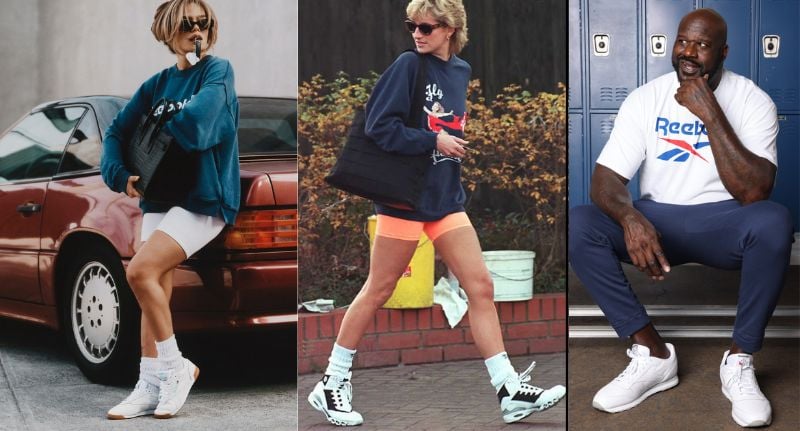
From Princess Diana’s off-duty gym looks to Shaquille O’Neal’s on-court dominance, the brand has not only stood the test of time, but it has also repeatedly found ways to tap into the cultural moment without abandoning its roots.
It is a balancing act that many heritage labels attempt, but few sustain.
Now, Reebok is attempting its next evolution, signing global music heavyweight KAROL G as its new global brand ambassador in a multi-year partnership designed to relaunch Reebok Classics for a new generation.
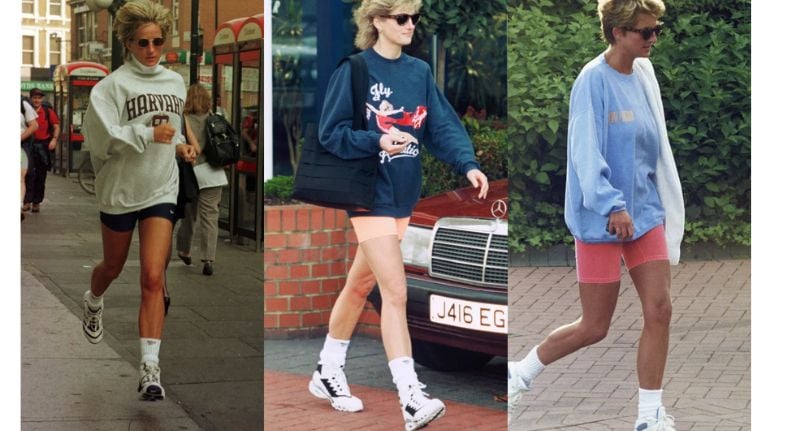
Princess Diana in her iconic Reeboks. Source: Supplied
Heritage as a living code
The partnership marks a global reset for the brand’s most recognisable silhouettes, anchored by a new campaign platform, Born Classic. Worn for Life.
The idea is straightforward: honour the icon, then reinterpret it.
At the product level, that means a refreshed Classics line crafted in 100% real Garment Leather, spanning unisex and women’s only styles. The strategy leans into material credibility and quality while maintaining mid-tier pricing, a calculated position in a cost-conscious retail climate.
Katherine Sutton, global director of collaboration marketing at Reebok, told Mediaweek the focus remains clear: evolve without erasing.
“We’re very proud of our heritage and the history of the brand. But, you know, we’re really excited about the future of the brand as well. We’re not leaving our roots within our classic silhouettes.
“We also have a rich sports history, which we’ve recently reentered with basketball and golf. While we draw on our past, we are highly invested in making it new and relevant for the current generation as well.”
Sutton said the goal has always been to “pay homage to the icons of the past through this new generational lens.”
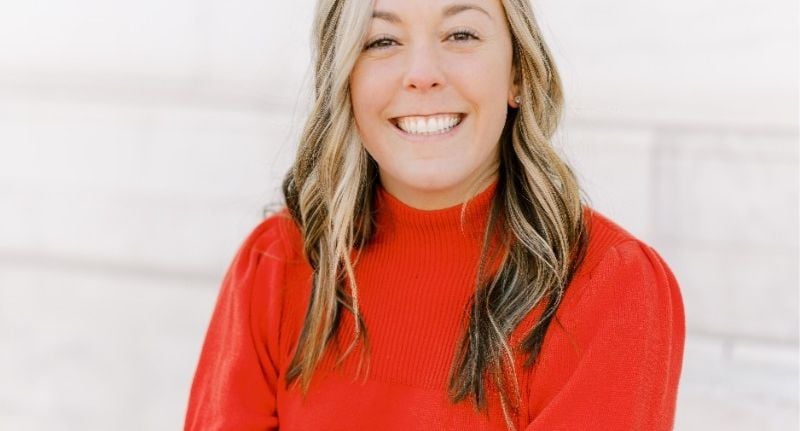
Katherine Sutton, global director of collaboration marketing at Reebok. Source: LinkedIn
The right icon for the next chapter
If heritage is the foundation, culture is the amplifier.
Reebok’s decision to centre KAROL G in this next chapter signals a deliberate alignment with global influence that spans music, fashion and identity.
Shot by Renell Medrano, the campaign reframes Reebok’s most recognisable silhouettes through a modern cultural lens, referencing the moments that embedded the brand in fashion and fitness history while positioning KAROL G as the connective thread between eras.
Sutton said the choice of ambassador was instinctive and strategic.
Sutton said KAROL G emerged as the clear partner to carry that vision forward. The brand wanted someone who could honour legacy without feeling anchored to it, someone building her own iconography in real time.
“KAROL G was honestly the best partner to do that,” she said. “She’s paving her own way, but certainly understands icons of the past as well. We couldn’t think of a better brand partner to bring it to life.”
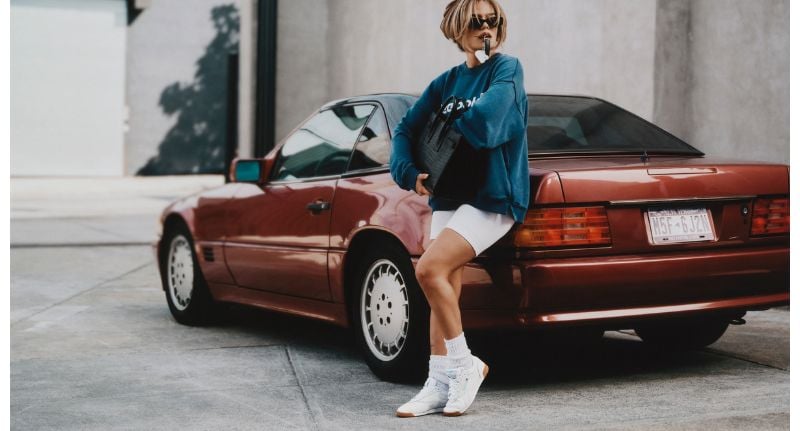
KAROL G. Source: Reebok
From Reebok’s perspective, the timing also aligned. KAROL G’s global momentum has accelerated rapidly, positioning her not just as a chart-topping artist but as a cultural force crossing markets and mediums.
Sutton described her as “taking the world by storm,” pointing to recent headline moments including the Super Bowl halftime stage and her upcoming Coachella headline slot.
“She has such a great story. She’s a pioneer, and we’re excited to be part of her journey as she continues to break down those barriers,” Sutton said.
“We’re excited to invest in this partnership and continue to break barriers and talk to the consumer through her lens as well.”
In that equation, KAROL G becomes more than an ambassador. She functions as a conduit, translating Reebok’s heritage into something that feels current, personal and globally resonant.
Meanwhile, KAROL G has described the collaboration as deeply personal.
“I’ve been wearing Reeboks for as long as I can remember, so becoming a Global Brand Ambassador feels like a full-circle moment.
“Reebok Classics has a rich foundation and heritage in style, which is really important to me when it comes to fashion, and I love that I’ll get to be part of the brand’s story and show the world how I take Reebok with me wherever I go.”
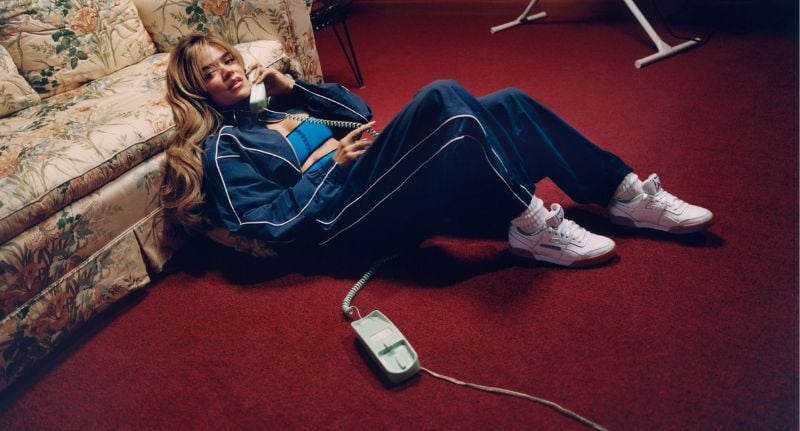
KAROL G. Source: Reebok
More than a sneaker
For Reebok, the recalibration extends beyond leather upgrades and celebrity partnerships. It speaks to how sneakers function in culture today, not simply as footwear, but as personal markers.
Sutton said relevance now means understanding what the product represents in people’s lives.
For Sutton, the partnership with KAROL G falls within a broader mandate: to ensure Reebok speaks fluently to the next generation without diluting what made it iconic in the first place.
“I think our focus should be on continuing to speak to the new generation, telling relevant stories, and highlighting our rich heritage and history as a brand,” she said. “We want to invest in the future of these generations and what sneakers mean to them and what storytelling means to them.”
That framing positions sneakers less as a product and more as a form of personal language. Sutton argued that footwear now functions as identity shorthand, a visible marker of taste, ambition and mindset.
“Sneakers become so much more than just what you put on your feet, but they represent, you know, who you are as a person. We want to meet the consumer where they are in that journey.”
Importantly, she does not describe a single, neatly defined Reebok customer. Instead, she focuses on mindset over demographics. The brand’s audience, she said, wants to interpret the world on its own terms.
“I think the Reebok consumer, you know, wants to look at the world differently in their own unique way and perspective. And they want to break out of the norm. They want to stand out.”
Reebok’s role, in that context, is to provide a foundation rather than a prescription. A classic silhouette becomes a starting point, not a finished statement.
“They can take a classic. They can make it their own,” Sutton said.
Whether the consumer is an aspiring professional athlete or a parent pushing a stroller while carving out time for their own well-being, the common thread is autonomy.
“It’s really just that person who paves their own way. That’s who we really want to talk about,” she said. “There’s not a direct path, and you can kind of take your own journey, and we’re here to be a part of that.”
In other words, the brand is not chasing a single archetype. It is building a platform flexible enough to hold many.
Agility, she said, will define the path forward.
For a company that has moved fluidly between sport, street and pop culture for decades, this moment feels less like reinvention and more like recalibration. Reebok is not discarding its past. It is polishing it, pricing it within reach, and placing it on the feet of an artist who embodies forward motion.
Keep on top of the most important media, marketing, and agency news each day with the Mediaweek Morning Report – delivered for free every morning to your inbox.
Gen Z now 48% of media workforce as MFA urges leadership reset
Gen Z now makes up almost half (48%) of Australia’s media workforce, yet much of the industry conversation still leans on outdated assumptions.
That is the central finding of a new whitepaper released by the Media Federation of Australia on 12 February 2026.
Drawing on data from the MFA’s NGEN Workplace Survey, The Gen Z effect: how a new generation is reshaping work in the media, why it matters and how leaders can adapt argues that leaders need to rethink how they train, manage and develop early-career talent.
The report, announced at an event launching NGEN’s 2026 workshop series, positions Gen Z not as a problem cohort but as an early signal of bigger structural change across the media industry.
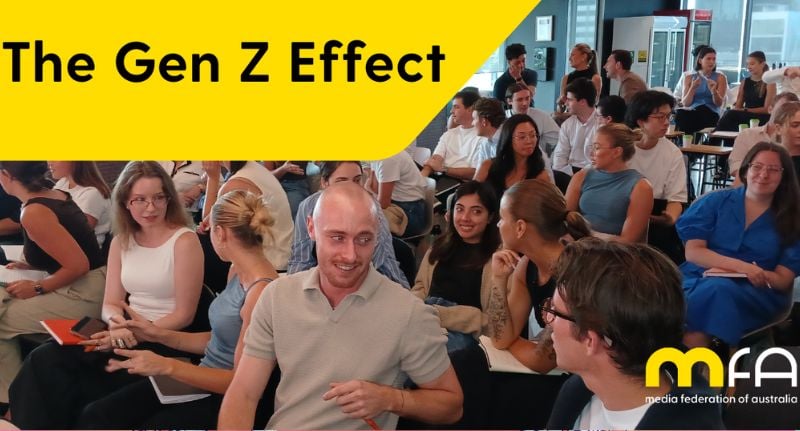
A workforce shaped by disruption
NGEN is the MFA’s flagship training and development program for media professionals with less than five years’ experience. It delivers workshops, events and practical learning designed to build capability across both media agencies and media owners.
Gen Z entered the workforce during a period defined by digital-first workflows, virtual collaboration and limited access to in-person mentoring.
Never Not Creative’s Mentally Healthy 2024 Survey found that younger workers report higher levels of anxiety than older cohorts, a reality that continues to influence workplace expectations.
As automation, AI, and platform-driven workflows reshape the sector, structured support and development have become essential rather than optional.
Melanie Aslanidis, head of NGEN and MFA Foundations, said: “Too often, Gen Z is framed as less resilient, less loyal, harder to manage. In reality, Gen Z is not a problem to solve, but an early signal of deeper changes already reshaping how work is learned, communicated and experienced.
“Understanding Gen Z isn’t about indulgence or accommodation. It’s about recognising how the foundations of work have shifted, and what effective leadership looks like now.”

Source: FreePik
Clarity, Feedback And Culture
The whitepaper highlights four areas where generational shifts are most evident: learning, communication, culture, and careers. It urges leaders to provide clarity around expectations, feedback and progression pathways.
The report states: “For Gen Z, feedback isn’t a judgement, it’s a developmental tool. It’s part of how they learn, not something saved for formal reviews. Regular, in-the-moment input helps answer the basics: Am I on the right track? What should I focus on next? How am I improving?”
Sophie Madden, CEO of the MFA, said: “What’s often framed as ‘Gen Z needs’ are in fact fundamentals of good work: clear communication, meaningful development, supportive leadership and healthy workplace cultures. When organisations get it right for Gen Z, they create better outcomes for people at every stage of their career.
“This whitepaper is a testament to the important role NGEN plays in listening to early-career talent and translating those insights into practical guidance for the industry. We’re proud of NGEN’s continued leadership in shaping a more resilient, inclusive and future-ready media workforce.”

Sophie Madden, CEO of the MFA. Source: Supplied
What the data shows
Key findings from the MFA’s NGEN Workplace 2025 Survey underline how Gen Z defines effective work:
• 47% prefer in-person conversations, while only 1.3% favour project-management tools for communication.
• 57% want real-time feedback while on the job rather than waiting for formal reviews.
• Only 6% believe long hours equal working hard, while 82% say efficiency and meeting deadlines matter more.
• 91% rank supportive managers as the most important feature of a healthy workplace.
NGEN’s 2026 program will deliver more than 40 workshops and events covering negotiation, presentation, critical thinking, change management, leadership and the return of the NGEN Charity Cup.
The NGEN Mentor Program will also return after a successful 2025 pilot, pairing rising talent with experienced industry leaders.
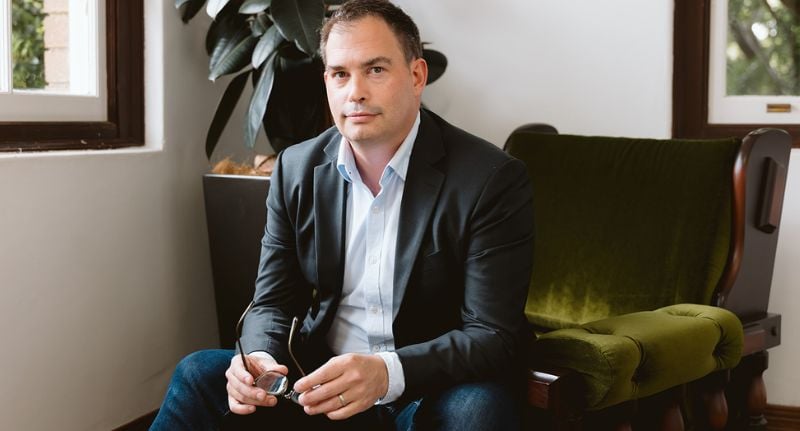
Former PwC marketing advisory head TC Miles launches BrandOrder consultancy
A former Big Four marketing leader is stepping out on his own – and he’s doing it with a pointed message for Australia’s boardrooms.
Thomas (TC) Miles, former Head of PwC’s Marketing Advisory, has launched BrandOrder, a consultancy aimed at helping businesses untangle what he describes as a growing “complexity trap” hampering performance
The launch follows a cross-industry study of 68 ASX top 100 companies, which found 65% of businesses are suffering from significant operational complexity that hinders performance, while 46% are challenged by the internal capacity to deliver their targets
A market straining to ‘do more with less’
Miles said the findings validate what he has seen first-hand across a decade in management consulting.
“Over the last decade, working in management consulting, we’ve seen consistent themes around managing complexity while resources and teams are being fragmented. This study gives facts to what people are saying,” he said
“Senior leaders intuitively know what needs to be done to improve organisational performance, but they often lack the time, budget or internal capability to help them. Many of these challenges faced are historical, planning processes, legacy brands and operational structures, putting them in the too-hard basket in the face of day-to-day delivery,” he added
At the heart of BrandOrder’s proposition is simplification – particularly for CMOs and executive teams wrestling with bloated portfolios and layered strategies.
“There is often not just a need for better strategy, it’s the ability to get alignment through singular propositions, to meet the needs of stakeholders in the most efficient way. It requires experts in understanding businesses and the people in them, with the ability to navigate these structures, getting to what’s important to make businesses more focused, and ultimately more profitable,” Miles said
From Big Four to boutique
His portfolio includes brand and marketing transformation work for British Telecom, BHP, the creation of Services Australia, EnergyAustralia and Scyne Advisory, alongside operational improvement projects for Domino’s, Avant Mutual, Microsoft Network Partners, BMW, Nextt and NBN Co
BrandOrder positions itself as a more agile alternative to traditional consulting models, promising work delivered in weeks and at a fraction of conventional costs
Its services include go-to-market diagnostics, portfolio optimisation, strategy alignment and operational redesign
Miles argues that demand is being driven by restructurings, M&A activity, and mounting pressure to extract greater value from marketing investment.
“Demand for our services is being driven by leaders seeking better organisational alignment to improve performance, often as a result of restructures, M&A or getting control of the customer experience. As an industry, we’ve loved creating brands and propositions, but are terrible at saying goodbye to them when they’re no longer core or contributing to growth,” he said
“We’re helping CMOs and executive teams to make ‘order out of chaos’, by removing unnecessary strategy layers and programs that dilute budgets and profitability,” he concluded
As marketing budgets tighten and executive teams continue to be asked to deliver growth without corresponding resource increases, BrandOrder enters the market with a clear brief: strip back, align and simplify – before complexity erodes performance any further.
Vale
AI
Heineken flags job cuts as AI push follows soft beer sales
Well, now the data is showing up in practice.
The world’s second-largest brewer, Heineken, says it will cut between 5,000 and 6,000 roles, roughly 7% of its workforce, over the next two years as it chases productivity gains driven in part by AI.
According to CNBC’s Sawdah Bhaimiya, the move comes after total beer volumes slipped 2.4% across 2025.
Anthropic keeps low profile in Australia despite Claude momentum
Instead, the AI firm appears to be building relationships behind closed doors.
The clearest sign comes this week, with Anthropic stepping up as a major sponsor of Blackbird’s Sunrise conference, a subtle but telling nod to its Australian ambitions.