
Friday December 12, 2025
Disney’s OpenAI bet shows Hollywood’s got a new power player
Disney’s AU$1.5 billion investment in OpenAI has sent a clear signal through Hollywood: the fight isn’t about consolidation anymore. It’s about artificial intelligence. And for media veteran Clive Dickens, CEO of The Meliora Company, the announcement lands like a neon-bright confirmation of the warning he gave Mediaweek when Netflix muscled in on Warner Bros Discovery for roughly AUD110 billion.
At the time, Dickens argued AI – not corporate empire-building – was the force rewriting entertainment’s power map. Today, Disney has effectively underlined it.
Under the three-year deal, OpenAI’s Sora will gain access to more than 200 characters across Disney, Pixar, Marvel and Star Wars, unlocking fan-made short-form video and image creation from early 2026. Select user-created clips may even appear on Disney+.
The company isn’t stopping at licensing: Disney will roll out ChatGPT internally, lean on OpenAI’s models to build new tools and experiences, and take warrants that give it the option to buy more equity in OpenAI in the future. It’s a full-throttle, business-wide repositioning around AI capability rather than studio sprawl.
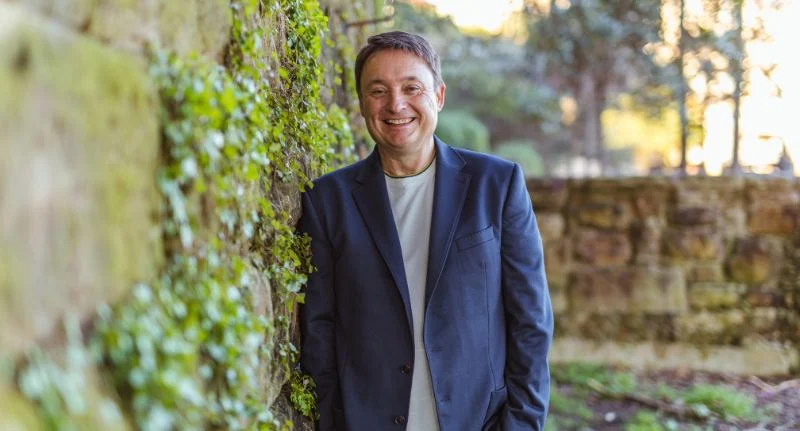
Clive Dickens
The real disruption is not consolidation
Dickens says the deal lands exactly where he predicted the Netflix–WBD saga was ultimately heading.
“It’s validating our theory around the real disruption in Hollywood is not consolidation, it’s AI,” he told Mediaweek just hours after the Disney announcement.
“User-generated content enabled by generative AI is now a major disrupting force to entertainment companies. Therefore, they might as well own more traditional content by Harry Potter and Game of Thrones as a better way to defend the adoption of Gen AI UGC,” he said.
For Dickens, the maths has been obvious for some time.
“It took Netflix 15 years to get to 330 million active households, and it’s taken ChatGPT eight weeks to add a hundred million weekly active users,” he said.
“All you have to do is install the free app on your phone. There’s no barrier, and there are 5.5 billion smartphone owners worldwide.”
His thesis is simple: if audiences can generate content instantly, at scale, then owning heavyweight IP becomes a defensive play rather than a nostalgic one.
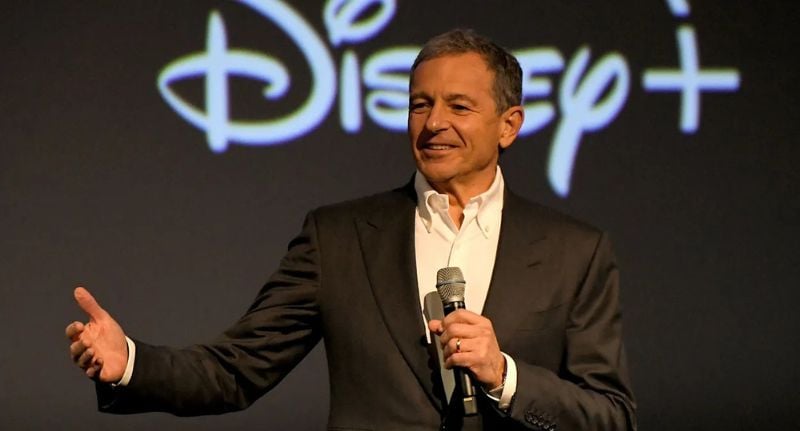
Bob Iger
The Iger breadcrumb trail
Dickens notes that Disney’s move wasn’t entirely a surprise if you listened closely.
CEO Bob Iger had already telegraphed the pivot during the company’s 2025 earnings call.
“The other thing that we’re really excited about, that AI is going to give us the ability to do, is to provide users of Disney+ with a much more engaged experience, including the ability for them to create user-generated content and to consume user-generated content – mostly short-form – from others,” Iger said at the time.
As Dickens puts it, “at that point when he made that comment on that earnings call, he was obviously in negotiation with the world’s biggest AI company. Yet, no one actually made the connection between his comment and today’s announcement.”
Why Netflix’s behaviour predicts the rest of the market
To understand why traditional studio assets are suddenly so valuable again, Dickens points back to Netflix’s shift in competitive framing.
“At one point, about seven or eight years ago, Reed Hastings was asked, Who is Netflix’s competitor? And at the time, he went on record saying, ‘Netflix competes with sleep.’”
Back then, binge-watching was the battleground – “just one more episode” until 10pm. That era, Dickens says, is over. “This signals that they are no longer competing with sleep. They are now competing with any time that you and I do not spend on Netflix.”
With more than 300 million paying households – “over a billion users” when factoring in how many people share each subscription – Netflix has hit the ceiling of easy growth.
“It’s going to be really hard to reach the next billion because the next billion either have another service they prefer or don’t want to spend that much money,” he says.
AI, however, already lives at that scale. And that’s the shift every major studio is now racing to catch.
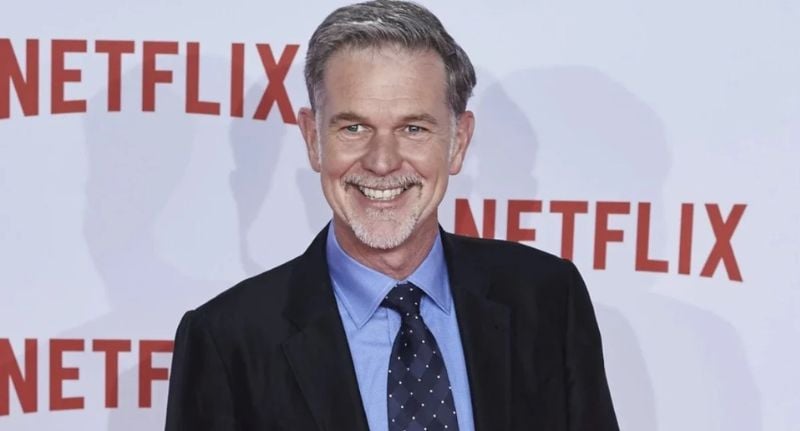
Reed Hastings
The stakes
Disney’s OpenAI deal doesn’t just launch a new creative toy; it marks the formal beginning of Hollywood’s next competitive age.
Audience behaviour, content creation and platform loyalty are all being rewritten by generative AI – and traditional studios are scrambling to protect their turf by wrapping their most valuable IP around the change.
If Dickens is right, the industry isn’t consolidating; it’s rearming.
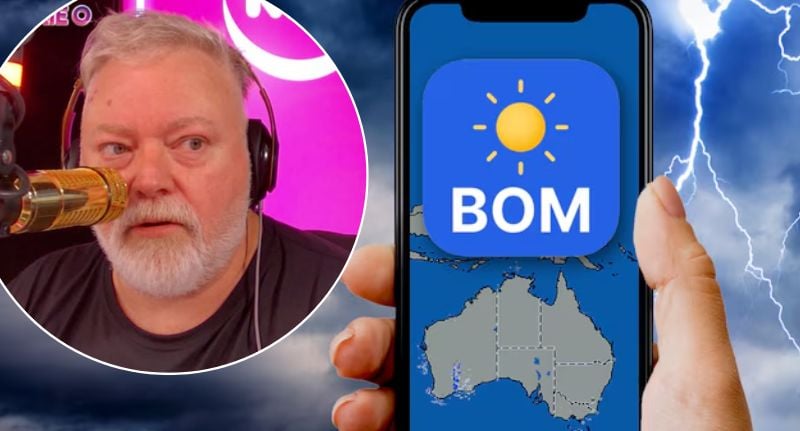
Kyle Sandilands says what Australia's thinking about BOM's website revamp
“Why didn’t they just go to GoDaddy? You can make a website for $30.”
No one had KIIS FM’s Kyle Sandilands pegged as the voice of reason on their 2026 bingo card, yet here we are. The Kyle and Jackie O co-host today summed up the national mood with uncanny precision, giving voice to the collective groan over the Bureau of Meteorology’s expensive and embattled new website.
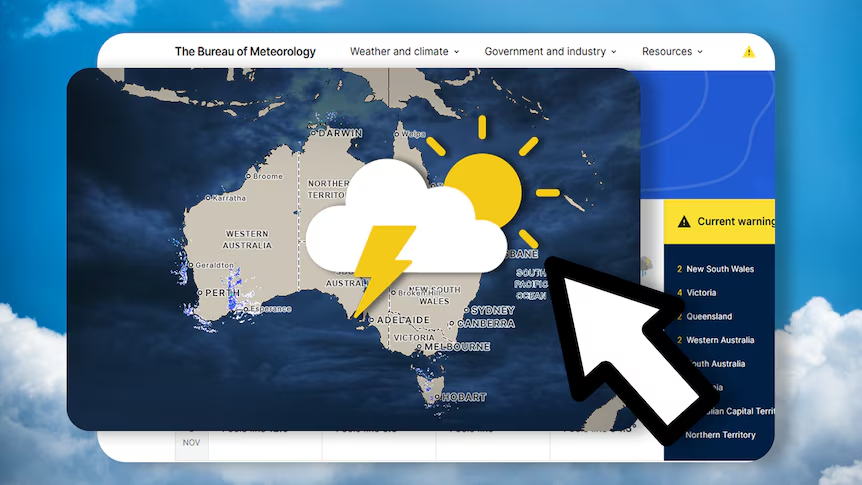
His timely quip arrived as the BOM pushed out the first major refresh since the site’s troubled October launch, which cost taxpayers a tidy $96.5 million.
BOM responds
This week’s update – originally slated for late November before Tropical Cyclone Fina caused delays – focuses heavily on usability.
“We’ve heard a significant amount of feedback about the new rain radar and weather map,” BOM chief executive Stuart Minchin told the ABC. “We have added a quick link button from the home page, increased the visibility of the map location pin and made it easier to customise the map.”
The refresh also tightens how warnings are displayed, using yellow and grey indicators to show whether alerts are active or have been recently cancelled.
Meanwhile, state and district pages now display clearer high and low temperatures. Earlier tweaks restored detailed fire information after volunteers and residents in high-risk areas raised concerns.
High-stakes overhaul
With an average of two million visits a day, the BOM website remains one of the country’s most heavily trafficked government services – and one of the most scrutinised.
Minchin said user sentiment is guiding the rebuild: “Website development and improvements are guided by user feedback, analysis, user research and business needs. We have an expert and highly dedicated workforce committed to providing the best possible service to the Australian community every day.”
Since the original revamp, the agency has been inundated with more than 400,000 pieces of feedback as Australians tried to navigate the revamped radar, temperature pages and warnings. With almost 70 million visits logged in just a few months, every glitch has been amplified at scale.
Apparently, more updates are planned for the new year. Oh, goodie.

Nuclear Media acquires kids mags K-Zone and Total Girl
K-Zone and Total Girl have been acquired by Nuclear Media, the specialist publisher focused on youth and entertainment content, from nextmedia.
The children’s magazine brands have been staples have shaped pop culture, fuelled imaginations, and inspired generations of young readers for more than two decades.
The acquisition marks an important milestone for Nuclear Media as it expands its portfolio in the youth market.
Nuclear Media plans to invest in refreshed editorial, digital extensions, and new audience-building initiatives designed to strengthen the long-term future of both brands.
“We’re thrilled to welcome K-Zone and Total Girl into the Nuclear Media family,” said Michael Downs, CEO of Nuclear Media.
“These are beloved and enduring brands with a special connection to young Australians. We see enormous potential to evolve the titles while honouring what readers love most – fun, creativity and authentic youth-driven storytelling.”

Arek Widawski, CEO of nextmedia, commented on the transaction: “K-Zone and Total Girl have been an important part of nextmedia’s history, and this move is another step in refining our portfolio and strengthening our strategic focus on subscription-driven and B2B growth.
“Nuclear Media is well-positioned to take these titles forward, and we’re confident they will nurture the brands with the energy and innovation.”
Readers and partners can expect a smooth transition, with both magazines continuing their regular publishing schedules.
Under Nuclear Media’s ownership, the focus will remain on delivering high-quality content that reflects the interests and passions of today’s kids and pre-teens.
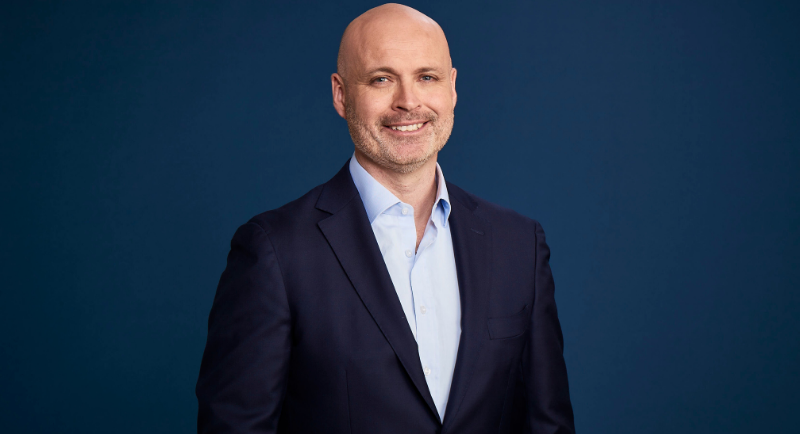
Vale: Matt Granger, Nine’s director of sales for sport
Matt Granger, Nine’s director of sales for sport, has passed away following a year-long battle with cancer
Granger was at the network for almost eight years and lead Nine’s sales during Olympic and Paralympic Games coverage from 2023. Prior to that he was at ARN and Seven.
Nine’s chief sales officer Matt James paid tribute to Granger in a message to colleagues, describing him as “a cornerstone of our business and team.”
“Over the last eight years, he made significant contributions to our success and was a guiding force within the sales leadership team.
“Matt was an extraordinary individual. He was a truly cherished colleague and a genuine friend to so many across the Nine family. His kindness, warmth, and spirit will be deeply missed by all who had the privilege of knowing and working with him.
“We have been in close contact with his wife, Nellie, who is appreciative of the outpouring of support and care that Matt and their family have received from all of us during his illness.
Granger is survived by his wife Nellie and three children.

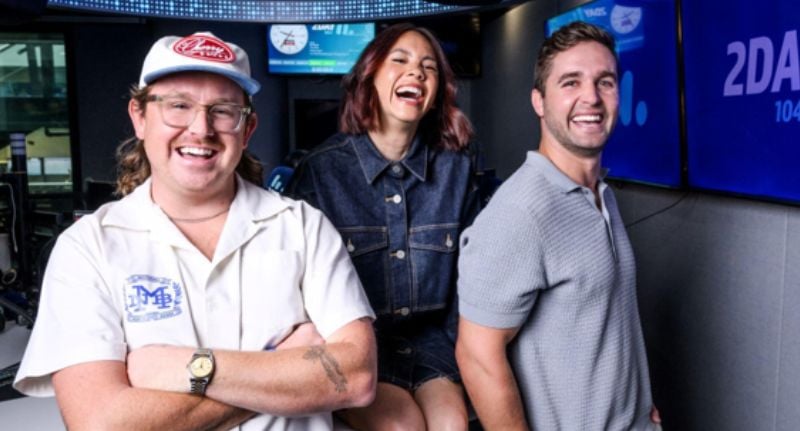
Nath and Emma locked in for 2026 as 2DayFM backs breakfast duo through ratings slump
2DayFM is doubling down on breakfast, confirming Nathan Roye and Emma Chow will return in 2026 despite a turbulent year on the Survey scoreboard and the recent departure of co-host Jimmy Smith.
Roye broke the news himself on air. “They told me, ‘Nath, keep it for a big announcement at the end,’ but I’m not very good at keeping secrets,” he told listeners. “Nath and Em for breaky; we’re back in 2026. We’re super excited for this.”
Smith exited the show last month for mental health reasons.
At the time, SCA head of hit metro content Amanda Lee said he had “made the difficult decision to step away,” adding that Roye and Chow would continue to anchor the slot through the rest of 2025.
A bruising Survey 7 and a tough run overall
The confirmation of the duo’s return landed just as fresh ratings pressure hit the network. Speaking to Mediaweek after Survey 7, SCA Head of Broadcast Content Matthew O’Reilly didn’t sugarcoat the challenge.
“Opening up the survey pack and seeing a 2.9% there is definitely rough. And I think everyone felt that way,” he told Mediaweek. “And they’re even tougher because I was in Sydney last week and seeing how hard everyone is working – that’s when it’s really tough. And that’s when you’ve just got to grind it out.”
It’s been a difficult stretch for 2DayFM Breakfast.
The shift from a longstanding duo to a trio in January was designed to reset the show, but the ratings never stabilised as the network had hoped. Smith’s exit only intensified speculation that another format change might be imminent.
Locking in Roye and Chow for 2026 signals a bet on stability rather than another reboot in the Sydney breakfast market, giving the pair a long runway to rebuild trust and traction after a challenging year.
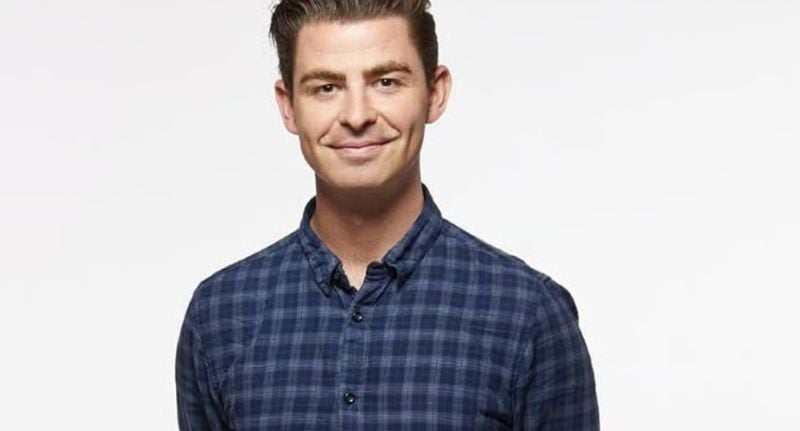
Ollie Wards exits TikTok after five-year run
TikTok’s local music chief Ollie Wards is calling time on his five-year stint with the platform, confirming his departure in a LinkedIn post yesterday.
Wards has been a key figure in shaping TikTok’s music strategy across Australia and New Zealand during a period when the app became a launchpad for chart hits and artist discovery.
In his farewell note, Wards told followers he was “hanging up my headphones at TikTok”, signalling the end of a chapter that saw him help steer the platform’s relationships with labels, artists and the broader music ecosystem.
‘Most proud’
He listed some of his achievements in the role “since being one of the first of TikTok’s music team in 2020,” including “leading growth of music from a handful to most contemporary artists now onboarded” and “[c]reating the first TikTok x TV simulcast concerts.”
“Dozens of high quality live music productions like the first TikTok stadium livestream with Six60 when NZ was the only place out of lockdown…” he also mentioned, as well as “[p]roducing TikTok Awards performances and the music award, festival partnerships, album campaigns…music promotion and taking AUNZ songs to the world…”
Wards continued: “But rather than ‘what’ I was part of, it’s the ‘how’ I’m most proud of.
“One of the first things I did at TikTok was create ‘liner notes’. A list of 11 guiding principles (turn it up to 11!) to work by. A set of stated values we’d aim to live up to in service of our artists, music industry and TikTok audience… In a world of increasingly opaque pathways for artists, pitch portals, helpdesks and bots – hopefully that approach of being a human amongst it all helped. Though maybe being ‘human’ is the minimum.”
He made sure to thank some of his closest colleagues over the last five-and-a-bit years: “Over the years, those liner notes were reworked and bought into by the excellent team I had the privilege of leading and learning from: Rochelle Flack, Govind Sandhu, Tait McGregor, Chris Vaughan, Nathan Wood.
“A huge thank you to Lee Hunter for backing me from the beginning. Still the most ‘Ted Lasso’ leader I’ve had.
“I’ve also loved working with music leaders from across the world: Constantin WU Haoran, Li Chen, Frida Zhang, Tom Mee, James Underwood, Corey Sheridan, Paul Hourican and special thanks for this year of global thinking Peter Qi.
“I’m grateful to all of my colleagues across the floor and oceans, too. Especially my day 1 bud Simon Bates!”
Wards concluded his post by revealing, “I’m open for business” in 2026.
“I’m all about creative processes and connecting content with audiences, whatever the format, he wrote.
Main image: Ollie Wards

No-frills, big thrills: Australia’s most memorable Christmas ads
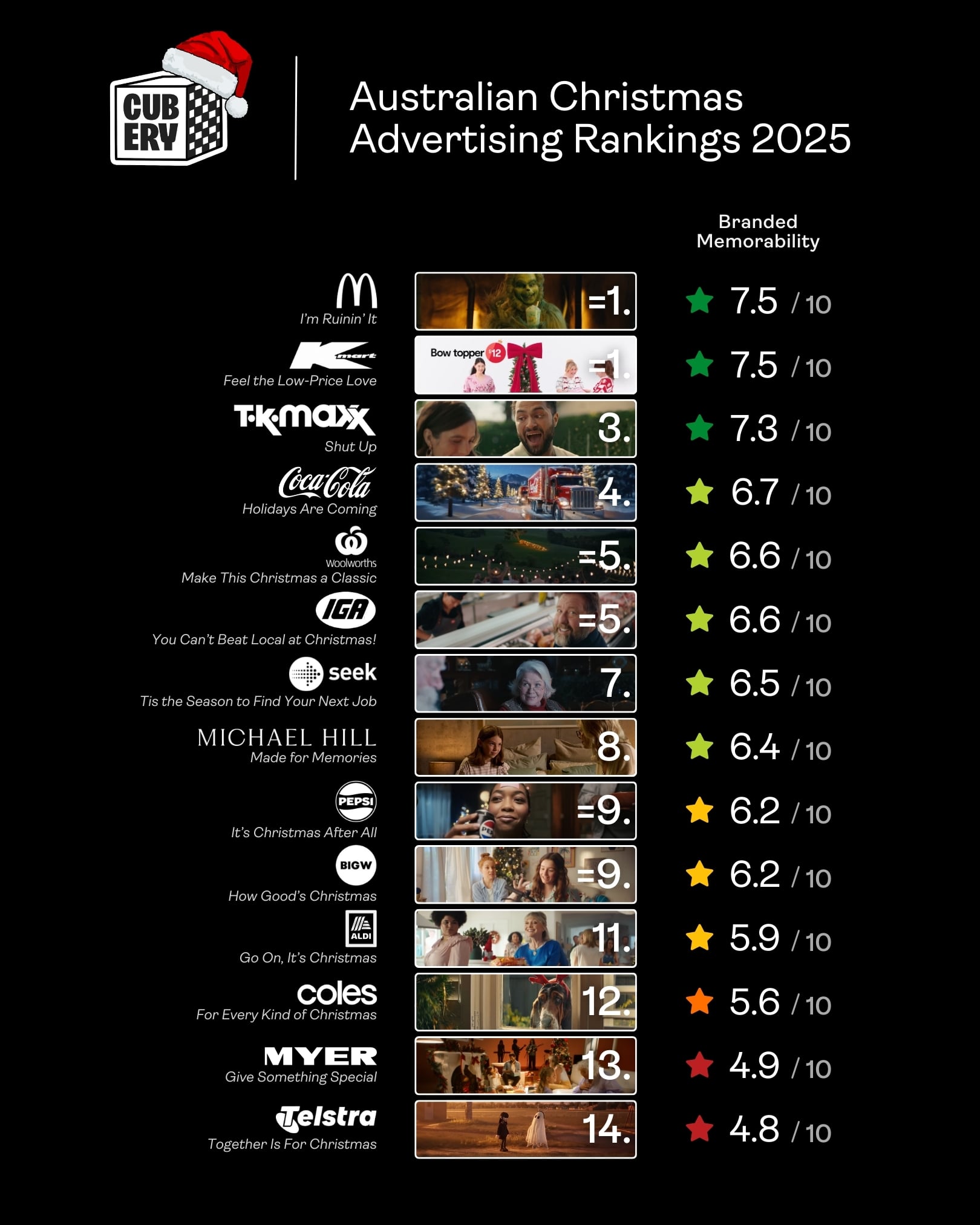
This year’s top ads took many different paths in the pursuit of creative excellence, according to Cubery.
Tied in first place were McDonald’s new collaboration with The Grinch and the latest addition to Kmart’s embedded platform featuring simple but vibrant retail creatives.
In third place was TK Maxx with the re-airing of the retailer’s 2024 earworm “Shut Up”.
Senior consultant Wil Logan said this year’s top-performing festive ads were able to build a strong platform for themselves by ensuring the brand was front and centre.
“Kmart, Coca-Cola, and IGA all deployed entrenched assets to ensure the memories they left couldn’t have been mistaken for anyone else,” he said.
“Elsewhere, McDonald’s and Seek achieved this same outcome by making their brands the hero of the story.
“It’s a reminder that, whatever the strategy, by not treating the brand as a second-class citizen these advertisers then had the creative license to be more playful and to ultimately ensure they would be remembered for all the right reasons.”
Logan said UK advertisers typically lean more heavily on warmth and sentimentality during Christmas. However, Australian brands tend to adopt a more laidback approach.
“Kmart’s no-frills approach struck the perfect note in the current economic climate, McDonald’s tied its assets into a fun narrative that got people into the festive spirit and wider summer holidays, while Aldi’s now familiar quirkiness worked well to stand out and grab people’s attention,” he added.
Scherri-Lee Biggs to join 9News Melbourne as weather presenter
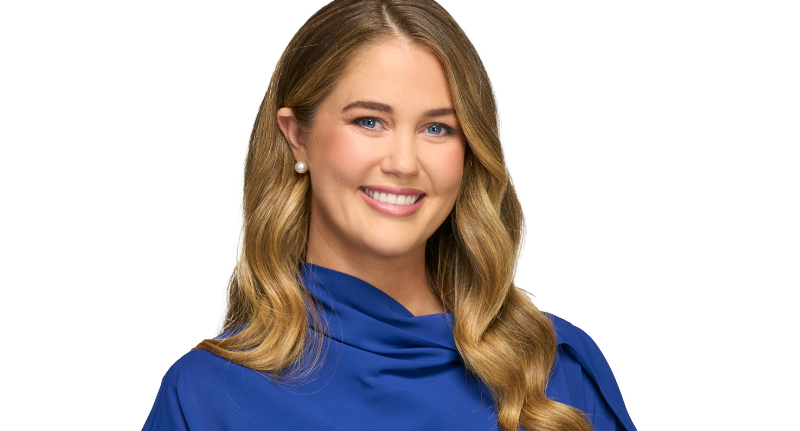
9News Melbourne has confirmed Scherri-Lee Biggs will join the bulletin as its new weather reporter and presenter, taking her place alongside Alicia Loxley and Tom Steinfort at 6.00pm each weeknight from 2026.
The move dictates a significant on-air shift for Biggs, who has spent more than 11 years with Nine, most notably as Perth’s weather presenter.
A familiar Nine face makes the move east
Throughout her time at the network, Biggs has become a recognisable presence across news and lifestyle programming.
Her portfolio ranges from filing live reports from major weather events to stepping in on the TODAY summer series, and appearing across a range of programs, including Postcards, Destination WA and Celebrity Apprentice Australia.
Biggs, who previously lived in Victoria, said the return to Melbourne is both a personal and professional milestone.
“Melbourne holds a truly special place in my heart,” she said.
“As the home city of my husband, Daniel, we are greatly looking forward to reconnecting with family and raising our daughter, Isla, here. It is a sincere privilege to join the exceptional team at 9News Melbourne and work alongside Alicia, Tom and Tony, and I truly can’t wait to connect with the viewers.”
Nine leadership welcomes the appointment
Hugh Nailon, National News Director, said Biggs’ experience and live broadcasting skills will strengthen the Melbourne newsroom.
“We are delighted to welcome Scherri-Lee to the forefront of our news team. Her extensive experience and brilliant live broadcasting ability will be a wonderful asset to our newsroom. We look forward to Scherri-Lee joining Alicia, Tom and TJ in continuing to bring Melbourne viewers the most accurate and informative news, sport and weather they have come to rely on from 9News.”
A farewell from Perth
Biggs’ departure is also being felt across the Perth newsroom, where she has been a central figure in the nightly bulletin.
“Scherri has brought professionalism, passion and presence to every weather report,” said Michael Genovese, 9News Perth Director of News.
“She will be missed greatly by our newsroom and our viewers. She will be a great asset to the Melbourne team, and we look forward to seeing her thrive on the East Coast.”
Biggs will make her first appearance on 9News Melbourne on the opening night of the Australian Open, Sunday, January 1.
Cabbage, clowns and comfort: Pinterest’s wild 2026 predictions
If the speed of social media feels overwhelming (of course assuming you’re over 16 years old), you are not imagining it. Trends now grow 4.4 times faster than they did seven years ago.
Yet, according to the Pinterest Predicts 2026 report, the consumer response to this acceleration is not to run faster.
Instead, we plan to seek comfort, embrace ‘grounded optimism’ and simply quiet the noise.
Pinterest claims an 88% accuracy rate over the last six years regarding their predictions. If that streak holds, 2026 will see us writing letters, eating cabbage and decorating our homes like vintage circuses.

The 2026 edition of Pinterest predicts has an 88% chance of getting the trends right
Seeking safety in the gummy
Comfort acts as the primary emotional driver for 2026, with 55% of global respondents prioritising it in their daily lives. However, this desire for safety manifests in peculiar ways.
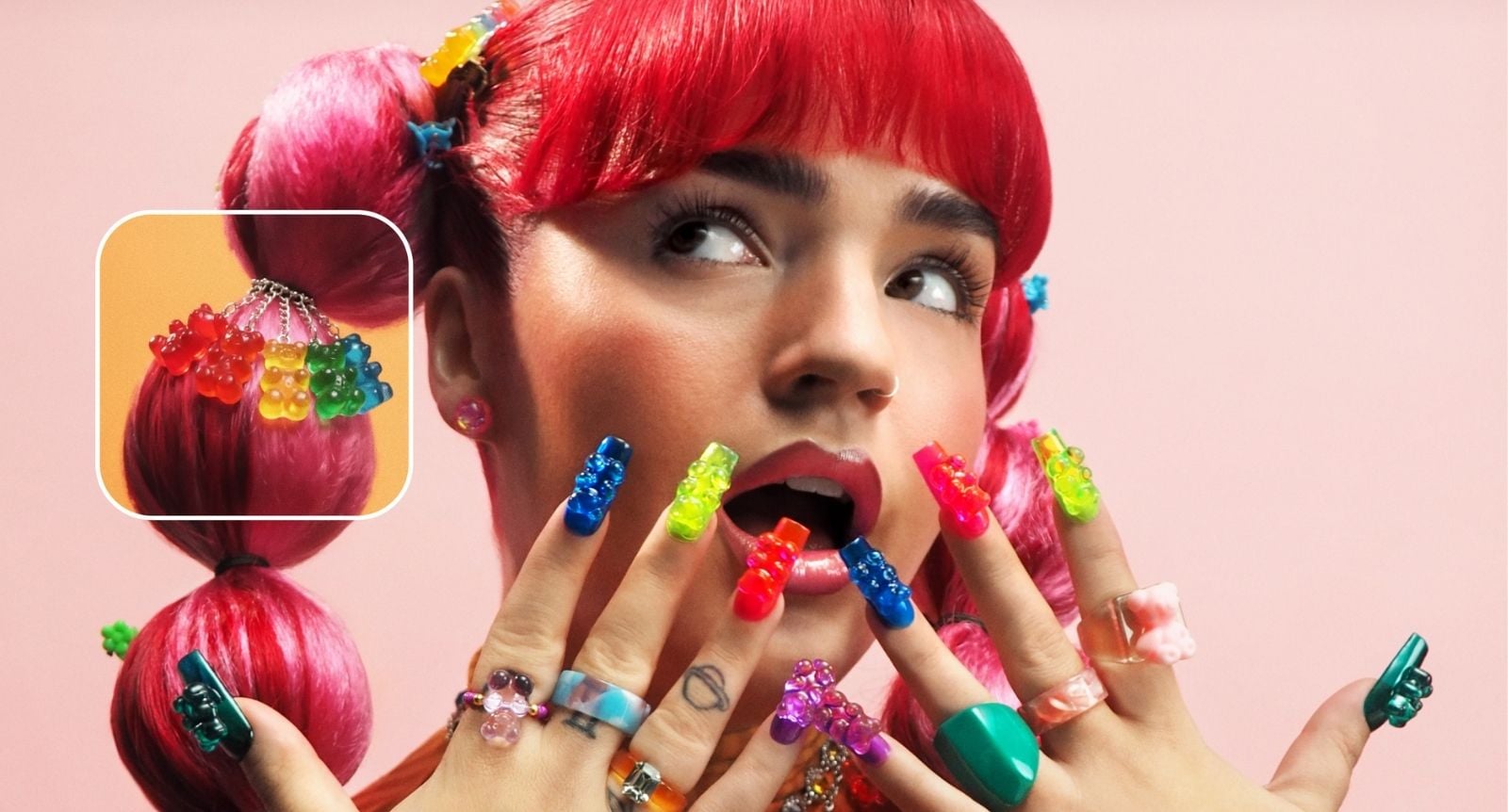
Pinterest predicts a rise in ‘Gimme Gummy,’ a trend driven by Gen Z and Millennials who want a tactile ‘spring-back bite’ to their lives.
We can expect rubberised nail art and 3D jewellery to take over feeds. Searches for ‘jelly blush’ have already jumped 130%.
Simultaneously, the home will become a place of whimsy.
The ‘FunHaus’ trend suggests Boomers and Millennials will embrace circus-inspired decor. This means bold stripes and a ‘wink of clownish charm’. Cue the Welcome to Derry theme.
It seems the trick to a stylish living room involves balancing high design with just enough camp to terrify a minimalist.

Pinterest Predicts 2026. So many trends!
Curating the identity
The era of blindly following the pack appears dead. Consumers now prefer ‘curating, not copying,’ with 42% stating they only participate in trends that actually suit them.
For the aspiring intellectuals, ‘Poetcore’ is coming.
Gen Z intends to channel their inner protagonists with oversized turtlenecks, messenger satchels and fountain pens. If that feels too quiet, the ‘Glamoratti’ trend signals the return of 80s decadence.
Think chunky gold cuffs, high collar jackets and shoulder pads that demand their own postcode.
Gentlemen are also invited to raid the family jewellery box. The ‘Brooched’ trend predicts men will punctuate their suits with vintage pins and heirlooms. The rule of thumb? If your grandma wouldn’t wear it, it’s not the vibe.

Get ready for big dose of crunchy cabbage crush
Escapism and the humble cabbage
While the five-year plan might be dead, the dinner plan is decidedly green. ‘Cabbage Crush’ will see the leafy vegetable dethrone cauliflower as the kitchen MVP.
From kimchi cocktails to ‘steaks’ with blistered edges, 2026 is officially crunch time.
When we aren’t eating cabbage, we will be escaping.
But even our escapism has a dress code. The ‘Khaki Coded’ trend sees Gen Z embracing a ‘paleontologist aesthetic’. Expect vests with pockets upon pockets, designed for those whose look must survive actual desert conditions.
‘Darecations’ are rising for thrill-seekers chasing adrenaline through rafting and rappelling. Conversely, the ‘Mystic Outlands’ trend sees travellers seeking misty ruins and enchanting forests.
Whether you plan to raft down a class five rapid or just write a snail mail letter to a friend, the forecast suggests a year of reclaiming personal joy.
Who knew? Thank you Pinterest.
Media
Director convicted in Netflix fraud case
Variety’s Gene Maddaus and Antonio Ferme report that while the series never made it to air, the saga has landed squarely in the criminal courts.
AI
Social Media
Companies
Optus tops distrust rankings after October outage
The Australian’s Danielle Long writes that the broader telco sector didn’t fare much better, coming in just behind social media as the country’s second most distrusted industry.
Television
Neighbours signs off… again
As TV Tonight’s David Knox writes, Herbison’s note reads like a creative tightrope walk, balancing nostalgia with the reality that Ramsay Street keeps finding new ways to return.