
Wednesday February 11, 2026

Seven’s half-year: ad market bites, but 7plus and ratings lift
Seven West Media has delivered an unaudited first-half FY26 result broadly in line with guidance, as a softer ad market in November and December weighed on revenue.
In an ASX release on Tuesday, Southern Cross Media Group told investors Seven’s EBITDA was $67 million for the six months to 31 December 2025, down 27 per cent on the prior corresponding period (pcp), but consistent with guidance given at Seven’s November AGM.
Southern Cross (ASX: SXL) acquired Seven on 7 January 2026 after a Scheme of Arrangement. Southern Cross said its own first-half FY26 results will be released on 24 February 2026, including Seven’s financials for the eight-day period after 23 December 2025 (the effective accounting date).
What Seven reported for H1 FY26
- Revenue: $712 million, down 2.1 per cent pcp
- Operating costs: $645 million, up 1.6 per cent pcp
- EBITDA: $67 million, down 27 per cent pcp
- Net debt: $277 million, down $10 million; leverage 2.1x
- Total TV advertising revenue: $585 million, down 0.8 per cent (down 3.0 per cent like-for-like)
- Total TV revenue share: 44.1 per cent, up 2.7 points (a record half-year share)
- 7plus advertising revenue: up 15 per cent to $98 million
Southern Cross attributed the revenue shortfall versus AGM guidance to “a weaker than expected advertising market in November and December”, plus the impact of shortened Perth and Melbourne Ashes Test match broadcasts.
Ratings growth, led by streaming
Audience performance remained a bright spot. Southern Cross said Seven’s total TV audiences were up 3.4 per cent (total people) and up 4.7 per cent in the 25–54 demographic across Seven and 7plus.
It also pointed to 7plus momentum, with revenue up 15 per cent, daily active users up 26 per cent, and streaming minutes up 62 per cent.
Jeff Howard on the ad market and content performance
Jeff Howard, Managing Director and Chief Executive Officer at Southern Cross Media Group, said: “Seven West Media’s result as a stand-alone business reflects continued total television audience and revenue share growth in a challenging advertising market.”
Southern Cross Media Group’s Jeff HowardHoward said the company “maintained our leading position in national news”, citing Sunrise up 5 per cent and 7NEWS up 4 per cent, while Home and Away was up 5 per cent and My Kitchen Rules grew 16 per cent “driven by exceptional streaming results”.He added that Seven’s summer cricket also lifted: “The Ashes up 12% and Big Bash League growing 9%.”
The West and broader Southern Cross outlook
Southern Cross said The West delivered EBITDA of $14 million, down 5 per cent, with revenue down 2 per cent to $84 million as tough advertising conditions were partly offset by circulation, digital and event revenue.
On Southern Cross’ underlying audio business, the company said total audio revenue was up about 3 per cent, with operating costs “broadly flat” year-on-year. It expects H1 FY26 total audio EBITDA to land between $39 million and $41 million, and said LiSTNR’s EBITDA is expected to be $2.5 million to $3.0 million.
A teleconference and webcast for Southern Cross’ half-year results is scheduled for 9.00am AEDT on Tuesday, 24 February 2026.
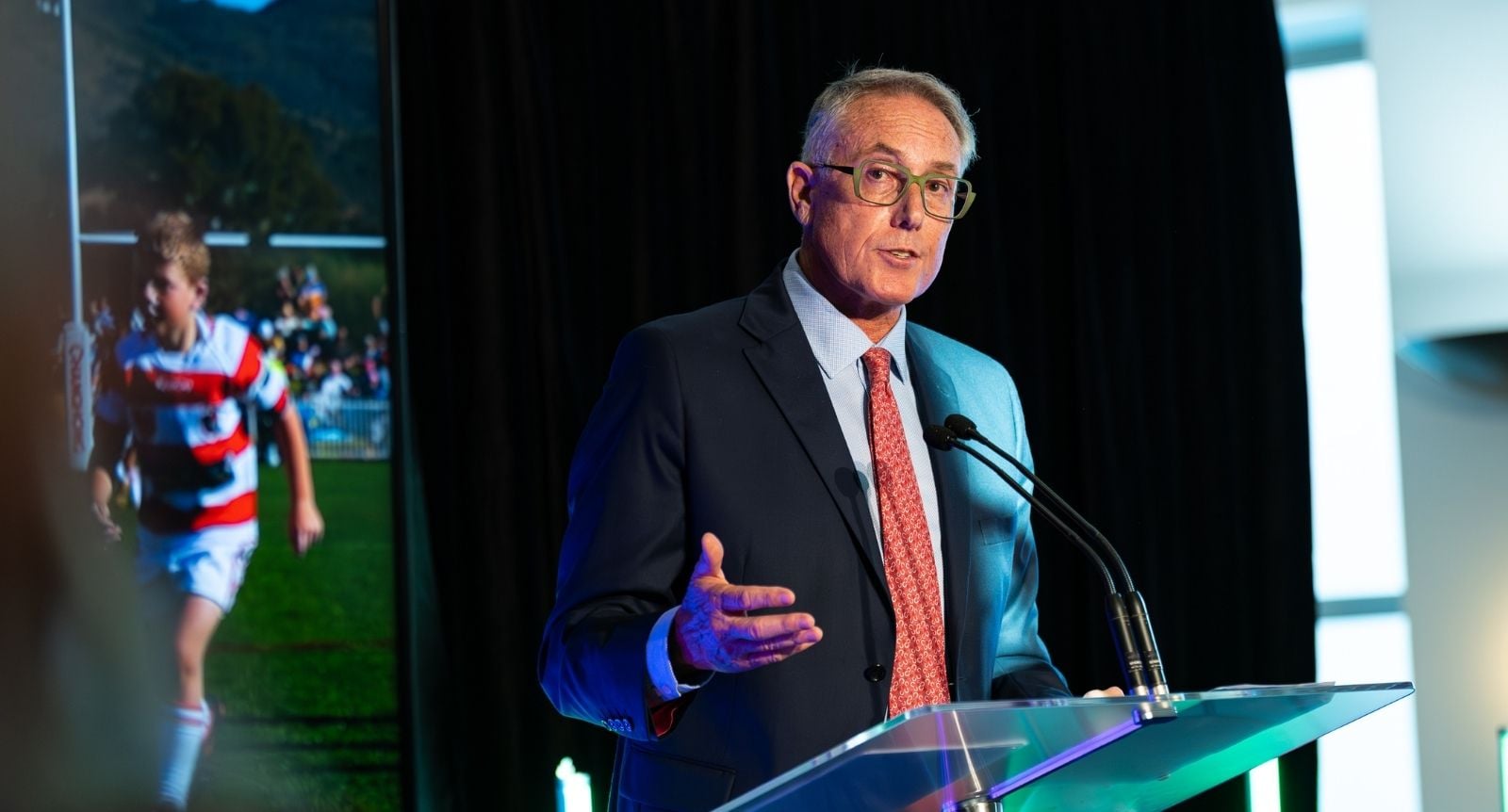
'Makes no sense': Foxtel CEO Patrick Delany takes aim at Australia's sport siphoning laws
Foxtel Group CEO Patrick Delany has delivered one of his bluntest critiques yet of Australia’s sports anti-siphoning regime, arguing the laws are fundamentally misaligned with how Australians actually consume media in 2026.
Speaking as Foxtel sharpened its policy pitch at a glitzy event held at Parliament House in Canberra, Delany told Mediaweek that broadcasters have been forced to innovate around a framework that no longer reflects reality.
“We have learned to be innovative and compete anyhow,” Delany said. “And at some stage, the government and the Australian people have got to work out that the laws reflect a media world from 50 years ago.”
“And the majority of us are getting our media through digital, not through an aerial. So why is that still a platform through which the whole industry is regulated? Makes no sense.”
The comments come as Canberra continues to reassess competition, media regulation, and the role of global streaming platforms in Australian sport, with siphoning laws increasingly viewed by industry as a structural mismatch in a streaming-first market.
Foxtel makes its post-DAZN case to Canberra
Delany’s remarks came as Foxtel Group used its annual Parliamentary Showcase to reinforce its value proposition to policymakers, reaffirming a multi-billion-dollar commitment to Australian sport and screen production following its acquisition by global sports streaming platform DAZN.
Foxtel invests more than $1 billion a year in sports rights and production, alongside $130 million annually in Australian drama and local programming – positioning itself as one of the country’s largest private investors in sport and screen.
The Showcase functioned as a clear signal to the government that, despite international ownership, Foxtel’s operational, economic and cultural footprint remains firmly Australian.
Before the sale, News Corp held a 65 per cent stake in Foxtel, with Telstra owning the remaining 35 per cent. News Corp now retains a minority stake in DAZN, which is headquartered in the UK.
Why DAZN matters… and where it doesn’t
Delany was explicit about how the partnership with DAZN operates in practice, stressing that creative and commercial decisions remain local, while technology investment scales globally.
“They leave us to do what we do best, which is to know Australian audiences and subscribers, to invest in Australian content, and to continue to grow the company,” he said.
“The other part is, technology is a global thing now. So, knowledge of technology, the way in which it’s developed, the way in which AI is developing, all of those things are very big investments, and for a little Australian company to do it alone always is going to be a challenge.”
“So, it’s good to be part of the DAZN family, especially in technology, we jump on the back of global deals now. We don’t have to worry about that. We only have to worry about entertaining Australia.”
AI, personalisation and the future of Kayo
That global technology backing is already shaping Foxtel’s thinking on artificial intelligence and personalisation – particularly for Kayo Sports.
“Well, a vision that DAZN has, which we share, is that every Australian sports fan should have their own individual experience of Kayo,” Delany said.
“Why shouldn’t you? Have a UX (user experience) that’s tuned to you, content that’s tuned to you, sports and conversations and feeds.”
Delany said AI could increasingly assist in shaping content strategies, discovery and even on-screen talent – without replacing human creativity.
“I don’t think there’s pendulum swings where you go, it’s all going to be robots and AI. I don’t think that’s the case at all,” he said. “I think it’s very liberating, and it will give rise to much better entertainment experiences.”
Rights pressure builds as NRL negotiations loom
Foxtel currently holds broadcast rights to Australia’s most-watched sports, including AFL, NRL, cricket, netball and Supercars.
AFL and cricket rights are locked in until 2031, while negotiations for the next NRL deal – with the current agreement expiring at the end of 2027 – are now underway.
While Delany declined to comment directly on the negotiations, he left little doubt about Foxtel’s intent.
“We never comment on rights because they’re highly competitive,” he said.
“But I will say this, that we love the NRL, and we’re a strong company. We intend to compete very, very aggressively to keep those rights.”
Why it matters
Delany’s intervention reframes the siphoning debate as a digital policy problem, not a broadcast one – and places pressure on government to reconcile legacy regulation with modern viewing behaviour.
As global capital, streaming scale and AI-driven personalisation collide with Australian sports policy, Foxtel is making its position clear: innovation has moved on, and regulation must follow.
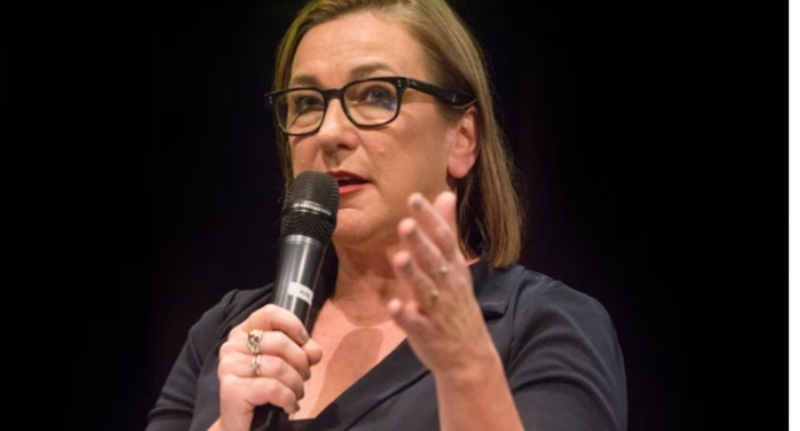
Lenore Taylor resigns from Guardian Australia
The editor of Guardian Australia, Lenore Taylor, has resigned after 10 years in the role.
Guardian Australia said in a statement:
“After 13 years in senior leadership roles, including a decade as editor, Lenore Taylor has decided to leave Guardian Australia.
“Lenore leaves Guardian Australia as the country’s current longest-serving newspaper or news site editor. She is also the longest-serving female lead editor in Australia.”
Taylor officially said: “I’ve been musing on this decision for some time. But there’s always been another challenge, another big story or another reason to defer it. There’s always the next thing in a job that is so utterly exhilarating and all-consuming.
“But it is also utterly exhausting. Ten years is a long time to work at this pace. It leaves little time to care for yourself or for those you love. So, for many reasons, I have decided it’s time to pass the baton.”
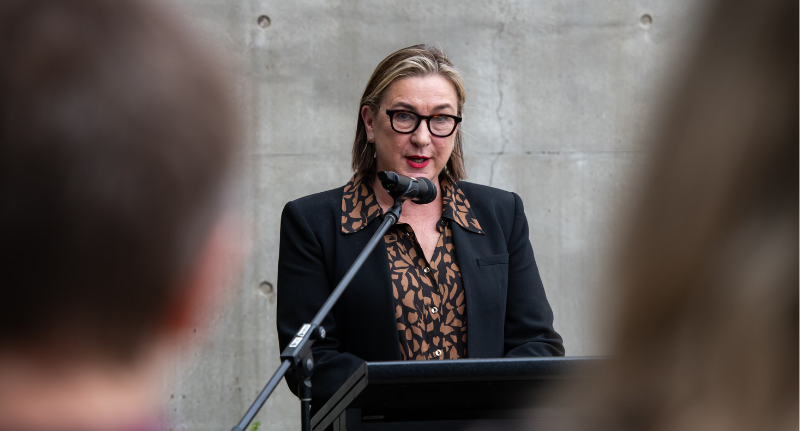
Lenore Taylor. Image: Guardian. Australia
Lenore Taylor resigns as editor of Guardian Australia
Taylor further explained her decision, saying the role has been an “honor” for her.
“Leading Guardian Australia’s coverage and nurturing and building such a brilliant and dedicated editorial team over the past 10 years has been an honour, a challenge and a lot of fun. I am so very proud of what we have achieved and the service we have provided to our readers.”
“When I started as editor the feedback I heard most often from readers was ‘thank goodness the Guardian has come to Australia’. What I hear most often now is ‘I can’t imagine Australia without the Guardian’. Neither can I.”
Editor in chief, Katharine Viner, added: “Lenore Taylor made Guardian Australia a force to be reckoned with, sometimes through sheer strength of will…She leaves Guardian Australia very well-placed to navigate to the next stage of its evolution, as both a distinct edition and a crucial part of the Guardian’s global operation.”
Katharine Viner will now run an open process to appoint the new editor. David Munk, currently a senior managing editor in London and previously deputy editor of Guardian Australia, returns to Sydney as acting editor.

REA unveils Australia’s first ChatGPT property search app
House hunting officially has a OpenAI-powered companion to make it easier.
Australia’s largest property marketplace realestate.com.au has launched its first dedicated app for ChatGPT.
This provides property seekers a new, conversational experience to search homes for sale directly within the AI platform.
The move marks another step in parent company REA Group’s expanding use of AI to simplify the property journey and meet consumers wherever they are searching.
REA’s new ChatGPT-driven search app
The app allows users to search listings from realestate.com.au using natural language prompts, with results delivered in a map-based view inside ChatGPT.
Users can see photos, property features, listing descriptions, pricing information and agent details, with the option to save properties, contact an agent or click through to view the full listing on realestate.com.au.
Searches can be refined conversationally, enabling users to ask detailed questions such as location preferences, budget limits or property features, and adjust results on the fly without restarting the search.
For more information and to connect the realestate.com.au app inside ChatGPT go to Profile
> Settings > Apps > Add more > Search realestate.com.au > Select realestate.com.au >
Start chat.
Reaching property buyers earlier with AI
REA Group chief product and audience officer Jonathan Swift said the launch reflects changing behaviour, particularly among younger property seekers.
“Some property buyers are beginning to use AI tools in their property journey and we’re seeing a higher uptake with younger property seekers,” Swift said.
“Ensuring listings on realestate.com.au are easily available to this cohort of Australians means we can support them early in their property search and continue to engage them on platform with personalised experiences and in-depth information on realestate.com.au throughout their entire journey.”
Swift said trust and accuracy remained central to the platform’s value.
“Property seekers come to realestate.com.au because it’s a trusted source of information and we have more homes for sale than anywhere else. Our success is in connecting property seekers with agents and vendors and our realestate.com.au app in ChatGPT is another way we can do that,” he said.
Built for flexibility and scale
The app supports filters including price, bedrooms, bathrooms and key features, with results sortable by price, newest listings or relevance. Users can also ask complex, multi-layered queries and refine results conversationally.
REA Group said the launch builds on its broader rollout of AI-powered features across the platform, designed to offer more choice, flexibility and personalised experiences, while supporting the delivery of quality leads for agents and advertisers.
“Our unparalleled audience and proprietary data places us in a strong position to harness AI and deliver unique and valuable insights and experiences for our customers and consumers,” Swift said.
The ChatGPT app is available to logged-in ChatGPT users, with REA Group confirming it will continue to develop additional capabilities over time in collaboration with OpenAI.

Ellison’s newest Paramount play for WBD: cash sweeteners
If David Ellison has learned anything from his father, it is that when a door does not open, you do not knock harder. You just buy the building.
Following the disastrous leak of ‘Project Eagle’ which exposed plans to turn Paramount+ into a scrolling UGC nightmare, Skydance-Paramount has returned with a ‘sweetened’ hostile offer for Warner Bros. Discovery (WBD). The move signals a clear pivot. Ellison needs to drown out the noise of his TikTok ambitions with the one thing Hollywood respects more than algorithms: cold, hard cash.
The billion-dollar apology
Ellison is not just increasing the bid. He is restructuring the entire deal to soothe the nerves of a jittery WBD board currently flirting with Netflix.
The new package reportedly includes a significant bump to the previous $30-per-share all-cash offer. This values the legacy studio aggressively against Netflix’s complex spin-off proposal.
More importantly, Ellison added a massive ‘reverse breakup fee.’ This serves as financial insurance. If the Department of Justice or the FTC decides a Paramount-WBD merger creates a monopoly, WBD walks away with billions.
It signals extreme confidence. Ellison bets he can charm regulators or pay them to look away.
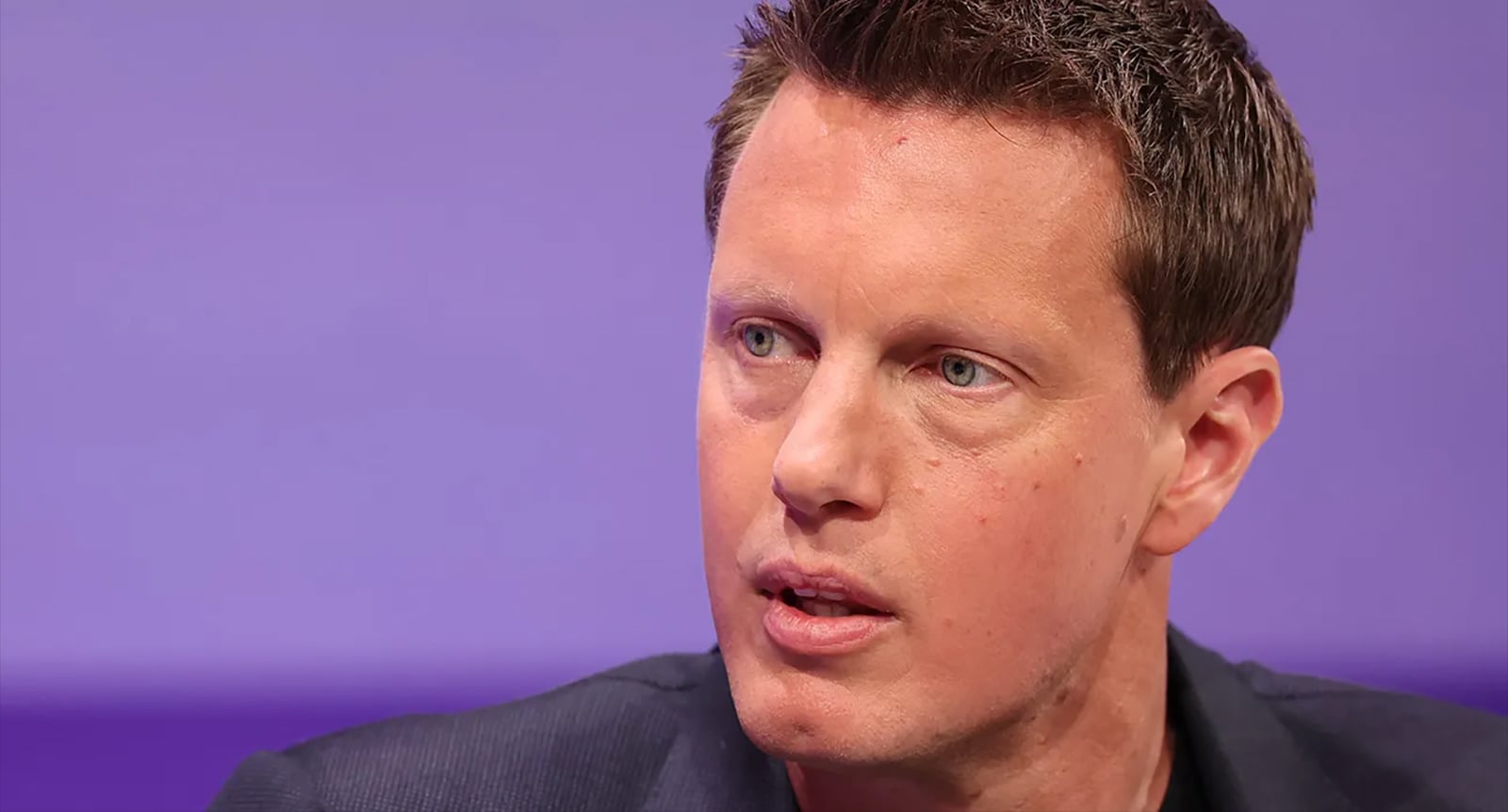
David Ellison bets he can charm regulators
Creative shields and governance
The ‘Project Eagle’ leak did real damage. Talent agencies and directors panicked at the thought of Dune: Part Three competing for resources with 15-second cat videos. In a direct response, the new term sheet includes binding governance concessions.
Sources indicate the creation of a ‘legacy protection trust’ or a dedicated greenlight committee for theatrical releases. This essentially acts as a contractual promise.
It assures the industry that the ‘tech-forward’ pivot will not gut the Warner Bros. lot. Ellison wants to buy the history rather than erase it.
The Netflix complication
This aggressive maneuver forces the WBD board into a corner. David Zaslav and the board have spent weeks romancing Netflix. That deal involves a messy divorce where WBD spins off its declining linear networks into a debt-heavy ‘Discovery Global’ entity while Netflix absorbs the premium IP.
The Netflix deal offers strategic synergy. The Ellison deal now offers ‘immediate liquidity’ and a safety net. Shareholders generally prefer cash today over a complex stock swap involving a dying cable business tomorrow.
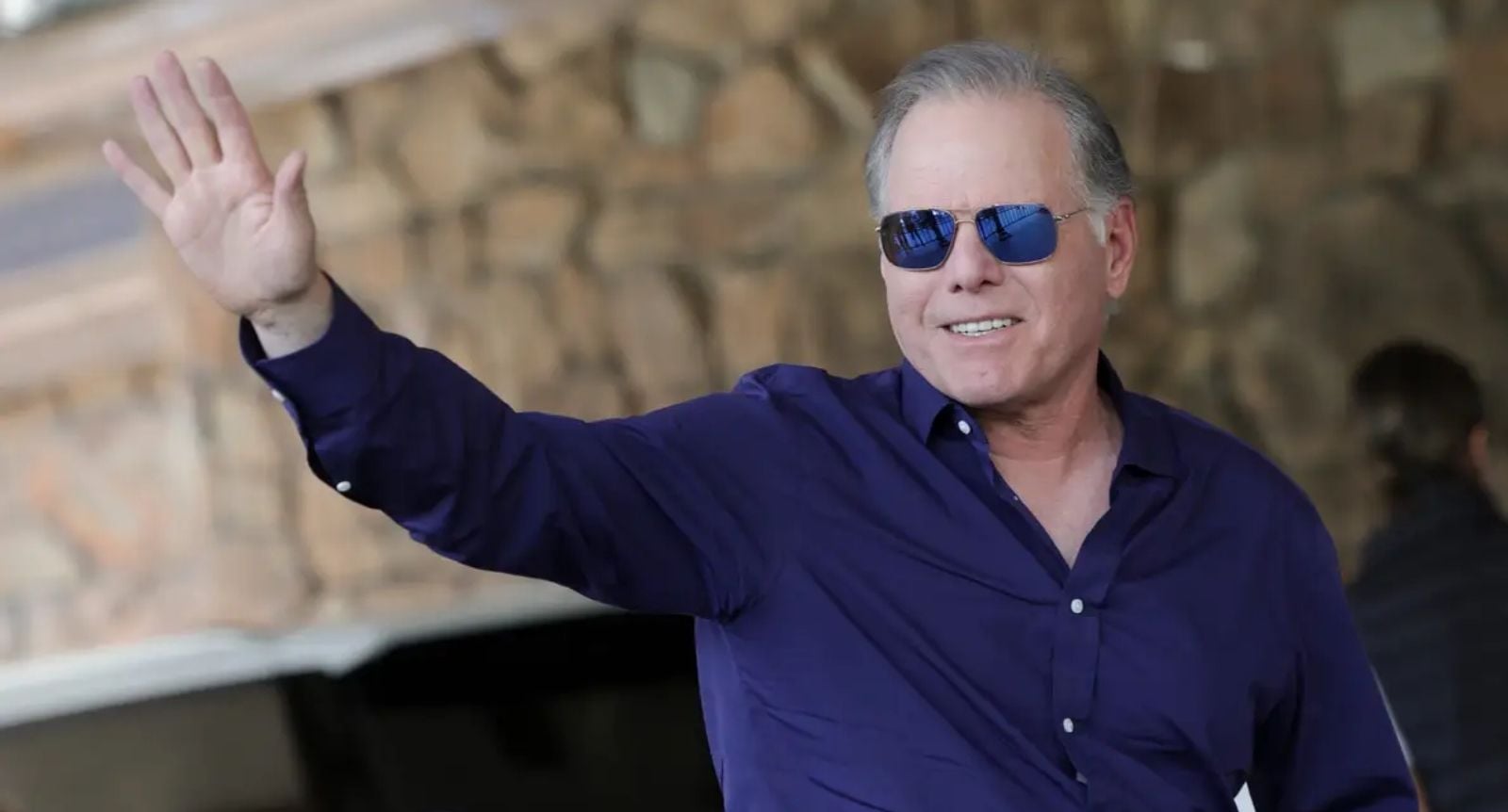
WBD’s David Zaslav, cannot seem to say goodbye to Paramount
The final act approaches
The clock ticks toward the February 20 deadline. Ellison’s strategy is now clear. He intends to make the Netflix proposal look like a gamble and his own offer look like a guarantee.
WBD shareholders must decide. Do they want to be part of a streaming experiment with Netflix? Or do they want to cash out before the ‘TikTokification’ potentially begins?
Ellison has put the sweeteners on the table. Now we wait to see if the WBD board has a sweet tooth or if they are holding out for a better seat at the Netflix table.

Apple and Google to tweak app stores after 'duopoly' claim
Apple and Google will make changes to their app stores in the UK after the Competition and Markets Authority (CMA) raised concerns about competition in the sector.
The CMA says the two companies have agreed to a set of commitments that include avoiding preferential treatment for their own apps and being clearer about how third-party apps are approved.
What is changing in the UK app stores?
The CMA said Apple and Google have committed to:
- not giving preferential treatment to their own apps
- being more transparent about how apps are approved for sale
- not using data gathered from third-party developers in an unfair way
The announcement comes seven months after the regulator described Apple and Google as having an “effective duopoly” in the UK app store market.
CMA: ‘First steps’ under new digital rules
Sarah Cardell, chief executive of the CMA, said the proposed commitments “will boost the UK’s app economy”, describing them as the first of many measures.
Cardell also said the regulator’s ability to secure “immediate commitments” showed the “unique flexibility” of the UK’s digital markets competition regime.
The CMA ruled both Apple and Google’s app stores had “strategic market status” in October 2025, giving it powers to demand changes aimed at improving competition and choice.
The regulator said it would “closely monitor” implementation and could formally require changes if it finds the commitments are ignored.
Apple and Google respond
An Apple spokesperson told the BBC: “Apple faces fierce competition in every market where we operate, and we work tirelessly to create the best products, services and user experience.”
Google said it believed its current practices for developers on Google Play were fair and transparent, but “we welcome the opportunity to resolve the CMA’s concerns collaboratively”, the BBC reported.
Pressure also building in the EU
Technology analyst Paolo Pescatore described the move as a “pragmatic first step”, but said some may see it as “addressing the low-hanging fruit”, according to the BBC.
The BBC also noted ongoing scrutiny in the European Union, where major platforms deemed “gatekeepers” face tougher requirements under wide-ranging competition rules.
The CMA said the UK app economy is the largest in Europe by revenue and number of developers, and estimated it generates 1.5 per cent of UK GDP and supports around 400,000 jobs, the BBC reported.

Havas ANZ promotes Olly Taylor to expanded CSO role
Olly Taylor has been promoted to chief strategy officer across Havas ANZ’s creative and media agencies.
Taylor, who has spent more than a decade in senior leadership roles within Havas Australia, brings more than 25 years of experience in brand and communications strategy.
“Getting noticed is harder than it has ever been,” he said.
“Most messages disappear instantly, rendering the majority of them ineffectual, and the real challenge is creating communication that captures attention and stays with people.”
Taylor said the opportunity to lead a fully integrated strategy function across the Group is both timely and uncommon.
“Bringing the strategic strength of media and creative together, properly together, as one team is rare in this industry. But it’s what brands need today.
“And it’s completely aligned with our ambition to be ‘Deliberately Different’, not different for the sake of it, but different with intent, backed by ideas that challenge expectations and drive impact.”
The expanded remit supports the Group’s ‘Deliberately Different’ positioning, launched last year, which sets out Havas ANZ’s ambition to be the region’s most integrated and strategically intentional communications group.
“Olly is one of the region’s most respected strategic thinkers, and he has been instrumental in shaping how we think and work across the Village,” said Havas ANZ Group CEO James Wright.
“His expanded remit as CSO for Havas Group ANZ reflects both his influence and the strategic direction of our business.
“He deeply understands the challenge marketers face in a landscape of sameness, and he’s uniquely equipped to unify media and creative strategy into one deliberate, cohesive system. This role strengthens our commitment to being the most integrated and deliberately different agency group in the region.”
Taylor’s expanded role comes as Havas Group ANZ continues to invest in integrated capability, AI-enabled strategy and cross-Village collaboration.
Havas ANZ agencies include Havas Host, Havas Media, Havas Red, Havas New Zealand, Havas Blvd, Havas PLAY, CSA, H/Advisors APA, Kaimera, One Green Bean, Organic Publicity, Frontier, Bastion Brands part of Havas Health & You and Pronto.
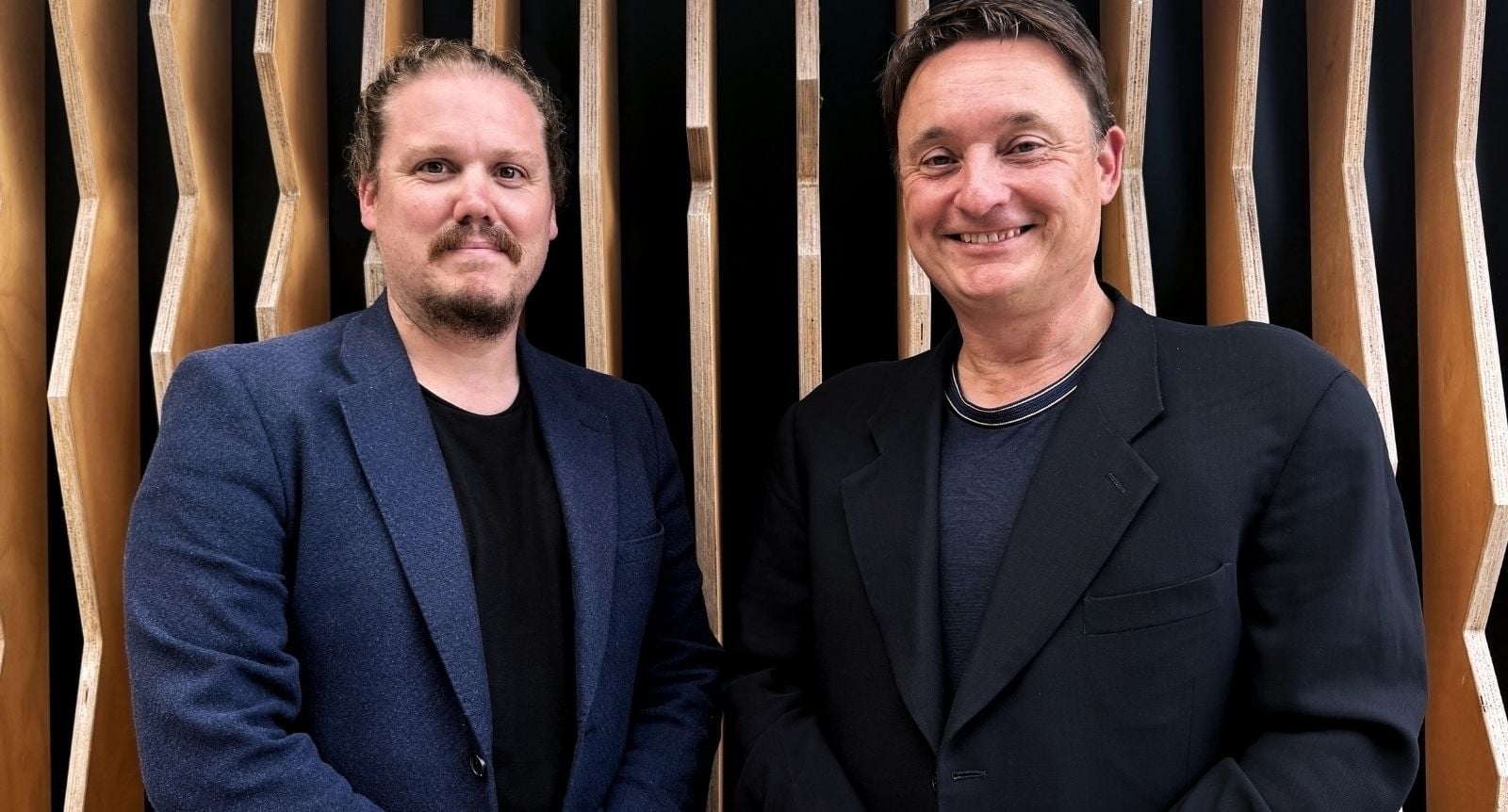
Meliora Ventures launches $4.6m AI-focused pre-seed investment fund
Meliora Ventures has launched a new specialist artificial intelligence investment fund, targeting early-stage, CTO-led startups that are turning AI into a practical, commercial advantage rather than a theoretical promise.
The fund, Meliora Ventures Fund One (MVF1), is a pre-seed vehicle raising approximately A$4.6 million (US$3 million) from wholesale investors, with a mandate spanning Vertical AI, generative AI products and SaaS platforms with a clear AI differentiator.
Founded by entrepreneur Clive Dickens, The Meliora Company operates across advisory, ventures and creative services, with the new fund designed to formalise its growing investment activity in the Australian and international AI startup ecosystem.
Backing CTO-led founders with execution in mind
Dickens said the fund would focus on companies where AI is demonstrably accelerating build cycles, improving unit economics and driving faster product adoption.
“We are investing where AI is the clear differentiator,” said Dickens.
“We are focused on CTO-led companies, Vertical AI startups, Generative AI products, SaaS technology with an AI edge, and related technology that unlocks international scale.
“Our aim is simple: to compound outcomes for investors through disciplined entry, concentrated support and transparent governance. We pair capital with execution through our Meliora advisory arm, resulting in a portfolio designed for repeatable wins, co-investment opportunities and durable returns.”
Meliora Ventures has already backed several Australian technology companies, including IV.AI, Relevance AI, and Source, providing not only capital but also hands-on strategic and commercial support.
Early investments locked in
The fund has also confirmed it will participate in upcoming funding rounds for Springboards.AI and StoryDesk.AI, two Australian startups operating in the vertical AI space.
“We are excited to be investing in these two rising stars in the Australian AI space,” Dickens said.
“Both Springboards.AI and StoryDesk.AI epitomise what we are looking for: CTO-led companies with a clear focus on unlocking the exciting potential of AI within a particular vertical industry.”
Partner Jack Lonergan said the opportunity lies in startups translating large language models into products that deliver everyday value.
“We are seeing a huge range of startups who are now unlocking the massive potential of AI and the large language models that underpin it, and then turning that into tangible new products that are not only transformative for businesses but significantly simplify and improve the daily lives of their consumers,” Lonergan said.
“Meliora’s Ventures Fund One seeks to be at the forefront of that wave, empowering focused, entrepreneurial teams to solve real-world problems in highly innovative ways for the first 1.2bn Weekly Active AI users across the world.”
High-profile advisors join fund
MVF1 has also secured Shazam co-founder Chris Barton and former Singtel Optus and Seven West Media senior executive William Hedberg as strategic advisors, supporting founders from pre-seed through to Series A.
“I’m very excited that we’ve been able to attract two entrepreneurs of Chris and William’s calibre to partner with us and lend their expertise as advisors, as Meliora Ventures explores investment opportunities both internationally and here in Australia,” Dickens said.
Investor presentations are now underway, with a target first close before Easter and a final close by June 2026.
Main image: Jack Lonergan, and Clive Dickens

CMO Spotlight: Bel Harper on the ‘Summer of oOh!’
Welcome to Mediaweek’s CMO Spotlight.
This time, we catch up with oOh!media veteran, and Chief Product & Marketing Officer, Bel Harper.
It’s been a busy 12 months at oOh!media, where Bel has overseen the launch of the ‘Summer of oOh!’ and navigated a landscape where screens are everywhere, yet attention remains a finite currency.
We dig into her belief that creativity remains the biggest lever for ROI and how the industry is wrong to count classic billboards out.
The brand identity
Mediaweek: What’s the piece of work from the past 12 months that best captures how your brand wants to show up right now?
Bel: Without a doubt our ‘Summer of oOh!’ campaign. It captured exactly who we are as a business and how we want to be seen – playful, relatable, and impactful.

The oOh!media team leaning into the visual language
Our brilliant team pushed the brand into a new gear, dialling up our signature brand codes, leaning into a more expressive visual language, and creating a presence that wasn’t just seen, it was felt. We showed up in the moments that mattered most for our clients where they shopped, where they travelled, and where they played.
It was a campaign built around real human movement and real summer behaviour, perfectly aligned with our retail strength heading into Christmas, our airport dominance during peak travel, and the launch of our Beaches Network.
MW: Where is your marketing budget working hardest today?
BH: On moments of education, inspiration and connection. I have an incredible team who instinctively know how to make our customers feel something special while inspiring them with the possibilities of what Out of Home can do. It’s the extra and thoughtful touches that create the magic and build the deepest connections.

oOh!media claimed airport dominance during peak travel
Balancing brand and performance
MW: What’s changed most in how you balance brand and performance?
BH: As an OOH and B2B business, brand and performance are inseparable. Our content is the advertising. Our role is to inspire action while staying deeply connected to our customer’s needs. For agencies and marketers, our brand shows up in the experience we deliver and NPS is the clearest signal of whether we’re landing it. Performance metrics are ultimately market share outcomes.
MW: Which channel, platform or partnership is currently over-delivering for you?
BH: Our content partnerships with news and live sport are absolutely over-delivering. They give brands a unique way to connect with audiences in high-value environments, and the results we’re seeing are unprecedented for both brand and performance.
In office towers, across lobbies and lifts, we have high-frequency, high-attention moments with business decision-makers every single day. Content and utility make these environments incredibly sticky.

oOh!media makes its mark in high-frequency, high-attention moments
In Qantas Lounges, the impact is next level. We’re engaging with some of the most influential, high wealth decision-makers for more than 40 minutes, at scale. It’s a powerful combination of context, quality and time and brands want to be part of it.
The role of creativity and tech
MW: What role does creativity play in your commercial strategy right now?
BH: Creativity is the most under-leveraged opportunity in OOH right now. The formula is simple: context, simplicity, bold colour and unmistakable branding, yet too often we are given a still from a TVC that’s ill-fitting to the OOH format, with copy you can’t read and little testing behind it.
Creativity accounts for more than 40% of a campaign’s ROI, and when brands get it right, the impact is immediate. That’s why we continue to invest in our creative innovation hub, POLY, who are the most trusted experts in OOH creative, to help guide clients toward work that earns more attention and delivers stronger results.
MW: How are you using data, tech or AI in a way that genuinely improves the work?
BH: As the largest OOH media company, we have seven different formats and multiple customer segments, so tech and AI are critical enablers in simplifying our workflows. We are applying it to guide our frontline teams and speed up how we deliver to meet our customers needs. It’s making OOH smarter.
Data from Coles 360 and Westpac Data X is mapped to every oOh! location and indexed against hundreds of category buyers. It’s the smartest way to plan, and by targeting category buyers it’s twice as effective as demo targeting.
We’re using AI in creative testing and in developing tools that streamline how we respond to briefs. I’m excited by what we’re building. Anything that makes us simpler, faster and smarter ultimately lifts the work and the outcomes for everyone involved.
Industry outlook
MW: What does a ‘good agency partner’ look like for you in 2026?
BH: One who focuses beyond cheap reach and blunt metrics. One who cares where and how their client’s brand shows up. They care about quality, context and creativity, the formulas of OOH success.
MW: What’s the toughest call you’ve had to make as a CMO?
BH: I’ve only been in this role for 12 months, but saying YES to four major events in four months. Our inaugural CMO regional retreat in Daylesford and the Summer of oOh! series – Travel, spend and play was a huge undertaking. We wanted to showcase why we are not just the biggest, but we’re the most valuable partner for our clients. It pushed our in-house resourcing to the limit, but it was worth it.
MW: What’s one misconception about your brand or category that your team is actively trying to unpick through marketing?
BH: That classic billboards are dead. Nothing could be further from the truth. Brands are rediscovering the power of 100% share of time and the long-term performance that comes from owning a location, a moment, or a piece of real-world real estate your competitor can’t take.

CMO Bel Harper says classic billboards are well and truly alive
Classic OOH delivers durable, compounding impact. It builds memory, it builds mental availability, and it builds brand. The world’s biggest and most successful marketers know this, just look at Apple.
MW: Looking ahead, where will your next big marketing bet come from?
BH: With product, data and creative expertise at the core, we’re laser-focused on the fundamentals that drive performance: high-quality assets, data-led targeting and creative that’s built for attention.
The landscape is shifting, and as the largest OOH operator we have a major role to play in investing what drives performance, not just what can supplement audience decline. It feels less like betting and more like doubling down on a solid and proven recipe.

ACMA updates commercial radio code with AI disclosure, kids-hours and music debate
Australia’s broadcast regulator has formally stepped into the AI debate, registering new commercial radio rules that will require stations to disclose when synthetic voices are used on air – a first for Australian broadcasting codes and a move that lands as automation reshapes radio newsrooms.
The updated Commercial Radio Code of Practice 2026, registered by the Australian Communications and Media Authority (ACMA), introduces mandatory AI transparency, tighter safeguards around children’s listening times, strengthened correction obligations and revised Australian music provisions.
The new rules will take effect from 1 July 2026.
The changes come amid heightened industry scrutiny of AI’s role in radio operations, following recent newsroom restructures – including cuts at Southern Cross Austereo (SCA) – where automation and efficiency gains have been cited as contributing factors, as exclusively revealed by Mediaweek.
AI disclosure enters the broadcasting rulebook
Under the revised code, commercial radio stations must clearly inform audiences when a regularly scheduled program or news broadcast is hosted by a synthetic voice.
It marks the first time artificial intelligence has been explicitly addressed in an Australian broadcasting code of practice.
ACMA Chair Nerida O’Loughlin said the changes were designed to keep regulation aligned with both technology and listener expectations.
“Broadcasting rules must keep pace with technology and with community expectations. AI is a powerful tool that offers a lot of innovation for broadcasters,” Ms O’Loughlin said.
“However, listeners want greater transparency about when AI is being used. We welcome the commitments by the radio industry to address listener concerns.”
The regulator has framed the disclosure requirement as a transparency measure rather than a restriction on the use of AI itself – a notable distinction as broadcasters increasingly deploy synthetic voices across news updates, overnight programming, and digital extensions.

ACMA chair Nerida O’Loughlin
New safeguards for child listening hours
The code also introduces a formal “special care” obligation during school drop-off and pick-up times – defined as 8:00 am–9:00 am and 3:00 pm–4:00 pm on school days, colloquially known in the industry as the “kids in the car” hours – when children are more likely to be listening with families.
“Listeners are also worried about inappropriate content at peak travel times when families listen together,” Ms O’Loughlin said. “These new rules set clear time windows where broadcasters must consider whether their content is suitable for children, giving parents and carers greater confidence when tuning in.”
The obligation comes as ACMA’s broader compliance focus, including proposed licence conditions on Australian Radio Network’s (ARN) The Kyle & Jackie O Show over repeated content breaches, has sharpened public attention on how high-profile programming intersects with community standards.
ACMA said the special care measures aim to strengthen trust between audiences and commercial radio, while stopping short of prescribing specific content bans.
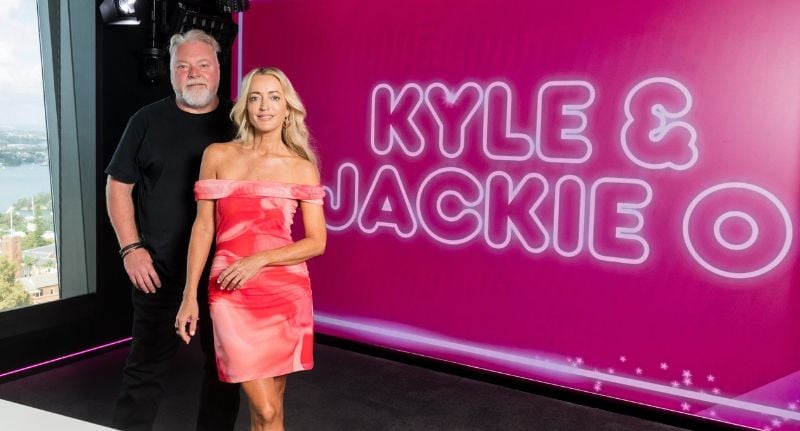
CRA supports changes, but the regulator drives the agenda
Industry body Commercial Radio & Audio (CRA), which developed the revised code in consultation with ACMA, welcomed the regulator’s decision to register the changes.
CRA CEO Lizzie Young said the industry had moved proactively to address evolving standards.
“We’re proud to lead the way with this new Code. The Australian radio industry is pleased to be proactively addressing evolving community standards, positioning the local commercial radio sector to navigate technological and social changes responsibly,” Young said.
She added that the review process involved close engagement with the regulator, members and the public.
“Over the course of the review, we’ve worked closely with the Australian Communications and Media Authority, our members, and the Australian public who shared their views during consultation. The result is a new Code that reflects what matters most to the communities that commercial radio connects with every day, and we’re committed to continuing our work with the ACMA as it takes effect.”
While CRA authored the code, ACMA made clear it will oversee compliance, including how stations apply revised Australian music categories and meet longstanding local content obligations.

Annabelle Herd
Music quotas draw sharp response from ARIA
The most contentious element of the new code sits around Australian music quotas, where ACMA opted not to mandate stronger requirements despite acknowledging significant submissions calling for reform.
That decision has drawn strong criticism from the Australian Recording Industry Association (ARIA), which argues existing loopholes allow stations to meet quotas on paper while pushing Australian music into low-audience overnight slots.
ARIA and Phonographic Performance Company of Australia CEO Annabelle Herd said the regulator had missed a rare opportunity to fix what she described as a failing policy framework.
“We are extremely disappointed that despite all the evidence put forward showing that these quotas aren’t working, the ACMA has not pursued any reasonable or practical changes,” Herd said.
“Commercial radio uses publicly owned spectrum to generate over $1 billion of revenue annually. That is a privilege, and it comes with a responsibility to surface Australian stories, Australian voices, and Australian music at times when audiences are actually tuned in.”
Herd also criticised changes to genre categories being made without direct consultation with the music industry.
“For the ACMA to agree to changes to important music genre categories without any input from the music industry is baffling.”
While ACMA has committed to enforcing existing obligations more closely and working with CRA to ensure categories are applied correctly, ARIA argues the practical effect remains unchanged for artists.
“At a minimum, we are simply asking for Australian music to be played when Australians are listening. That is a modest and reasonable expectation,” Herd said.
Taken together, the new code represents a significant regulatory update for commercial radio – one that formally acknowledges AI’s growing role in broadcasting, strengthens protections for child listeners, and sharpens oversight of complaints and corrections.
ACMA has also flagged expectations that code safeguards be voluntarily extended to on-demand audio and streaming services, warning that further regulation may follow if industry action falls short.
Media
Questions raised over ad opposing Herzog visit
As Megan Gorrey and Annika Smethurst report in The Sydney Morning Herald, the open letter, organised by the Jewish Council of Australia, ran in several papers, and claimed support from around 700 Jewish Australians via an online petition and declaring Herzog “not welcome” during the Gaza war.
Senate takes aim at Stan Sport Winter Olympics paywall
As David Knox writes in TV Tonight, Hume said she stayed up late to watch cross-country skier Maddie Hooker, only to be told the event had shifted off free-to-air and required a paid Stan Sport upgrade, even for existing Stan customers.
Paying extra to see one of only a handful of Australian events left her unimpressed.
Online
UK regulator nudges Apple and Google on app store rules
Think fewer house rules, more daylight.
The Competition and Markets Authority says both companies will stop favouring their own apps and be clearer about how third-party apps get approved. It follows last year’s finding that the pair effectively run a duopoly in the UK app economy.