
Tuesday February 10, 2026
Government seeks urgent meeting with Roblox over predator claims
Communications Minister Anika Wells has written to social gaming platform Roblox, requesting an urgent meeting about “graphic and gratuitous user-generated content” on the platform, including sexually explicit and suicidal material.
“Even more disturbing are ongoing reports and concerns about children being approached and groomed by predators, who actively seek to exploit their curiosity and innocence,” Wells’ letter says, as reported by the ABC.
The minister’s letter references work conducted by Roblox with the eSafety Commissioner, Julie Inman Grant, in 2024 and 2025 to introduce protections.
“Despite this, the issues appear to persist. This is untenable, and these issues are of deep concern to many Australians parents and carers.”
The eSafety Commissioner has also notified Roblox of its intention to directly test the effectiveness of the privacy and parental consent protocols that it made last year.
“We remain highly concerned by ongoing reports regarding the exploitation of children on the Roblox service and exposure to harmful material,” Ms Inman Grant has said.
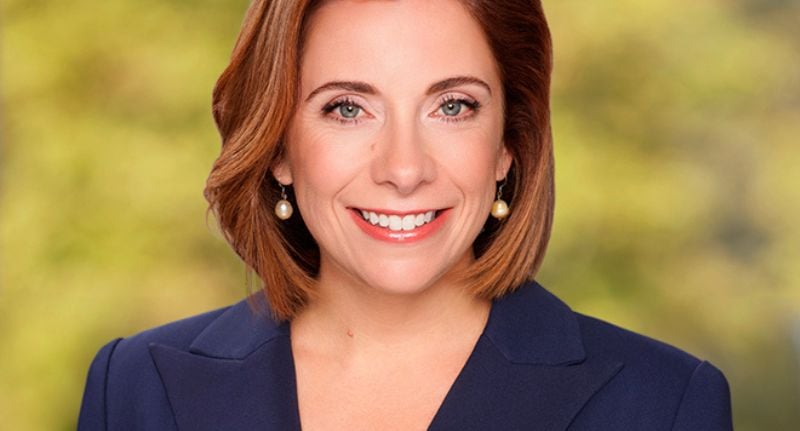
Communications Minister Anika Wells. Image: X
Roblox will soon need to comply
Roblox has not been included in Australia’s social media ban for under-16s, as it’s considered a gaming app despite its widespread popularity among Australian children.
Australia’s social media minimum age restrictions took effect on December 10 and require digital platforms to verify users’ ages and lock accounts for those under 16.
Ten digital platforms must comply, including Google’s YouTube, Meta’s Facebook, Instagram and Threads, Snapchat, Reddit and TikTok.
But new rules on age-restricted material, such as pornography and self-harm, come into effect on March 9 and will apply to Roblox.
Online gaming services will also be mandated to prohibit and take action against non-consensual sharing of intimate images, grooming and sexual extortion.
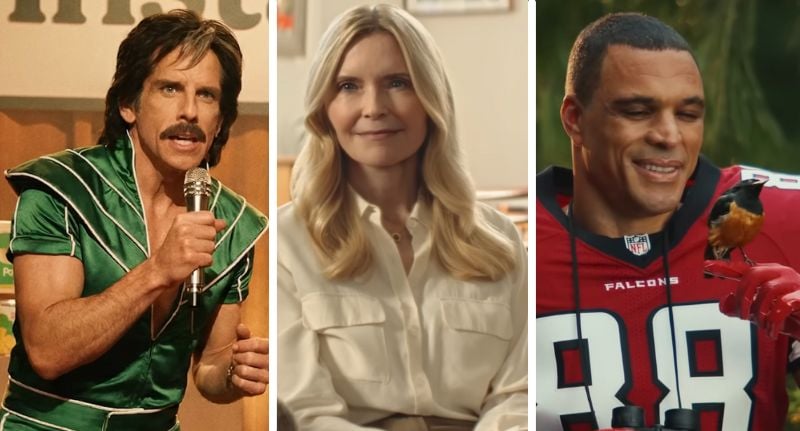
Who stuck the landing? Creatives name the Super Bowl ads worth arguing about
Once a year, the Super Bowl briefly stops being about football and turns into advertising’s most expensive, high-stakes group chat.
It’s the one night when creatives watch TV with notebooks open, Slack threads firing and opinions forming faster than a 30-second spot can land its punchline.
This year was no different – big budgets, bigger celebrities, a few brave swings, a few safe ones – and plenty for the industry to argue over the next morning.
Mediaweek asked a cross-section of Australia’s best creatives to weigh in on the Super Bowl ads they actually loved, the ones that cut through the hype, and why some ideas stuck while others vanished before the final whistle.
Becky Morriss, Creative Director, Clemenger BBDO
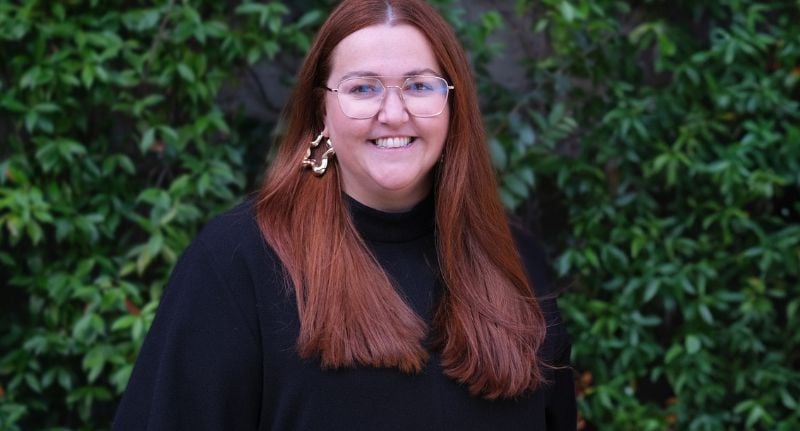
Instacart starring Ben Stiller
“Instacart’s Super Bowl spot genuinely made me giggle because it committed fully to an idea and didn’t overcomplicate things. While many brands leaned hard on celebrity for celebrity’s sake, this one felt playful, absurd, and self-aware, with a really strong visual aesthetic.
“Knowing it was directed by Spike Jonze makes complete sense. You can feel that creative intent in every frame. The humour isn’t throwaway. It’s choreographed, cinematic and deliberately weird, but in a way that feels thoughtful rather than chaotic.
“Ben Stiller never feels like stunt casting. He grounds the ad with great timing and warmth, letting the comedy serve the product truth rather than distract from it. It feels like Instacart really understands what it is and is happy to have a bit of fun with its role in everyday life.
“Compared to previous years, this Super Bowl felt safer overall, with a handful of standouts like Absolut, Squarespace and Claude. But for me, Instacart stood out by embracing entertainment and craft. It didn’t try to say everything. It focused on being memorable and enjoyable, and that confidence really paid off.”
John Schonogevel, Head of Strategy, Those That Do
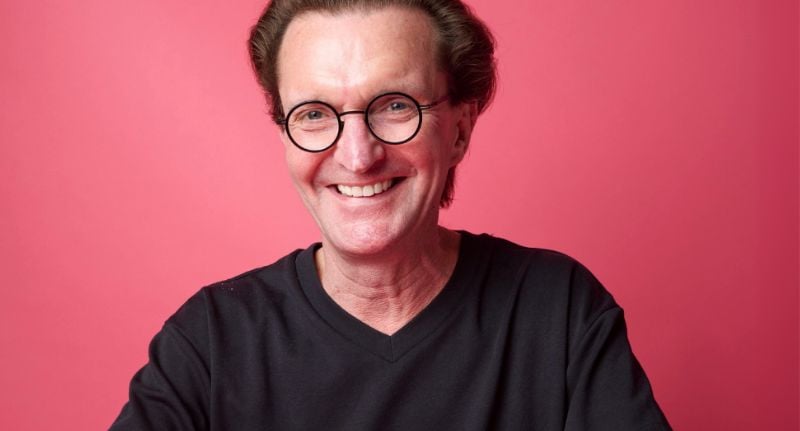
His choice? Noone.
“It should be easy to write about the Superbowl ads right? So much great stuff? Work that elicits an emotional response? Well not this year.
“There were big brands doing what they always do – celebrity, humour and entertainment (Instacart, Hellman’s, Pringles). There were big brands doing the same idea as before, just differently (Dove, Budweiser, Uber Eats). There were a few who went so far as to incorporate the celebrity into the idea (Raisin Bran, Fanatics Sportsbook, TurboTax).
“The only thing that moved me, that made me sit up on the sofa, was the host broadcaster’s Denzel Washington-narrated self-promotion of their own Winter Olympics coverage. So the winner is… NBC.”
Micah Walker, Founder, Bear Meets Eagle On Fire
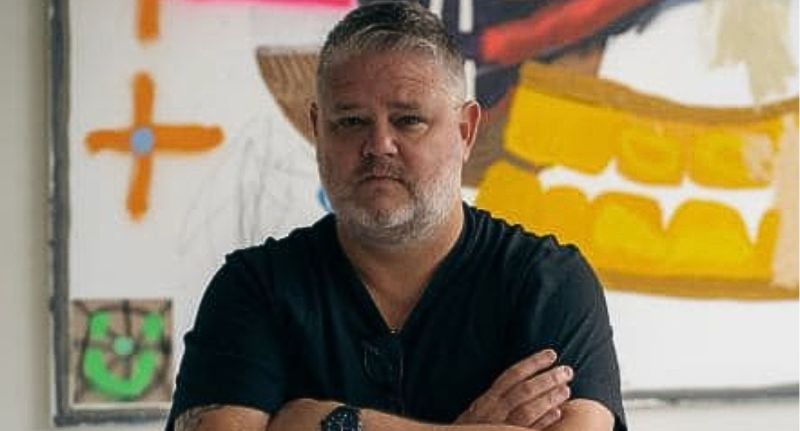
His choice? The Jeffrey Epstein survivors PSA
“Not sure I have an absolute favourite this year. As with every year, there’s a mix of self-important emotional mush and a lot of celebrity shrapnel.
“The best of the expected celebrity cameo approach, I’d give to Instacart. Feels to me like the best of the Super Bowl silliness, and I like that they focused on bananas and hurting Ben Stiller.
“As far as the most unexpected break from the formula, I’d say the much-discussed Anthropic campaign stands out most. In particular, the “How can I communicate better with my mom?” spot gets that AI awkwardness just right.
“On a somewhat heavier note, I think we should all pay tribute to the Epstein survivors PSA calling out the US Department of Justice for the lack of transparency and action on their behalf. It’s not a great ad in any way, but it’s easily the most important message to air this year.”
Amber Groves, Creative Strategy Director, Weave
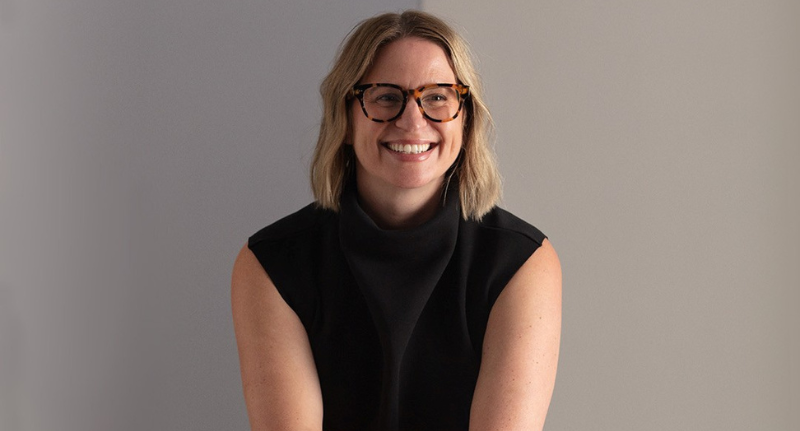
Her choice? Relax Your Tight End featuring Rob Gronkowski
“In a Super Bowl overflowing with ads that overwhelmingly favour celebrities, weak gags, and nostalgia over memorability, Novartis’ ‘Relax Your Tight End’ spot provided a rare and delightful combination of creative insight and messaging simplicity.
“By hijacking a well-known football term and reinterpreting it as a universal human tension, Novartis sidesteps clinical stiffness and earns awareness through disarming humour and tight messaging… I can easily see how this spot could convince the millions of NFL-congregating men to pull their finger out and take care of their health.
“This is what the Superbowl needs more of – ads that are culturally aligned and contextually relevant, ads that leverage a real consumer insight, ads whose executions are both engaging… and a little cheeky.
“In a lukewarm sea of ads that feel like they’ve been reverse-engineered from a ChatGPT prompt, this one felt like it was written by humans, for humans.”
David Jackson, Executive Creative Director, Apparent
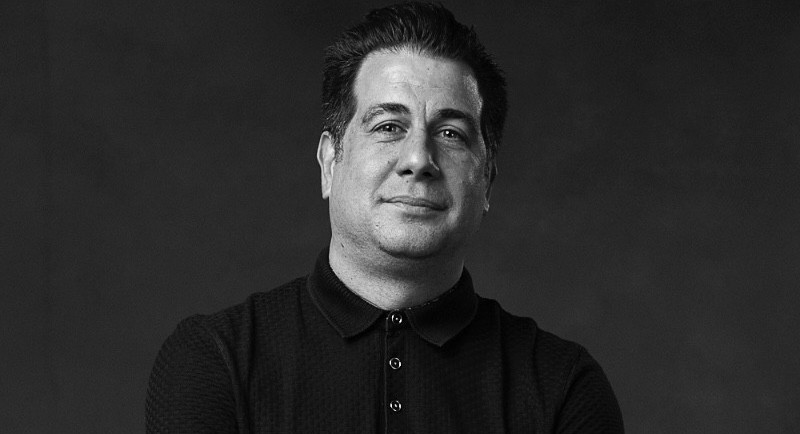
His choice? Anthropic and Claude AI
“The ads that caught my attention were Claude’s spots. In a world of big-dollar ads all pushing US products, Claude’s was a really understated way of setting itself apart from its competitors, particularly ChatGPT.
“During the biggest ad spend moment of the year, when every spot is about spectacle, their ads cut through with simple moments of advice like training or speaking to your mother.
“They used these universal truths to land their message and, more importantly, brought back something that’s been lost a little in the advertising scene post covid.
“It felt akin to the Cola Wars and Mac vs PC, which was great. Be interesting to see how ChatGPT responds outside of Altman’s rant on LinkedIn.”
Adrian Elton, Creative, Adrian Elton Creative

His choice? Anthropic and Claude AI
“Amidst the avalanche of ads for this year’s Stupor-Bowl, perhaps the one that felt like it spoke most aptly to this particular moment was the Anthropic ad that took steely aim at Open AI’s ChatGPT, landing an almighty kick in the proverbial ‘nads.
“The simplicity and clarity of the dramatisation of the ChatGPT bot, from buff gym trainer to bespectacled university professor, all underscored the profound danger when trusted confidantes go rogue.
“The disconcerting pauses before responding to earnest questions, accompanied by the vacant eyes and beatific smiles, really mirrored the ‘think’ time before ‘Chat’ responds, as well as the toxic-positivity of the AI linguistics, which manage to give a positive spin on anything, no matter how decidedly ill-advised that might be. The art-direction expertly doubled down on the ‘ick’-factor.”
Sam Boyd, Creative Strategy Lead, BCM Media and Creative
His Choice? Hellmanns
“I can only imagine the effort and gymnastics required by any agency to get an idea across the line these days for the Super Bowl, let alone push the boat out. Which is why, credit where it is due, it was good to see a handful of brands lean back into absurdity this year.
“Spots like Hellmann’s Meal Diamond or Instacart’s Choose Your Bananas reminded us that the Super Bowl opportunity is still, at heart, a branded entertainment moment.
“But what I felt missing this year was the disruption. No one broke the frame. No one messed with the system. Almost every brand treated the Super Bowl opportunity as a 30-60 second placement, rather than a cultural moment to be exploited before, during and spoken about after the game.
“That’s what made ideas like Coinbase’s QR Code, Reddit’s Superb Owl, Tubi’s Interface Interruption from previous years so powerful, or even earlier examples like Newcastle Brown Ale’s Band of Brands. They didn’t just run an ad in the Super Bowl. They created a brand conversation before it. They hijacked it. They extended it and let it live on in conversations long after the game finished.”
Charles Baylis, Executive Creative Director, ATime&Place
His Choice? Jurassic Park
“I like this one because it borrows celebrity in a way that doesn’t feel desperate.
“For a lot of the Super Bowl ads it felt like there was a formula; ‘get a celeb to sing it to a tune everyone knows, change the words and pop the brand in’.
“The cameos here are justified. And personally, I still can’t get past the fact that one guy in the original film basically ruined Jurassic Park for all of us.”
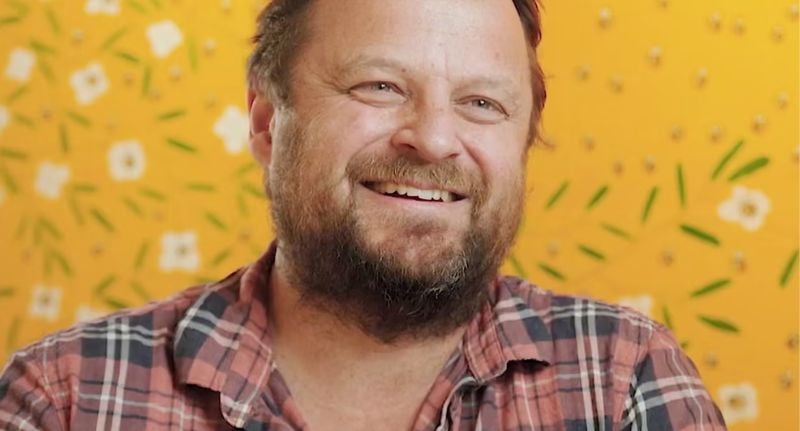
Award-winning political cartoonist Jon Kudelka dies aged 53
Jon Kudelka, one of Australia’s most prolific and influential political cartoonists, died in Hobart on Sunday, aged 53.
In a post shared by his family, Kudelka’s death was confirmed following a diagnosis of glioblastoma, a form of brain cancer, in early 2024.
Over a career spanning more than three decades, his work appeared across some of the country’s most influential mastheads, including the Hobart Mercury, The Australian and The Saturday Paper.
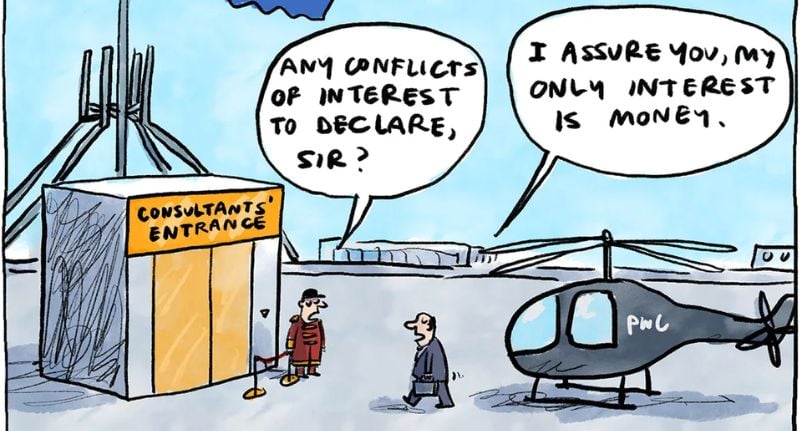
One of Kudelka’s political cartoons.
A long career across Australian newsrooms
Kudelka began drawing cartoons for the Hobart Mercury in 1993 and went on to produce political cartoons for more than 30 years, with around 10,000 works published during that time.
He worked at The Australian for two decades before later contributing to The Saturday Paper.
Born in Burnie on Tasmania’s north coast in 1972, Kudelka sold his first cartoon at the age of nine.
Despite holding a degree in biochemistry, he built a career in editorial illustration that became closely tied to Australia’s political and media landscape.
Beyond political cartoons, his work also included non-political illustrations celebrating life in Hobart and Tasmanian birds and animals. He also pursued life drawing, animation and authored a number of books.
Awards and recognition
Kudelka was a two-time Walkley Award winner, taking out best cartoon in 2008 and again in 2018.
He also received Kennedy, Stanley and News awards, and was named the Museum of Australian Democracy’s political cartoonist of the year in 2010 and 2019.
His 2018 Walkley-winning cartoon, From the Heart, published in The Australian, depicted Uluru as an upturned middle finger alongside the words: “Official government Uluru statement response.”
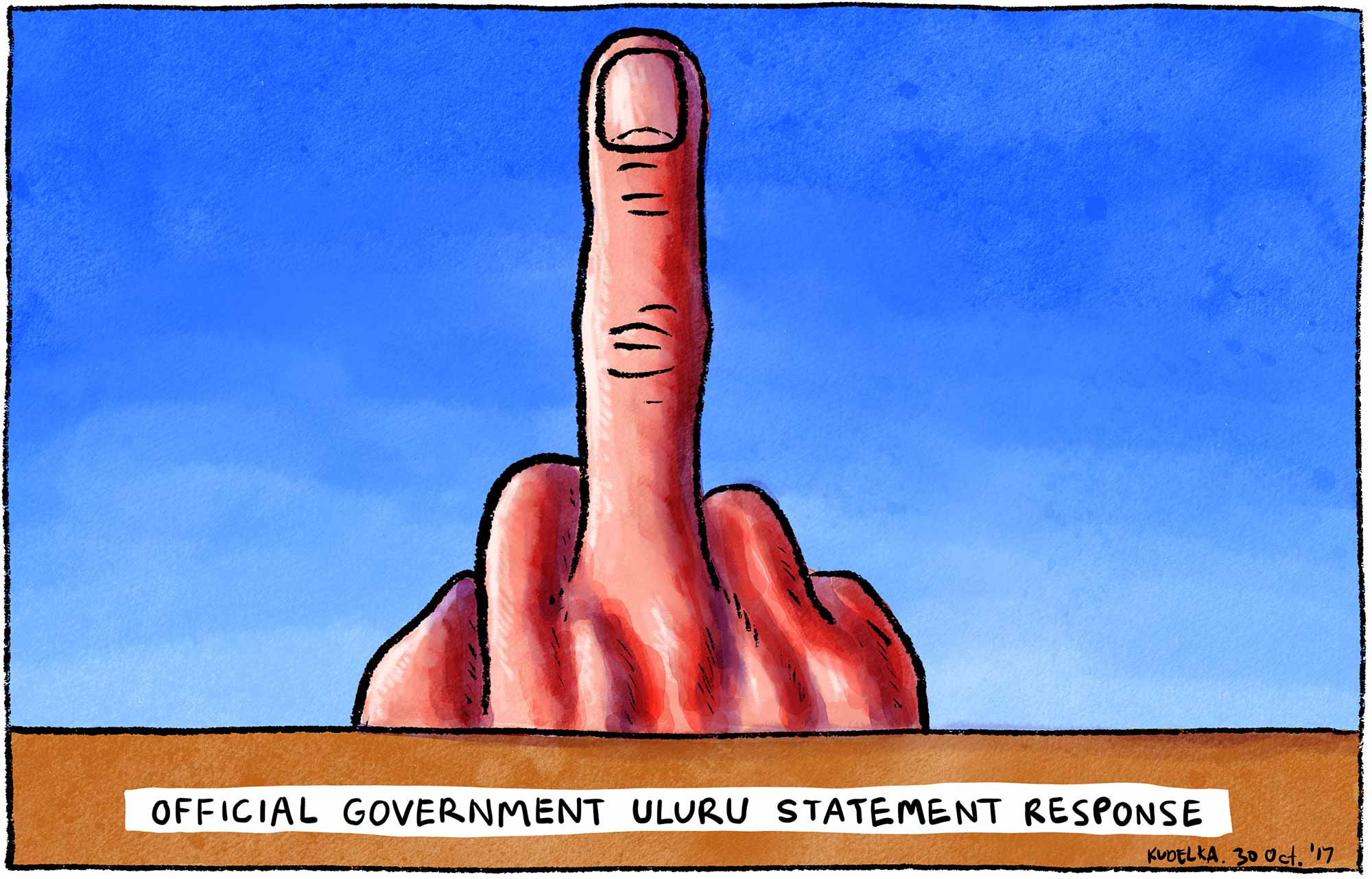
Judges praised the work for capturing “how many felt after the Government so quickly dismissed the central recommendation of the Uluru Statement From The Heart”.
In a statement published on the Kudelka Shop website, his family said:
“Jon was deeply loved and admired by many, including fellow Tasmanians, the legions of fans of his inimitable art, countless newspaper readers over 30 years, and even by the politicians he relentlessly skewered in his award-winning cartoons (many of whom have his work on their walls).”
Reflections on the craft
Following his diagnosis with an inoperable brain tumour, Kudelka continued to write and reflect on his profession. Last year, he penned an article for The Saturday Paper titled ‘Lessons from Political Cartooning’.
“The noble art of political cartooning is a profession that isn’t terribly important in the scheme of things, but doing it well is a lot harder than it looks,” he wrote.
“If you do try to do the job properly, then it becomes a bit more like threading a needle at gunpoint, which I probably flatter myself in claiming I occasionally succeeded at. The downside to all this effort is that, disappointingly, none of your finely crafted little sketches ever bring down the government, even if they absolutely had it coming.”
In a separate statement posted to Facebook and the family website, Margaret Kudelka said:
“Jon believed in showing up fully for life and embracing humour even in the hardest of times. In the past two years, he was heard many times to say, ironically, ‘good times’.”
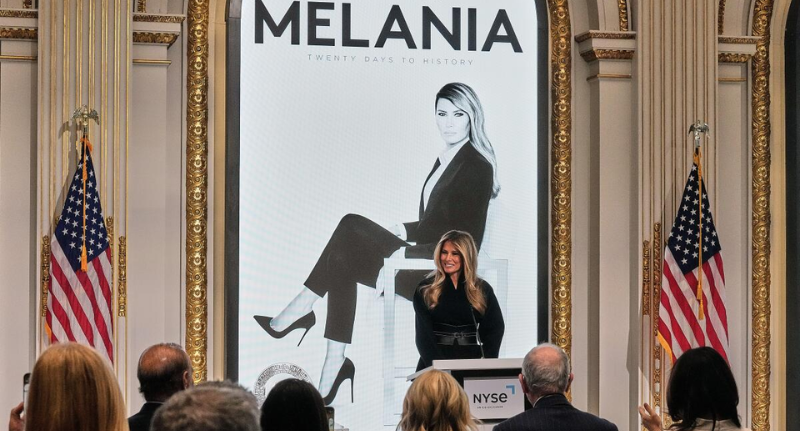
Melania' drama: military forced to watch, Rotten Tomatoes explains score
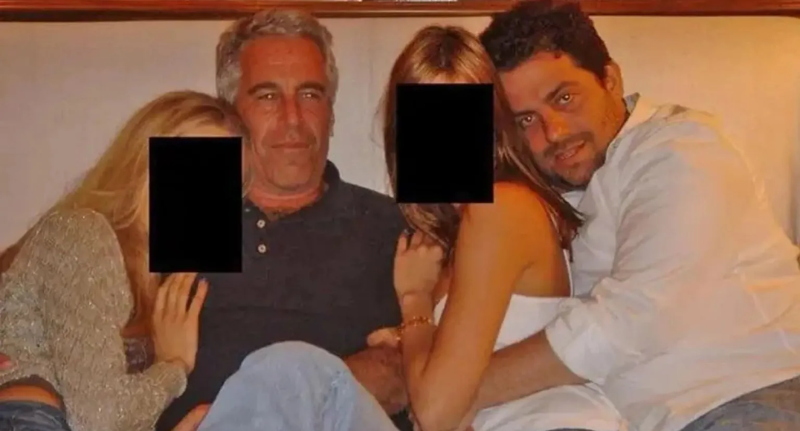
A week after an explosive photo of the Melania director Brett Ratner was released from the Epstein files, Amazon’s documentary on the First Lady has attracted three further dramas.
Military troops forced to watch Melania
Business Insider reports that, according to the Military Religious Freedom Foundation, numbers for the film have been artificially inflated by pressure from MAGA-aligned superiors strongly encouraging troops to buy tickets.
Mikey Weinstein, the president and founder of the MRFF, said they received reports from eight bases around the world that U.S. military members were being “pressured” to see Melania, in cinemas and special screenings.
“People are scared,” said Weinstein. “They were pressured to see the movie.”
“Your military superior, that’s not your shift manager at Taco Bell or Starbucks. They have complete and total control over you.”
According to Business Insider, “Nobody that I know wanted to go except for those that did not want to get jacked up by our unit commander for not attending,” a member told Weinstein.
When reached for comment, a Department of Defence official told Business Insider, “There is no Department of War directive requiring service members to see this film, though the film is fantastic.”
Rotten Tomatoes defends Melania rating
Movie review site Rotten Tomatoes has been forced to issue a statement explaining the discrepancy between the 8% critics rating of the film, and the 99% audience review aggregate, which has led to questions about the results for the latter being manipulated.
“There has been NO manipulation on the audience reviews for the Melania documentary,” Rotten Tomatoes said.
“Reviews displayed on the Popcornmeter are VERIFIED reviews, meaning it has been verified that users have bought a ticket to the film through Fandango.”
Rotten Tomatoes insists that Melania’s sky-high audience score is organic, telling Rolling Stone Australia: “There has been NO manipulation on the audience reviews for the Melania documentary. Reviews displayed on the Popcornmeter are VERIFIED reviews, meaning it has been verified that users have bought a ticket to the film through Fandango.”
In Australia, the film made $32,399 in its opening weekend.
Music ‘stolen’ from movie Phantom Thread
Radiohead’s Jonny Greenwood and filmmaker Paul Thomas Anderson have demanded that music from the movie Phantom Thread be removed from Melania.
According to the Hollywood Reporter, their statement read:
“It has come to our attention that a piece of music from Phantom Thread has been used in the Melania documentary.
“While Jonny Greenwood does not own the copyright in the score, Universal failed to consult Jonny on this third-party use, which is a breach of his composer agreement.
“As a result, Jonny and Paul Thomas Anderson have asked for it to be removed from the documentary.”
The Phantom Thread song in question is Barbara Rose, which Greenwood composed for the movie.

Specialist news service shut after sustained economic pressure
Hope 103.2 has announced the closure of its Hope News service, citing several years of intense economic pressure across the charity and media sectors and the rising cost of sustaining a dedicated news operation.
The decision brings to an end the broadcaster’s foray into standalone news and current affairs, which launched in 2019 with the aim of delivering trusted journalism informed by professionalism, integrity and a Christian worldview.
“This is a deeply painful decision,” Hope 103.2 CEO Phillip Randall said.
“Hope News has been delivered by an exceptional team of journalists who have served our audience faithfully, ethically and with great heart. We are incredibly grateful for their work and the contribution they have made to our ministry and to Australian media.”
A newsroom built to amplify Christian voices
Led by News Director Anita Savage, alongside journalists Sarah Wiedersehn and Jefferson Shaw, Hope News positioned itself as a specialist service focused on stories and perspectives often overlooked by mainstream outlets.
The team reported extensively on legislation and public inquiries affecting faith-based schools, aged care providers and religious freedoms, and regularly sought Christian perspectives on local, national and international issues.
Randall said the closure followed exhaustive attempts to keep the service viable.
“We have prayerfully explored and exhausted all reasonable options, and we have delayed this decision as long as we responsibly could,” he said.
“Ultimately, we must steward the ministry in a way that ensures its long-term strength and ability to serve listeners with hope.”
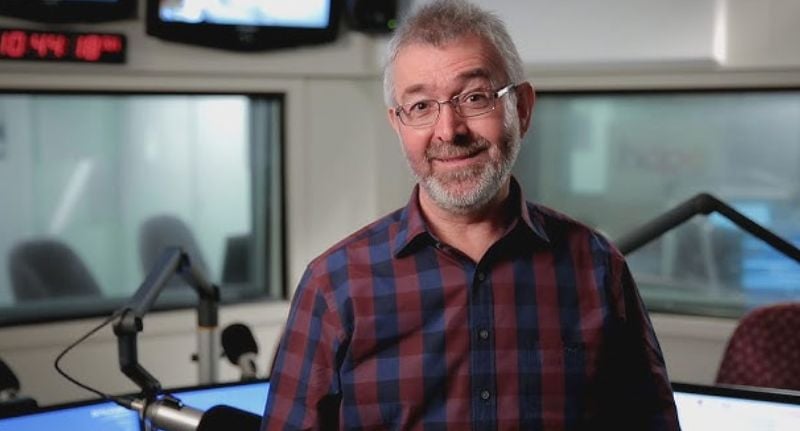
Hope 103.2 CEO Phillip Randall
‘Truth over sensationalism’
In a statement reflecting on the closure, Savage underscored the editorial purpose that guided the service.
“In this climate where truth is under siege, news that is trustworthy is more important than ever,” she said.
“Supporters of Hope News understood the need for balance and the quest for truth over sensationalism. The team at Hope News was dedicated to bringing the latest news in a way that would inform but not alarm.”
Savage pointed to coverage that she said no other outlet provided, including a Productivity Commission hearing into Special Religious Education in schools, debates around euthanasia in residential aged care facilities in NSW, legislation affecting employment at faith-based institutions, and issues impacting religious freedom.
“We held our political leaders to account and asked the questions others didn’t,” she said, referencing exchanges with NSW Premier Chris Minns and Sydney’s Lord Mayor Clover Moore.
“We are so thankful for the supporters who prayed for us daily and understood the importance of being informed and engaging in the wider world. Thank you.”
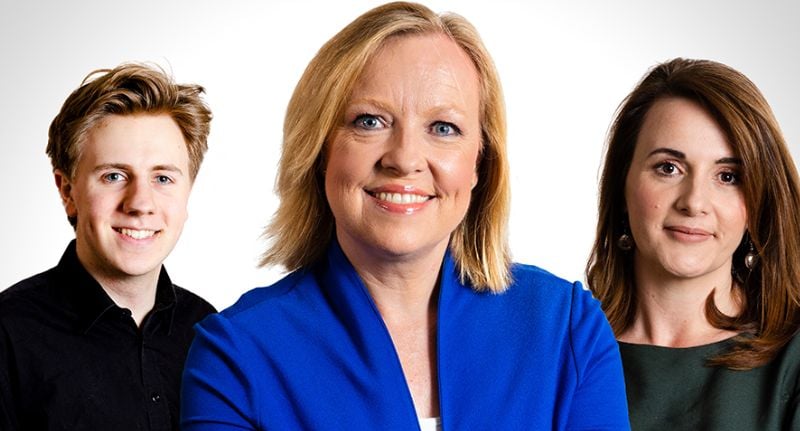
News Director Anita Savage, alongside journalists Sarah Wiedersehn and Jefferson Shaw
Strategic reset for the broadcaster
Hope 103.2 acknowledged that the closure marks the end of a broader ambition to build a multi-platform news and current affairs offering.
“We believed Hope News could be the foundation of a broader Christian worldview approach to news and current affairs across multiple platforms,” Randall said.
“While we are unable to continue that work at this time, we remain committed to being a trusted source of truth, encouragement and hope.”
The broadcaster said it will refocus on its core mission of engaging audiences through music, storytelling and spoken-word content, with the option to revisit news and current affairs if its financial position improves.
“Our prayers are with our journalists and their families during this transition,” Randall said.
“We honour their professionalism and thank them sincerely for their service.”

Instagram quietly builds ‘Instants’ as Snapchat-style spinoff
Instagram is building an internal prototype of a new standalone app for sending disappearing photos, in a move that closely resembles Snapchat’s early product concept.
The app is being called “Instants”, according to a screenshot shared by mobile developer Alessandro Paluzzi, who is known for reverse engineering Instagram to surface unreleased features. Meta confirmed the prototype to Business Insider, but said it is not being tested externally.
#Instagram is working on a standalone app for Instants/Quicksnap 👀 pic.twitter.com/d56vOeoGap
— Alessandro Paluzzi (@alex193a) February 8, 2026
What is Instants?
Paluzzi’s rendering describes the app as a way to “share disappearing photos with friends”, positioning it as a faster, more ephemeral alternative to posting publicly.
Meta told Business Insider the prototype remains internal. That suggests the project is still at an early stage, and may never ship as a consumer product.
Instagram is already testing an ‘Instants’ feature
Meta also told Business Insider that Instagram has been trialling an Instants feature inside the main Instagram app. It has been available in a limited test in “some countries globally”, and was previously referred to as “Shots”.
Instagram’s Help Centre describes Instants as quick disappearing photos sent via direct messages. The photo disappears after it’s opened and expires 24 hours after sending. It can only be sent to mutual followers, and the photos can’t be edited.
Why Meta keeps circling back to disappearing messages
Instagram has experimented with disappearing formats for years. It introduced disappearing text and photos in DMs in 2016, then added Vanish Mode in 2020, which turns on disappearing messages in a chat thread.
The Instants prototype would put that behaviour into a standalone app experience, rather than a feature tucked inside Instagram’s messaging inbox.
Friend-to-friend messaging is the priority
Instagram has been pushing harder into “friends” interactions, which Meta defines as people who mutually follow each other, as more sharing shifts from feeds to private messages.
Instagram head Adam Mosseri previously told Business Insider there has been a “paradigm shift” toward private sharing, such as direct messages, across the platform.
Snapchat comparisons are hard to avoid
Meta has repeatedly borrowed from Snapchat’s playbook. Instagram Stories was widely viewed as a Snapchat-style clone, and Instagram has also launched a social map feature similar to Snapchat’s Snap Map.
A dedicated disappearing-photo app would be the clearest nod yet to Snapchat’s original premise, just as Meta continues rolling out standalone products across its portfolio, including Threads, Edits and Meta AI.
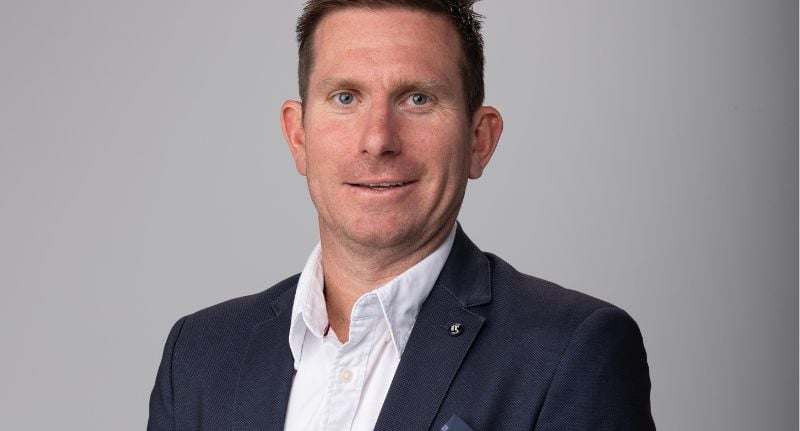
SCA confirms Matthew O’Reilly as Head of Broadcast Content – Audio
Southern Cross Austereo (SCA) has formally appointed Matthew O’Reilly as Head of Broadcast Content – Audio, confirming him in the role following a six-month interim tenure as the company reshapes its senior content leadership team.
The appointment positions O’Reilly at the centre of SCA’s broadcast strategy across its Hit and Triple M networks, spanning metro and regional markets, with responsibility for defining the group’s content vision and aligning it closely with commercial objectives.
O’Reilly steps into the role after more than 15 years in senior content leadership positions across the Triple M network.
Most recently, he served almost three years as Triple M Metro Content and Content Director for Triple M Adelaide, where the station maintained its position as one of the city’s most consistent ratings performers.
In the Head of Broadcast Content – Audio role, O’Reilly will lead SCA’s content teams nationally and partner with the executive leadership team as the company continues to integrate its audio strategy following the SCA–Seven merger.
John Kelly, SCA’s Managing Director – Audio, said the appointments reflected a deliberate investment in content leadership.
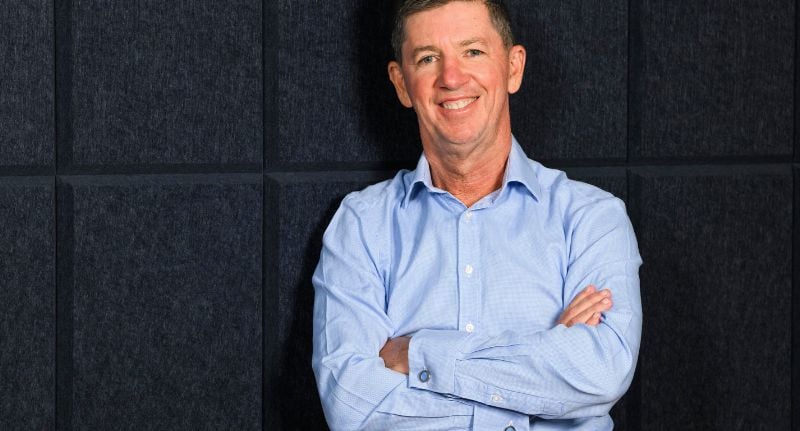
John Kelly
“These appointments reflect the strength of SCA’s radio expertise and our commitment to backing the best people in the industry,” Kelly said.
“Matthew’s leadership, together with our senior content leadership team, has already driven significant transformation across the business. With exciting opportunities ahead and strong marketing support behind our brands, this team will be central to delivering creative, audience-focused content and driving sustainable growth for SCA, our audiences, and our partners.”
Senior content structure takes shape
Alongside O’Reilly’s appointment, SCA confirmed a series of senior content roles designed to sharpen network and development strategy.
Jamie Angel has been appointed Head of the Triple M Network, in addition to his role as Triple M Brisbane Content Director.
Angel will oversee the network’s metro content strategy across local and national shows and music programming. He brings more than 35 years of experience in Australian radio, including senior roles at 2DayFM, Fox FM, and B105.
Jay Mueller will take on the newly created role of Head of Development, alongside his position as Triple M Melbourne Content Director.
The role focuses on programming and talent development, succession planning, and ways of working across SCA’s content brands, including Triple M, Hit, LiSTNR, and Seven. Mueller has more than 25 years’ experience across broadcast and digital media, including senior roles at SCA, the AFL, the Seven Network, and SEN.
As part of the revised structure, Amanda Lee (Head of Hit Network – Metro), Angel and Mueller will report directly to O’Reilly.
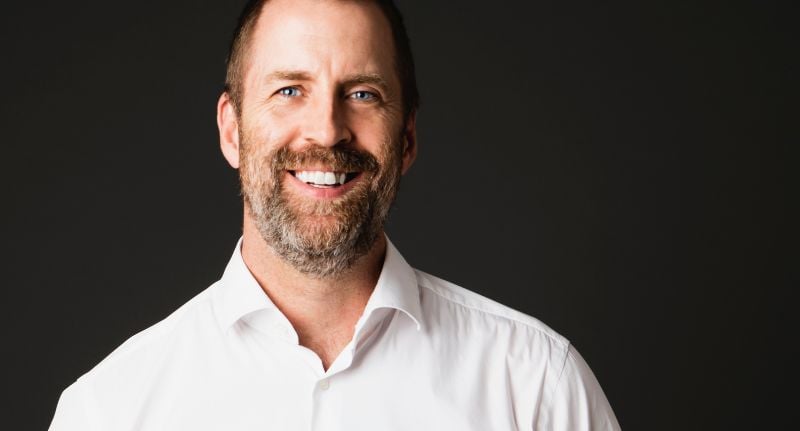
Jay Mueller
Content leadership and commercial alignment
O’Reilly said the formal appointment reflected both internal capability and the company’s next phase of growth.
“I’m proud and humbled to officially lead our broadcast content teams into the next exciting phase at SCA,” he said.
“These appointments reflect the depth of experience and talent across our content teams. It’s fantastic to give opportunities to those within the business.”
Referencing the broader business context, O’Reilly pointed to early momentum following the SCA–Seven merger.
“With the combined passion of this team and the early momentum of the SCA and Seven merger, we’re well positioned to create, collaborate and grow in new ways,” he said.
“By leveraging our trusted talent, our local content advantage, and newly formed experienced content leadership team, we can deliver compelling shows, expand audiences and drive meaningful commercial outcomes.”
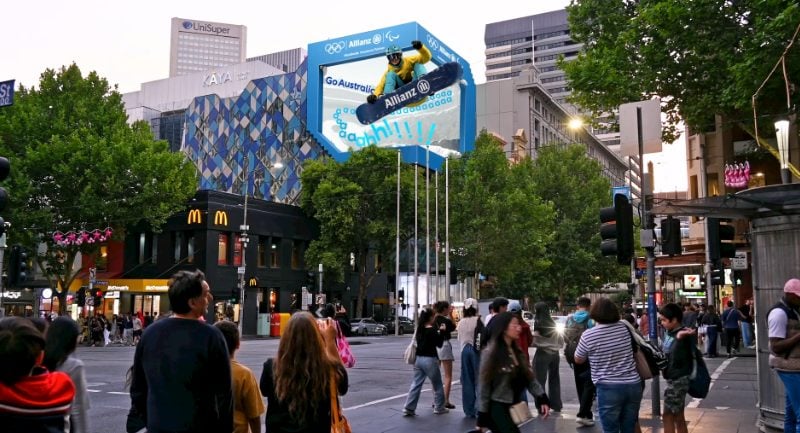
QMS and Allianz launch ‘Go Australiaaahh!’ for Milano Cortina Winter Games
QMS has confirmed Allianz Australia as a returning major partner of its Milano Cortina 2026 Winter Olympic and Paralympic Games Network, reinforcing the insurer’s long-term commitment to premium out-of-home during major cultural and sporting moments.
The partnership sees Allianz launch its “Go Australiaaahh!” campaign across QMS’ 100% digital national Winter Games Network, extending a relationship that has become a cornerstone example of how brands are using large-scale DOOH to capitalise on live, shared audience moments.
A winter remix of an established brand platform
Created by Howatson + Company and planned through Wavemaker, the “Go Australiaaahh!” campaign reimagines Allianz’s established brand platform for a winter sports setting, featuring skiing, figure skating and snowboarding. The creative includes a full-motion 3DOOH execution at QMS’ landmark Emporium Melbourne billboard, which attracts more than 18 million visits annually.
The campaign is live across QMS’ national Winter Games Network, which spans the company’s extensive billboard portfolio, City of Sydney and Gold Coast street furniture, The Convenience Network at 7-Eleven locations, and Canberra Airport.
QMS expects the network to reach 80% of metropolitan Australians, positioning it as a broadcast-scale platform during one of the most anticipated global sporting events on the calendar.
Attention, scale and cultural context
Laura Halbert, Allianz GM of Consumer Strategy and Marketing, said the partnership reflects the insurer’s focus on relevance, scale and attention.
“Major sporting events like the Olympic and Paralympic Winter Games create powerful shared moments, and out of home allows us to show up where Australians are already engaged,” Halbert said.
“Our return to QMS’ Games Network enables Allianz to remain visible during the moments that matter most – when attention and emotions are high.”
She said full-motion 3DOOH played a central role in lifting creative impact during the Games window.
“By utilising full-motion 3DOOH as the centrepiece of our out of home campaign, we’re able to elevate our creative impact and ensure Allianz is present when Australia’s athletes reach new heights of success during Milano Cortina.”
DOOH meets live Olympic moments
QMS Chief Sales Officer Tim Murphy said the Allianz partnership highlighted the growing role of premium DOOH in marketing strategies built around live relevance and immediacy.
“The partnership with Allianz demonstrates how brands can embrace the power of digital out of home [DOOH] to align with live, culturally relevant events at scale,” Murphy said.
“Allianz’s return highlights the growing role of premium DOOH in marketing strategies built around attention, context and immediacy.”
Murphy pointed to the European time zone as a key advantage for Australian advertisers, with competition coverage and medal moments landing during peak commuter periods.
“This allows brands to connect with audiences at exactly the moments they are most engaged, reinforcing DOOH’s strength as a channel for timely, high-impact storytelling.”
A marquee moment for brands and broadcasters
Australia has sent 53 athletes to the Olympic Winter Games, the country’s second-largest Winter Olympic team ever, with a further 14 athletes expected to compete at the Winter Paralympics. The Olympic Games commenced on 6 February 2026, with the Paralympic Games to follow from 6 March.
QMS is the official outdoor media partner of the Australian Olympic Committee and Paralympics Australia for the Milano Cortina 2026 Winter Olympic and Paralympic Games, positioning the network as a high-impact platform for brands seeking scale, context and cultural relevance during the Games period.
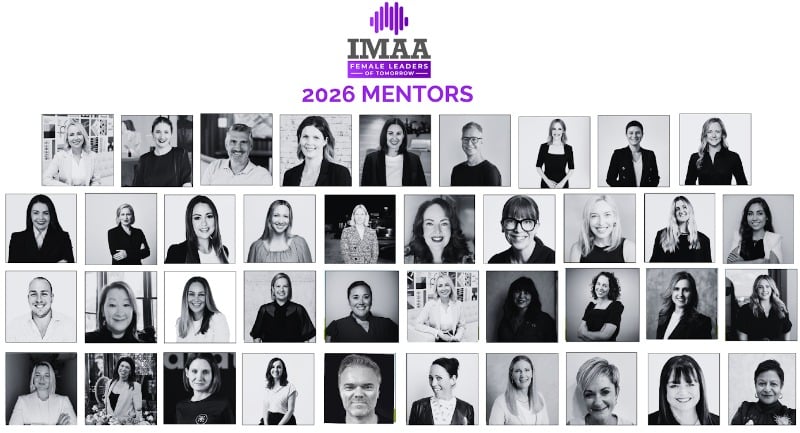
IMAA names record number of mentors for 2026 Female Leaders of Tomorrow
Australia’s top marketing and media executives have been confirmed as mentors for the 2026 Female Leaders of Tomorrow programme, with Independent Media Agencies Australia (IMAA) announcing a record 39 mentors for this year’s intake.
The nationwide professional development initiative pairs emerging female leaders with senior industry figures across agencies, media owners and brands, spanning New South Wales, Victoria, Queensland and Western Australia.
The announcement follows last week’s confirmation of the programme’s largest-ever mentee cohort, with 39 participants selected from a record number of applications.
Six-month programme focused on leadership and growth
Now in its third year, the Female Leaders of Tomorrow programme runs over six months and is facilitated by WeGrow founder Wendy Gower.
It combines online and in-person sessions focused on leadership capability, problem-solving, career progression and industry skills.
Mentors and mentees will meet regularly throughout the programme, with IMAA positioning the initiative as a long-term investment in leadership capability within the independent media sector.
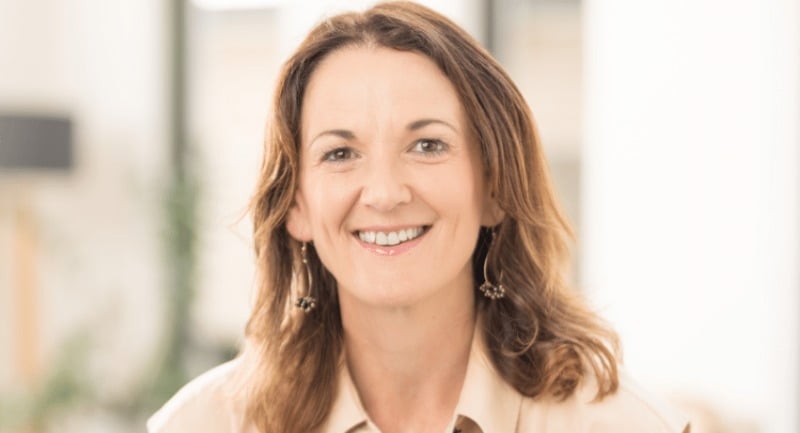
Wendy Gower
Senior industry figures step forward as mentors
The 2026 mentor line-up includes C-suite executives, commercial leaders and senior marketers from across the industry, including representatives from oOh!media, News Australia, Nova Entertainment, LinkedIn, Microsoft, Specsavers, QMS, Hoyts, JCDecaux and AustralianSuper.
IMAA said the breadth of experience among mentors was a key strength of the programme, offering mentees exposure to a wide range of leadership styles, business models and career pathways.
Mentors on turning intent into action
Commenting on the importance of mentoring, Princess Cruises Head of Marketing Chloe Jones said leadership support plays a critical role in navigating non-linear careers.
“Mentoring is especially important in our industry, where career paths are often non-linear, and leadership representation at senior levels still has room to grow,” Jones said.
“Strong mentors help bridge that gap by sharing experience, opening doors and creating safe spaces for learning, challenge and growth.”
News Australia’s Sarrah Le Marquand, Head of Entertainment, Multi-Platform & Audio, said mentoring needed to move beyond good intentions.
“It is easy to talk about the importance of women supporting women, but good intentions and platitudes alone will not help the next generation in building and sustaining a fulfilling and meaningful career,” she said.
“To play a role in supporting the nation’s emerging female leaders is not only a serious responsibility, but also an opportunity to turn platitudes into tangible action.”
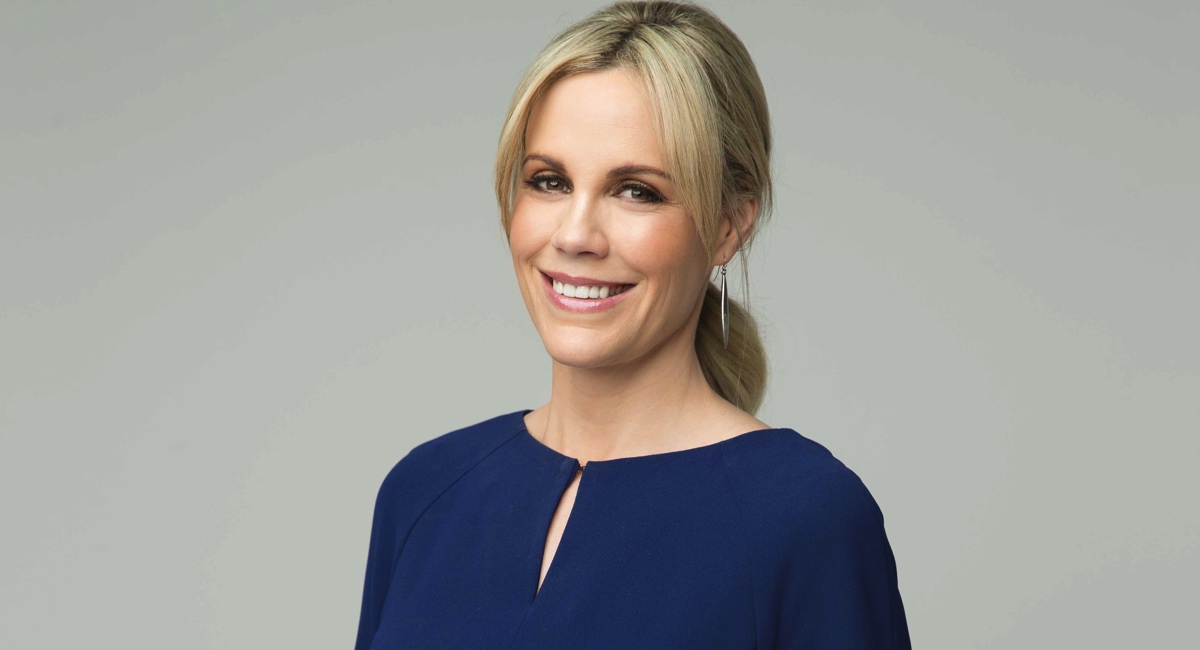
Sarrah Le Marquand
IMAA: guidance benefits mentors as much as mentees
IMAA CEO Sam Buchanan said the programme’s impact extends beyond the mentees themselves.
“It’s an honour to have nearly 40 of Australia’s top media and marketing talent as part of this year’s Female Leaders of Tomorrow programme,” Buchanan said.
“The value of strong guidance for emerging industry talent should not be underestimated – all our past mentees have spoken of the confidence and support they received from their mentors.”
He added that mentors consistently report gaining fresh insights through the experience, reinforcing the value of cross-generational learning.
Programme underway across four states
The 2026 programme officially kicked off last week in Sydney and will continue in Melbourne, Brisbane and Perth. It is proudly supported by oOh!media, which will host speed networking sessions as part of the initiative.
More information on the programme is available via the IMAA website.
The 2026 Female Leaders of Tomorrow mentors are:
· Rebecca Ackland – Chief People and Culture Officer, SCA
· Marilla Akkermans – Managing Director, Equality Media & Marketing
· Jacquie Alley – Chief Operating Officer, The Media Store
· Peta Allsopp – Fractional Chief Marketing Officer, Ask Marketing
· John Arnott – Director, Small Business and Personal Banking, AMP
· Cath Brands – Chief Growth Officer, Social Pinpoint
· Shaun Briggs – Director of Marketing Planning ANZ, Specsavers
· Tennille Burt – Chief Marketing Officer, QMS
· Belinda Cook – Head of Audio Sales, Mamamia
· Antonell Doyle – Group Commercial Director, Nova Entertainment
· Craig Ellis – Advisor, self employed
· Nic Fry – Chief Marketing Officer, Merlo Coffee
· Bel Harper – Chief Product and Marketing Officer, oOh!media
· Virginia Hyland – Chief Executive Officer & Commercial Partner, Squad M&A
· Chloe Jones – Head of Marketing, Princess Cruises
· Karla Judge – Head of Marketing Tourism, Ingenia Communities Group
· Jenny La Brooy – Mentor & Coach, self employed
· Sarrah Le Marquand – Head of Entertainment, Multi-Platform & Audio | Portfolio Strategy & News 360, News Australia
· Vanessa Lyons – Chief Executive Officer, ThinkNewsBrands
· Jessica Miles – Country Manager ANZ, IAS
· Stephanie Mills – Director, Sales, Marketing & Content, Hoyts
· Philippa Moig – Chief Executive Officer, UNLTD
· Renee Murray – Head of People & Culture, Half Dome
· Ali O’Connor – Fractional Chief Marketing Officer, self employed
· Camey O’Keefe – Director & Founder, Gambol Creative & Suit School
· Lynda Pallone – Head of Marketing, Horticulture Innovation Australia
· Jenny Parkes – Managing Director, Audience360
· Louise Rathbone – General Manager, Marketing AFC Women’s Asian Cup 2026, Football Australia
· Amanda Reid – Head of Partnerships, Dilate
· Catherine Reynolds – Chief Executive Officer, Open Universities Australia
· Genevieve Reynolds – Partner, Customer & Brand, Tenet Advisory & Investments
· Suzanne Robertson – Head of Member Engagement and Communications, AustralianSuper
· James Rose – Managing Director, Channel Factory
· Michelle Rowling – Head of Marketing & Sales, Sydney Zoo
· Renee Stopps – Regional Sales Director, Partner Sales APAC, Microsoft
· Mandi Tapp – Commercial Director, Brisbane, Nova Entertainment
· Essie Wake – Chief Marketing Officer, JCDecaux Australia
· Louise Wilson – Head of Growth & Mid-Market ANZ, LinkedIn
AI advertising needs balance, not blind automation
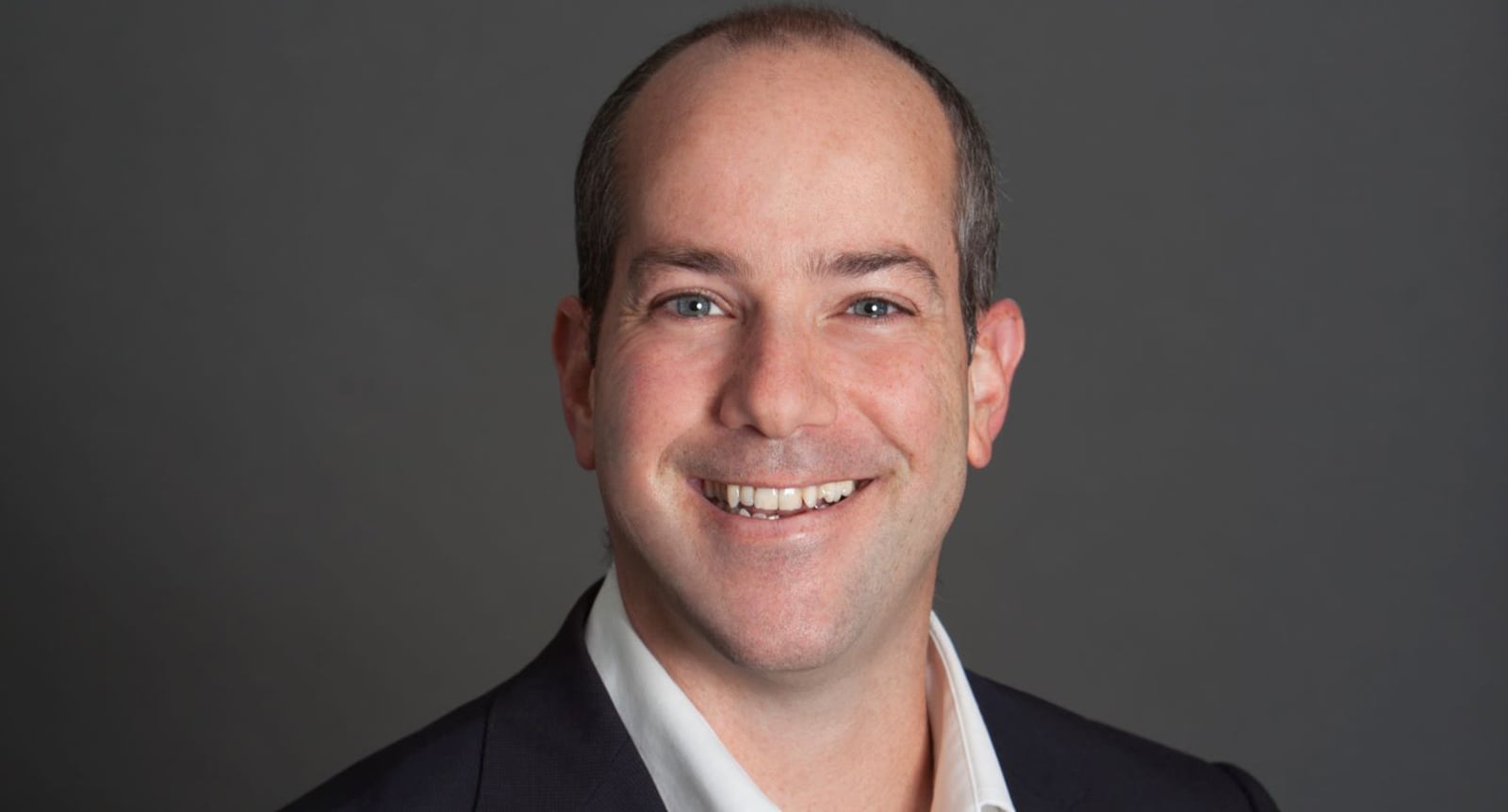
Shai Luft, Co-Founder and COO, Bench Media
AI-driven advertising has moved beyond experimentation and is now embedded in how media is planned, bought and optimised.
Across major platforms, automation is no longer framed as an optional enhancement but increasingly as the default, which means the conversation for agencies and brands has shifted from whether AI should be used to how much control, visibility and understanding they are prepared to give up in exchange for efficiency.
From an agency perspective, this tension is becoming harder to ignore.
On one hand, AI-led products are delivering genuine performance improvements, with faster learning cycles, broader reach and lower costs than many manual approaches could achieve.
On the other hand, those same systems are steadily reducing the ability for agencies and brands to influence how their advertising behaves in market, including how messaging appears, where it appears and the context in which it is experienced.
The struggle for control
Much of the debate has focused on control, and rightly so.
As AI-driven campaign structures become more prevalent, agencies are finding it harder to ensure creative remains on brand, placements align with brand values and messaging feels intentional rather than incidental.
Creative combinations are assembled dynamically, placements are optimised at scale and budget decisions are increasingly made within systems that offer limited transparency.
Agencies remain accountable for outcomes, yet their ability to shape or interrogate those outcomes continues to narrow.
This challenge is particularly evident on the largest global platforms, including Google and Meta, where the shift towards AI-led execution has accelerated rapidly and, in many cases, become the default rather than the exception.
While this approach has unlocked efficiency gains, it has also made it more difficult for agencies and brands to control messaging, placements and experimentation in a deliberate way.
Campaigns can behave differently from how they were originally intended, often with limited visibility into which automated decisions are driving performance.
The issue is not only strategic but operational. AI features are frequently enabled by default or applied broadly once a campaign type is selected, which makes it easy for automation to influence outcomes unintentionally.
In practice, this means campaigns can go live with AI-driven elements shaping delivery without that behaviour being explicitly planned or approved.
Intent vs. blind automation
From an agency point of view, that introduces risk, because intent matters. Advertising should behave the way it was designed to behave. In theory, AI can be extremely powerful when used in a controlled and deliberate way.
Testing individual AI capabilities in isolation allows agencies to understand their impact and build meaningful insight over time.
That kind of structured experimentation is how performance improves sustainably and how learning compounds across campaigns and years.
In reality, however, the way AI is being rolled out is making this increasingly difficult, with controls that are easy to miss or automation that applies across entire campaigns, leaving little room for incremental testing or selective oversight.
The erosion of learning
Beneath the issues of control sits a deeper concern that goes to the heart of marketing as a discipline: learning.
The most valuable asset marketers develop over time is not efficiency alone, but understanding. Understanding what drives consumer behaviour, which messages resonate and why, and which triggers matter at different moments in the journey.
This accumulated learning is what drives marketing progress. When AI-driven systems obscure cause and effect, that learning loop weakens. Campaigns may perform well, but if it is unclear what actually drove the outcome, performance improves without understanding, and long-term progress becomes harder to sustain.
AI has the potential to accelerate marketing intelligence by helping teams surface patterns faster and navigate complexity more effectively. That potential is only realised when automation enhances human judgement rather than replacing it.
When AI limits visibility and explanation, it risks delivering outcomes without insight, leaving agencies and brands disconnected from the signals they need to improve.
Finding the balance
This is not an argument against AI advertising. The technology is powerful and the benefits are real.
It is, however, an argument for balance. Brands and agencies should not have to choose between results and understanding, between efficiency and learning, or between automation and intent.
Marketing only moves forward when learning compounds over time. If AI-driven advertising erodes that foundation, the industry risks becoming faster and cheaper, but also less thoughtful, less differentiated and ultimately less effective in the long run.
That is a trade-off worth questioning before it quietly becomes the default.
Main image: Shai Luft, Co-Founder and COO, Bench Media.
Online
Entertainment
KPop Demon Hunters sequel talks heat up
And, as the BBC’s Pete Allison reports, the timing tracks.
In the past year alone, Sonnenblick has taken home a Golden Globe, a Grammy and scored an Academy Award nomination for co-writing Golden, the animation’s standout song.
Oscars quietly pulls the plug on screenings
It will stop hosting in-person screenings of Oscar-nominated films, a shift first flagged in a January members bulletin and later surfaced by Scott Feinberg in The Hollywood Reporter.
For decades, these screenings were a fixture across Los Angeles, New York, London and beyond, giving members a communal way to watch contenders before voting.