
Wednesday December 10, 2025
EXCLUSIVE: Kaimera faces unfair dismissal claim from former executive
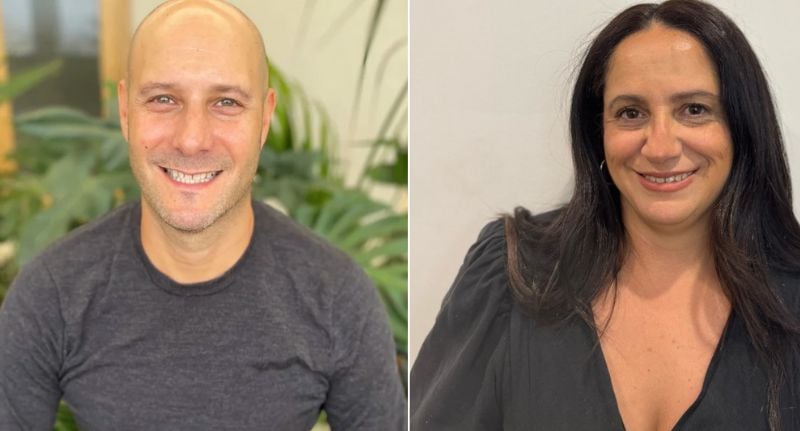
Media agency Kaimera and its owner, Nick Behr, are facing legal action from former employee Marianne Lane, who has lodged an unfair dismissal claim.
Lane joined Kaimera in 2022 as head of investment, a role created specifically for her.
According to her LinkedIn profile, she left the agency in September, writing at the time: “After 3 years with Kaimera, I’m excited to embark on a new career chapter and actively seeking new opportunities.”
The case emerged less than 24 hours after Kaimera, founded by Behr in 2016, announced it had been acquired by Havas.
In a statement to Mediaweek, a Kaimera spokesperson said: “At Kaimera, we are very proud of our culture and are focused on having a thriving, inclusive, empowered and fun work environment. However, sometimes business decisions are made that affect people and roles. When this happens, we aim to act with great sensitivity and integrity to manage these situations in the fairest and most respectful way possible.”
This is the first general protections claim lodged against Kaimera.
Main image: (L-R) Nick Behr, Marianne Lane.
‘This is their legacy’: Inside the campaign that led to Australia’s historic social media ban
Interviews rarely end the way this one did. You hope to wrap up on the same steady footing you began, not with both the journalist and the subject wiping away tears. Yet that was the reality when Mediaweek sat down with Mel Pilling, editor of The Saturday Courier-Mail and The Sunday Mail, to talk about the News Corp campaign she helped drive into the national conscience: Let Them Be Kids.
On the first morning of Australia’s under-16 social media ban coming into force, Pilling is reflective. The journey from the first editorial meeting to federal legislation has taken almost two years. The cost, both emotional and personal, is still sitting right beneath the surface.
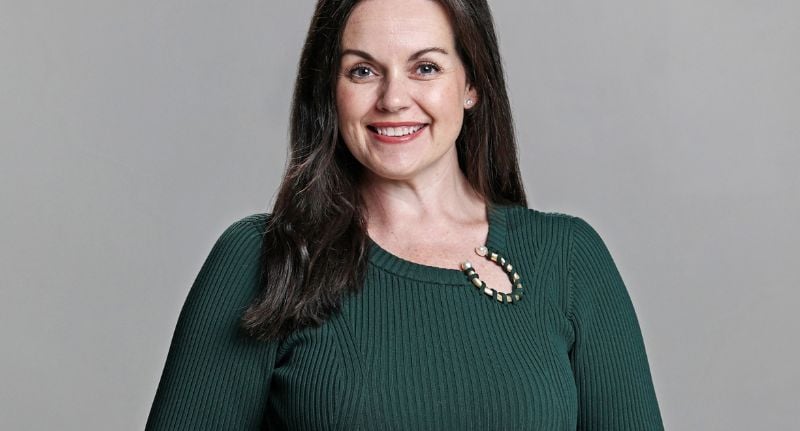
Mel Pilling
A moment of pride and emotion
Asked how she feels on a day of such significance, Pilling pauses before speaking.
“I’m feeling super proud, and a little bit emotional,” she said.
She has spent years reporting on harm, but the past two years have pushed her deeper into the lives of grieving parents, heartbreaking evidence, political corridors, and the fragile space between advocacy and journalism.
“It has been almost two years in the making, and you know, it’s a little bit emotional because this is a big deal, and I hope that it will change lives, save lives. And you know, the parents that I’ve worked with are… they’re amazing.”
The parents became the driving force behind the campaign, giving it shape, urgency and emotional weight. Their losses carried the message further than any editorial could.
“I couldn’t have done this campaign without them,” she said.
For Pilling, their involvement was essential, not optional. Their presence grounded the work and ensured the campaign spoke with authenticity.
“It was essential to me to have parents with lived experience standing side by side with me. They can talk about what they’ve lost better than I can.”
Their stories stayed with her long after each conversation ended, pushing her forward even on the hardest days.
“You can’t hear their stories and not want to do something.”
Where the campaign began
The seed was planted in mid-2024, not long after Pilling had returned to the newsroom following maternity leave. She had already begun noticing a wave of stories involving sextortion, cyberbullying, eating disorders and self-harm linked to social platforms.
“We’d already been reporting on a lot more instances of social media harm.”
A meeting of flagship editors was called. Pilling brought research showing the sharp rise in youth mental health issues from around 2011, the point at which social media embedded itself into everyday childhood.
“It showed how things like self-harm, suicide and eating disorders had been on an upward trajectory, since social media really took off in Australia.”
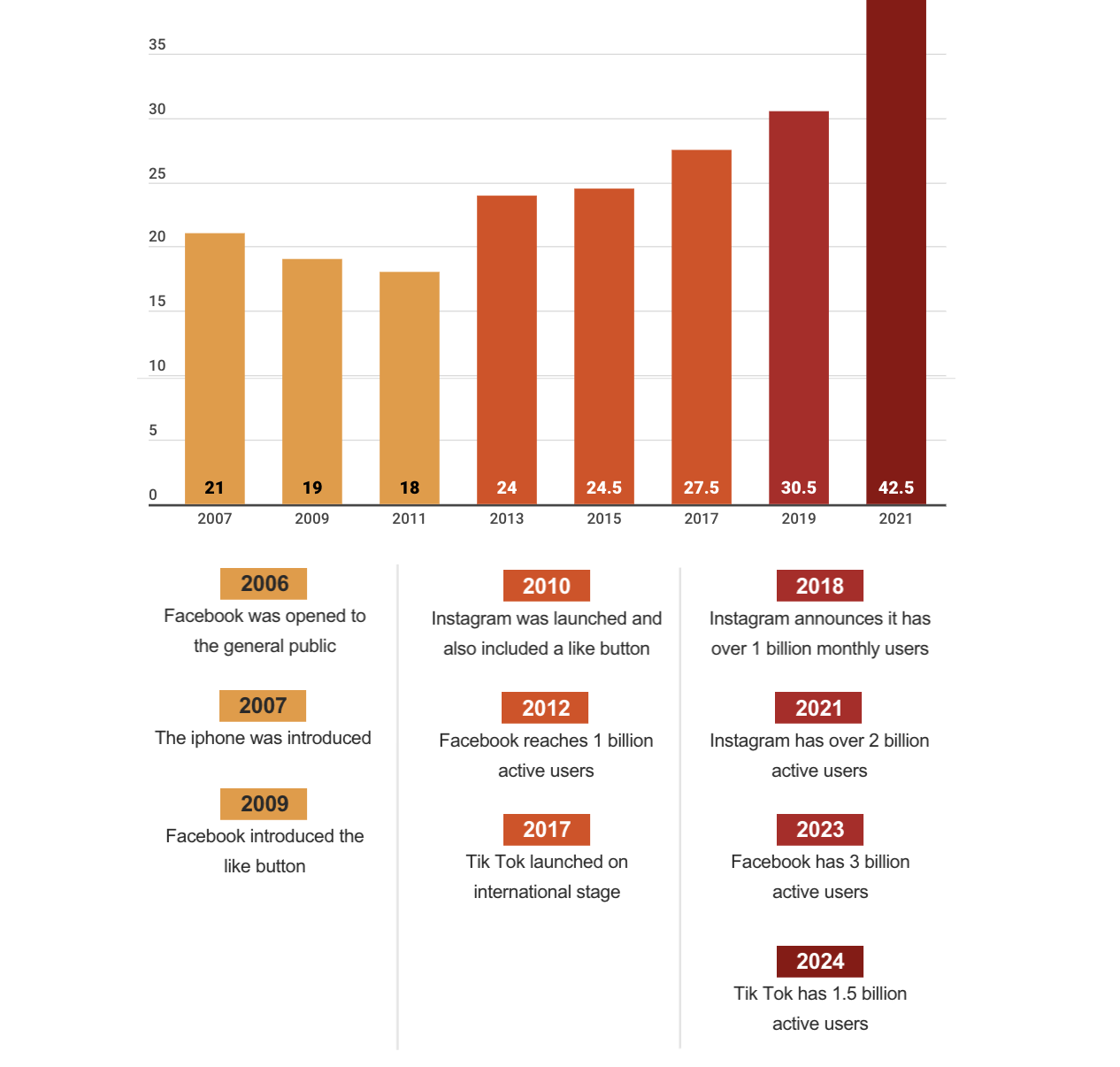
Prevalence of psychological distress by age
What she didn’t expect was unanimity.
“When I presented this research, it was kind of unanimous in the room that we needed to do something about it.”
A month later, Let Them Be Kids launched across Sunday mastheads, introducing the parents whose stories would serve as the campaign’s moral anchor.
Among them were:
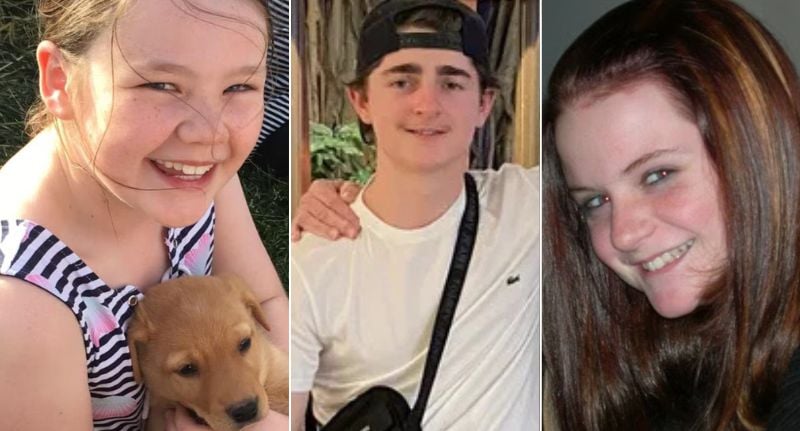
Ness Love, whose daughter Courtney, 15, died by suicide after trolls encouraged her self-harm.
Emma Mason, whose daughter Tilly, 15, died after sustained online bullying.
Wayne Holdsworth, who lost his son Mac, 15, after a sextortion scam, became a national advocate.
Their stories formed the emotional spine of the movement.
The families behind the momentum
Pilling talks about the parents with deep admiration, recognising how much groundwork they had already done on their own. “They’d been doing things to try to get the word out, but it was when they all came together with the backing of News Corp that it really took off.”
As the campaign grew, so did their connection. What began as a shared cause quickly became a support network.
“I’ve spoken to at least one of them every day. We have a group chat. We pick each other up when we’re down,” she said.
They travelled repeatedly to Canberra. They spoke at vigils. They relived their trauma in interview after interview. And they said yes to everything.
“They’re an incredible bunch of people. They show a strength I don’t think I could have in the same situation.”
The UN trip became a defining chapter. Pilling and Mason spent two days in a New York hotel room refining Mason’s speech.
“There was no sightseeing. This was a really important speech to deliver to the world.”
The emotional toll and personal dilemma
Pilling found herself grappling with the same questions haunting the parents.
“I was living it,” she said. At the time, Pilling’s daughter was 10 years old and social media was already high on her agenda, but she felt she was in a ‘lose-lose’ situation: “If I don’t give it to her, she might get bullied. If I do, I’m opening her up to a world outside my control.”
The political turning point
The campaign’s momentum surged after an intimate dinner at the Lodge in September 2024. Pilling, Courier-Mail editor Chris Jones, the PM’s fiancée Jodie and senior staff discussed the ban not as a hypothetical, but as an emerging framework. It signalled a shift.
Weeks later, the Prime Minister called.
A phone call that changed everything
“He said, Congratulations, we’re doing it.”
It was short, direct and transformative.
“He kept his word.”
When critics question whether the ban will work, Pilling keeps her focus on the larger goal.
“Nothing needs to be 100% guaranteed for work in order for you to go after it.”
Instead, for her, the aim is generational.
“All I’m hoping for is a cultural shift. That kids can grow up in a world where social media at 10 is not the norm.”
And she believes parents will embrace the clarity of a legal line.
“The success will come in parents utilising the power they’ve been given to say, ‘No, you can’t have social media because it’s illegal’.”
The eSafety Commissioner, she notes, will now play a crucial enforcement role.
“Kids are crafty, that’s where the Commissioner really needs to utilise the power she’s been given to hold these tech companies to account.”
A national shift forged in grief and determination
Today’s social media ban marks the culmination of a campaign built on raw loss, relentless advocacy, political engagement and consistent reporting. It began with grieving parents and a newsroom noticing troubling trends. It moved through Parliament House, the Lodge, national front pages and eventually the United Nations.
The law now stands as a direct response.
For Pilling, the day belongs to the families who relived their devastation so others wouldn’t face the same fate.
“You can’t hear their stories and not want to do something.”
Their stories were heard – and today, the country changed.
Main image: Tilly Mason, Mac Holdsworth, Courtney Love
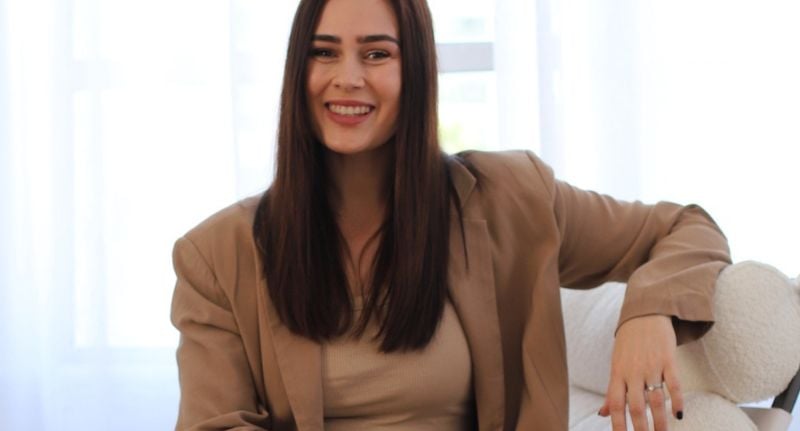
I built my career on social media, but I still don’t want my kids anywhere near it
The mother in me jumps with joy that the Australian Government has recognised that, for children to stay children, certain restrictions need to apply. It’s the same logic that says children can’t drive cars, drink alcohol, or enter nightclubs until they’re 18. Growing up, a child can feel capable of handling whatever the big, wide world has ahead of them.
As an adult, I can say now that even I wasn’t prepared for what the world had in store for me – and certainly not for how social media would come wrapped in incredible highs and opportunities, but also extreme lows and real mental health battles.
I joined my first social media site around the age of 16, and I’m honestly thankful every day that phones and platforms weren’t around any earlier. At that point in my life, my daily consumption would have barely hit an hour.
Nowadays, we have children on social media with algorithms feeding them whatever they please, daily screen time pushing 6–8+ hours, kids starting businesses before they’ve even graduated from school, and many deciding to skip further study altogether because someone online took the road less travelled and “made it” by creating content from day one.
Let me get this straight: I run Huume Management, a talent agency that manages influencers and is one of the many creator-first companies expanding under the Launch’d Group.
So, by all means, I love that social media has allowed mothers to build stay-at-home careers with incredible incomes; creatives to monetise their passions; and storytellers to educate not only themselves but to create communities invested in bettering their future decisions, all through the simple scroll of a platform.
However, even before the under-16s ban was announced, my husband and I had already decided that our children wouldn’t have social media. They’re six and eight, and even at their ages, particularly my eldest, many of their friends already have phones.
As parents who relied on a cheeky bit of YouTube Kids in the toddler years, we learned very quickly the negative effects it can have on a little person’s behaviour, sleep, and real-life creativity.
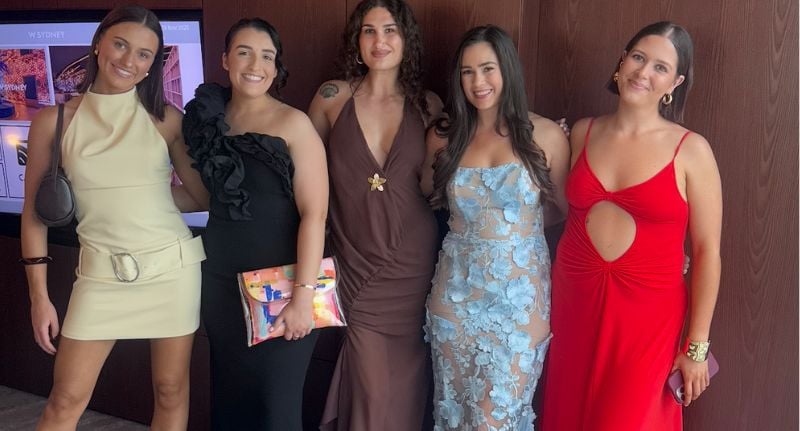
Mikhailla and her team.
The pros?
We’re giving children permission to be children (don’t grow up too fast!).
They get a chance to figure out who they are and what they like without all the outside noise crowding their own thoughts.
And finally, the bullying that happens on the playground can’t continue at home. We’ve already seen how damaging this can be, and relying on children to be mature enough to understand the impact of their words in digital spaces, we can’t police 24/7, is, frankly, almost irresponsible.
The cons?
If I imagine myself as a 16-year-old today, with the hype of social media and the rise
of young influencers, are we suppressing creative career paths? Are we cutting off access to online communities where they might feel far more connected than they do with their local peers? Probably.
I started my first business at 19, and it relied on one thing for its success – can you guess?
Yes, social media.
If I hadn’t had those few years beforehand to learn and experiment, maybe I wouldn’t have done so well. And now, at 31, running my second successful business that also relies on social media, it does feel strange to enforce a restriction on an age group that’s trying to work out who they are – possibly delaying them on a path that leads to their destiny.
But having an official, legal restriction also makes it easier for parents to take back control, to have deeper conversations about social media, best practices, and to make decisions together about when it really is the right time for their children to engage with it.
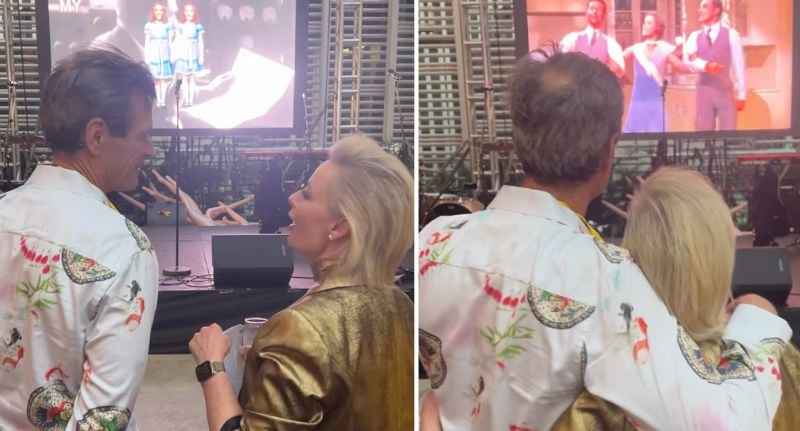
‘Drive is like a wasteland’: Jonesy & Amanda get honest about leaving Breakfast radio
Two decades, one underwater fight, one tomato soup recipe and an unshakeable on-air marriage. Jonesy & Amanda’s new book isn’t just a scrapbook of memories or a forced money grab; it is a 20-year relationship bound in print.
Yesterday, at a rooftop event in Sydney to mark the momentous occasion, an audience came together to celebrate not just the dynamic duo’s success or their shift to afternoons. They showed up because making two decades of chemistry and connection translate off-air is no small feat.
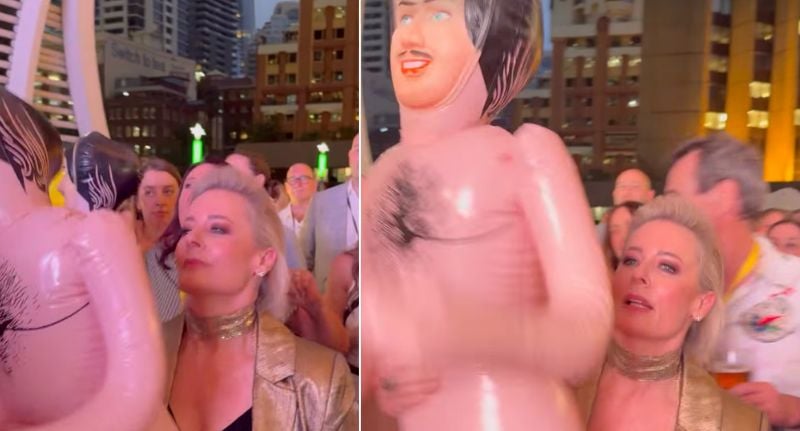
Amanda dancing at last night’s event.
Mediaweek sat down with the pair in a chaotic “office” style episode to talk about chapters that define them, what didn’t make the cut, what listeners can expect as they leave breakfast radio for GOLD’s drive slot next year, and Jonesy almost getting kicked out of his own event.
Why 20 years and why now
Mediaweek: Why 20 years? Why not 10 years? Why not 15 years? Why not more than 20 years for this book? What makes 20 years special for the book?
Jonesy: You wouldn’t do 15 in the book. Did you want to do a 15-year book? I wanted to do an annual.
Amanda: Jonesy says it is like a big Christmas annual. There used to be a whole lot of Christmas annuals you’d get, but we didn’t have enough material for 20 years of one-year books.
MW: What does 20 years mean to you?
Amanda: Twenty years is a big deal. I mean, 10 years in media for one show is a big deal. Fifteen years, 16 years… so I don’t know, it’s an interesting question.
MW: How did the book come about?
Amanda: I think Booktopia said, “Can we do a book?” and we said, “What a nice bookend.”
Jonesy: They kind of asked us. They said, “Would you like to do a book?” and we said, “Yeah,” and it was a really nice bookend. And as it turns out, the timing was eerily perfect.
Amanda: All that was before we knew we were going to be doing the drive show, before we knew it was the last year of our breakfast show. But it’s been perfect, and this book sums up the fun we’ve had doing it. And I’m so glad our show’s not finishing, so there’s no sadness, but it is still the end of an era.
The chapters that feel most like them
MW: And if you had to pick one chapter that describes your relationship, what would it be? Your favourite chapter?
Jonesy: Can you remember a single chapter? Underwater fight? What? No, not the underwater one.
Amanda: There’s actually a photo in the book that’s my favourite. It’s from when we went away for a weekend with our team, and it’s you and me just as friends, looking out at the water, not working, not smiling for the camera.
I got emotional when I saw it, because I thought: a 20-year relationship, our families are here tonight, our kids all grew up together. There’s a passage of time with our families. It’s been an incredible thing, and that’s what that photo said to me.
Jonesy: I like Amanda’s recipe for tomato soup.
Amanda: Every day, or we used to, in winter, have a cup of soup, like old people. We put the recipe in the book. We made a big deal of it, as if, “Wow, look at my incredible recipe”, which was: Open a packet of soup and put hot water in.
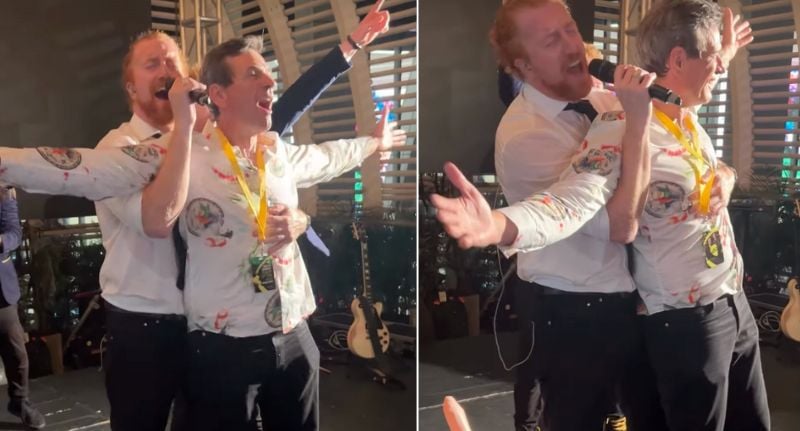
Jonesy at last night’s event
The best mishaps, disasters and on-air chaos
MW: What would you say is your favourite iconic moment from the book? A mishap that means a lot to you?
Amanda: I’ve enjoyed this week, actually. We played the stuff from his community radio days when he was 18, and his voice was old; it sounded like 100 years old, and he could barely articulate a sentence. And to think that you’ve gone from that to a man who can now barely speak a sentence is quite the journey.
Amanda: You can have the best day, and you think, “Gee, we’re professionals.” Next day, it goes to poo all over again and you can barely get a sentence out. It’s like being a professional golfer; you can still hit it into the rough.
What didn’t make the book
MW: It was a hard job to compress 20 years into. What could you not include in the book?
Amanda: Oh, your love of Sydney Sweeney, that didn’t make it in.
Jonesy: Amanda’s flatulence problem.
Amanda: He’s making that up. The next book will be a scratch-and-sniff. But in reality, most of it made it in.
Amanda: Pretty much, we’ve bared it all. What we loved about this book is that we sat down and just talked, and then that became transcripts and became the book. So it wasn’t written as “You do a chapter, I’ll do a chapter.” It’s a conversation that became a book, and that’s us at our best.
The end of breakfast and the beginning of Drive
MW: How are you feeling about the move to a new timeslot?
Amanda: It’s three hours on air, live. It’s a river. It doesn’t stop for you; you have to match it at every point. And the challenge of that has been extraordinary, and as we go to drive next year, I wonder how the river will feel.
I’m looking forward to maybe a softer river.
Jonesy: It’s more Wet’n’Wild. At Wet’n’Wild, you go down the thing where your cossie comes up your bum, and then you go on the other one where you get an inner tube, and you float along. I think it’s our turn to be in an inner tube and float.
Amanda: We’ve had 20 years of a very successful breakfast show. And so we’d be stupid to start again. We are taking what we think and hope people have loved about us, and doing it at a different time of day and reaching a different kind of audience.
Jonesy: Drive is like a wasteland, and we are turning it into the fertile plains of five-time radio. Imagine Sydney Sweeney on a jet ski, riding on the green plains. I know it’s missing in the metaphors. It doesn’t matter. It’s going to be great.
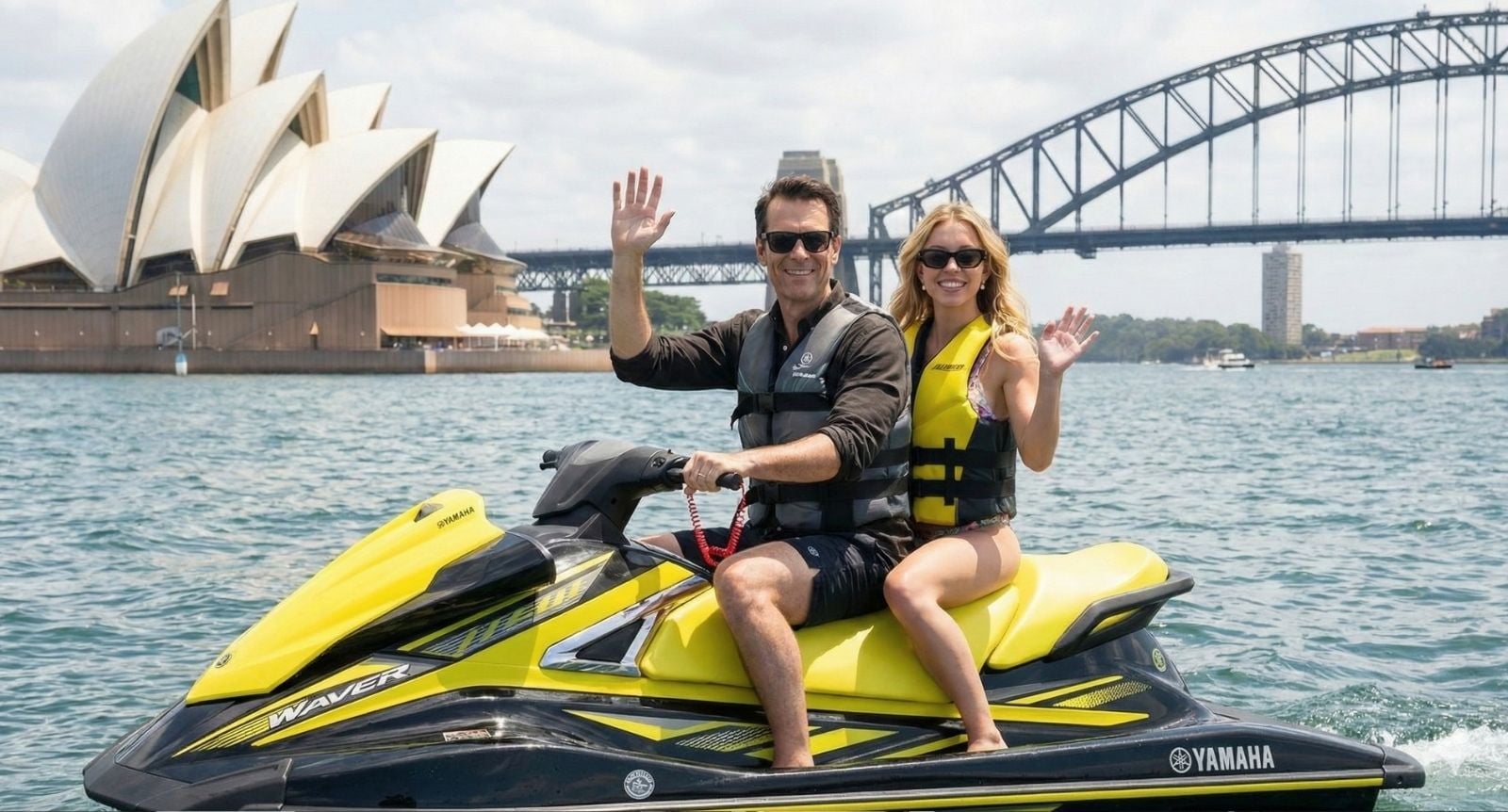
Of course, this has been AI generated. Alas, sorry Jonesy.
After 20 years, the book is a celebration of everything that has kept their partnership working: chaos, affection, silliness, truth, and the ability never to take each other too seriously.
Now they head into the next chapter. Just with an inner tube and love for Sydney Sweeney’s acting skills’

Ghosted by Zaslav: Ellison Plays the Trump Card in Hostile WBD Bid
It was supposed to be the media marriage of the decade, but it ended with a typo and a jilted billionaire.
David Ellison, the tech heir behind Paramount Skydance, spent twelve arduous weeks courting Warner Bros. Discovery boss David Zaslav.
The romance included intimate dinners with Ellison’s father, Oracle billionaire Larry Ellison, and high-stakes trips to Zaslav’s Beverly Hills estate. They discussed a ‘pro-Hollywood’ future and a unified media empire.
Then, as Variety reports, the relationship went cold.
In a move that left the industry stunned, Zaslav simply stopped returning calls. The desperation is preserved forever in regulatory filings. In a final text message, Ellison wrote to Zaslav, “Daivd [sic], I appreciate you’re underwater… we are always loyal and honorable.”
Yes, he misspelled the man’s name.
“Daivd” vs. Goliath
While Ellison was struggling with autocorrect, Netflix co-CEO Ted Sarandos was busy closing the deal. Netflix swooped in with an AU$127 billion all-stock merger, effectively gazumping the Ellisons and leaving them standing alone at the altar.
But a spurned suitor is a dangerous thing.
The wooing phase is officially over, and the hostile takeover has begun. Paramount has launched a massive AU$165 billion all-cash counter-bid, slamming the Netflix deal as ‘inferior’ and counting on shareholder greed to override Zaslav’s change of heart.
However, the real story here is not the money. It’s the politics.
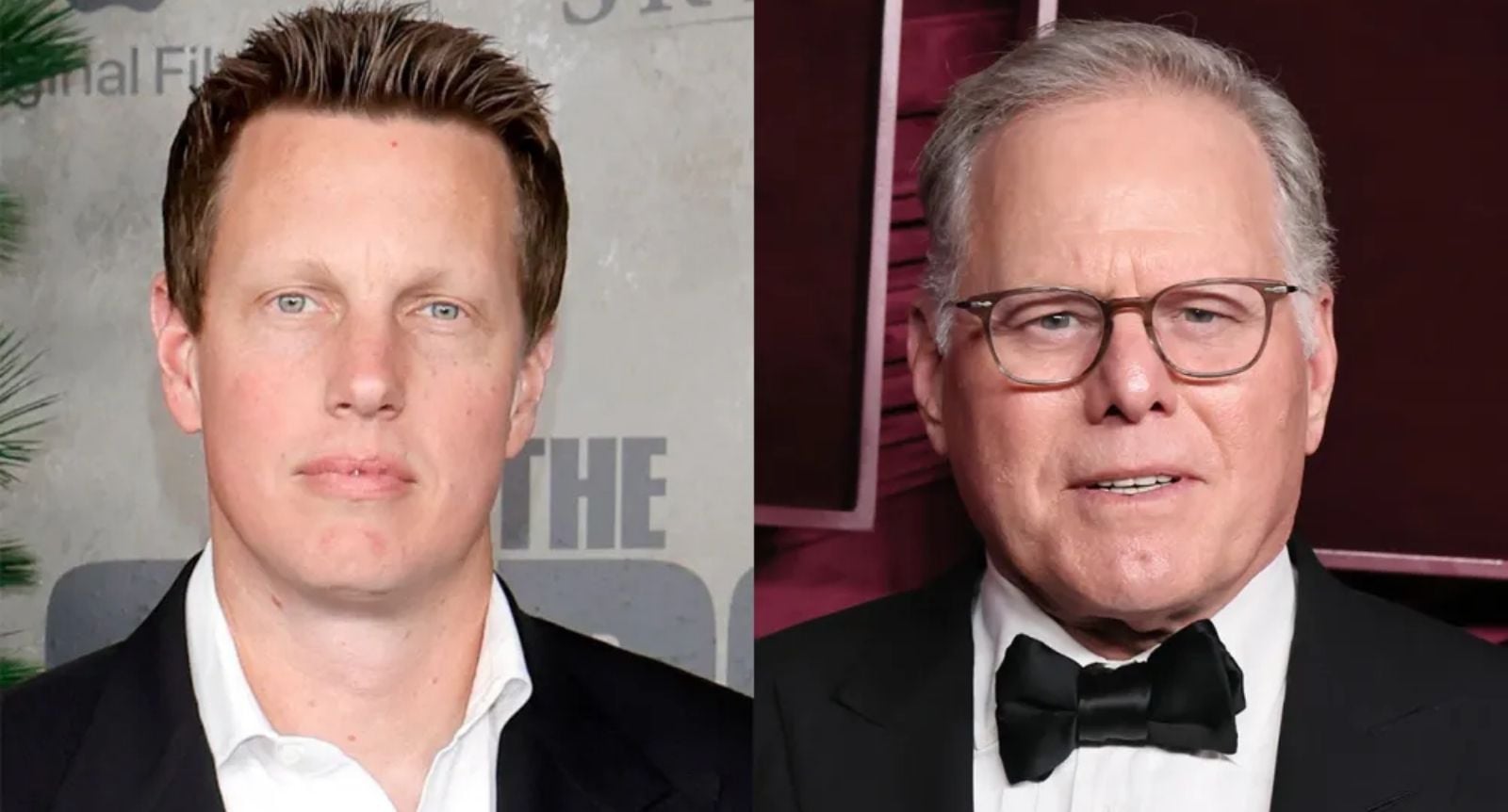
Jilted
Make Media Great Again
This is no longer just a business transaction; it is a brazen attempt to Make Media Great Again.
According to Mediaite and The Guardian, the ‘sweeping changes’ promised by the Ellisons involve a political purge.
Larry Ellison has reportedly been in backchannel talks with the White House regarding a ‘cleanse’ at CNN. The alleged hit list includes anchors Erin Burnett and Brianna Keilar, whose coverage has frequently irritated the President.
The political fingerprints are everywhere.
The Hollywood Reporter notes that the Paramount bid is backed by financing from RedBird Capital and sovereign wealth funds, with support from Jared Kushner’s Affinity Partners.
And of course, Paramount recently settled a lawsuit with Donald Trump over a 60 Minutes interview for a reported US$16 million.
The pitch to the White House is clear. Paramount offers a compliant, friendly news giant.
Unlike the Netflix deal, which splits the company and spins off the linear networks, the Paramount bid keeps CNN in the fold, potentially turning it into a network more palatable to Mar-a-Lago.
The Mar-a-Lago Blessing
For Zaslav, the choice was between the devil he knows in Wall Street skepticism and the deep blue sea of streaming dominance with Netflix.
He chose the streamer to escape the decline of linear TV. By ignoring Ellison, however, he has triggered a chaotic shareholder war fueled by Trump-sided capital.
We have a jilted suitor in Ellison who feels ‘unfairly treated’ by the board.
We have Zaslav, who ghosted his way into a Netflix marriage that might now be blocked.
And looming over it all is Trump, who has already voiced ‘antitrust concerns’ about the Netflix deal while praising the Ellisons as “great guys.”
As the dust settles, one lesson is clear. In the modern game of media thrones, sending a “u up?” text to David Zaslav is not enough.
You need the cash, the content, and apparently the blessing of the White House.
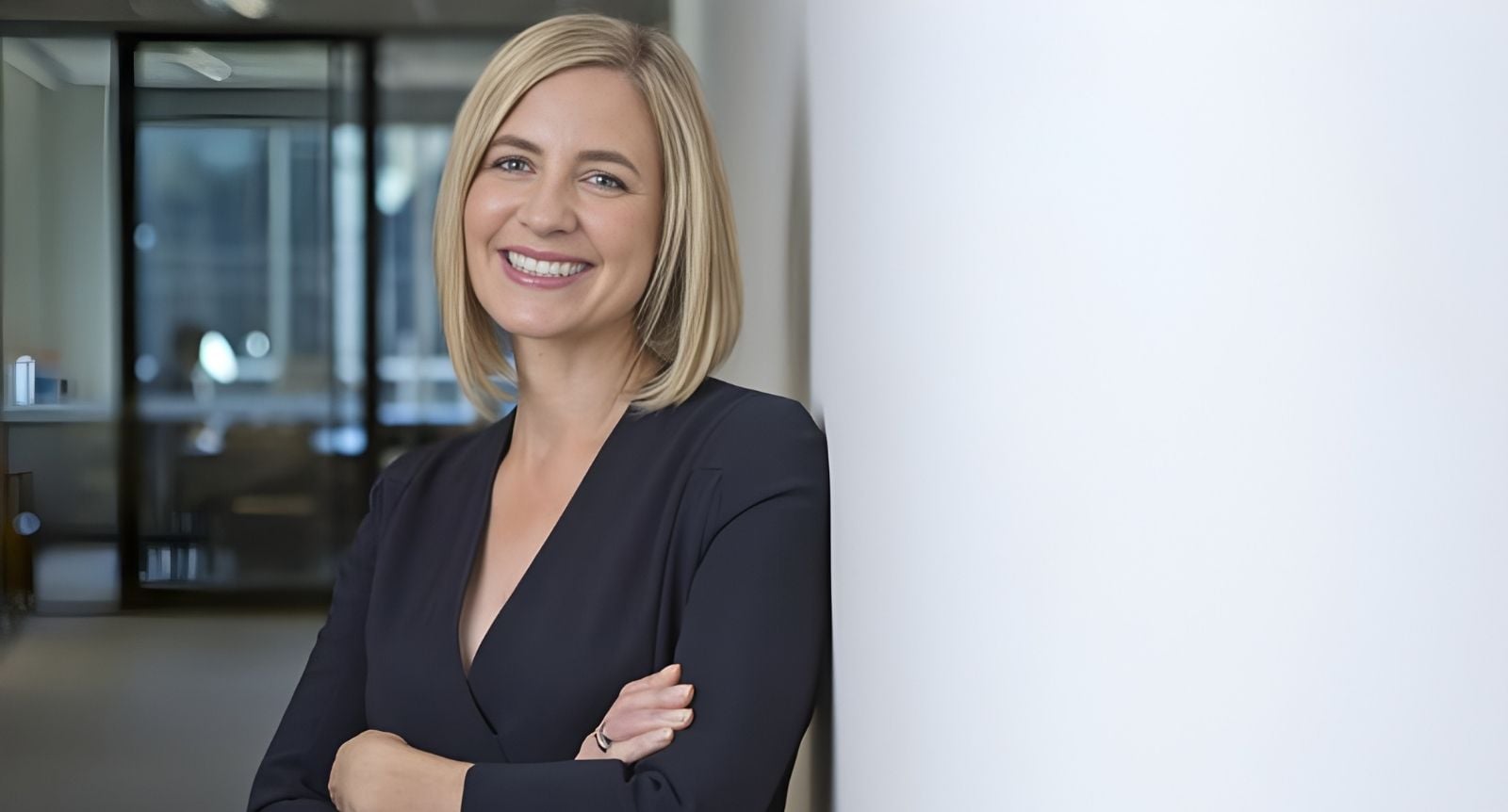
Logic, magic and 4:30am starts: ADMA’s Andrea Martens on leading through uncertainty
If you want to know how ADMA CEO Andrea Martens finds clarity in a chaotic industry, you have to start at 4:30 AM. That’s when she leaves the noise behind for the saddle.
Mediaweek joined Martens to discuss navigating the uncertainty of 2025, the surprising reality of today’s job market, and why the ‘AI version’ of a customer is no substitute for the real thing.
Finding sanity in the saddle
Mediaweek: I understand you’re a bit of an equine enthusiast. Is that a weekend thing, or are you pretty serious about it?
Andrea Martens: I ride horses five mornings a week, at 4:30 AM. I live in Lane Cove, but I drive 45 minutes out to where the horses are. I’ve got two fabulous warmbloods out there who I compete with.
I’ve ridden since I was four, so this is kind of my sanity. It’s the place in the morning when there’s no one on the phone at 5:00 AM! And it’s brilliant.
I am a big believer in needing to be outdoors and needing to not be surrounded by noise and chaos. So I find that riding gives me a clear mind to be able to work my way through those challenges as well.
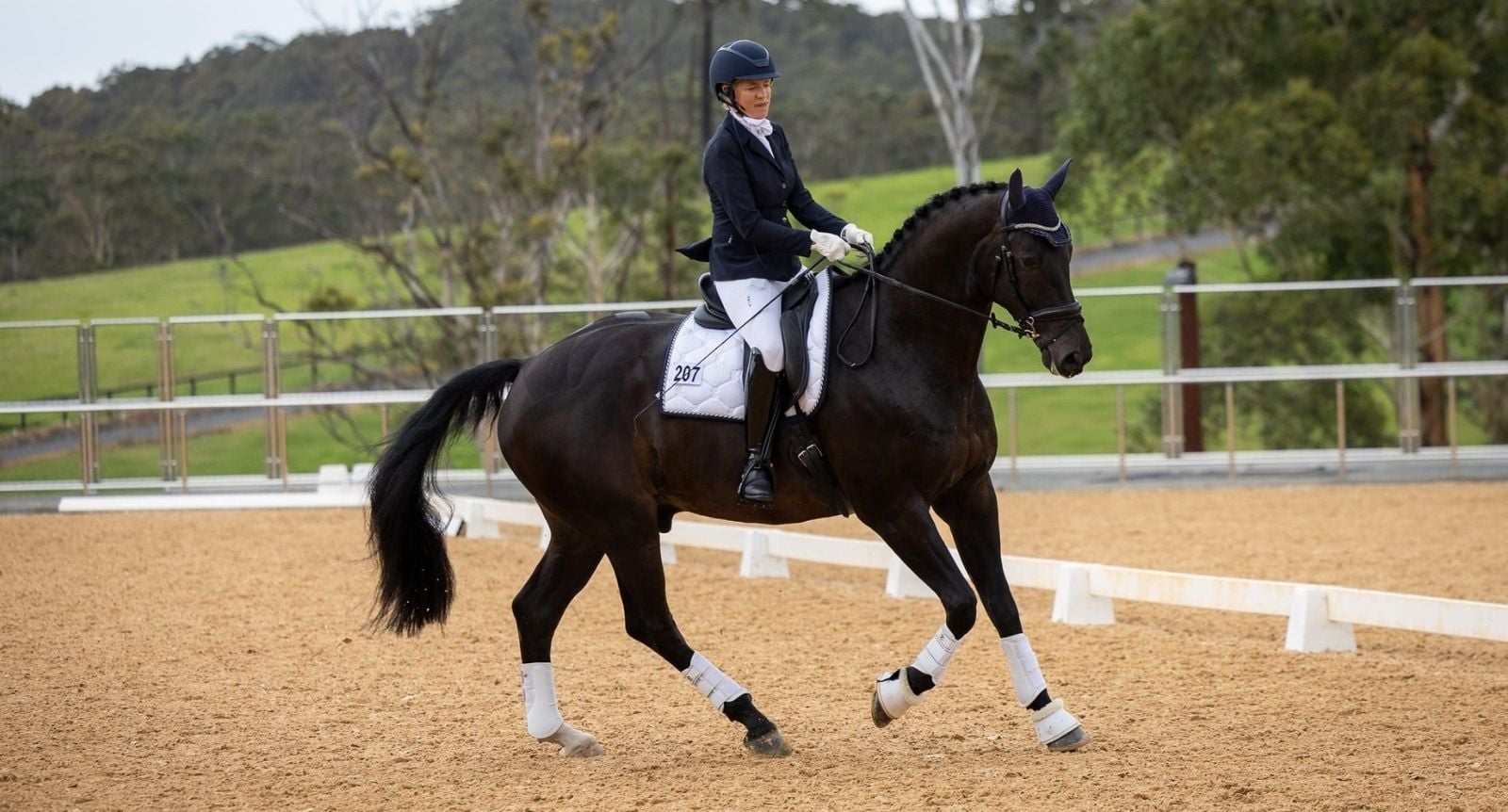
ADMA’s CEO Andrea Martens knows the benefits of getting out for some equine therapy
Managing Uncertainty
MW: At the end of year ADMA function, David Morgan spoke about uncertainty. Is that how you feel about this last year too?
AM: Very much so. We see that across all of our members. I think one of the lucky things is really that for marketers, uncertainty is an opportunity, because that’s when marketers thrive.
However, I had some meetings earlier today, and there isn’t one business that I’ve spoken to that is definitive on what is the year ahead. What I am seeing is a focus back on the real principles and foundations.
Software engineering vs. equine science
MW: It’s difficult to get a sense of what the world looks like moving forward, isn’t it? Our industry used to be a bright, sparkly one. Maybe not so much anymore.
AM: It’s really weird. My son has finished software engineering and is about to do a PhD in AI and robotics because he’s been unable to find a graduate position.
My daughter is a horse lover and is doing equine science, and I actually, funnily enough, feel more confident about her future than I do about his.
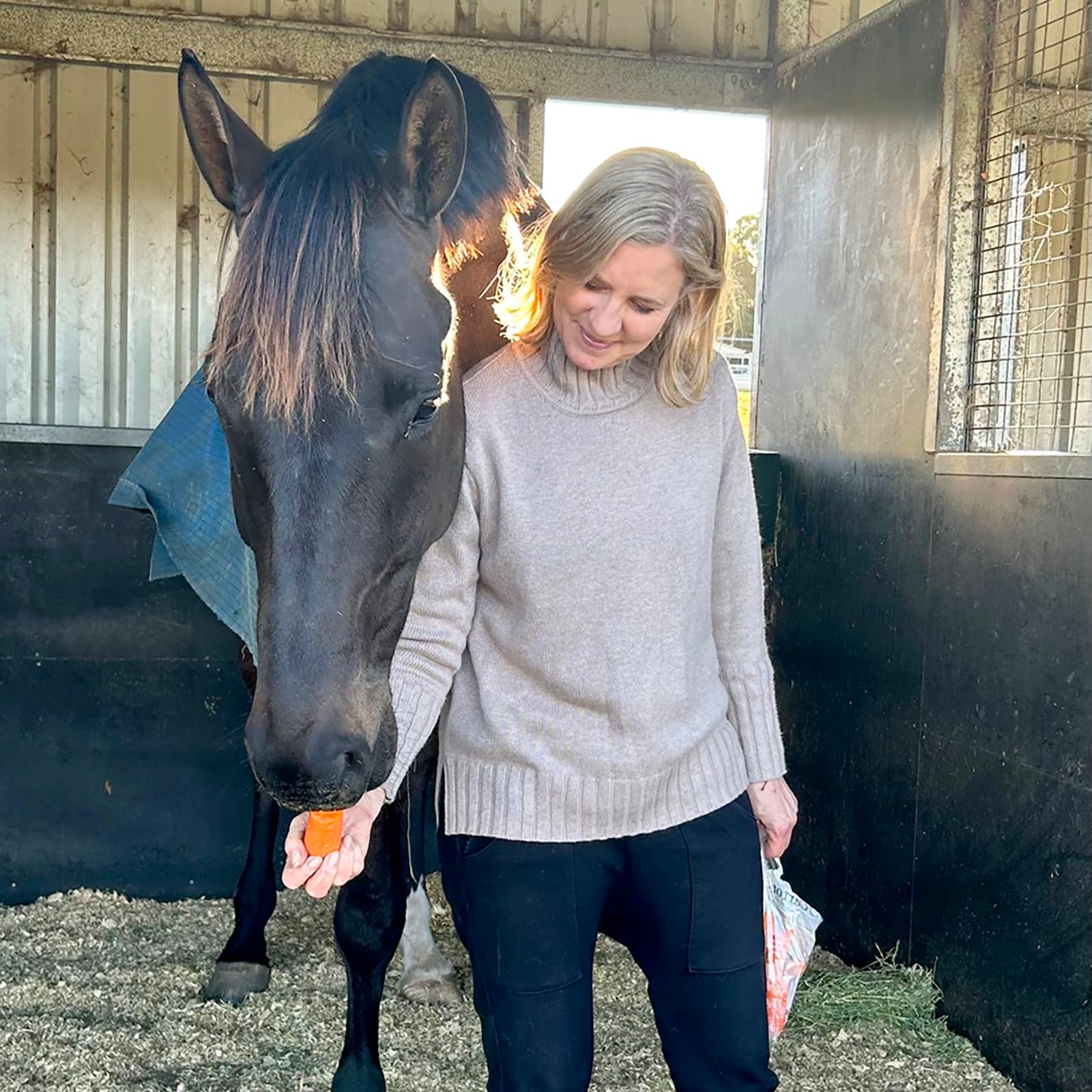
Andrea Martens muses that equine science may be more bankable than software engineering
Three or five years ago, we were talking about shortages in engineers and data, but that world has fundamentally changed. But I can see her path is highly likely to take a lot longer to automate than his!
I fundamentally believe that our responsibility as marketing leaders is to make sure that we establish the foundational skills. I grew up in Unilever running the ice cream business, looking after the factory as much as the marketing team.
Those skills, understanding customers and creating meaningful briefs, remain critical. It is a craft of logic and magic. If we lose the ability to balance that, it will be detrimental to the profession.
Tech stacks, privacy, and trust
MW: Are there issues you think might matter much more next year than they mattered this year?
AM: Long-term strategic thinking is not going to go away. The watch-out will be that we have more tools than we’ve ever had before, but tools without skills are worse than having no tools at all. Marketers have woken up to the fact that it’s not about how big the tech stack is, it’s about how well the team can leverage it.
This links directly to trust. We didn’t see Tranche two of the Privacy Act released this year, but we did see regulators doubling down on Tranche one.

Tranche two of the Privacy and Other Legislation Amendment Act 2024 is yet to come
Marketers are starting to understand they aren’t complying just for compliance’s sake; they’re complying to build trust. The regulators have doubled down on spam, pixels, and excessive data collection.
Tranche two will come in the year ahead, and the industry needs to stay alert.
Reclaiming the customer voice
MW: What are you looking forward to next year?
AM: I hope that we see marketers really step up. Marketers are used to adapting to a changing environment, so this is an opportunity for the C-suite to say, “Well, we know how to do this”.
I think as part of that, it is about reclaiming the voice of the customer. The real customer, not the AI version. I recently had my team go on a customer journey mapping course to really get under the skin of the product.
In my days at Unilever, I would go shopping with a mum who had $100 for her four kids for the week. We would watch them cook dinner. You need to understand the customer at that really granular level.
The human element
MW: Just before I let you go, any favourite podcasts, screen time or books?
AM: Diary of a CEO, Modern Wisdom, and Mel Robbins. They are the three that I listen to every single week. Depending on how I feel, it will be one of those. I am also a big fan of Huberman and science-based health data. And I have to do a lot of reading- ‘board reading’.
MW: It’s amazing that you have time to fit those pods in then!
AM: I get an hour of podcasts a day. That for me is my peace time.
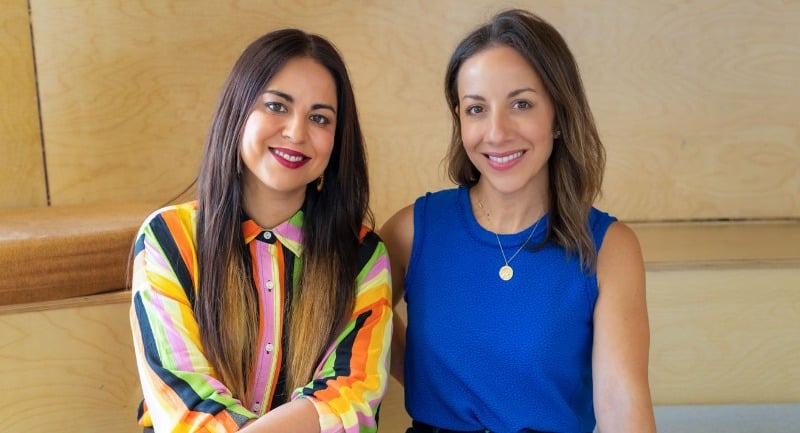
Global agency veterans launch female-owned MAAD Collective
A new 100 per cent female-owned creative collective, MAAD Collective, has launched in Sydney, targeting brands, governments, NGOs and social enterprises looking to rethink how they tackle complex business and communications challenges.
Co-founded by Mehreen Ahmed and Angela Denise, the independent outfit is built to work beyond traditional agency structures and focus on problems at their core.
Purpose-driven model to challenge convention
MAAD Collective positions itself as a strategic and creative partner for organisations navigating crises, reinvention, or meaningful cultural and social progress. T
he collective combines strategy, storytelling and design, and assembles bespoke project teams from a global network of talent rather than relying on fixed agency departments.
“We built MAAD to create a way of working that challenges the norm and doesn’t shrink when life expands – a model that makes space for the work, our families, and the chaos that comes with both. All while letting us create work we’re genuinely proud of. We get to the real problem quickly, think strategically, and bring in global minds when it makes the idea stronger. It keeps the process clear and efficient, for us and for our clients,” Denise, MAAD Collective co-founder and creative director, said.
Global agency experience, local focus
Denise brings more than 20 years of experience in New York’s top agencies, where she has led strategic work across beauty, retail, sneakers and snacks for brands including Disney, Keds, Procter & Gamble, Gerber and Peloton. Her campaigns have helped launch startups, refresh established brands and been recognised at the Clios, The One Show, Lürzer’s Archive and the Effies.
Ahmed’s background spans agencies such as Ogilvy Singapore, Wieden+Kennedy Shanghai and MullenLowe Singapore, working on global and regional APAC business for Procter & Gamble, Unilever and Coca-Cola. She also founded FMCG brand WeLove Pizza seven years ago, which has grown into a national category leader in independent grocery.
“Having spent time both agency side and in a manufacturing start-up launching a national food brand, I have an even greater appreciation and understanding of the Marketers’ agenda and that of the rest of the C-Suite. MAAD Collective is not afraid to ‘burn the brief’ and get deeper into a client’s business to develop realistic solutions,” Ahmed, MAAD Collective co-founder and business director, said.
Early clients include Onitsuka Tiger and Sydney law firm
Although newly launched, MAAD Collective has already begun working with major brands, including Onitsuka Tiger, which is experiencing a resurgence globally and in Australia, and boutique Sydney law firm Buttar, Caldwell & Co.
The collective partnered with Onitsuka Tiger on the opening of its Sydney flagship store and has since been appointed lead agency for in-store campaigns. “From the moment we began working with MAAD, it was clear they genuinely care about our brand and our ambition. They’re quick thinkers and they instinctively understand how to bring a global brand to life locally. We’re excited to keep growing this partnership into 2026 and beyond,” Onitsuka Tiger AU country manager Theo Kalivas said.
Sydney-based, globally connected
Based in Sydney but operating globally, MAAD Collective is targeting organisations that want to “rewrite the rules” of how they work with agencies, favouring nimble, project-based structures over traditional retainers and hierarchies. The founders say their model is designed to move quickly from brief to business problem to solution, while drawing on international perspectives when it strengthens the work.
MAAD Collective is now seeking further partnerships with brands and organisations looking for a more flexible and senior-led approach to creative problem-solving.
Top image: Mehreen Ahmed & Angela Denise
Social Media
Under-16s social media ban now law
Australia’s world-first initiative is making headlines around the globe:
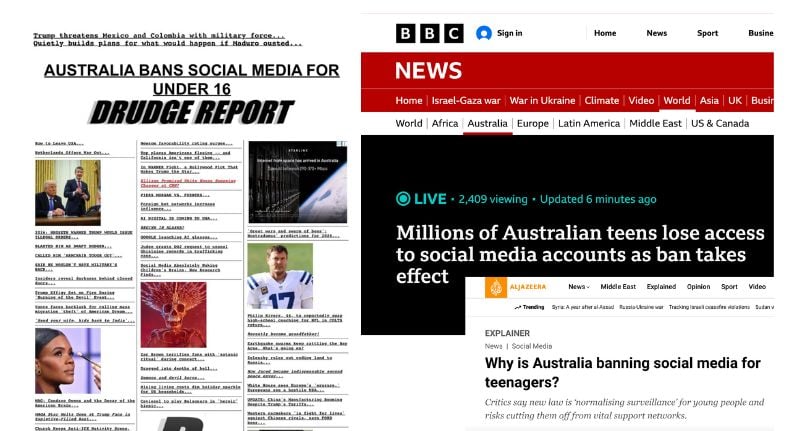
Meanwhile, back home, The Sydney Morning Herald is running a live blog on the history-making event.