






'Once-in-a-career moment': Meliora brings in Jack Lonergan to turn AI strategy into shipped products
His appointment marks a high-profile reunion with Managing Partner Clive Dickens.

Meliora has made a decisive play to move beyond AI advice and into hands-on product execution, appointing former Optus Director of Product Jack Lonergan as a Partner from February 2026 in a high-profile reunion with Managing Partner Clive Dickens.
The appointment marks a deliberate shift in Meliora’s positioning, from advisory-led transformation to full-stack product conception, design and delivery, as businesses across technology, media and telco grapple with how artificial intelligence actually shows up in real products, journeys and P&Ls.
Lonergan brings more than 15 years of senior product and UX leadership across Optus, Seven West Media and Southern Cross Austereo, with a track record of building platforms that scale, attract audiences and, critically, ship.
From advice to build
For Dickens, the hire is about closing the gap between strategic intent and tangible outcomes.
“Meliora is a company that helps accelerate change. Strategy is still critical, but it is only helpful if it shows up in a product, a journey, or a P&L,” he told Mediaweek.
“We want Meliora to be known as an intelligent experience company. That means three things working together: we help you decide what to do, we help you design how it should work, and we help you build and launch it. Bringing Jack in is a very deliberate move towards that identity.”
Dickens said Lonergan’s value lies in lived experience, not theory.


The leading media trade publication in Australia.
Get our top stories straight to your inbox daily by signing up to our Newsletter
By providing your information, you agree to our Terms of Use and our Privacy Policy. We use vendors that may also process your information to help provide our services.
Dickens said Lonergan’s value lies in his experience delivering large-scale digital products and in his understanding of the realities of execution, from what inevitably breaks to what takes longer than planned, to what genuinely delights users.
He said combining that practical product knowledge with Meliora’s advisory and venture work allows the firm to go beyond telling clients how AI and new experiences might change their business, and instead to work alongside them to prototype, launch, and learn in real time.
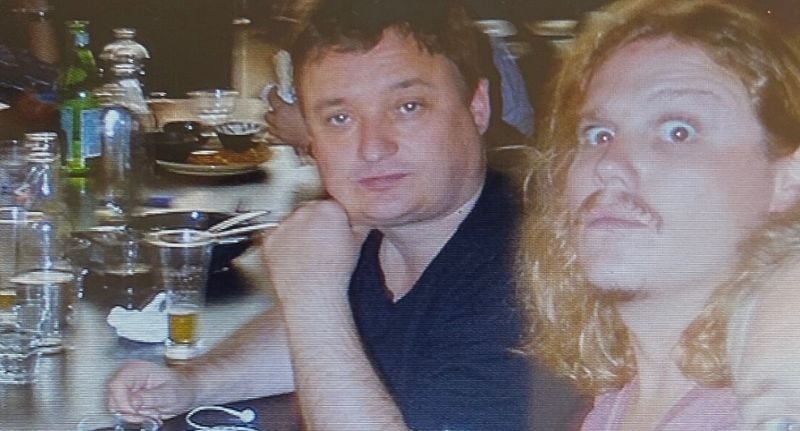 Dickens with Lonergan. (Image courtesy of Jack Lonergan)
A product builder at a pivotal moment
Lonergan’s appointment comes as demand accelerates for AI projects that move beyond experimentation and into execution.
He said the convergence of human insight and machine intelligence made the timing impossible to ignore.
“I have always believed that the future of product development belongs to teams with a deep, human understanding of their users,” Lonergan told Mediaweek.
“Now with the power of artificial intelligence, we can supercharge ourselves to go deeper than ever before, not only in our understanding but by exceeding the outcomes and expectations of our end users.
“Right now, I genuinely believe, we are in a once-in-a-career moment where that belief can scale into something real and meaningful," he said.
The move is also a professional reunion.
“I also wanted to work with Clive again. Some of the best, hardest and most interesting things I have ever built were when we were in the same room, pushing each other and backing each other to try new things,” Lonergan said.
“Doing that at Meliora, at a time when every organisation is asking what AI really means for their products, felt like the right challenge at the right moment.”
Human first, AI second
At the heart of Meliora’s evolving approach is a reframing of how AI projects begin.
“For me, it changes the starting point,” Dickens said.
“Instead of saying, ‘We need an AI strategy or solution’, you start with an extremely specific human moment.”
“Someone trying to pick what to watch with their kids, someone confused about a bill, someone trying to juggle different subscriptions. You map the emotions and the friction first, then you decide whether AI can genuinely help understand that problem and potentially solve it for a user.”
That philosophy extends into product design.
Dickens said the starting point for any AI-led product should be the human experience, beginning with a clear understanding of the real job a person is trying to do, the emotions tied to that task and the points of friction in their day.
Only after mapping those elements, he said, should teams decide where AI can genuinely remove friction, add intelligence or enable a new kind of experience that was not previously possible.
Lonergan said true AI personalisation remains largely unfulfilled.
“Many brands say, ‘We know you’, but the interface still looks almost identical for everyone,” he said.
“True AI-driven personalisation would remember that you always watch live sport on a certain device, or that you hate notifications at night, and quietly adapt around those patterns without you having to tell it twice.”
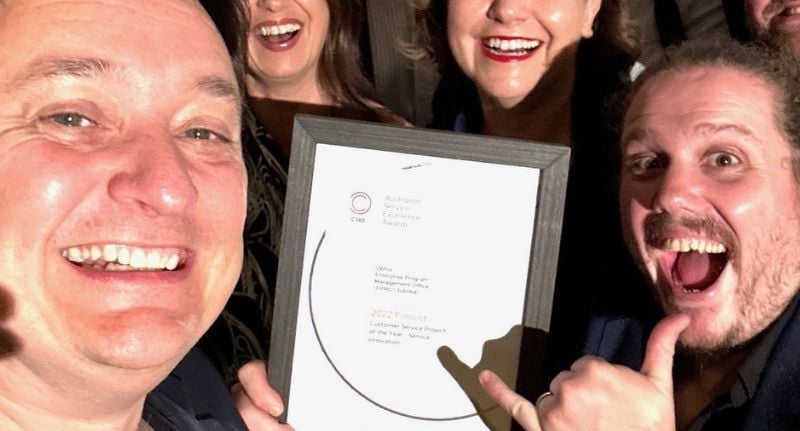 Dickens with Lonergan. (Image courtesy of Jack Lonergan)
Turning AI into something users would miss
Lonergan also pointed to trust and transparency as the next frontier.
“End-users are reasonable if you are honest with them. For example, they want to know what data you are using, how this is making their life easier, and what happens when something goes wrong,” he said.
“Most products do not explain any of that today. The opportunity, and what I am excited about at Meliora, is to close those gaps by shipping concrete improvements into real products, measuring what changes, and talking to customers in plain language about what the AI is doing for them.
“That is where AI stops being a buzzword and starts being something people would miss if you took it away.”
A faster path from strategy to execution
For Dickens, the hire fundamentally expands Meliora’s remit.
“Bringing Jack in moves Meliora from advising about AI to building with it,” he said.
“Until now, we have helped leaders understand the structural implications of AI, how it reshapes operating models, decision-making, and creative output.
“With Jack, we can now prototype, deploy and embed AI directly into workflows. That means moving faster from strategy to execution," he said.
In practical terms, Dickens said this means moving faster from strategy to execution by testing agents, automations and human–AI collaboration models inside client organisations.
“In short,” Dickens said, “Meliora can now help clients design, build and run AI-enabled organisations, not just talk about them.”
More from Mediaweek
The leading media trade publication in Australia.
Get our top stories straight to your inbox daily by signing up to our Newsletter
By providing your information, you agree to our Terms of Use and our Privacy Policy. We use vendors that may also process your information to help provide our services.


