

Cryptocurrency-focused gambling platform Rainbet is not just another online casino.
Just three years since its establishment (2023), it has become one of the most visible and aggressively embedded gambling brands targeting youth internet culture, with almost 13 million visitors recorded by SimilarWeb in February.
On the surface, Rainbet looks like a near replica of Stake, the biggest competitor in the online casino space. From its website design and colour scheme to its layout and casino offering, the similarities are hard to miss.
Rainbet is not just copying the formula — it is scaling it aggressively to create familiarity through repetition.
The platform has already tied up with one of streaming’s biggest names, Adin Ross, who was previously linked to Stake. Ross revealed his partnership live on Kick (live-streaming platform), claiming it was worth AUD$143 million.
But what sets the platform apart is not just the scale of its influencer and creator partnerships, but its sharp understanding of the kind of content Gen Z audiences consume.
Fake fantasy being sold to kids
Want to buy an AUD$11,000 bike but only have $5,000? Just throw the $5,000 on Rainbet blackjack and double it.
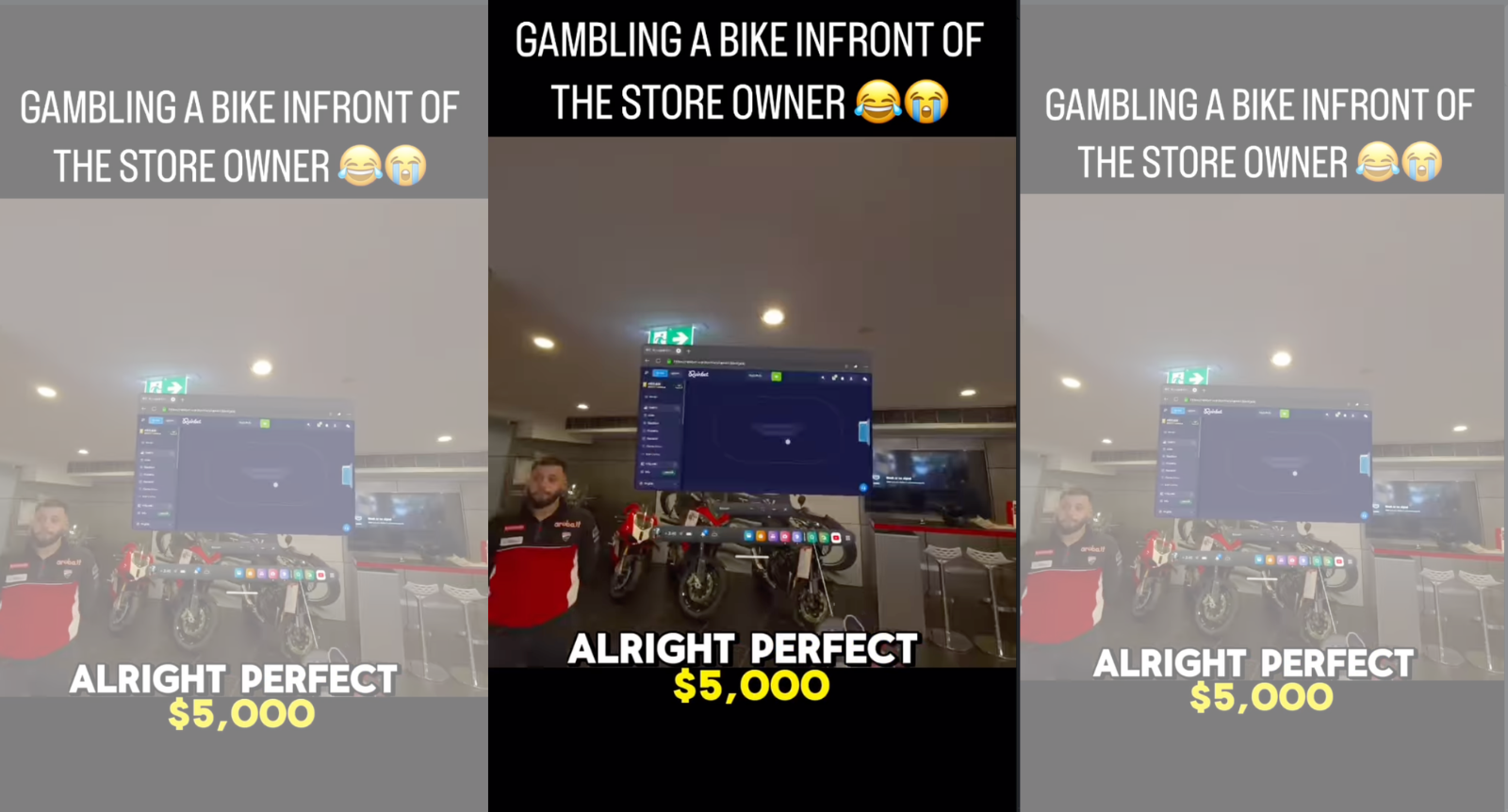
The video, posted by Zane Dustin (@imskoobs), has racked up 9.7 million views on Instagram. Dustin regularly posts similar reels designed to promote the platform.
The content is often framed around creators losing money, then winning it back and doubling it through the platform’s casino games.
Illegal? Yes. Misleading? Absolutely.
The so-called fantasy being sold is often incentivised with add-ons, such as voucher codes and referral links, that promise extra cashback and free spins on the platform’s games.
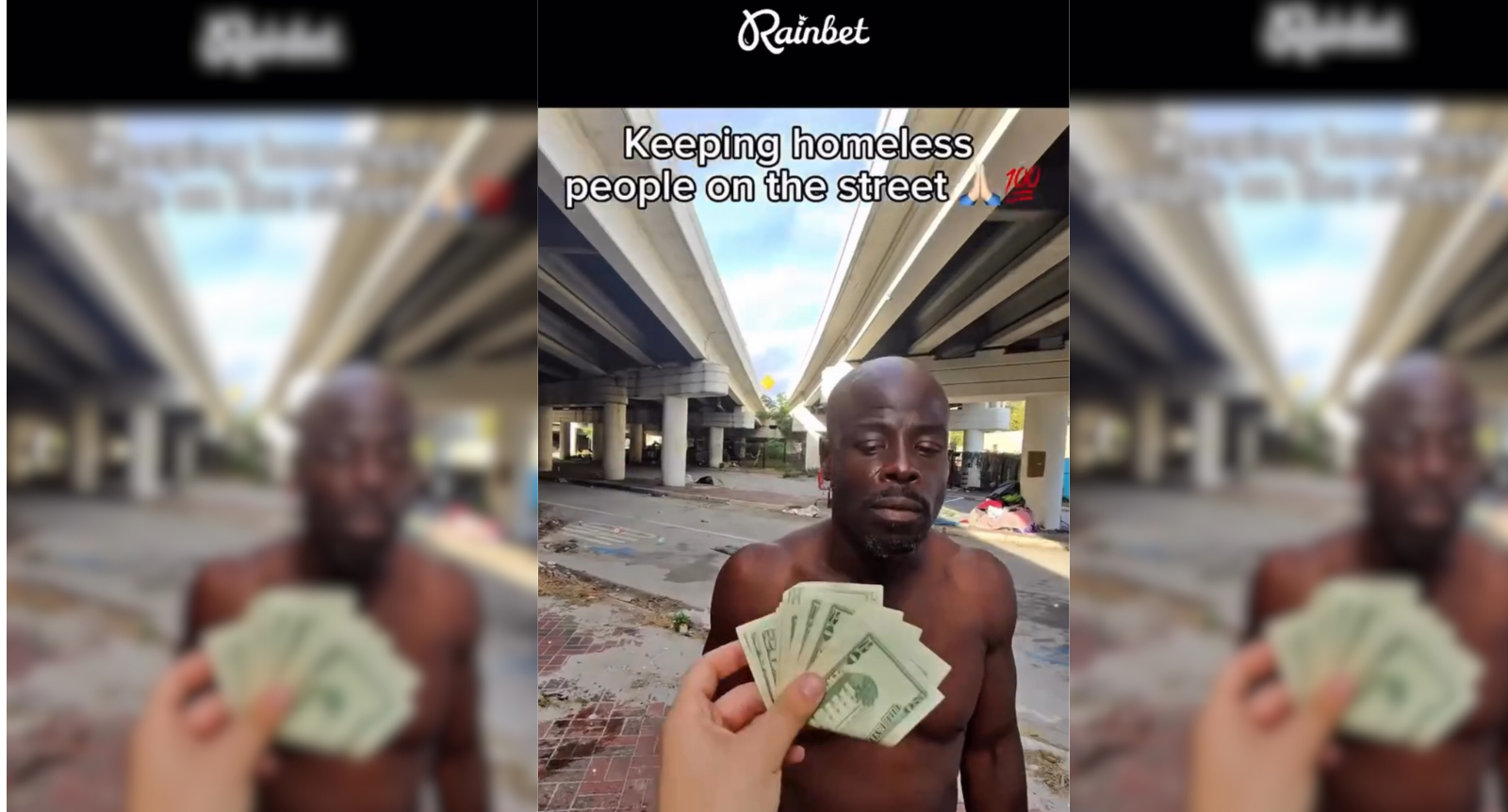
At its worst, the brand funds videos disguised as ‘skits’ in which creators film themselves handing out money, cigarettes, or alcohol to homeless individuals, offering more if they win big on the app.
The fabricated returns, the meme-heavy style, and the broader ideology behind these influencer reels are designed to fit the content younger audiences thrive on: brain-rotting, absurd, low-quality, addictive content that sticks in the mind when you doomscroll.
How is it different from traditional social media ads?

Nick Grinberg
According to Nick Grinberg, Head of Strategy at Next&Co, influencer-led gambling promotions raise major ethical concerns.
In an interview with Mediaweek, Grinberg said these ads are “camouflaged as entertainment”, unlike traditional environments where advertising is clearly identifiable.
“RAINBET isn’t buying media like a Sportsbet would. It’s almost like they’re leasing the trust of the streamer and their audience,” He said.
What raises a major red flag, particularly for younger audiences, is “using streamers and creators to smuggle gambling into humour, banter, meme culture, challenge content, just all the stuff that streamers are already doing”.
And that is a real issue because “it’s blurring the lines”.
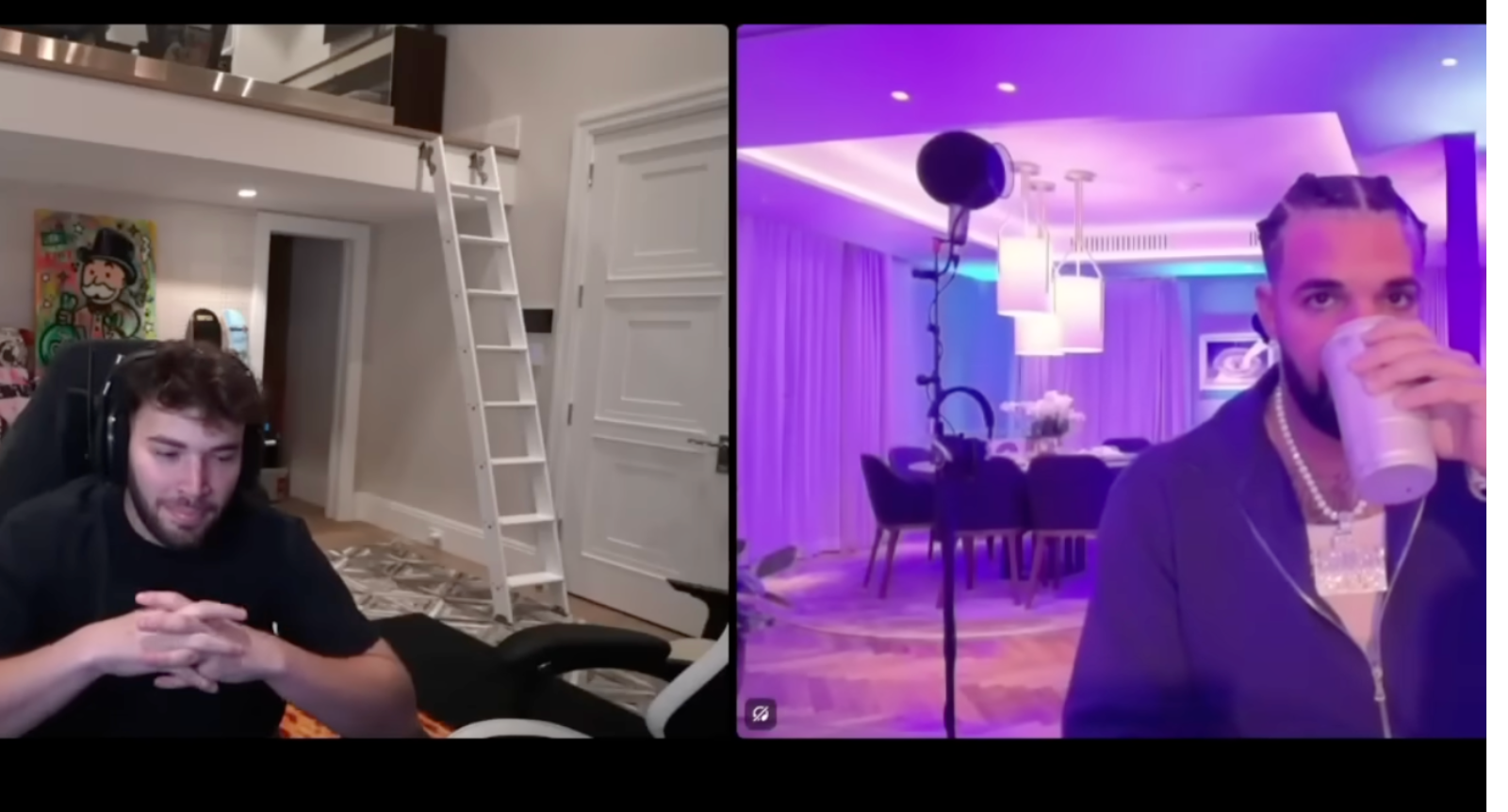
For context, the Stake-backed Drake and Adin Ross stream ended in a US class-action lawsuit, alleging harmful promotion and artificial inflation of music popularity through bots.
The key difference lies in how influential figures such as Drake and Ross present the content.
“When you see Drake gambling on stream with Adin Ross, it’s not like, ‘Hey, I’m promoting a brand.’ It’s like, ‘Hey, look, I’m having so much fun. Come into my world. This is really awesome.’
“And that’s ethically concerning because it’s a veiled message. It’s not advertising, it’s lifestyle,” Grinberg said.
According to Grinberg, that framing can soften how audiences perceive the risks of gambling.
Penetration in all channels
Grinberg said repeated oversaturation across environments is what makes the strategy so effective.
“If you repeatedly consume certain messages, that’s what you’ll eventually start to believe – It’s actually insidiously brilliant.”
The platform has seeded itself into digital culture-driven environments, feeds, clips, streams, Discords, gaming platforms and creator ecosystems.
“Next to a fun, humorous meme, it can lower the risk perception of gambling, especially when you’re seeing your favourite streamer do it,” Grinberg said.
“You’re shaping attitudes and behaviours, again with audiences who potentially don’t have that same critical thinking.”
And that’s what ultimately creates familiarity, legitimacy and social acceptance, making it increasingly dangerous for younger audiences.
Mystery CEO?
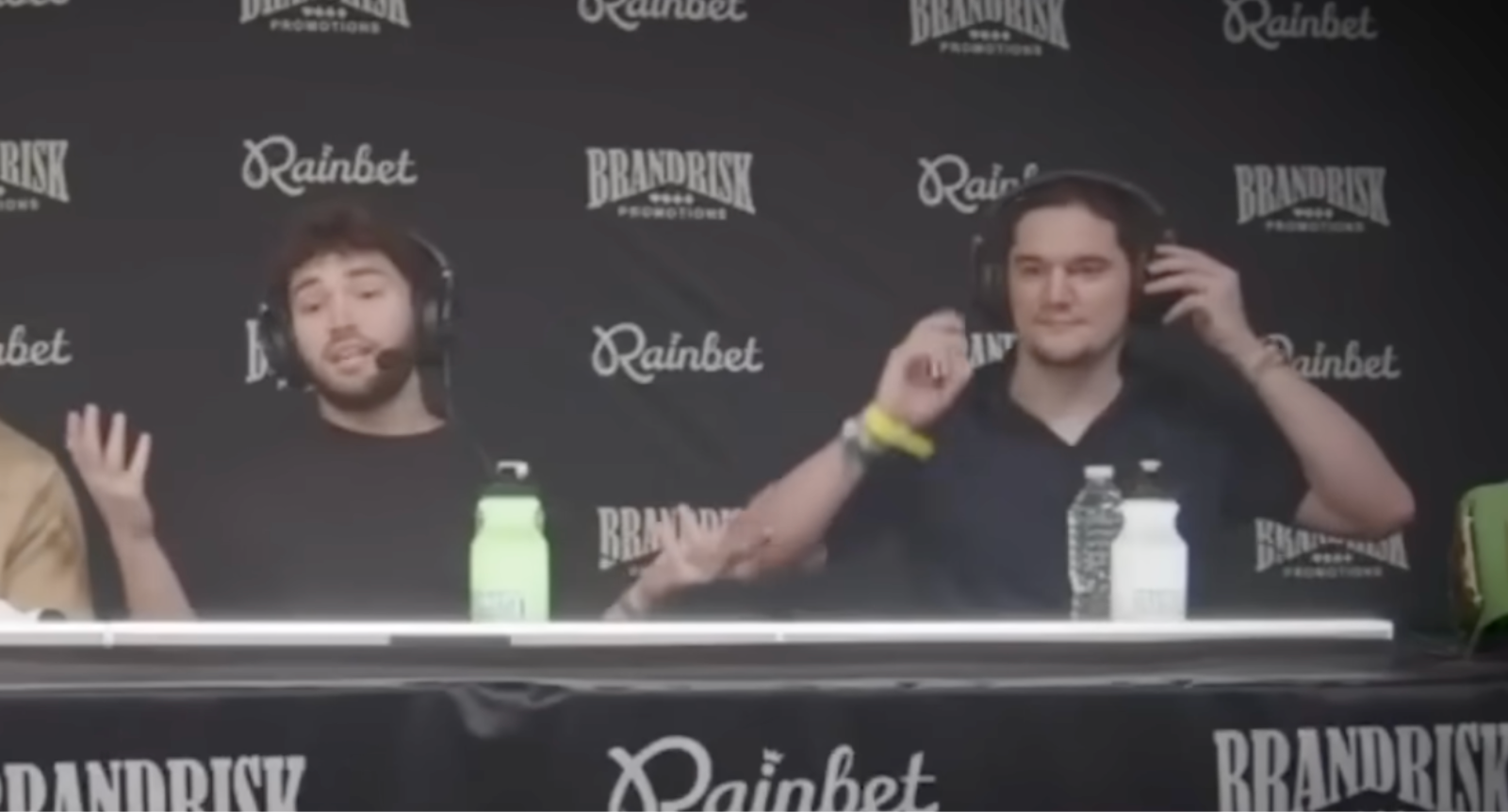
Image: Adin Ross and Josh Evans at the influencer boxing event, where Ross introduced the founder to the public for the first time.
Interestingly, the platform’s CEO and Co-founder is the “unverified” John Evans, a figure with almost no digital footprint, no public professional history, no interviews, and no LinkedIn profile that can be successfully linked to Rainbet.
Some online users and even investigative outlets (FinTelegram) have gone so far as to cogitate that either the name is fake or the person doesn’t exist.
The only visible traces of his presence are Rainbet’s data and his X (Twitter) account, and Ross’s boxing event livestream, where the owner briefly appeared.
The same appears to be true of the broader team, who remain largely absent from public and professional view. The only exception is Guilherme Fideles, Chief Operating Officer at Rainbet, who has an industry-facing and publicly documented work history.
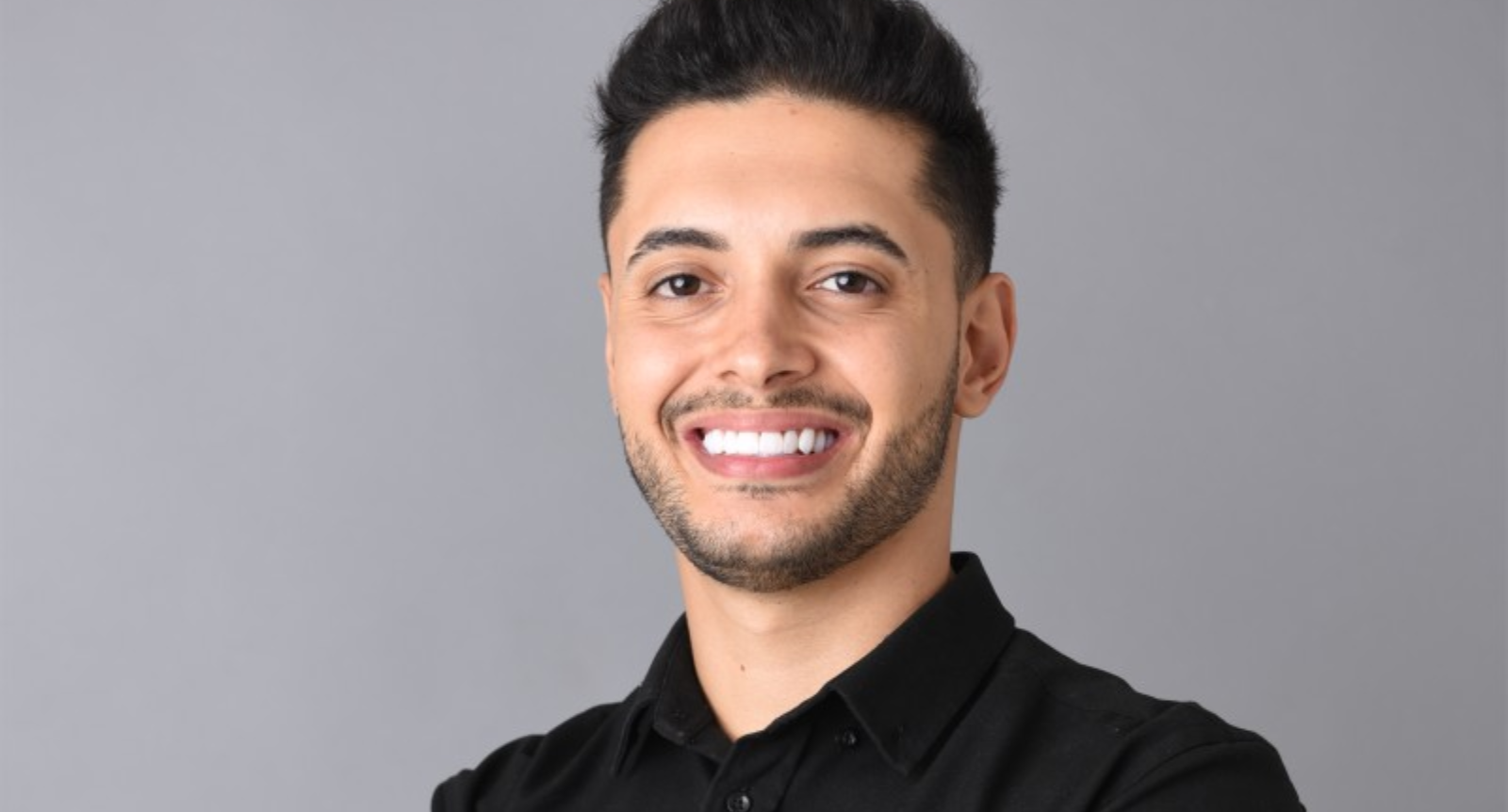
Guilherme Fideles previously worked at MMO GAMES LP (dissolved in 2020), MaisBet – BoglaGold (ceased operations due to legal action), and Tokenbets (grey-market operations), all of which have ceased operations.
But Fideles’ work history suggests an inconsistent track record, having worked on several gambling-related platforms that have shut down due to regulatory evasion or been legally questionable.
The company is operated by RBGAMING N.V. (Curaçao-registered company) under offshore licensing frameworks applicable to Curaçao and Anjouan.
Like many crypto-first casinos, this structure allows minimal regulation, faster onboarding, and limited upfront KYC.
Hijacking the regulation
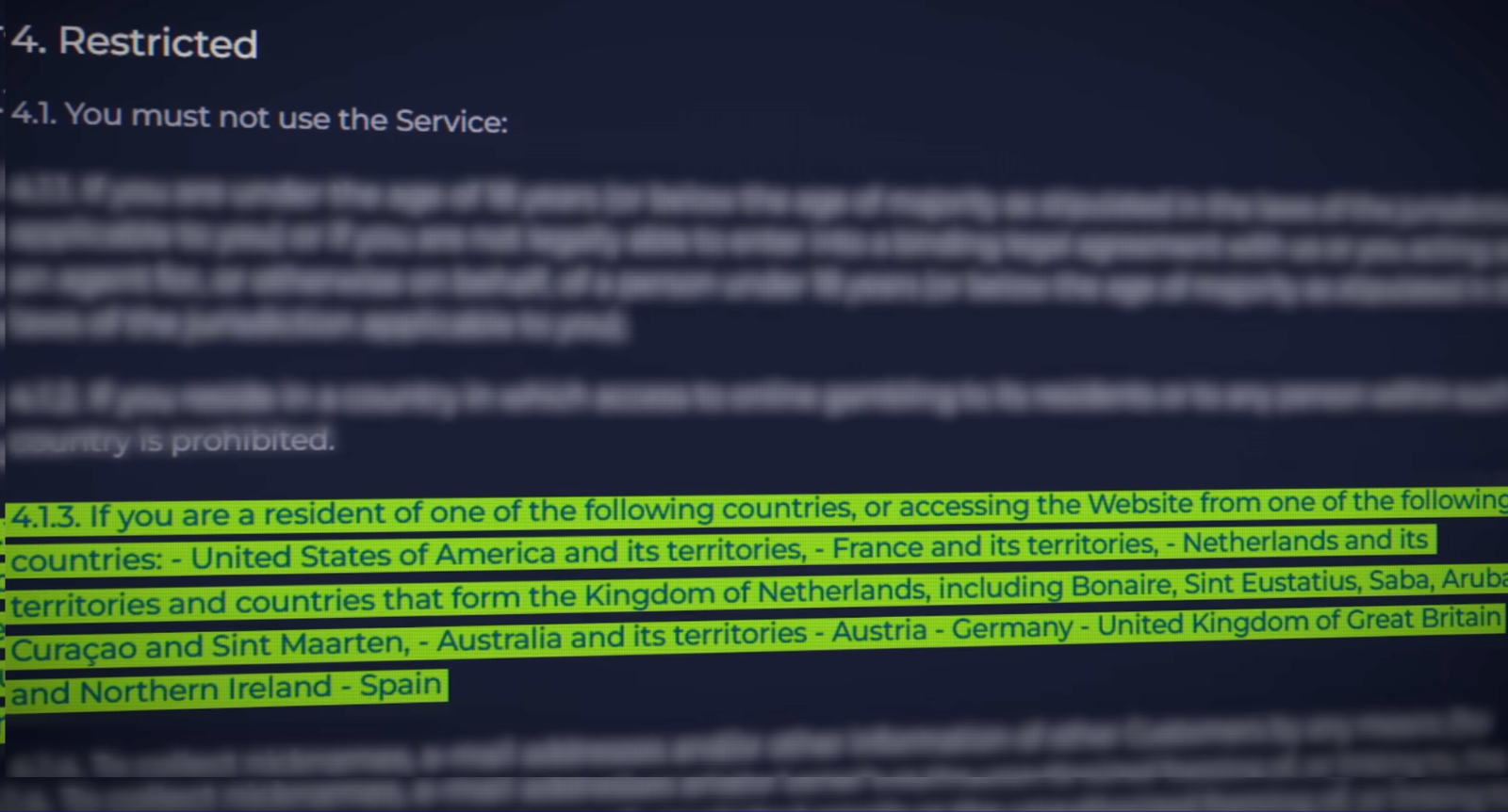
Image: BC Productions. Rainbet’s explicit terms and conditions.
Despite being illegal to operate in Australia and other markets, Rainbet has continued to promote itself through influencers.
Instead, its blacklist status appears to have only sharpened the incentive to push its brand more aggressively into restricted regions where it can’t operate.
Australia’s regulators have already shown they are willing to act on undisclosed influencer promotions.
The ACCC fined Photobook Shop $39,600 after the company provided free products to influencers in exchange for reviews while instructing them not to disclose the arrangement and instead present the endorsements as organic.
The Australian Communications and Media Authority has also warned that social media influencers may be breaching regulations by promoting what it describes as misleading or illegal ads.
An ACMA spokesperson said individuals promoting illegal gambling advertisements can face fines of up to $59,400, while those facilitating access, such as by posting links, could face penalties of up to $2.4 million.
“Stop promoting illegal gambling services to Australians. If you don’t, you risk facing significant penalties,” the regulator said.
Meta, meanwhile, said it would restrict teens’ access to such content, but indicated it may not take action in many cases.
“Our team reviewed the content. They found that it does not go against our community standards on fraud or scam,” the company said.
Rainbet reaches Netflix
From live-streamers to streaming platforms, the brand’s visibility has extended to Netflix’s new documentary Inside the Manosphere, currently trending on the platform.
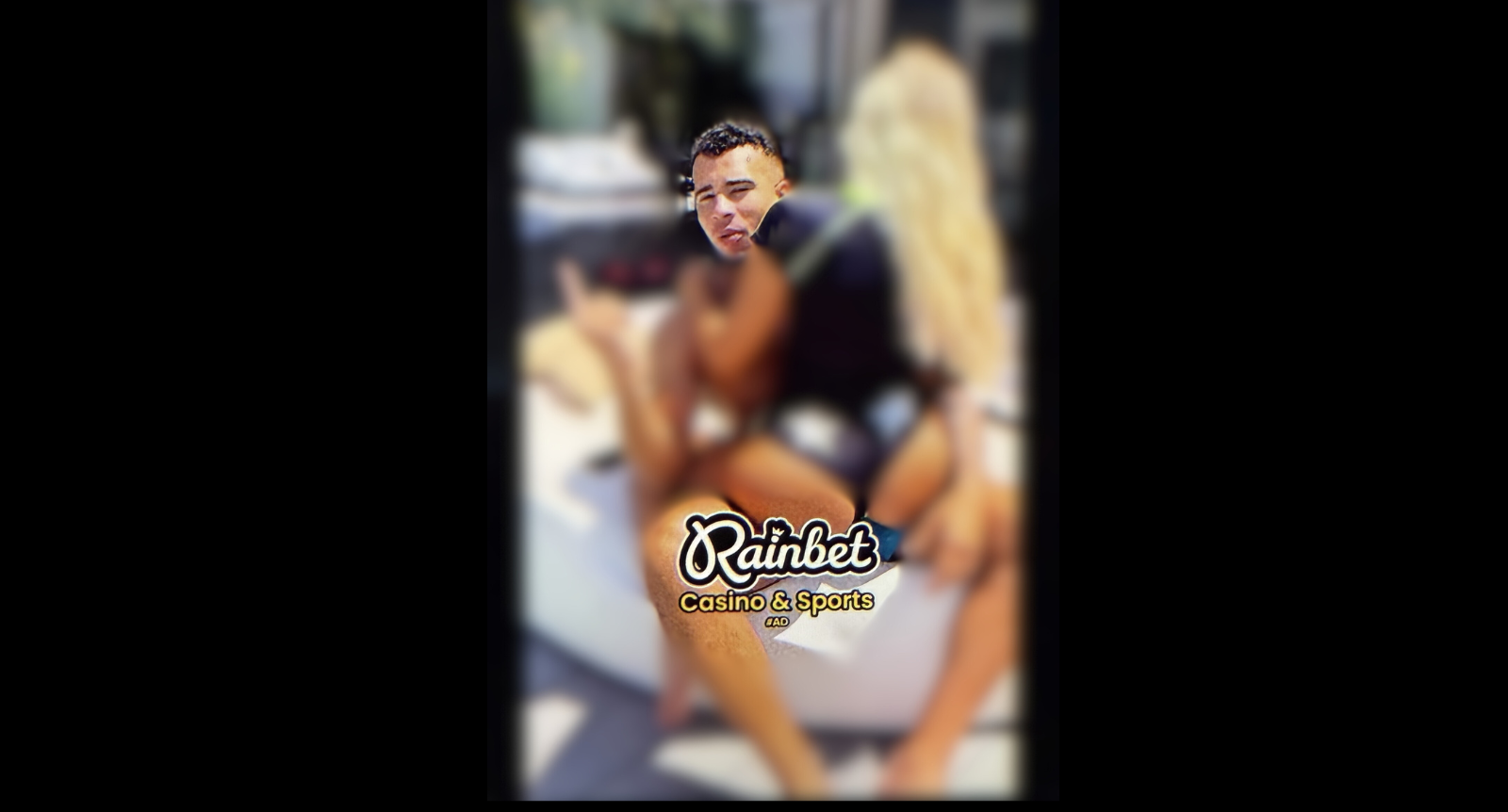
Image: Inside the Manosphere features Harrison “HS TikkyTokky” Sullivan stream clips with the logo superimposed.
Louis Theroux’s exposé explores a Gen Z-coded corner of ‘red pill community‘ built on masculinity, misogyny, and extreme views on relationships and gender, following internet figures including Harrison “HS TikkyTokky” Sullivan, Amrou Fudl (Myron Gaines), and more.
With no confirmed correlation between Rainbet and the documentary or Netflix, the brand’s logo remains passively present throughout. It appears repeatedly in the background as livestream and social clips illustrate the documentary’s themes.
Not once, not twice, the logo makes a cameo multiple times across the documentary, with even Stake making a cameo.
Top Image: AI-Generated