

Before Canva made mood boards infinite and ChatGPT made imagination frictionless, inspiration carried weight. It arrived as paper. Thick, glossy, deliberate. You tore it out, pinned it up, lived alongside it. For decades, those images came from Vogue, not just documenting culture, but quietly constructing it.
Now, Vogue Australia is turning those pages into something else entirely: a live, scalable storytelling platform.
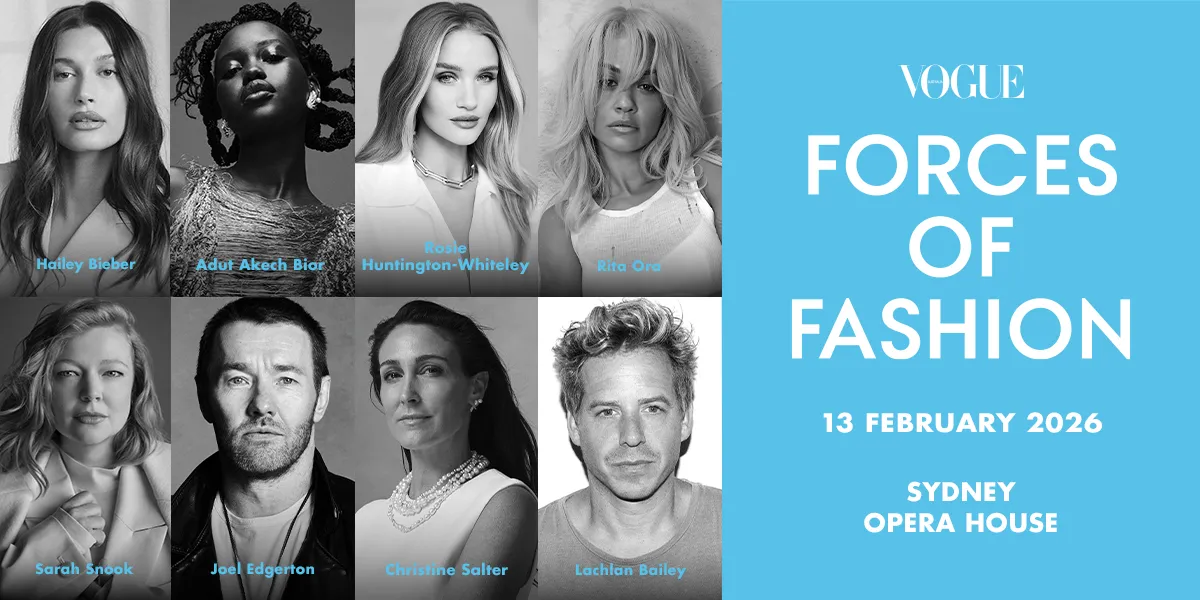
This morning will see the brand’s globally recognised Forces of Fashion summit make its Australian debut at the Sydney Opera House, marking a pivotal moment not just culturally, but commercially. For Editorial Director Edwina McCann, the choice of venue was non-negotiable.
“I felt very passionately that it needed to be hosted somewhere iconic and preferably the Opera House so that it was launched with the gravitas that it deserves,” she told Mediaweek.
“Because obviously, Anna Wintour is very much on our wish list, and you can see the lineup of talent we’ve got.”
“You just don’t, that’s deserving of the Opera House.”
Vogue’s next act: journalism, but live and on camera
At its core, Forces of Fashion is more than an event. It is Vogue translating its editorial authority into a format built for a video-first era, where audiences consume stories across platforms and advertisers demand deeper integration.
McCann describes the summit as an extension of Vogue’s journalism, rather than a departure from it.
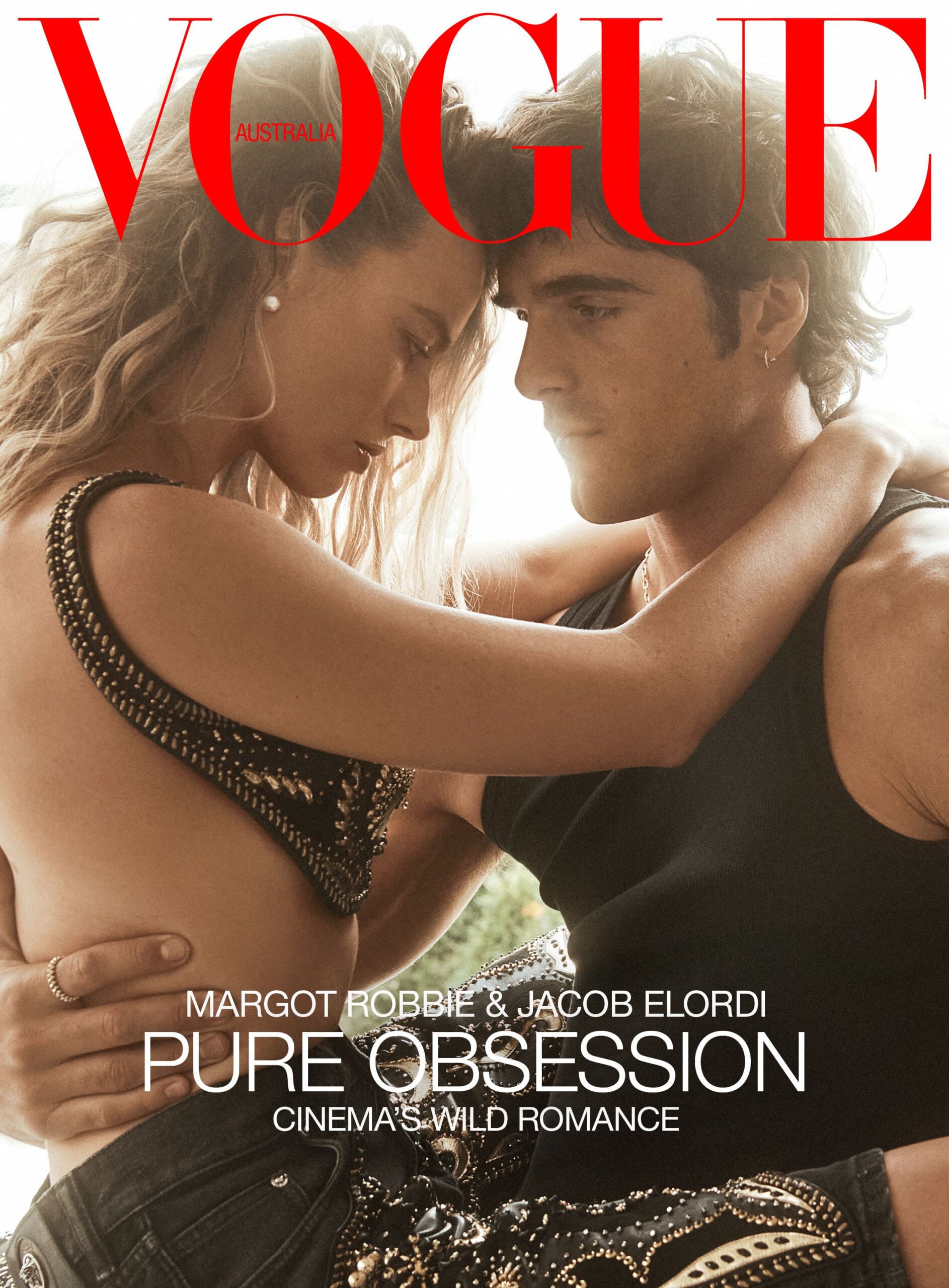
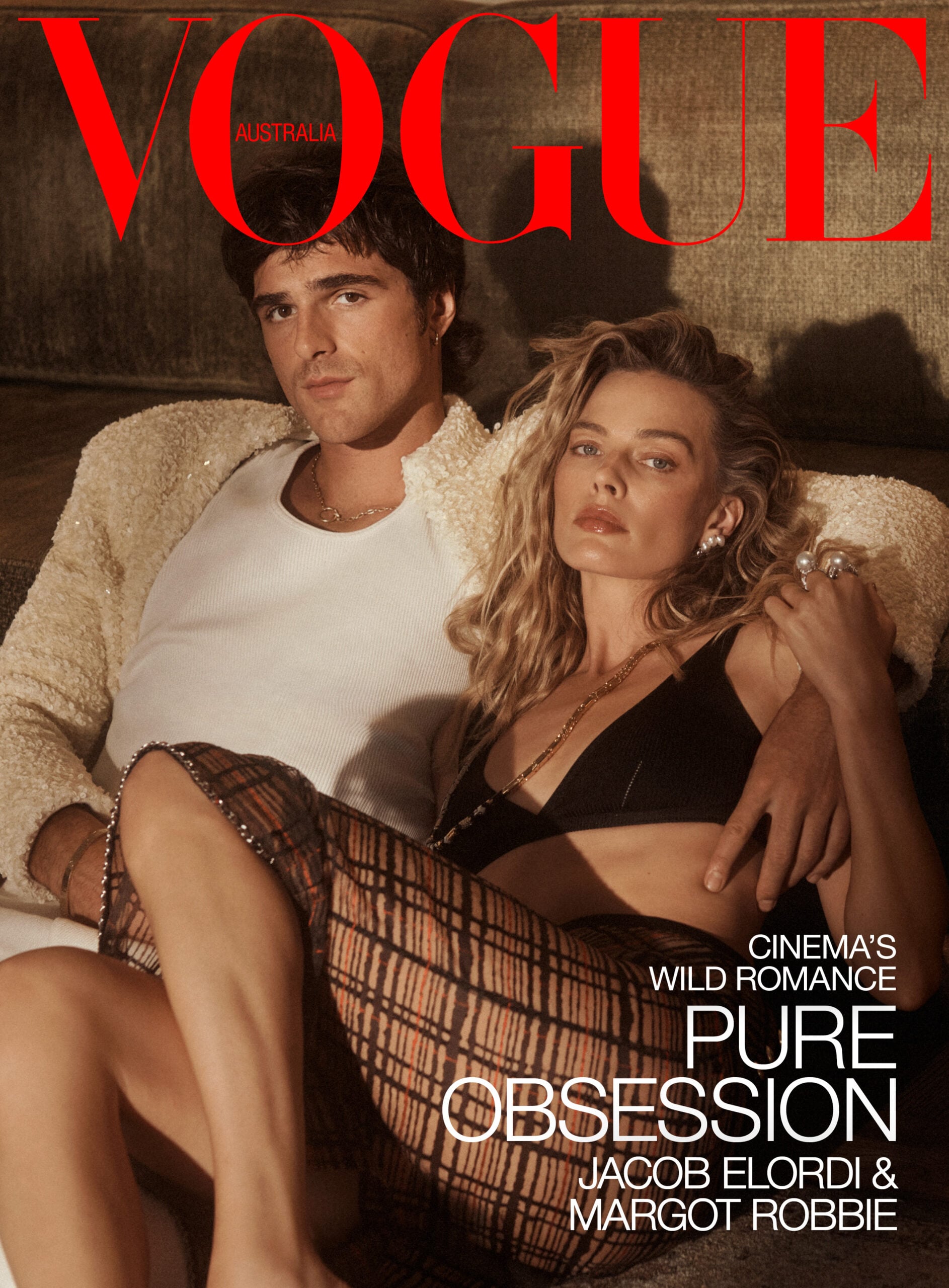
“Being on stage will allow us to tell the story that we’re also telling in print,” she said, highlighting the magazine’s cover story featuring Margot Robbie and Jacob Elordi, who are on the promotional tour for their new film Wuthering Heights.
“This is Vogue journalism coming to life. And that’s exciting.”
This shift reflects broader structural changes inside the Vogue business model. While the brand remains synonymous with image-making, dialogue and narrative have become equally valuable currency, particularly in video formats.
“I think marketers are much smarter now in the way they want to integrate their brand narratives and their storytelling,” McCann said. “And so this is another level for us to be able to do that.”
From glossy pages to integrated brand ecosystems
The commercial implications are significant.
Forces of Fashion is a ticketed consumer event supported by luxury partners including Paspaley, Mastercard, Dyson, and Belvedere, while global maisons such as Louis Vuitton and Hermès have purchased tables for the accompanying Summer Ball.
The structure mirrors the Met Gala model, blending cultural prestige with brand access and content generation.
“This was managed more like, frankly, like the Met Gala is,” McCann said. “Those brands are at the table, and they can host friends, VIPs or friends of their brands, and we bring them into Vogue.”
“It’s the experience of bringing VIPs, but it’s also the content that we’re going to create because we’re going to dress these guests in their various brands.”
For advertisers, the opportunity extends well beyond physical attendance. The event creates a pipeline of premium video, social and editorial content that Vogue can distribute across its owned platforms and partner ecosystems.
“Most people who are not there will engage with this content, you know, on our platform and off our platform, but in video format,” McCann said.
Her biggest focus for the next two years? “Video, video, video, video.”
Building cultural gravity, one stage at a time
The summit’s speaker lineup reflects Vogue’s strategy of combining global influence with local creative authority, featuring Robbie, Elordi, Hailey Bieber, Catherine Martin, Taika Waititi and Rita Ora alongside leading Australian talent.
For McCann, assembling that roster required nearly a year of editorial planning, aligning cover shoots, schedules and creative narratives into a single moment.
“It still starts with the ideal hit list. Like, what are the stories we want to tell and who are the people who we think will best resonate with our audiences?” she said.
“But also, it was really important for us to have key Australian talent there.”
The event also signals Vogue’s continued expansion beyond print, into experiences, video and integrated storytelling ecosystems. Rather than retreat from technological disruption, McCann sees evolution as inevitable.
“I really just see the next iteration, which is AI. It will disrupt the way we work again,” she said.
“But I think there’s no point trying to resist the change that comes. It’s more about embracing it and working out how to make it work for you.”
The business of turning influence into infrastructure
Underneath the glamour, Forces of Fashion represents something structurally important: the conversion of editorial influence into scalable media infrastructure.
For decades, Vogue created aspiration through images. Now, it creates it through experiences, conversations and video formats that extend beyond the printed page and into persistent, monetisable ecosystems.
The Opera House is symbolic and strategic.
“I think if you’re going to do something like this annually and you need it to be on the cultural calendar, then it needs a home,” McCann said.
For Vogue Australia, Forces of Fashion is not just an event. It is a statement of intent. The magazine that once shaped vision boards is now building stages, and inviting the industry to watch, participate and, crucially, partner.
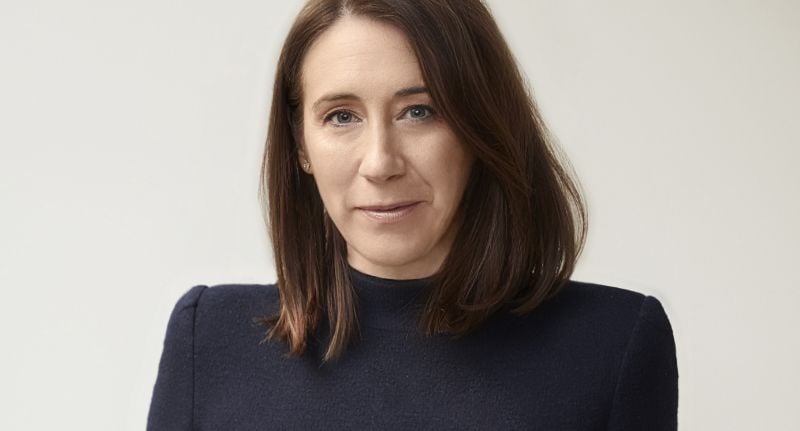
Main image: Vogue Editorial Director Edwina McCann