



FBI targets Washington Post reporter’s devices in leak probe
The investigation centres on a Pentagon contractor accused of unlawfully retaining classified material.

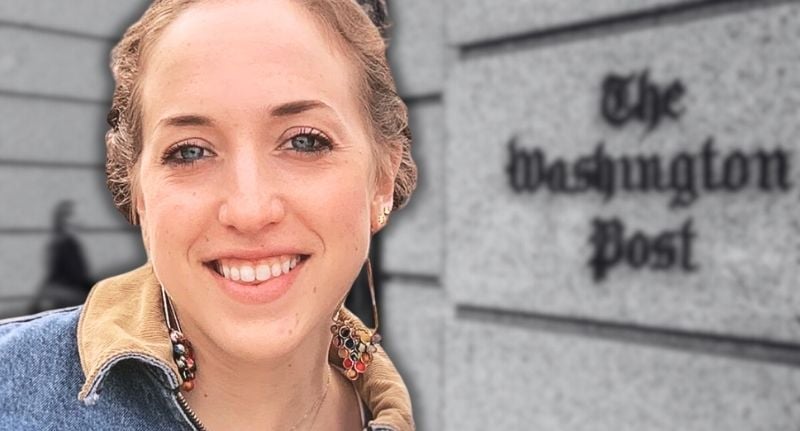
Federal agents have searched the Virginia home of Hannah Natanson, a reporter at The Washington Post.
Agents executed a search warrant early Wednesday morning, seizing Natanson’s phone, two laptops - one personal and one issued by the Post - as well as a Garmin watch.
Authorities say the journalist is not the target of the investigation, which centres on a Pentagon contractor accused of unlawfully retaining classified material.
Focus of investigation on Pentagon contractor
According to The Washington Post, and court filings, investigators are pursuing Aurelio Perez-Lugones, a Maryland-based system administrator with top-secret security clearance.
Perez-Lugones allegedly removed classified intelligence reports from secure government facilities, with documents later found in his home, his basement and inside a lunch box.
Perez-Lugones, a Navy veteran, has been charged with unlawful retention of national defence information and remains in federal custody in Maryland.


The leading media trade publication in Australia.
Get our top stories straight to your inbox daily by signing up to our Newsletter
By providing your information, you agree to our Terms of Use and our Privacy Policy. We use vendors that may also process your information to help provide our services.
Investigators say Perez-Lugones was messaging Natanson at the time of his arrest and that their chat contained classified information, though the criminal complaint itself does not accuse him of leaking material to the journalist.
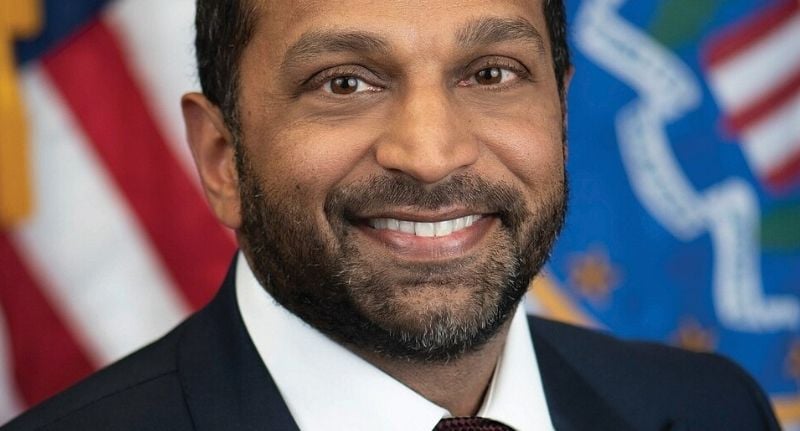 FBI Director Kash Patel.
‘Extraordinary, aggressive action’
Searches of journalists’ homes are exceptionally rare, with federal regulations designed to limit law enforcement tactics that could expose confidential sources or chill newsgathering.
In an email to staff, Post executive editor Matt Murray described the raid as an “extraordinary, aggressive action” that raises “profound questions and concern around the constitutional protections for our work”.
Murray confirmed that Natanson and the newspaper had been told they were not targets of the investigation.
“The Washington Post has a long history of zealous support for robust press freedoms,” Murray wrote. “The entire institution stands by those freedoms and our work.”
Administration defends crackdown on leaks
Attorney-General Pam Bondi defended the search in a public statement, saying the administration would not tolerate “illegal leaks of classified information” that pose a risk to national security.
“The Trump Administration will not tolerate illegal leaks of classified information that, when reported, pose a grave risk to our Nation’s national security and the brave men and women who are serving our country,” Bondi said.
President Donald Trump echoed that stance during remarks at the White House, saying: “The leaker has been found and is in jail right now.”
What neither addressed is the legal grey area in which journalists operate.
The United States has no law explicitly making it a crime for journalists to obtain or publish classified information - a tension highlighted during the Julian Assange case, which raised concerns among First Amendment scholars about precedent-setting risks for news organisations.
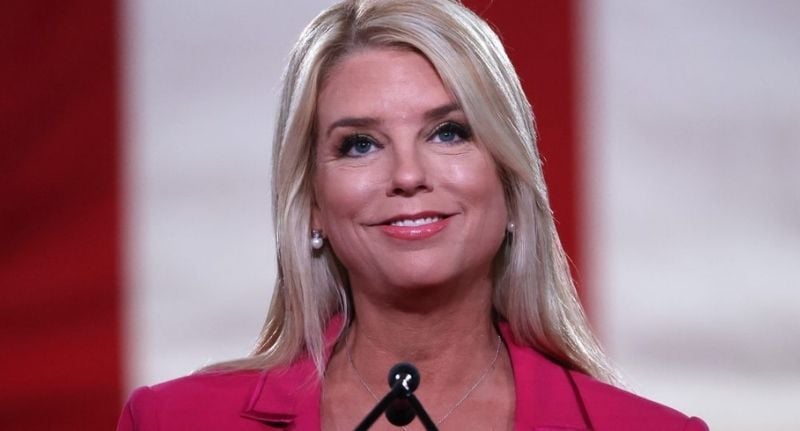 Attorney-General Pam Bondi.
Press freedom concerns intensify
Press-freedom advocates have warned that the seizure of Natanson’s electronic devices could expose unrelated sources and sensitive reporting material.
They argue that even when journalists are not charged, aggressive investigative tactics can have a chilling effect on whistleblowers and reporters alike - particularly those covering national security and government accountability.
Those concerns are heightened by Natanson’s beat.
She has been a central figure in the Post’s coverage of the Trump administration’s mass reshaping of the federal workforce and has built a network of more than 1,000 current and former federal employees as sources.
More from Mediaweek
The leading media trade publication in Australia.
Get our top stories straight to your inbox daily by signing up to our Newsletter
By providing your information, you agree to our Terms of Use and our Privacy Policy. We use vendors that may also process your information to help provide our services.
.jpg%3Fv%3D1792104720481&w=3840&q=75)


