






Brand in crisis? Experts explain how to avoid getting cooked like Campbell’s
Can the soup company recover?

Campbell’s is reeling after a leaked rant from a rogue executive trashing the company’s products and its customers caused a “PR nightmare.”
Experts say recovery is possible but warn that rebuilding consumer trust will require visible action and meaningful change to show that Campbell’s still values the people who made it a household name.
Martin Bally, a vice president in Campbell’s IT department, was fired after a recording surfaced of him making racist remarks about colleagues, mocking customers and disparaging the company’s chicken.
“We have s**t for f**king poor people. Who buys our s**t? I don’t buy Campbell’s products anymore. It’s not healthy now that I know what the f**k’s in it. Bioengineered meat! I don’t wanna eat a f**king piece of chicken that came from a 3D printer,” he said.
Campbell’s issued a statement saying the comments are untrue and that Bally is “no longer employed by the company.”
“This behaviour does not reflect our values and the culture of our company, and we will not tolerate that kind of language under any circumstances,” the company said.



The leading media trade publication in Australia.
Get our top stories straight to your inbox daily by signing up to our Newsletter
By providing your information, you agree to our Terms of Use and our Privacy Policy. We use vendors that may also process your information to help provide our services.
Culture fail sparks brand meltdown
Suzie Shaw, APAC CEO at We Are Social, said the Campbell’s crisis shows how fast an internal culture failure can escalate into a brand catastrophe.
“This goes deeper than the executive’s racism and criticism of the product: it’s a breach of the hard-won trust with their value-driven customers,” she told Mediaweek.
She added that social media has magnified the fallout.
“TikTok is now flooded with consumers throwing Campbell’s products down the sink as a public, symbolic boycott,” she said.
“Once a crisis strikes a chord so deeply, no corporate statement or PR bandaid can contain it.
“Campbell’s must demonstrate through actions, not just words, that they value their customers and stand by the quality of their products, or keep losing the people who once relied on it.”

A breach of brand integrity
Amanda Spry, a senior marketing lecturer at RMIT University, said Bally’s off-script remarks snowballed into a full-blown corporate reputational crisis because they not only demeaned the company's product but also attacked employees and customers.
“Those remarks directly contradicted what the Campbell’s brand is supposed to stand for – namely, trust, integrity and respect,” she said.
“Therefore, the brand’s goodwill comes into question, and its equity and reputation are threatened.”
Spry added that Campbell’s will need to do more than simply dismissing Bally to prove it doesn’t stand behind those comments.
“It demands an unequivocal, transparent public statement reaffirming the company’s values and manufacturing quality standards, followed by concrete actions to demonstrate alignment - whether through revised leadership protocols, enhanced internal culture training or renewed stakeholder engagement,” she said.
“Research shows that swift, honest and value-consistent responses are key to restoring brand legitimacy and repairing trust after a scandal. If handled properly - not as a box-ticking exercise - Campbell’s may protect its brand equity and regain the credibility it's known for.”

When scandal becomes pop culture
Adrian Elton, an independent creative, said the incident had already slipped into pop-culture territory.
“Even Seinfeld’s famed ‘Soup Nazi’ would shudder at the size of the fly in this soup,” he said.
“While Campbell’s have unquestioningly taken the right step, optics-wise, by firing the drongo in question, the question of ‘What’s in it?’ might be a little bit harder to evaporate.”
Elton added that the scandal had been made worse by “the repulsively tone-deaf ‘poor people’ quip,” which “really leaves a bitter aftertaste that repeats on you.”
But he suggested the company could flip the controversy on its head.
“It could be turned into advertising gold if they got Pulp to recut a video for ‘Common People’ with them all tucking into Warhol-grade cans of steaming hot Campbell’s soup,” he said.
“Own the insult. Own the category.”

The price of broken trust
Sandra Hogg, founder of Mohr PR, said this speaks to a deeper issue than a single executive saying the wrong thing.
“Food safety, supply-chain transparency and corporate respect for all communities are central to consumer expectations,” she said.
“Campbell’s needs more than damage control; it needs to focus on robust, visible accountability that amounts to an open, prompt and credible internal review.”
Hogg said Campbell’s ability to manage the fallout depends on the leadership team’s willingness to show genuine regret and change.
“If it uses the moment to rebuild culture, re-earn trust and reinforce transparency, there is a way forward,” she added.
“If not, the brand risks long-term reputational damage, especially in markets like Australia that take social trust seriously.”

How delayed action supercharged the crisis
Susie Thomson-Evans, general manager at CHPR, said the situation escalated into a "full-blown crisis."
“This is a PR nightmare for Campbell’s because the recording attacks both the people who buy its products, the people who make them and the actual quality of the products themselves,” she said.
“Racist remarks and claims about food safety cut deep and erode trust, especially for a heartland business like Campbell’s, which feels like a family brand.”
Thomson-Evans added that this is not something a single statement fixes.
“Campbell’s now has a long road ahead to rebuild confidence by showing it’s addressing internal culture, being upfront about the quality of its products and proving it understands the reputational damage this incident has caused,” she said.
“But a well-managed strategy could see the company come back more strongly if it is prepared to embrace change.”

The Ratner effect – and worse
Luke Holland, head of strategic communications and PR at Think HQ, said many are citing the ‘Ratner effect,’ but he believes Campbell’s situation is far worse.
“It’s not a gaffe - it’s a toxic house of cards spanning allegations of racism, ‘fake chicken’ food safety fears, punching down on loyal customers, and a whistleblower seemingly fired for speaking up,” he said.
“Instead of the wholesome all-American brand Warhol immortalised, we see a culture of contempt at Campbell’s - for people, culture, customers and even its own product.”
Holland said Campbell’s can only recover if it debunks the food-safety claims and shows genuine contrition.
“They must remember why they were loved in the first place,” he said.
“Because the response so far has been, to quote Ratner himself, ‘total crap.’”

Campbell’s identity crisis
Matt Thomas, founder of Stake: The Reputation Company, believes the absolute risk for legacy brands is losing touch with the communities that built them.
“The problem for Campbell’s isn’t one rogue executive; it’s that his comments said what many already think. It’s a brand that has stopped believing in its own purpose and now feels hollow behind the nostalgia,” he said.
“Consumers don’t expect perfection, but they do expect self-awareness, and that’s what’s missing. The apology feels procedural, not personal.”
Thomas said, “This isn’t a PR crisis; it’s an identity crisis,” and that if it were his to solve, he’d strip it back and move fast.
“Campbell’s is built on affordability and comfort, so own that and redefine it as care and nourishment rather than cheap,” he said.
“And throughout, lead with humility by acknowledging the drift between the brand and its customers while setting a clear path to rebuild connection.”
The road to forgiveness
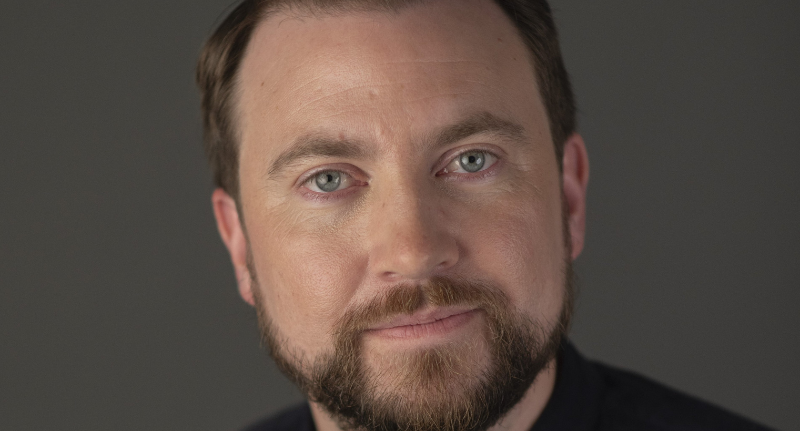
Liam Fitzpatrick, founder of Commswork, likened the situation to an iconic line from The Thick of It: “It’s like the break-up of the Beatles during the fall of the Roman Empire.”
“Not only has trust been torched but the quality of the product has been left out in the gutter, where a digital wildfire of public vitriol is still burning,” he said.
“We need to hear from the chief exec about the changes being made to address the quality issues first. Admit any instances where the brand has fallen short of what should be expected.”
Fitzpatrick said transparency, accountability and ownership are vital in any crisis.
“This is not a quick fix scenario, however there’s room for forgiveness with a brand that’s been a part of so many lives, for so long,” he added.
“Household name brands are remembered for the positive, as well as negative, impact they’ve had. The road to earning back trust will be slow, but the media will be interested to cover what happens next.
“It will be up to their brand managers to offer a narrative that helps restore some faith for customers, if the brand is to survive.”

Avoiding the fauxpology
Dee Madigan, executive creative director at Campaign Edge, thinks Campbell’s was right to fire Bally.
She said the company’s primary concern would be the potential long-term damage from the “3D chicken” comments, explaining that “those myths take on a life of their own.”
“Usually, defensive language is more bland than that – they’ve gone on the attack, which is actually pretty wise,” said Madigan.
She also praised the company for avoiding a conditional apology.
“It wasn’t a fauxpology,” she said.
When asked for advice on how to handle a crisis, Madigan was clear.
“Don’t be bland in your response. Use emotive colourful language like ‘absurd,’” she said.
“Too many companies will say ‘Sorry IF people were offended.’”
The path forward
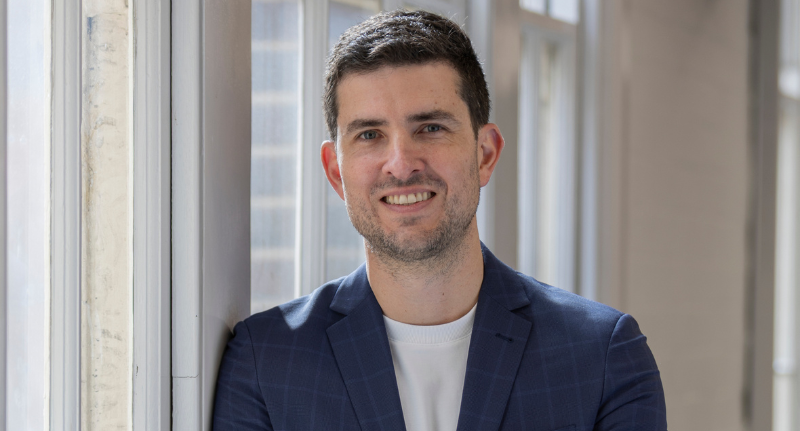
Shane Russell, CEO at Havas Red, said Campbell’s executed a textbook crisis response after its internal ethics and quality of ingredients were called into question.
“Unfortunately, tens of millions of people who saw the initial wave of headlines likely didn’t see the company’s decisive response,” he said.
“That leaves a big job to be done in the coming months to rebuild brand trust and move beyond the seriousness of this incident.”
Russell added that the controversy could spark a recruiting moment for Campbell’s.
“Most consumers aren’t expecting a five-star meal with a can of supermarket soup,” he said.
“But they have a global platform to dial up storytelling about the quality of people, suppliers and ingredients that make the brand iconic and deserving of a place on the shopping list.”
More from Mediaweek
The leading media trade publication in Australia.
Get our top stories straight to your inbox daily by signing up to our Newsletter
By providing your information, you agree to our Terms of Use and our Privacy Policy. We use vendors that may also process your information to help provide our services.


