

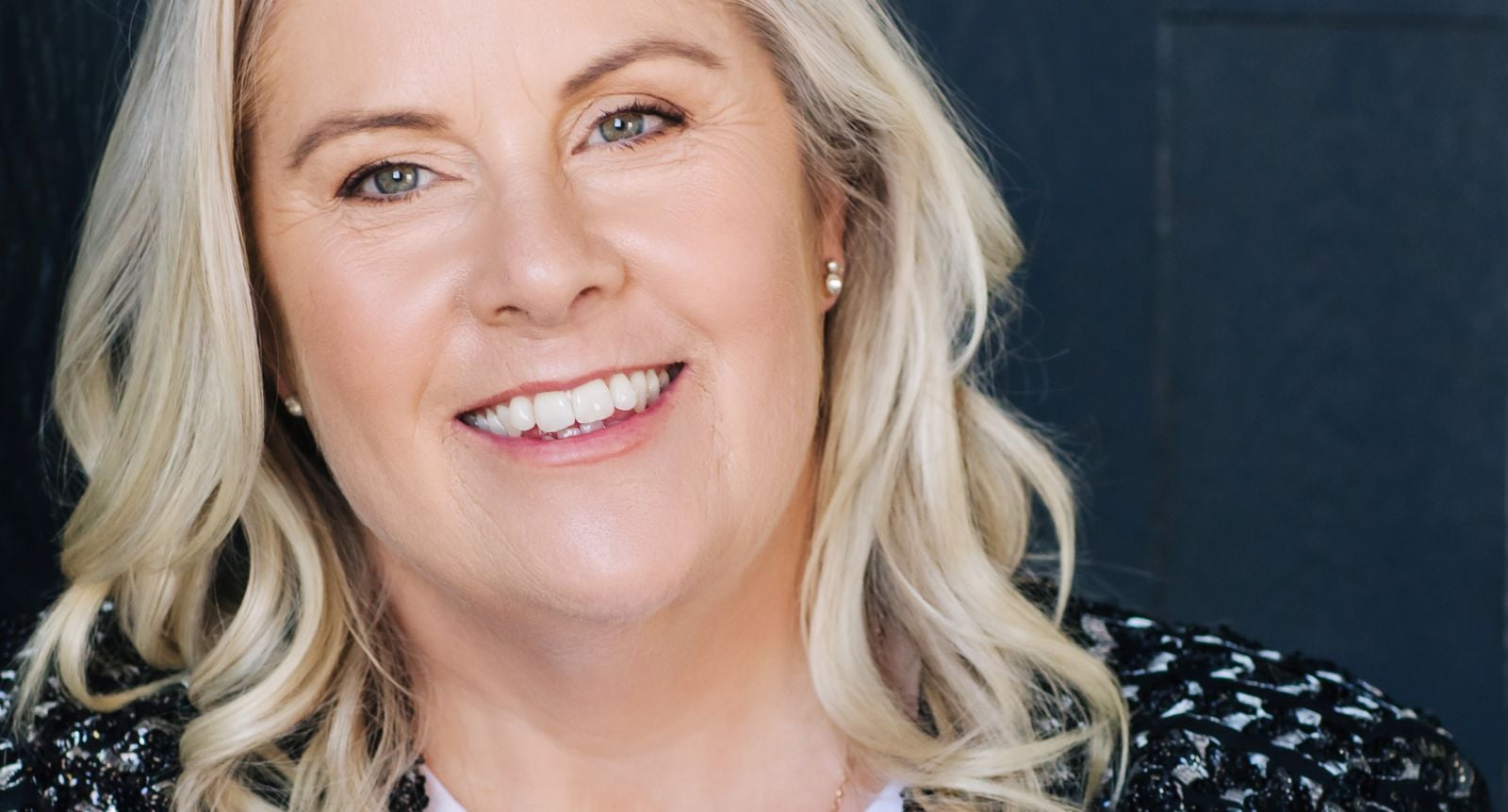
Mediaweek has teamed up with the IMAA to give its indie leaders a platform to talk about their work, thoughts on the industry, and their interests outside their working lives.
For Elise Hedley-Dale, that story starts with a deliberate shift away from the traditional agency model she spent more than 20 years inside.
As CEO, or as she puts it, Chief Everything Officer, of MediaWords, Hedley-Dale has built a business that reflects how she prefers to work: close to the client, across every channel, and firmly on the tools.
Founded in 2014, MediaWords operates as a senior-led consultancy, with Hedley-Dale personally leading engagements across strategy, planning, and negotiation.
Whether embedded within a client team or working in an advisory capacity, her focus is consistent, bringing a broad, cross-channel view of media and a steady hand on the commercial levers that matter.
What sparked your interest in launching your indie agency?
I spent nearly 30 years in media, working in the bigger holding companies, watching the same thing happen. Clients were promised senior thinking in the pitch, only to be handed off to junior teams the week after. The strategy got lost in layers.
I founded MediaWords in 2016 because I wanted to build something where the person who plans the media is the person who buys it. No handoffs, no layers, no exceptions.
What sets your agency and its offering apart from others?
MediaWords is a senior media consultancy, not an agency.
There’s no junior team behind the scenes. The person you meet is the person who does the work.
I’ve built a selective inner circle of specialist partners – creative, digital, data – who I bring in based on what the brief actually needs, not who’s sitting on the bench.
Clients get 30 years of experience applied directly to their business, with the kind of accountability that disappears the moment you add layers.
Indie agencies are increasingly seeing success with major pitches. What differentiates your pitch approach from that of larger agencies?
I lead with the problem, not the credentials. And sometimes the problem isn’t media – it’s the creative, or an over-reliance on digital, or the way the whole ecosystem connects.
Clients get an unbiased recommendation because I’ve planned across every channel, not just the ones that are trending. Most agency pitches are capability presentations with a strategy slide bolted on. I’d rather show a client I understand their business than tell them how good mine is.
Who have been your latest agency account wins?
Fisherman’s Friend, through Stuart Alexander, has been a standout recent win.
I’ve also expanded my work across the FMCG and food and beverage categories, which remains my heartland. Most of my new business comes through referrals or existing client relationships – which I take as the best indicator that the model is working.
What’s a piece of work you’re most proud of?
I’m a media nerd – I still get a kick out of seeing a tram wrap I planned go live. But the work I’m most proud of is Ocean Spray.
A 25-year relationship that started with straight TV and print and has evolved as the landscape has. That kind of work doesn’t come from a playbook. It comes from 30 years of planning across every channel as they emerged.
As a leader, how do you switch off from work and unwind after a busy week?
I’m a serious food person – I love to cook, I love to travel, and I’m always hunting down the best restaurant I haven’t been to yet. New experiences, good food, and good company are the reset. My brain doesn’t fully switch off from work, but a long dinner with friends comes close.
What does success look like for you over the next 12 months?
More FMCG brands are choosing senior independent expertise over agency overhead. I want MediaWords to be the name that comes up when a CMO asks, “Who should I talk to about media?” Not because I’m the biggest, but because I’m the most trusted. Someone recently called me the Queen of FMCG – I’ll take that.
What can the industry expect from your agency?
An opinion. And proof that the founder-led model isn’t a stepping stone to becoming an agency – it’s the destination. More clients are questioning whether they need a 30-person team or one senior strategist who actually knows their business. I plan to be part of that conversation.

See here for past editions of IMAA Spotlight.
Main image: Elise Hedley-Dale