

Disney’s AU$1.5 billion investment in OpenAI has sent a clear signal through Hollywood: the fight isn’t about consolidation anymore. It’s about artificial intelligence. And for media veteran Clive Dickens, CEO of The Meliora Company, the announcement lands like a neon-bright confirmation of the warning he gave Mediaweek when Netflix muscled in on Warner Bros Discovery for roughly AUD$110 billion.
At the time, Dickens argued AI – not corporate empire-building – was the force rewriting entertainment’s power map. Today, Disney has effectively underlined it.
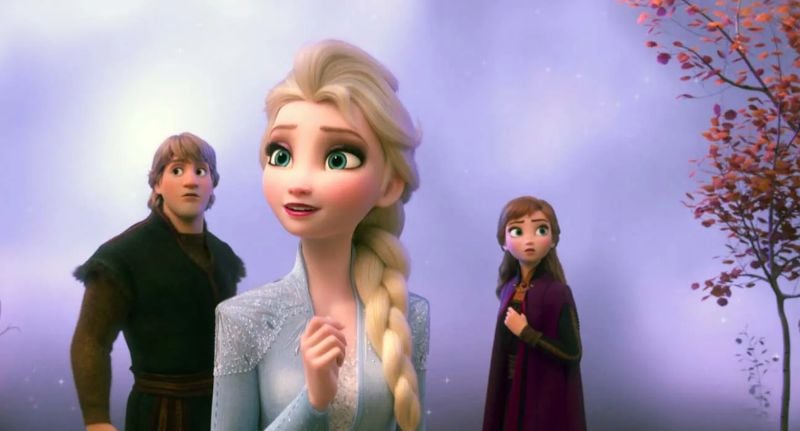
Under the three-year deal, OpenAI’s Sora will gain access to more than 200 characters across Disney, Pixar, Marvel and Star Wars, unlocking fan-made short-form video and image creation from early 2026. Select user-created clips may even appear on Disney+.
The company isn’t stopping at licensing: Disney will roll out ChatGPT internally, lean on OpenAI’s models to build new tools and experiences, and take warrants that give it the option to buy more equity in OpenAI in the future. It’s a full-throttle, business-wide repositioning around AI capability rather than studio sprawl.
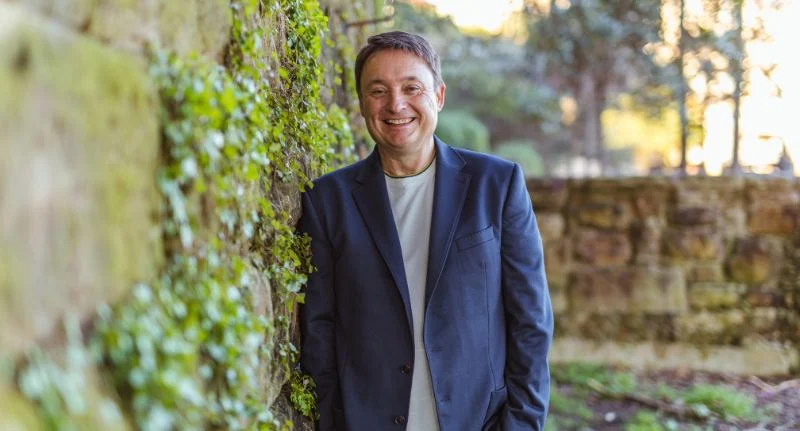
Clive Dickens
The real disruption is not consolidation
Dickens says the deal lands exactly where he predicted the Netflix–WBD saga was ultimately heading.
“It’s validating our theory around the real disruption in Hollywood is not consolidation, it’s AI,” he told Mediaweek just hours after the Disney announcement.
“User-generated content enabled by generative AI is now a major disrupting force to entertainment companies. Therefore, they might as well own more traditional content by Harry Potter and Game of Thrones as a better way to defend the adoption of Gen AI UGC,” he said.
For Dickens, the maths has been obvious for some time.
“It took Netflix 15 years to get to 330 million active households, and it’s taken ChatGPT eight weeks to add a hundred million weekly active users,” he said.
“All you have to do is install the free app on your phone. There’s no barrier, and there are 5.5 billion smartphone owners worldwide.”
His thesis is simple: if audiences can generate content instantly, at scale, then owning heavyweight IP becomes a defensive play rather than a nostalgic one.
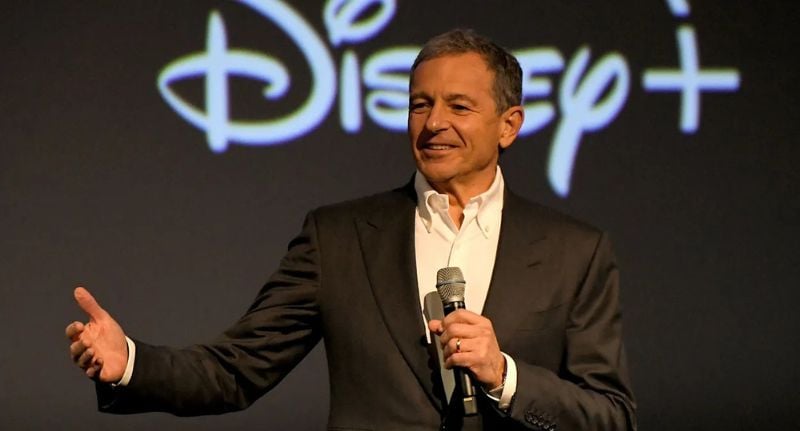
Bob Iger
The Iger breadcrumb trail
Dickens notes that Disney’s move wasn’t entirely a surprise if you listened closely.
CEO Bob Iger had already telegraphed the pivot during the company’s 2025 earnings call.
“The other thing that we’re really excited about, that AI is going to give us the ability to do, is to provide users of Disney+ with a much more engaged experience, including the ability for them to create user-generated content and to consume user-generated content – mostly short-form – from others,” Iger said at the time.
As Dickens puts it, “at that point when he made that comment on that earnings call, he was obviously in negotiation with the world’s biggest AI company. Yet, no one actually made the connection between his comment and today’s announcement.”
Why Netflix’s behaviour predicts the rest of the market
To understand why traditional studio assets are suddenly so valuable again, Dickens points back to Netflix’s shift in competitive framing.
“At one point, about seven or eight years ago, Reed Hastings was asked, Who is Netflix’s competitor? And at the time, he went on record saying, ‘Netflix competes with sleep.’”
Back then, binge-watching was the battleground – “just one more episode” until 10pm. That era, Dickens says, is over. “This signals that they are no longer competing with sleep. They are now competing with any time that you and I do not spend on Netflix.”
With more than 300 million paying households – “over a billion users” when factoring in how many people share each subscription – Netflix has hit the ceiling of easy growth.
“It’s going to be really hard to reach the next billion because the next billion either have another service they prefer or don’t want to spend that much money,” he says.
AI, however, already lives at that scale. And that’s the shift every major studio is now racing to catch.
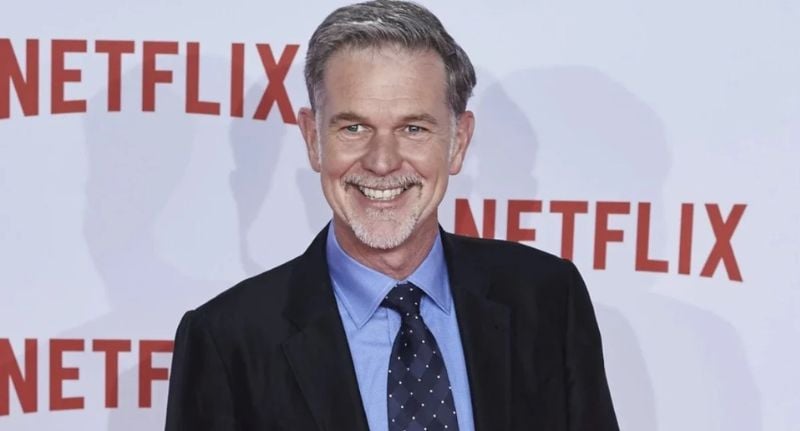
Reed Hastings
The stakes
Disney’s OpenAI deal doesn’t just launch a new creative toy; it marks the formal beginning of Hollywood’s next competitive age.
Audience behaviour, content creation and platform loyalty are all being rewritten by generative AI – and traditional studios are scrambling to protect their turf by wrapping their most valuable IP around the change.
If Dickens is right, the industry isn’t consolidating; it’s rearming.