


Dentsu’s attempt to sell its international operations appears close to unravelling, after a string of potential buyers walked away from talks.
As reported by the Financial Times, the process has left Hiroshi Igarashi, Dentsu president and global chief executive, facing renewed scrutiny from investors as the Japanese group weighs a turnaround plan without a sale.
What’s happening with the Dentsu sale process
The Financial Times reported last year that Dentsu was exploring a sale of its UK-based international business as part of a strategic review. That unit generated more than $US4.5 billion ($6.7 billion) in net revenues in 2024, according to the report.
Several trade buyers and private equity firms held discussions, but the last remaining strategic buyers and private equity firm Apollo later exited the process, according to the Financial Times, leaving Bain Capital as the only party still engaged.
A person close to Bain told the Financial Times the firm was “still interested, but with significant reservations”. Apollo declined to comment, and Bain did not respond to a request for comment, according to the report.
Board briefed that talks may be over
In the same reporting, Igarashi is said to have told board members that Bain was unlikely to continue discussions, and that the sale process had effectively fallen apart.
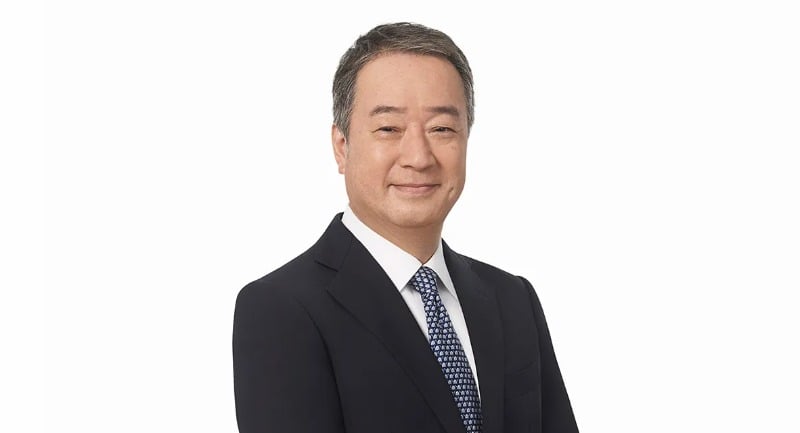
Hiroshi Igarashi
The company is expected to update investors at its full-year results meeting next month, with the Financial Times reporting Dentsu may concede it has not secured a buyer and will pursue a self-directed turnaround of its international operations.
Restructure already underway
Dentsu has already flagged restructuring in its international businesses, including plans to cut more than 3,400 roles.
In a statement provided to the Financial Times, Dentsu said: “With regards to the international business, the company is rebuilding the business foundation and re-evaluating underperforming businesses. At the same time, the company is exploring strategic alternatives to enhance corporate value, but no decision has been made at this time.”
Mitsubishi UFJ, Morgan Stanley, and Nomura Securities have been advising Dentsu on the sale process, the report said.
Why this matters for Dentsu’s global ambitions
Dentsu’s international push has long been central to its strategy, but it has struggled to replicate its dominance in Japan overseas. A sale would have effectively unwound Dentsu’s £3.2 billion acquisition of UK media group Aegis in 2012.
The international portfolio also includes London-based Tag Group, a digital marketing production company.
Investor pressure and competitive headwinds
The Financial Times report said some within Dentsu fear shareholders may attempt to unseat Igarashi by voting against his reappointment at the company’s annual meeting in March. The investor base includes Oasis, an activist shareholder that has been vocal on performance.
One shareholder told the Financial Times they had “little confidence” in Dentsu’s ability to turn around the international business, arguing the broader group is being held back by an outdated approach as the advertising market shifts.
• Competition: Rival holding companies have consolidated, including the combination of IPG and Omnicom, while Publicis continues to strengthen its market position.
• Technology disruption: The adoption of AI tools is reshaping agency workflows, with some tasks being automated or delivered faster and cheaper than traditional processes.
What Dentsu has said publicly
As reported by the Financial Times, Igarashi told investors last summer he was “acutely aware that reforming the international business is an urgent issue … I deeply regret this situation and offer my sincere apologies on behalf of the company.”