


Adelaide Writers’ Week axing of Randa Abdel-Fattah sparks writer revolt
A slew of authors have now pulled out.

Adelaide Writers’ Week has dropped Palestinian-Australian author Randa Abdel-Fattah from its 2026 program, triggering an immediate backlash that has seen high-profile writers withdraw and sponsors pull support from the festival.
Dr Abdel-Fattah was advised on Thursday that she would no longer appear at the 2026 Adelaide Writers’ Week, with festival organisers citing concerns about cultural sensitivity in the aftermath of the Bondi tragedy.
Her profile was quietly removed from the Writers’ Week website the same morning.
Since then, the fallout has accelerated, with several authors all confirming they will no longer participate, while others have warned they may follow unless the decision is reversed.
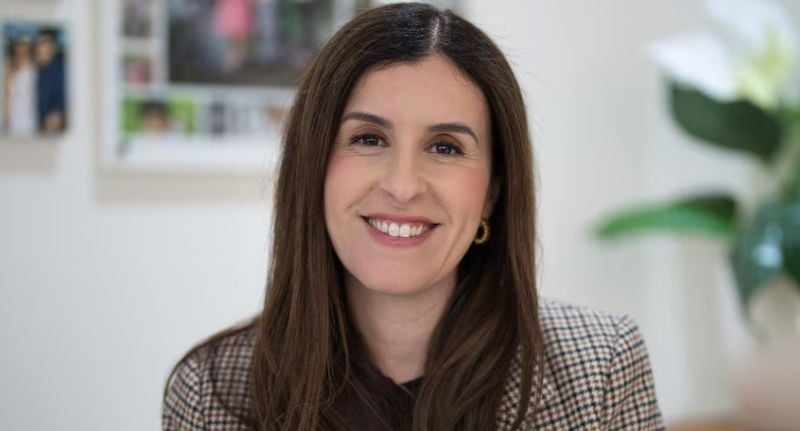 Randa Abdel-Fattah
Board cites cultural sensitivity after Bondi attack
In a statement, the Adelaide Festival board confirmed it had made the decision following weeks of internal review.
“We have today advised scheduled writer Dr Randa Abdel-Fattah that the board has formed the judgment that we do not wish to proceed with her scheduled appearance at next month’s Writers’ Week,” the board said.


The leading media trade publication in Australia.
Get our top stories straight to your inbox daily by signing up to our Newsletter
By providing your information, you agree to our Terms of Use and our Privacy Policy. We use vendors that may also process your information to help provide our services.
“While we do not suggest in any way that Dr Randa Abdel-Fattah’s or her writings have any connection with the tragedy at Bondi, given her past statements, we have formed the view that it would not be culturally sensitive to continue to program her at this unprecedented time so soon after Bondi.”
The board said the fatal Bondi attack had intensified national grief and heightened community tensions.
“As an organisation and as people, we have been shocked and saddened by the tragic events at Bondi,” the statement said.
“We have been further saddened by the national grief and the significant heightening of both community tensions and the community debate.”
A spokesperson for Premier Peter Malinauskas said the Premier supported the board’s decision.
In a post on social media, Dr Abdel-Fattah condemned the decision, describing her removal as a “blatant and shameless act of anti-Palestinian racism and censorship and a despicable attempt to associate me with the Bondi massacre”.
“What makes this so egregiously racist is that the Adelaide Writers Festival Board [sic] has stripped me of my humanity and agency, reducing me to an object onto which others can project their racist fears and smears,” she wrote.
My statement in response to the racist decision to cancel me from Adelaide Writers' Week. https://t.co/HktwrcWveT pic.twitter.com/EDqTOteA1S
— Randa Abdel-Fattah (@RandaAFattah) January 8, 2026
Writers withdraws
Author and commentator Jane Caro confirmed she would withdraw from the festival, describing the decision as fundamentally at odds with the purpose of writers’ festivals.
“It is with real sadness that I have decided to withdraw from this year’s Adelaide Writers Festival,” Caro said.
“I was, as always, thrilled to be invited and was very much looking forward to the very feminist panels I was asked to participate in. Frankly, we have never needed such conversations more.”
She said the board’s decision amounted to censorship.
“However, I am opposed to censoring any writer who deals with complex & controversial issues forthrightly. I think the decision by the Adelaide Festival Board was an attack on the very things that make writers' festivals the amazing events they are.”
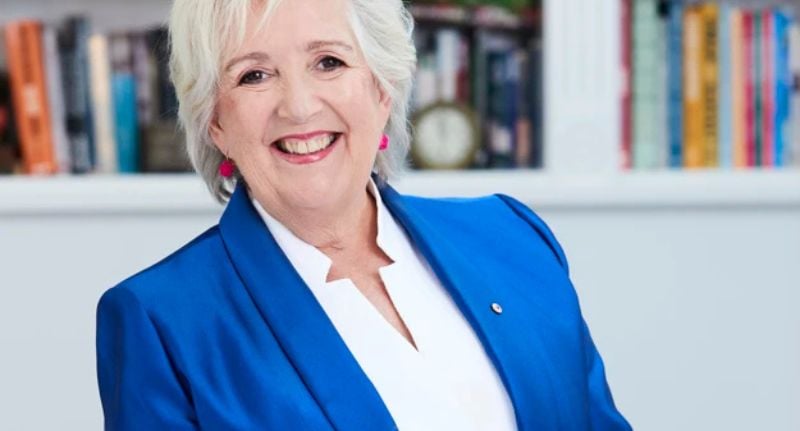 Jane Caro
Caro expressed support for Abdel-Fattah and sympathy for festival director Dr Louise Adler.
“I would like to send my support to Dr Randa Abdel-Fattah. I would also like to send my commiserations to the equally forthright director of the festival, Dr Louise Adler, whose willingness to engage with a wide range of ideas courteously and respectfully is a hallmark of her career.”
She warned of broader consequences for public debate.
“Authoritarianism is rising all around us. It thrives on controlling & squashing & censoring ideas it does not like. I refuse to participate in that.”
Stella Prize-winning historian Clare Wright, who is also chair of the National Museum of Australia, wrote to Adler on Thursday to formally withdraw.
“With a heavy heart and a gutful of outrage,” Wright said she could not participate in the festival.
She described the board’s decision as “appalled at the moral cowardice, wrong-headedness and short-sightedness” of the move.
“As a Jewish Australian, I am shocked and insulted that the board could exploit the tragedy of Bondi to weaponise its much-loved and respected literary festival,” Wright wrote.
“As a writer, I stand shoulder-to-shoulder with Dr Abdel-Fattah and her democratic rights and entitlements to discuss her novel ... without the political interference of a board of directors.”
Fellow Stella Prize winner Evelyn Araluen also announced her withdrawal via social media, calling the decision “a devastating betrayal of the democratic politics that have historically defined this festival”.
“I am so disappointed to witness yet another absurd and irrational capitulation to the demands of a genocidal foreign state from the Australian arts sector,” Araluen said.
“Erasing Palestinians from public life in Australia won’t prevent antisemitism [sic]. Removing Palestinians from writers festivals won’t prevent antisemitism [sic].
“I refuse to participate in this spectacle of censorship. As I have said before at the Adelaide Writers Weeks - free Palestine, from the river to the sea.”
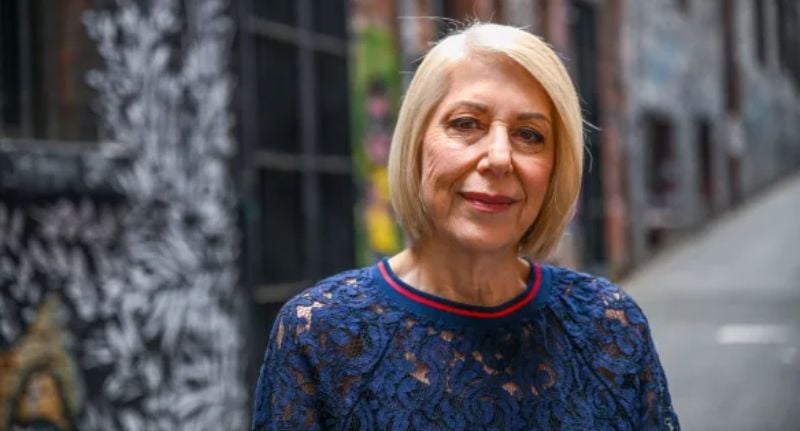 Dr Louise Adler
Sponsors and authors step back
Public policy think tank The Australia Institute confirmed on Thursday evening that it had withdrawn its support and sponsorship of events from this year’s festival.
“The Australia Institute has valued being part of discussions at the event, which in the past have promoted bravery, freedom of expression and the exchange of ideas,” the statement said.
“Censoring or cancelling authors is not in the spirit of an open and free exchange of ideas.”
Other writers have also spoken out.
Indigenous Australian author Chelsea Watego said on Instagram that “no writer with any integrity should be participating, while writer Robbie Arnott said he would withdraw unless the board reversed its decision.
Several other authors also pulled out, including Stella, Miles Franklin-winning author Michelle de Kretser, and Robbie Arnott.
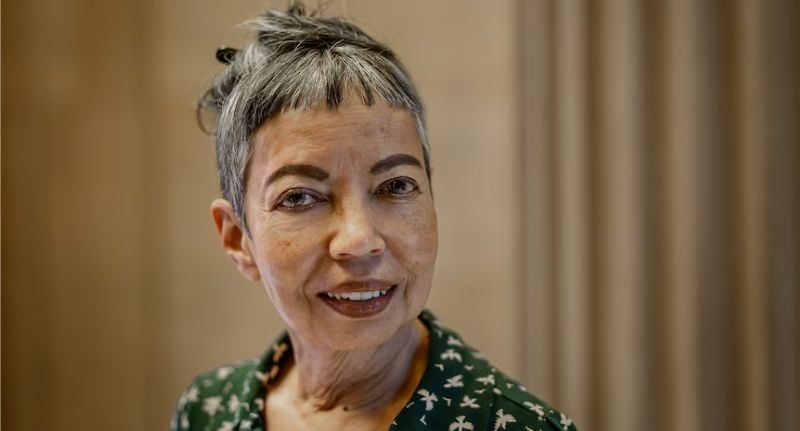 Stella and Miles Franklin-winning author Michelle de Kretser
Background to the decision
Dr Abdel-Fattah has long been a vocal critic of Israel. On Boxing Day 2024, a post on her X account read: “May 2025 be the end of Israel”.
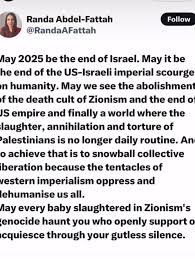
She has also faced scrutiny over her activism, including organising a children’s excursion to a pro-Palestinian protest at the University of Sydney, where footage showed people chanting “intifada” - a term NSW Premier Chris Minns has said he plans to ban under proposed new hate speech laws.
The Adelaide Festival board did not cite specific incidents, referring instead to “past statements” and the broader context following the Bondi attack.
Review underway as pressure mounts
Alongside Abdel-Fattah’s removal, the Adelaide Festival board announced it was undertaking a formal review of Writers’ Week programming, including the creation of a new subcommittee.
“The board has also now formally established a subcommittee to oversee the ongoing board-led review, and guide decisions about Adelaide Writers’ Week in the near and longer terms,” the statement said.
The board acknowledged the decision would be contentious and urged respect for staff and volunteers.
The controversy echoes events in 2023, when the inclusion of Palestinian-American author Susan Abulhawa and Palestinian poet Mohammed El-Kurd sparked sponsor withdrawals and calls for Adler’s resignation.
At the time, Premier Malinauskas warned against “a path to a future where politicians decide what is culturally appropriate”.
- NSW GovernmentUniversity of SydneyJason ClareJane CaroThe Australia InstitutePeter MalinauskasChris MinnsRobbie ArnottMacquarie UniversityRanda Abdel-FattahLouise AdlerClare WrightEvelyn AraluenSusan AbulhawaMohammed El-KurdChelsea WategoAdelaide Writers’ WeekAdelaide Writers FestivalAdelaide Festival BoardNational Museum of AustraliaAustralian Research Council
More from Mediaweek
The leading media trade publication in Australia.
Get our top stories straight to your inbox daily by signing up to our Newsletter
By providing your information, you agree to our Terms of Use and our Privacy Policy. We use vendors that may also process your information to help provide our services.


