



Ad Standards pulls fashion ad after body image complaint
The brand’s email campaign was found to have promoted an unhealthy ideal body image.

The Ad Standards Community Panel determined that an email campaign by fashion giant Manning Cartel contravened section 2.6 of the AANA Code of Ethics, which relates to health and safety, and ordered the ad removed.
The complaint concerned a promotional email featuring a model in a pink, plunging V-neck dress from the brand’s “Release 04–2025” collection.
The complainant argued the model appeared “extremely thin” and looked unhealthy, raising concerns about the body standards being presented to audiences.
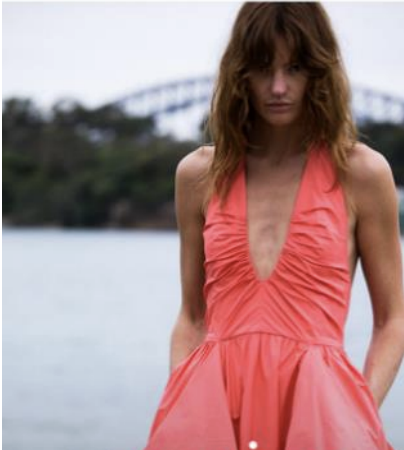 The image that resulted in the breach.
Community Panel’s assessment
In its assessment, the Community Panel acknowledged the model did not appear excessively thin in her arms or face. However, it focused on the visibility of her ribs and sternum through her chest area.
The Panel found this visual emphasis created the expectation that an ideal body type is thin enough for bones to be clearly visible, which it considered inconsistent with prevailing community standards on health and safety.
While a minority of panel members viewed the image as depicting a tall, lean model consistent with fashion norms, the majority concluded the portrayal risked condoning unhealthy behaviours in pursuit of such a body type.


The leading media trade publication in Australia.
Get our top stories straight to your inbox daily by signing up to our Newsletter
By providing your information, you agree to our Terms of Use and our Privacy Policy. We use vendors that may also process your information to help provide our services.
The ruling stressed that advertising must not promote body shapes that are unrealistic or unattainable through healthy practices, unless clearly justified by the product or service being advertised.
The Panel found no such justification in this case, determining the image went beyond showcasing garment design and instead reinforced a narrow and potentially harmful body ideal.
Manning Cartell’s response
Manning Cartell defended the campaign, stating it works with reputable modelling agencies and that the model was a professional in good health.
The brand said its broader content celebrates diversity across ages, races, and body types, and argued the lighting, pose, and fashion photography style may have accentuated certain features.
Despite this, the Panel ruled the imagery still breached the Code, regardless of intent or wider brand positioning.
The ruling reinforces growing regulatory and community scrutiny around body image in fashion and lifestyle marketing.
It sends a clear signal to advertisers that creative styling, lighting, or industry norms will not outweigh concerns where imagery promotes unhealthy or unrealistic body standards.
The ad has since been discontinued.
More from Mediaweek
The leading media trade publication in Australia.
Get our top stories straight to your inbox daily by signing up to our Newsletter
By providing your information, you agree to our Terms of Use and our Privacy Policy. We use vendors that may also process your information to help provide our services.
.png%3Fv%3D1787614340422&w=3840&q=75)


