

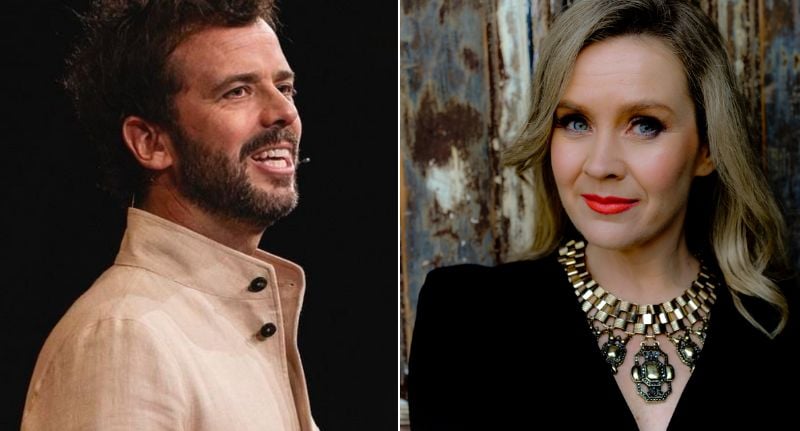
Most people love to ask journalists why they don’t cover any good news. Usually, that’s because past metrics have shown people don’t actually want it. Sure, a quirky story about a surfing llama or a dog running for mayor might spark a few smiles, but imagine trying to build an entire publication out of those yarns.
That’s the challenge Amy Rose and Angus Hervey took on when they launched their Fix The News newsletter.
A newsroom built around progress, not panic
At a time when legacy newsrooms continue to shrink, feeds run on autopilot and public trust scrapes the floor, Fix The News has carved out an unexpected lane. The independent, subscriber-supported publication now reaches readers in 195 countries with a simple promise: uncover stories of human progress that rarely make the nightly bulletin.
Rose said that the idea of good news had long been misunderstood.
“I think the disconnect that quite often happens is that good news traditionally has been dogs on surfboards. And that little piece that comes at the end of a really hefty news bulletin to make everybody feel better. We’re not that.”
For her, the distinction mattered.
Fix The News wasn’t about sugar-coating the world. It was about widening the lens. “It completely starts to change how you see the world. And it isn’t about Pollyanna optimism. It is just about a wider view. So we are not saying that the world is not in a very tricky place right now. It is. There are some things to be genuinely concerned and even a bit scared about. However, at the same time, you know, there’s always the story of collapses happening and the story of renewal is happening.”
Their weekly newsletter reflects that philosophy: stories of poverty reduction, disease elimination, environmental wins, and breakthroughs in human rights and education – slow, unglamorous efforts that rarely trend, but often transform communities.
“We’ve got around 70,000 subscribers around the world,” Rose said. “And we tell hidden stories of progress, that’s what we do. So basically, all the really good things that are happening in the world right now that are driving progress forward that you will probably never see in a mainstream headline, that is what we cover.”
Amy Rose’s own media shift
Rose’s path to Fix The News began in the world she’s now gently rebalancing.
“I came through legacy media. I was a TV producer. I went through Channel Nine, then ITV. So all of that was my background, very much in legacy media,” she said.
It was only after she had her son that she decided she “wanted a change”.
“I actually didn’t want to produce anymore because I didn’t want to do the hours with kids. And so I decided I wanted to write.”
Her business partner, Hervey, arrived at the project from a different concern.
“He was a news junkie. He was really struggling with where the world was heading,” Rose said.
He’d completed a PhD in deforestation, read Steven Pinker’s Angels of Our Better Nature, and became fascinated by the gap between the world we fear and the world that is actually improving.
“So it started with Gus rounding up some stories each week, started with 50 family and friends, and now we’re at 70,000 subscribers and counting across the globe.”
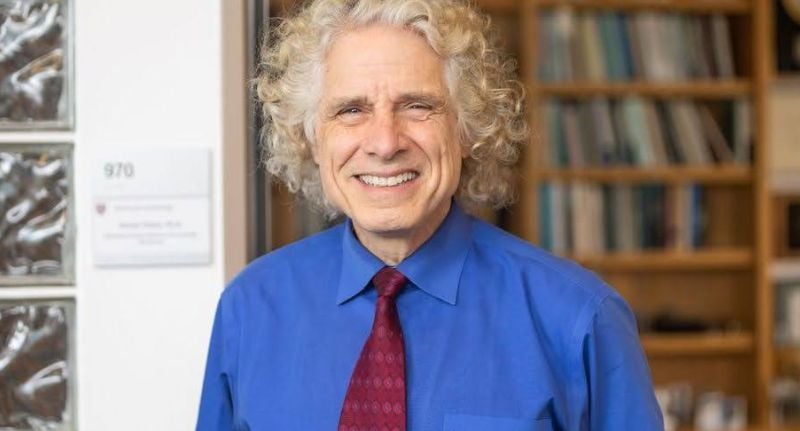
Steven Pinker
Stories that say something bigger
Some of Fix The News’ most-read stories underline the scale of underreported progress. Among them:
• 95 million children lifted out of extreme poverty this century
• Elk returning to the Sierra Nevada after land was handed back to the Tule River Indian Tribe
• Global stress and worry falling back to pre-pandemic levels, according to Gallup
For Rose, each story meets a high editorial bar.
“We only tell the good news stories. However, in all that positivity, though, there’s a lot of rigour around what constitutes a story for us. So, for our newsletter, it’s mainly curation. So we go through everything from World Health Organisation reports, like GAVI reports, big environmental reports, to stories that are covered in other parts of the media.”
The model has unexpected impacts. “We’ve actually got therapists in America now that have, are subscribing us as part of people’s mental health care plan,” Rose said.
Fix The News runs a free weekly edition featuring its top 10 stories, and a paid version in which about a third of revenue is donated to under-the-radar charities advancing progress.
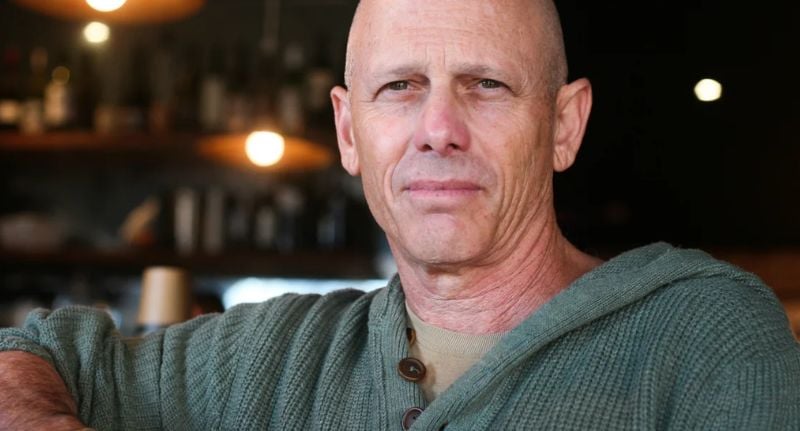
David Leser
A live moment for long-form storytelling
This ethos shapes the event they’re hosting in Sydney tonight: a live recording of Fix The News, alongside a community meetup. The guest is David Leser – one of Australia’s most acclaimed long-form journalists, whose 46-year career has spanned reporting from the Middle East and Washington, contributions to Good Weekend, The Bulletin, Australian Women’s Weekly and The Sydney Morning Herald, two Walkleys and a celebrated documentary on Paul Kelly.
It’s both a conversation and a gathering – an attempt to bring people together at a time when most news consumption happens alone, on the scroll.
“We just want people to find value in journalism again, and for the wider audience to value what true journalism is, and why we need it in some ways more than ever,” Rose said.
The stakes: a different kind of journalism
Fix The News isn’t trying to replace traditional journalism – and Rose is clear about that. “We do not set ourselves up as your comprehensive news source for the world. We’re not.” The point is perspective: a counterweight to an ecosystem optimised for outrage and fear.
And the audience seems hungry for it. A global subscriber base, a podcast, therapists prescribing the newsletter, and an event gathering people offline suggest a shift in how audiences want to feel after consuming journalism.
As Rose put it, “It’s the slow, unglamorous effort over lots of years that will rarely make headlines, but almost always changes the world.”
Tickets for Fix The News Live: The Future of Journalism are available here.
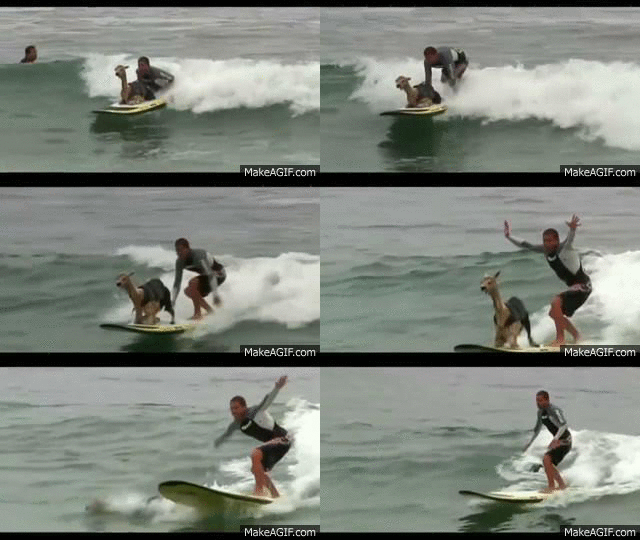
Main image: Angus Hervey and Amy Rose